

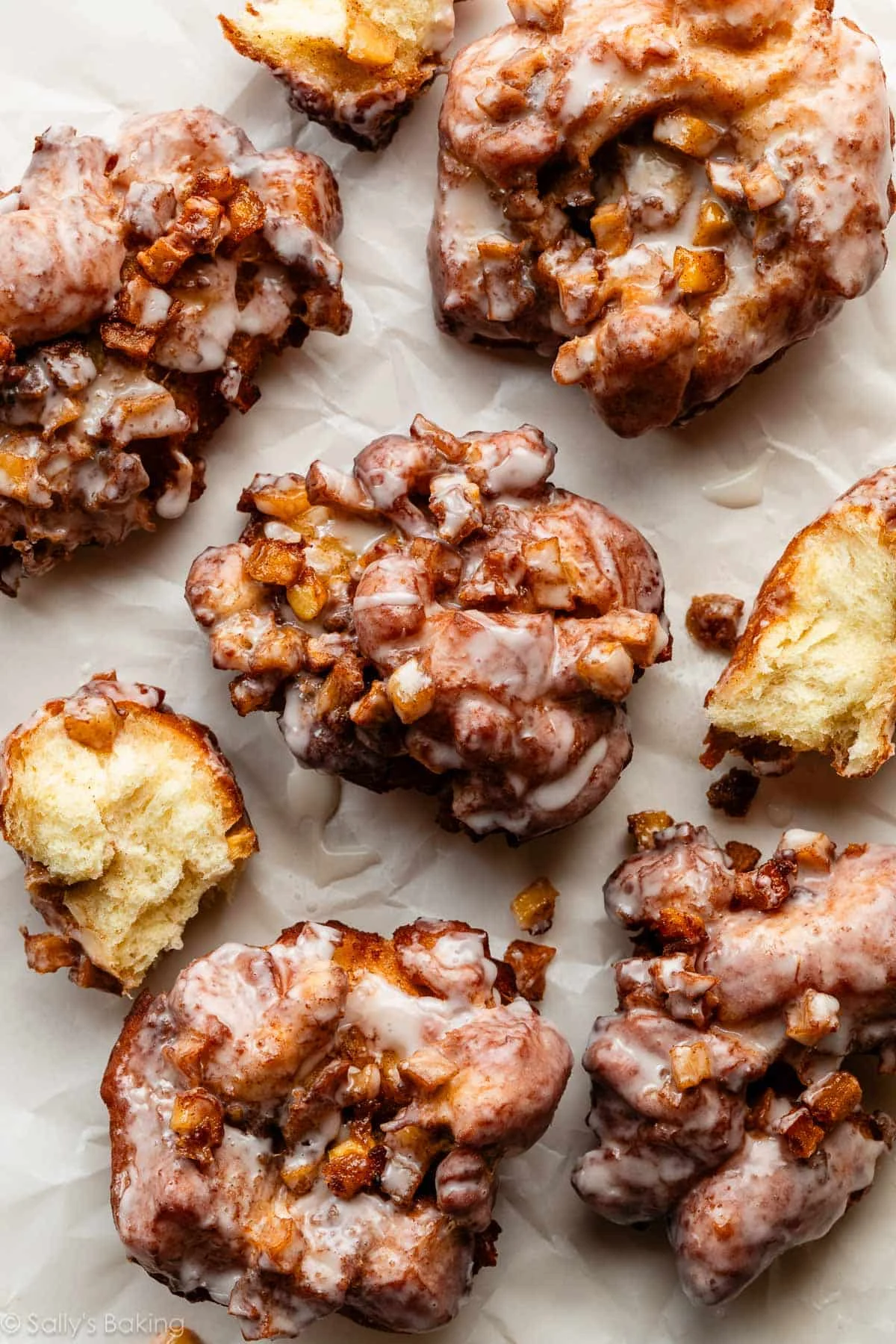
The pursuit of culinary excellence in home kitchens often leads to beloved classics, and the homemade apple fritter stands as a testament to the enduring appeal of traditional, fruit-laden confections. These golden, crisp delicacies, with their tender interiors brimming with juicy, spiced apple pieces, represent a significant undertaking for the home baker, a "labor of love" that culminates in an irresistible sensory experience. The combination of a sweet vanilla glaze, a perfectly crisp exterior, a soft and fluffy dough, and aromatic cinnamon-spiced apples creates a complex flavor profile highly sought after by dessert enthusiasts.
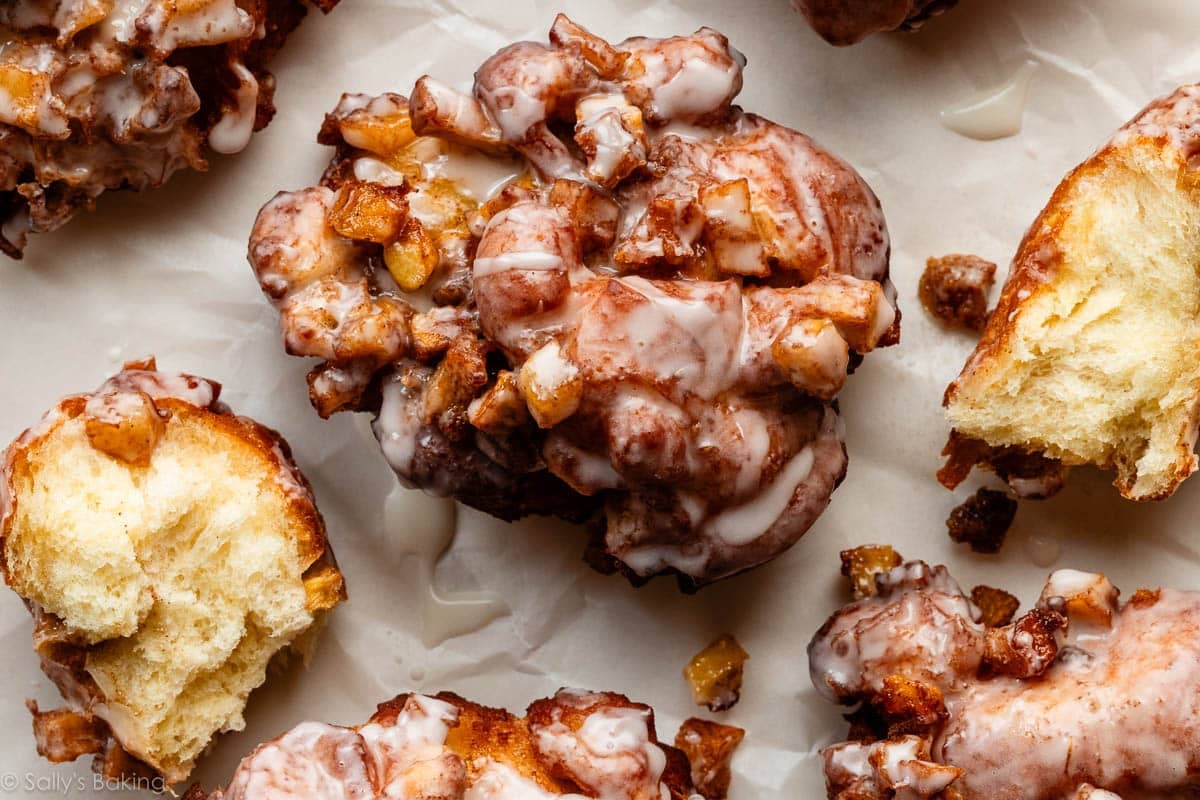
Defining the Apple Fritter: A Culinary Hybrid
Apple fritters are fundamentally a form of fried dough generously interspersed with fresh apples and warm spices. Culinary experts frequently characterize them as a unique hybrid, possessing qualities of both a classic yeast-raised doughnut and a moist apple cake. The distinctive preparation method, involving deep-frying in hot oil, contributes to their signature texture: a wonderfully crisp and caramelized exterior that encases a remarkably soft and tender interior. Some connoisseurs even suggest they surpass the appeal of more widely known fried pastries like funnel cakes, attributing this to the rich fruit inclusion and complex spice blend. This culinary versatility positions fritters as a staple in various dessert traditions, often appearing at seasonal festivals, autumnal gatherings, and as a comforting treat in many households.
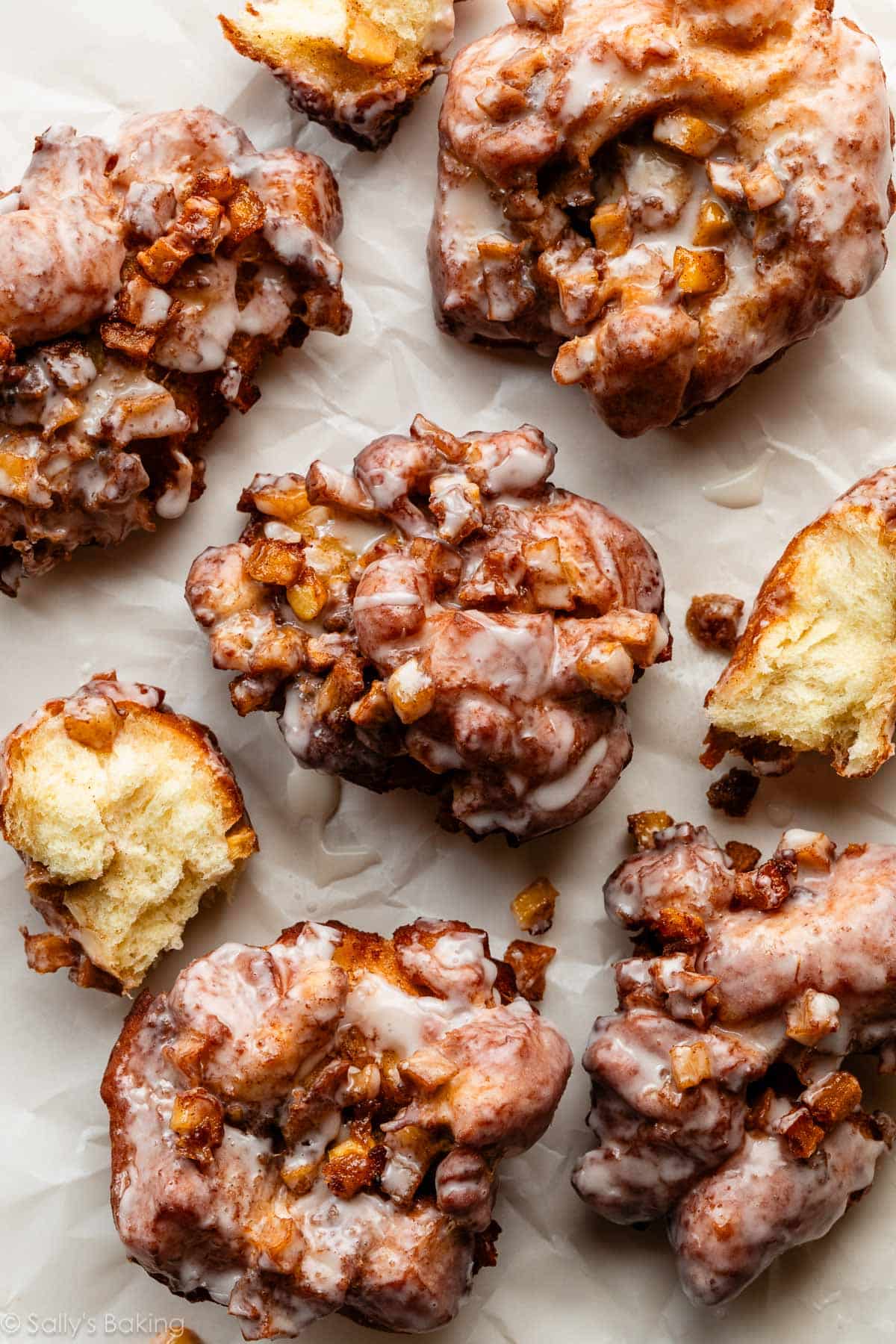
Historically, fritters, in their various forms, have a long and storied past, tracing back to ancient civilizations. The concept of frying dough or fruit in oil is present in numerous cultures across the globe. Early European versions, particularly during the Middle Ages, saw the evolution of fritters as a way to utilize seasonal fruits and leftover bread dough. The Dutch, for instance, had their "oliebollen," a type of fried dough with fruit, which is considered a precursor to modern doughnuts and fritters. As European settlers migrated to North America, they brought these culinary traditions with them, adapting recipes to available local ingredients. Apples, being a readily cultivated and stored fruit, quickly became a popular inclusion, cementing the apple fritter’s place in American culinary heritage. This evolution underscores a broader narrative of food innovation driven by resourcefulness and cultural exchange.
The Anatomy of a Fritter: Essential Ingredients and Their Roles
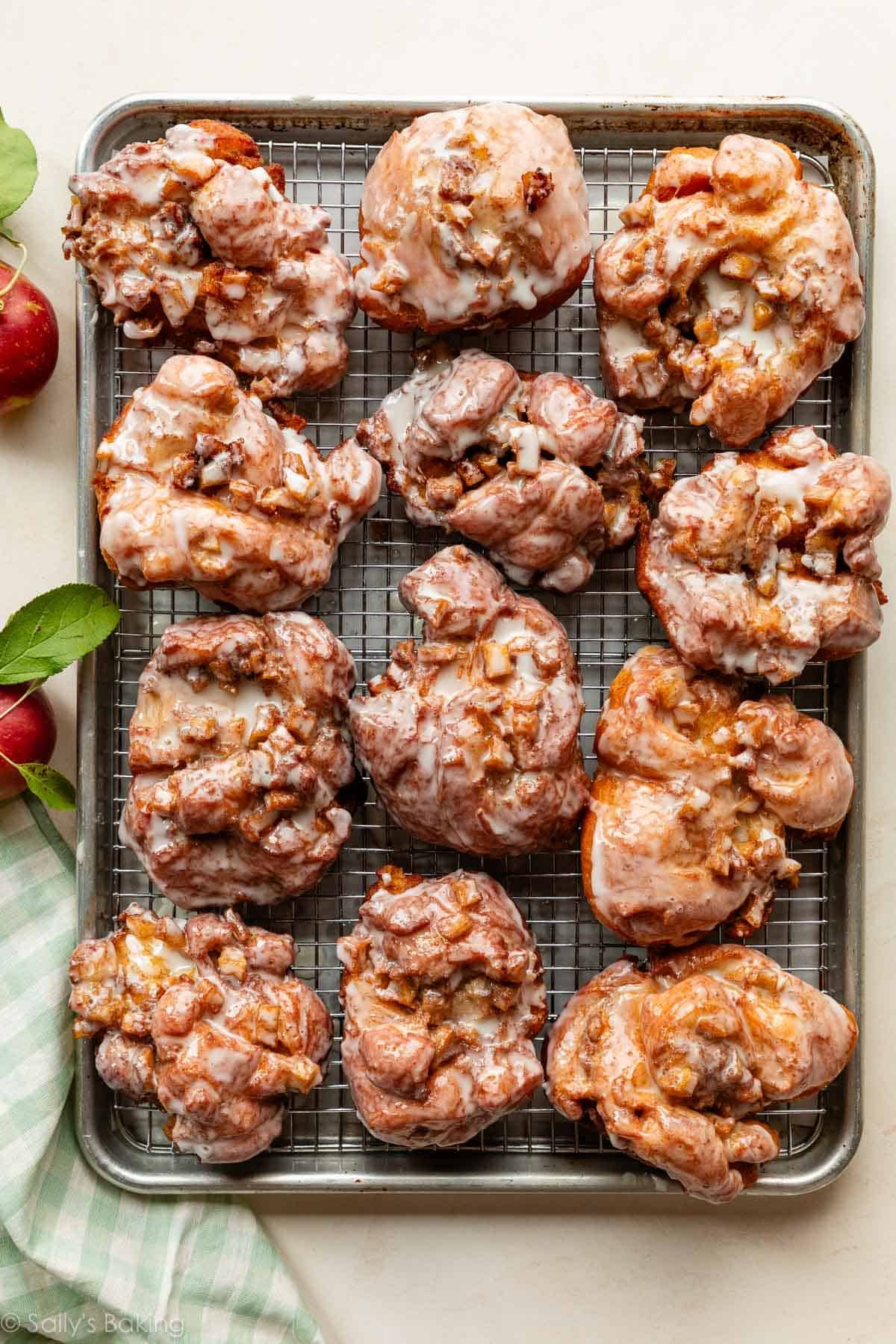
Crafting these homemade apple fritters necessitates a precise selection of ingredients, each playing a critical role in achieving the desired texture and flavor. The dough, forming the foundational structure, requires eight specific components:
- All-Purpose Flour: Provides the primary structure and gluten development, crucial for the dough’s elasticity and ability to hold its shape during frying. The quality and protein content of the flour directly influence the final texture.
- Granulated Sugar: Sweetens the dough and contributes to browning during frying through caramelization, enhancing the fritter’s golden hue.
- Active Dry Yeast: The leavening agent responsible for the dough’s characteristic soft and fluffy texture. Yeast fermentation produces carbon dioxide, causing the dough to rise and creating air pockets. Proper activation and temperature control are paramount for yeast functionality.
- Whole Milk: Adds richness and moisture to the dough, contributing to its tender crumb. The fat content in whole milk also inhibits excessive gluten development, preventing a tough texture.
- Large Eggs: Act as a binder, provide additional richness, and contribute to the dough’s structure and golden color. Eggs also add moisture and help create a smoother dough.
- Unsalted Butter (Melted): Infuses flavor and richness into the dough, while also tenderizing it. The fat in butter helps create a softer texture and prevents the fritters from becoming dry.
- Salt: Balances the sweetness, enhances other flavors, and controls yeast activity. It’s a crucial, often underestimated, ingredient in baked goods.
- Vanilla Extract: Adds a depth of flavor, complementing the sweet and spiced notes of the apples.
Beyond the dough, seven additional ingredients are essential for the filling and glaze, transforming the fried dough into a complete confection:
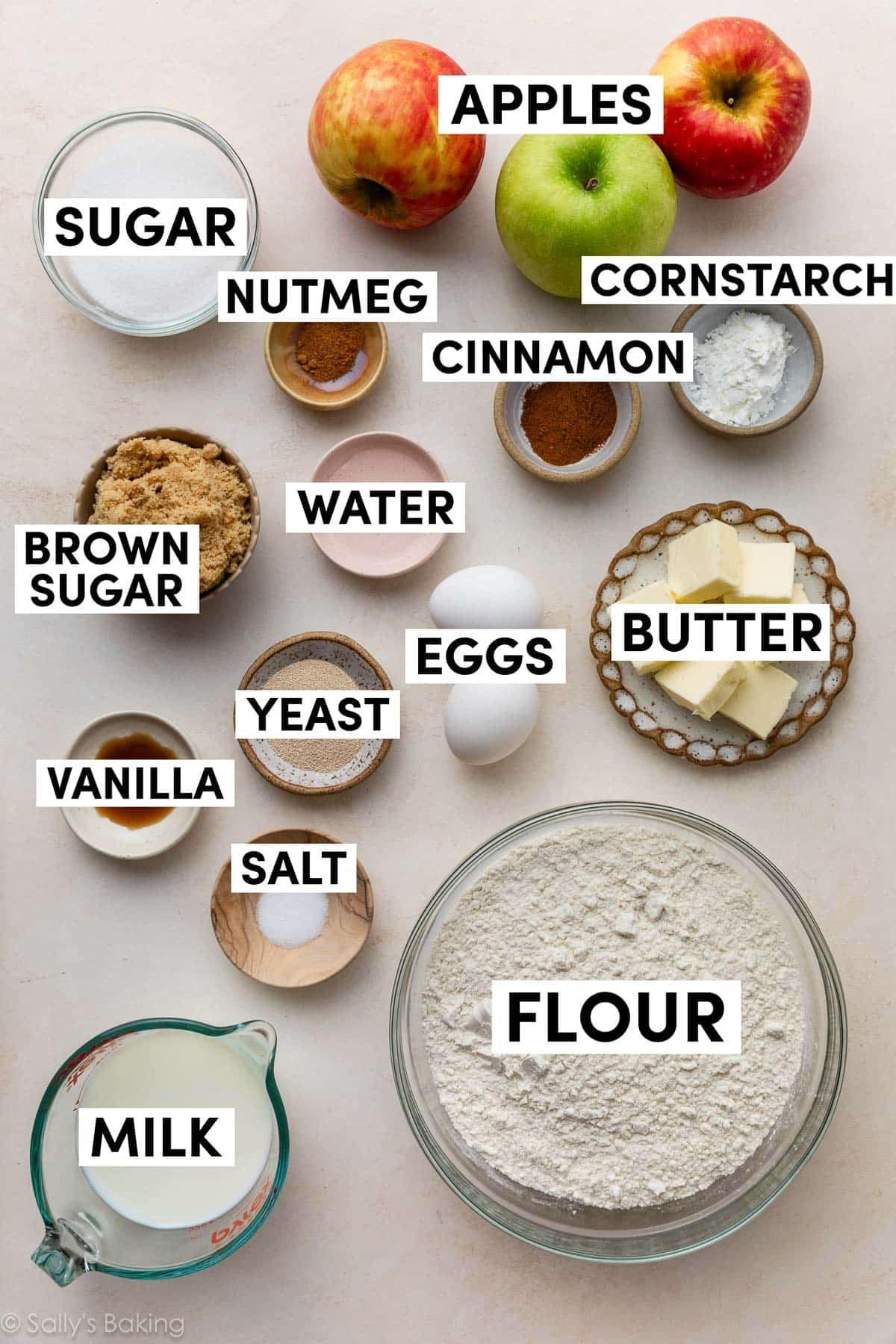
- Fresh Apples: The star ingredient, providing natural sweetness, tartness, and texture. The choice of apple significantly impacts the final flavor and structural integrity of the fritter. Granny Smith is often recommended for its tartness that balances the overall sweetness and its ability to retain shape when cooked. Other firm baking apples like Honeycrisp or Pink Lady are also excellent choices, known for their crispness and resistance to becoming mushy.
- Light Brown Sugar: Sweetens the apple filling and adds a molasses-rich depth of flavor that pairs exquisitely with cinnamon.
- Ground Cinnamon & Nutmeg: The quintessential spices for apple-based desserts, providing warmth, aroma, and a classic flavor profile. These spices are also incorporated into the "bench flour" during shaping, ensuring flavor penetration throughout the fritter.
- Cornstarch: Used as a thickening agent for the apple filling. When dissolved in water (forming a slurry), it prevents the filling from becoming overly watery and ensures it remains cohesive within the dough.
- Water: Essential for creating the cornstarch slurry and activating the yeast.
- Powdered Sugar (Confectioners’ Sugar): The base for the sweet, smooth vanilla glaze, dissolving easily to create a consistent coating.
- Additional Milk for Glaze: Adjusts the consistency of the glaze, allowing it to be thick enough to coat but thin enough to drizzle or dip.
For those new to baking with yeast, understanding the fundamentals of yeast activation and dough handling is crucial. Resources like comprehensive baking guides can demystify the process, highlighting the importance of warm liquids (not hot) to activate the yeast and the role of kneading in developing gluten for an optimal dough structure.
The Culinary Journey: From Dough to Delicacy
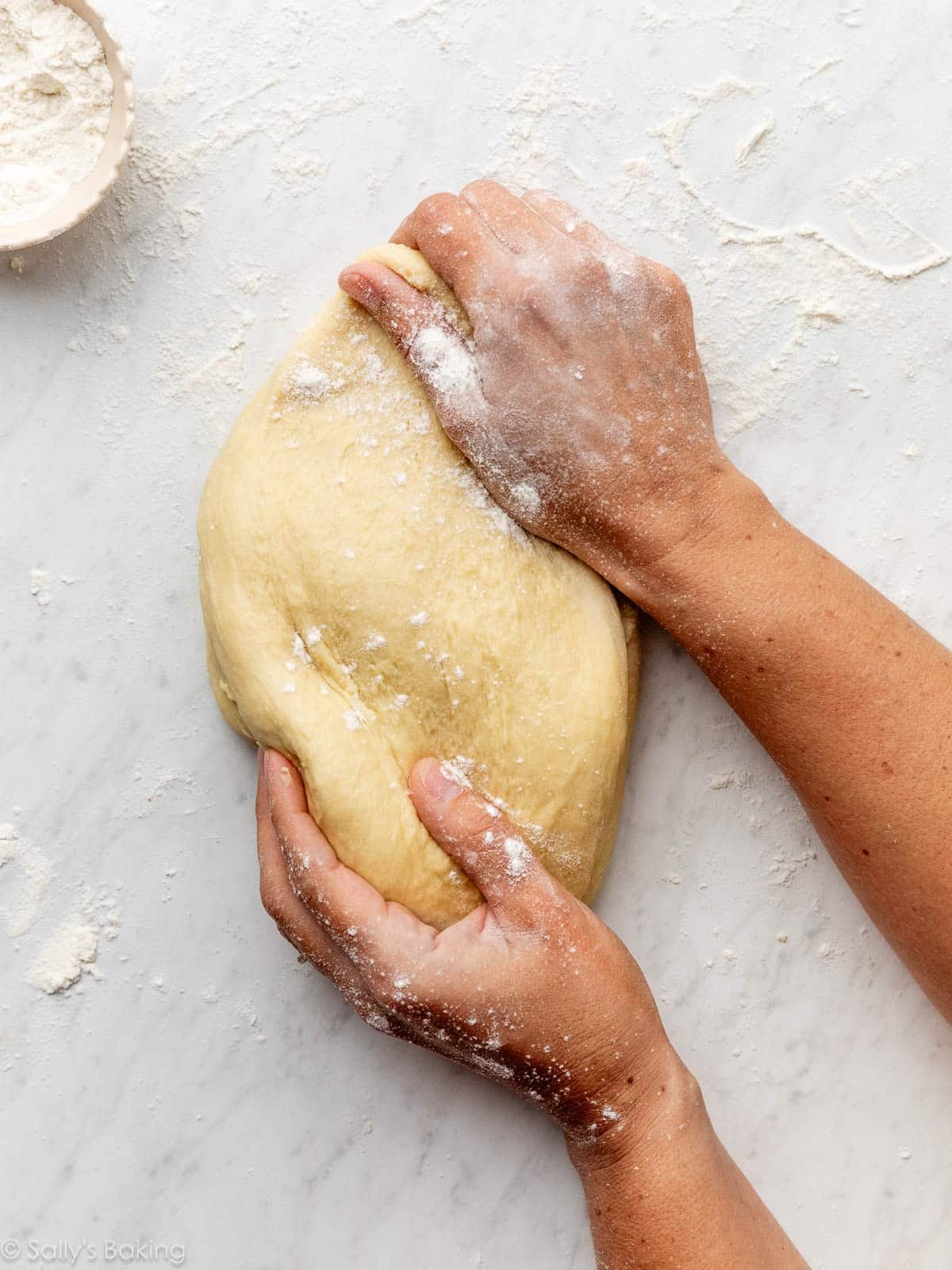
The creation of homemade apple fritters follows a methodical progression, beginning with the dough preparation. A stand mixer equipped with a dough hook simplifies the initial mixing and subsequent kneading, though the process can be accomplished by hand, requiring more physical effort to develop the gluten adequately. After mixing, the dough undergoes its first rise, a period typically lasting one to two hours. This crucial resting phase allows the yeast to ferment, expanding the dough and developing its characteristic airy texture.
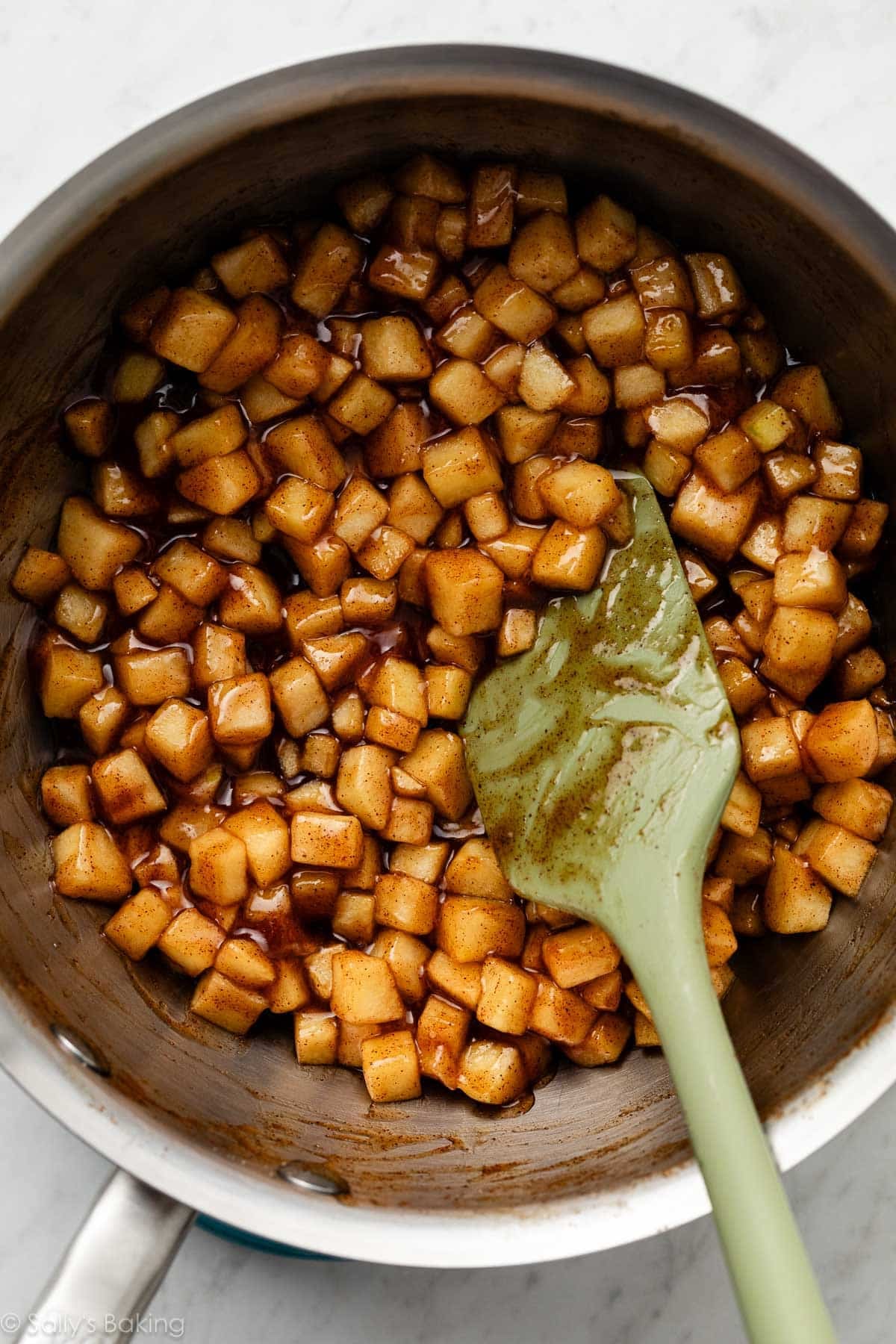
Concurrently with the dough’s rise, the apple filling is prepared. This involves combining finely chopped apples with brown sugar and the specified spices in a saucepan. A brief cooking period softens the apples and melds the flavors. A cornstarch slurry—cornstarch dissolved in water and a touch of vanilla extract—is then introduced to thicken the mixture, creating a rich, saucy filling that will further firm up as it cools. Cooling the filling completely is vital to prevent it from excessively moistening the dough during shaping and frying.
The Art of Shaping: Embracing Imperfection
Shaping apple fritters is often described as a delightfully messy endeavor, a process that celebrates rustic charm over geometric precision. Prior preparation, including having a bench scraper and pre-cut squares of parchment paper (approximately 5-6 inches each), streamlines this stage. A unique technique involves creating a "bench flour" by mixing flour with additional cinnamon and nutmeg. This not only prevents sticking but also infuses more spice directly into the fritter dough.
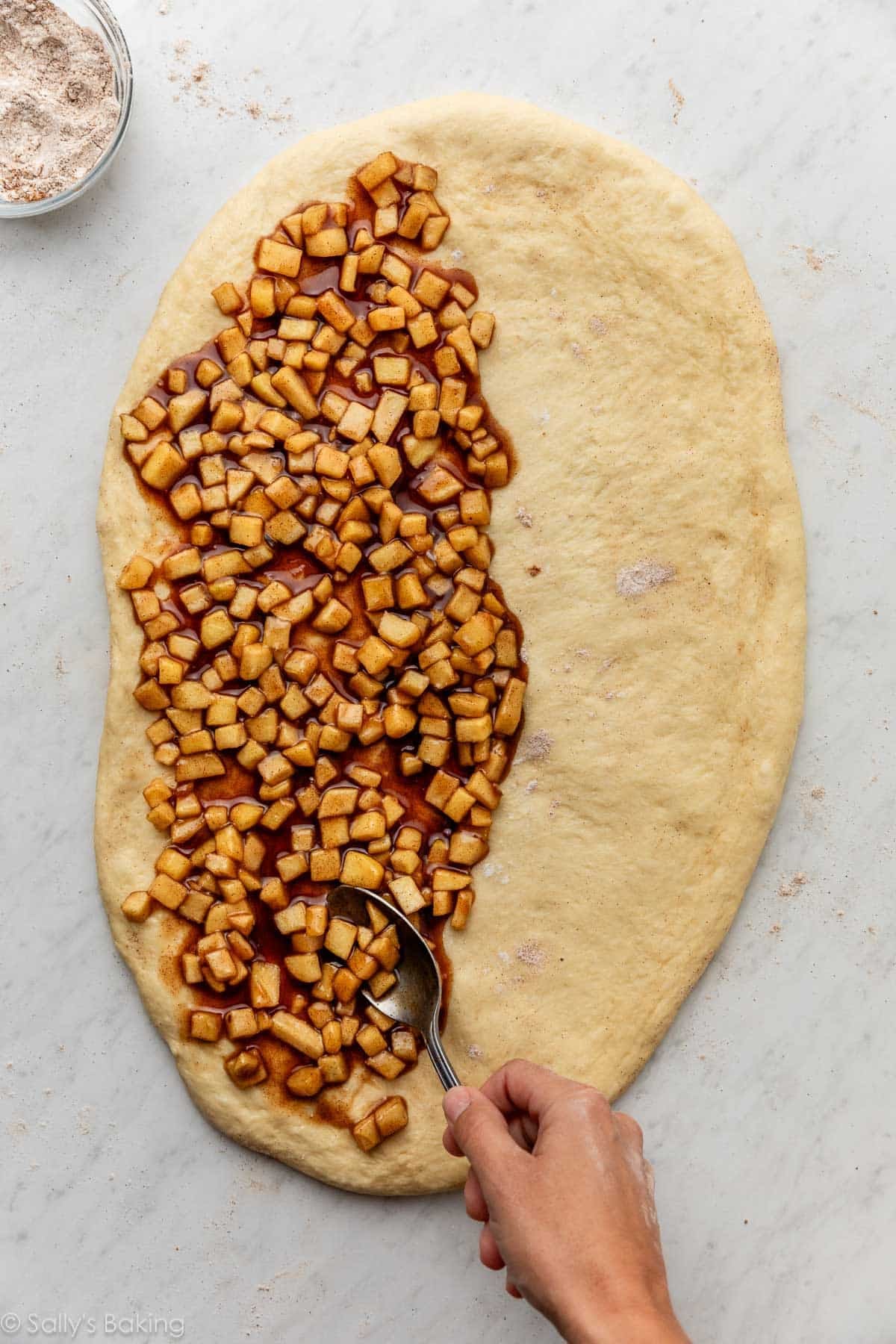
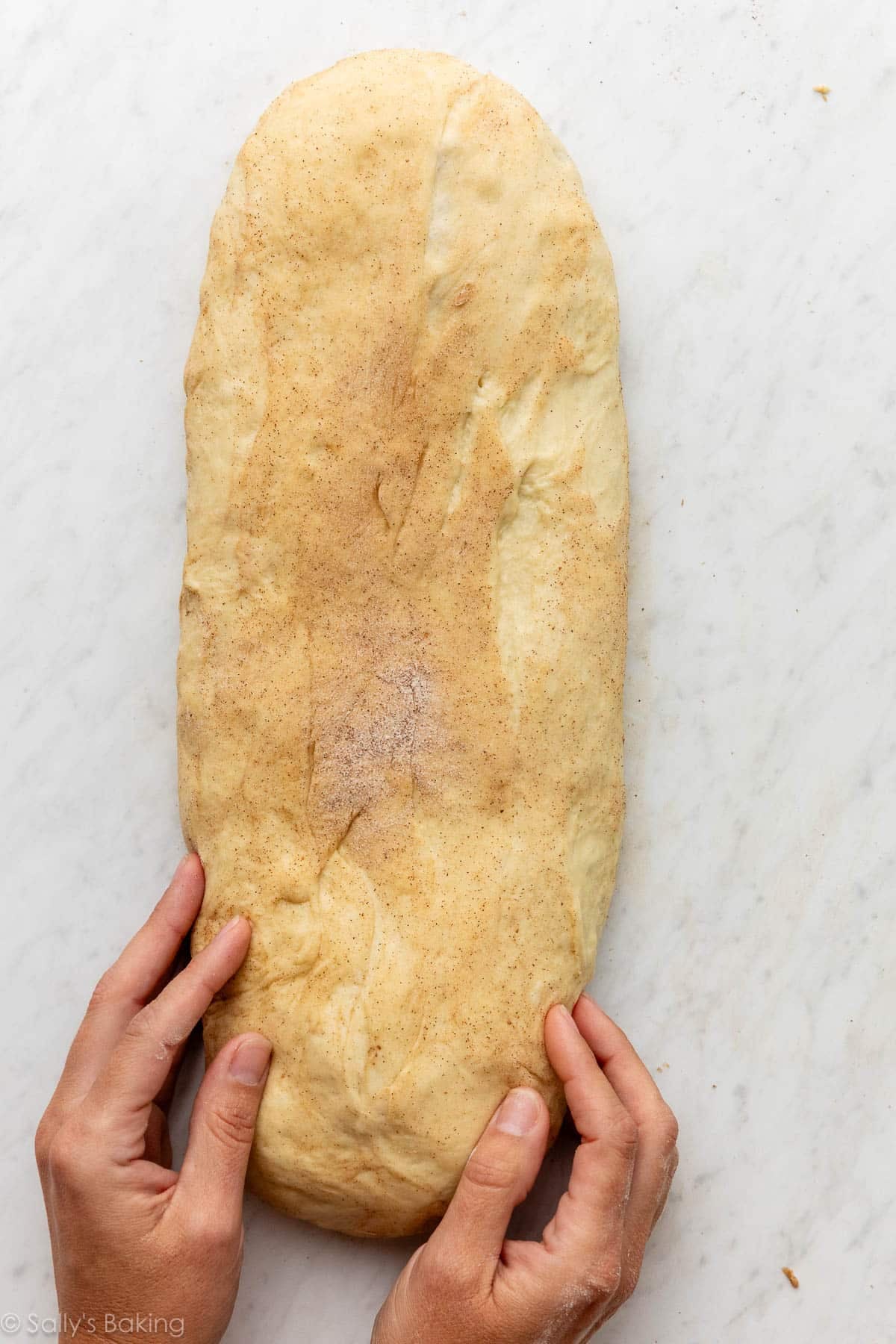
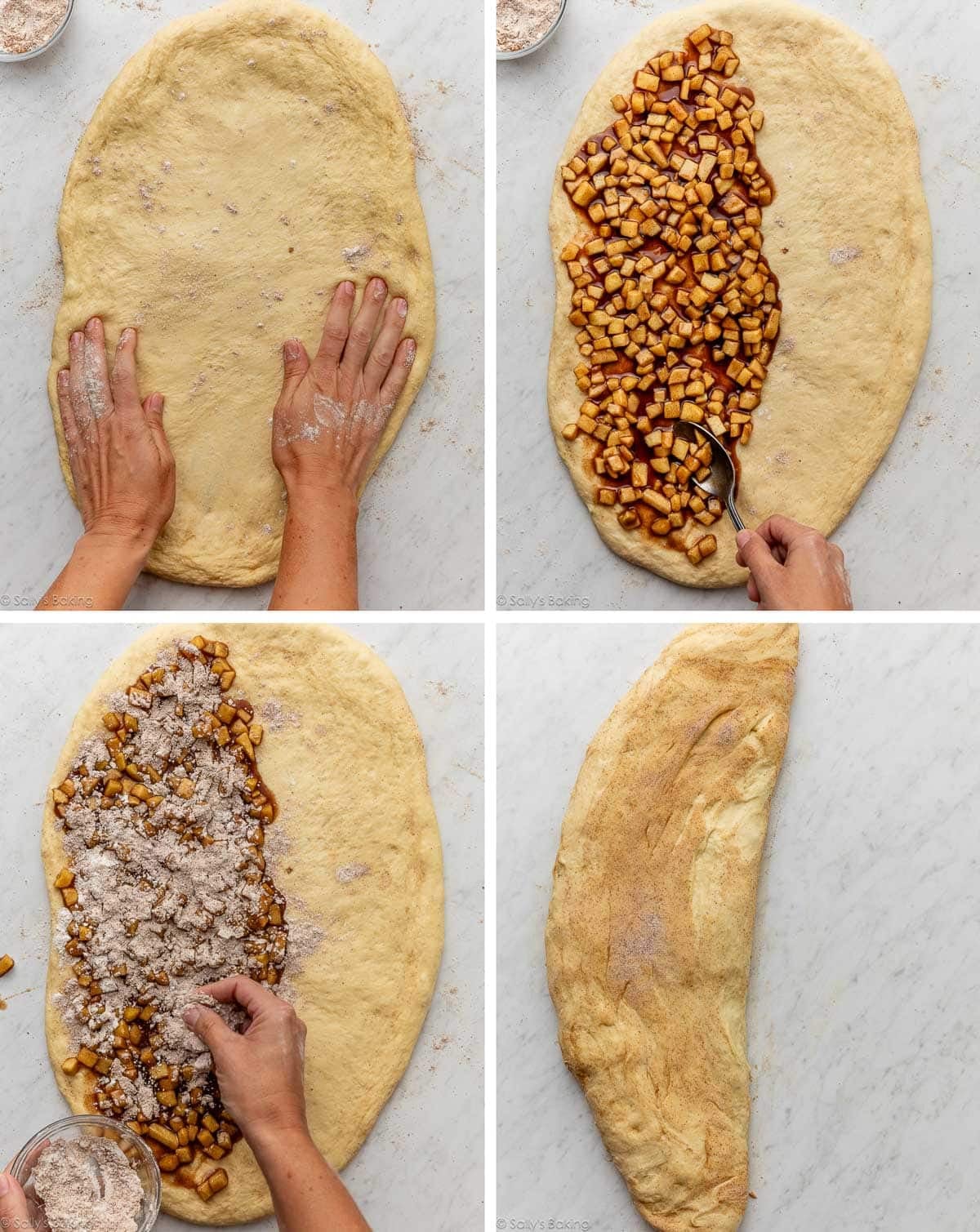
After punching down the risen dough, it is turned onto the spiced work surface and pressed or rolled into a ½-inch-thick oval or round. The cooled apple filling is then spread evenly over one half of the dough. A light sprinkle of the spiced bench flour over the filling is recommended to absorb excess moisture and enhance flavor. The dough is then folded over the filling, akin to a large calzone, and the edges are sealed.
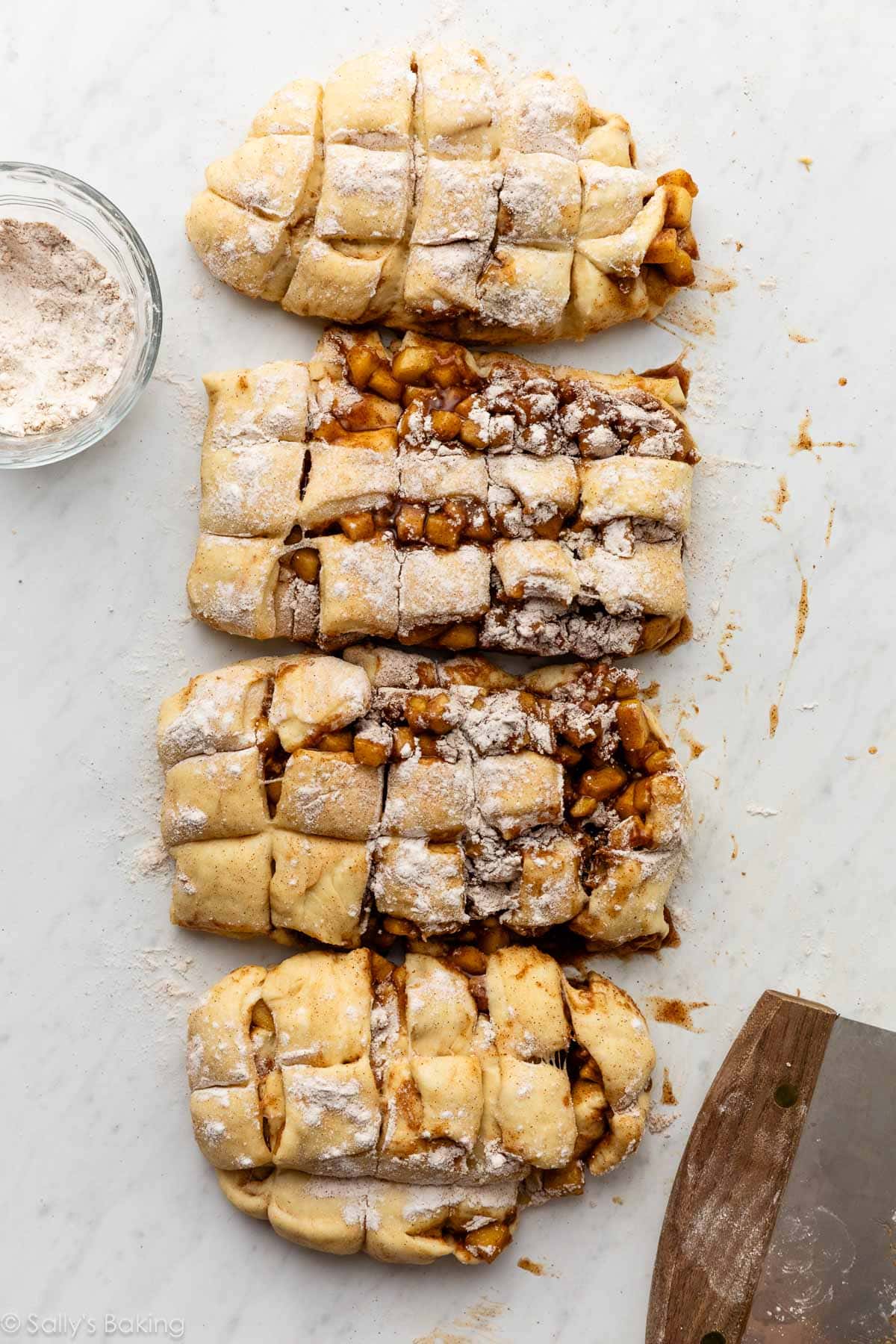
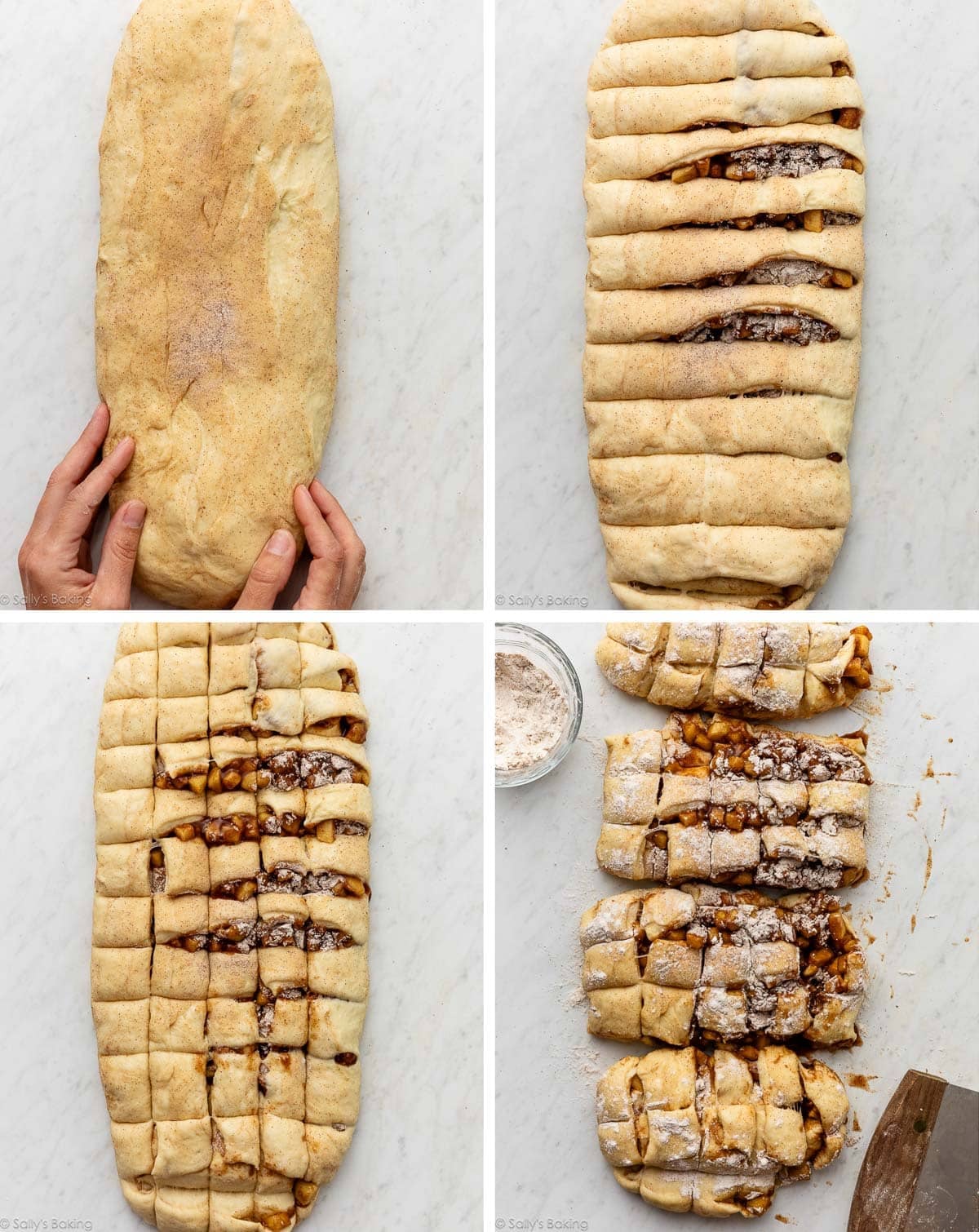
The filled dough is then shaped into a rounded log. Using a bench scraper or a sharp knife, a series of horizontal cuts (approximately 11, mostly but not entirely through) and 3-4 vertical cuts are made, creating a crosshatch pattern. This step is not about exactitude; the inherent irregularity contributes to the fritter’s charm. The cut-up dough is then divided into 12 portions, with adjustments made to redistribute filling as needed to ensure even distribution. This messy, iterative process culminates in uniquely lumpy and asymmetrical fritters, a hallmark of their homemade authenticity.
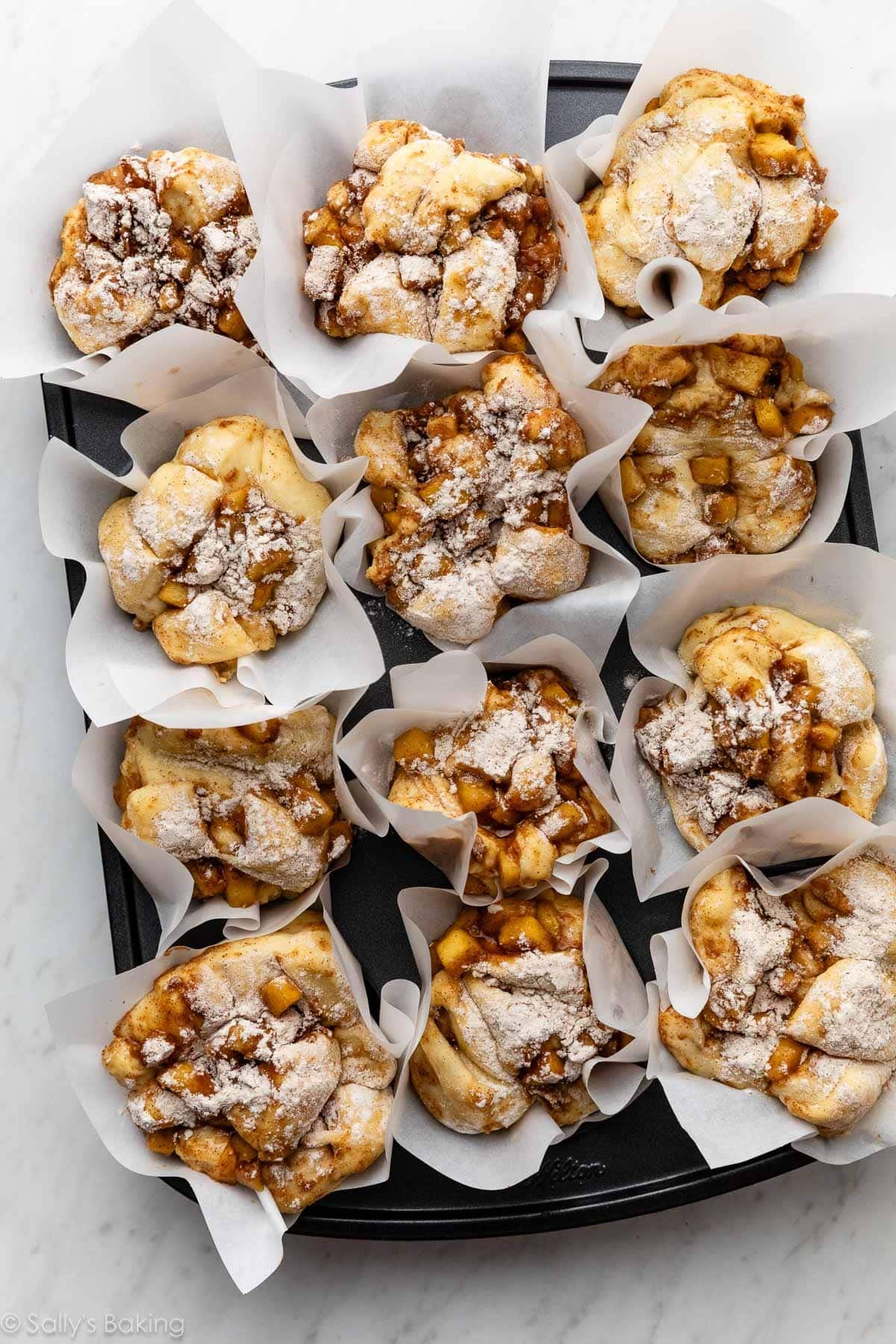
A critical tip for managing the shaped fritters involves placing each one onto an individual parchment paper square and then setting them within a standard 12-cup muffin pan. This method helps the fritters hold their shape and prevents spreading during their final brief rest before frying. Loosely covered, they are left to rest while the frying oil is heated.
Mastering the Fry: Technical Considerations and Safety
Frying apple fritters requires careful attention to detail, particularly regarding oil temperature and handling. While a deep fryer is convenient, a sturdy pot or Dutch oven paired with an oil/candy thermometer suffices. The choice of oil is crucial; neutral-flavored oils with a high smoke point, such as vegetable, canola, or peanut oil, are recommended. These oils do not impart unwanted flavors and can withstand the necessary high temperatures. Oils with low smoke points or strong flavors, like olive oil, should be avoided.
Key "Do’s and Don’ts" for successful frying include:
- Do use an oil/candy thermometer: Maintaining the correct oil temperature (typically around 350-360°F or 175-180°C) is paramount. Too hot, and the fritters will brown excessively before cooking through; too cool, and they will absorb excessive oil, resulting in a greasy product.
- Do not overcrowd the pot: Frying 2-3 fritters at a time is ideal to maintain oil temperature and allow for even cooking. Overcrowding drops the oil temperature, leading to greasy fritters.
- Do use parchment paper: The individual parchment squares are instrumental. They allow for easy transfer of the delicate fritters into the hot oil, preventing sticking and maintaining shape.
- Do monitor oil temperature: Adjust heat as necessary to keep the temperature stable throughout the frying process.
- Do have proper tools: A large flat spatula for lowering fritters and tongs for flipping and removing parchment are essential for safety and efficiency.
- Do not reuse oil indefinitely: While straining and reusing clean oil a few times is possible, oil degrades with heat and use. Observe for dark color, strong odors, or excessive smoking, which indicate it’s time to discard.
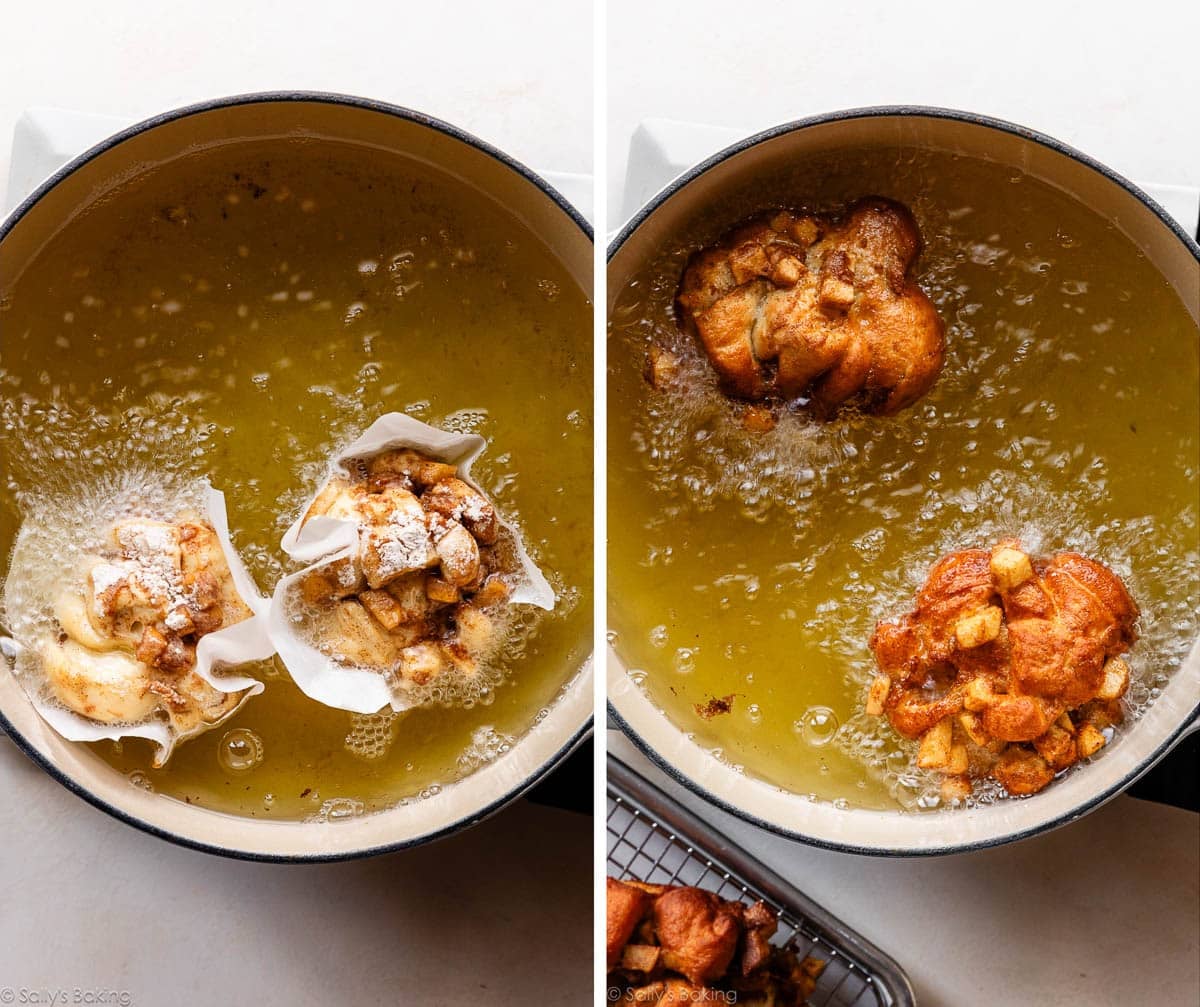
When the oil reaches the correct temperature, each fritter, still on its parchment square, is carefully lowered into the oil using a large flat spatula. After approximately two minutes, the parchment is gently removed with tongs as the fritter is flipped. Frying continues until both sides achieve a deep golden-brown hue. Once fried, fritters are transferred to a cooling rack set over a lined baking sheet, allowing excess oil to drain. Any loose apple pieces that escape during frying can be tucked back into the fritters once they are cool enough to handle.
The Finishing Touch: The Vanilla Glaze and Optimal Enjoyment
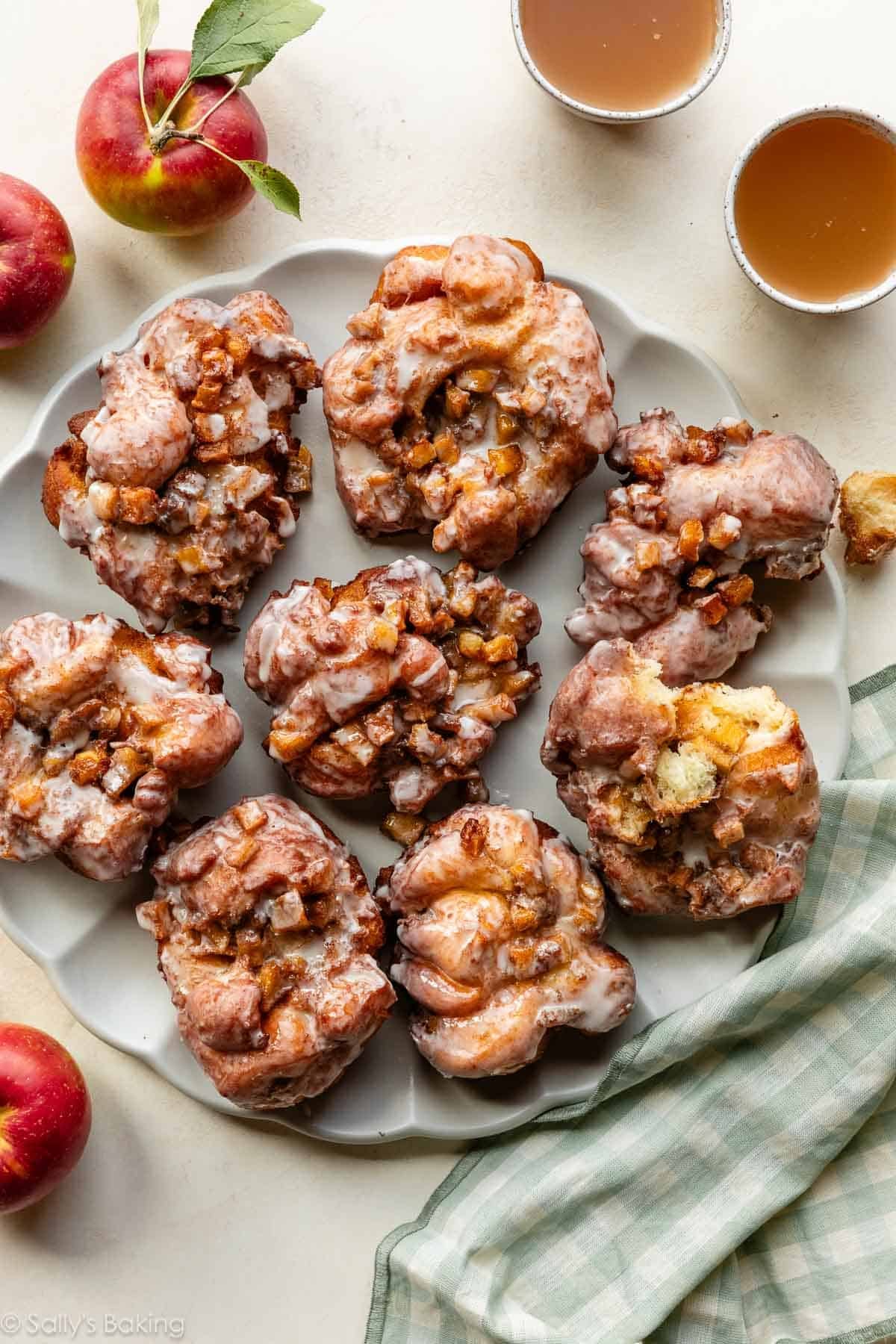
No homemade apple fritter is complete without its glossy vanilla glaze. This simple concoction, typically comprising confectioners’ sugar, milk, and vanilla extract, provides the iconic bakery-style finish. While some variations might suggest incorporating apple cider or additional spices into the glaze, extensive testing indicates that these extra flavors often become imperceptible, and the straightforward vanilla glaze allows the intrinsic flavors of the cinnamon-spiced apples and tender dough to shine.
The ideal moment to apply the glaze is while the fritters are still warm. Dipping the tops of the warm fritters into the glaze ensures an even, thin coating that sets beautifully. The immediate gratification of enjoying a fritter while it is still slightly warm, with the glaze just set, is often cited as the peak experience. This moment encapsulates the "worth it" factor of the entire labor-intensive process.
Broader Implications and Culinary Trends
The resurgence of interest in homemade desserts like apple fritters reflects several broader culinary and societal trends. There is a growing appreciation for artisanal, from-scratch food preparation, driven by desires for transparency in ingredients, control over dietary content, and the satisfaction derived from creating something by hand. This trend aligns with increased consumer interest in food provenance and the revival of traditional cooking skills.
From an economic perspective, the reliance on apples for such desserts highlights the importance of seasonal agriculture and local produce markets. Apples remain one of the most widely consumed fruits globally, with significant production in regions like North America, Europe, and Asia. The demand for specific baking apple varieties, such as Granny Smith or Honeycrisp, can influence agricultural planning and market pricing.
Culturally, apple fritters serve as more than just a dessert; they are often associated with comfort, nostalgia, and festive occasions, particularly in autumn when apples are in season. They embody a connection to culinary heritage, offering a tangible link to past generations and simpler times. The act of making them, though messy, is often a shared experience, fostering community and creating lasting memories.
Nutritionally, while apple fritters are an indulgent treat due to their frying process and sugar content, they also incorporate fresh fruit. A typical apple fritter, depending on size and preparation, can range from 300-500 calories, with significant fat and carbohydrate content. As with all rich desserts, moderation is key, and they are best enjoyed as an occasional pleasure rather than a daily staple. The educational component of understanding frying oil disposal (never down the sink, always cooled and sealed for trash or recycling) also underscores a broader emphasis on responsible kitchen practices.
In conclusion, the homemade apple fritter is far more than a simple recipe; it is a culinary journey that encompasses history, ingredient science, meticulous technique, and cultural significance. Its preparation, while demanding, yields a reward that transcends mere flavor, offering a tangible connection to tradition and the enduring joy of a perfectly crafted sweet indulgence.
