

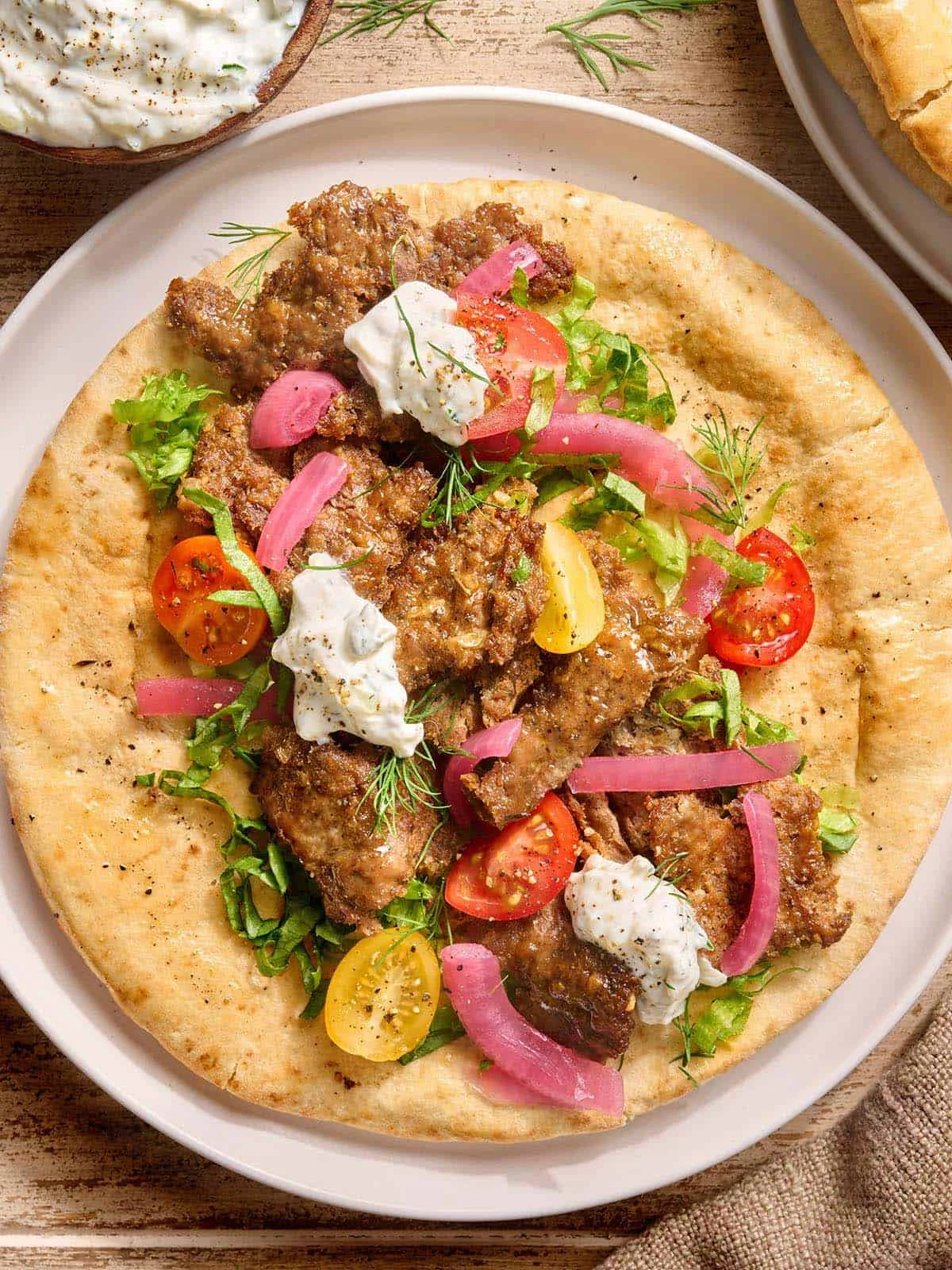
The culinary landscape of 2026 has seen a significant shift toward "at-home takeout," a trend driven by rising restaurant costs and the viral nature of social media food hacks. Leading this movement is the Budget Bytes culinary team, which recently unveiled a Sheet Pan Doner Kebab recipe designed to replicate the complex textures and flavors of the traditional Turkish-German street food within a standard home kitchen. Developed by Melissa Nolan in the Nashville Test Kitchen, the recipe has gained traction for its innovative preparation method and its aggressive price point of $2.76 per serving, challenging the economic viability of traditional fast-casual dining.
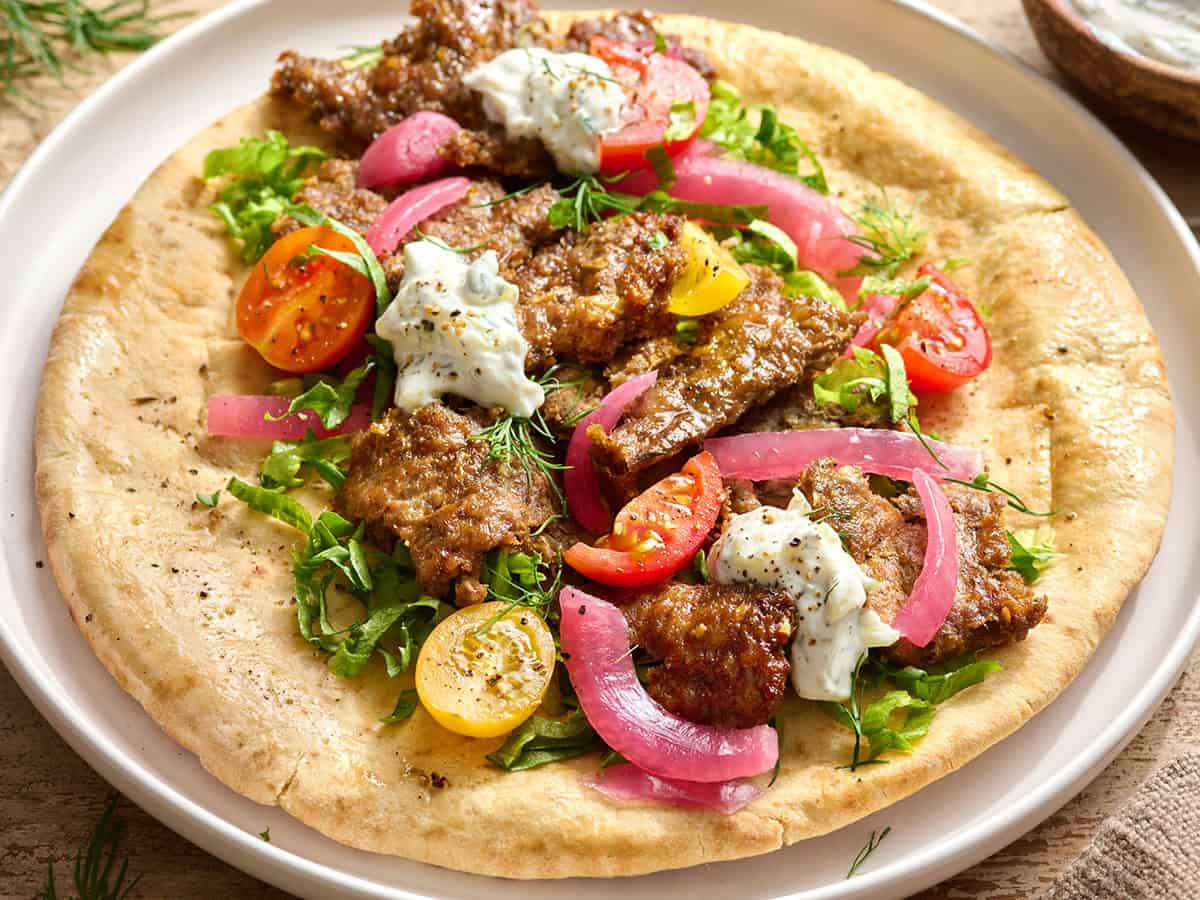
The Evolution of Doner Kebab: From Vertical Spit to Sheet Pan
The doner kebab, a staple of Middle Eastern and European street food, traditionally requires a vertical rotisserie known as a spit. Historically attributed to 19th-century Ottoman chefs and popularized in its modern sandwich form in 1970s Berlin, the dish relies on the slow roasting of stacked meat shavings. For decades, the barrier to recreating authentic doner kebab at home was the specialized equipment required to achieve the signature "crisp-yet-tender" texture.
The emergence of the "sheet pan hack" has systematically dismantled these barriers. By utilizing common household items—specifically parchment paper and a standard baking sheet—the new methodology mimics the thin, shaved layers of a traditional kebab. This transition from professional rotisserie to domestic oven represents a broader democratization of global cuisines, allowing home cooks to bypass expensive specialized gear while maintaining flavor profiles previously reserved for commercial establishments.
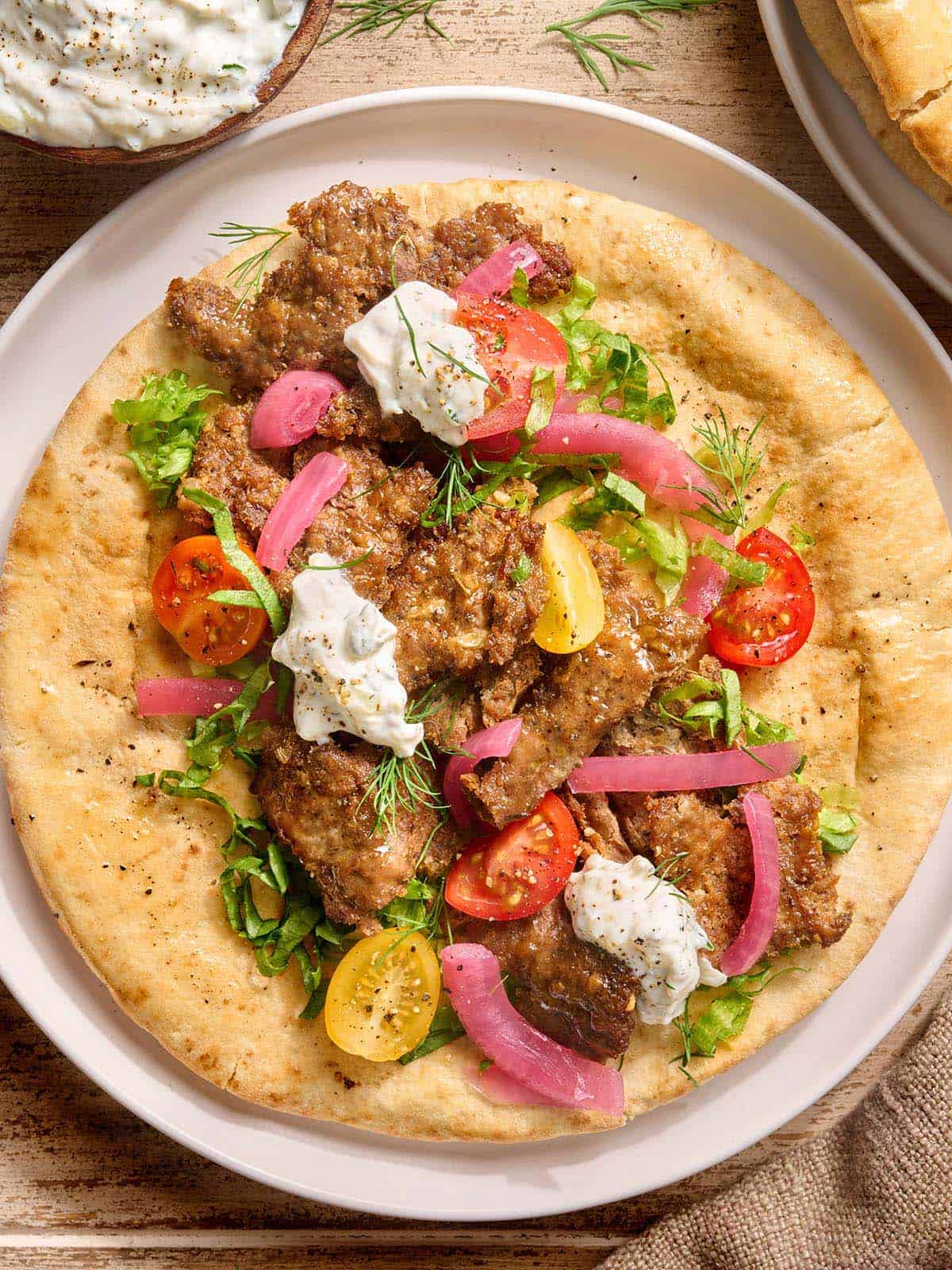
Technical Methodology and Preparation Chronology
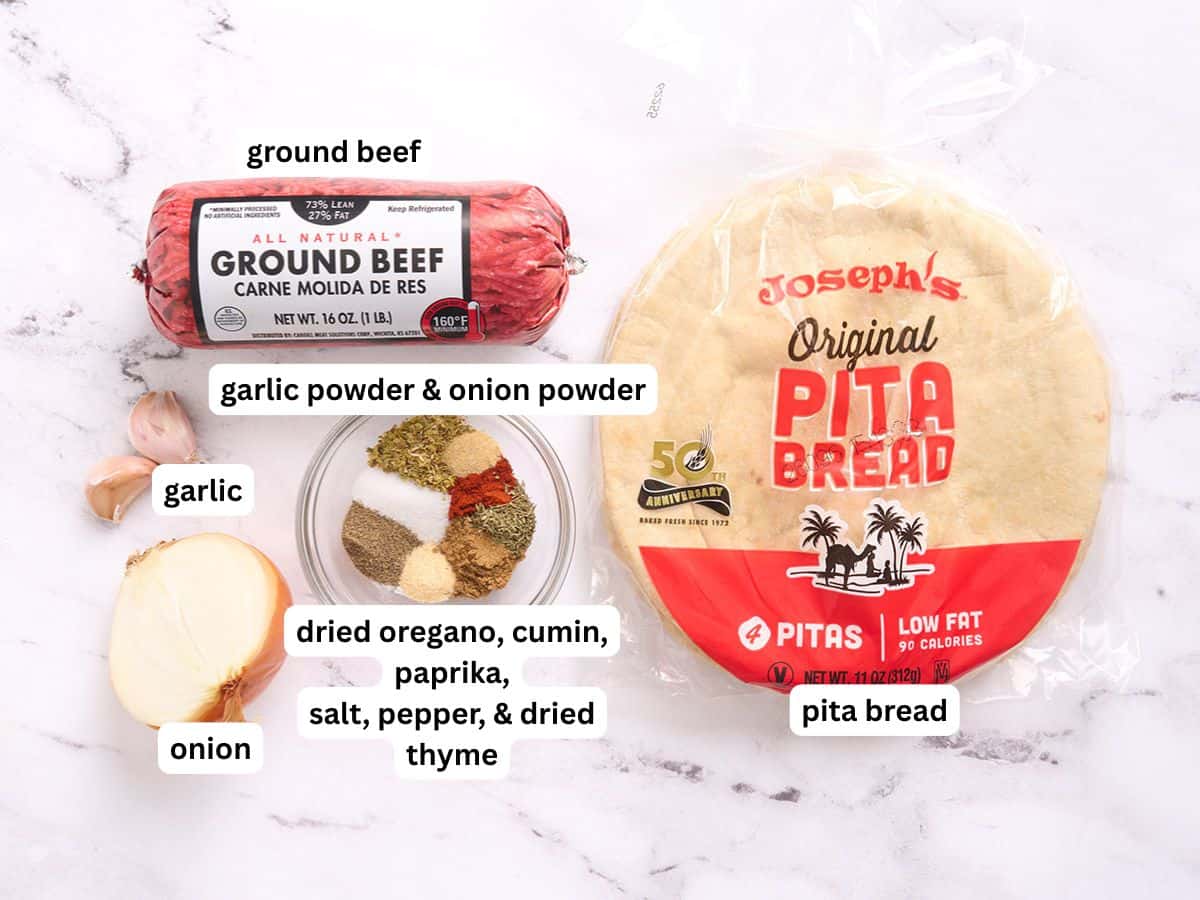
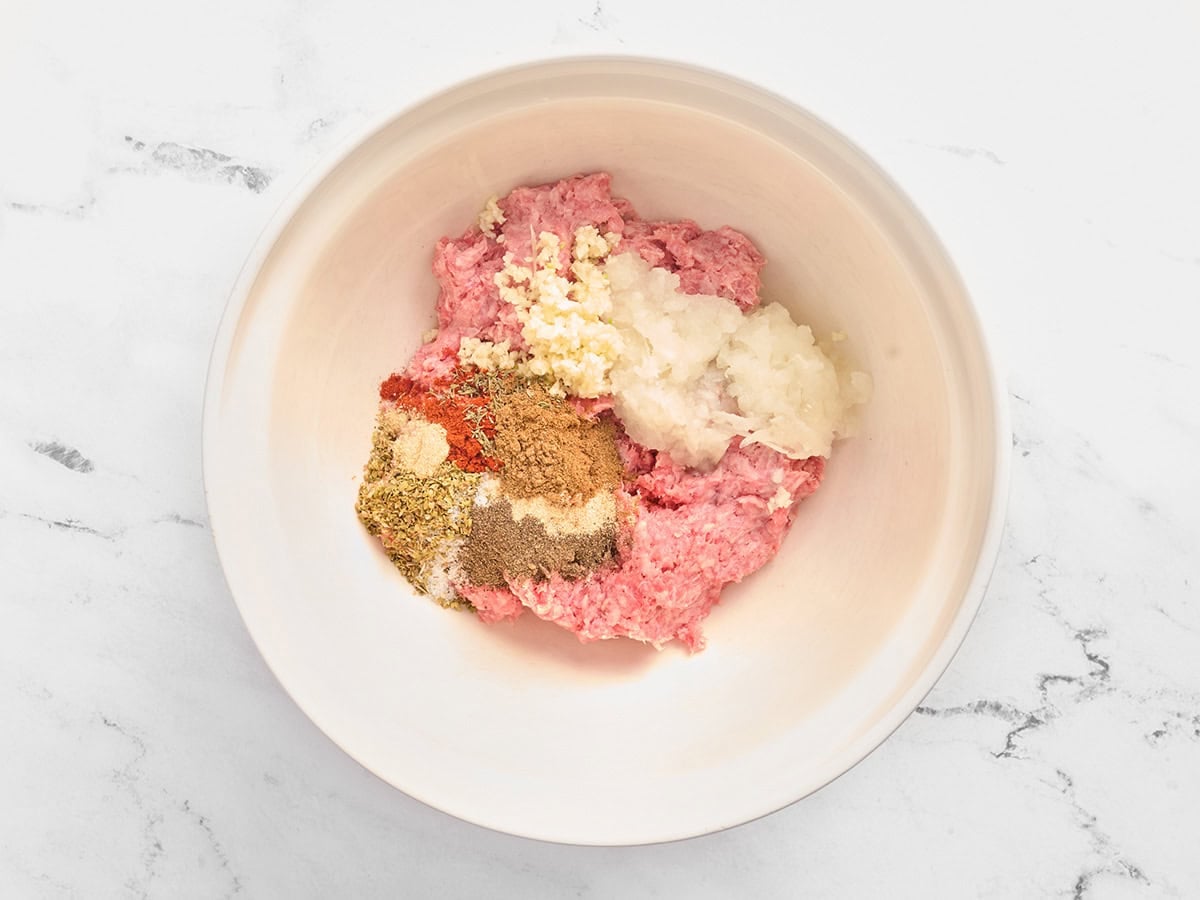
The preparation of the Sheet Pan Doner Kebab is a multi-stage process that prioritizes texture through mechanical manipulation of the protein. The recipe utilizes one pound of ground beef, which is seasoned with a specific blend of pantry staples: dried oregano, ground cumin, paprika, salt, black pepper, dried thyme, garlic powder, and onion powder.
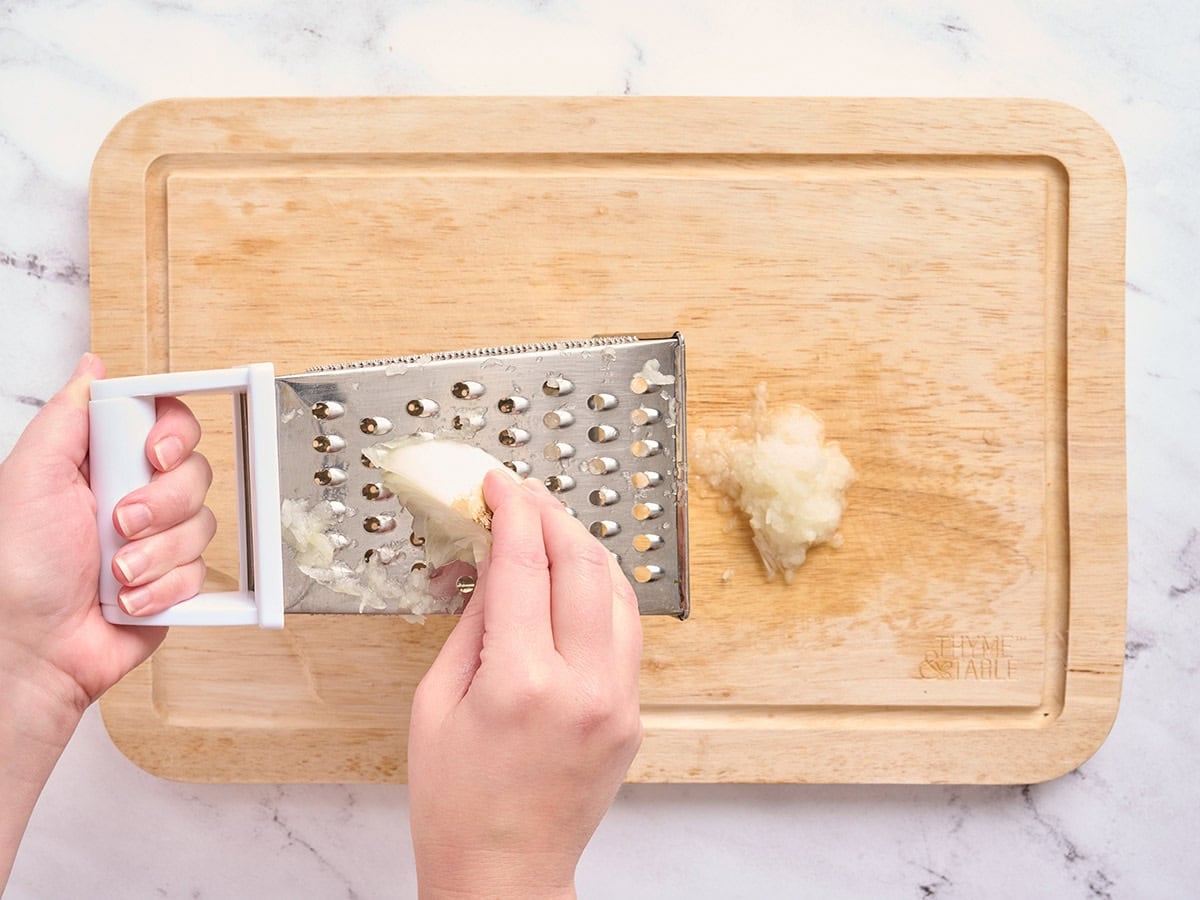
A critical component of the flavor profile is the inclusion of freshly grated onion and minced garlic. According to the Nashville Test Kitchen, grating the onion rather than chopping it ensures the juices are fully integrated into the beef, providing moisture that prevents the thin meat sheets from drying out during the high-heat baking process.
The chronology of the cooking process is as follows:
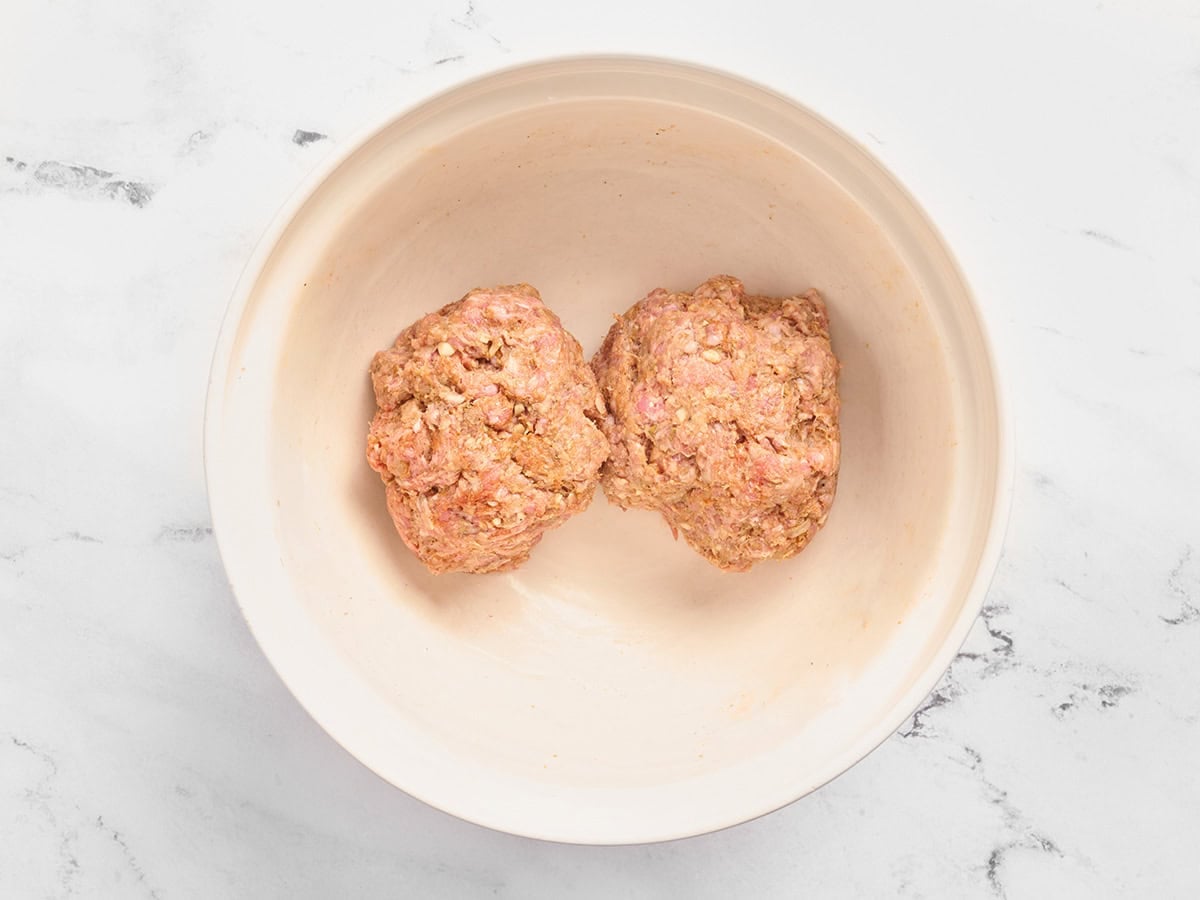
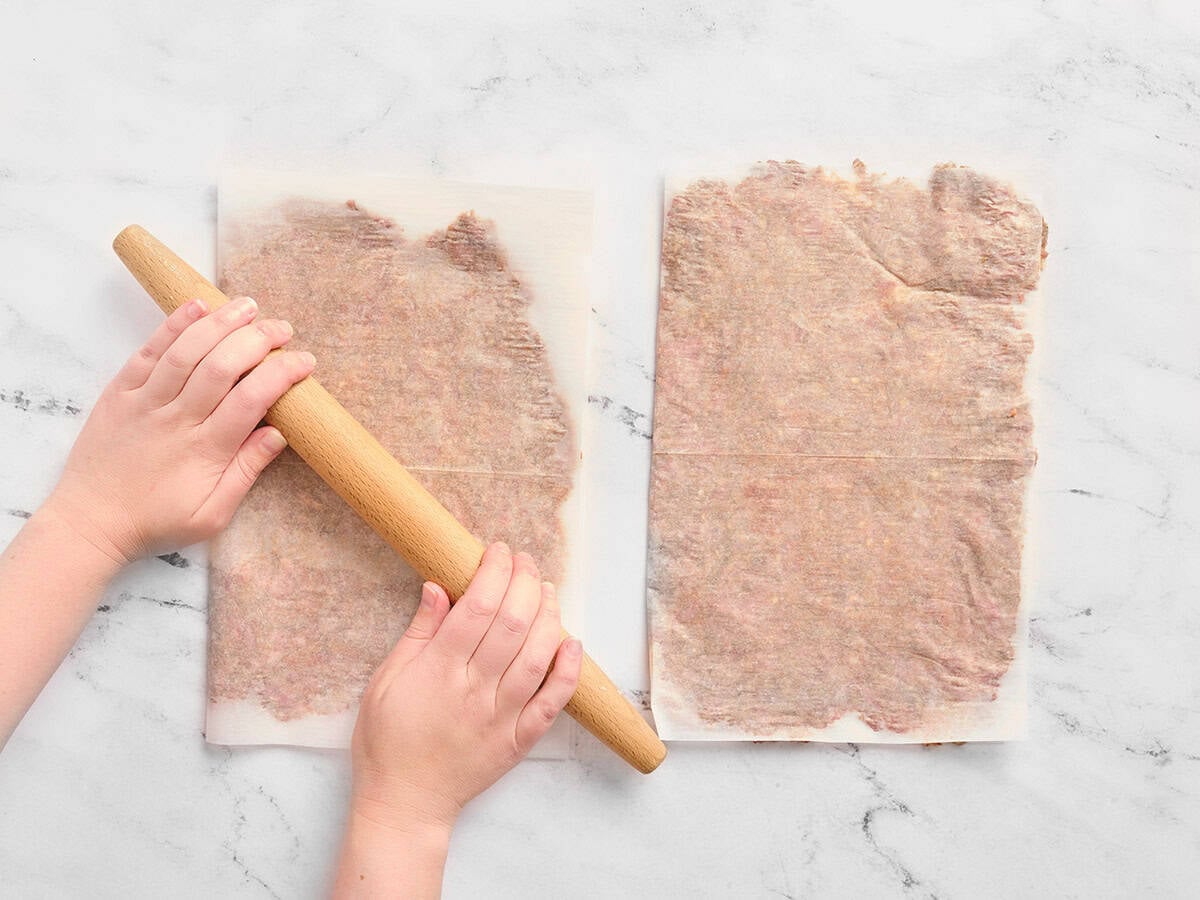
- Preparation of the Protein: The seasoned beef is divided into two equal portions. Each portion is placed between sheets of parchment paper and rolled into an ultra-thin, even layer.
- The Folding Technique: The meat is folded within the parchment into thirds, creating a packet that traps steam.
- Initial Bake: The packets are baked at 400°F (204°C) for approximately 15 minutes. This stage ensures the meat reaches a safe internal temperature of 160°F while maintaining its structural integrity.
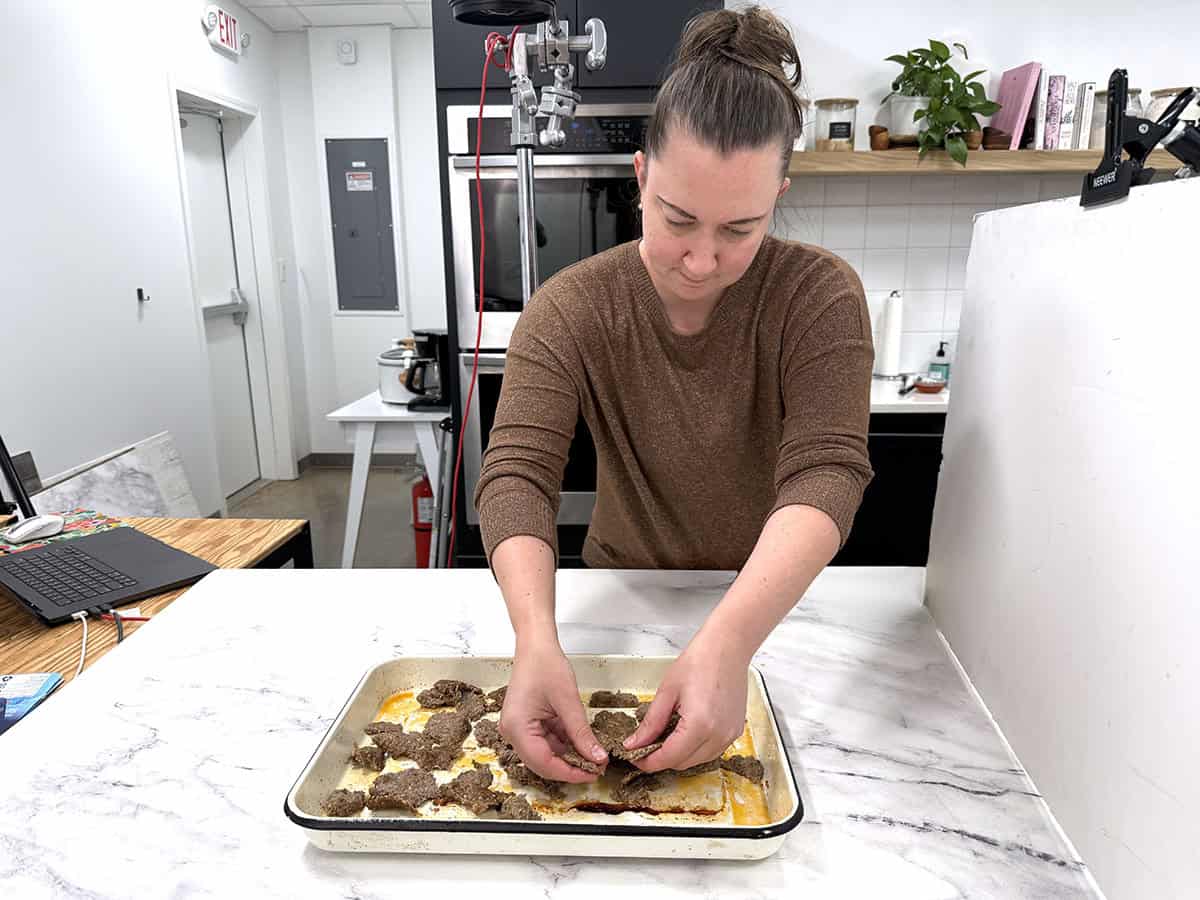
- The Texturizing Phase: Once baked, the meat is removed from the parchment, drained of excess rendered fat, and torn into irregular pieces.
- The Broiling Finish: The final and most crucial step involves spreading the pieces across a sheet pan and broiling them for approximately three minutes. This exposes the edges of the meat to intense direct heat, creating the charred, crispy texture characteristic of meat shaved from a vertical spit.
Economic Analysis of the $2.76 Serving
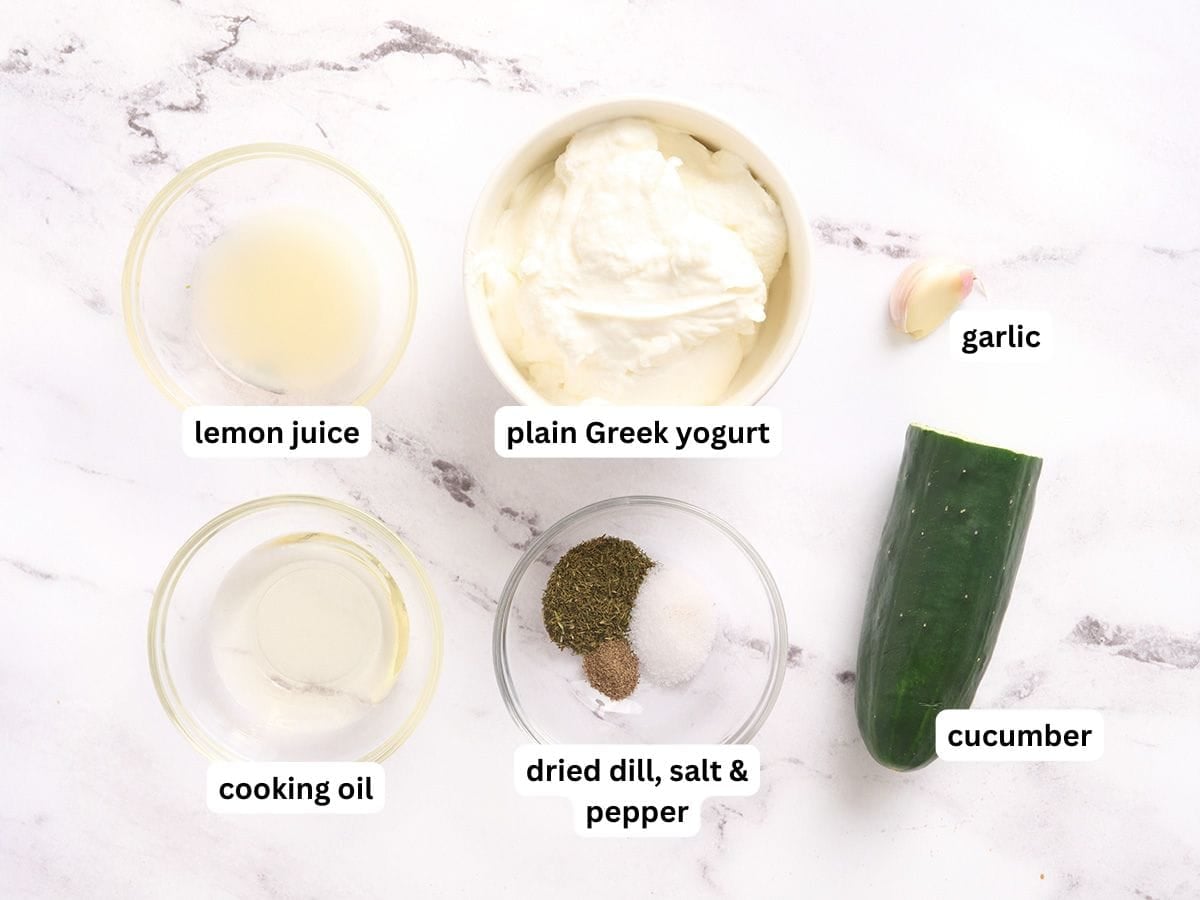
In an era of significant food inflation, the primary appeal of the Sheet Pan Doner Kebab is its cost-effectiveness. The total recipe cost is calculated at $11.05, providing four substantial servings. This pricing model includes the beef, pita bread, and a homemade tzatziki sauce consisting of Greek yogurt, cucumber, lemon juice, and herbs.
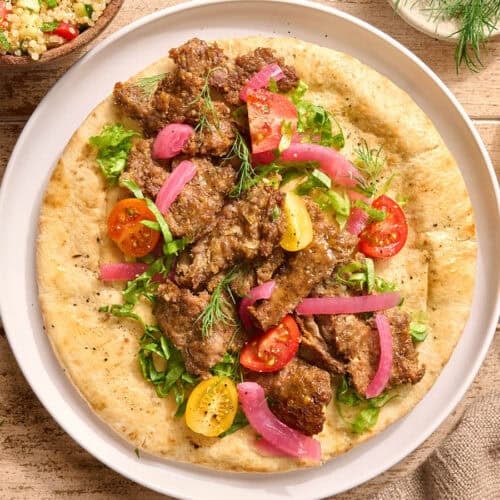
A comparative analysis of the current market indicates that a standard doner kebab or gyro at a fast-casual restaurant in the United States currently averages between $12.00 and $16.00, excluding tax and gratuity. The Budget Bytes version represents a 77% to 82% reduction in cost per meal.
To maintain this low price point, the recipe developers made several strategic ingredient choices. While traditional doner meat often utilizes a blend of lamb and beef, the sheet pan version uses 73/27 ground beef. The higher fat content (27%) is intentional; it provides the necessary lubrication for the meat to remain juicy during the broiling phase and is significantly more affordable than lamb or leaner beef blends. Additionally, the recipe suggests substituting expensive extra virgin olive oil with neutral cooking oils in the tzatziki sauce to further drive down the price without compromising the sauce’s creamy consistency.
Quality Assurance and the Nashville Test Kitchen Standards
The reliability of the recipe is anchored in the rigorous testing protocols of the Nashville Test Kitchen. Melissa Nolan, a chef instructor and recipe developer with a background at high-end establishments such as New York City’s Per Se, spearheaded the development. The goal was to translate professional culinary techniques—such as moisture retention and Maillard reaction optimization—into a format accessible to novice cooks.
"All recipes are rigorously tested to ensure they are easy, affordable, and delicious," the kitchen stated in its official release. The testing process involves multiple iterations to determine the optimal thickness for rolling the meat and the precise timing required to achieve crispiness without carbonizing the protein. This professional oversight serves as a counter-narrative to many viral "food hacks" that often fail to produce consistent results in unmonitored domestic settings.
Nutritional Profile and Dietary Implications
The Sheet Pan Doner Kebab offers a balanced nutritional profile, though it is high in protein and sodium. Each serving, which includes one filled pita with approximately 1/4 cup of tzatziki, contains:
- Calories: 525 kcal
- Protein: 31g
- Total Fat: 27g
- Carbohydrates: 38g
- Sodium: 1270mg (55% of the recommended daily value)
- Fiber: 2g
The high protein content makes it a viable option for meal prepping, a practice increasingly adopted by professionals looking to maintain dietary goals while minimizing expenses. The recipe’s design allows for the components to be stored separately, preventing the pita from becoming soggy and ensuring that the fresh vegetable toppings—such as tomatoes, red onions, and pickled peppers—retain their texture.
Market Impact and Consumer Response
The release of the Sheet Pan Doner Kebab follows a viral trend on social media platforms like Instagram and TikTok, where "sheet pan" versions of complex dishes have become a sub-genre of culinary content. The Budget Bytes version, however, distinguished itself by providing a structured, data-backed approach to the trend.
Initial consumer feedback has highlighted the "rolling method" as a point of interest. While initially perceived as "unusual" by some home cooks, the use of step-by-step photography and clear instructions has facilitated high adoption rates. The success of this recipe suggests a growing market for "hybrid" meals—dishes that combine the convenience of modern appliances with the authentic flavor profiles of global street food.
Furthermore, the recipe serves as a template for culinary customization. The Nashville Test Kitchen noted that the beef can be substituted with ground turkey or chicken for those seeking a lower-fat alternative, provided the internal temperature reaches 165°F. This flexibility allows the recipe to remain relevant across various dietary preferences and regional ingredient availability.
Broader Implications for the Food Industry
The rise of high-quality, low-cost home recipes like the Sheet Pan Doner Kebab poses a unique challenge to the fast-food and fast-casual industries. As home cooks become more proficient in replicating complex "takeout" textures, the value proposition of traditional restaurants must shift toward experience and convenience rather than just flavor accessibility.
The "Budget Bytes" philosophy, as embodied by Nolan’s latest development, emphasizes that affordability does not have to come at the expense of culinary sophistication. By leveraging pantry spices and clever mechanical techniques, the recipe demonstrates that the most significant barrier to gourmet-style home cooking is often a lack of technique rather than a lack of expensive ingredients.
As the trend of "viral cooking" matures, the industry is likely to see more professional chefs entering the digital space to provide "vetted" versions of popular hacks. This professionalization of home-cooking content ensures that the transition from restaurant dining to home meal prep is sustained by quality and reliability, potentially altering long-term consumer spending habits in the food and beverage sector.
Storage, Reheating, and Long-Term Sustainability
The Sheet Pan Doner Kebab is also designed with sustainability and waste reduction in mind. The meat can be refrigerated for up to four days or frozen for up to three months, making it an ideal candidate for bulk preparation. The recommendation to reheat the meat in a skillet or air fryer to maintain the "crispy edges" reflects an understanding of food science, ensuring that the leftovers are as palatable as the original meal.
In conclusion, the Sheet Pan Doner Kebab is more than a simple recipe; it is a calculated response to the economic and social pressures of the mid-2020s. It combines historical culinary traditions with modern convenience, providing a blueprint for how global flavors can be adapted for the domestic kitchen without losing their essential character or breaking the consumer’s budget.
