


Jodi Ettenberg, the former corporate attorney turned world traveler and founder of Legal Nomads, has released a comprehensive retrospective of her 2025 fiscal and professional year, detailing a significant expansion of her advocacy work and business operations despite facing severe physical limitations. Since 2017, Ettenberg has lived with a debilitating spinal cerebrospinal fluid (CSF) leak, a condition that has largely confined her to a supine position and fundamentally altered the trajectory of her career. Her 2025 report serves as a case study in digital entrepreneurship and high-level medical advocacy maintained through the strategic use of assistive technology and community support.
The year 2025 marked a period of both personal adversity and professional breakthrough for Ettenberg. Following a physical setback on December 25, 2024, which significantly reduced her "uptime"—the limited duration she can remain upright before neurological symptoms become unbearable—she managed to spearhead international medical research, oversee a leadership transition at a major non-profit organization, and expand her suite of resources for the global Celiac community.
The Evolution of Legal Nomads: From Travel Log to Advocacy Hub
To understand the significance of Ettenberg’s 2025 milestones, it is necessary to examine the evolution of Legal Nomads. Founded in 2008 after Ettenberg resigned from a career in law to travel the world, the platform initially focused on long-form narrative storytelling and culinary exploration. However, Ettenberg’s transition from "accidental entrepreneur" to chronic illness advocate was precipitated by a 2017 medical procedure—a lumbar puncture—that resulted in a persistent spinal CSF leak.
A spinal CSF leak occurs when the dura mater, the tough membrane covering the brain and spinal cord, develops a hole or tear. This allows cerebrospinal fluid to escape, resulting in Spontaneous Intracranial Hypotension (SIH). The primary symptom is an orthostatic headache, which improves when lying down but becomes excruciating when upright. Other symptoms include tinnitus, neck pain, and cognitive "brain fog." For Ettenberg, this condition transformed her life from one of global mobility to one measured in "standing increments," an experience she compares to an hourglass where the downward flow of sand mirrors the pressure exerted on her brain when she is not horizontal.
A Chronology of Resilience: The 2025 Setback and Recovery
The beginning of 2025 was defined by a critical reduction in Ettenberg’s physical baseline. A slip in the shower on Christmas Day 2024 caused a reopening of her leak, necessitating months of strict bed rest. This physical crisis was compounded by family emergencies, as both her father and stepmother faced significant hospitalizations throughout the year.
Despite these challenges, Ettenberg maintained a consistent output through her "supine productivity" model. This approach relies on mobile technology and a thumb-based workflow, allowing her to manage complex projects from her bed. This methodology enabled her to fulfill her duties as the Board President of the Spinal CSF Leak Foundation while simultaneously managing her private business interests.
Advancing Medical Research: The SIH-RADS Initiative
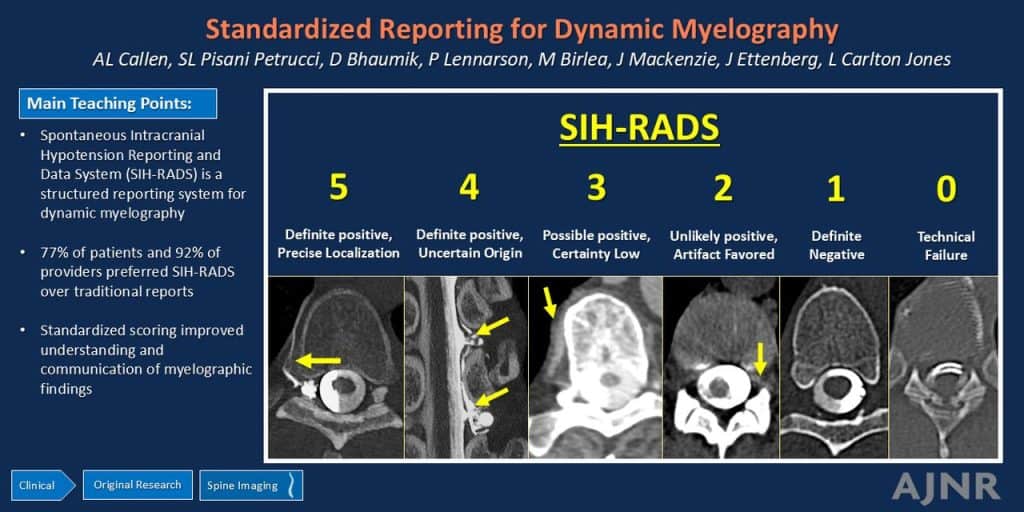
One of the most significant professional achievements of Ettenberg’s year was her role as a patient-author in a peer-reviewed research paper published in the American Journal of Neuroradiology (AJNR). The paper, titled "Enhancing Clarity in Dynamic Myelography Reporting," proposes a new standardized reporting system known as SIH-RADS (Spontaneous Intracranial Hypotension Reporting and Data System).
Dynamic myelography is a specialized diagnostic imaging test used to locate spinal CSF leaks. It involves injecting contrast dye into the spinal canal and performing real-time scans as the patient’s position is adjusted. Historically, the reporting of these results has lacked standardization, leading to potential delays in diagnosis or treatment. The SIH-RADS system aims to provide a clear, uniform language for radiologists and referring physicians.
Ettenberg’s participation as a co-author represents a growing trend in medical research where patient perspectives are integrated into the development of clinical tools. According to the study’s findings, both patients and physicians reported a preference for the SIH-RADS system over traditional reporting methods, citing improved clarity and a better understanding of the diagnostic workup.
Leadership and Governance at the Spinal CSF Leak Foundation
In 2025, Ettenberg’s volunteer role at the Spinal CSF Leak Foundation, a 501(c)(3) non-profit, escalated to the position of Board President. This transition occurred during a pivotal period for the organization, which is dedicated to improving the lives of those affected by intracranial hypotension.
Ettenberg oversaw several high-stakes initiatives, including:

- Executive Search and Hiring: She led a comprehensive hiring process for a new Executive Director, managing over 130 applications. This involved designing a scoring rubric, coordinating board interviews, and working with pro bono employment counsel to navigate the legal complexities of the hire.
- International Patient Registry: The Foundation worked toward launching the first international patient registry for spinal CSF leaks, a tool designed to collect longitudinal data to better inform future research and treatment protocols.
- Leakweek Awareness Campaign: Under her leadership, the annual "leakweek" awareness campaign successfully raised funds and increased public visibility for the condition. Ettenberg’s personal community contributed $4,217 USD toward these efforts.
- Medical Conferences: Ettenberg participated in a "fireside chat" with Dr. Andrew Callen, a prominent neuroradiologist from the University of Colorado, at a specialized medical conference. The discussion focused on the barriers to care from both the patient and physician perspectives, bridging the gap between clinical practice and the lived experience of chronic illness.
Global Business Expansion: Celiac Resources and Digital Products
While her advocacy work took center stage, Ettenberg also reported significant growth in her commercial enterprise, which focuses on providing resources for travelers with Celiac disease. Celiac disease is an autoimmune disorder where the ingestion of gluten leads to damage in the small intestine. For those with the condition, safe dining while traveling requires precise communication.
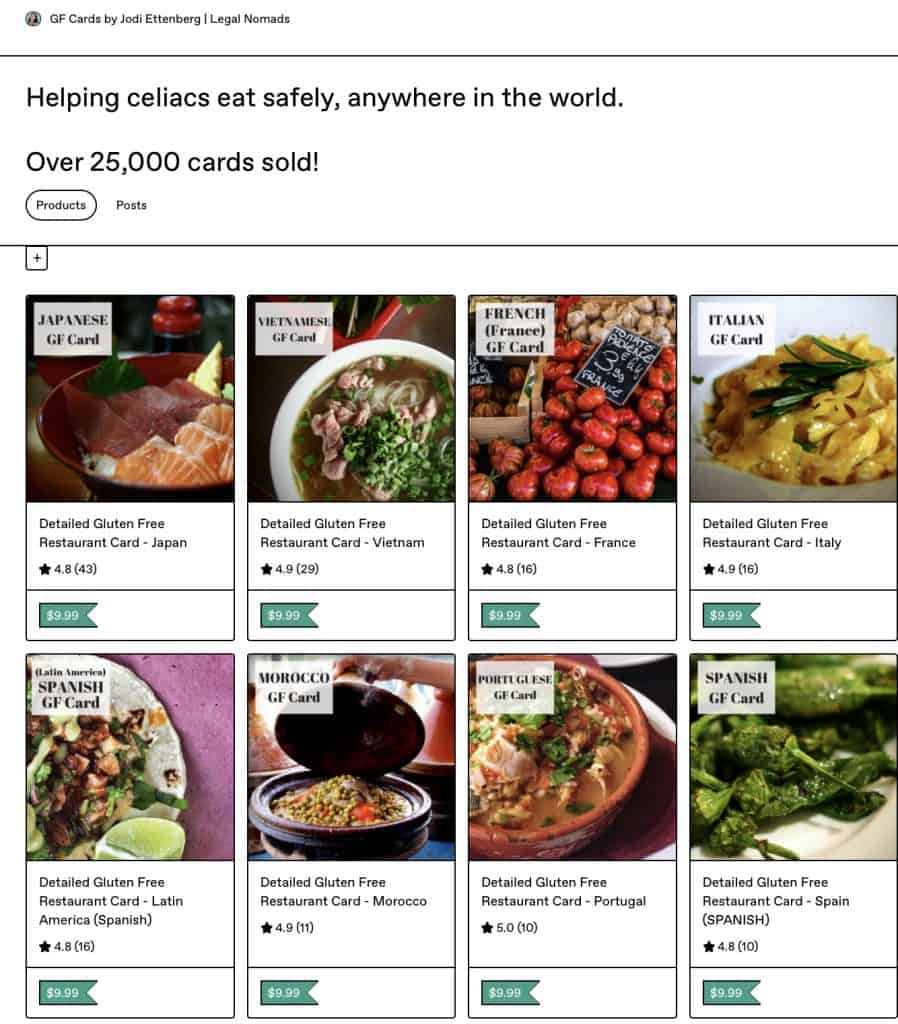
Ettenberg’s "Celiac Translation Cards" reached a major milestone in 2025, with the 25,000th card sold. These cards are professionally translated documents that explain the medical necessity of a gluten-free diet, including cross-contamination risks, in the local language of the traveler’s destination. In 2025, the suite was expanded to include three new languages: Croatian, Korean, and Khmer, bringing the total to 21 languages.
Furthermore, Ettenberg published two new "Essential Gluten-Free Guides" for Cambodia and South Korea. These guides, typically ranging from 3,000 to 5,000 words, provide comprehensive lists of safe local dishes, unsafe ingredients, and vetted restaurant recommendations. These resources are often the result of collaborations with readers who provide on-the-ground data, which Ettenberg then verifies and formats.

Financial Sustainability and Community Engagement
A unique aspect of Ettenberg’s business model is her reliance on the Patreon platform for financial sustainability. As she is currently ineligible for disability benefits in Canada, the consistent income generated through her Patreon membership tiers—symbolized by the bluebird, robin, and raven—allows her to dedicate the majority of her time to her volunteer advocacy work.
In 2025, the Patreon served as a repository for her more personal and experimental writing, including essays on the psychology of chronic pain, the concept of "metabolic flexibility," and retrospectives on her past travels, such as her ten-year reflection on a Vipassana meditation retreat. To encourage year-end support, Ettenberg offered a promotional discount for annual sign-ups, highlighting the community-driven nature of her work.
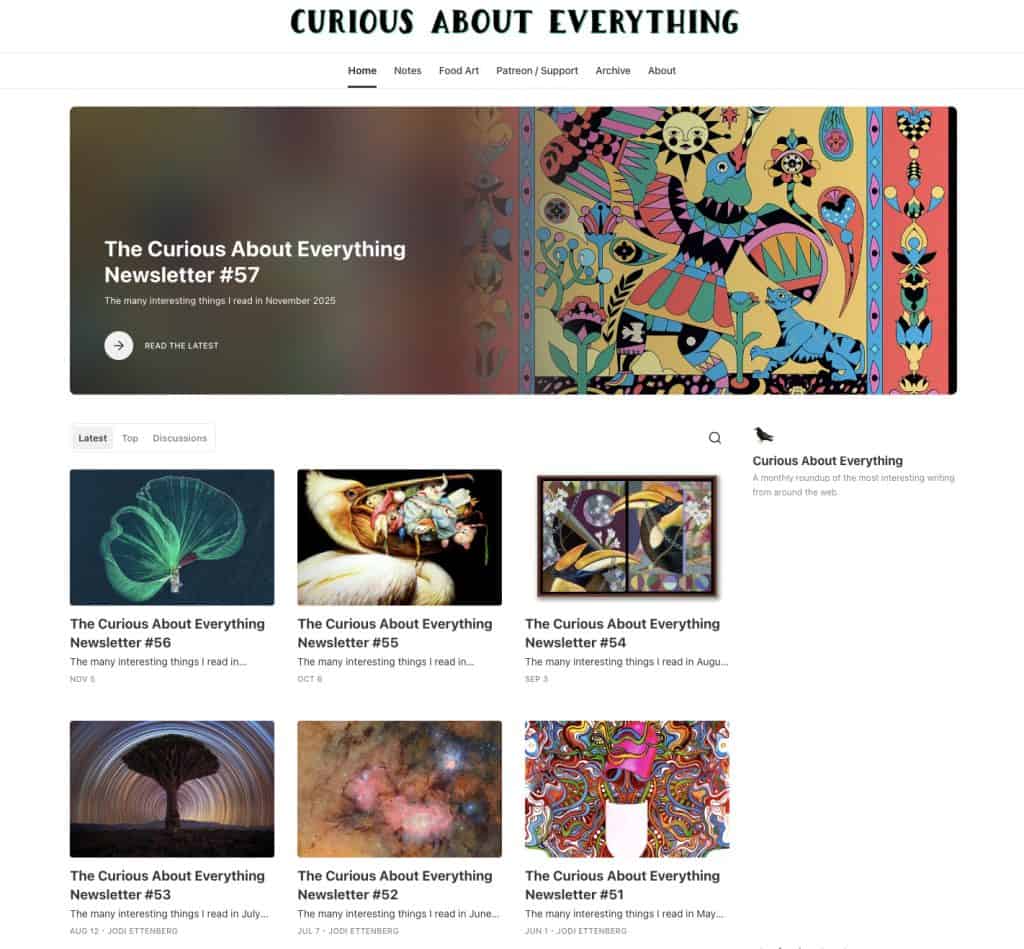
Additionally, she continued the publication of her monthly "Curious About Everything" (CAE) newsletter. Now in its fifth year, CAE is a curated compilation of long-form journalism, scientific discoveries, and artistic features. The newsletter serves as a digital manifestation of the curiosity Ettenberg credits with maintaining her mental resilience throughout her illness.
Broader Impact and Implications
The achievements of Jodi Ettenberg in 2025 provide a significant template for "knowledge workers" navigating chronic disability. Her ability to integrate a legal background, entrepreneurial experience, and patient advocacy suggests that cognitive contributions can remain high even when physical mobility is severely restricted.
The implications of her work extend into several fields:
- Medical Reporting: The adoption of SIH-RADS could lead to faster and more accurate diagnoses for thousands of patients globally.
- Disability in the Workplace: Ettenberg’s success highlights the necessity for flexible, remote, and asynchronous work environments that accommodate "uptime" limitations.
- Patient-Led Innovation: Her Celiac cards and gluten-free guides demonstrate how personal "pain points" can be transformed into viable, high-impact global products.
As 2025 concludes, Ettenberg has indicated a desire to shift some of the administrative burdens of her Foundation role to the newly hired Executive Director, allowing her to refocus on the creative and narrative aspects of Legal Nomads. Her trajectory remains a powerful testament to the intersection of technology, community, and individual perseverance in the face of life-altering medical challenges.
