

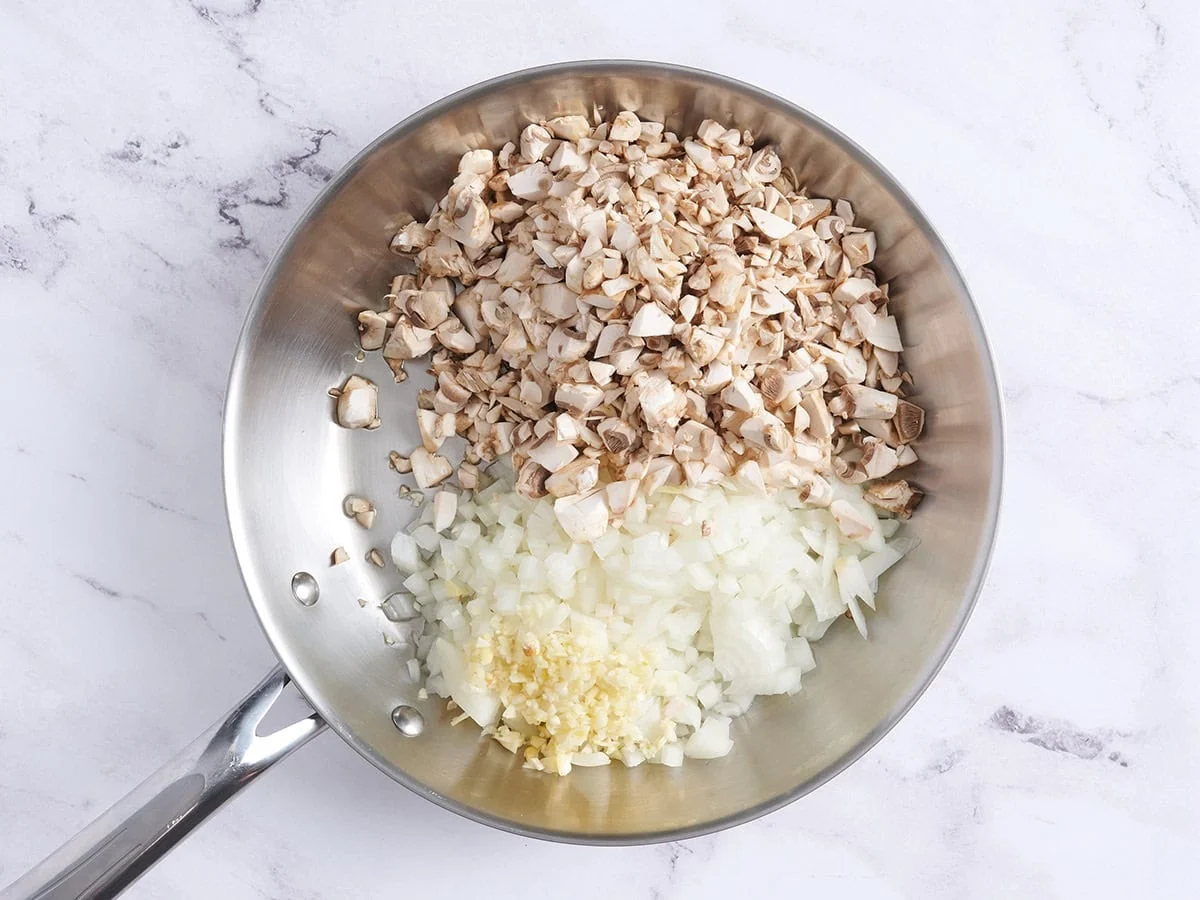
The Nashville Test Kitchen has officially released its latest culinary development, a Butternut Squash Lasagna designed to address the growing consumer demand for nutrient-dense, plant-forward meals that remain economically accessible. As food inflation continues to impact household budgets across the United States, this recipe emerges as a strategic solution, offering a multi-layered vegetarian main course that provides nine servings at a calculated cost of $1.88 per portion. The dish integrates seasonal produce, including Cucurbita moschata (butternut squash), with a sophisticated brown butter béchamel, demonstrating that high-concept culinary techniques can be executed using staple pantry ingredients and affordable produce.
The Economic Context of Modern Home Cooking
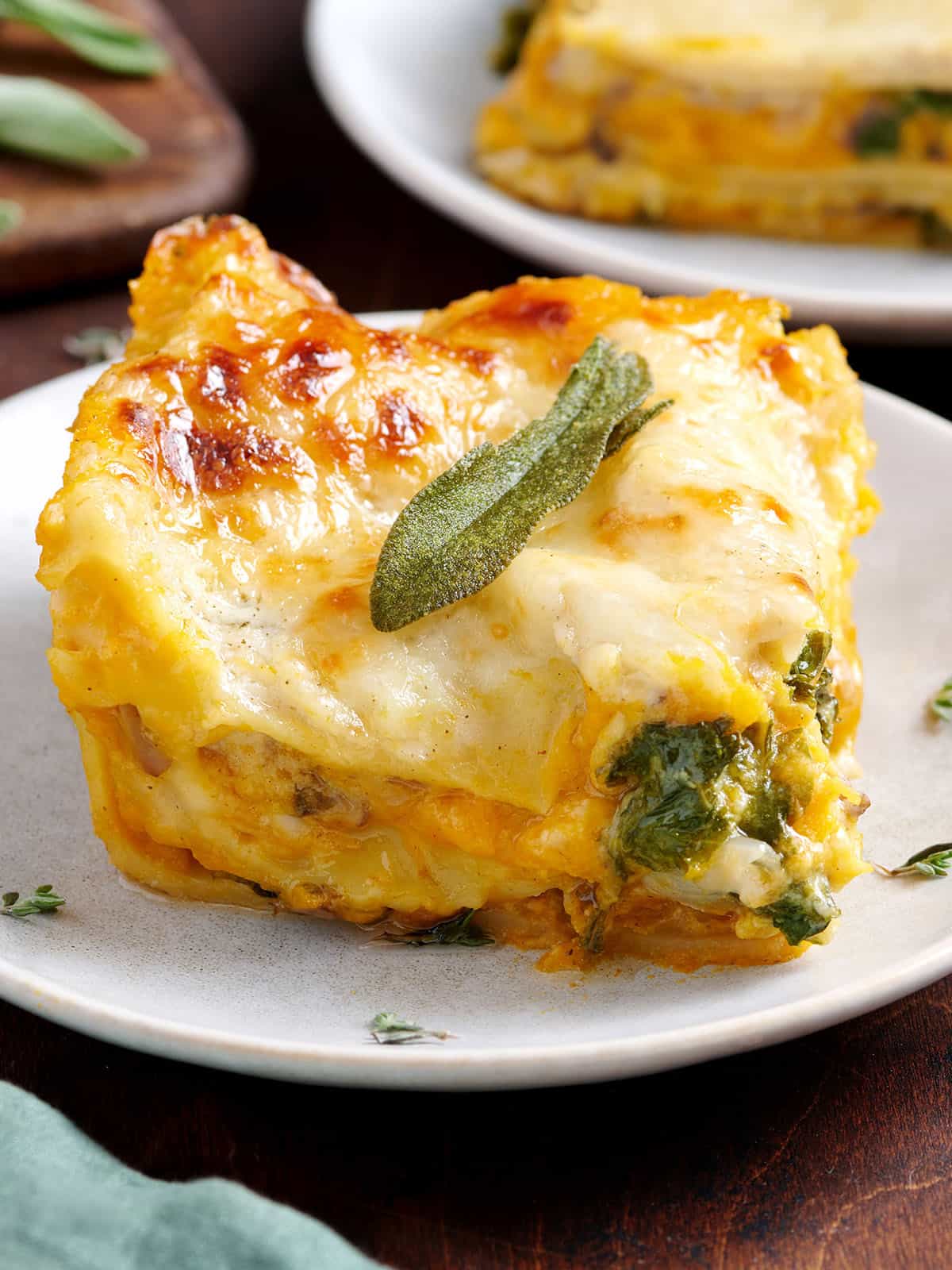
The introduction of the Butternut Squash Lasagna comes at a pivotal time for the domestic food economy. According to recent data from the Bureau of Labor Statistics, while overall inflation has shown signs of stabilization, the cost of "food at home" remains a significant concern for the average consumer. In this environment, the $16.95 total cost for a high-yield, nine-serving dish represents a significant departure from the pricing structures found in the fast-casual and prepared-food sectors, where a single serving of vegetarian lasagna often exceeds $12.00.

Culinary developer Jennie Alley, who led the testing phase in Nashville, emphasized the importance of utilizing budget basics to create complex flavor profiles. By relying on butter, flour, milk, and seasonal squash rather than expensive imported cheeses or meat substitutes, the recipe achieves a "luxury" mouthfeel—specifically through the Maillard reaction involved in browning butter—without the associated premium price tag.
Technical Methodology and Chronology of Preparation
The development of this lasagna follows a specific chronological sequence designed to maximize efficiency and flavor extraction. The process is divided into five distinct phases: roasting, filling preparation, sauce construction, assembly, and thermal processing.

Phase I: Roasting and Puree Development
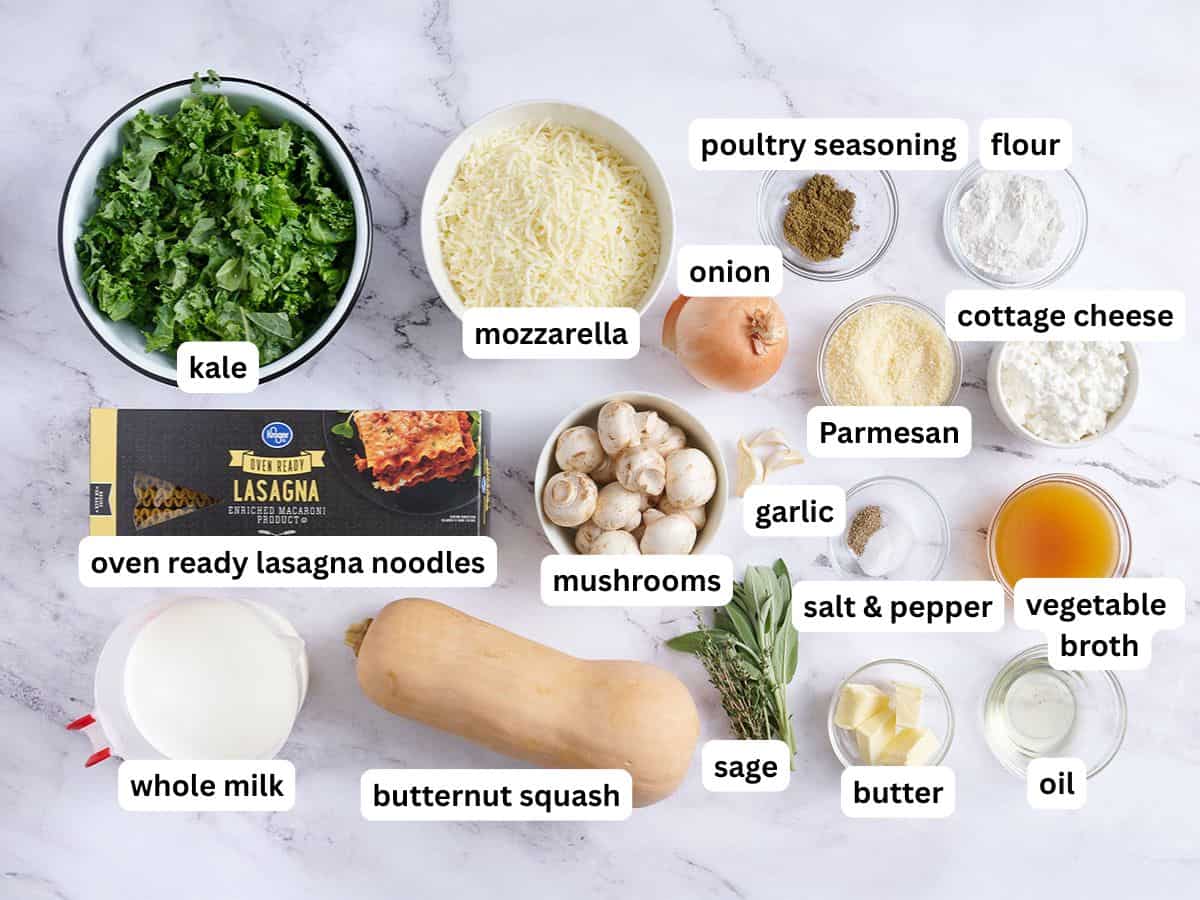
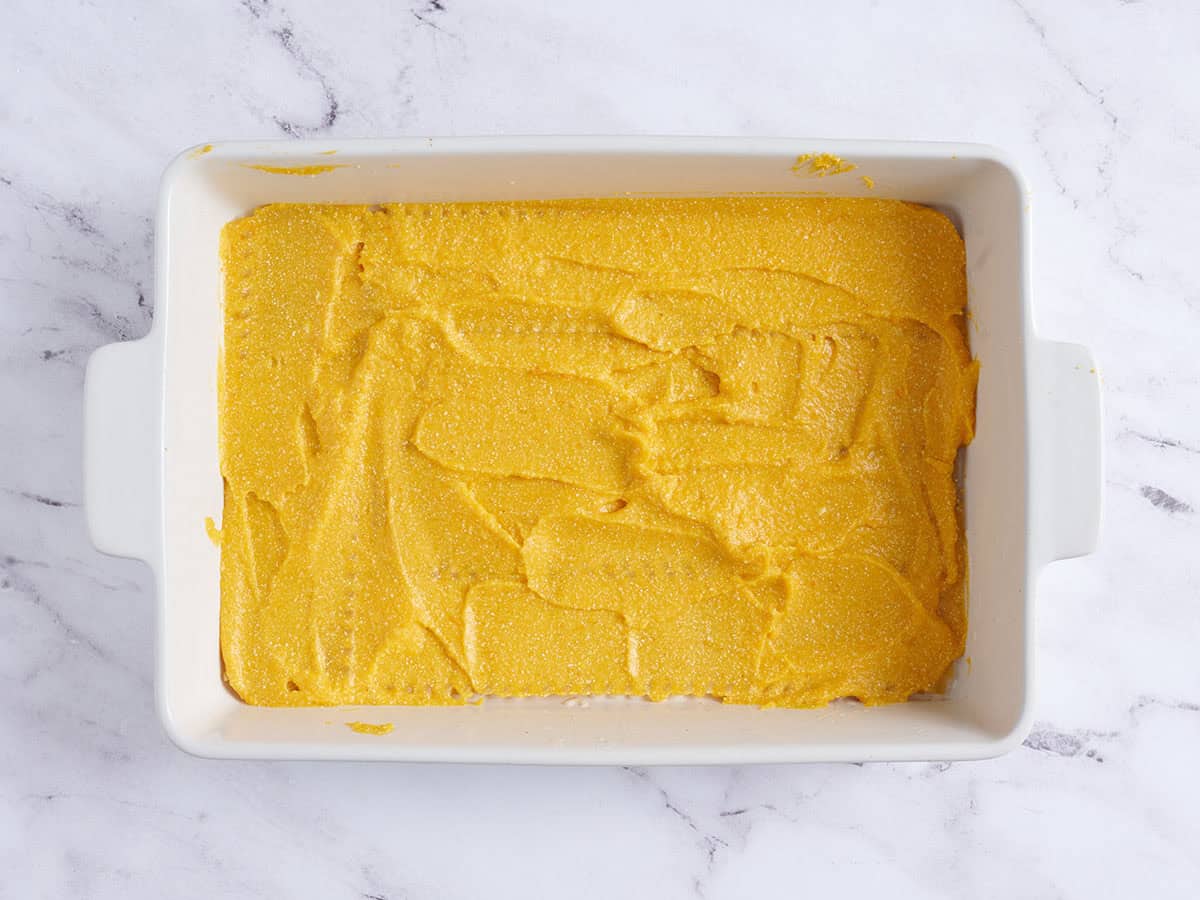
The preparation begins with a 40-to-50-minute roasting cycle at 400°F (200°C). In a move to simplify labor-intensive prep work, the Nashville Test Kitchen recommends roasting the butternut squash in halves rather than dicing. This method utilizes the steam created within the squash’s own skin to soften the flesh, which is then blended with one cup of cottage cheese and half a cup of vegetable broth. This substitution of cottage cheese for traditional ricotta not only lowers the overall cost but increases the protein density of the sauce.
Phase II: The Vegetable Filling
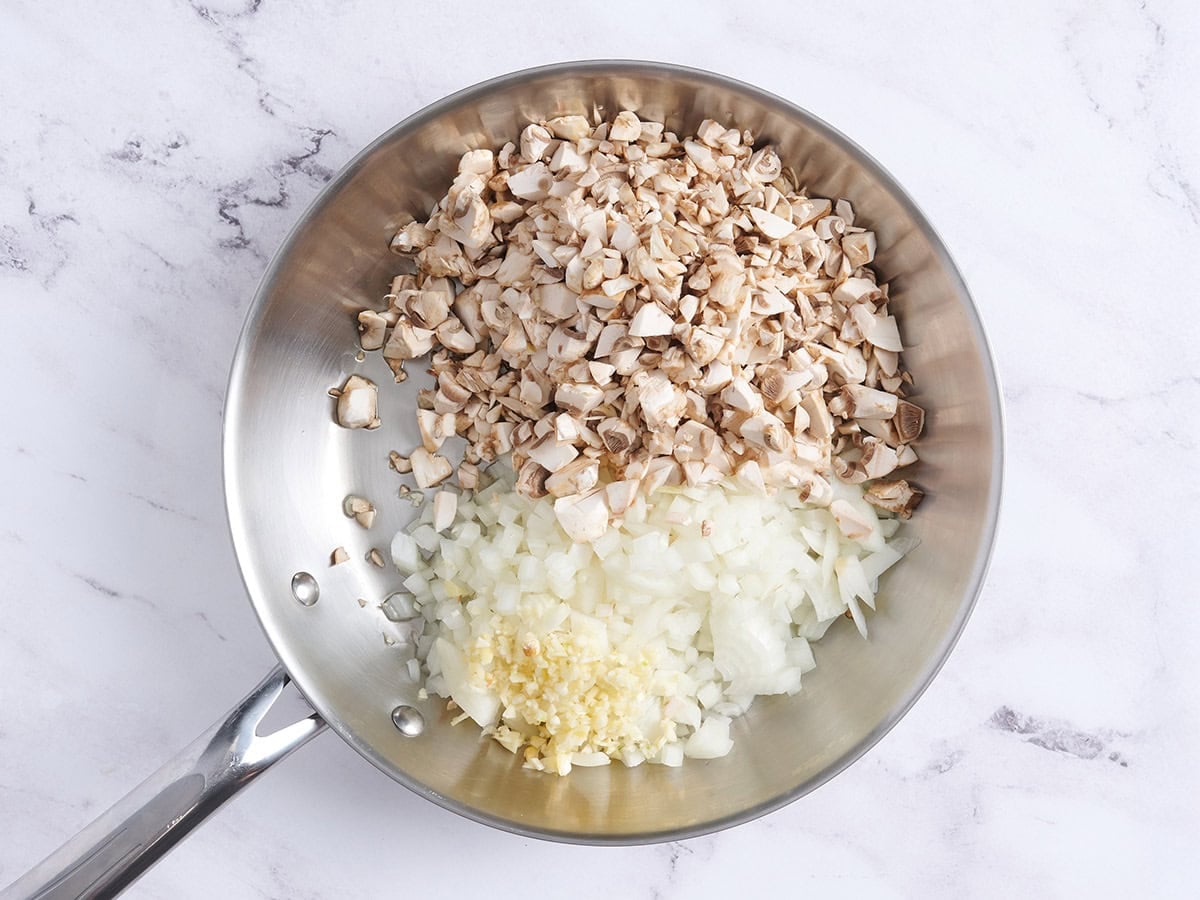
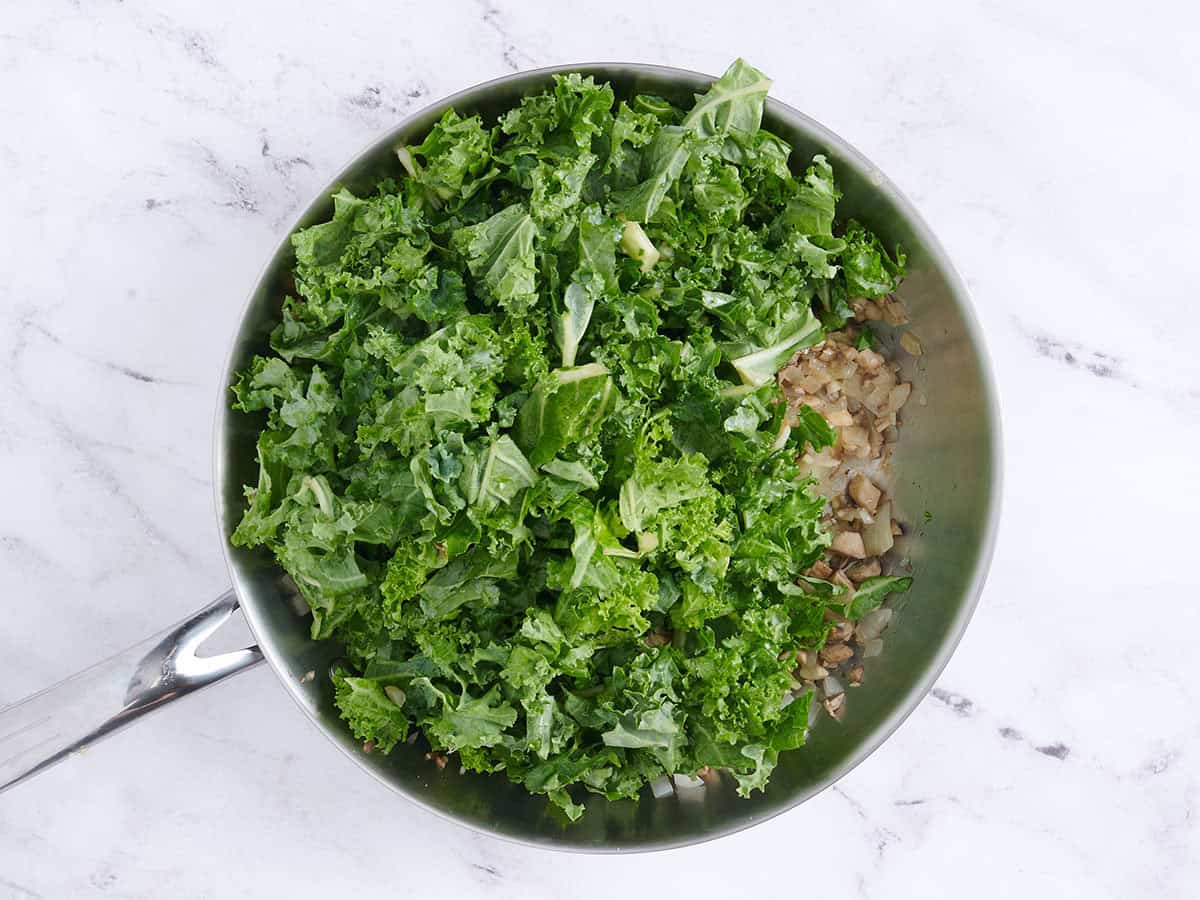
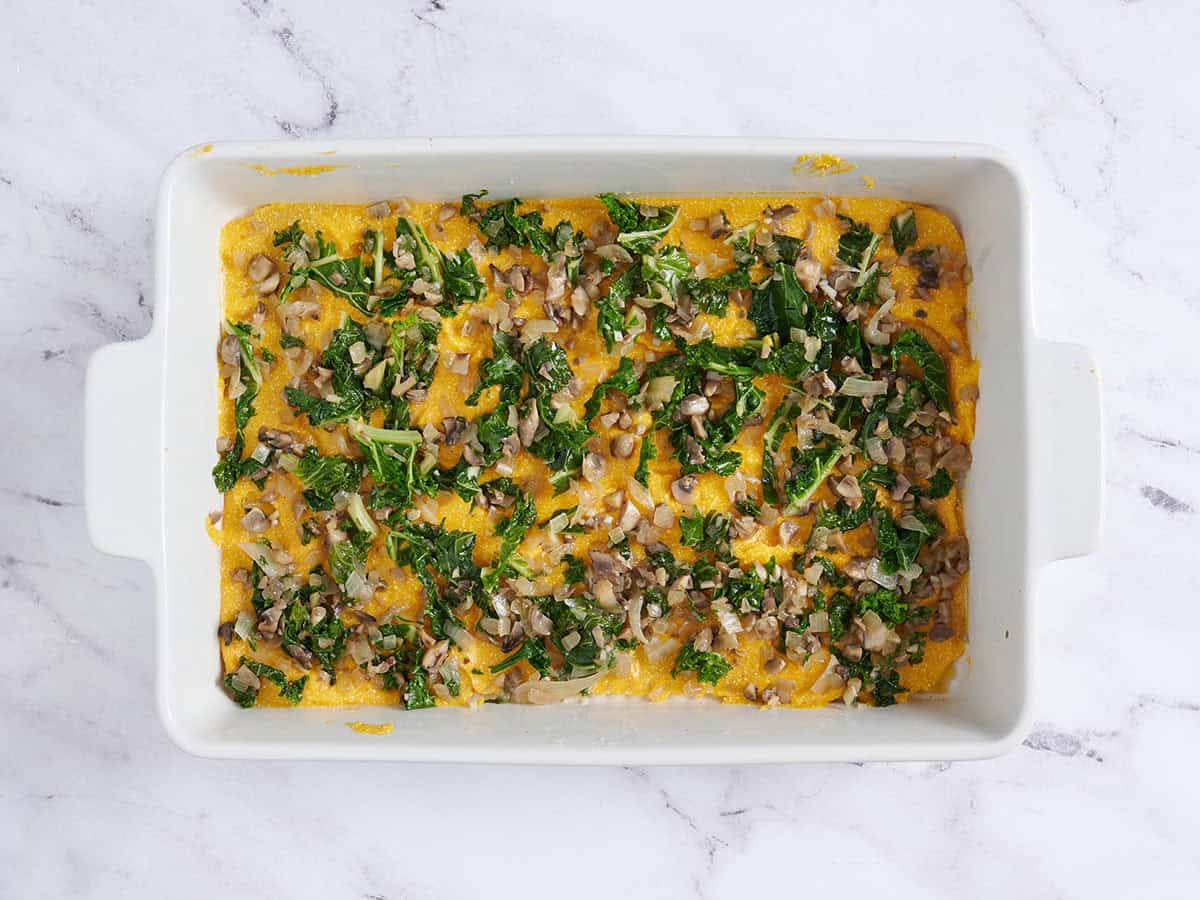
While the squash roasts, a secondary layer is developed using eight ounces of white mushrooms and four cups of chopped kale. These ingredients are sautéed with aromatics—onions and garlic—until moisture has evaporated. This step is critical for preventing a "watery" lasagna, a common failure in vegetarian pasta dishes. The inclusion of kale provides a robust texture that withstands the extended baking time.
Phase III: The Brown Butter Béchamel
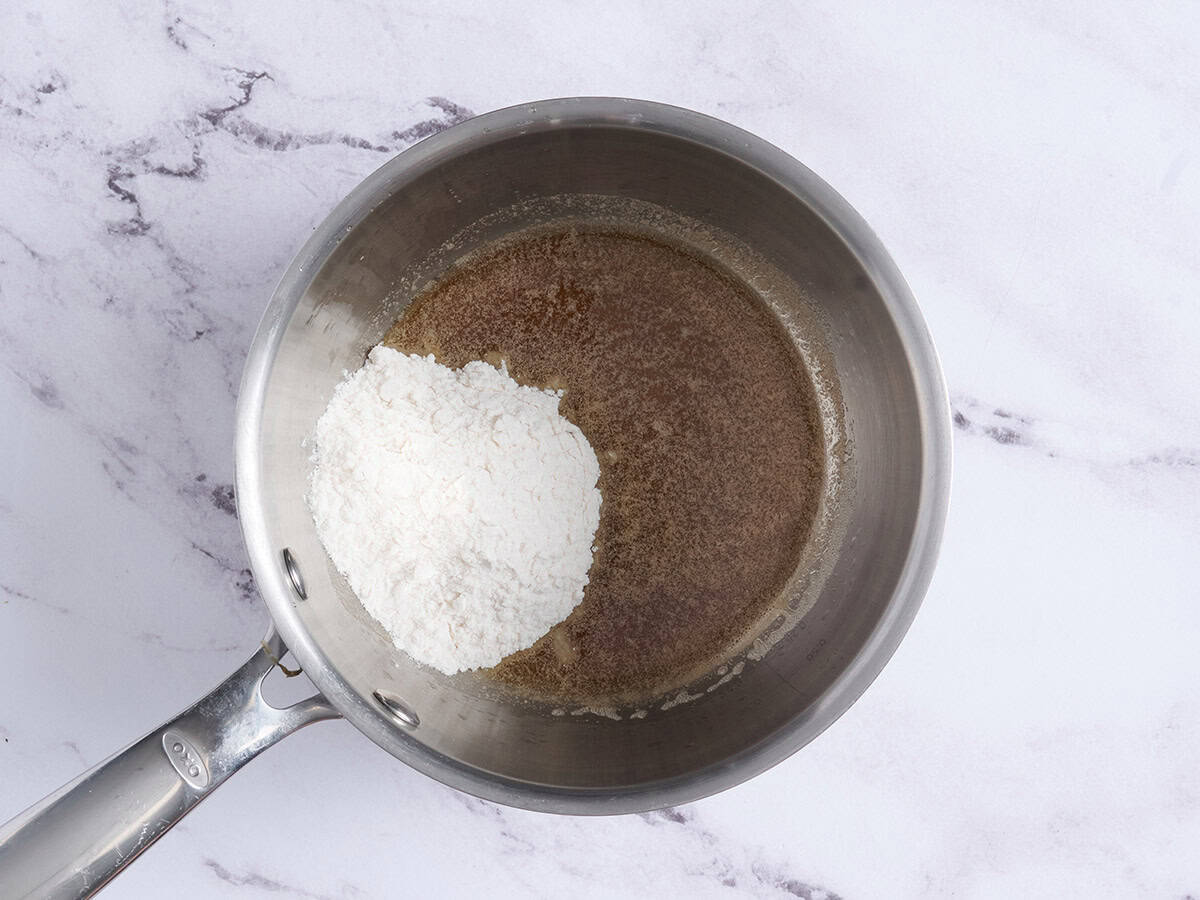
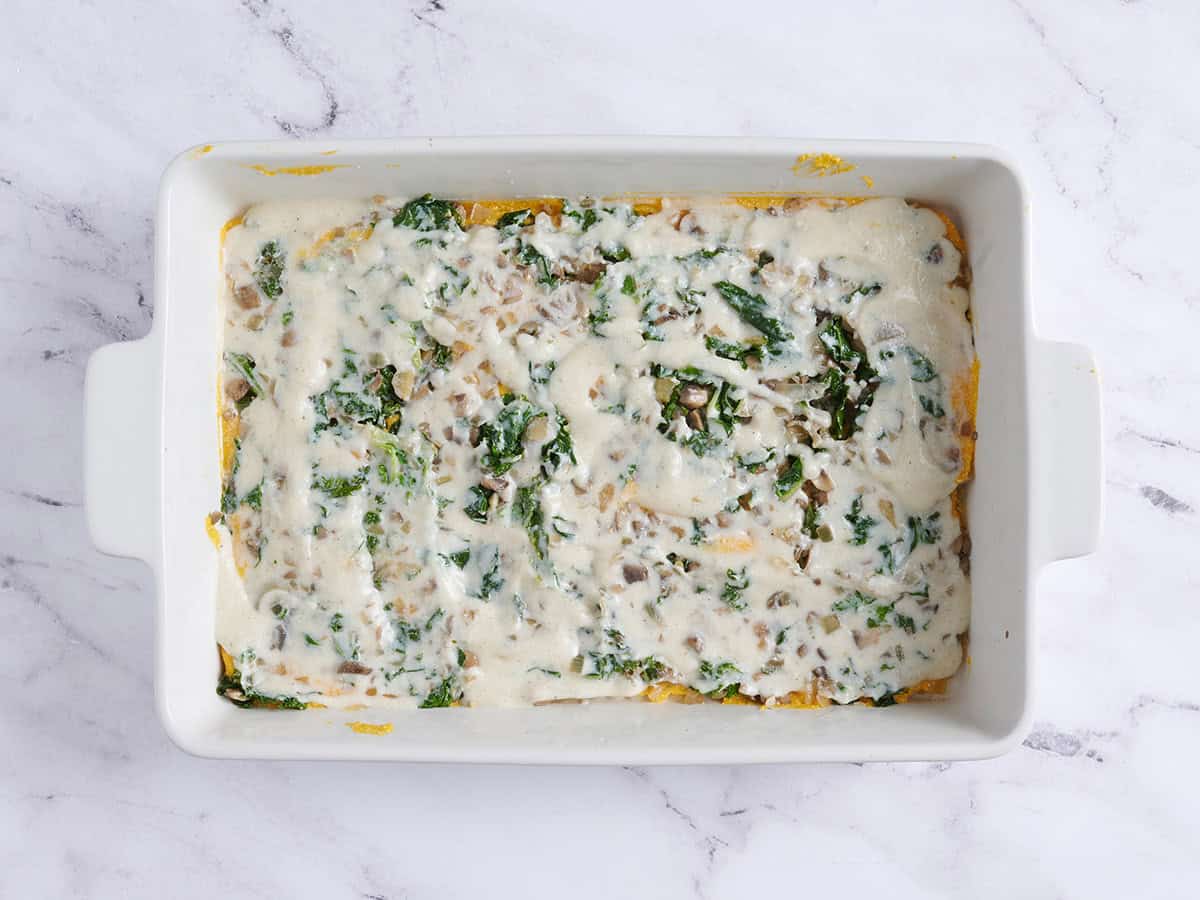
The defining characteristic of this dish is the infusion of fresh sage into a traditional roux-based white sauce. As the butter melts and the milk solids begin to toast, the sage leaves are fried directly in the fat, releasing essential oils that permeate the sauce. Once the butter reaches a nutty, golden-brown state, flour and whole milk are whisked in to create a velvety béchamel. This sauce serves as the primary moisture source for the oven-ready noodles.

Phase IV: Assembly and Layering
The assembly follows a rigorous structural pattern to ensure even cooking of the pasta:

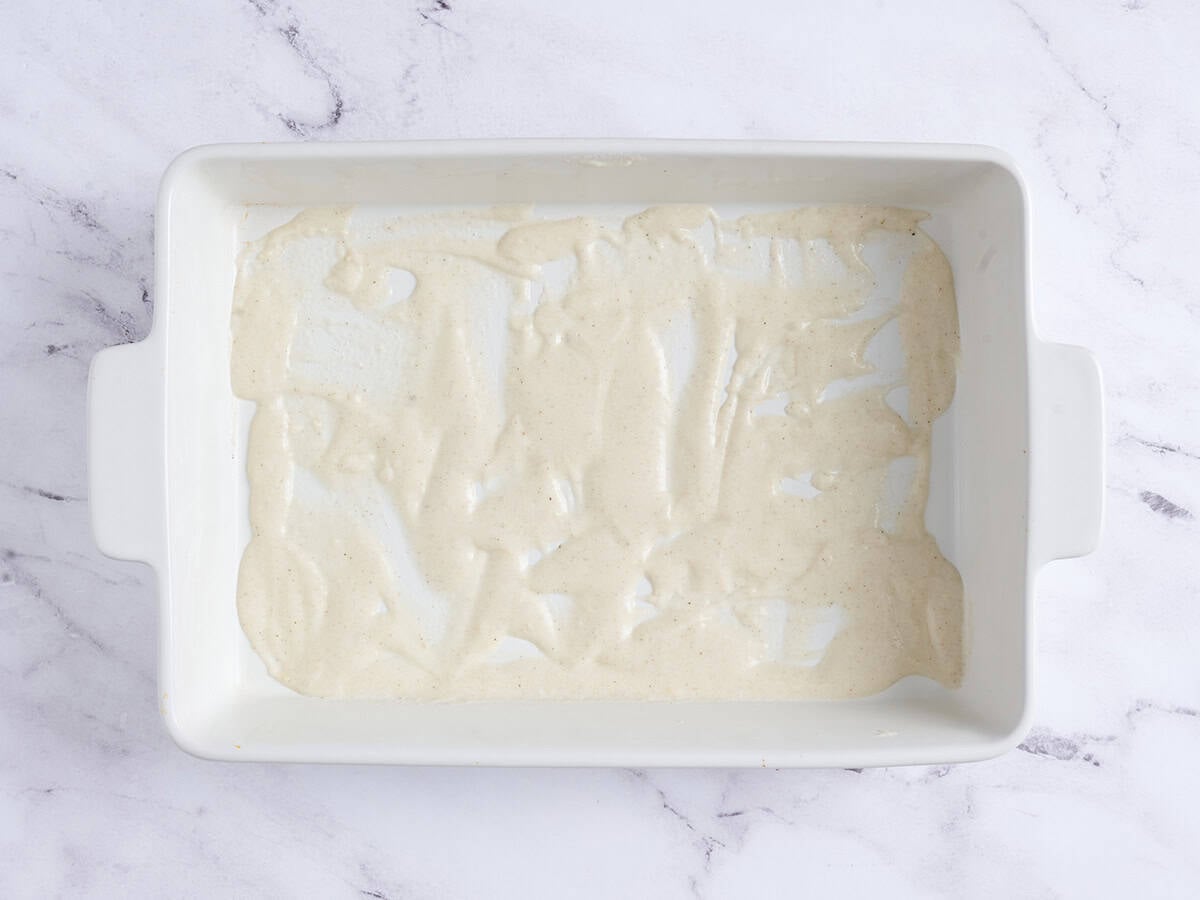
- A foundational layer of béchamel to prevent sticking.
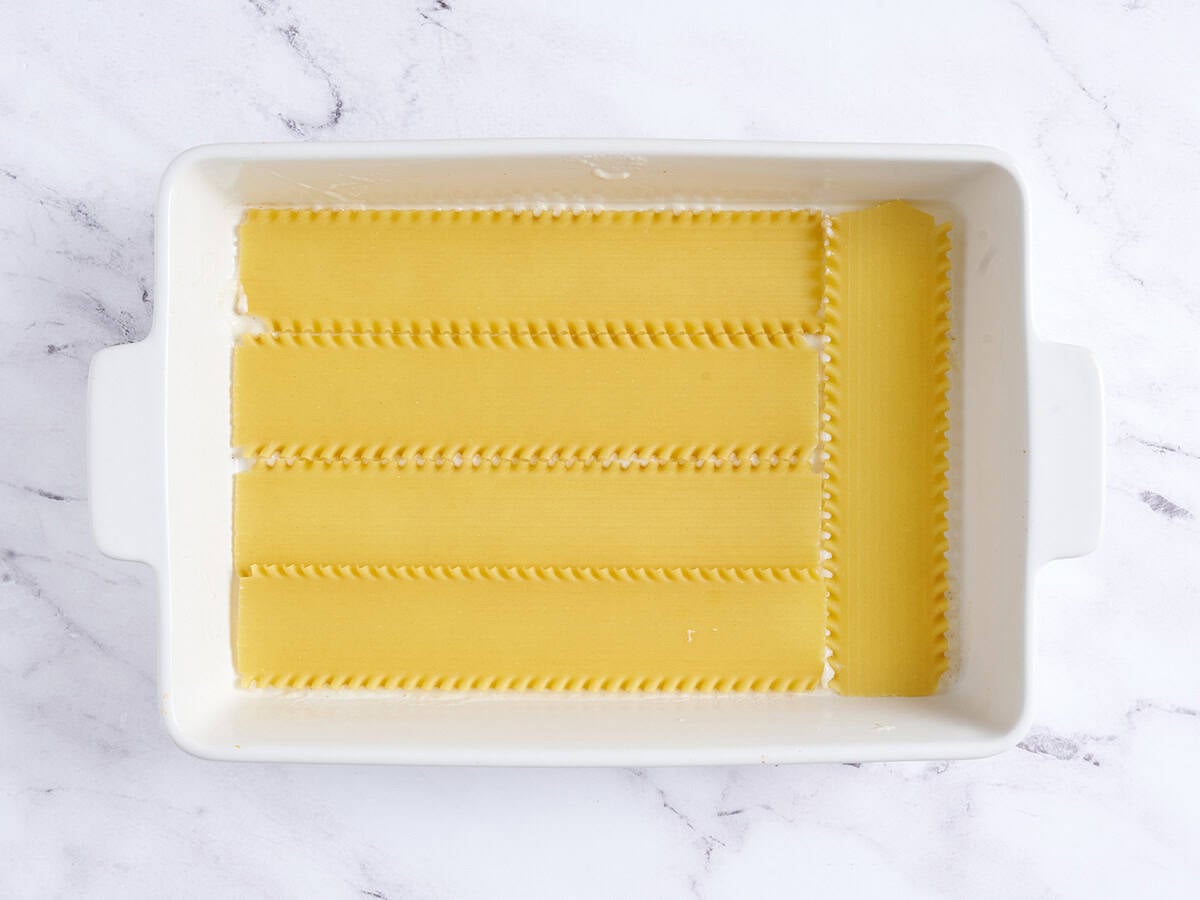
- Oven-ready lasagna noodles.
- The blended butternut squash and cottage cheese mixture.
- The mushroom and kale filling.
- A secondary application of béchamel and shredded mozzarella.
This process is repeated, concluding with a final layer of noodles completely submerged in the remaining sauce to ensure the "no-boil" pasta hydrates correctly.
Phase V: Thermal Processing and Resting
The lasagna is baked covered for 30 minutes at 375°F (190°C) to trap steam, followed by a 10-to-15-minute uncovered period to facilitate the browning of the cheese. A mandatory 10-minute resting period is required post-oven to allow the internal temperature to stabilize and the sauces to set, ensuring clean structural integrity during slicing.
Nutritional Profile and Ingredient Analysis
From a nutritional standpoint, the Butternut Squash Lasagna is designed to be a "complete" meal. Each serving contains approximately 458 calories, with a significant protein contribution of 23 grams. This protein levels are notably high for a vegetarian dish, attributed to the combination of whole milk, cottage cheese, mozzarella, and Parmesan.

The dish also provides 4 grams of dietary fiber and 38 grams of carbohydrates. The use of butternut squash ensures a high concentration of Vitamin A and potassium, while the kale contributes Vitamin K and antioxidants. The sodium content is managed at 875mg per serving, which, while substantial, remains lower than many commercially processed frozen lasagnas.

Supporting Data: Cost Breakdown
| Ingredient Category | Estimated Cost |
|---|---|
| Butternut Squash (2.5-3 lbs) | $3.50 |
| Dairy (Milk, Butter, Cheeses) | $7.25 |
| Produce (Kale, Mushrooms, Aromatics) | $4.00 |
| Pantry Staples (Noodles, Flour, Broth) | $2.20 |
| Total Recipe Cost | $16.95 |
| Cost Per Serving (9) | $1.88 |
Expert Analysis: The Shift Toward "Slow-Fast" Food
The Nashville Test Kitchen’s approach reflects a broader trend in the culinary industry known as "Slow-Fast" food—dishes that require a longer preparation time but utilize simple, inexpensive ingredients to produce high-quality results. Jennie Alley’s background in both "front and back of house" hospitality informs the recipe’s focus on "real" ingredients over processed alternatives.
"Some recipes are worth slowing down for," Alley noted in the project documentation. "This recipe takes a little patience, but the finished dish is cozy and rich without feeling too heavy." This sentiment is backed by consumer behavior data suggesting that home cooks are increasingly willing to invest time on weekends for "meal prep" items that can be reheated throughout the work week.
Broader Implications for Food Waste and Sustainability
The design of the recipe also addresses food waste. By roasting the squash in its skin, the "yield loss" typically associated with peeling raw, irregularly shaped squash is virtually eliminated. Furthermore, the recipe suggests the use of frozen kale as a viable alternative to fresh, which helps consumers utilize long-term storage items and reduces the likelihood of fresh produce spoilage.
The vegetarian nature of the dish also aligns with environmental sustainability goals. The carbon footprint of a squash-based lasagna is significantly lower than that of a traditional beef-based lasagna. By substituting the "umami" of meat with the earthy flavors of sautéed mushrooms and the toasted notes of browned butter, the recipe provides a sensory experience that appeals to flexitarians—those looking to reduce meat consumption without sacrificing the "heartiness" of their meals.
Official Recommendations for Storage and Reheating
To maximize the utility of the $16.95 investment, the Nashville Test Kitchen provided specific protocols for storage. The lasagna is noted to improve in flavor after 24 hours, as the moisture from the sauces further permeates the pasta layers.
- Refrigeration: Portions should be stored in airtight containers for 3-4 days.
- Freezing: The dish is freezer-stable both before and after baking, though the kitchen notes a slight softening of the noodle texture upon thawing.
- Reheating: Microwave heating is sufficient for individual portions, but oven reheating (350°F for 10-15 minutes) is recommended for multiple servings to maintain the crispness of the cheese topping.
Conclusion
The Butternut Squash Lasagna stands as a benchmark for modern recipe development, successfully balancing the triumvirate of culinary goals: flavor complexity, nutritional value, and extreme cost-efficiency. As the fall season progresses, this dish provides a replicable model for how traditional comfort foods can be re-engineered to meet the logistical and financial realities of the contemporary household. By elevating "budget basics" through the application of professional techniques like the brown butter béchamel, the Nashville Test Kitchen continues to redefine the possibilities of the home kitchen.
