

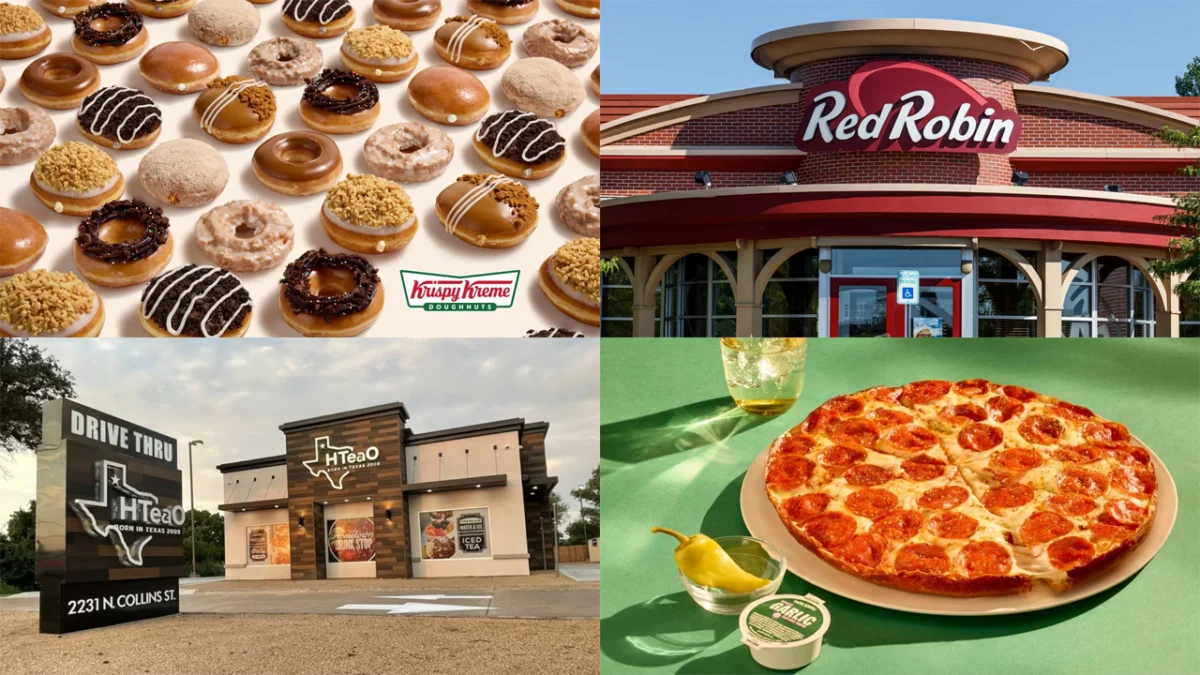
August proved to be a month of significant upheaval and strategic recalibrations within the restaurant industry’s executive suites, with a notable 51 leadership changes occurring as the summer season drew to a close. This influx of transitions, encompassing new chief executive officers, presidents, and vital functional leaders across marketing, operations, finance, and development, signals a dynamic period of evolution for many prominent brands. The sheer volume of movement underscores a broader trend of industry players adapting to evolving consumer demands, economic pressures, and the imperative for sustained growth in a competitive landscape.
This substantial churn at the highest echelons of restaurant companies indicates a proactive approach to leadership, as organizations seek to inject fresh perspectives, implement new strategies, and navigate complex market dynamics. The transitions span a diverse range of restaurant segments, from quick-service giants to fast-casual innovators and experiential dining establishments, suggesting that no corner of the industry is immune to the winds of executive change.
Key Leadership Appointments Reshape Brand Trajectories
At the most senior levels, several high-profile brands welcomed new chief executive officers, signaling potential shifts in their strategic direction and operational focus. HTeaO, a rapidly expanding beverage-focused concept, appointed a new CEO, aiming to capitalize on its burgeoning popularity and expand its footprint. Similarly, Dave & Buster’s, a well-established player in the entertainment and dining sector, also saw a change at its helm, likely in response to ongoing efforts to revitalize its brand and attract a broader demographic. The fast-casual taco space welcomed a new leader at Mike’s Red Tacos, a brand known for its authentic flavors, suggesting a drive for scaled growth and operational efficiency. Levain Bakery, renowned for its decadent cookies, also appointed a new chief executive, indicating a strategic push for expansion and innovation within its popular dessert niche.
Conversely, Pizza Hut experienced the departure of its CEO, a move that often prompts speculation about the underlying reasons and the future strategic path for the iconic pizza chain. In a significant development for Jack in the Box, a new president was named, a position frequently viewed as a precursor to the CEO role, hinting at a carefully orchestrated succession plan within the quick-service giant.
The role of president also saw considerable movement. Patina Group, a leader in the cultural and entertainment dining sector, welcomed a new president, likely to oversee its diverse portfolio of culinary experiences. McDonald’s USA, a titan of the fast-food industry, also appointed a new president, a crucial role in managing the operations and strategic initiatives of the brand’s largest market. In a notable restructuring, Wendy’s eliminated its presidential role as the incumbent stepped down, a decision that could reflect a streamlining of its corporate structure or a reallocation of responsibilities within its executive team.
Marketing and Operations Leadership Evolve to Meet Consumer Expectations
The critical functions of marketing and operations were also areas of substantial executive activity. Scooter’s, a growing coffee and baked goods chain, bolstered its marketing leadership, signaling an intensified focus on brand awareness and customer engagement. Papa John’s, a prominent pizza delivery franchise, also saw a new marketing leader take the reins, likely to drive innovative campaigns and enhance its digital presence. Red Robin, the casual-dining burger chain, made a similar move in its marketing department, suggesting a strategic effort to reinvigorate its brand appeal. Wendy’s, beyond its presidential transition, also appointed a new marketing executive, underscoring the brand’s commitment to dynamic consumer outreach. Dog Haus, a fast-casual chain known for its creative hot dogs and sausages, and Blaze, a fast-casual pizza concept, both welcomed new marketing leaders, indicating a push to capture market share through impactful brand messaging and customer acquisition strategies.
On the operations front, Dave & Buster’s continued its executive reshuffling with the appointment of a new operations leader, highlighting the importance of seamless execution in its entertainment-driven dining experience. PrimoHoagies, a fast-growing sandwich franchise, also brought in new operational leadership, suggesting a focus on supporting its expanding network of franchisees. Buffalo Wild Wings, a sports-bar and casual-dining staple, saw changes in its operations leadership, likely aimed at optimizing the guest experience and driving efficiency. Philz Coffee, a unique pour-over coffee chain, and Fish City Grill, a seafood-focused casual dining establishment, both appointed new operations executives, underscoring the critical role of operational excellence in delivering consistent quality and customer satisfaction.
Development and Franchise Networks Gain Momentum with New Leadership
The expansion and franchise development arms of several restaurant brands experienced significant leadership shifts, indicating a strategic emphasis on growth and network expansion. Jeremiah’s Italian Ice, a popular frozen dessert concept, welcomed new leadership in its development and franchise operations, signaling ambitions for wider reach. Papa John’s, demonstrating a multifaceted approach to strategic renewal, also saw changes in its development and franchise leadership, likely to support franchisee success and explore new market opportunities. Kilwins, a beloved confectionery and ice cream brand, appointed new leaders in development, suggesting a drive to expand its charming retail footprint. Checkers & Rally’s, a dual-concept drive-thru brand, and Tropical Smoothie Cafe, a thriving health-focused beverage and food franchise, both saw new faces in their development and franchise leadership roles, pointing to a concerted effort to accelerate growth and support their franchisee partners. Houston TX Hot Chicken, a rapidly emerging spicy chicken concept, also bolstered its development and franchise leadership, indicating its aggressive expansion plans in a highly competitive market.
Financial and Human Capital Leadership Undergo Key Transitions
The financial and human capital functions, crucial for the long-term health and sustainability of any organization, also witnessed important executive changes. Chicken Salad Chick, a brand built around a specific culinary niche, brought in a new financial chief, suggesting a focus on optimizing financial performance and supporting its growth trajectory. Portillo’s, a popular Chicago-based restaurant chain, also appointed a new financial leader, likely to guide its financial strategy as it continues to expand. Mike’s Red Tacos, in addition to its CEO transition, secured a new financial leader, underscoring the importance of sound financial management for its expansion. Krispy Kreme, a globally recognized donut brand, welcomed a new chief people officer, highlighting the strategic imperative of talent management, employee engagement, and fostering a strong organizational culture in its ongoing pursuit of growth and innovation. Wingstop, the fast-growing chicken wing chain, experienced a significant reduction in its C-suite size, shrinking to four individuals. This consolidation could indicate a streamlining of executive responsibilities, a move towards greater efficiency, or a strategic decision to focus on core leadership functions.
Industry Analysis: Drivers Behind the Executive Mobility
The surge in restaurant executive transitions during August can be attributed to several interconnected factors. Firstly, the post-pandemic economic landscape continues to present both opportunities and challenges. Brands are actively seeking leaders who can navigate inflationary pressures, evolving supply chains, and shifting consumer spending habits. The appointment of new CEOs and presidents often signals a desire for a fresh strategic vision to address these macro-economic realities and to position the company for sustained profitability.
Secondly, the competitive intensity within the restaurant sector remains exceptionally high. Companies are under constant pressure to innovate, differentiate, and capture market share. This necessitates leadership that can foster creativity, drive operational excellence, and effectively communicate brand value to consumers. New marketing and operations leaders are frequently brought in to address these imperatives, aiming to enhance customer experiences, optimize service delivery, and build stronger brand loyalty.
Thirdly, the ongoing digital transformation and the increasing importance of technology in customer engagement and operational efficiency are driving leadership changes. Brands are looking for executives who possess a deep understanding of digital marketing, data analytics, and the integration of technology into their business models. Similarly, the emphasis on franchise development and expansion requires leaders with proven track records in scaling operations and supporting a diverse franchisee network.
The appointments in finance and human resources underscore the foundational importance of these functions. New financial chiefs are tasked with ensuring fiscal responsibility, identifying growth opportunities, and managing financial risks in an uncertain economic climate. The addition of chief people officers, as seen at Krispy Kreme, reflects a growing recognition that a strong, engaged workforce is a critical driver of success. Attracting, retaining, and developing talent are paramount in an industry often characterized by high employee turnover.
Broader Implications for the Restaurant Sector
The significant executive mobility observed in August has several broader implications for the restaurant sector. It suggests a period of active strategic adaptation, where companies are not content with the status quo. The influx of new leaders with diverse backgrounds and perspectives can inject new ideas and drive innovation, potentially leading to the development of novel concepts, improved customer experiences, and more efficient operational models.
However, such a high volume of transitions can also present challenges. New leadership teams require time to acclimate, build relationships, and implement their strategies. This can lead to a period of uncertainty for employees, franchisees, and even consumers if communication is not managed effectively. The success of these transitions will ultimately depend on the ability of the new leaders to quickly establish credibility, foster collaboration, and deliver tangible results.
Furthermore, the concentration of changes across various functional areas—from CEO to marketing and operations—indicates a holistic approach to organizational renewal. Companies are likely undertaking comprehensive reviews of their leadership structures and strategic priorities. This period of intense executive movement may well set the stage for significant shifts in market dynamics, competitive positioning, and the overall trajectory of the restaurant industry in the coming months and years. The coming quarters will be crucial in observing how these newly appointed leaders steer their respective organizations through the evolving culinary landscape.
