

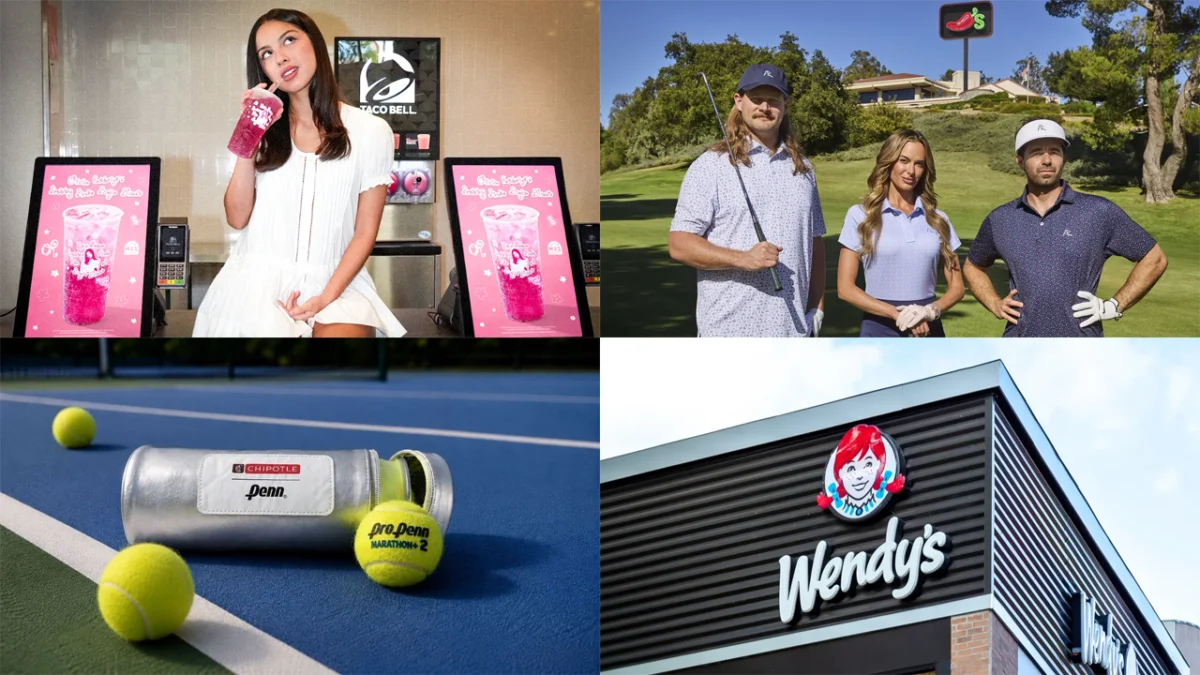
Nation’s Restaurant News has unveiled its top trending stories of the week, with a headline-grabbing collaboration between fast-food giant Taco Bell and Grammy-winning artist Olivia Rodrigo taking center stage. The unlikely pairing has resulted in a new iteration of Taco Bell’s iconic Baja Blast beverage, playfully named "You Seem Pretty Pink for a Baja Blast." This strategic marketing move capitalizes on Rodrigo’s immense cultural influence, particularly her recent album success, to introduce a visually and conceptually distinct offering to consumers.
The timing of this collaboration is no accident. Olivia Rodrigo’s latest musical offering, the album titled "You Seem Pretty Sad for a Girl So In Love," has achieved phenomenal commercial success, debuting at the number one position on the U.S. Billboard chart. This achievement marks the largest opening week for a solo artist in the current year, underscoring Rodrigo’s significant sway with a key demographic for fast-food brands. Taco Bell, a company adept at leveraging pop culture trends, has strategically aligned its product launch with this peak of fan engagement and critical acclaim surrounding the artist.
"You Seem Pretty Pink for a Baja Blast" is not merely a new flavor; it is a carefully curated brand experience. The beverage itself is visually striking, boasting a vibrant pink hue, a deliberate departure from the traditional blue-green of the original Baja Blast. This aesthetic choice is directly inspired by the visual themes and imagery associated with Rodrigo’s new album. Furthermore, the packaging has been custom-designed to reflect the album’s artistic direction, creating a cohesive and immersive product that resonates with fans on multiple sensory levels. This approach moves beyond simple product placement to a more integrated brand partnership, aiming to tap into the emotional connection consumers have with their favorite artists and their creative works.
The Strategic Synergy: Music, Marketing, and Millennial/Gen Z Appeal
The partnership between Taco Bell and Olivia Rodrigo is a prime example of how established brands are increasingly seeking to engage younger consumers through authentic connections with popular culture figures. For Taco Bell, Baja Blast has long been a signature item, a cult favorite that generates significant loyalty. Introducing a limited-edition iteration, especially one tied to a highly successful artist, serves multiple strategic objectives. It generates buzz, drives foot traffic, and provides fresh content for social media engagement, a crucial channel for reaching Gen Z and Millennial audiences.
Rodrigo’s fanbase, characterized by its strong digital presence and deep engagement with her music and personal brand, represents a highly desirable demographic for fast-food marketers. By associating "You Seem Pretty Pink for a Baja Blast" with her album, Taco Bell is not just selling a drink; it’s offering fans a tangible way to connect with the artist’s creative universe. This can translate into increased sales and a strengthening of brand affinity among a generation that often prioritizes experiences and authenticity in their purchasing decisions. The "pink" iteration also taps into current aesthetic trends prevalent on platforms like TikTok and Instagram, where visually appealing content garners significant attention.
Taco Bell’s History of Innovative Product Launches
This is not the first time Taco Bell has experimented with unique and attention-grabbing product offerings. The brand has a history of pushing boundaries in the fast-food industry, from introducing breakfast menus to creating limited-time offers that generate widespread discussion. The original Baja Blast, launched in 2004 as a Taco Bell exclusive and a companion to the Mountain Dew brand, quickly became a phenomenon. Its unique tropical lime flavor and vibrant blue-green color set it apart from standard soft drinks. Over the years, Taco Bell has released various limited-edition flavors and variations of Baja Blast, including Baja Blast Freeze, Tropical Baja Blast, and Baja Blast Colada, each designed to reignite consumer interest and attract new customers.
The collaboration with Olivia Rodrigo represents a significant escalation of this product innovation strategy. It moves beyond simple flavor variations to a full-fledged cultural collaboration, integrating the artist’s identity and artistic output directly into the product’s narrative and presentation. This approach aims to create a more profound and memorable consumer experience, fostering a sense of exclusivity and connection that can drive both immediate sales and long-term brand loyalty.
Chipotle’s Back-to-School Success: A Data-Driven Promotion
In other significant industry news, Chipotle Mexican Grill experienced a highly successful back-to-school promotion, indicating a strong consumer response to value-driven offers targeting students and families. The promotion, which took place on August 20th from 3 p.m. to closing, offered customers a "buy one, get one free" deal on entrees. The qualifying condition was simple: customers had to be wearing school apparel or accessories.
This promotion demonstrates a strategic understanding of the back-to-school season as a key period for increased dining occasions, particularly for families and students seeking affordable meal options. By incentivizing the purchase of a second entree, Chipotle effectively doubled the average order value for participating customers while simultaneously driving significant traffic and building goodwill. The requirement of school apparel served as a visible and engaging way to promote the offer, creating a sense of community and shared participation among patrons.
While specific sales figures for the promotion have not been released, the description of it as a "wild success" suggests that it significantly exceeded expectations. Such promotions are crucial for fast-casual chains like Chipotle, which compete in a crowded market. They not only boost short-term sales but also serve as valuable opportunities to gather customer data, reinforce brand messaging, and attract new customers who may have been drawn in by the attractive offer. The simplicity of the promotion’s criteria likely contributed to its broad appeal and ease of participation.
Dutch Bros and Salad and Go: A Competitive Landscape for Drive-Thru Sites
The drive-thru restaurant sector continues to be a hotbed of activity, as evidenced by the ongoing developments surrounding Dutch Bros Coffee and its potential acquisition of Salad and Go sites. Dutch Bros’ proposed purchase of more than 50 Salad and Go locations is currently not a finalized deal. Instead, the defunct salad chain has initiated court proceedings to approve procedures for an auction. This auction is expected to feature Dutch Bros as a primary bidder, competing against its rapidly growing rival, 7 Brew, for approximately 130 unexpired leases of drive-thru sites previously operated by Salad and Go.
This situation highlights the intense competition for prime real estate and established operational footprints within the burgeoning drive-thru segment of the food service industry. Salad and Go, which specialized in pre-made salads and healthy meals with a focus on affordability and convenience, faced financial challenges that led to its closure. However, its network of strategically located drive-thru sites remains highly valuable to other operators.
Implications of the Dutch Bros vs. 7 Brew Auction
The upcoming auction presents a critical juncture for both Dutch Bros and 7 Brew. For Dutch Bros, acquiring these additional sites would represent a significant expansion of its footprint, allowing it to penetrate new markets or strengthen its presence in existing ones. The company, known for its energetic brand culture and extensive menu of customizable coffee and beverage options, has been on a growth trajectory.
7 Brew, a relative newcomer that has experienced meteoric growth, is also aggressively pursuing expansion. The company’s model, which emphasizes speed, efficiency, and a broad range of customizable drinks, has resonated with consumers. A successful bid for these Salad and Go locations would enable 7 Brew to accelerate its expansion plans and potentially outmaneuver competitors in securing desirable locations.
The auction process itself is designed to maximize the value of the unexpired leases for Salad and Go’s creditors. By pitting two well-capitalized and expansion-minded companies against each other, the court anticipates a competitive bidding environment that could result in favorable terms for the defunct chain. The outcome will undoubtedly shape the competitive landscape of the drive-thru beverage and quick-service restaurant market in the coming years, potentially leading to increased brand saturation in certain areas and strategic market realignments.
Broader Trends in the Food Service Industry
These three stories – the celebrity-driven beverage collaboration, the successful promotional campaign, and the competitive real estate acquisition – collectively paint a picture of a dynamic and evolving food service industry. Brands are employing increasingly sophisticated strategies to capture consumer attention and market share.
Celebrity Endorsements and Cultural Alignment: The Taco Bell and Olivia Rodrigo partnership exemplifies the growing trend of brands seeking to align themselves with popular culture and influential figures. This approach moves beyond traditional advertising to create authentic connections and leverage the emotional resonance that artists have with their fan bases. The success of such collaborations hinges on the perceived authenticity of the partnership and its ability to tap into existing fan enthusiasm. Data from the music industry consistently shows the significant purchasing power of Gen Z and Millennial consumers, making these partnerships a strategic imperative for brands targeting these demographics.
Data-Driven Promotions and Value-Conscious Consumers: Chipotle’s back-to-school promotion underscores the enduring power of well-executed, value-driven offers. In an environment where consumers are increasingly mindful of their spending, promotions that offer clear benefits and are easy to understand can drive significant traffic and sales. The success of such campaigns is often measured not only in immediate revenue but also in customer acquisition and brand loyalty. Analyzing customer response data from these promotions allows brands to refine future marketing efforts and understand consumer behavior patterns.
Real Estate and Competitive Expansion: The situation involving Dutch Bros and 7 Brew highlights the critical importance of real estate in the food service industry, particularly for concepts that rely on high-volume, convenient access. The drive-thru model has seen a resurgence in popularity, driven by changing consumer habits and technological advancements. Companies are actively seeking to secure prime locations, leading to intense competition for existing sites and the development of new, efficient store formats. The acquisition of established networks, even from defunct businesses, can significantly accelerate expansion plans and provide a competitive advantage. The rapid growth of companies like 7 Brew demonstrates the potential for disruptive innovation within established market segments.
The coming weeks and months will likely see further developments in these stories, offering continued insights into the strategies and trends shaping the future of the food service landscape. The ability of brands to adapt, innovate, and connect with consumers on multiple levels will be paramount to their continued success.
