

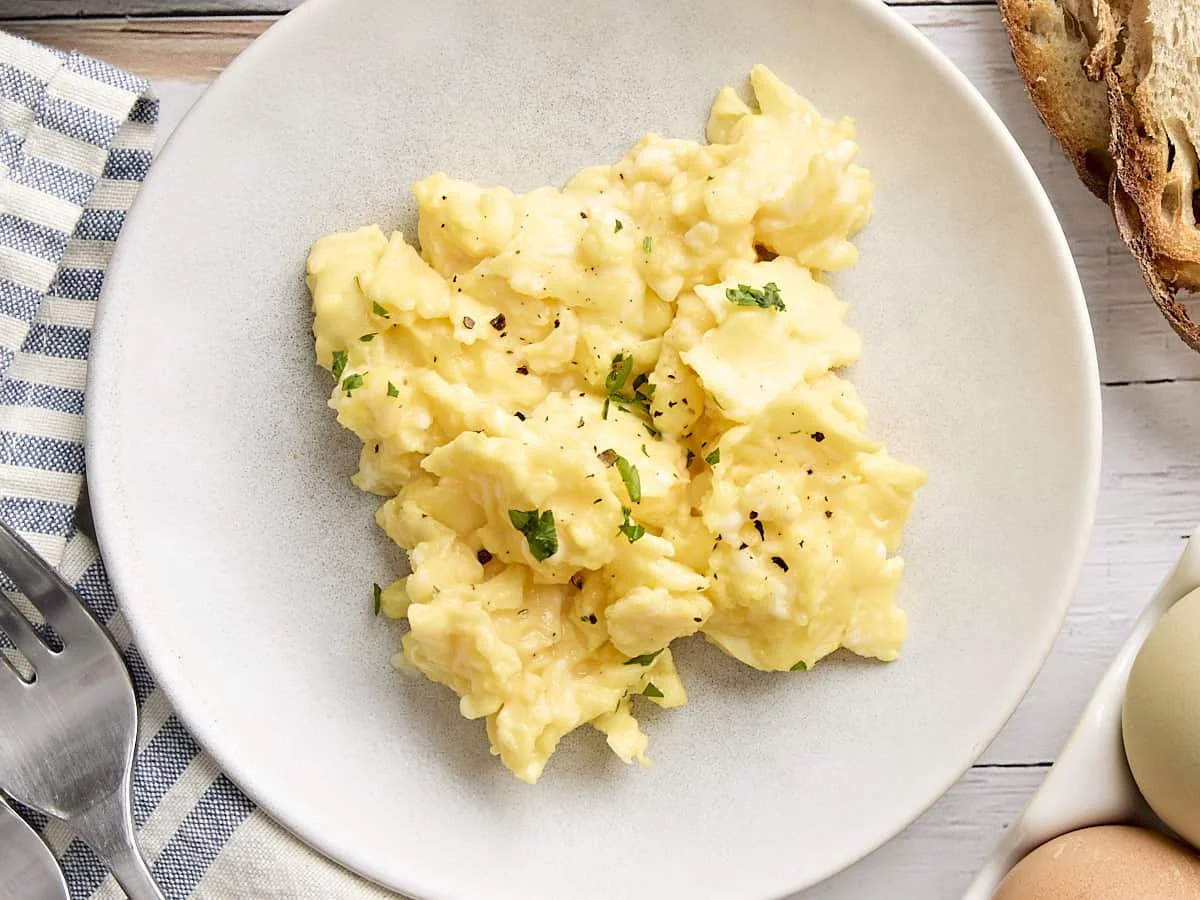
The avian egg remains one of the most versatile and cost-effective protein sources in the global food supply chain, serving as a foundational element in culinary traditions across virtually every culture. Valued for its high biological value protein, essential vitamins, and minerals, the egg has transitioned from a simple breakfast staple to a critical component of all-day dining and budget-conscious meal planning. As inflationary pressures impact global food prices, the ability to transform a low-cost carton of eggs into a diverse array of nutritious meals has become a vital skill for modern consumers. This report examines the technical methodologies for egg preparation, the economic implications of egg-based diets, and the evolving trends in international egg-based gastronomy.

The Economic and Nutritional Landscape of Egg Consumption
The economic significance of the egg cannot be overstated. According to data from the U.S. Bureau of Labor Statistics, while egg prices experienced significant volatility between 2022 and 2024 due to outbreaks of highly pathogenic avian influenza (HPAI), they remain one of the most affordable animal-derived proteins per gram. A single large egg typically contains approximately 6 grams of high-quality protein, along with significant amounts of choline, selenium, and B vitamins.
In terms of cost-efficiency, egg-based meals often average between $0.30 and $1.50 per serving, significantly lower than traditional beef or poultry-based entrees. This affordability has led to a rise in "breakfast for dinner" trends, where households utilize eggs to maintain nutritional standards while adhering to strict budgetary constraints. Furthermore, the long shelf life of refrigerated eggs—often up to five weeks—minimizes food waste, another critical factor in household economic management.

Technical Methodologies: A Chronology of Preparation Standards
Culinary science identifies several standardized methods for egg preparation, each requiring specific temperature controls and timing to achieve optimal texture and flavor. The evolution of these techniques has been influenced by both traditional stovetop methods and modern kitchen technologies.

Traditional Boiling and Modern Air-Frying Techniques
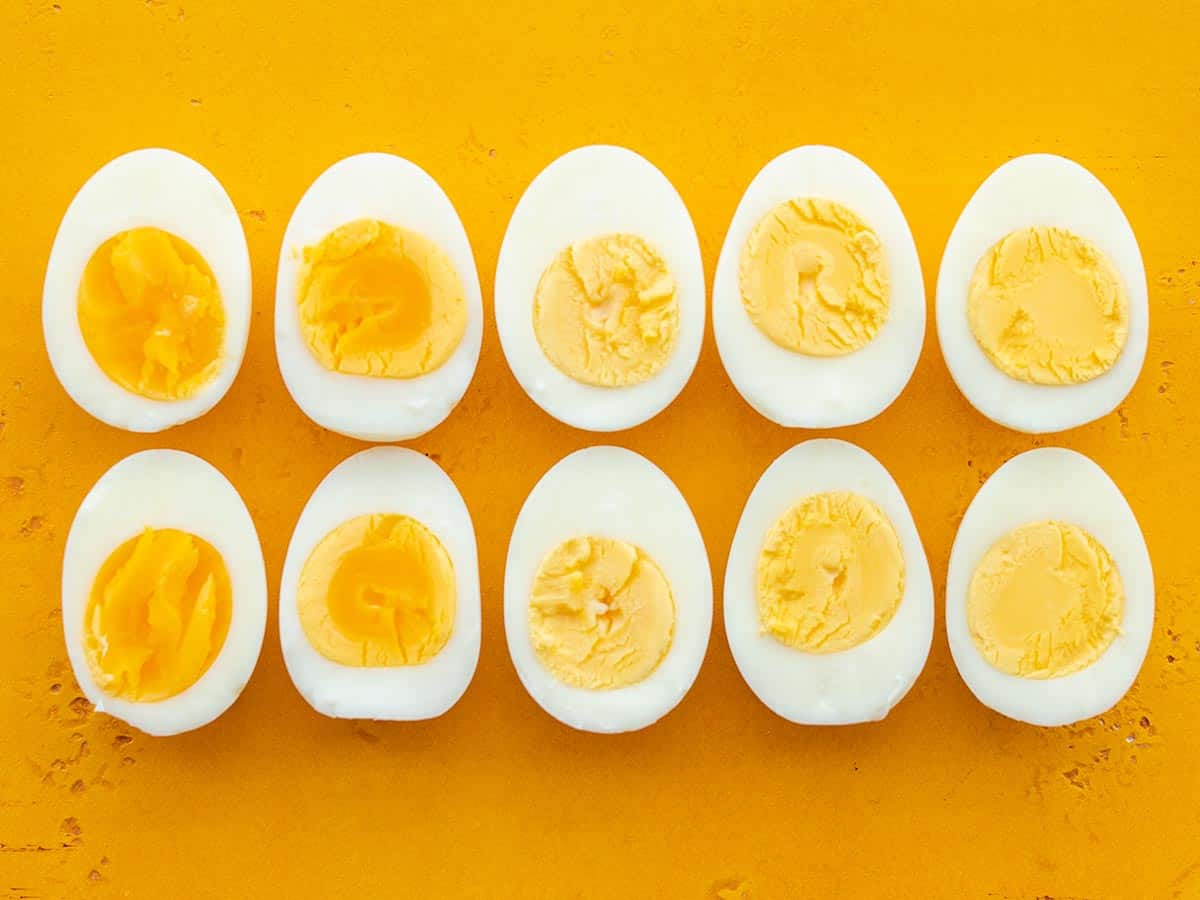
The process of boiling eggs involves the denaturation and coagulation of proteins. A standard soft-boiled egg is achieved through a six-minute immersion in boiling water, resulting in firm whites and a liquid yolk. Conversely, hard-boiled eggs require a more extended duration, typically 9 to 12 minutes. To prevent the formation of ferrous sulfide—the unsightly green ring around the yolk—culinary experts recommend a "hot water bath" method where the eggs are removed from active heat and allowed to finish cooking in the residual warmth.
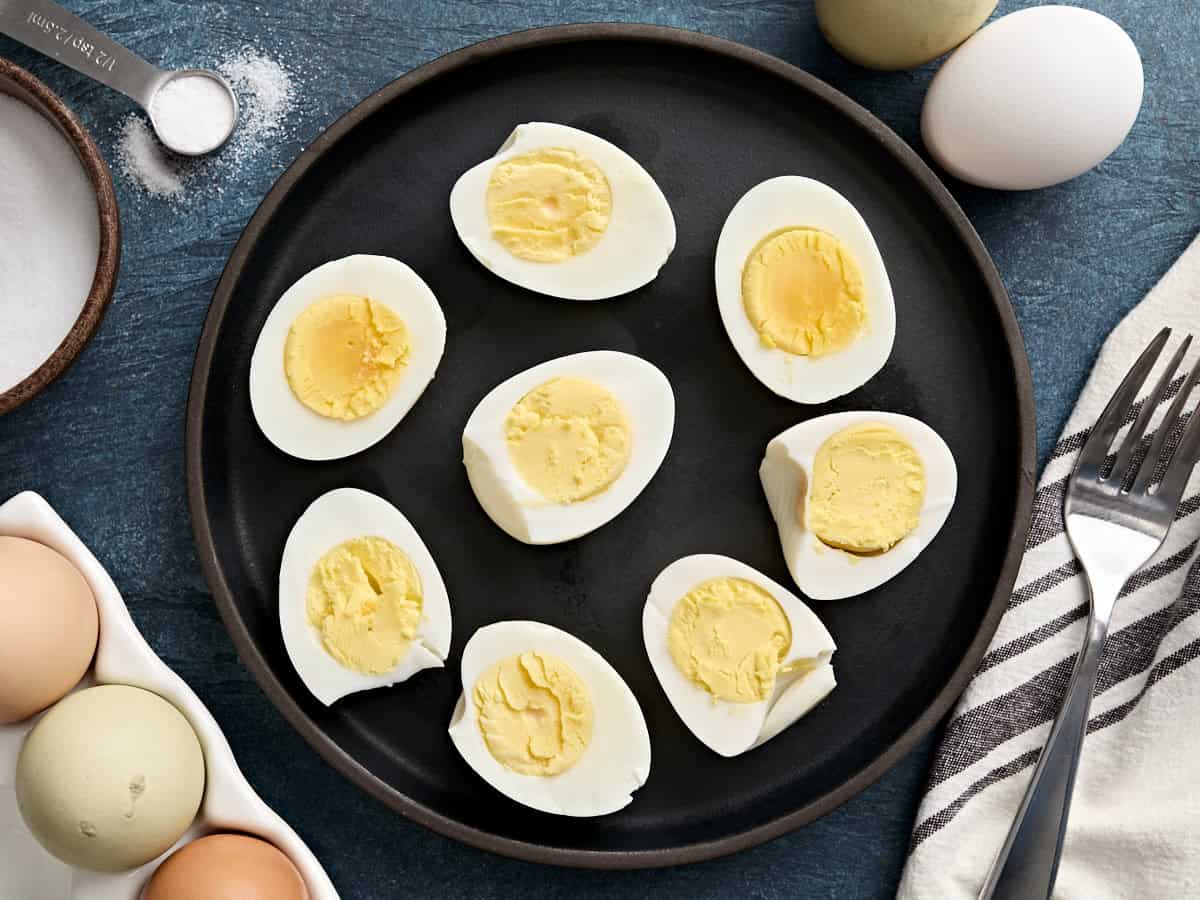
A significant disruption in this chronology occurred with the rise of the air fryer. Recent kitchen data suggests that air-frying eggs at 270°F (132°C) for 17 minutes yields results comparable to traditional boiling but with reduced water usage and less active monitoring. This shift reflects a broader trend toward automation in home cooking.
Precision in Frying and Poaching
Frying remains the most common preparation method, categorized by the degree of yolk coagulation: sunny-side up, over-easy, and over-hard. Poaching, often perceived as a more advanced technique, relies on the use of an acidulated water bath (typically containing white vinegar) to facilitate the rapid setting of egg whites around the yolk. This method, taking approximately 8 minutes, is a staple of professional brunch service and has seen a resurgence in home kitchens as a healthy, oil-free alternative to frying.
Innovation in Scrambled Egg Formulations
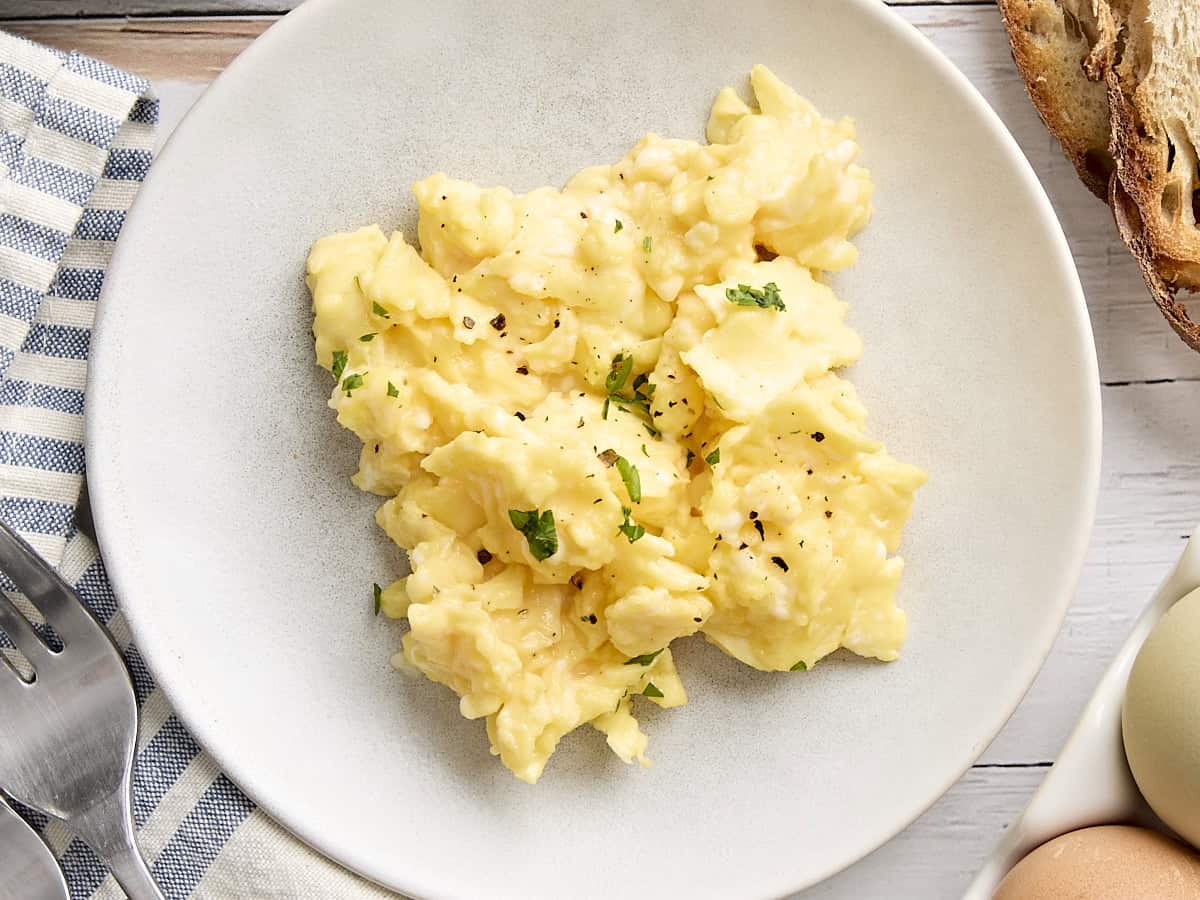
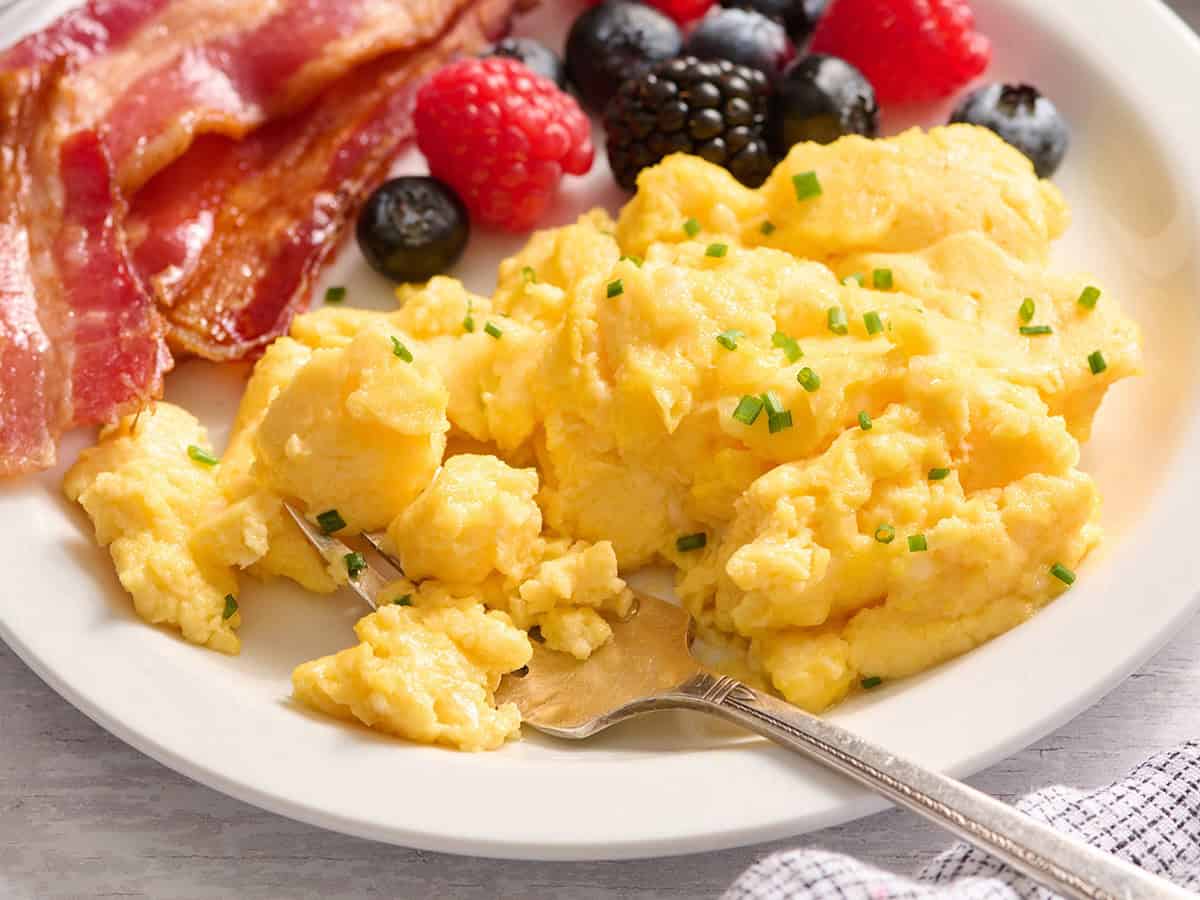
Scrambled eggs serve as a primary vehicle for "stretching" food budgets through the addition of secondary ingredients. This practice not only increases the volume of the meal but also enhances the nutritional profile.
Protein Density and Texture Enhancement
A notable trend in modern nutrition is the integration of cottage cheese into scrambled eggs. By blending these two dairy products, cooks can increase the protein content by approximately 11 grams per serving while achieving a creamier texture without the need for high-fat heavy creams. This technique has gained traction among fitness enthusiasts and those seeking low-carbohydrate, high-protein meal options.

The Role of Residual Ingredients
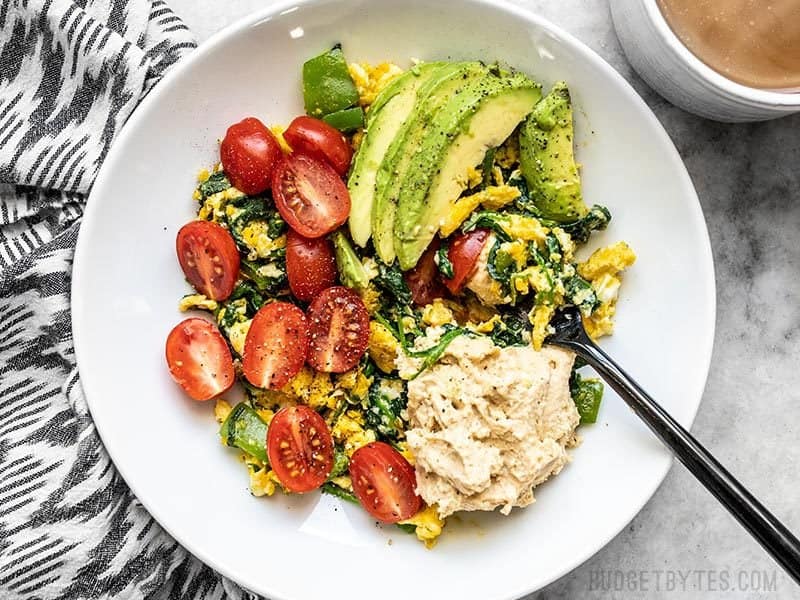
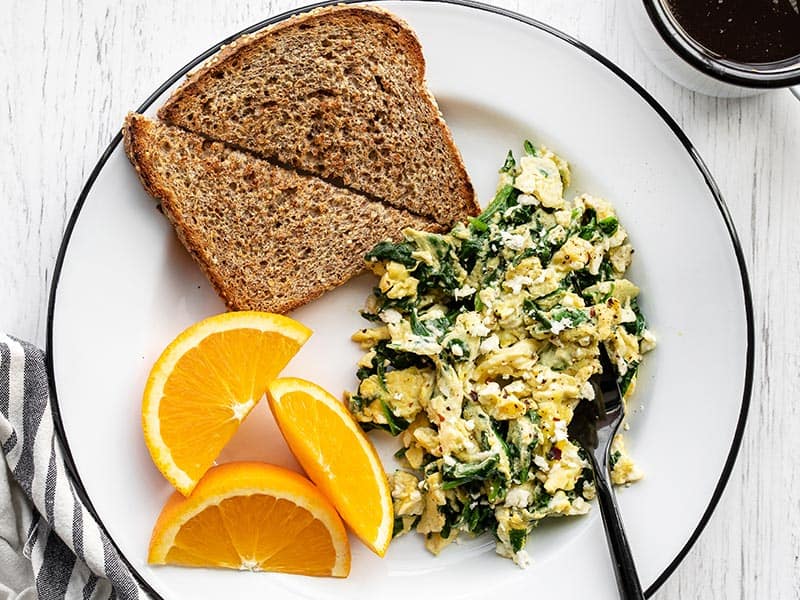
Scrambled eggs are increasingly used as a "clean-out-the-fridge" solution. The "Vegetable Breakfast Scramble" methodology involves sautéing leftover produce—such as spinach, tomatoes, and bell peppers—prior to the addition of whisked eggs. This approach aligns with sustainability goals by reducing household produce waste.
International Influences on Domestic Egg Preparation
The globalization of the palate has introduced several international egg dishes into the mainstream domestic repertoire. These dishes often emphasize the egg’s ability to act as a poaching medium for various sauces and aromatics.

Middle Eastern and Mediterranean Standards
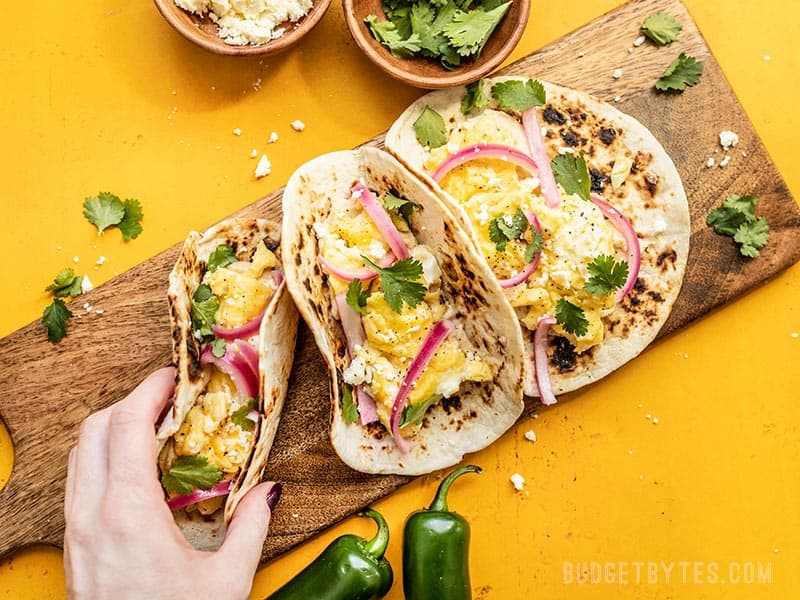
Shakshuka, a dish of eggs poached in a spiced tomato and pepper sauce, has become a global phenomenon. Originating in North Africa and the Middle East, its popularity is attributed to its one-pan preparation and its capacity to serve as both a breakfast and dinner entree. Similarly, the Turkish dish Menemen utilizes a more integrated approach, where eggs are scrambled into a mixture of sautéed onions, peppers, and tomatoes until barely set, preserving a soft, moist texture intended for consumption with crusty bread.
East Asian Steaming Techniques
Chinese Steamed Eggs represent a departure from high-heat methods. This technique involves whisking eggs with water or broth in a specific ratio (often 1:1.5 or 1:2) and steaming them at a low temperature to create a delicate, custard-like consistency. This method highlights the structural properties of egg proteins and serves as a testament to the ingredient’s versatility beyond frying and boiling.
Advanced Culinary Applications: Baked and Structured Egg Dishes
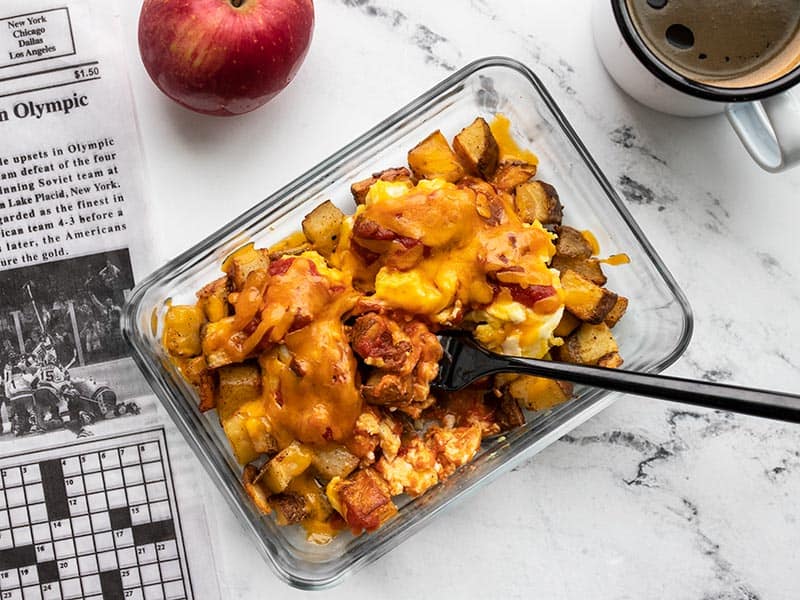
As meal preparation (or "meal prepping") has become a standard practice for busy professionals, structured egg dishes like quiches, frittatas, and egg muffins have seen increased adoption.

The Structural Integrity of Quiches and Frittatas
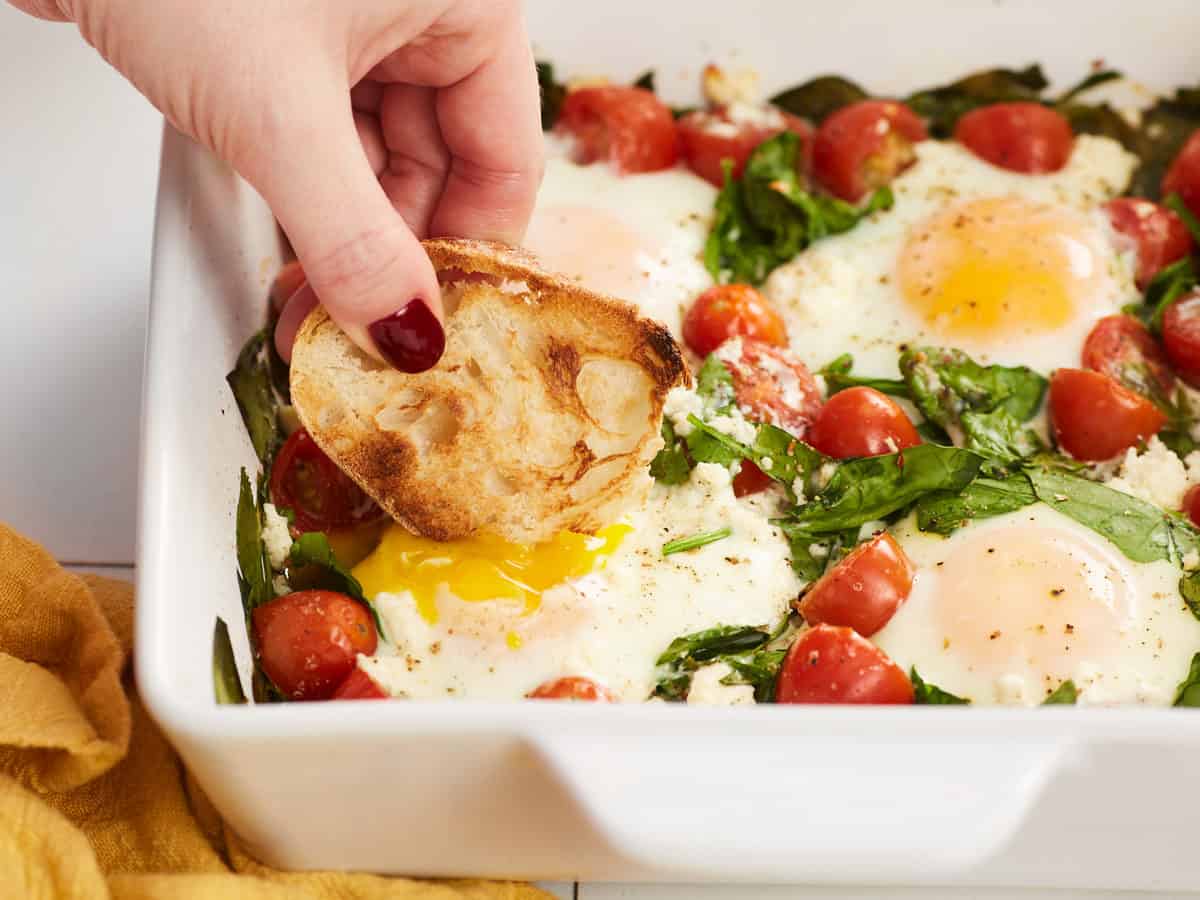
The quiche remains a cornerstone of sophisticated egg preparation. While traditional Quiche Lorraine involves a labor-intensive pastry crust and a heavy cream custard with bacon and Swiss cheese, modern adaptations often utilize puff pastry or "crustless" formats to reduce preparation time and caloric density. Frittatas, essentially open-faced omelets finished in the oven, offer a similar structural benefit but allow for the inclusion of denser vegetables, such as roasted eggplant or zucchini, as seen in the Ratatouille Frittata.
Portability and Preservation
The development of "Egg Muffins"—individual portions baked in a muffin tin—addresses the consumer demand for portable, high-protein breakfasts. These units can be frozen and reheated, maintaining their texture due to the stabilization of the egg proteins during the baking process. Similarly, the "Freezer Breakfast Burrito" utilizes scrambled eggs as a central binder for meats and cheeses, providing a shelf-stable, microwaveable meal solution that competes with commercial fast-food offerings.

Implications for Public Health and Food Security
The widespread dissemination of egg recipes and tutorials has broader implications for public health. As a "functional food," eggs provide lutein and zeaxanthin, which are critical for eye health, as well as choline, which supports brain development and liver function. In the context of food security, the egg is an indispensable tool. Educational initiatives that teach low-income populations how to prepare eggs in diverse ways can significantly improve nutritional outcomes without increasing financial strain.

Market analysts suggest that the demand for eggs will continue to grow as consumers move away from processed cereals toward protein-centric diets. The versatility of the egg ensures its place at the center of the plate, regardless of the time of day or the economic climate.

Conclusion and Future Outlook
The evolution of egg preparation from basic survival cooking to a sophisticated culinary art reflects broader changes in society’s relationship with food. The transition toward all-day egg consumption, the integration of international flavors, and the adoption of time-saving technologies like air fryers and microwaves indicate a resilient and adaptable culinary landscape.

As we look toward the future, the egg will likely remain a primary focus of food innovation. Whether through the development of more efficient farming practices to stabilize prices or through the continued creative expansion of egg-based recipes, this humble ingredient will continue to serve as a vital link between nutrition, affordability, and gastronomic pleasure. The data is clear: the ability to master the egg is a fundamental requirement for navigating the modern food economy.

Data Source and Reference Note: The culinary techniques and recipe frameworks discussed in this report are based on standards verified in professional test kitchen environments, including the Nashville Test Kitchen facility. Economic figures are based on average national retail prices for Grade A Large eggs as of 2024-2026 projections.
