

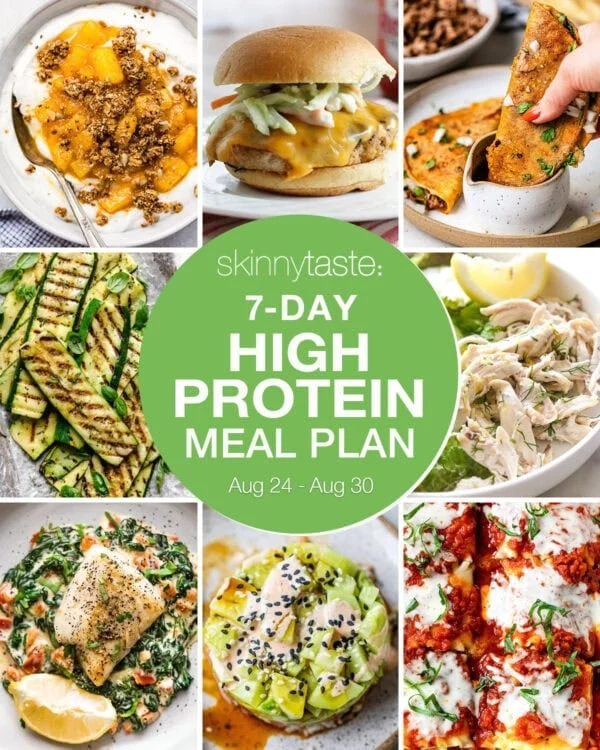
The Strategic Launch of a High-Protein Resource
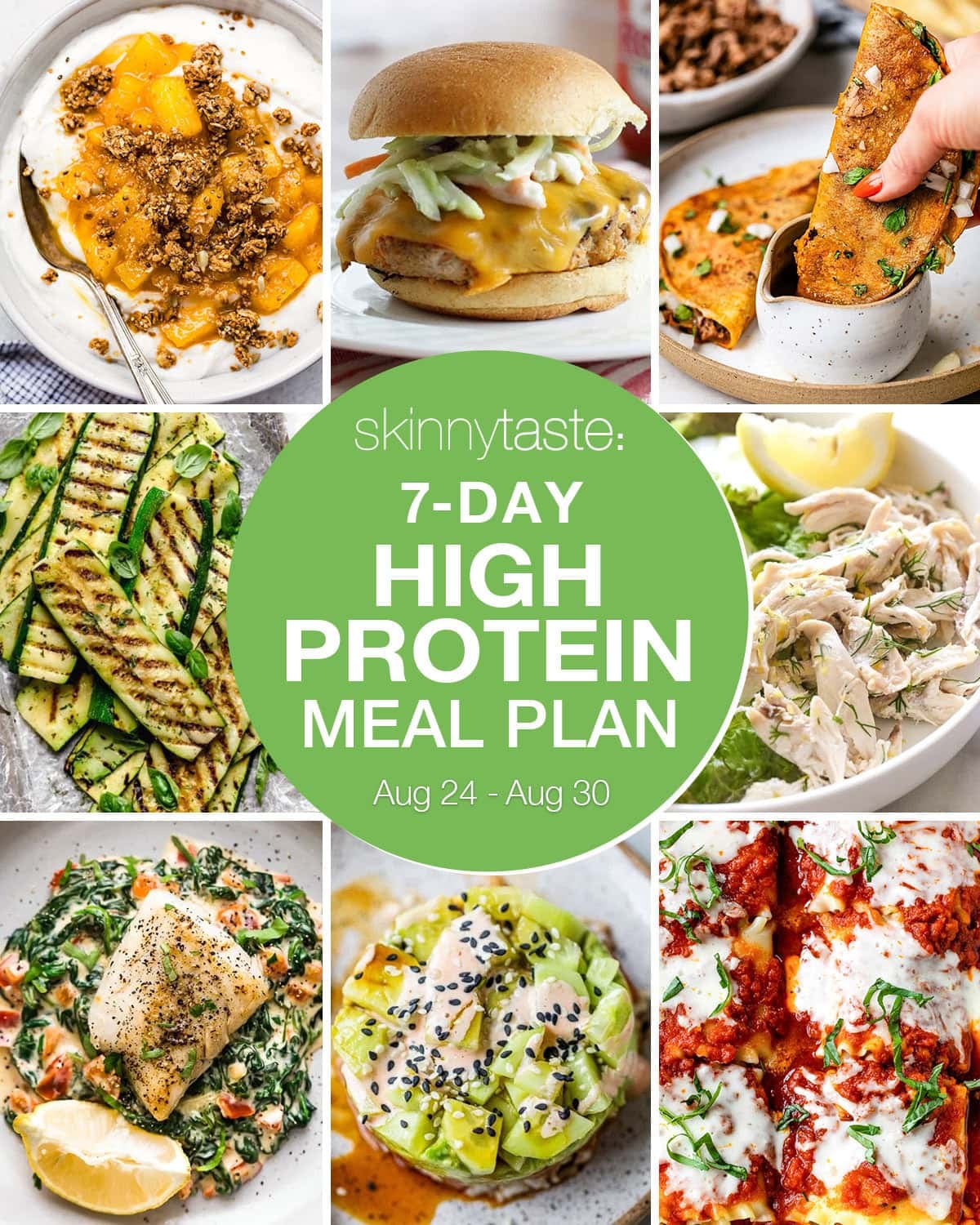
This latest offering from Skinnytaste, a prominent name in healthy recipe development, caters to a diverse audience ranging from fitness enthusiasts focused on muscle gain to individuals prioritizing satiety and weight management. The meal plan is designed to run from August 24th to August 30th, providing a structured yet flexible framework for a full week of high-protein eating. Each day’s meals are carefully curated to help users meet their daily protein targets while incorporating a variety of flavors and seasonal ingredients, notably making use of "end-of-summer" vegetables.
The release of this free, accessible resource aligns with a broader trend in the health and wellness industry, where consumers are increasingly seeking detailed nutritional information and practical tools to manage their diets. Skinnytaste, known for its approachable recipes that do not compromise on flavor, leverages its expertise to demystify high-protein eating, presenting it as an achievable and enjoyable lifestyle choice rather than a restrictive regimen. The inclusion of macros and Weight Watchers points directly addresses the needs of two large segments of the health-conscious population, offering tailored guidance that enhances the plan’s utility and appeal.
Understanding the High-Protein Phenomenon: Background and Benefits
The emphasis on high-protein diets has gained substantial traction over the past decade, moving from niche bodybuilding circles into mainstream dietary recommendations. Scientific literature increasingly supports the benefits of adequate protein intake for various physiological functions. Protein is crucial for muscle repair and growth, enzyme and hormone production, and is a vital component of every cell in the body. Beyond these foundational roles, research indicates that higher protein diets can play a significant role in weight management by increasing satiety, thus reducing overall calorie intake, and by helping to preserve lean muscle mass during weight loss.
Several studies, including those published in journals like The American Journal of Clinical Nutrition, have demonstrated that protein has a higher thermic effect of food (TEF) compared to carbohydrates and fats, meaning the body expends more energy digesting and metabolizing protein. This metabolic advantage, combined with its profound impact on satiety, makes protein a cornerstone of effective weight control strategies. Furthermore, for individuals engaged in regular physical activity or strength training, sufficient protein intake is indispensable for muscle protein synthesis, facilitating recovery and adaptation.
Skinnytaste’s founder, Gina Homolka, has personally attested to the transformative effects of a high-protein diet on her own fitness journey, specifically noting improved strength and sustained satisfaction that curtails cravings for less healthy snacks. This personal endorsement resonates with many users who struggle with similar dietary challenges, lending authenticity and relatability to the meal plan’s philosophy. The plan’s design, which aims for a distribution of protein across three main meals and snacks (e.g., 30 grams per meal plus 10-30 grams per snack for a 120-gram daily target), reflects current nutritional advice for optimizing protein absorption and utilization throughout the day.
Detailed Examination of the Meal Plan’s Structure and Culinary Offerings
The 7-day meal plan is meticulously structured to provide a diverse and engaging culinary experience while adhering to high-protein principles. Mondays through Fridays feature individualized breakfast and lunch portions, catering to single-person preparation, while dinners and all weekend meals are scaled to serve a family of four, reflecting the practical needs of many households. This thoughtful segmentation ensures that the plan is adaptable for both individual users and family meal planning.
The recipes integrated into the plan showcase Skinnytaste’s signature style of creating wholesome, flavorful dishes. For instance, the inclusion of dishes like "Grilled Chicken Chickpea Salad," "Shrimp and Zucchini Pasta in Light Tomato Sauce," and "Late Summer Vegetable Enchilada Pie" specifically addresses the utilization of seasonal produce, encouraging fresh ingredient consumption while hitting protein targets. The plan incorporates strategic use of leftovers, such as the "Slow Cooker Birria Tacos" serving two dinners, which enhances convenience and minimizes food waste—a key consideration for efficient meal prep.
Daily meal examples reveal a balanced approach:

- Monday (8/24): Breakfast Taco Scramble, Tuna White Bean Salad, Lasagna Roll Ups with Cottage Cheese.
- Tuesday (8/25): Breakfast Taco Scramble, Tuna White Bean Salad, Slow Cooker Birria Tacos.
- Wednesday (8/26): Breakfast Taco Scramble, Chicken Salad with Lemon and Dill, leftover Birria Tacos.
- Thursday (8/27): Breakfast Taco Scramble, Chicken Salad with Lemon and Dill, Quick Garlic-Lime Marinated Pork Chops.
- Friday (8/28): Strawberry Banana Smoothie, Chicken Salad with Lemon and Dill, Fish Florentine.
- Saturday (8/29): Scrambled eggs with bacon and toast, Chicken Summer Rolls, Dinner Out (allowing for flexibility).
- Sunday (8/30): Warm Peach Crisp Yogurt Bowls, Ahi Tuna Poke Stacks, Buffalo Turkey Burgers with Blue Cheese Broccoli Slaw.
Each day’s itinerary includes estimated calorie and protein totals, providing transparent nutritional data for users. The daily protein goals consistently exceed 120 grams, which is a robust target often recommended for active individuals or those aiming for significant muscle gain or retention.
Integration with Popular Dietary Frameworks: Macros and Weight Watchers
A defining feature of Skinnytaste’s meal plans is their comprehensive nutritional labeling, which includes both macro breakdowns and Weight Watchers (WW) points. This dual approach significantly broadens the plan’s appeal and utility.
Macronutrients (Macros): For individuals who meticulously track their macronutrient intake (protein, carbohydrates, and fats), the provided data eliminates the need for manual calculation. This is particularly valuable for those following specific fitness regimens, such as bodybuilders or athletes, who need precise control over their nutritional ratios to achieve performance or body composition goals. The transparency in macro reporting aligns with a growing demand for data-driven dietary management.
Weight Watchers (WW) Points: Skinnytaste has a long-standing relationship with the Weight Watchers community, consistently updating recipes to reflect changes in the WW program. The recent update to the WW points plan, which introduced new 0-point foods like oatmeal, is acknowledged. While the process of updating every historical recipe is ongoing, the platform’s commitment to linking each recipe to the WW recipe builder (accessible via phone) ensures that users can automatically calculate the most current points values. This responsiveness to program changes demonstrates Skinnytaste’s dedication to its user base and its adaptability within the evolving landscape of popular diet programs. It ensures that WW members can seamlessly integrate these high-protein meals into their point-based tracking system without additional effort.
Expert Endorsements and Crucial Health Advisories
While the benefits of a high-protein diet are widely recognized, Skinnytaste responsibly includes important disclaimers and recommendations for consulting healthcare professionals. The article explicitly advises that individuals with pre-existing health conditions such as kidney or liver disease, gout, specific metabolic disorders, or older adults with reduced kidney function should exercise caution and consult a healthcare provider or dietitian before significantly increasing their protein intake. This adherence to responsible health communication underscores the journalistic integrity of the content, emphasizing that dietary changes should always be personalized and medically supervised when necessary.
Nutritionists and dietitians generally advocate for a balanced approach to diet, even within a high-protein framework. They emphasize the importance of sourcing protein from a variety of lean animal and plant-based sources, incorporating ample fruits, vegetables, and whole grains, and staying adequately hydrated. The Skinnytaste meal plan reflects this holistic view by integrating diverse protein sources (chicken, fish, pork, eggs, cottage cheese, beans) and promoting the use of fresh vegetables.
Community Engagement and Supplementary Resources
Beyond the free meal plan, Skinnytaste actively fosters a supportive community and offers additional resources designed to enhance the user experience. The invitation to join the Skinnytaste Facebook Community provides a platform for users to share their culinary creations, exchange ideas, and find motivation, creating a sense of shared journey and accountability. This interactive element transforms a static meal plan into a dynamic, community-driven initiative.
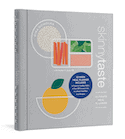
Furthermore, the promotion of the "Ultimate Skinnytaste Meal Planner" highlights a valuable supplementary tool. This 52-week spiral-bound planner is more than just a recipe organizer; it includes tear-out weekly meal planning grids, a 12-week pre-designed meal plan, 30 recipes (15 new), and tear-out grocery lists. Its inclusion of sections for gratitude, affirmations, and intentions also speaks to a holistic approach to wellness, acknowledging the mental and emotional aspects of healthy living alongside the physical. The physical planner complements the digital meal plans by offering a tangible, organized system for long-term dietary management.
Broader Impact and Future Implications

The release of this high-protein meal plan by Skinnytaste reflects several significant trends in the digital health and wellness sphere. Firstly, it underscores the increasing demand for free, high-quality nutritional content that is both scientifically informed and practical for everyday use. In an era saturated with information, platforms like Skinnytaste that offer curated, reliable, and user-friendly resources gain significant trust and traction.
Secondly, it highlights the role of influential food bloggers and online communities in shaping public health discourse. By translating complex nutritional science into accessible meal plans, Skinnytaste empowers individuals to take proactive steps towards their health goals without requiring extensive prior knowledge or expensive consultations.
Finally, the forthcoming high-protein cookbook signals a strategic expansion of Skinnytaste’s content, solidifying its position as a go-to resource for this dietary approach. This planned publication, alongside the recurring release of monthly high-protein meal plans, indicates a sustained commitment to meeting this specific dietary need within its audience. As consumer interest in personalized nutrition continues to grow, such targeted and well-supported initiatives are likely to remain highly relevant and impactful in the evolving landscape of health and wellness media. The provision of detailed daily calorie and protein counts, coupled with external resources for estimating individual needs, further solidifies Skinnytaste’s commitment to informed and responsible dietary guidance.
