

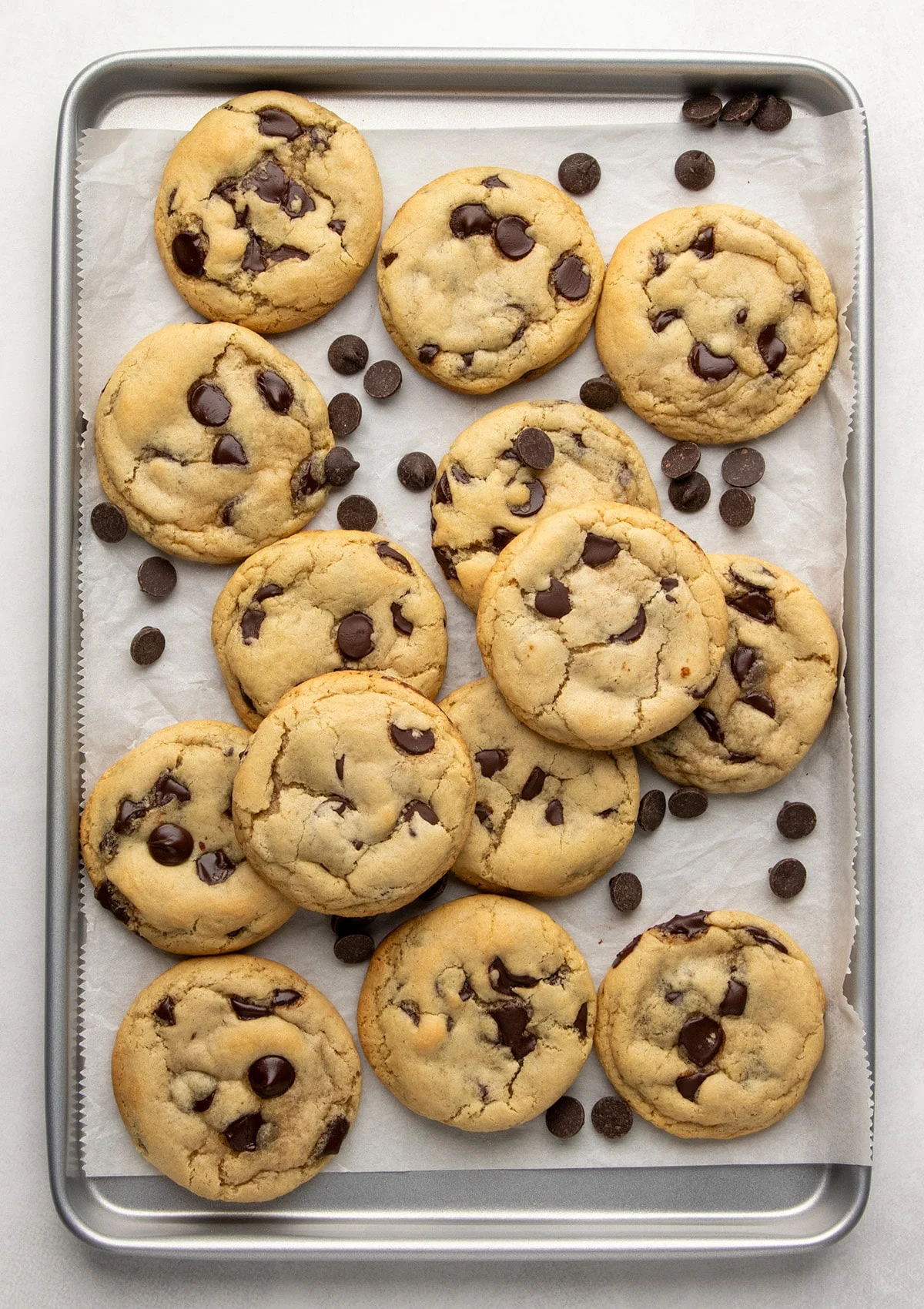
The quest for a truly satisfying gluten-free and dairy-free chocolate chip cookie has long been a culinary challenge for many. Traditional recipes often rely on butter and wheat flour, ingredients that are off-limits for those with celiac disease, gluten sensitivities, or dairy allergies. However, a new wave of innovative baking is proving that delicious, perfectly textured cookies are achievable without these common staples. This article delves into the science and artistry behind creating exceptional gluten-free, dairy-free chocolate chip cookies, offering a comprehensive guide for home bakers.
The Science Behind the Perfect Gluten-Free, Dairy-Free Cookie
The primary hurdle in developing dairy-free baked goods, especially cookies, is replicating the crucial role of butter. Butter contributes not only flavor but also richness, tenderness, and browning. When butter is creamed with sugar, it incorporates air, which aids in leavening. Its fat content also inhibits gluten development, leading to a tender crumb. Without dairy butter, bakers must find alternative fat sources that can mimic these properties.
This recipe specifically highlights the use of cold, block-style vegan butter. Unlike butter found in tubs, block-style vegan butter typically has a higher fat content and a firmer consistency, more closely resembling dairy butter. The key to its success in this recipe lies in its application: it is cut into the dry ingredients while still cold. This technique prevents the vegan butter from melting too quickly during the mixing process. If vegan butter were to warm up excessively, it could lead to a greasy dough and cookies that spread too thinly, a common pitfall in dairy-free baking. The cold butter pieces create pockets of fat that melt during baking, contributing to a tender texture and preventing the cookies from becoming dry or crumbly.
Furthermore, the inclusion of almond flour plays a significant role. Almond flour, a popular ingredient in gluten-free baking, offers a unique set of benefits. Its natural oils contribute to moisture and richness, while its protein content aids in browning. The fine texture of almond flour also lends a desirable tenderness to the final cookie. When combined with a well-balanced gluten-free flour blend, almond flour helps to create a cookie that has both structure and a melt-in-your-mouth quality.
A Strategic Approach to Baking

The development of this particular recipe is rooted in a deliberate strategy to overcome the inherent challenges of dairy-free and gluten-free baking. Unlike recipes that simply suggest a "dairy-free option" without significant recipe modification, this approach is designed from the ground up to work without dairy.
The technique of cutting cold, block-style vegan butter into dry ingredients is a departure from the traditional creaming method used with dairy butter. This method ensures that the fat is evenly distributed without becoming fully incorporated, which helps maintain the integrity of the vegan butter’s emulsion. This is crucial for preventing greasiness and achieving the desired cookie texture.
Almond flour is not merely a substitute; it is an integral component that contributes to the cookie’s tenderness, flavor profile, and browning capabilities. The recipe also mentions the optional use of a butter bakery emulsion, which can further enhance the buttery flavor without adding dairy. While not essential, this ingredient can elevate the cookie’s taste to mimic traditional butter-laden versions.
A short chilling period for the cookie dough is another critical step. This brief rest allows the gluten-free flours to hydrate properly and makes the dough easier to handle. More importantly, it helps the cookies maintain their shape and bake up thick rather than spreading excessively. The instruction to remove the cookies from the oven when the centers still appear slightly soft is a time-honored technique for ensuring a soft, chewy interior that continues to bake gently as the cookies cool. This prevents the dreaded dry or overcooked cookie.
Key Ingredients and Their Roles
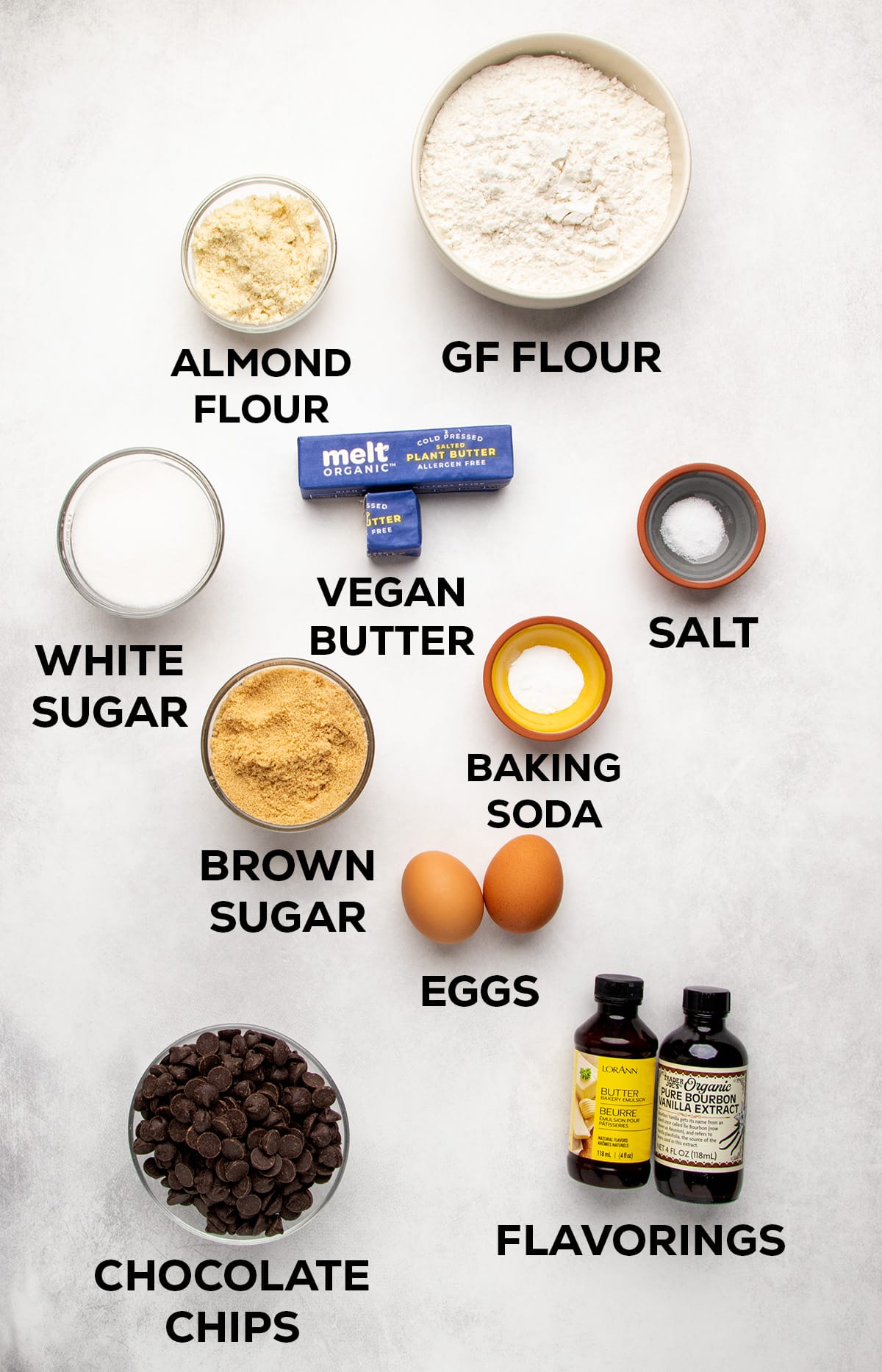
To achieve the perfect gluten-free, dairy-free chocolate chip cookie, a careful selection of ingredients is paramount. The recipe outlines the following essential components:
- Gluten-Free Flour Blend: A high-quality, well-balanced gluten-free flour blend is foundational. Blends that contain a mix of rice flour, sorghum flour, tapioca starch, and potato starch often yield the best results. The inclusion of xanthan gum is crucial for providing structure and elasticity in the absence of gluten.
- Almond Flour: Finely ground almond flour contributes moisture, richness, and a subtle nutty flavor, enhancing the overall texture and taste.
- Cold, Block-Style Vegan Butter: As discussed, this is the primary fat source. Its cold temperature and block form are key to its successful integration into the dough.
- Eggs: Eggs provide binding, leavening, and richness. For those with egg allergies, suitable substitutions are discussed later in the article.
- Sugars: A combination of granulated sugar and light brown sugar is used. Granulated sugar contributes to crispness and spread, while brown sugar adds moisture, chewiness, and a deeper caramel flavor.
- Leavening Agent: Baking soda is the primary leavening agent, reacting with the acidic components in the dough to create lift.
- Salt: Salt enhances all the flavors in the cookie and balances the sweetness.
- Flavorings: Vanilla extract is a classic flavor enhancer. A butter bakery emulsion can be added for an extra boost of buttery flavor, though it is optional.
- Chocolate Chips: High-quality dairy-free chocolate chips are, of course, essential for a chocolate chip cookie.
The Step-by-Step Process: A Culinary Journey
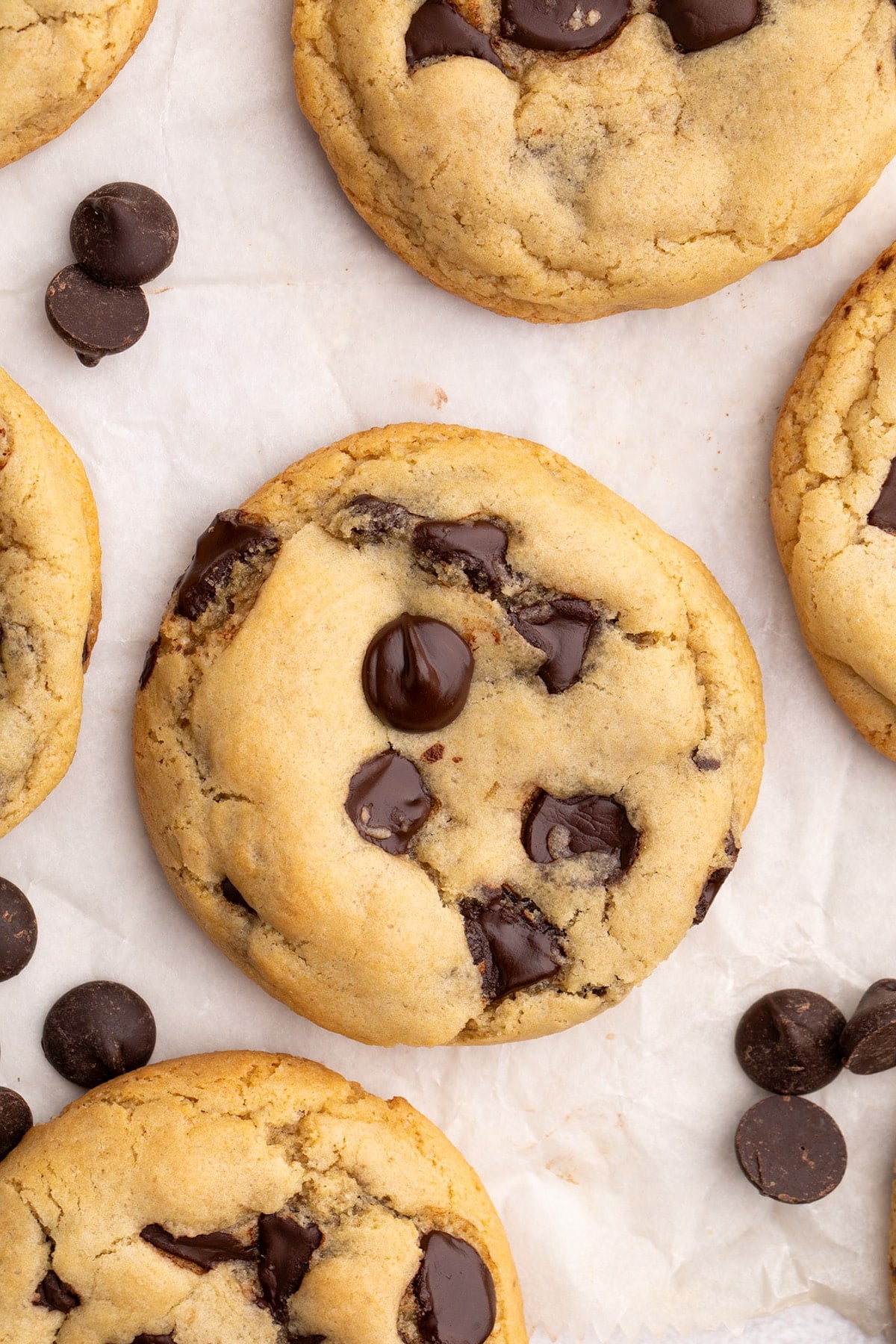
Creating these cookies is a straightforward process, but understanding the rationale behind each step can lead to even better results.
-
Whisk Dry Ingredients: In a large mixing bowl, combine the gluten-free flour blend (ensuring it contains xanthan gum), almond flour, salt, baking soda, granulated sugar, and light brown sugar. Whisking ensures that all dry ingredients are evenly distributed, setting the stage for uniform cookie development. Any small lumps of brown sugar will naturally break down during the subsequent steps.
-
Cut in the Vegan Butter: The cold, block-style vegan butter should be chopped into small cubes. These cubes are then added to the dry ingredients and tossed to coat, preventing them from sticking to the bowl. Using a fork or a pastry blender, work the butter into the dry ingredients until the mixture resembles coarse crumbs. This technique ensures the butter is evenly dispersed throughout the dough without melting, which is critical for texture.
-
Add Wet Ingredients: Create a well in the center of the dry ingredients. Add the lightly beaten eggs and flavorings (vanilla extract and butter emulsion, if using). Mix gently until just combined, forming a cohesive cookie dough. Overmixing at this stage can lead to a tougher cookie, so it’s important to stop as soon as the dough comes together.
-
Incorporate Chocolate Chips: Gently fold in the dairy-free chocolate chips until they are evenly distributed throughout the dough.
-
Portion the Dough: For consistent baking, it’s recommended to portion the dough using a medium ice cream scoop or two spoons. Aim for portions of approximately 2 ounces each. Using a kitchen scale can ensure uniformity, allowing all cookies to bake at the same rate.
-
Chill the Dough Briefly: Measure out the cookie dough portions onto a small baking sheet lined with parchment paper. Chill the dough in the refrigerator for about 10 minutes, or until it’s firm enough to be rolled into smooth balls. This chilling step is crucial for shaping and for preventing excessive spread during baking.
-
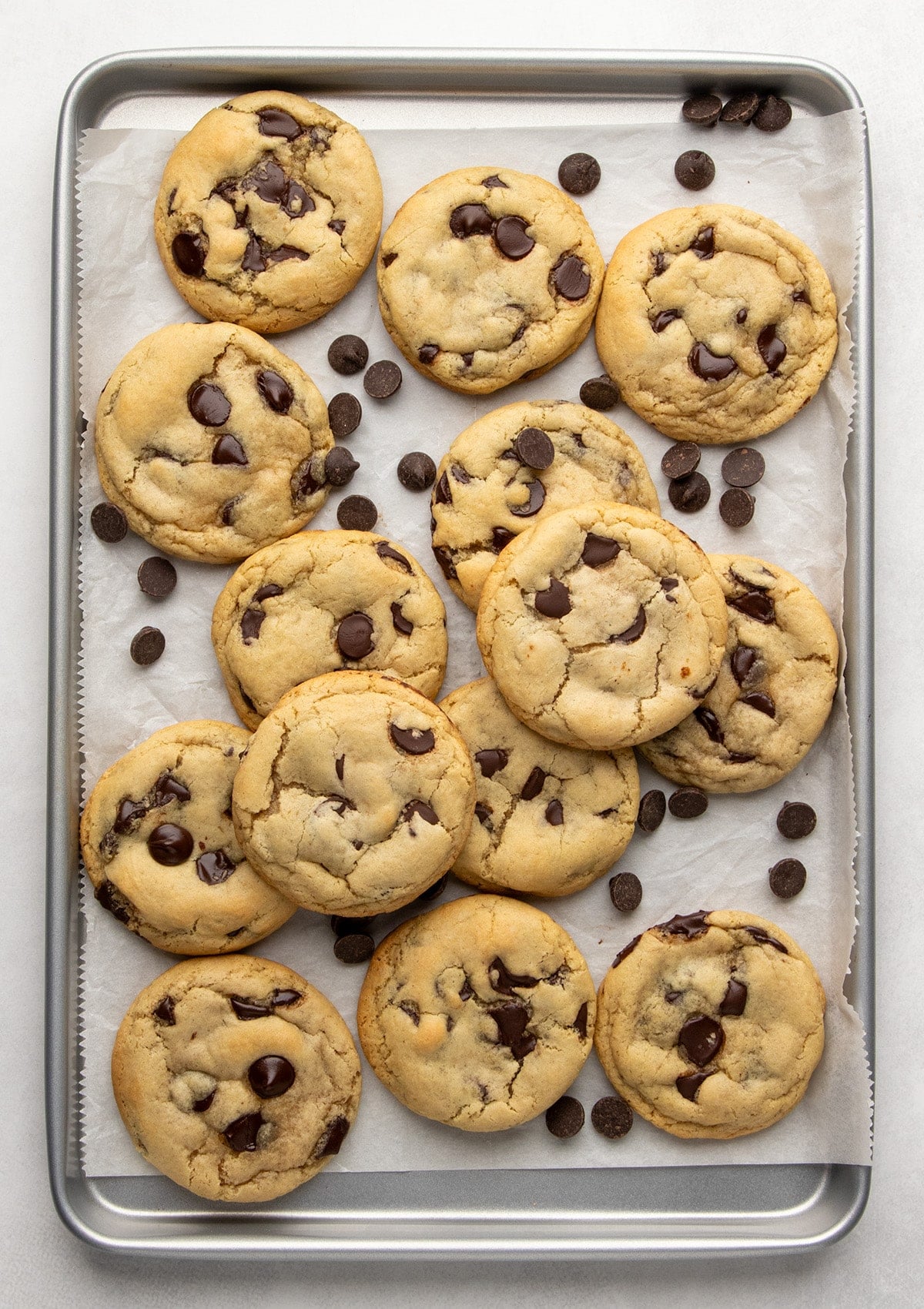
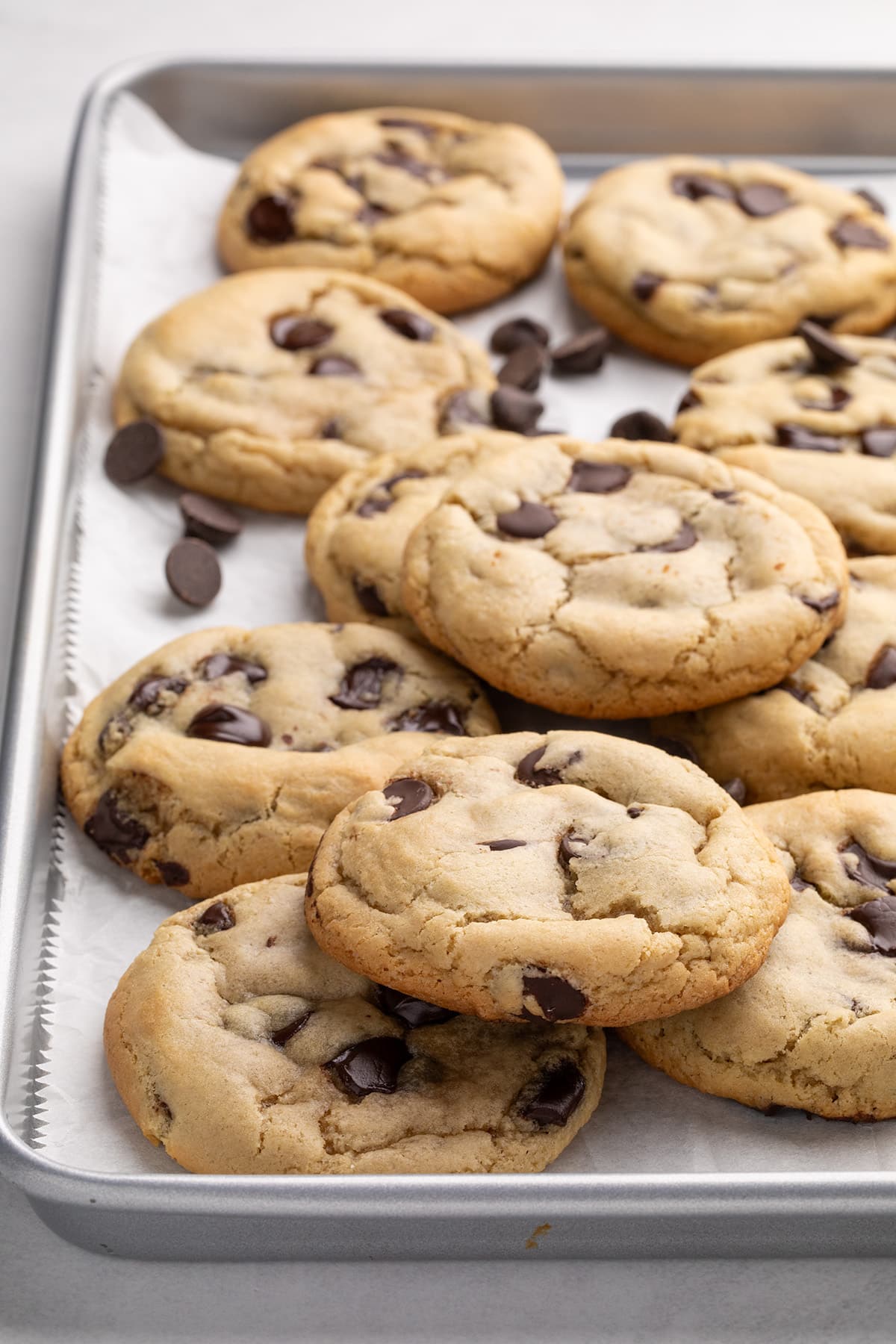
Bake the Cookies: Roll each chilled dough portion between your palms to form smooth balls. Place the dough balls about 1 ½ inches apart on parchment-lined baking sheets. Bake in a preheated oven at 350°F (175°C) for approximately 10 minutes. The cookies are ready when the edges are golden brown, the tops are a light tan, and the centers still appear slightly soft. Remember that carryover baking will continue as the cookies cool, so it’s better to slightly underbake than overbake.
Expert Tips for Baking Perfection
Achieving consistently excellent results with gluten-free, dairy-free cookies often comes down to attention to detail and temperature control.
-
Use Cold, Block-Style Vegan Butter: The consistency of vegan butter is paramount. Opt for block-style varieties, as they contain less water and are firmer than tub margarines. This firmness is essential for controlling spread. Leaving vegan butter at room temperature will compromise its structure and lead to greasy cookies.
-
Briefly Chill the Cookie Dough: While the dough can technically be baked immediately, a short chill (even just 10 minutes) significantly improves the final cookie’s appearance and texture. It allows the dough to firm up, promoting a thicker cookie with desirable crackles on the surface as it cools.
-
Avoid Baking on a Cold Surface: When chilling the dough, do so on a surface that will not be placed directly into the hot oven. Placing a cold baking sheet into a preheated oven can cause a temporary drop in oven temperature, potentially leading to uneven baking and dry cookies.
Ingredient Substitutions for Dietary Needs
This recipe offers flexibility to accommodate various dietary restrictions and preferences.
-
Egg-Free: For an egg-free version, consider using "chia eggs" (2 tablespoons ground white chia seeds mixed with 3-4 tablespoons lukewarm water and allowed to gel), Bob’s Red Mill Egg Replacer, or a commercial liquid egg substitute like JustEgg. The exact quantity of substitute may vary, so follow product instructions carefully.
-
Almond-Free: If tree nuts are an issue, finely ground and sifted hazelnut flour can be used as a substitute for almond flour. Finely ground oat flour is another viable option that yields very similar results. If you opt for a higher proportion of gluten-free flour blend, expect slightly less browning and tenderness. It’s also important to note that some vegan butters, like Miyoko’s, are made with cashew milk and should be avoided if tree nut allergies are a concern.
-
Butter Emulsion: If butter bakery emulsion is unavailable or not desired, an additional teaspoon of pure vanilla extract or ½ teaspoon of almond extract can be used. Alternatively, the ingredient can be omitted entirely without significantly impacting the cookie’s structure, though the buttery flavor may be less pronounced.
Storage Instructions for Freshness
Proper storage ensures these delicious cookies can be enjoyed for days to come.
-
Chilled Raw Dough: Raw portions of cookie dough can be wrapped tightly in plastic wrap and stored in the refrigerator for up to one week. Before baking, re-roll the dough balls into smooth rounds if they have lost their shape. The cookies baked from chilled dough may be slightly thicker but will otherwise be unchanged.
-
Baked Cookies: Cooled, baked cookies should be stored in an airtight glass container at room temperature for up to five days. For longer storage, freeze the cookies in a freezer-safe container for up to three months. Thaw at room temperature.
Flour Blend Considerations
The choice of gluten-free flour blend is critical. A well-balanced blend, such as Better Batter’s Original All-Purpose blend, is recommended. If using Bob’s Red Mill 1-to-1 Baking Flour (in the blue bag), an additional ¼ teaspoon of xanthan gum may be beneficial for optimal texture. For those who prefer to create their own blends, comprehensive recipes for high-quality gluten-free flour mixes, designed to mimic popular commercial blends, are available. These homemade blends can offer superior performance and cost savings.
Nutritional Approximation
Based on the recipe’s ingredients and portioning, each cookie provides approximately 264 calories, 37g of carbohydrates, 3g of protein, and 13g of fat. This includes approximately 5g of saturated fat, 2g of polyunsaturated fat, and 3g of monounsaturated fat. Trans fat content is estimated at 1g, with about 16mg of cholesterol. Sodium content is around 177mg, with minimal potassium. Fiber content is approximately 2g, and sugar content is around 24g. Vitamin A is estimated at 24 IU, calcium at 36mg, and iron at 1mg. It is important to note that these figures are automatically calculated and serve as an approximation.
Conclusion
The development of a truly exceptional gluten-free, dairy-free chocolate chip cookie is a testament to culinary innovation. By understanding the science behind ingredient interactions and employing strategic baking techniques, it is possible to create a cookie that rivals its traditional counterparts in flavor, texture, and overall satisfaction. This comprehensive guide provides bakers with the knowledge and tools to confidently embark on their own journey to creating these delightful treats, proving that dietary restrictions do not have to mean compromising on taste or enjoyment.
