

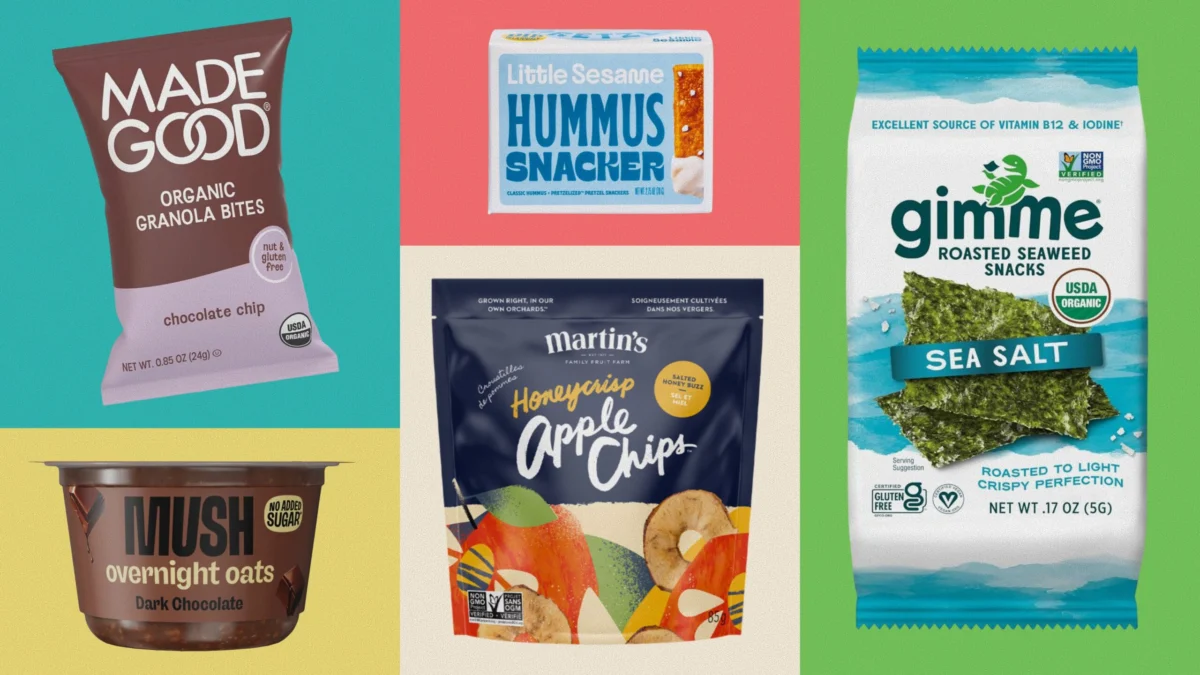
The modern pantry, a testament to culinary diversity and convenience, often holds a special section dedicated to snacks. For many, particularly parents of young children, this aisle represents both a joy and a formidable challenge. The sheer volume of options, from salty to sweet, crunchy to chewy, can be overwhelming, especially with entire supermarket sections now tailored exclusively to children’s palates. While many of these products offer undeniable deliciousness, their nutritional value frequently falls short, leaving parents in a perpetual quest for choices that satisfy both taste buds and health requirements. This comprehensive guide, informed by years of dedicated research and practical application by a seasoned culinary professional and mother of two, aims to distill the vast snack market into a selection of top-tier, healthy, and genuinely kid-approved options that adults will also find deeply satisfying. The emphasis is on products that deliver high fiber, substantial protein, or low sugar content, providing a blueprint for mindful snacking in busy family lives.
The Evolving Landscape of Children’s Nutrition
The role of snacks in a child’s diet has evolved significantly over recent decades. What was once a simple interim meal has become a complex arena of nutritional science, marketing strategies, and parental anxieties. The global snack market is a multi-billion dollar industry, with the children’s segment experiencing particularly rapid growth. This expansion, while offering unprecedented choice, also presents a minefield of processed foods often laden with excessive sugars, unhealthy fats, and artificial additives.
A 2022 study published in the Journal of the Academy of Nutrition and Dietetics highlighted that ultra-processed foods, including many conventional snacks, constitute a significant portion of children’s daily caloric intake, contributing to rising rates of childhood obesity, type 2 diabetes, and other diet-related health issues. Conversely, growing awareness among parents regarding the long-term health implications of poor dietary habits has fueled a demand for healthier alternatives. This shift has prompted food manufacturers to innovate, leading to a new generation of snacks that prioritize ingredients, nutritional profiles, and allergen transparency.

The need for convenient yet nutritious options is particularly acute for busy families. Snacks serve multiple purposes beyond mere hunger abatement: they provide essential energy for growth and play, bridge the gap between meals, and can be vital vehicles for nutrient delivery. However, the time constraints of modern life often push parents towards readily available, pre-packaged solutions. The challenge, therefore, lies in identifying those pre-packaged snacks that align with rigorous health standards without compromising on the appeal necessary to win over discerning young consumers. This guide seeks to bridge that gap, offering a curated list that reflects both expert nutritional consideration and genuine child preference, honed through years of real-world testing.
Curated Selections for Discerning Parents
Below is a detailed examination of nine standout healthy snacks, each chosen for its unique nutritional benefits, undeniable child appeal, and overall contribution to a balanced family diet.
1. Little Sesame Hummus: A Dip into Wholesome Nutrition
Hummus, a Mediterranean staple crafted from chickpeas, tahini, lemon juice, and olive oil, is celebrated for its creamy texture and nutritional density. Little Sesame Hummus distinguishes itself in a crowded market of prepared dips by closely mirroring the authentic flavor and luxurious consistency of homemade versions. Its rich tahini content contributes to a superior creaminess, while a bright acidity from fresh lemon juice elevates its taste profile, making it a favorite even among the pickiest eaters.

From a nutritional standpoint, hummus is a powerhouse. Chickpeas are an excellent source of plant-based protein and dietary fiber, crucial for sustained energy release and digestive health. A typical serving of Little Sesame Hummus provides several grams of protein and fiber, making it an ideal choice to keep children feeling full and focused. The individual snack-sized containers are a practical boon for parents, eliminating concerns about portion control and hygiene (such as the dreaded "double-dipping"). This format also empowers children by giving them their own personal portion, fostering a sense of independence around meal times.
The versatility of hummus further enhances its appeal. It pairs perfectly with an array of dippables, from crunchy pretzels (as often suggested) to nutrient-rich vegetables like mini bell peppers, carrot sticks, or cucumber slices, encouraging diverse nutrient intake. This combination offers a balanced macro-nutrient profile of carbohydrates, proteins, and healthy fats, supporting cognitive function and physical activity throughout the day. The brand’s commitment to quality ingredients, free from artificial preservatives and excessive sodium, ensures that this protein-packed snack is not just delicious but genuinely wholesome.
2. Archer Oven-Roasted Chicken Minis: Protein-Packed Convenience
Meat snacks, particularly jerky, have seen a resurgence in popularity, driven by demand for high-protein, low-carb options. Archer Oven-Roasted Chicken Minis represent a thoughtful adaptation of this trend for younger consumers. The scaled-down, bite-sized format is a key innovation, offering an appropriately portioned snack for children who might otherwise over-consume larger jerky sticks. This focus on controlled portions is vital for managing caloric intake and promoting healthy eating habits from an early age.
While Archer also offers traditional beef jerky, its newer chicken option has quickly become a preferred choice. The "oven-roasted" preparation suggests a gentler, potentially less processed alternative to some traditional jerky methods, appealing to parents seeking cleaner labels. Chicken, as a lean protein source, is essential for muscle development, growth, and overall satiety. These minis provide a significant protein boost, making them an excellent post-school or pre-activity snack that helps prevent energy crashes.

The introduction of these chicken minis by Archer reflects a broader industry trend towards diversifying protein snack options and catering to varied consumer preferences and dietary needs. Their convenience makes them an ideal grab-and-go item for lunchboxes, car rides, or quick protein replenishment after sports practices. The positive reception and consistent re-stocking by parents underscore their effectiveness in meeting the dual demands of nutrition and child appeal.
3. Better Sour Gummies: Sweetness Reimagined with Fiber
Gummies are an almost universally beloved treat among children, but their traditional formulations are often synonymous with high sugar content and potential dental issues. Better Sour Gummies offer a refreshing and much-needed healthier alternative. By utilizing apple juice as a primary sweetener and incorporating a higher dose of dietary fiber, these gummies dramatically reduce the "tooth-destroying, heavily sugared" impact of conventional varieties.
Fiber is a critical nutrient often lacking in children’s diets, playing a vital role in digestive health, blood sugar regulation, and feelings of fullness. The inclusion of fiber in a traditionally sugary treat like gummies is a clever nutritional upgrade. This innovative approach earned Better Sour Gummies recognition as an inaugural winner of the prestigious BA Pantry Awards, signifying their excellence in both taste and nutritional design.
The "sour" element adds an exciting sensory experience for kids, mimicking the popular tart flavors of conventional candies but within a healthier framework. This allows parents to offer a treat that feels indulgent without the guilt associated with excessive sugar consumption. The plant-based formulation also broadens their appeal, catering to families with specific dietary preferences or restrictions. Better Sour Gummies demonstrate that it is possible to create enjoyable children’s snacks that prioritize health without sacrificing the fun factor.

4. Dark Chocolate Mush: Decadent, Dairy-Free, and Nutritious
Mush’s Dark Chocolate offering has emerged as a game-changer for parents seeking a sweet, yet protein-rich, after-school snack, particularly as an elevated alternative to traditional pudding cups. This ready-to-eat oatmeal combines the satisfying creaminess of pudding with substantial nutritional benefits, addressing the common need for sustained energy rather than a fleeting sugar rush.
The formulation of Dark Chocolate Mush is particularly noteworthy: it features almond milk, cocoa powder, natural date sweetener, and a dash of sea salt. This combination creates an irresistible flavor profile that is both decadent and genuinely healthy. Dates provide natural sweetness along with fiber and essential minerals, while cocoa offers antioxidants. The use of almond milk makes it a dairy-free option, suitable for children with lactose intolerance or dairy allergies.
Mush offers a range of flavors, but the Dark Chocolate variant is a consistent best-seller, indicating its broad appeal. The brand’s expansion into products like the Chocolate Brownie Protein (boasting an impressive 15 grams of protein) further underscores its commitment to high-protein, nutrient-dense snacking. This focus on protein is crucial for growing children, supporting muscle repair, immune function, and satiety, making it an excellent choice for a substantial, yet delicious, snack.
5. Gimme Roasted Seaweed Snacks: An Unexpected Umami Hit

Roasted seaweed snacks represent a surprisingly popular and nutritionally sound option, even for children who might typically eschew sushi or other forms of nori. Gimme Roasted Seaweed Snacks stand out due to their "shatteringly crisp, potato-chip-like quality," a texture that appeals broadly to kids who enjoy crunchy snacks. This textural similarity helps bridge the gap between familiar processed snacks and a healthier, less conventional option.
The Sea Salt flavor is a perennial family favorite, while the Teriyaki offers a more adventurous, savory-sweet alternative. Nutritionally, seaweed is rich in minerals such as iodine (essential for thyroid function), manganese, and vitamins A and C. It’s also a low-calorie, low-fat snack, providing a satisfying crunch without the caloric density of many conventional chips.
A crucial point for parents to note is the presence of a food-safe silica gel packet in individual pouches, designed to maintain freshness. While harmless, clear communication with young children about not consuming these packets is advisable to prevent confusion. The growing popularity of seaweed snacks, despite their unconventional nature, highlights a broader trend in parental openness to introduce diverse flavors and textures, promoting adventurous eating habits and expanding children’s palates beyond typical snack offerings.
6. Made Good Organic Granola Bites: Allergen-Friendly Fuel
In an era of increasing awareness and prevalence of food allergies, schools and parents are often faced with strict allergen messaging. Made Good Organic Granola Bites rise to this challenge by meticulously omitting the top eight allergens, providing a safe and inclusive snack option for many children. This commitment to allergen-friendliness is a significant relief for parents navigating complex dietary restrictions, ensuring that children with allergies can still enjoy delicious and nutritious treats.

Beyond their allergen-free status, these granola bites are celebrated for being hearty, organic, and delicious. They offer a substantial snack that delivers sustained energy. The brand’s popularity is such that multi-packs, like the 24-pack from Costco featuring Chocolate Chip and Mixed Berry flavors, are a staple in many households. The availability of diverse flavors, including Chocolate Banana, ensures that children have variety while adhering to their dietary needs.
Nutritionally, granola bites typically provide whole grains, fiber, and often some protein, contributing to a balanced diet. Made Good’s organic certification further assures parents of the quality and purity of ingredients. These bites are an excellent option for lunchboxes, after-school snacks, or whenever a quick, dependable, and safe source of energy is needed, underscoring the brand’s success in merging nutritional integrity with crucial allergen considerations.
7. Tillamook Cheese Snacks: Classic Protein Power
Tillamook Cheese Snacks are a perennial favorite in many households, embodying the timeless appeal of simple, wholesome dairy. These individually portioned cheese snacks are a convenient and highly effective source of protein and calcium, two critical nutrients for growing children. Calcium is vital for bone development and dental health, while protein supports muscle growth and overall satiety, making these an ideal snack to curb hunger between meals or before physical activities.
The brand’s Medium Cheddar and Colby Jack portions are particularly popular among children, offering familiar and appealing flavors. Parents also appreciate the versatility of these snacks, which serve as quick grab-and-go options for school, sports practices, or car journeys. The author’s personal preference for the Smoked Black Pepper variety highlights their appeal to adult palates as well, demonstrating their broad family-wide acceptance.

Tillamook, a farmer-owned cooperative with a long-standing reputation for quality dairy products, assures parents of the naturalness and minimal processing of their cheese snacks. This focus on traditional cheese-making methods contributes to a product that is not only delicious but also a reliable source of essential nutrients without unnecessary additives. The consistent presence of these cheese snacks in family refrigerators underscores their utility and popularity as a convenient, protein-rich staple.
8. Osem Bamba Peanut Butter Puffs: Pioneering Allergen Introduction
Osem Bamba Peanut Butter Puffs are a fascinating example of a snack with a rich history and significant modern relevance, particularly in the context of early allergen introduction. Originating in the 1960s, these melt-in-your-mouth puffs are made with just four simple ingredients, primarily corn grits and peanut butter. Their smooth, dissolving texture made them an early discovery for parents looking to safely introduce peanuts to infants, following updated guidelines that recommend early exposure to reduce allergy risk.
Bamba puffs offer a delicious and safe way to incorporate peanuts into a child’s diet. Their light, airy texture and savory peanut butter flavor make them highly palatable to young children, often described as the peanut butter equivalent of a cheese puff. They provide a good source of protein and healthy fats from peanuts, contributing to sustained energy and essential nutrient intake.
The enduring popularity of Bamba, coupled with recent scientific understanding about food allergy prevention, has cemented its place in the modern snack routine. It represents a "salty, can’t-stop-eating treat" that parents can genuinely feel good about offering, balancing the desire for tasty snacks with critical health considerations, especially in the context of allergy prevention.

9. Martin’s Family Fruit Farm Crispy Apple Chips: Elevating a Simple Fruit
Apple chips, while seemingly straightforward, often fail to impress due to lack of crispness or flavor. Martin’s Family Fruit Farm Crispy Apple Chips, however, have redefined expectations for this simple fruit snack. Their distinctive thinness and "super crisp" texture set them apart, transforming a potentially "blah" snack into a genuinely enjoyable experience. The generous quantity of slices in each bag ensures a satisfying and lasting snack, offering more value than many competitors.
The "Nothin’ But Apple" variety, as its name suggests, contains nothing but dehydrated apples, making it an exceptionally clean and natural snack. This minimalist approach appeals to parents seeking snacks free from additives, artificial flavors, or added sugars. Apples are a natural source of dietary fiber, vitamins (especially Vitamin C), and antioxidants, contributing to digestive health and overall well-being.
For those desiring a more adventurous flavor profile, the "Salted Honey Buzz" option adds a touch of complexity, balancing sweetness with a hint of salt. This innovative flavor demonstrates how a simple fruit can be elevated into a gourmet snack. Martin’s commitment to quality fruit and simple processing methods ensures that these apple chips are a wholesome, convenient, and genuinely appealing alternative to less nutritious crunchy snacks.
10. Siggi’s Pouches: Smart Yogurt Choices for Growing Kids

Yogurt pouches have become a ubiquitous and convenient snack for toddlers and young children, but many on the market are surprisingly high in added sugars. Siggi’s Pouches offer a superior alternative, rooted in the tradition of Icelandic skyr—a thick, protein-rich, strained yogurt. Siggi’s commitment to minimal sugar and natural fruit purée as a sweetener makes these pouches a much healthier choice.
While skyr is naturally tart, which can be an acquired taste for some children, Siggi’s balances this with the sweetness of fruit purées, creating flavors like Peach Mango and Mixed Berries that consistently rank as household favorites. The significant protein content is a major draw: standard pouches offer 8 grams of protein, with boosted versions providing 11 grams. This high protein level is essential for growth, development, and satiety, helping to prevent the energy dips often associated with sugary snacks.
The transition from pouches to 5-ounce cups, as children mature, further increases the protein intake to 15 grams and expands the flavor options. Siggi’s dedication to using simple, natural ingredients and prioritizing protein over sugar aligns perfectly with contemporary nutritional recommendations for children. These pouches represent a convenient, mess-free, and nutrient-dense snack that supports healthy eating habits from an early age.
The Broader Implications of Mindful Snacking
The meticulous selection of healthy, kid-approved snacks, as exemplified by this curated list, has broader implications beyond individual family nutrition. It reflects a significant cultural shift towards more conscious consumption and a growing understanding of the long-term impact of dietary choices.

Consumer Empowerment and Education: Guides like this empower parents by providing expert-vetted options, cutting through the noise of extensive marketing. It educates them on key nutritional indicators (fiber, protein, sugar content, allergen information) that should guide their purchasing decisions.
Industry Innovation and Responsibility: The success of brands like Little Sesame, Archer, Better Sour, Mush, Gimme, Made Good, Tillamook, Osem, and Martin’s demonstrates a clear market demand for healthier, transparent, and responsibly produced snacks. This encourages other manufacturers to reformulate products, reduce artificial ingredients, and prioritize nutritional value, fostering a more health-conscious food industry.
Health Outcomes and Preventative Care: By consistently choosing nutrient-dense snacks, parents contribute significantly to their children’s immediate and long-term health. Regular intake of fiber supports digestive health and can prevent chronic diseases. Adequate protein ensures proper growth and development. Limiting added sugars helps combat childhood obesity, type 2 diabetes, and dental issues. These choices contribute to building healthier eating habits that can last a lifetime.
Economic Impact: The healthy snack market is a burgeoning sector, reflecting consumer willingness to invest in quality and health. This growth supports brands that prioritize ethical sourcing, sustainable practices, and nutritional integrity, creating a positive economic feedback loop.
In conclusion, while the supermarket snack aisle can indeed be overwhelming, informed choices are readily available. The carefully selected items in this guide represent more than just convenient bites; they are testament to a growing movement towards thoughtful nutrition for children. By prioritizing high fiber, protein-packed, and low-sugar options, parents can ensure that their children’s snacks contribute positively to their health, energy, and overall well-being, transforming a daily necessity into an opportunity for wholesome nourishment.
