

The Finnish Long Drink, known colloquially in its home country as "lonkero," represents a unique intersection of mid-century logistical necessity and enduring cultural identity. Originally conceived as a temporary solution to the service challenges posed by the 1952 Summer Olympics in Helsinki, the beverage—a premixed blend of gin and grapefruit soda—has transcended its utilitarian origins to become a cornerstone of the Finnish alcohol market and an increasingly prominent player in the international ready-to-drink (RTD) sector. As the global beverage industry shifts toward convenient, high-quality canned cocktails, the history and expansion of lonkero provide a compelling case study in brand resilience and the globalization of regional traditions.
The Genesis of Lonkero: The 1952 Helsinki Summer Games
The history of the Finnish Long Drink is inextricably linked to the 1952 Summer Olympics, an event that served as Finland’s formal reintroduction to the global stage following the hardships of World War II. With 69 nations participating and a massive influx of international tourists expected, the Finnish government and the state-owned alcohol monopoly, Alko, faced a significant logistical hurdle: the nation’s bars and restaurants were not equipped to handle the sudden surge in demand for individual cocktails.
To streamline service and ensure consistency, the beverage company Hartwall was commissioned to create a pre-mixed, bottled drink that could be served quickly. The result was the "Gin Long Drink." While the 1952 Games are often remembered in sporting circles as the first time the Soviet Union participated in the Olympics, they also marked a shift in Olympic cultural traditions. It was the first Summer Games since 1912 where medals were not awarded for art competitions, a decision that ended a decades-long tradition of celebrating literature, music, and architecture alongside athletics. This shift meant that while Finnish figures such as Aale Tynni—who won gold in literature at the 1948 London Games for her work Laurel of Hellas—could no longer defend their titles, the nation’s innovation moved toward commercial and culinary sectors.
The Hartwall Long Drink was intended to be a seasonal product, discontinued once the Olympic crowds departed. However, the combination of crisp London Dry Gin and the tart, refreshing profile of grapefruit soda resonated deeply with the Finnish public. The beverage offered a sophisticated alternative to beer and a more accessible option than straight spirits, leading to its permanent inclusion in the Finnish market.
Technological and Regulatory Evolution: The Disappearance and Resurrection
The trajectory of the Finnish Long Drink has not been without interruption. During the 1970s, shifting consumer trends and changes in production led to the temporary discontinuation of the original gin-based recipe. For a period, the market saw the emergence of fermented versions of the "long drink," which utilized a malt base or fermented sugar rather than distilled gin. These variations allowed for wider distribution under Finland’s strict alcohol advertising and sales laws, which traditionally restricted higher-ABV distilled spirits to state-run Alko stores.
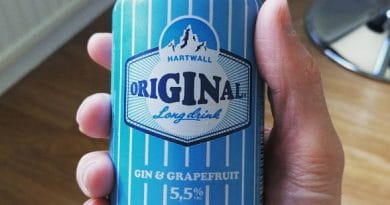
Despite the availability of these fermented alternatives, consumer nostalgia for the original 1952 profile remained high. This demand eventually prompted Hartwall to reintroduce the "Original Long Drink," produced according to the initial gin-and-grapefruit specifications. This revival solidified the drink’s status as a national icon. Today, the beverage is a ubiquitous presence in Finnish life, available on draft in saunas, restaurants, and sports arenas, often serving as one of the few selections alongside domestic lagers.
Commercial Profiles: Analyzing Leading Market Competitors
The contemporary lonkero market is characterized by a mix of legacy brands and modern craft interpretations. Understanding the nuances of these products requires an analysis of their flavor chemistry and ingredient composition.
Hartwall Original Long Drink
As the progenitor of the category, Hartwall’s version remains the industry benchmark. Technical assessments of the product highlight a sophisticated balance between acidity and sweetness. The aroma is dominated by white grapefruit zest, while the palate avoids the cloying sugar levels typical of many Western soda-based cocktails. The mid-palate introduces clear botanical notes from the gin, specifically juniper and citrus peel, finishing with a crisp, dry sensation reminiscent of a traditional Gin and Tonic. Its alcohol by volume (ABV) typically ranges between 5% and 5.5%, though stronger variants are produced for specific retail channels.
Laitilan Gini Long Drink
Laitilan Wirvoitusjuomatehdas, a prominent Finnish brewery, offers a competing version that leans into a different fruit profile. Reviewers note that Laitilan’s iteration features more "ruby red" grapefruit characteristics, providing a sweeter, more fruit-forward nose. However, from a mixological standpoint, the juniper presence is often described as less pronounced than in the Hartwall original, leading to a profile that favors the soda component over the spirit base. This reflects a broader trend in the RTD market where brands must choose between highlighting the "cocktail" aspect or the "refreshment" aspect of the beverage.
Global Expansion and the Rise of the Ready-to-Drink Market
The decade following 2010 marked a pivotal era for the Finnish Long Drink as it moved from a domestic staple to an international export. In 2015, Hartwall initiated a strategic expansion into Western Europe, signing distribution agreements to place the product on shelves in the Netherlands, Sweden, and Belgium. This was followed in 2016 by an entry into the Asian market, with a specific focus on Japan, where the culture of "highballs" and canned alcoholic beverages (such as Chu-hi) aligned perfectly with the lonkero concept.
The expansion has been bolstered by a growing cult following in the United Kingdom. In cities like Brighton, boutique bars have begun marketing the Finnish Long Drink as a "quirky" and premium alternative to standard cider or beer. This international movement coincides with a massive surge in the global RTD cocktail market. According to industry data from IWSR Drinks Market Analysis, the RTD category has seen consistent double-digit growth, driven by consumer demand for convenience and "premiumization"—the desire for canned drinks that use real spirits rather than malt-based substitutes.
The entry of the Finnish Long Drink into the North American market has been further accelerated by new brands, such as "The Finnish Long Drink" company (backed by high-profile investors and celebrities), which has introduced the concept to US consumers. This expansion is significant because it represents the export of a specific Finnish drinking ritual, positioning the beverage not just as a product, but as a cultural experience.
Technical Challenges in Product Replication: The DIY Perspective
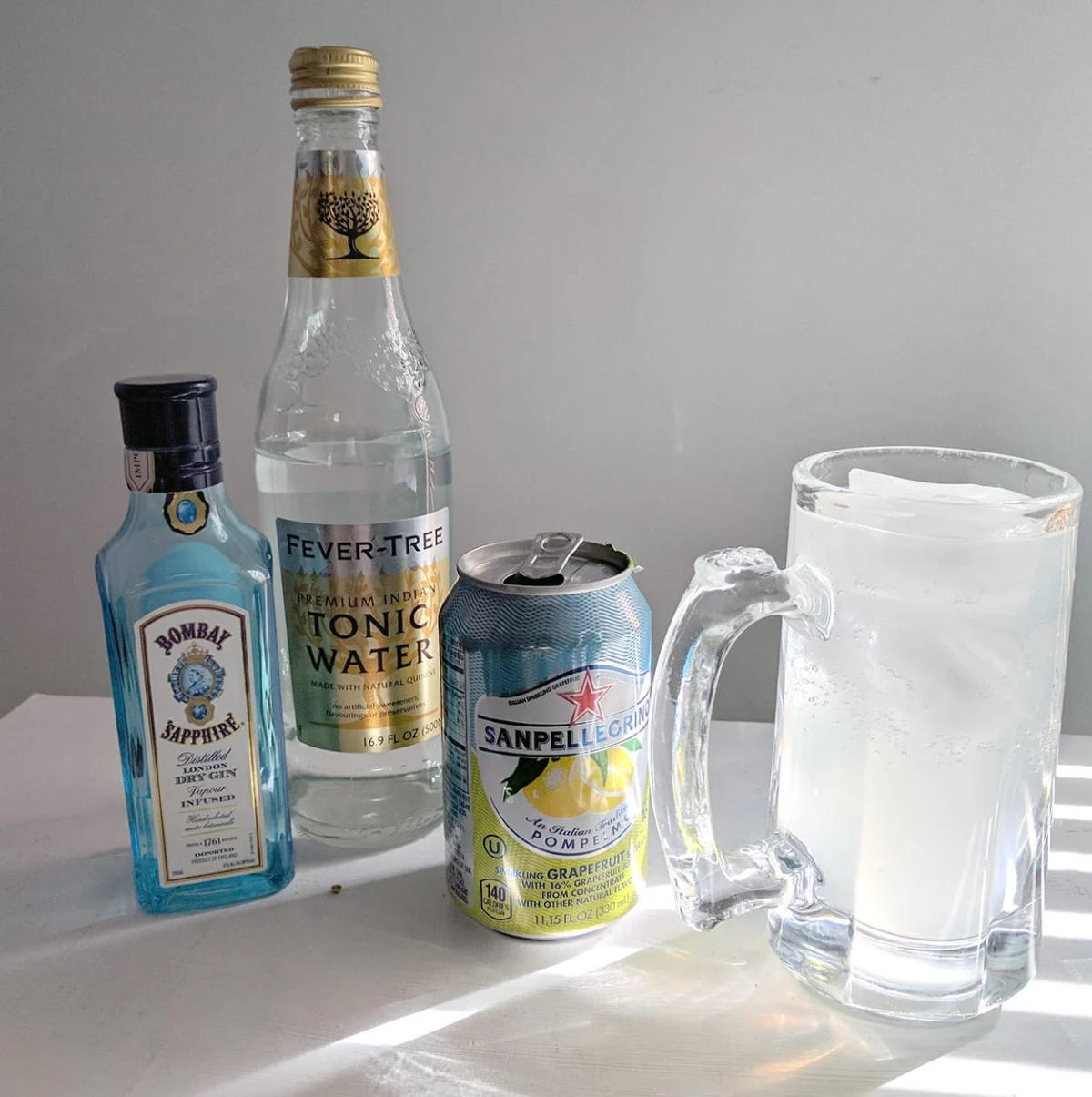
For enthusiasts in regions where authentic Finnish exports are not yet available, recreating the lonkero profile presents several chemical and culinary challenges. The "odd, nearly unreplicable note" of Finnish grapefruit soda is the primary obstacle. Finnish grapefruit soda tends to be less sweet and more acidic than its American counterparts.
Analysis of various substitution methods reveals the following:
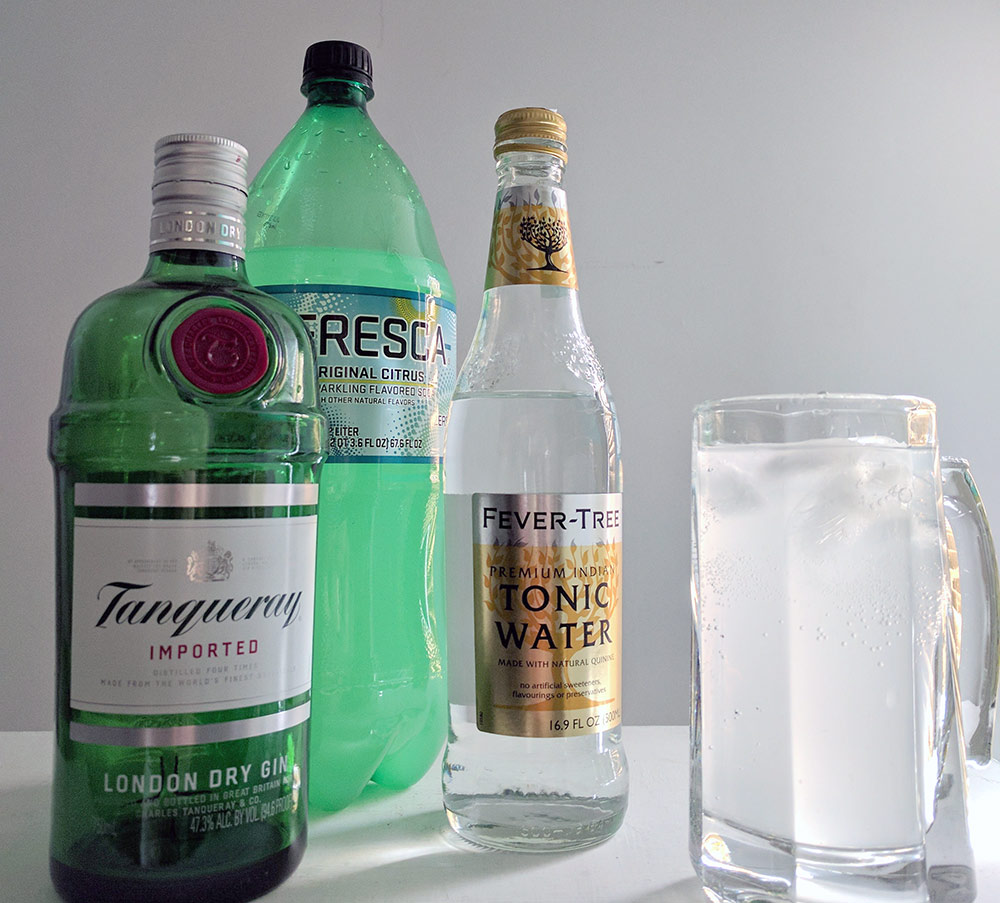
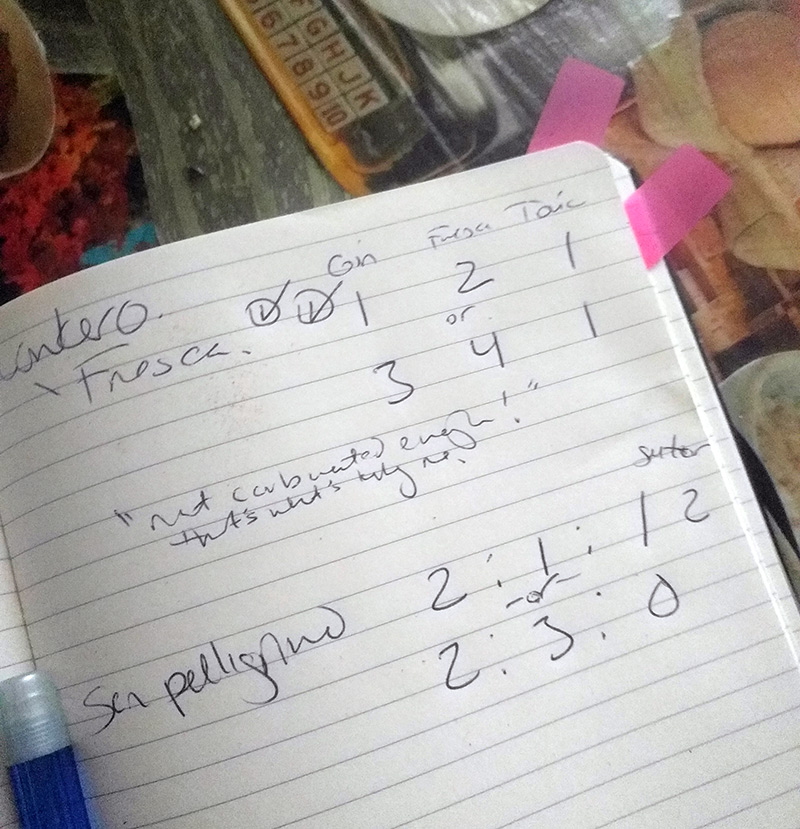
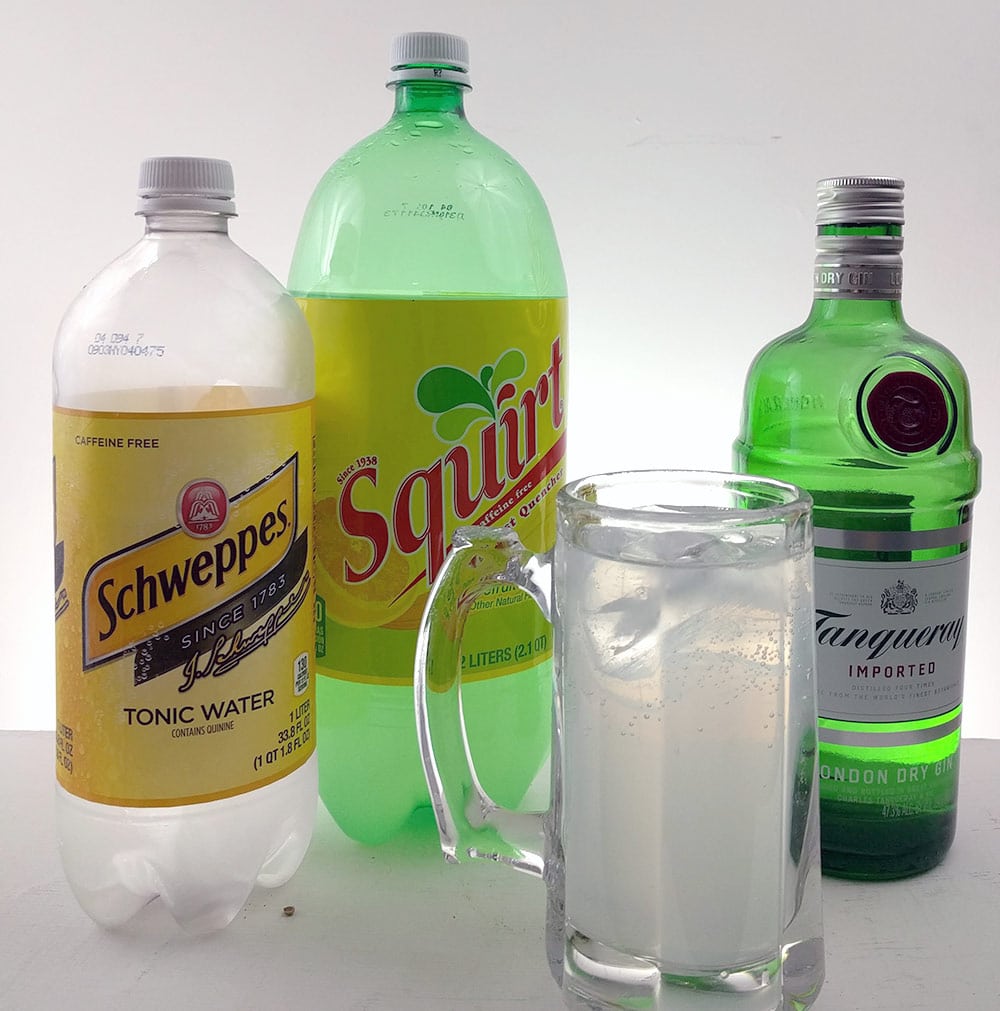
- The Fresca Method: In the United States, Fresca—a zero-calorie, grapefruit-flavored soda produced by the Coca-Cola Company—is frequently cited as the closest flavor match. Its use of concentrated grapefruit juice and citric acid mimics the tartness of the Finnish original more effectively than sugar-heavy sodas like Squirt.
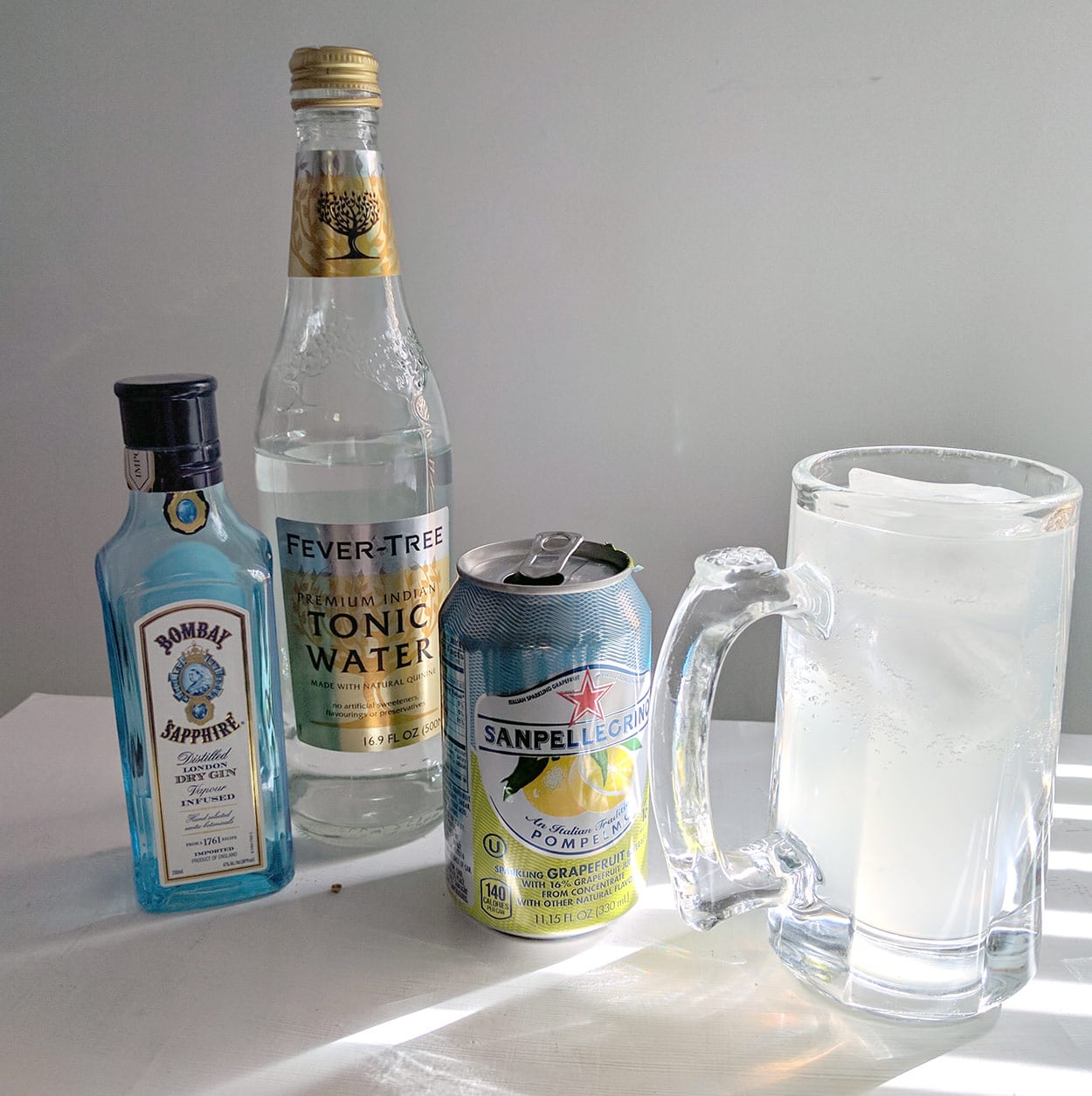
- The Botanical Balance: To achieve the correct profile, a London Dry gin with high juniper content (such as Tanqueray) is required to cut through the citrus.
- The Tonic Factor: Some successful recreations involve the addition of a splash of tonic water. The quinine in the tonic provides a subtle bitterness that replicates the "bite" found in fermented versions of lonkero.
- Fresh Ingredient Limitations: Interestingly, using 100% fresh-squeezed white grapefruit juice often fails to replicate the commercial lonkero. The commercial product relies on a specific carbonation level and essential oil extracts from the grapefruit peel that are difficult to achieve through standard juicing.
Broader Impact and Implications
The global rise of the Finnish Long Drink is indicative of a broader trend in the spirits industry: the "democratization of the cocktail." By moving the Gin and Grapefruit drink from the bartender’s shaker to a standardized can, Finland has successfully exported a piece of its social fabric.
The economic implications for Finnish producers are substantial. As export volumes increase, the "Long Drink" has become a vital component of Finland’s food and beverage trade balance. Furthermore, the success of lonkero has paved the way for other Nordic spirits, such as aquavit and craft gins, to find an audience abroad.
From a regulatory standpoint, the international success of the gin-based Long Drink has also influenced domestic debates within Finland regarding alcohol sales. The popularity of the "Original" version has been used as an argument for modernizing retail laws, eventually leading to reforms that allowed higher-ABV fermented and distilled beverages to be sold in grocery stores, breaking the long-standing monopoly on lower-strength spirit mixes.
In conclusion, the Finnish Long Drink is far more than a relic of the 1952 Olympics. It is a resilient product that has survived regulatory shifts, economic changes, and the evolution of the global palate. As it continues its march across North America and Asia, the lonkero stands as a testament to the power of a well-executed idea born of necessity, proving that even a "temporary" solution can, with the right balance of flavor and branding, become a global standard. For the consumer, whether in a Helsinki sauna or a London pub, the drink offers a consistent, crisp, and historically rich experience that remains unique in the world of spirits.
