


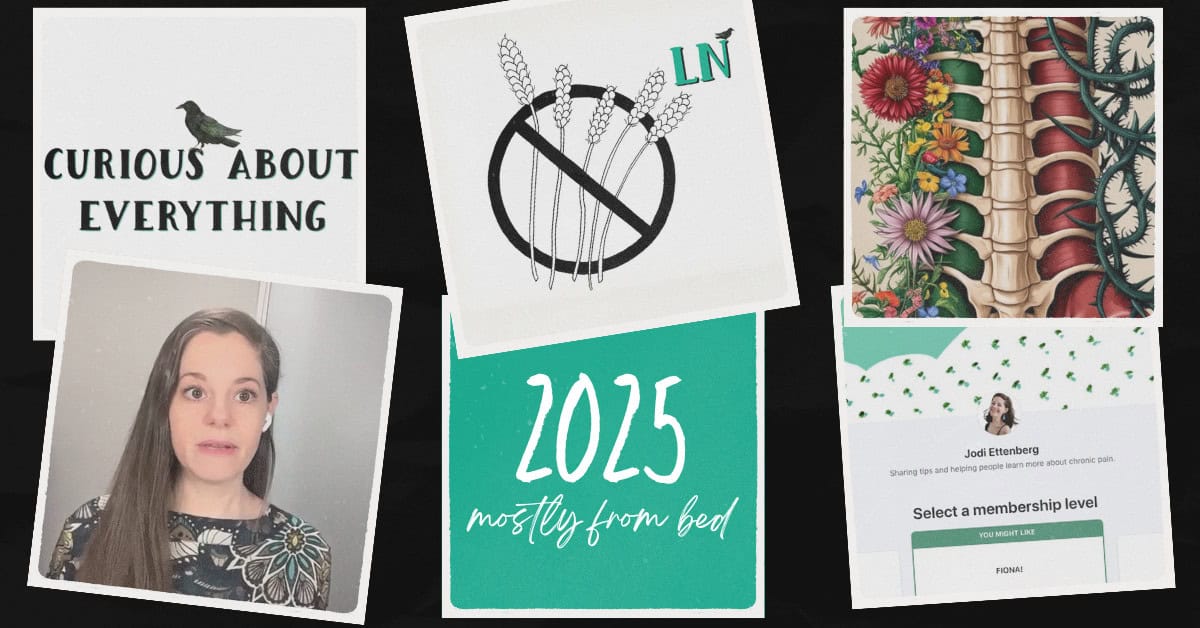
Jodi Ettenberg, the former corporate attorney and founder of the influential travel platform Legal Nomads, has released a comprehensive year-end retrospective for 2025, outlining a series of professional and advocacy milestones achieved despite living with a debilitating spinal Cerebrospinal Fluid (CSF) leak. Since sustaining a medical injury in 2017, Ettenberg’s career has shifted from international travel journalism to high-level medical advocacy and digital resource development. The 2025 report serves as a case study in professional adaptation, detailing how a chronic health condition has necessitated a transition from a life of global mobility to one of "supine entrepreneurship," where significant contributions to medical research and community support are managed from a bed-bound position.
Background Context: The Transition from Law to Advocacy
Ettenberg’s professional trajectory is marked by three distinct phases: a career in law, a decade as a pioneering travel blogger and food expert, and her current role as a medical advocate and digital creator. Her transition into the travel sector began in 2008 when she left legal practice to explore the world, eventually building a business centered on storytelling, celiac-safe travel, and cultural exploration. However, her life changed dramatically eight years ago following a lumbar puncture that resulted in a chronic spinal CSF leak.
A spinal CSF leak occurs when the dura mater—the tough membrane that holds fluid around the brain and spinal cord—is hole-punched or torn, causing the fluid to leak out. This results in Spontaneous Intracranial Hypotension (SIH), a condition characterized by severe headaches that worsen when upright. For Ettenberg, this has resulted in a strictly limited "uptime" baseline. Her daily existence is measured in "standing increments," a stark contrast to the billable hours of her previous legal career. Despite these physical constraints, Ettenberg has integrated her legal training, entrepreneurial experience, and patient perspective to influence the medical and advocacy landscape for spinal CSF leak patients.
Chronology of 2025: A Year of Recovery and Leadership
The beginning of 2025 was marked by significant physical setbacks. Following a fall in late December 2024, Ettenberg’s baseline health deteriorated, requiring months of strict bed rest. This period was further complicated by familial health crises, including the prolonged hospitalization of her father and stepmother. Despite these challenges, the middle and latter halves of the year saw an acceleration in her professional output and institutional leadership.
By mid-2025, Ettenberg had assumed the role of Board President for the Spinal CSF Leak Foundation, a 501(c)(3) non-profit organization. Her tenure has been defined by a rigorous focus on institutional stability and medical progress. One of the most significant administrative tasks of the year involved a comprehensive hiring process for a new Executive Director. Ettenberg managed the review of over 130 applications, coordinated interview panels, and worked with pro bono employment counsel to navigate the legal complexities of the hiring process.
Advancing Medical Research: The SIH-RADS Initiative
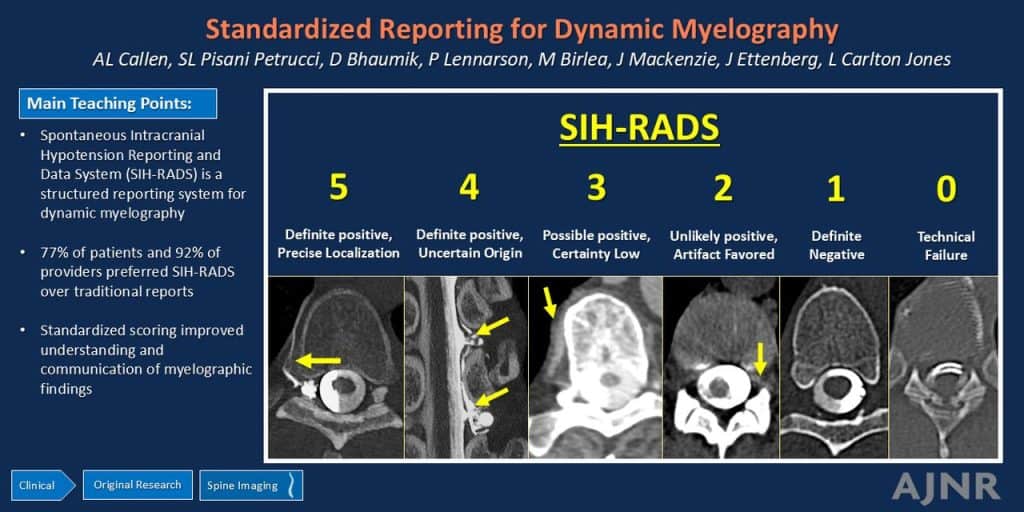
A primary highlight of Ettenberg’s 2025 report is her contribution to formal medical literature. She served as a patient co-author on a research paper titled "Enhancing Clarity in Dynamic Myelography Reporting: Results of a Survey of Patients and Referring Providers Evaluating a Standardized Reporting System in the Myelographic Work-Up of Patients with Suspected Spontaneous Intracranial Hypotension."
Published in the American Journal of Neuroradiology (AJNR), the paper proposes a new standardized reporting measure known as SIH-RADS. This system is designed to improve the interpretation of dynamic myelography—a diagnostic imaging test used to locate leaks by injecting contrast dye and scanning the patient in real-time. The research indicates that both patients and referring physicians prefer the SIH-RADS system over traditional reporting methods, as it provides greater clarity and consistency in diagnosing dural defects. Ettenberg’s involvement signifies a growing trend in medical research where patient experts are integrated into the development of diagnostic frameworks to ensure clinical outputs align with patient needs.

Digital Entrepreneurship and Celiac Advocacy
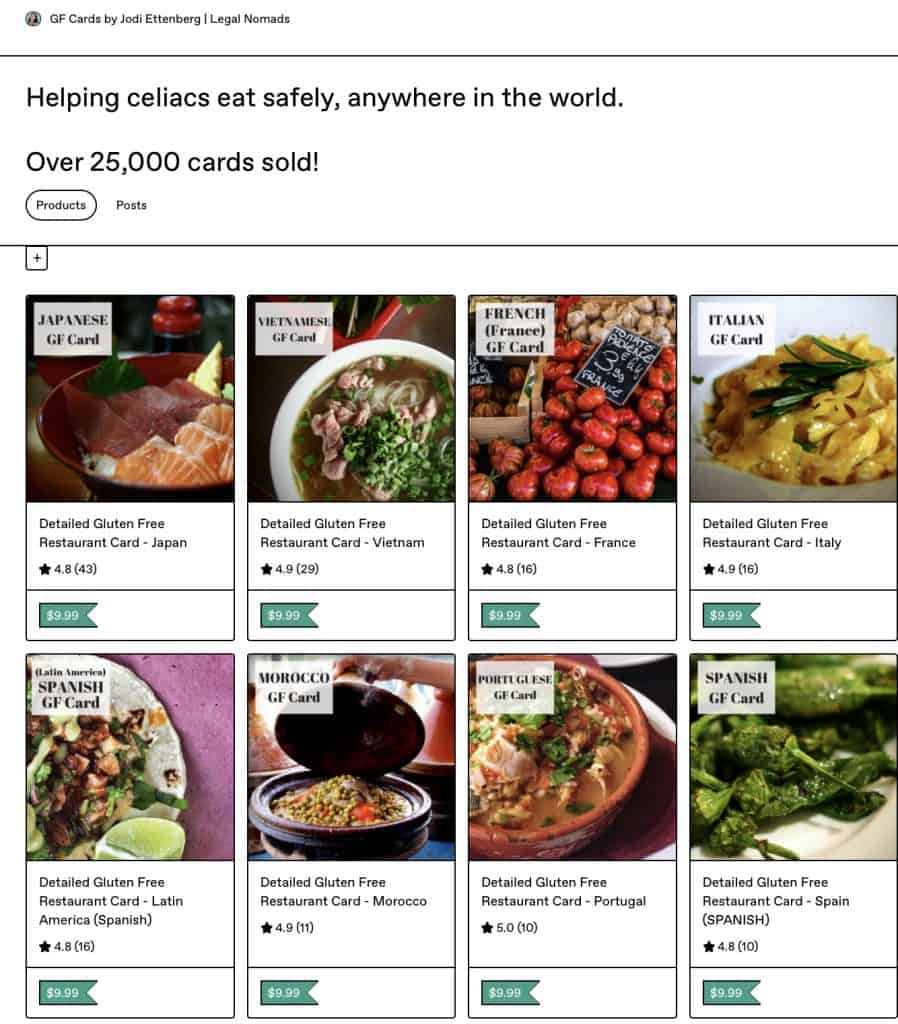
Parallel to her volunteer advocacy, Ettenberg has maintained the commercial and educational arms of Legal Nomads. In 2025, she reached a significant milestone by selling her 25,000th celiac translation card. These cards, which began as a solution to her own dietary needs as a traveler with celiac disease, are now available in 21 languages. In 2025, she expanded the offerings to include Croatian, Korean, and Khmer.
The cards are part of a broader suite of resources that include "Essential Gluten-Free Guides." This year, Ettenberg published new, comprehensive guides for Cambodia and South Korea. Each guide, typically ranging from 3,000 to 5,000 words, provides detailed data on safe and unsafe local dishes, cross-contamination risks, and linguistic nuances necessary for safe dining. This data is critical for the estimated 1% of the global population living with celiac disease, for whom accidental gluten ingestion can lead to severe long-term health complications.

Community Engagement and Public Speaking
Despite her physical limitations, Ettenberg engaged in high-profile public speaking and media appearances in 2025. A notable event was her participation in a "fireside chat" at a medical conference alongside Dr. Andrew Callen, a neuroradiologist from the University of Colorado. The discussion focused on the barriers to care for spinal CSF leak patients and the differing perspectives between medical providers and the patient community.
Furthermore, Ettenberg featured in an episode of The Hearing, a legal podcast produced by Thomson Reuters. The 53-minute interview explored her transition from law to digital entrepreneurship and provided strategic advice for legal professionals seeking alternative career paths. This appearance reinforced her standing as a thought leader in the "alternative careers for lawyers" space, a niche she has cultivated for over a decade.
Supporting Data and Fundraising Impact
The impact of Ettenberg’s community-building efforts is reflected in the 2025 fundraising data. During "Leakweek," the annual awareness week for spinal CSF leaks, Ettenberg’s community raised $4,217 USD. These funds are directed toward the Spinal CSF Leak Foundation’s initiatives, which include launching the first international patient registry for the condition and funding research grants.
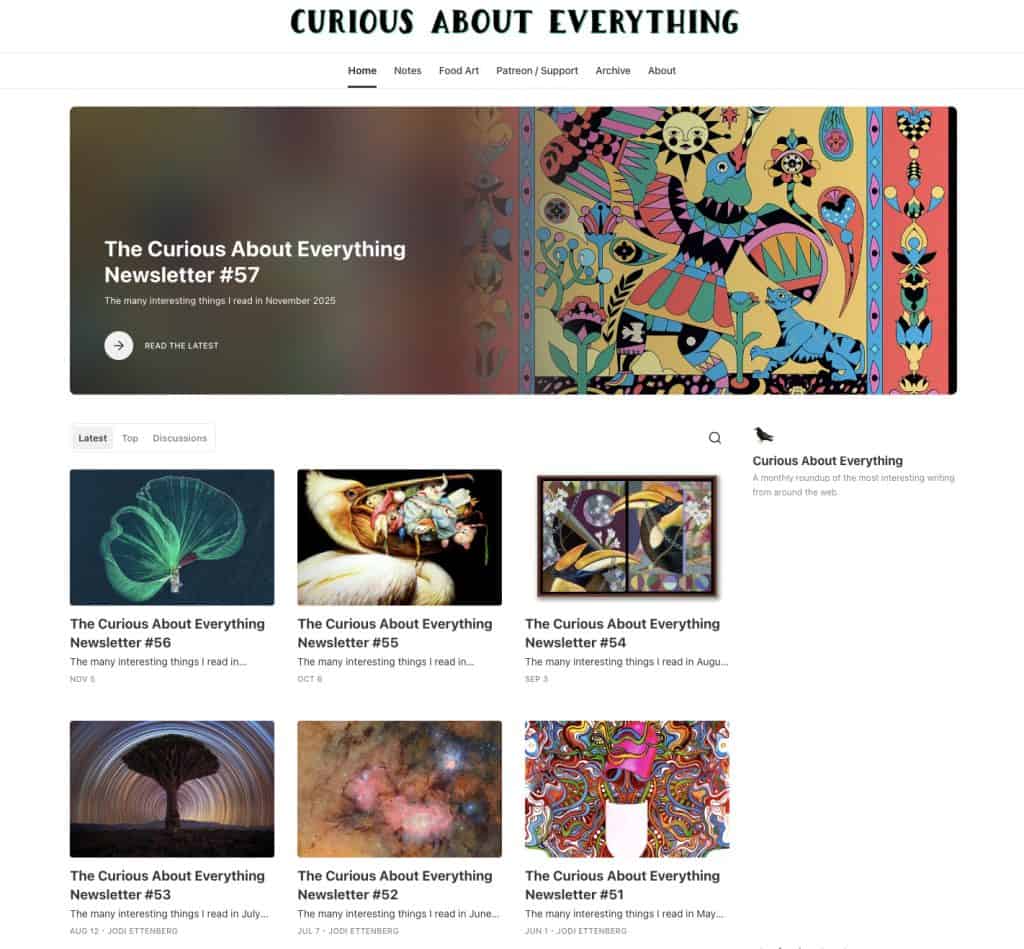
The sustainability of Ettenberg’s work is largely supported by her Patreon community. Because she is ineligible for disability benefits in Canada—a point of significant frustration mentioned in her report—the recurring revenue from her membership tiers (categorized as the "Bluebird," "Robin," and "Raven" levels) allows her to dedicate the majority of her limited uptime to volunteer advocacy. In 2025, her Patreon served as a repository for long-form essays on topics ranging from the philosophy of curiosity to the technicalities of living with chronic pain, providing a "home for writing that fit in nowhere else."
Broader Implications and Analysis
Ettenberg’s 2025 achievements highlight several emerging trends in the intersection of technology, health, and work. First, her ability to lead a national non-profit and co-author medical research from a supine position demonstrates the power of digital infrastructure in enabling professional participation for the disabled. The "hourglass" metaphor used by leak patients—where time is measured by the downward flow of pressure on the brain—illustrates the extreme productivity required during "uptime" windows.
Second, her work underscores the importance of "patient-led innovation." The celiac translation cards and the SIH-RADS reporting system were born out of personal necessity but evolved into standardized tools used by thousands of individuals and medical professionals. This suggests that the lived experience of patients is an underutilized resource in both the travel industry and the medical field.

Finally, Ettenberg’s 2025 retrospective offers a blueprint for "granularity" in living. By documenting her ability to achieve significant milestones while physically confined, she challenges the traditional metrics of professional success. Her integration of "legal brain" skills with patient advocacy has not only moved the needle on a rare medical condition but has also provided a model for how individuals with chronic illnesses can maintain agency and influence in the global marketplace.
As 2025 concludes, Ettenberg’s focus remains on transitioning day-to-day administrative duties at the Spinal CSF Leak Foundation to the newly hired Executive Director, allowing her to return more focus to her own business while maintaining her role as Board President. Her journey remains a testament to the "infinite" possibilities of a life led by curiosity, even when the physical world has been reduced to a "teeny tiny sliver."
