

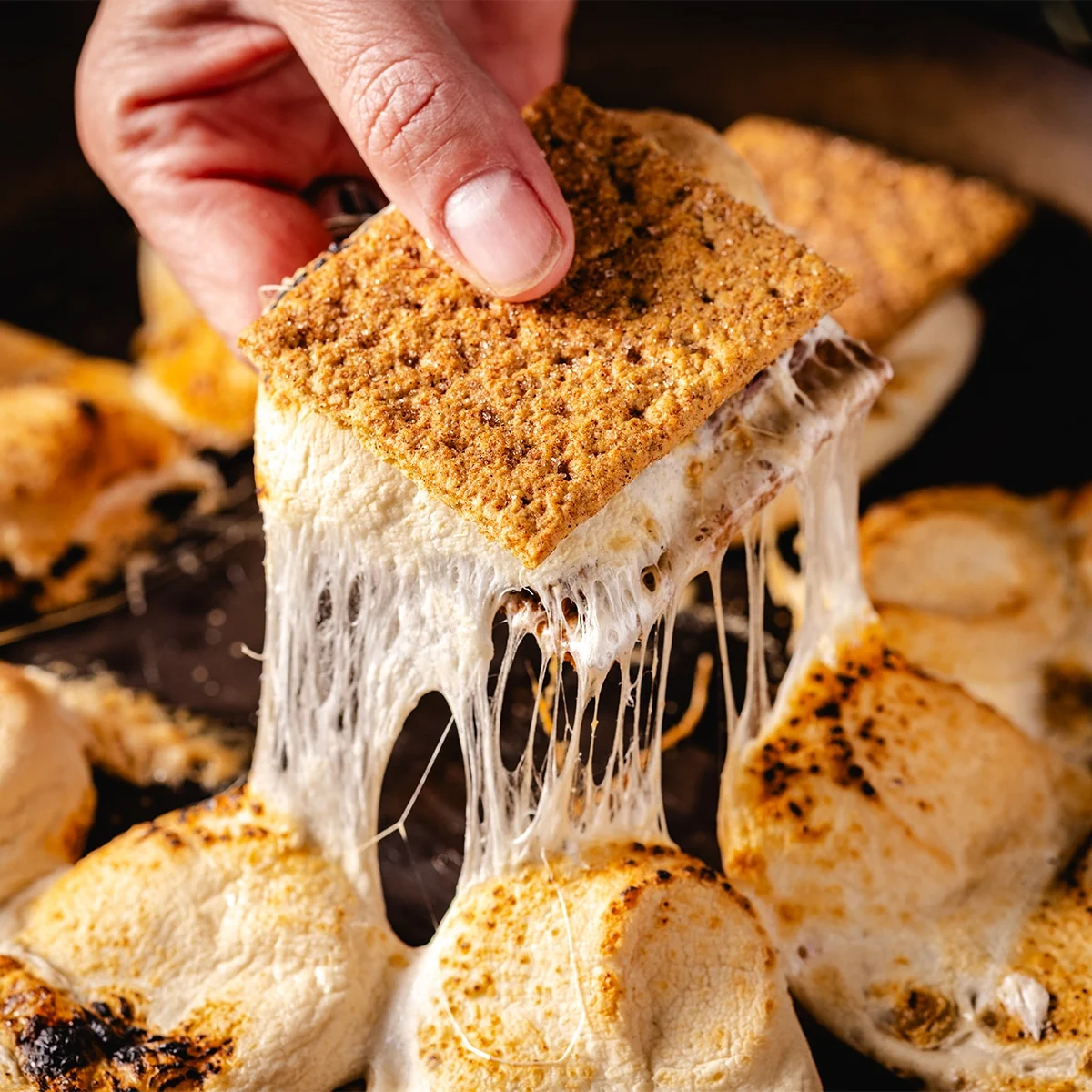
The shift toward "smoked desserts" reflects a broader movement in the United States toward maximizing the utility of high-end outdoor appliances, specifically pellet grills and offset smokers. By leveraging the ambient heat and wood-fired essence of these machines, cooks are able to transform basic ingredients—graham crackers, marshmallows, and chocolate—into a gourmet experience that emphasizes texture and aromatic depth.
Technical Execution and Methodological Chronology
The preparation of smoked s’mores is characterized by its low-intensity labor requirements and its reliance on thermal consistency. Unlike the traditional method, which relies on the direct, often erratic heat of a campfire, the smoking process utilizes indirect convection. The methodology begins with the preheating of the smoker to a stable temperature of 275 degrees Fahrenheit (135 degrees Celsius). This specific temperature is high enough to induce structural changes in the marshmallow without causing immediate carbonization or "flaming," a common issue with open-fire roasting.
The assembly process involves the use of a cast-iron skillet, a choice that is both functional and aesthetic. Cast iron serves as an ideal heat conductor, ensuring that the bottom of the graham crackers receives enough warmth to soften the chocolate above it without becoming scorched. The chronology of the cook is as follows:

- Preparation of the Base: Graham crackers are halved and arranged in a single layer within the skillet.
- Ingredient Layering: A segment of chocolate is placed upon each cracker, followed by the placement of a large-format marshmallow.
- The Smoking Phase: The skillet is placed within the smoker for a duration of 10 to 15 minutes.
- Monitoring for Expansion: The primary indicator of readiness is the "puffing" of the marshmallow, a result of the air pockets within the sugar structure expanding as they reach critical temperatures.
- Final Textural Enhancement: Once the internal structure has softened, a kitchen torch may be utilized to provide the characteristic browning or charring on the exterior, simulating the visual appeal of a campfire-toasted treat.
Ingredient Analysis and Material Science
The success of the smoked s’more is predicated on the chemical interaction between wood smoke and high-sugar-content foods. While traditional s’mores rely on the rapid caramelization of the marshmallow exterior, the smoking process allows for a slower, more thorough infusion of smoke particles into the fats of the chocolate and the porous surface of the marshmallow.
The Role of Graham Crackers
While standard graham crackers remain the industry baseline, market trends indicate a preference for flavored variants, such as cinnamon-infused crackers. From a culinary perspective, the additional sugar and spice on these crackers undergo a mild caramelization during the 15-minute smoking window, creating a more robust foundation for the dessert.
Marshmallow Dynamics
The selection of the marshmallow is critical to the dessert’s structural integrity. Large-format or "extra-large" marshmallows are preferred due to their volume-to-surface-area ratio. As the marshmallow heats, the gelatin and sugar matrix softens. In a smoker, this heat is applied evenly, resulting in a "molten" core that is consistent throughout, rather than the often-raw center found in quickly charred campfire versions.
Chocolate and Fat Solubility
One of the primary complaints regarding traditional s’mores is the failure of the chocolate to reach a sufficient melting point before the marshmallow is consumed. In a smoker, the chocolate is subjected to consistent heat for over ten minutes, allowing the cocoa butter to reach a fluid state. Furthermore, the fats in chocolate are highly receptive to smoke molecules. When exposed to wood smoke—particularly fruitwoods like apple or cherry—the chocolate develops a complex, savory undertone that balances its inherent sweetness.

Historical Context and Cultural Evolution
The s’more has long been a staple of North American outdoor culture. The first official recipe appeared in the 1927 publication Tramping and Trailing with the Girl Scouts, where it was originally termed "Some More." For nearly a century, the preparation remained virtually unchanged, tied inextricably to the campfire.
However, the "BBQ Revolution" of the early 21st century, characterized by the mass adoption of pellet grills, has redefined the parameters of outdoor cooking. According to data from the Hearth, Patio & Barbecue Association (HPBA), nearly 70% of U.S. households own a grill or smoker, and there is an increasing demand for "complete meal" capabilities. The transition of the s’more from the campfire to the smoker is a logical progression of this trend, moving the dessert from a rustic necessity to a deliberate culinary choice.
Market Trends and Economic Impact
The popularity of specialized s’mores recipes coincides with a significant uptick in the "experience economy" regarding home dining. The ingredients for s’mores represent a multi-million dollar segment of the confectionery industry. During the summer months and the autumn "tailgating" season, sales of marshmallows and graham crackers see a predictable surge.
By rebranding the s’more as a "smoked" delicacy, retailers and influencers like Susie Bulloch are tapping into a demographic of "backyard heroes"—individuals who invest heavily in high-quality meats and equipment and seek to round out their hosting capabilities with sophisticated desserts. This has led to an increase in the sale of ancillary products, such as cast-iron skillets and butane kitchen torches, which were previously considered niche tools for professional pastry chefs but are now common in the average BBQ enthusiast’s kit.

Expert Insights: The "Backyard Hero" Perspective
Susie Bulloch, the founder of Hey Grill Hey and a recognized authority in the world of outdoor cooking, emphasizes that the smoker offers a level of control that the campfire lacks. In her analysis, the smoker acts as a convection oven that adds a layer of flavor complexity. "The smoke adds something that will have people wondering what makes your s’mores so special," Bulloch states. Her approach focuses on accessibility, noting that the recipe is "about as low effort as smoker cooking gets," making it an ideal entry point for novices.
Bulloch’s professional recommendations include:
- Temperature Management: Maintaining a strict 275°F to ensure the chocolate melts without the graham crackers becoming overly brittle.
- Wood Selection: Utilizing mild hardwoods to ensure the smoke flavor complements rather than overpowers the sugar.
- Customization: Encouraging the use of peanut butter cups or dark chocolate bars to elevate the flavor profile beyond the standard milk chocolate.
Broader Implications for Domestic Culinary Habits
The rise of smoked s’mores is indicative of a broader shift in how families utilize outdoor spaces. The "outdoor kitchen" has transitioned from a simple grill station to a fully functional culinary hub. This evolution reflects a desire for social cooking experiences where the preparation is as much a part of the entertainment as the consumption.
Furthermore, the smoked s’more addresses a logistical challenge for modern suburban living. As many municipalities implement "no-burn" orders or restrict open fire pits due to drought conditions and air quality concerns, the smoker provides a legal and safer alternative for achieving the desired campfire flavor profile.

Conclusion: The Future of Smoked Confections
The Smoked S’more is more than a simple dessert; it is a case study in the adaptation of traditional foodways to modern technology. As the boundaries between professional smoking techniques and home cooking continue to blur, it is likely that more "campfire classics" will be reimagined through the lens of the smoker. For now, the smoked s’more stands as a testament to the versatility of wood-fired cooking, offering a consistent, flavorful, and sophisticated update to a century-old American tradition. Through the strategic use of temperature control, material science, and high-quality ingredients, the backyard cook can indeed become a "hero" of the grill, delivering a nostalgic experience with a modern, smoky twist.
