

The quest for satisfying and healthy breakfast options often leads to the exploration of alternative ingredients, particularly for those adhering to specific dietary lifestyles. Paleo pancakes, crafted primarily from almond flour and a touch of tapioca starch, have emerged as a popular choice, offering a naturally high-protein, gluten-free, and grain-free alternative to their conventional counterparts. These pancakes aim to replicate the familiar taste and texture of "real" pancakes, making them a versatile option for both everyday enjoyment and special occasions.
The Appeal of Paleo Pancakes
The primary appeal of these Paleo pancakes lies in their nutritional profile and their ability to mimic traditional pancakes. Almond flour, the star ingredient, provides a significant protein boost and healthy fats, contributing to a feeling of fullness that can sustain energy levels throughout the morning. The addition of tapioca starch is crucial for achieving the desired texture and structure, preventing the pancakes from becoming too dense or crumbly, a common pitfall in some alternative flour recipes. This careful balance of ingredients ensures that the pancakes are not only nutritious but also remarkably moist and tender, with a light sweetness that pairs well with various toppings.
Furthermore, the recipe addresses a common concern with almond flour-based baked goods: an overpowering almond flavor. Through precise ingredient ratios and careful preparation, these pancakes are designed to taste remarkably like conventional pancakes, making them an approachable entry point for those new to Paleo or gluten-free eating. Their ability to freeze well also makes them an excellent option for meal prepping, offering a quick and healthy breakfast solution on busy mornings.
Understanding the Ingredients and Their Roles
The success of these Paleo pancakes hinges on the specific ingredients used and their functions within the recipe.

- Almond Flour: This finely ground flour, derived from blanched almonds, is the foundation of the pancake. It provides protein, healthy fats, and a slightly nutty flavor that is balanced by other ingredients. Its high fat content, however, necessitates careful cooking to prevent burning.
- Tapioca Starch: A versatile starch extracted from the cassava root, tapioca starch acts as a binder and provides elasticity to the batter. It contributes to the tender texture and helps create a pourable batter that cooks evenly.
- Paleo Baking Powder: Essential for leavening, this ensures the pancakes achieve a desirable fluffiness. The recipe notes that conventional baking powder can be used if cornstarch is not a concern, but provides a DIY Paleo-compliant alternative for those strictly adhering to the diet. This homemade version typically combines baking soda, cream of tartar, and arrowroot or tapioca starch.
- Eggs: Eggs serve as a crucial binder, contributing to the structure and richness of the pancakes. They also add protein and healthy fats.
- Coconut Milk (or other dairy-free milk): Provides moisture and helps create a smooth batter.
- Coconut Oil (or other fat): Adds richness and moisture, and aids in the browning process.
- Honey (or other liquid sweetener): Contributes a subtle sweetness. While maple syrup is also Paleo-compliant, honey is often used in the batter itself.
The Art of Making Perfect Paleo Pancakes
The process of creating these Paleo pancakes involves several key steps, each contributing to the final outcome:
Step 1: Combining Dry Ingredients
The initial step involves thoroughly whisking together the dry ingredients: almond flour, tapioca starch, baking powder, and salt. This is a critical phase to ensure even distribution, preventing pockets of leavening agents that could lead to uneven cooking or bitter tastes. The natural oils in almond flour can cause clumping, so breaking these up during this stage is essential for a smooth batter.
Step 2: Incorporating Wet Ingredients
Once the dry ingredients are well combined, the wet ingredients—eggs, milk, melted coconut oil, and honey—are added. Whisking until a smooth batter is achieved is paramount. The consistency should be akin to heavy cream at this point.
Step 3: Allowing the Batter to Rest
A brief resting period of about 10 minutes for the batter is recommended. This allows the flours to absorb some of the liquid, leading to a slightly thicker batter. This step is crucial for preventing thin, overly spread-out pancakes.
Step 4: Preheating the Cooking Surface
The cooking surface, whether an electric griddle or a skillet, needs to be preheated to a moderate temperature, typically between 325°F and 350°F (160°C to 175°C). It’s vital to avoid overheating, as the high fat content of almond flour makes it prone to burning quickly. Greasing the surface, even if non-stick, is recommended to ensure easy release and even browning, particularly around the edges.

Step 5: Pouring and Cooking the Pancakes
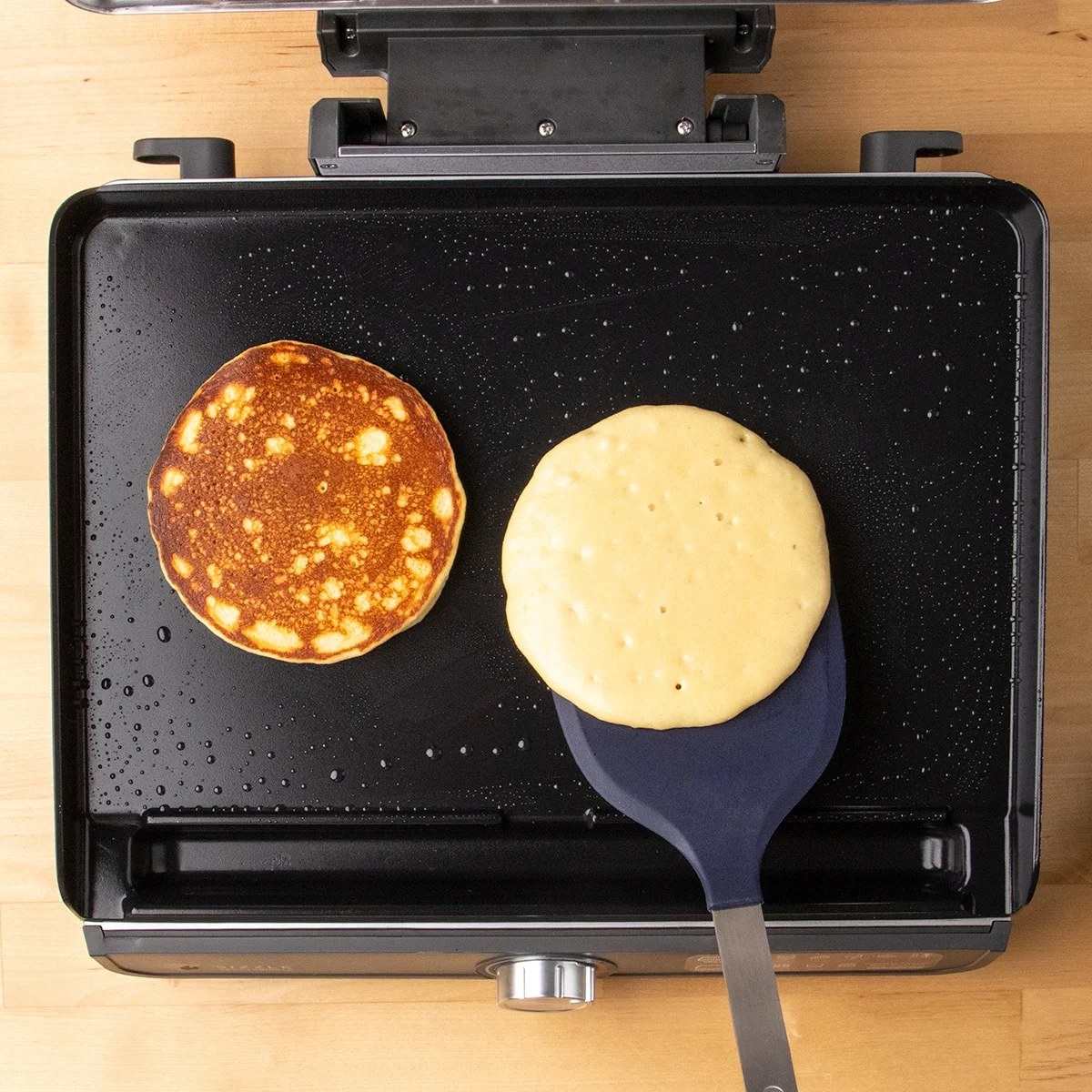
Batter is poured onto the preheated surface in uniform portions, approximately 1/4 cup each. The pancakes are cooked until large bubbles appear on the surface and the edges appear set and dull, rather than shiny. This typically takes about 1.5 minutes.
Step 6: Flipping and Finishing
A wide spatula is used to carefully flip the pancakes. They are then cooked for another 30 seconds to a minute until browned on both sides. The cooking surface should be re-greased between batches as needed. Cooked pancakes can be kept warm in a low oven (around 200°F or 93°C) on a covered plate or baking sheet.
Expert Tips for Optimal Results
To elevate the pancake-making experience and ensure consistently delicious results, several expert tips can be invaluable:
Making the Dry Mix Ahead
The dry ingredients can be combined in advance and stored. However, due to the high fat content of almond flour, it’s advisable to store this mixture in the freezer or refrigerator to prevent rancidity. It’s important to allow the dry mix to return to room temperature before proceeding with the wet ingredients to avoid clumping.
Precision in Measurement
Like all baking, precise measurement is key. Using a digital kitchen scale to weigh dry ingredients like almond flour and tapioca starch offers greater accuracy than volume measurements, ensuring consistent batter consistency and texture.

The Importance of Finely Ground Almond Flour
The texture of the almond flour significantly impacts the final product. Finely ground and sifted almond flour integrates seamlessly into the batter, contributing to a smooth texture without grittiness. If unsure about the fineness of the almond flour, sifting it a couple of times before use can help remove larger granules.
Ingredient Substitutions and Adaptations
While the core recipe is designed for Paleo adherence, several substitutions can accommodate different dietary needs and preferences:
Nut-Free Options
For individuals with nut allergies, coconut flour pancakes offer a delicious nut-free alternative. Alternatively, finely sifted and blanched hazelnut or sunflower seed flour can be used. It’s worth noting that sunflower seed flour may react with baking soda, potentially causing a slight green hue in the pancakes, though they remain safe to consume.
Egg-Free Adaptations
To make the pancakes egg-free, each egg can be replaced with a "chia egg" (1 tablespoon chia seeds mixed with 3 tablespoons water, allowed to sit for 5-10 minutes). For both eggs, a mixture of 2 tablespoons tapioca starch, 1/2 teaspoon additional baking powder, and 2 tablespoons of milk can be used.
Fat Substitutions
Coconut oil can be substituted with shortening or, for those who consume dairy, butter.

Tapioca Starch Alternatives
While tapioca starch is unique in its contribution to Paleo baking, arrowroot starch or superfine sweet white rice flour (glutinous rice flour) can be used as alternatives if strict Paleo adherence is not a requirement.
Storage and Reheating
These Paleo pancakes are well-suited for making ahead and storing. Once completely cooled, they can be wrapped individually in small stacks and frozen in freezer-safe packaging. To reheat, unwrap the frozen pancakes, separate them, and place them in a toaster oven at approximately 300°F (150°C) for 1-2 minutes, or until warmed through.
Frequently Asked Questions
- Is maple syrup Paleo? Yes, pure maple syrup is considered compliant with the Paleo diet as it is a natural, unrefined sugar.
- Can almond meal be used instead of almond flour? No, almond meal, which contains almond skins and is coarsely ground, will result in a gritty texture and will not integrate properly into the batter, affecting the pancakes’ cohesion and final texture.
- Pan vs. Griddle? An electric griddle is often preferred for its ability to cook multiple pancakes simultaneously and its precise temperature control, which is beneficial given almond flour’s tendency to burn.
- Preventing Burning? Maintaining a moderate cooking temperature (below 350°F/175°C) on an electric griddle and allowing the pancakes to set sufficiently before flipping are key to preventing burning.
- Why are my Paleo pancakes flat? Flat pancakes can result from inaccurate flour measurements (especially if not weighed), using almond meal instead of flour, or insufficient leavening from the baking powder.
By understanding the ingredients, following the precise steps, and employing expert tips, individuals can successfully create delicious and satisfying Paleo pancakes that offer a wholesome and enjoyable start to the day. The adaptability of the recipe also ensures that it can cater to various dietary needs, making this breakfast staple accessible to a wider audience.
