

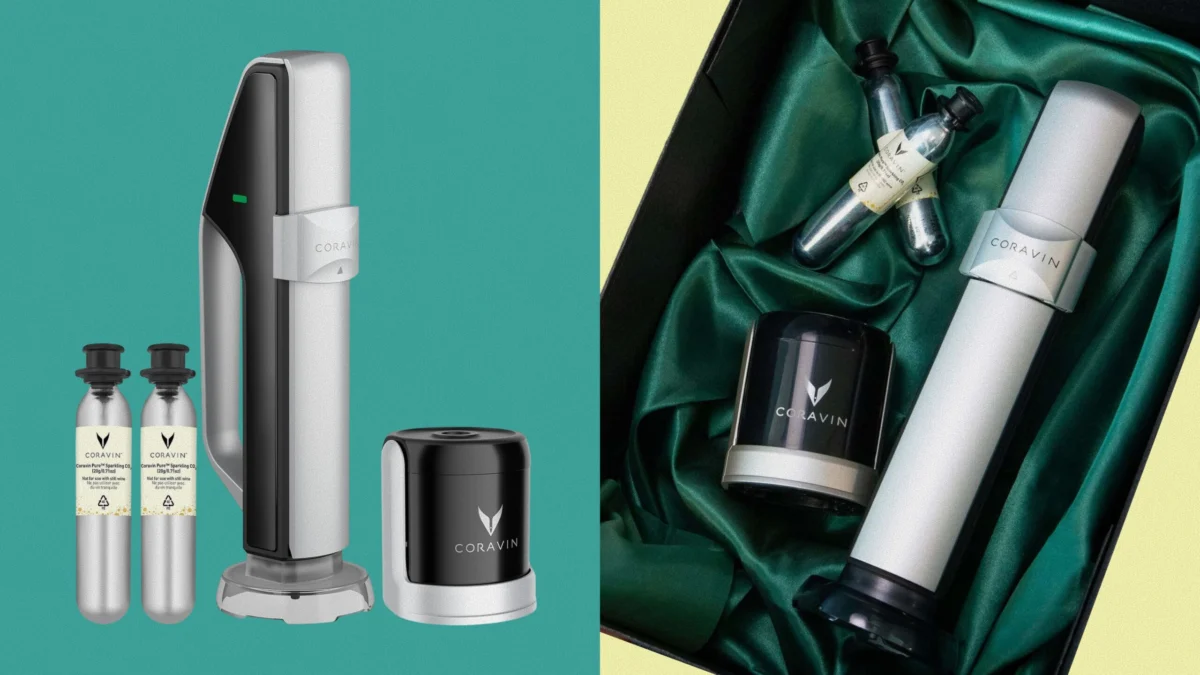
Recent analyses of global beverage markets indicate a discernible shift in consumer habits, with alcohol consumption trending downwards across various demographics. This evolving landscape is characterized by a growing preference for mindful drinking, where individuals either opt for non-alcoholic alternatives entirely or reduce the frequency and quantity of their alcoholic intake. For those who choose the latter path, particularly enthusiasts of sparkling wines and cocktails, a unique challenge has emerged: the efficient preservation of opened bottles of effervescent beverages. This article delves into the "Prosecco Problem" and examines how advanced preservation technologies, such as the Coravin Sparkling system, address this modern consumer dilemma, offering a blend of convenience, quality, and economic efficiency for the contemporary moderate drinker.
The Shifting Tides of Alcohol Consumption
The phenomenon of declining alcohol consumption is not merely anecdotal but is supported by extensive market research and public health data. Reports from organizations like the World Health Organization (WHO) and various market intelligence firms, such as IWSR Drinks Market Analysis, consistently highlight a global trend towards moderation and abstinence. Factors contributing to this shift are multifaceted, encompassing increased health consciousness, a greater emphasis on wellness and mental clarity, financial prudence, and the rise of robust non-alcoholic beverage options. Consumers, particularly younger generations, are increasingly scrutinizing their drinking habits, leading to a cultural pivot away from traditional heavy consumption towards more measured and intentional choices. This has fueled a surge in demand for non-alcoholic beers, spirits, and wines, alongside a broader trend of consuming less alcohol overall.
For individuals who still appreciate the occasional glass of wine or a celebratory cocktail, this trend presents a practical paradox. While they wish to enjoy premium beverages, the commitment to finishing an entire bottle, especially of sparkling wine, often conflicts with their moderate drinking intentions. This is particularly true for 750ml bottles, which are standard for most wines but often contain more servings than a single individual or a couple might desire in one sitting.
The "Prosecco Problem" and the Sparkling Wine Conundrum
At the heart of this modern dilemma lies what has been aptly termed the "Prosecco Problem." When a full-size bottle of sparkling wine – be it Prosecco, Champagne, Cava, or any other effervescent varietal – is opened, its delicate effervescence and nuanced flavors begin to degrade rapidly. For a casual drinker or a couple intending to enjoy just one or two glasses, the remaining volume poses a series of unpalatable choices:

- Forced Consumption: Deviate from moderation and finish the bottle in one night, potentially undermining personal health goals.
- Waste: Unceremoniously discard the leftover wine, a fiscally and environmentally undesirable outcome, especially for higher-quality bottles.
- Compromised Quality: Attempt to preserve the remainder using rudimentary methods, only to find the wine flat and oxidized within a day or two, rendering subsequent pours unenjoyable.
This problem is exacerbated when sparkling wines are used in cocktails, such as the ever-popular Aperol Spritz or a classic Mimosa, where only a fraction of the bottle’s contents is typically required per drink. The desire for a single, perfectly effervescent spritz on a weekend afternoon often means sacrificing the quality of the remaining wine or, more commonly, foregoing the pleasure altogether to avoid waste. Traditional, inexpensive sparkling wine stoppers, while readily available, offer only a partial solution. Their simple spring-loaded mechanisms are designed to provide a basic seal, but they often fail to maintain the critical internal pressure that preserves the wine’s characteristic bubbles and prevents rapid oxidation. The result is typically a noticeably flat beverage after only 24-48 hours, falling far short of the desired fresh experience.
The Evolution of Wine Preservation Technology
The quest to preserve opened wine has a long history, driven by both connoisseurs and casual drinkers alike. For still wines, the primary enemies are oxygen and temperature fluctuations. Various solutions have emerged over time, ranging from vacuum pumps that remove air from the bottle to inert gas systems that displace oxygen with heavier gases like argon. However, sparkling wine presents a more complex challenge due to its inherent carbonation. The integrity of a sparkling wine is intrinsically linked to its dissolved carbon dioxide (CO2), which provides its signature fizz, aroma release, and palate texture. Once uncorked, this CO2 begins to escape, leading to a rapid decline in effervescence and an accelerated oxidation process.
Enter Coravin, a company that revolutionized still wine preservation with its innovative system utilizing a needle to extract wine through the cork without removing it, while simultaneously injecting argon gas to prevent oxidation. This technology effectively allowed wine enthusiasts to pour a single glass from a bottle and preserve the remainder for weeks, months, or even years, fundamentally changing how fine wines could be enjoyed and explored. Recognizing the distinct challenges of sparkling wine, Coravin extended its expertise to develop a dedicated system: the Coravin Sparkling Wine Preservation System. This innovation aimed to replicate the preservation success of its still wine counterpart, but for the highly pressurized and delicate world of bubbly beverages.
The Coravin Sparkling System: Technology and Promise
The Coravin Sparkling system operates on a different principle than its still wine predecessor, adapted specifically for the high internal pressure of sparkling wines. Instead of puncturing the cork, the system acts as a sophisticated, pressure-sealed replacement cap. It comprises a universal sparkling stopper that securely clamps onto any standard sparkling wine bottle, and a Coravin Sparkling Charger that injects pure CO2 gas into the bottle. This process not only reseals the bottle but also re-pressurizes it to a level that closely mimics the original pressure, thereby preventing the escape of existing CO2 and minimizing oxygen ingress. The promise is clear: to keep sparkling wines effervescent and fresh for up to four weeks, allowing consumers unprecedented flexibility in their enjoyment.
The system’s design emphasizes ease of use. The stopper snaps onto the bottle neck quickly and securely, and a simple press of the Charger button initiates the re-pressurization. A key advantage of maintaining internal pressure is that the bottle can be stored horizontally, a significant convenience for refrigeration space compared to traditional stoppers that require upright storage to prevent leaks.

A Controlled Experiment: Assessing Efficacy
To objectively evaluate the Coravin Sparkling system’s performance against a conventional, inexpensive sparkling wine stopper, a comparative test was conducted. The experiment aimed to determine if the premium system, despite its higher initial cost, delivered a superior and lasting preservation quality for everyday sparkling wine consumption, particularly for mixed drinks like Aperol Spritzes.
Methodology:
Two identical bottles of Prosecco were used. From each, a predetermined quantity of wine was poured, simulating a typical casual serving.
- Bottle A: Sealed with a standard, spring-loaded rubber sparkling wine stopper.
- Bottle B: Sealed with the Coravin Sparkling system, including a CO2 charge.
Both bottles were then stored under identical refrigeration conditions. Over a period of five days, samples were drawn and evaluated at specific intervals for effervescence, aroma, and flavor profile, both neat and as part of an Aperol Spritz.
Chronology and Observations:
-
Day 1: Initial Setup and Sealing:
Following the initial pour, Bottle A was capped with the basic stopper. Its low-profile design was noted, but the inherent vulnerability to leakage if stored on its side was recognized. Bottle B received the Coravin Sparkling cap. The audible "pfft" of the CO2 charger indicated successful re-pressurization, and the secure, robust seal was evident. The added height of the Coravin cap was a minor consideration for fridge storage but compensated by the ability to store the bottle horizontally. -
Day 3: Mid-Term Assessment:
Approximately two and a half days after sealing, both bottles were reopened for a Saturday brunch spritz. Upon uncapping, the Coravin-sealed bottle (Bottle B) released a distinctly more pronounced "pfft" of CO2, a clear indicator of maintained internal pressure. The pour from Bottle B exhibited a thick, persistent layer of foamy mousse, characteristic of freshly opened sparkling wine. In contrast, Bottle A, sealed with the basic stopper, showed a noticeably diminished effervescence, with a thinner, less stable foam.
Tasting the wines neat revealed a brighter, crisper flavor profile in the Coravin-preserved Prosecco, with its original fruit notes largely intact. The wine from Bottle A tasted more oxidized, lacking the vibrant freshness. However, when integrated into an Aperol Spritz, the immediate difference in effervescence and flavor between the two, while present, was less dramatically pronounced to the casual palate, as the club soda component of the spritz contributed its own carbonation. -
Day 5: Long-Term Performance:
The true divergence in performance became unequivocally clear on the fifth day. Bottle B, protected by the Coravin system, continued to pour like a freshly opened bottle. The wine maintained its lively bubbles, which visibly tickled the nose, and its bright, crisp fruit notes remained at the forefront. The Aperol Spritz made with this wine was vibrant, refreshing, and indistinguishable from a cocktail prepared on day one.
Conversely, the Prosecco from Bottle A, sealed with the cheap stopper, had lost almost all of its intrinsic carbonation. It contributed virtually no texture or effervescence to the cocktail, rendering the resulting Aperol Spritz flat and profoundly unsatisfying. The only carbonation present was solely from the added club soda, fundamentally altering the intended character of the drink. This stark difference highlighted the critical role of effective pressure preservation.
Economic Analysis and Consumer Value
The Coravin Sparkling Preservation System carries a premium price tag of $399. This initial investment necessitates a careful consideration of its value proposition for different consumer segments.
-
For the Connoisseur or Frequent Sparkling Wine Drinker: For individuals who regularly purchase and enjoy higher-quality, more expensive sparkling wines (e.g., Champagne, vintage Prosecco, fine Cava) and wish to savor them over multiple occasions without compromise, the Coravin Sparkling system represents a worthwhile investment. The ability to preserve a $50-$100+ bottle for weeks, ensuring each glass is as fresh as the first, quickly justifies the cost by preventing waste and enhancing the overall drinking experience. The ongoing cost of CO2 capsules, at approximately $50 for a six-pack (each capsule preserving up to seven 750ml bottles), is relatively minor when spread across numerous uses and valuable bottles.
-
For the Casual Drinker of Economical Sparkling Wines: For consumers whose primary concern is simply having a bubbly wine, and who typically opt for more budget-friendly Prosecco or Cava (e.g., $10-$15 bottles), the economic argument for the Coravin system is less straightforward. To "pay for itself" through waste reduction alone, one would need to prevent the spoilage of dozens of bottles. In such cases, alternative strategies might be more cost-effective. These could include purchasing smaller, single-serving mini bottles for occasional spritzes or accepting the limited preservation capabilities of a basic stopper for short-term use.
However, even for the budget-conscious, the Coravin offers an undeniable qualitative improvement. The enhanced enjoyment of consistently fresh and effervescent sparkling wine, regardless of its initial price point, could be a compelling factor. It transforms the act of drinking sparkling wine from a "finish-it-or-lose-it" proposition into a leisurely, no-pressure experience.
Market Impact and Industry Perspectives
The introduction of products like the Coravin Sparkling system has broader implications for the wine industry and consumer culture.

- Empowering Moderate Consumption: By removing the barrier of waste associated with opened bottles, these systems empower consumers to embrace moderate drinking habits without sacrificing the quality of their chosen beverages. This aligns perfectly with the current wellness trends and caters to a growing segment of the market.
- Expanding the Home Bar Experience: Such technology elevates the home drinking experience, allowing individuals to enjoy premium sparkling wines on their own terms, turning an ordinary evening into a special occasion with a perfectly preserved glass. It encourages experimentation with different sparkling wines and cocktails without the pressure of immediate consumption.
- Reduced Waste and Sustainability: From an environmental perspective, effective preservation systems can contribute to reducing food and beverage waste. Less wine being poured down the drain translates to a more sustainable consumption pattern, albeit on a micro-level.
- Innovation in Wine Accessories: The success of Coravin and similar innovations signals a robust market for sophisticated wine accessories that enhance convenience and quality. This encourages further research and development in preservation technologies.
- Sommelier and Industry Reception (Inferred): Wine professionals and sommeliers would likely view the Coravin Sparkling system as a valuable tool, particularly in a restaurant setting where by-the-glass sparkling wine offerings could be significantly expanded without fear of spoilage. For consumers, it allows for a deeper appreciation of sparkling wine nuances over time, fostering a more educated and discerning palate.
Conclusion
The evolving landscape of alcohol consumption, marked by a global trend towards moderation, has underscored a distinct consumer need: the effective preservation of opened sparkling wines. The "Prosecco Problem," where consumers are forced to choose between overconsumption, waste, or compromised quality, highlights a gap that traditional solutions have failed to adequately address.
The Coravin Sparkling Preservation System emerges as a sophisticated and highly effective answer to this modern dilemma. While its initial investment may be substantial, the comparative experiment conclusively demonstrated its superior ability to maintain the effervescence, aroma, and flavor integrity of sparkling wine over several days, far surpassing the performance of conventional stoppers. For those who prioritize quality, seek to reduce waste, and embrace a more mindful approach to enjoying sparkling wines, particularly higher-end selections, the system represents a worthwhile investment that fundamentally transforms the drinking experience. It enables casual drinkers to indulge in an occasional glass or a single sparkling cocktail without the lingering concern of spoilage, aligning perfectly with contemporary lifestyle choices and contributing to a more sustainable and enjoyable engagement with the world of effervescent wines.
