

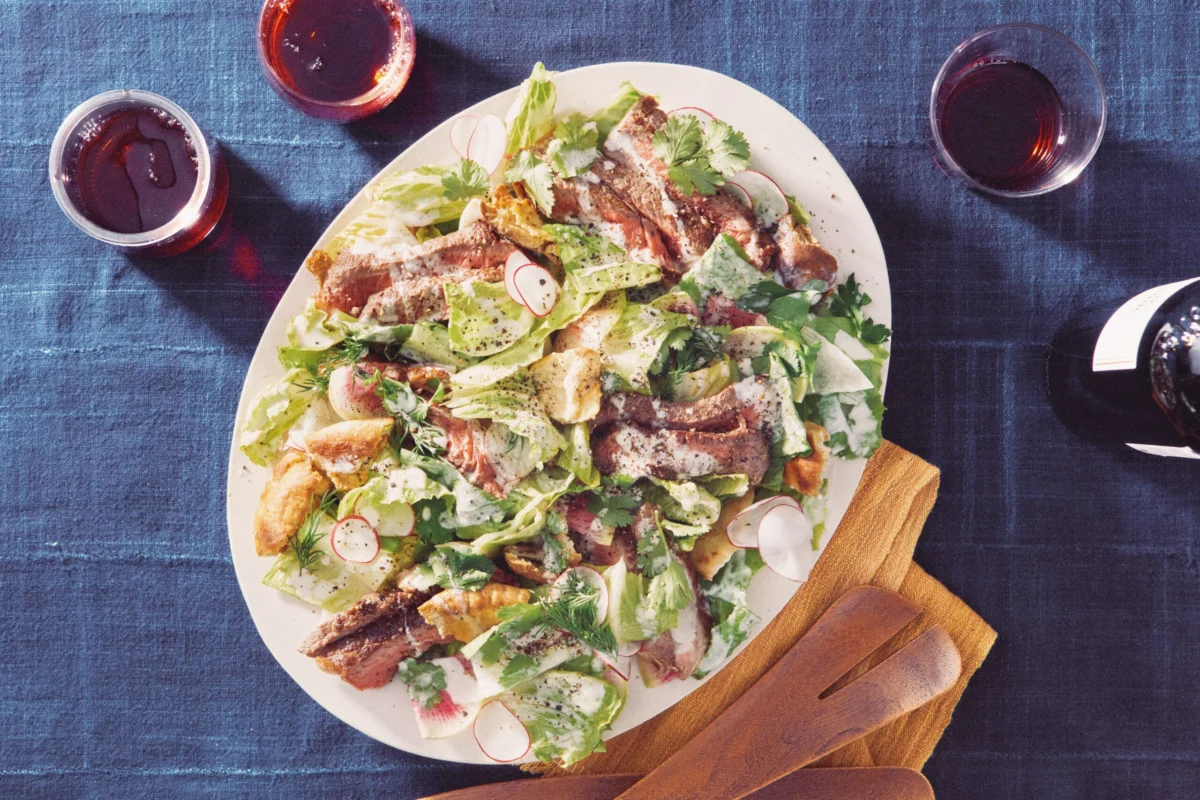
The arrival of August unequivocally signals the zenith of the summer harvest, transforming the landscape of culinary possibilities and daily meal preparation into an intuitive and delightful experience. As the days remain long and the sun reaches its full intensity, agricultural fields and gardens across temperate regions yield an unparalleled bounty, marking late summer as arguably the most delicious time of year. This period invites a return to fundamental cooking principles, where the finest ingredients dictate the menu, simplifying dinner decisions to a mere stroll through a vibrant farmers’ market.
The Peak of Seasonal Abundance: August’s Agricultural Zenith
August stands as a pivotal month in the agricultural calendar, representing the culmination of months of growth and maturation under optimal summer conditions. The prolonged exposure to sunlight and consistent warmth allows a diverse array of fruits, vegetables, and herbs to reach their peak ripeness, flavor, and nutritional potency. Unlike the nascent offerings of early summer or the hardy root vegetables of autumn, August’s produce is characterized by its succulence, sweetness, and vibrant intensity. This phenomenon is not merely anecdotal; agricultural data consistently illustrates a surge in the availability and quality of specific crops during this window. For instance, the United States Department of Agriculture (USDA) typically reports peak harvest volumes for crops such as tomatoes, corn, peppers, and various stone fruits throughout August, underpinning the economic vitality of local and regional agricultural sectors. Farmers’ markets, in particular, become bustling hubs of activity, reflecting this abundance with stalls overflowing with freshly picked produce, often harvested just hours before sale. This direct-to-consumer model not only ensures unparalleled freshness but also strengthens local economies and fosters a direct connection between consumers and their food sources.
A Chronology of Summer’s Bounty: From Early Greens to Late-Season Fruits
The progression of the summer growing season is a carefully orchestrated natural timeline, with August representing its grand finale. The season typically commences in late spring or early summer with lighter, cooler-weather crops such as leafy greens, radishes, and early strawberries. As temperatures rise into July, the harvest shifts towards berries, cherries, and tender vegetables like snap peas and zucchini. However, it is in August that the warmth-loving crops truly flourish. Tomatoes, requiring significant heat and sunlight to develop their characteristic sugars and acids, reach their full potential. Sweet corn kernels plump up to bursting, imbued with natural sweetness. Peppers develop their vibrant colors and distinct flavors, while various stone fruits like peaches, nectarines, and plums achieve peak juiciness and aromatic intensity. This chronological maturation ensures a continuous supply of fresh produce throughout the warmer months, with August serving as the climatic and agricultural high point for many beloved summer staples. This late-season surge allows for extensive canning, preserving, and freezing, extending the taste of summer into the colder months.
Spotlight on August’s Star Ingredients
August is overflowing with ingredients that make culinary decisions effortless and inspiring. The sheer volume and quality of produce available transform everyday cooking into an exploration of nature’s bounty.
Heirloom Tomatoes: A Legacy of Flavor and Diversity
Perhaps no ingredient embodies the spirit of August quite like the heirloom tomato. These non-hybridized varieties, passed down through generations for their exceptional flavor, defy the uniform appearance of their supermarket counterparts. Ranging in color from deep purples and striped greens to fiery oranges and classic reds, and in shapes from gnarled and bumpy to perfectly round, heirloom tomatoes are a feast for the eyes as much as the palate. Varieties like ‘Brandywine’, ‘Cherokee Purple’, ‘Green Zebra’, and ‘Mortgage Lifter’ each offer unique flavor profiles—some intensely sweet, others tangy, and many possessing a complex umami depth. Their flesh is often juicy to the point of being "water balloons about to burst," making them ideal for slicing and enjoying raw. Nutritionally, tomatoes are a powerhouse, rich in lycopene, a potent antioxidant linked to heart health and cancer prevention, as well as Vitamin C, potassium, and Vitamin K. The market value of heirloom tomatoes often surpasses that of conventional varieties dueifying to their distinct flavor, artisanal appeal, and shorter shelf life, which necessitates local consumption. Chefs and home cooks alike prize them for salads, bruschetta, light sauces, and even simple sandwiches, where their quality can truly shine.
Satsuma Plums and Stone Fruits: Sweetness Personified
Alongside tomatoes, August brings an abundance of stone fruits, with satsuma plums being a prime example. Originating from Japan, satsuma plums are typically medium-sized, firm, and possess a deep red or purplish skin with a juicy, sweet, and slightly tart red flesh. Their vibrant color and balanced flavor make them incredibly versatile. Plums, in general, are a nutritional boon, packed with dietary fiber, antioxidants (especially anthocyanins, which give them their color), and vitamins A and C. They contribute to digestive health and offer anti-inflammatory benefits. Beyond fresh eating, satsuma plums and their stone fruit relatives like peaches, nectarines, and apricots lend themselves beautifully to desserts such as tarts, crumbles, and cobblers, as well as savory applications like chutneys, glazes for meats, and vibrant salads. Overflowing baskets of these succulent fruits are a common sight, inviting immediate consumption or preservation.
Basil and Aromatic Herbs: The Essence of Summer
A bouquet of basil, fragrant and verdant, often doubles as a centerpiece on summer tables. This aromatic herb, a cornerstone of Mediterranean and Southeast Asian cuisines, thrives in the August sun. Sweet basil, with its peppery, slightly anise-like flavor, is indispensable for pesto, Caprese salads, and finishing pasta dishes. Other varieties, such as Thai basil (with its liquorice notes) and lemon basil, offer distinct aromatic profiles that enhance different culinary traditions. Beyond its culinary appeal, basil has been historically recognized for its medicinal properties, including anti-inflammatory and antioxidant compounds. Its essential oils are also valued in aromatherapy. The sheer volume of basil available in August makes it an ideal time to prepare large batches of pesto to freeze, ensuring a taste of summer long after the season ends.
Sweet Corn: Golden Kernels of Delight
Sweet corn is another quintessential August offering. Harvested at its peak, the kernels burst with natural sugars, making it a favorite for grilling, boiling, or incorporating into various dishes. Its history dates back thousands of years to Mesoamerica, and today, sweet corn is celebrated globally. Nutritionally, corn provides dietary fiber, B vitamins, and antioxidants like lutein and zeaxanthin, which are beneficial for eye health. From simple corn on the cob to sophisticated salads, chowders, and the popular sweet corn fried rice, its versatility is unmatched.
Other Late-Summer Staples
August also features an abundance of other garden staples such as zucchini, eggplant, bell peppers, and cucumbers. Zucchini and eggplant, members of the squash family, are incredibly versatile, suitable for grilling, roasting, frying, or incorporating into casseroles and ratatouille. Bell peppers, in their rainbow of colors, add sweetness and crunch to salads, stir-fries, and fajitas. Cucumbers, with their high water content, offer a refreshing crispness, perfect for salads, chilled soups, and infused waters.
Culinary Strategies for the August Kitchen
With such an overflowing larder, August simplifies the art of cooking. The emphasis shifts from complex techniques to showcasing the inherent quality of the ingredients.
Embracing Simplicity: The Philosophy of Ingredient-Led Cooking
The core philosophy for August cooking is "ingredient-led." This approach encourages cooks to let the quality of the produce dictate the meal. Rather than starting with a recipe and sourcing ingredients, one begins with what looks freshest and most appealing at the market. This method fosters creativity, reduces food waste, and often results in healthier, more flavorful meals. It also promotes a deeper connection to the seasonal cycles of food production.
Efficient Weeknight Dinners: Maximizing Flavor, Minimizing Effort
Given the demands of modern life, efficiency remains paramount, even amidst culinary abundance. August’s bounty naturally lends itself to strategies that maximize flavor while minimizing time and effort.
- Hearty Salads as Main Courses: Gone are the days when salads were mere side dishes. August produce elevates salads to substantial, satisfying main courses. Think mixed greens adorned with grilled peaches, heirloom tomatoes, crumbled feta, and toasted nuts, or a grain-based salad featuring roasted corn, black beans, avocado, and a vibrant lime dressing. Adding grilled chicken, shrimp, or chickpeas transforms these into complete meals, rich in fiber, vitamins, and protein.
- Fresh Produce-Centric Pastas: Pasta dishes become canvases for late-summer vegetables. Light sauces featuring sautéed zucchini, cherry tomatoes, basil, and a hint of garlic are quick to prepare and burst with freshness. A simple pasta primavera, with a medley of blanched seasonal vegetables, olive oil, and Parmesan, provides a comforting yet light dinner. The sweetness of August tomatoes is perfect for quick, uncooked sauces or roasted tomato preparations.
- The Appeal of One-Pot Meals: For ultimate convenience, one-pot dinners are a savior. Imagine a sheet pan dinner with colorful bell peppers, zucchini, cherry tomatoes, and sausage or chicken, roasted to perfection with minimal cleanup. Or a robust skillet meal combining corn, beans, and spices with a protein, allowing flavors to meld beautifully in a single vessel. This approach minimizes dishwashing, a significant factor for busy weeknights.
- Thirty-Minute Solutions for Busy Schedules: Many August-inspired meals can be on the table in under half an hour. Quick-cooking fish or chicken paired with a vibrant tomato-cucumber salad, or a rapid stir-fry featuring snap peas, bell peppers, and corn, are excellent examples. The inherent freshness of the ingredients often means less cooking time is required to achieve peak flavor.
- Strategic Make-Ahead Preparations: Leveraging August’s bounty for meal prepping can significantly ease weeknight stress. Chopping vegetables for salads, making a large batch of gazpacho, or preparing pesto can save valuable time during the week. Roasting a tray of summer vegetables (like zucchini, eggplant, and peppers) can provide building blocks for multiple meals—tucked into wraps, added to grain bowls, or served alongside grilled meats.
Featured Dishes: Showcasing August’s Versatility
The season’s offerings inspire a range of dishes, from comforting staples to refreshing coolants.
Sweet Corn Fried Rice: A Fusion of Flavors
Sweet corn fried rice exemplifies how traditional dishes can be beautifully adapted to seasonal ingredients. While fried rice has its roots in Chinese cuisine, incorporating fresh, sweet August corn adds a burst of natural sweetness and texture that elevates the dish. Typically featuring cooked rice, eggs, soy sauce, and various vegetables, the addition of vibrant, crunchy corn kernels transforms it into a summery, hearty meal. This fusion approach highlights the adaptability of global cuisines to local, seasonal produce, creating a dish that is both familiar and exciting.
Spanish Gazpacho: The Ultimate Summer Refreshment
For warm August evenings, Spanish gazpacho offers the ultimate refreshment. Originating from Andalusia in southern Spain, this chilled, uncooked vegetable soup is a testament to the power of fresh ingredients. Traditional gazpacho combines ripe tomatoes, cucumbers, bell peppers, garlic, onion, olive oil, vinegar, and stale bread, all blended into a silky-smooth, vibrant liquid. It’s not just a soup; it’s a sippable salad, packed with vitamins, antioxidants, and electrolytes, making it incredibly hydrating and nutritious. The peak ripeness of August tomatoes and cucumbers is crucial for its authentic flavor. Its simplicity and cooling properties make it a perfect starter or a light main course during the hottest parts of the year.
Expert Perspectives on Seasonal Eating
The embrace of seasonal eating in August is a topic frequently discussed by various stakeholders in the food ecosystem.
Farmers’ Insights: Local farmers consistently emphasize the connection between seasonal consumption and agricultural sustainability. Maria Rodriguez, a third-generation farmer at Sunset Acres, notes, "August is our busiest and most rewarding month. When people buy our peak-season tomatoes or corn, they’re not just getting the best flavor; they’re directly supporting our farm and helping us continue sustainable practices. It also means less waste for us, as demand meets supply."
Chefs’ Creations: Culinary professionals often view August as a period of immense creative freedom. Chef David Chen, known for his farm-to-table restaurant, states, "The quality of produce in August inspires our entire menu. We don’t need complex sauces or techniques when a perfectly ripe heirloom tomato or a sweet satsuma plum can stand on its own. Our job is simply to highlight that natural perfection." This sentiment underscores the philosophy of ingredient-driven cooking.
Nutritionists’ Recommendations: Health experts advocate for seasonal eating due to its nutritional benefits. Dr. Sarah Lee, a registered dietitian, explains, "Eating seasonally ensures maximum nutrient density. Produce harvested at its peak often contains higher levels of vitamins, minerals, and antioxidants compared to items picked prematurely for transport. Furthermore, consuming a variety of seasonal produce naturally encourages a more diverse and balanced diet." She also points out the potential reduction in pesticide exposure when sourcing locally and seasonally.
Broader Implications: Economic, Environmental, and Health Impacts
The culinary shift towards August’s seasonal bounty carries significant broader implications across economic, environmental, and public health sectors.
Economic Boost: The focus on seasonal, local produce provides a substantial boost to local economies. Farmers’ markets, roadside stands, and community-supported agriculture (CSA) programs thrive in August, channeling consumer dollars directly back to producers. This supports small and medium-sized farms, creates local jobs, and fosters economic resilience within communities. According to a 2022 report by the Farmers Market Coalition, U.S. farmers’ markets generated over $1.7 billion in sales, with peak activity in late summer months.
Environmental Stewardship: Embracing seasonal and local eating contributes significantly to environmental sustainability. Reducing the reliance on imported, out-of-season produce decreases the carbon footprint associated with long-distance transportation, refrigeration, and packaging. Local farming practices often involve fewer chemical inputs and promote biodiversity, leading to healthier soil and ecosystems. This approach aligns with broader global efforts to mitigate climate change and promote sustainable food systems.
Public Health Benefits: From a public health perspective, the increased consumption of fresh, peak-season fruits and vegetables directly translates to improved dietary intake. Diets rich in produce are associated with a lower risk of chronic diseases such as heart disease, type 2 diabetes, and certain cancers. The emphasis on whole, unprocessed foods naturally reduces the intake of unhealthy fats, sugars, and additives often found in processed convenience foods. This fosters healthier eating habits and promotes overall well-being.
Cultural Enrichment: Finally, the seasonal focus on August produce enriches cultural practices and community engagement. It revitalizes traditional cooking methods, encourages home gardening, and strengthens the connection between food and cultural identity. Community events centered around harvests, such as tomato festivals or corn roasts, foster social cohesion and celebrate shared culinary heritage.
In conclusion, August is far more than just another month; it is a culinary golden age, a time when kitchens become vibrant laboratories for flavor and nutrition. From the bursting juiciness of heirloom tomatoes to the sweet crunch of fresh corn and the aromatic embrace of basil, the season’s offerings inspire a pragmatic yet joyful approach to cooking. These 21 easy weeknight dinners, whether hearty salads, comforting pastas, efficient one-pot meals, or refreshing gazpachos, are not just recipes but invitations to engage deeply with the season’s best, ensuring that every meal is a celebration of summer’s generous, fleeting bounty. While kitchen counters may runneth over with the season’s best, it is a delightful predicament, offering endless possibilities for delicious, healthy, and sustainable eating all month long.
