

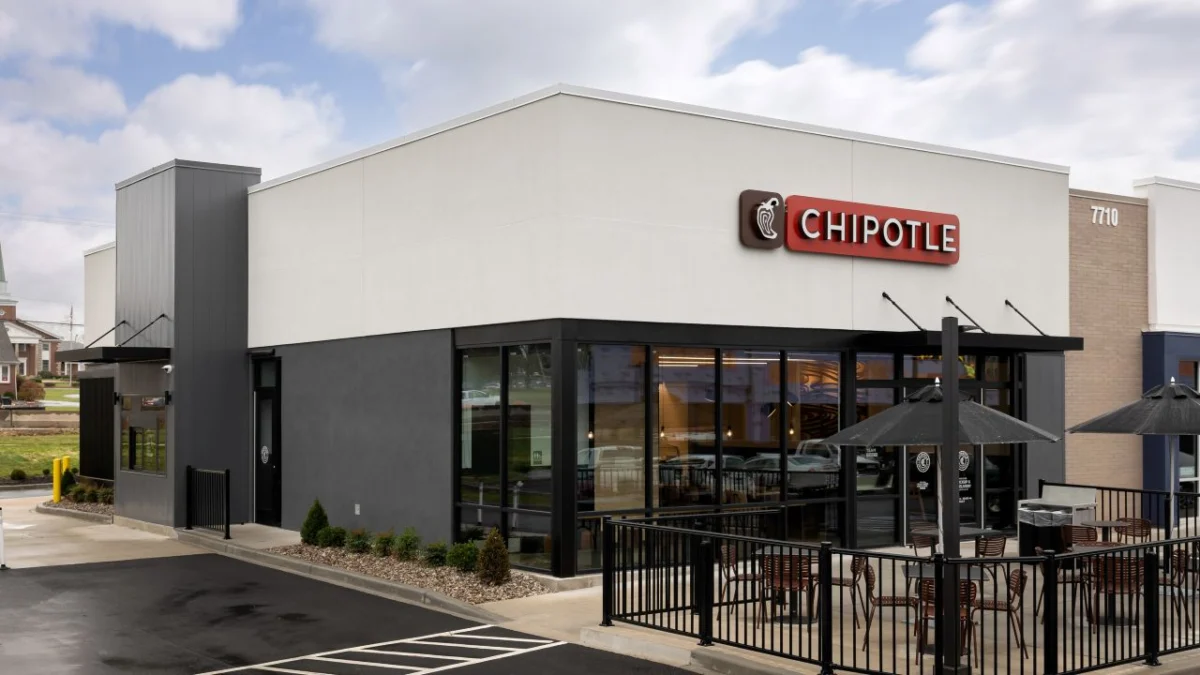
Chipotle Mexican Grill’s stock experienced a significant uplift of 7% in after-hours trading on Wednesday, following the release of its robust second-quarter financial results. The fast-casual Mexican chain reported a 2.2% increase in same-store sales, a metric that underscores the company’s resilience and strategic effectiveness in a challenging economic climate. This quarterly performance marks the strongest same-store sales growth Chipotle has achieved since the latter half of 2024, signaling a renewed momentum that has resonated positively with investors. The growth was propelled by a 1% rise in customer transactions and a 1.2% increase in average check size, indicating that consumers are not only visiting Chipotle more frequently but also spending more per visit.
This notable performance comes at a critical juncture, as broader consumer spending remains under pressure, exacerbated by rising inflation and volatile gas prices. The results appear to have effectively allayed concerns regarding Chipotle’s value proposition. During the company’s earnings call, CEO Scott Boatwright attributed the positive trajectory to several key initiatives. A significant contributor was the successful April launch of the Honey Chicken dish, a limited-time offer that generated considerable buzz and drove customer traffic. Furthermore, Boatwright highlighted the impact of "culturally relevant marketing," including strategic promotions like a buy-one-get-one offer timed with the FIFA Men’s World Cup, which successfully captured consumer attention and engagement. The continued strength of Chipotle’s recently revamped rewards program, which now incorporates personalized offers and gamification elements, also played a crucial role in fostering customer loyalty and repeat business.
Strategic Revitalization: The Recipe for Growth
The second-quarter results offer tangible evidence of progress in Chipotle’s "Recipe for Growth" strategy, a comprehensive plan implemented in February following a period of unprecedented sales declines in the preceding year. This multi-faceted strategy is designed to address operational efficiencies, culinary innovation, brand messaging, technological modernization, global expansion, and talent cultivation. The core tenets of this strategy revolve around delivering "exceptional value" to customers through operational and culinary excellence, evolving the brand’s communication to resonate more deeply with its target demographics, and accelerating the pace of menu innovation. Modernizing the business model through technology integration and expanding its global footprint are also central to long-term growth.
"Our positive results reflect the momentum we’re building as our Recipe for Growth strategy continues to take shape," stated CEO Scott Boatwright in a prepared statement. "We’re seeing encouraging progress because we’re focused on the right growth drivers — bringing meaningful menu innovation to our guests, deepening engagement through Chipotle Rewards, elevating hospitality in every restaurant, and expanding opportunities to serve more group occasions." This statement underscores the company’s commitment to a holistic approach that prioritizes customer experience and strategic expansion.
Reclaiming Market Share Across Demographics
Chipotle’s recent financial disclosures reveal a significant turnaround in its ability to attract and retain customers, particularly within previously challenged segments. Last year, the company faced considerable pressure from lower-income and younger consumer cohorts. However, Chief Financial Officer Adam Rymer noted during the earnings call that these specific demographic groups have shown the most substantial improvement in recent performance. This suggests that the company’s strategic focus on limited-time offers and enhanced rewards campaigns has effectively resonated with these key customer bases.
Moreover, Boatwright reported that Chipotle has experienced its highest year-over-year gains in customer wallet share since 2024. Crucially, the company has successfully captured market share across all age groups and income cohorts in every quarter thus far this year. This broad-based market share expansion indicates a successful recalibration of Chipotle’s appeal and a strengthening of its competitive position within the fast-casual dining sector.
Navigating Margin Pressures Amidst Inflationary Headwinds
Despite the positive sales momentum, Chipotle is not immune to the pervasive economic pressures affecting the broader industry. The company did experience margin pressures during the second quarter, largely attributable to persistently elevated food and labor costs. Operating margin saw a decrease, falling to 15.7% from 18.2% in the corresponding period of the previous year. Similarly, restaurant-level operating margin declined to 25.2% from 27.4%.
These margin contractions are directly linked to rising input costs. Food, beverage, and packaging expenses constituted 29.7% of total revenue in the second quarter, an increase from 28.9% in the second quarter of 2025. This escalation was primarily driven by inflation in key commodities, notably beef, and increased freight costs. Higher protein and produce usage also contributed to this rise. Labor costs, while also increasing, showed a slightly smaller percentage increase, moving to 25.0% of total revenue from 24.7% in the prior-year period. This rise in labor expenses was fueled by higher employee compensation, including wage inflation and performance-based bonuses, as well as additional staffing to support operational execution and enhance hospitality initiatives within restaurants.
Expansion and Future Outlook: Driving Continued Growth
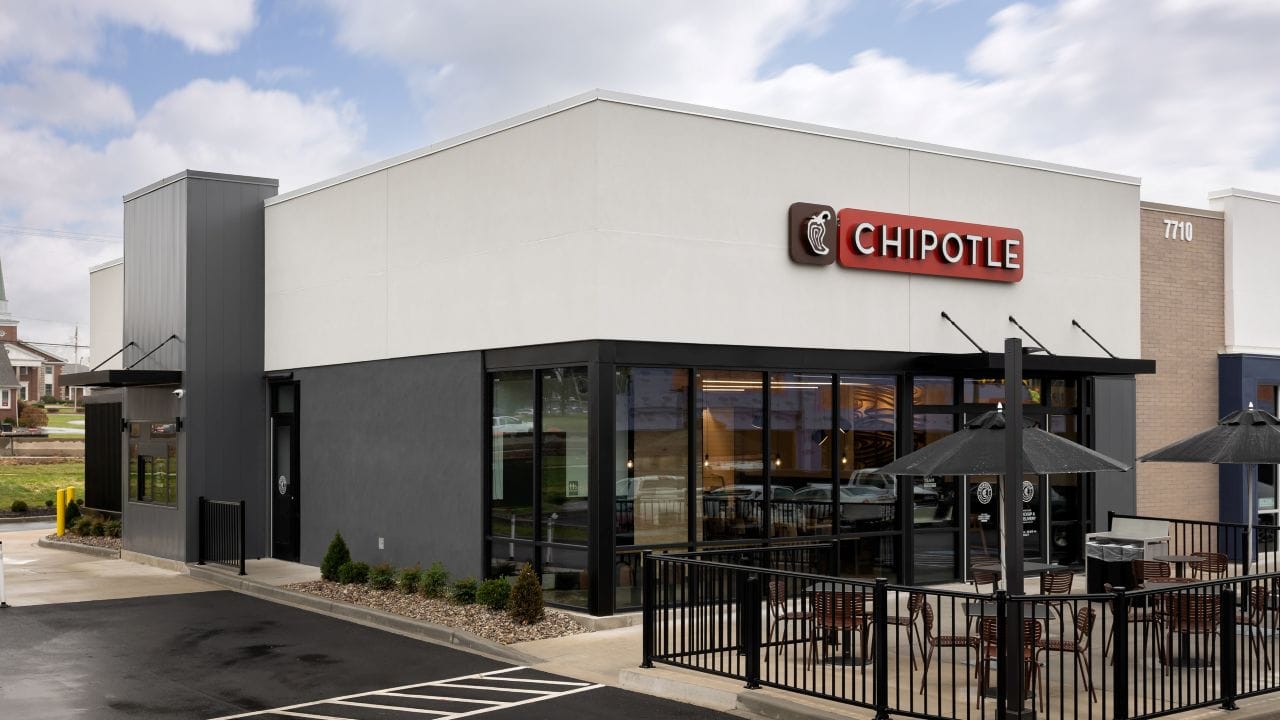
Chipotle’s strategic expansion efforts remain a key pillar of its growth strategy. During the second quarter, the company successfully opened 100 new company-owned restaurants, with a significant 80 of these locations featuring the highly efficient "Chipotlane" drive-thru pickup window. Additionally, one international partner-operated restaurant was added to the global portfolio.
Looking ahead, Chipotle has revised its full-year same-store sales guidance upward, now projecting growth in the low-single-digit range, a notable increase from the flat guidance provided in April. This optimistic outlook reflects management’s confidence in the ongoing effectiveness of their strategic initiatives. The company anticipates opening between 350 and 370 new restaurants throughout the fiscal year, a figure that includes 10 to 15 international partner-operated establishments. A strong emphasis continues to be placed on the Chipotlane format, with approximately 80% of new company-owned restaurants slated to incorporate this feature, highlighting its proven success in driving convenience and sales.
The strategic investments in operational efficiency, menu innovation, customer loyalty programs, and physical expansion, coupled with a renewed focus on value, appear to be positioning Chipotle favorably to navigate the current economic landscape and capitalize on future growth opportunities. The company’s ability to adapt and innovate in response to evolving consumer preferences and market dynamics will be crucial as it continues to execute its ambitious "Recipe for Growth" plan.
Industry Context and Broader Implications
Chipotle’s performance offers a valuable case study for the broader fast-casual restaurant industry, which has been grappling with a complex interplay of factors including inflation, labor shortages, shifting consumer behaviors, and increased competition. The success of Chipotle’s limited-time offers, such as the Honey Chicken, underscores the enduring appeal of novelty and value-driven promotions in driving traffic and incremental sales. The strategic enhancement of loyalty programs, incorporating personalization and gamification, highlights a growing industry trend towards deeper customer engagement beyond simple transaction-based rewards.
The company’s ability to reclaim market share across diverse demographic segments, particularly among lower-income and younger consumers, suggests that targeted marketing and value propositions can be effective in overcoming economic sensitivities. This is particularly relevant as other brands may be struggling to connect with these crucial consumer groups.
However, the persistent margin pressures faced by Chipotle also reflect the industry-wide challenge of managing rising operating costs. The increase in food and labor expenses is a significant concern for all restaurant operators, necessitating careful cost management, pricing strategies, and ongoing efforts to improve operational efficiency. The company’s continued investment in technology, such as the Chipotlane, is not only aimed at enhancing customer convenience but also at optimizing labor utilization and improving throughput, which can indirectly help mitigate margin pressures.
The commitment to expanding the restaurant footprint, particularly through the Chipotlane format, signals a belief in the continued viability and growth potential of brick-and-mortar locations, albeit with a focus on formats that enhance efficiency and meet evolving consumer demand for off-premise dining options. This strategic expansion, combined with the upward revision of sales guidance, suggests a growing confidence within Chipotle’s leadership regarding the company’s trajectory and its ability to achieve sustained growth in the coming years. The industry will be watching closely to see if Chipotle’s strategic playbook can continue to yield strong results amidst ongoing economic uncertainties.
