

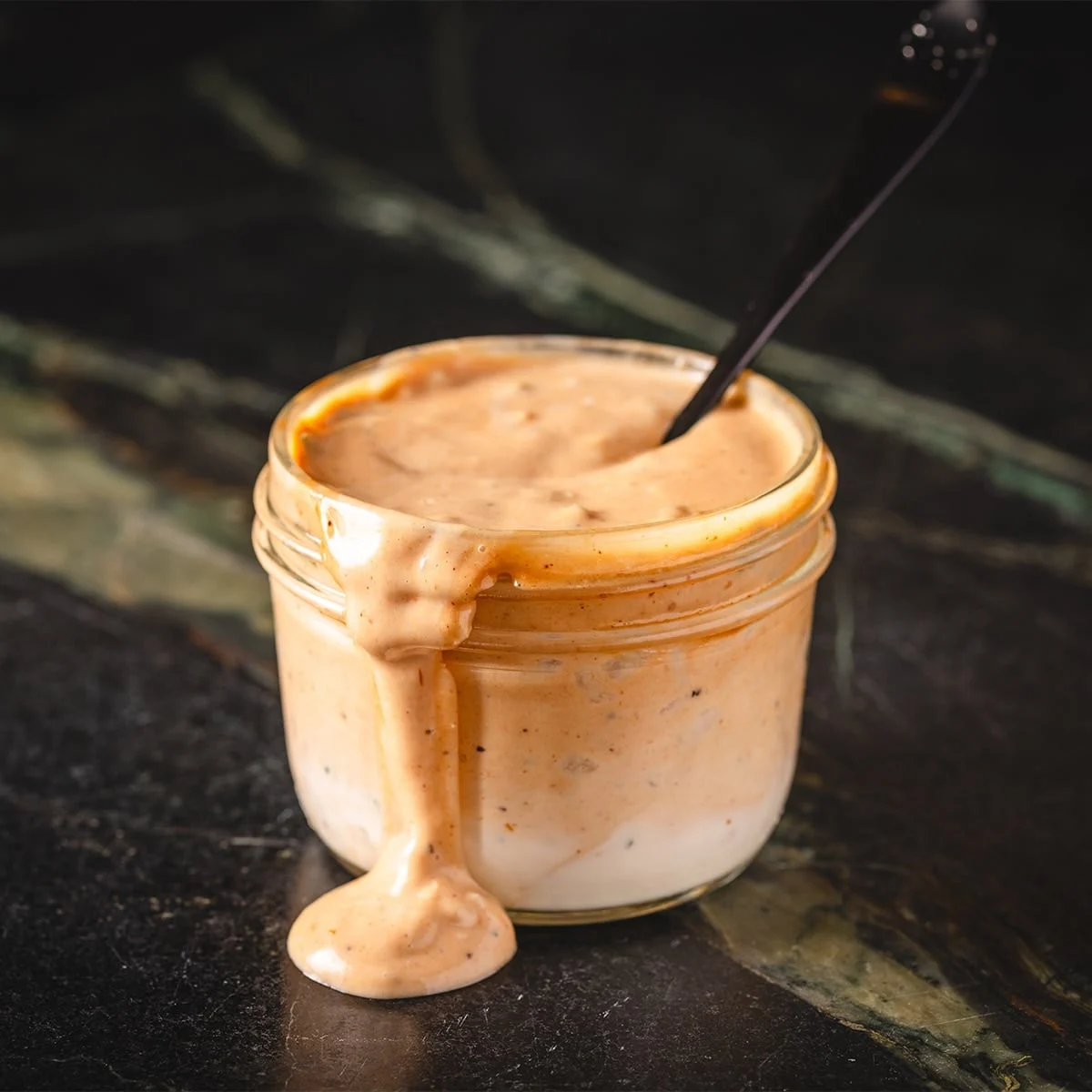
The landscape of American backyard culinary traditions is undergoing a significant shift as home cooks increasingly move away from mass-produced condiments in favor of artisanal, homemade alternatives. This trend is exemplified by the recent release of a streamlined burger sauce formulation from Susie Bulloch, the founder of the prominent grilling platform Hey Grill Hey. By utilizing a base of mayonnaise, finely diced dill pickles, and a proprietary "Everything BBQ Sauce," the recipe aims to provide a professional-grade topping that can be prepared in under ten minutes. This development reflects a broader movement within the food industry where simplicity, speed, and flavor depth are being prioritized to meet the demands of modern consumers who seek restaurant-quality results at home.
The Evolution of the Secret Sauce in American Gastronomy
The concept of a "special" or "secret" sauce has been a cornerstone of American fast-food culture since the mid-20th century. Historically, these sauces were often variations of Thousand Island dressing, combining mayonnaise, ketchup, and relish. However, as the palate of the average consumer has become more sophisticated, the demand for complex flavor profiles—incorporating smoke, acidity, and umami—has grown.

Bulloch’s Homemade Burger Sauce represents a modern evolution of this classic. By replacing standard ketchup with a multi-layered BBQ sauce, the recipe introduces a smoky element that complements the charred proteins of a grilled burger. The inclusion of diced dill pickles, rather than a sugary sweet relish, provides a sharp acidic contrast to the high fat content found in traditional beef patties. This transition from sweet-heavy condiments to those with a balance of tang and smoke highlights a significant shift in consumer preferences within the $2.1 billion U.S. condiment market.
Technical Composition and Flavor Profile Analysis
From a culinary science perspective, the success of a burger sauce depends on its ability to balance the five primary tastes. The Homemade Burger Sauce achieves this through a specific three-ingredient synergy:
- Emulsified Base (Mayonnaise): Providing the essential lipid content, the mayonnaise acts as a vehicle for flavor delivery while offering a cooling counterpoint to the heat of the grill.
- Acidic Texture (Diced Dill Pickles): Unlike smooth sauces, the inclusion of hand-diced pickles adds a structural component to the condiment. The vinegar-based brine of the pickles cuts through the richness of the meat, preventing palate fatigue.
- Complex Sweetness and Smoke (Everything BBQ Sauce): This component replaces the traditional sugar and spice additives found in older recipes. By using a pre-balanced BBQ sauce, the recipe incorporates garlic, onion, molasses, and liquid smoke without requiring a long list of individual pantry staples.
This minimalist approach to ingredient selection is not merely a matter of convenience; it is a calculated effort to reduce the margin of error for home cooks while ensuring a consistent flavor profile that mimics high-end "gastropub" offerings.

The Role of Digital Influencers in the Creator Economy
Susie Bulloch, the architect of this recipe, has become a central figure in the "Creator Economy" of the BBQ world. With a background that includes appearances on the Food Network and the establishment of multiple Guinness World Records in grilling, Bulloch represents the new wave of culinary authorities who bypass traditional publishing houses to reach audiences directly.
The release of the Homemade Burger Sauce recipe is strategically linked to the "Hey Grill Hey" ecosystem, which includes a dedicated mobile application and a line of retail products. This vertical integration—where a recipe serves as both a utility for the consumer and a showcase for a proprietary product (the Everything BBQ Sauce)—is a hallmark of modern digital entrepreneurship. Data suggests that consumers are 60% more likely to purchase a specialty food product when it is accompanied by a high-performing, easy-to-execute recipe.
The Smash Burger Phenomenon and Market Trends
The timing of this recipe release coincides with the resurgence of the "Smash Burger," a cooking technique that involves pressing a ground beef ball onto a hot griddle to maximize the Maillard reaction. This method creates a thin, crispy patty that requires a robust sauce to provide moisture and flavor contrast.

Market research indicates that the "premium burger" segment has grown by 12% annually over the last five years. Consumers are increasingly willing to invest in high-quality meats and artisanal buns, which in turn creates a vacuum for high-quality condiments. The Homemade Burger Sauce fills this niche by offering a "backyard griddle" version of the sauces typically found in high-end burger chains like Shake Shack or In-N-Out, but with the added benefit of smoky BBQ notes that are characteristic of outdoor cooking.
Economic Implications of DIY Condiments
As inflation continues to impact grocery prices, the economic feasibility of DIY condiments has become a point of interest for financial analysts and consumer advocates. While a bottle of premium, pre-mixed "special sauce" can retail for anywhere between $5.00 and $8.00, the cost per serving of a homemade version is significantly lower.
By utilizing staple ingredients like mayonnaise and pickles—which are often already present in the American household—the consumer only needs to acquire or make a high-quality BBQ sauce to complete the recipe. This "component cooking" strategy allows families to elevate their meals without the high markup associated with branded specialty condiments. Furthermore, the ability to control the quality of ingredients (such as choosing organic mayo or low-sodium pickles) provides a health-conscious alternative to shelf-stable commercial products which often contain high-fructose corn syrup and artificial preservatives.

Chronology of Development and Public Reception
The development of the Homemade Burger Sauce can be traced back to Bulloch’s work on the backyard griddle version of the Smash Burger. The sauce was initially a secondary component of the burger recipe, but it gained independent popularity among the "Hey Grill Hey" community.
- Phase 1 (Discovery): The sauce was tested as a pairing for high-fat beef blends on outdoor griddles.
- Phase 2 (Optimization): The recipe was refined to a 1:1:1 ratio or specific measurements (e.g., 1/2 cup mayo to 2 tablespoons BBQ sauce) to ensure it remained thick enough to stay on a bun without making it soggy.
- Phase 3 (Dissemination): Following positive feedback from a community of over a million followers, the recipe was elevated to a standalone feature, emphasizing its versatility as a dip for fries and a topping for various proteins.
Early reactions from culinary enthusiasts highlight the sauce’s "tangy and smoky" profile. Professional BBQ circuit judges have noted that the simplicity of the recipe allows the quality of the base BBQ sauce to shine, suggesting that the choice of BBQ sauce can significantly alter the final outcome, allowing for customization (e.g., using a spicy sauce for a "kick" or a honey-based sauce for sweetness).
Broader Impact on the Grilling Community
The release of such recipes contributes to the democratization of culinary skills. By breaking down complex flavor profiles into three manageable steps—dicing, measuring, and stirring—the barrier to entry for "BBQ Hero" status is lowered. This empowerment of the home cook has broader implications for the outdoor cooking industry, which saw a massive surge in equipment sales (grills, smokers, and pizza ovens) during the 2020-2022 period.

As these new grill owners look for ways to utilize their equipment beyond basic hot dogs and hamburgers, the demand for "elevated basics" like the Homemade Burger Sauce is expected to remain high. Industry experts predict that the next five years will see a continued blurring of the lines between professional pitmasters and backyard hobbyists, driven largely by the accessibility of high-quality instructional content and specialized ingredients.
Conclusion and Future Outlook
The Homemade Burger Sauce by Hey Grill Hey is more than just a condiment; it is a reflection of the current state of American home cooking. It sits at the intersection of convenience, brand-driven commerce, and a genuine desire for better-tasting food. As Susie Bulloch continues to expand her influence through the Hey Grill Hey App and her social media presence, the focus remains on providing "win" moments for the backyard cook.
In an era where time is a premium commodity, the ability to produce a sophisticated, multi-use sauce in under ten minutes is a significant value proposition. As the summer grilling season approaches, this recipe is positioned to become a staple in the repertoire of outdoor cooks across the country, further cementing the role of the digital creator in shaping the modern American diet. The success of this minimalist approach may encourage other culinary influencers to strip away the complexity of traditional recipes, focusing instead on the high-impact ingredient combinations that define the next generation of comfort food.
