

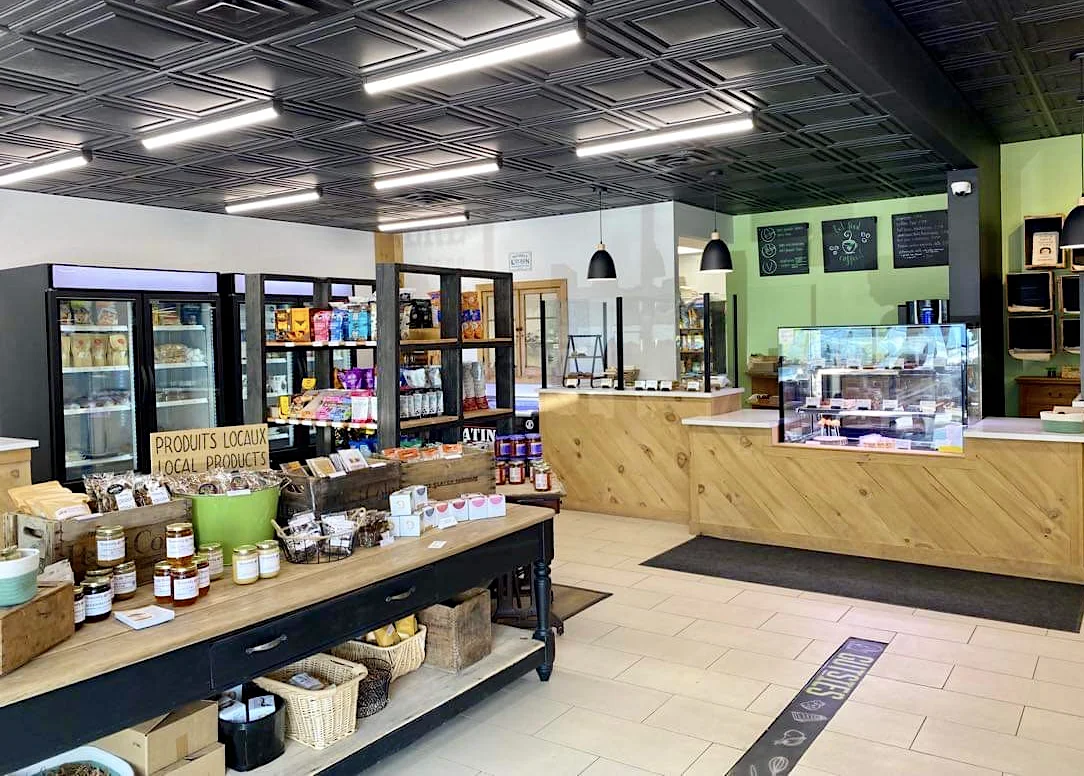
The culinary landscape of Canada’s National Capital Region (NCR) is undergoing a significant transformation as specialized dietary requirements move from the periphery of the service industry to the center of urban gastronomy. For residents and visitors living with celiac disease—an autoimmune condition where the ingestion of gluten leads to damage in the small intestine—navigating the restaurant scenes of Ottawa and Gatineau requires a level of precision that transcends simple menu labels. A comprehensive two-year study and local survey of the region’s dining options reveals a sophisticated network of dedicated gluten-free facilities and celiac-aware establishments that are setting a new standard for food safety in Ontario and Quebec.

The Scientific and Regulatory Context of Celiac Dining
Celiac disease affects approximately 1 in 114 Canadians, according to data from the Canadian Celiac Association. Unlike lifestyle-driven gluten-free diets, individuals with this autoimmune diagnosis must adhere to a strict regimen where cross-contact—the accidental transfer of gluten from one surface or food item to another—is a primary health concern. Even trace amounts of gluten, often measured in parts per million (ppm), can trigger a systemic immune response.

In Canada, food labeling regulations managed by Health Canada require the clear identification of gluten sources on pre-packaged foods. However, the restaurant industry remains largely self-regulated regarding "gluten-free" claims. This has led to a dichotomy in the NCR dining scene: establishments that offer "gluten-friendly" options suitable for those with mild sensitivities, and "celiac-safe" establishments that implement rigorous protocols to prevent cross-contamination. Expert observers note that while Canada has made strides, it still lags behind the United Kingdom and parts of the European Union, where allergen transparency is mandated with greater granularity across all hospitality sectors.

Chronology of the Regional Gluten-Free Expansion
The growth of the gluten-free market in Ottawa and Gatineau has followed a distinct timeline over the last decade, accelerating significantly between 2021 and 2024.

- The Foundation (Pre-2020): Established players like Strawberry Blonde Bakery in Westboro pioneered the dedicated facility model, proving that a vegan, nut-free, and gluten-free business could achieve commercial longevity.
- The Pandemic Pivot (2020–2022): Several artisanal operations, such as Pizza Stay Gold and various stalls at the Lansdowne Farmers’ Market, began as "ghost kitchens" or pop-ups, utilizing the delivery-heavy market to reach a niche audience of celiac diners.
- The Specialist Surge (2023–2024): The region saw a localized boom in specialized groceries and international cuisines. The opening of Gutsies in Orléans and Tortilla Maker in 2023 marked a shift toward high-quality, authentic products that prioritize both heritage and safety.
Gold Standard Establishments: Dedicated Gluten-Free Facilities
The highest tier of safety for celiac diners is the 100% gluten-free facility, which eliminates the risk of airborne flour or shared equipment.

Strawberry Blonde Bakery remains a cornerstone of the Westboro community. Beyond its retail presence, the bakery serves as a regional hub for custom cakes and seasonal treats, operating under a multi-allergen-free mandate that includes being vegan and kosher. Their expansion to two locations signifies the robust demand for safe, high-quality confectionery in the NCR.

Gutsies, located on St. Joseph Blvd in Orléans, represents a hybrid model of bakery and specialty grocery. Founded by Natasha, a parent of a child with celiac disease, the shop serves as a critical distribution point for hard-to-find gluten-free brands from Montreal and Toronto. Their inventory includes items from La Marquise Sans Gluten and proprietary frozen goods like pizza dough and additive-free soups, specifically designed for those with complex health needs such as Mast Cell Activation Syndrome (MCAS).

2 Sprinkles (formerly 5 Cupcakes) has transitioned into a market-focused and online delivery model. Their specialization in baked (not fried) donuts and herb-garlic breads highlights the artisanal shift in gluten-free baking, moving away from processed substitutes toward whole-food ingredients.

International Cuisines and Cross-Contact Management
For mixed-menu restaurants, the implementation of dedicated fryers and separate preparation areas is the primary metric of safety.

The Greek Souvlaki Shack on Bank Street serves as a case study in owner-operated safety protocols. The establishment produces its own gluten-free pita in-house and maintains a dedicated fryer for items such as calamari and french fries. This level of dedication is rare in the Mediterranean sector, where flour-dusted items usually dominate the kitchen environment.

La Dolce Vita on Preston Street is among the few establishments in the city to hold a Gluten-Free Certification from the Gluten-Free Food Program (GFFP). This certification involves third-party audits of kitchen practices, ensuring that their extensive menu—including lasagna, gnocchi, and pizza—is safe for celiacs.

Wolf Down, an Ottawa-based döner kebab specialist, has garnered attention for its "one thing done well" philosophy. By focusing on a limited menu of chicken, tofu, and rice bowls, the restaurant minimizes the variables that lead to cross-contact. Their protocol includes retrieving fresh vegetables from the back for celiac customers to avoid "double-dipping" in the main service line.

Cultural Diversity in the Gluten-Free Sector
The NCR has seen a rise in naturally gluten-free offerings from Latin American and African traditions, which rely on corn (masa), rice, and cassava rather than wheat.
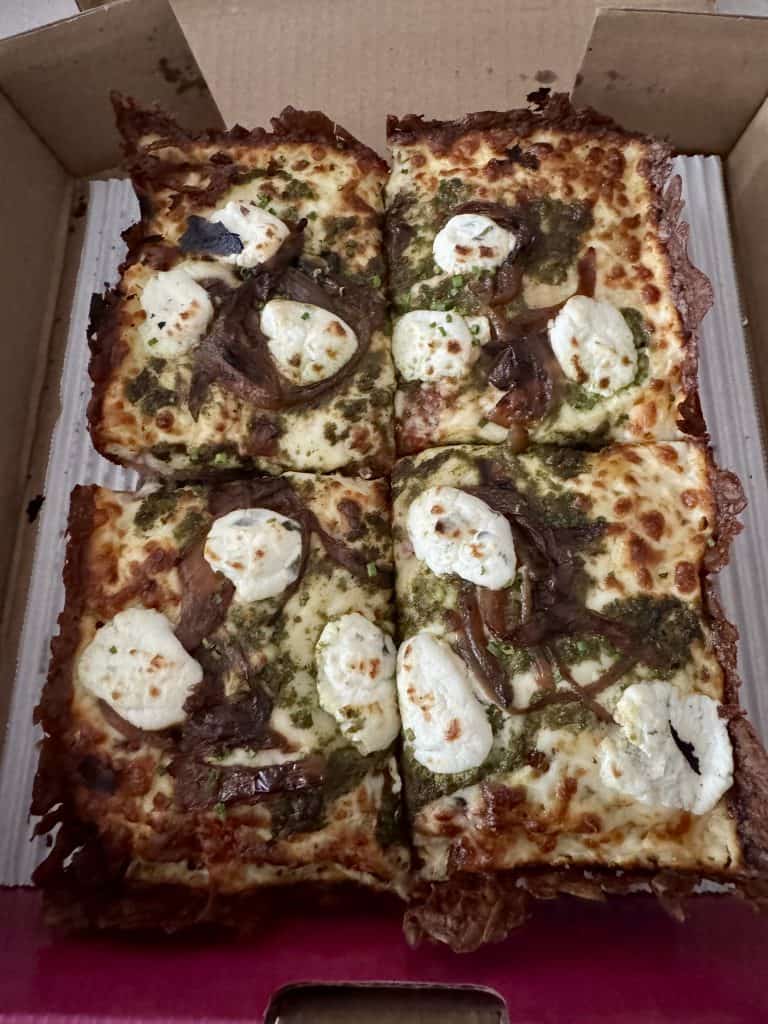
- Latin American Hubs: Establishments like Chamos Grill (Venezuelan), Arepas Place, and La Cabana (Salvadoran) utilize corn-based doughs for arepas and pupusas. These items are inherently gluten-free, though kitchen awareness of soy sauce marinades or shared grills remains a critical factor for safety.
- The Tortilla Maker of Canada: This Orléans-based facility has introduced authentic Mexican tamales and fresh tortillas to the region, catering to both the culinary purist and the medically restricted diner.
- African Gastronomy: YKO Chicken BBQ on Dalhousie Street highlights the compatibility of traditional West African grilling with celiac needs. By using starches like plantain and cassava and avoiding flour-based thickeners in their marinades, they provide a nutrient-dense, safe option for the celiac community.
Regional Outliers: Stittsville and Gatineau
The geographic spread of gluten-free options extends into the suburbs and across the provincial border into Quebec. Smokin’ RR’s in Stittsville has become a destination for gluten-free poutine, utilizing a dedicated fryer and celiac-safe gravy—a rarity in a dish that typically relies on wheat-based thickeners.

In Gatineau, Ottavio and Sushi Haru Haru provide essential services to the Quebec side of the National Capital Region. Sushi Haru Haru, in particular, is noted for its use of gluten-free rice vinegar and house-made spicy sauces, addressing a common hidden source of gluten in Japanese cuisine (where many commercial vinegars and sauces contain trace wheat).

Broader Implications and Economic Impact
The rise of celiac-safe dining in Ottawa reflects a broader global trend where the "free-from" food market is projected to grow significantly. However, the implications are not merely economic; they are deeply tied to accessibility and public health.

The experience of researchers and advocates—including Jodi Ettenberg, whose work forms the basis of this regional guide—underscores the intersection of disability and dining. For individuals with limited mobility or chronic conditions like spinal CSF leaks, the availability of reliable, safe delivery options is a matter of essential service rather than luxury.

Furthermore, the success of these establishments suggests a shift in consumer expectations. Diners are increasingly seeking transparency in sourcing and preparation. Restaurants that invest in staff training and dedicated equipment are finding a loyal customer base that extends beyond the celiac community to include those with various food allergies and health-conscious preferences.

Conclusion
While Ottawa and Gatineau may have a smaller volume of gluten-free establishments compared to larger metropolises like Toronto or Montreal, the quality and safety of the existing infrastructure are high. The region is characterized by a "living tree" of culinary options, where small, family-owned businesses are leading the way in medical-grade food safety. As local regulations and consumer awareness continue to evolve, the National Capital Region is well-positioned to become a leading destination for inclusive, safe, and diverse gastronomy. Establishment of more dedicated facilities and the pursuit of formal certifications like the GFFP will likely be the next steps in the region’s journey toward total culinary accessibility.
