

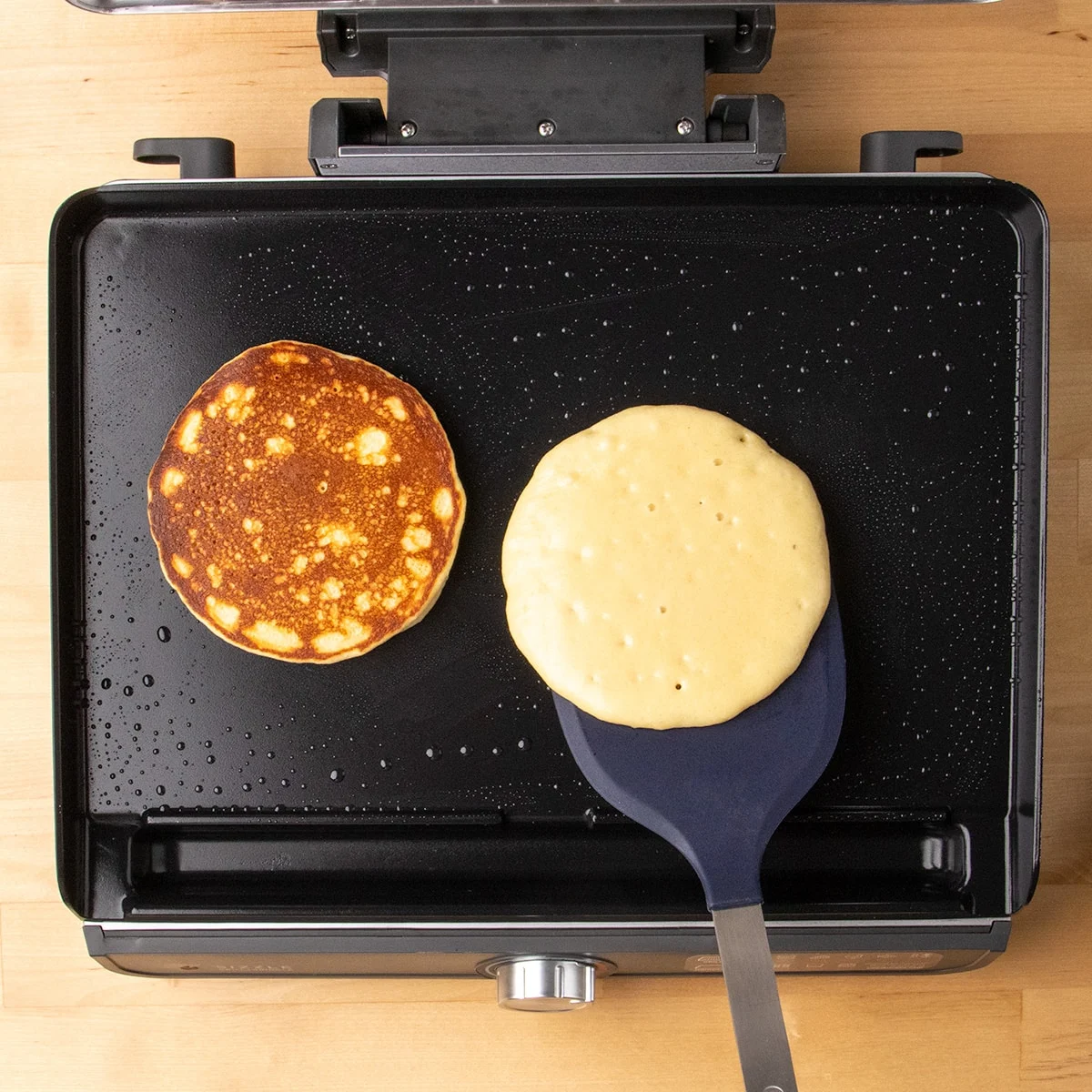
These lightly sweet Paleo pancakes, crafted from almond flour and balanced with tapioca starch, offer a high-protein breakfast option that rivals traditional pancakes in taste and texture. The inclusion of almond flour provides a significant protein boost, contributing to satiety and sustained energy throughout the morning. Tapioca starch plays a crucial role in achieving a desirable consistency and tender crumb, ensuring that these pancakes don’t carry the overly almond-forward flavor that can sometimes plague almond flour-based recipes. The result is a pancake that truly tastes like a "real" pancake, making it an appealing choice for those adhering to a Paleo lifestyle or seeking healthier breakfast alternatives.

The Science Behind the Success
The success of this Paleo pancake recipe lies in the synergistic combination of its key ingredients. Almond flour, a staple in Paleo and gluten-free baking, is naturally rich in protein and healthy fats. However, its inherent properties can sometimes lead to a denser texture or a pronounced nutty flavor. The strategic addition of tapioca starch, a fine, starchy flour derived from the cassava root, provides essential binding and structure. It helps to create a lighter, more tender pancake and ensures the batter is easily pourable, contributing to a smooth cooking process. This careful balance prevents the pancakes from becoming too dense or crumbly, a common pitfall in almond flour baking.
Furthermore, the recipe’s ability to freeze exceptionally well makes it a practical option for busy individuals. Prepared pancakes can be stored and reheated, offering a convenient and nutritious breakfast on demand. The high protein content also ensures that these pancakes are remarkably filling, effectively curbing hunger and providing sustained energy for the entire morning.

Understanding the Ingredients
To achieve the desired outcome, each ingredient plays a specific role:
- Almond Flour: The foundation of the recipe, providing protein, healthy fats, and a subtle sweetness. Finely ground, blanched almond flour is recommended for optimal texture.
- Tapioca Starch: Acts as a binder and contributes to the tender, slightly chewy texture of the pancakes. It also helps to lighten the overall composition of the batter.
- Baking Powder: Essential for leavening, creating fluffy and airy pancakes. The article notes the option to create a Paleo-compliant baking powder using baking soda, cream of tartar, and arrowroot or tapioca starch for those strictly adhering to Paleo guidelines.
- Salt: Enhances the overall flavor profile and balances the sweetness.
- Milk: Provides moisture and helps to create a smooth batter. The type of milk can be adjusted based on dietary preferences, though coconut milk is suggested for a truly Paleo approach.
- Melted Coconut Oil: Adds richness and moisture to the pancakes. Other healthy fats like avocado oil or even butter (if not strictly Paleo) can be used as substitutes.
- Eggs: Bind the ingredients together and contribute to the structure and richness of the pancakes.
- Honey: Offers a natural, unrefined sweetness that aligns with Paleo principles. Maple syrup is also suggested as a legal sweetener in the Paleo diet.
Crafting the Perfect Paleo Pancake: A Step-by-Step Guide
The preparation of these Paleo pancakes is straightforward, involving a few key stages to ensure optimal results:

- Combine Dry Ingredients: In a large mixing bowl, whisk together the almond flour, tapioca starch, baking powder, and salt. Thorough whisking is crucial to ensure even distribution of leavening agents and to break up any clumps, particularly in the almond flour, which can be prone to clumping due to its fat content.
- Incorporate Wet Ingredients: Add the milk, melted coconut oil, eggs, and honey to the bowl of dry ingredients. Whisk vigorously until a smooth batter forms.
- Allow Batter to Rest: Let the batter sit for approximately 10 minutes. This resting period allows the flours to absorb moisture, which slightly thickens the batter. This step is important to prevent the pancakes from being too thin.
- Preheat Cooking Surface: Heat an electric griddle to between 325°F and 350°F, or a nonstick or well-seasoned cast iron skillet over medium heat. It is vital not to overheat the cooking surface, as almond flour’s high fat content makes it susceptible to burning quickly. Greasing the surface, even if nonstick, aids in achieving even browning, especially around the edges.
- Pour the Batter: Using a ladle or measuring cup, pour approximately 1/4 cup of batter onto the prepared hot surface for each pancake. Cook until large bubbles form on the surface and the edges appear set and no longer shiny, which typically takes about 1.5 minutes.
- Flip and Finish Cooking: Gently flip the pancakes using a wide spatula. Cook for an additional 30 seconds to one minute, or until the second side is set and golden brown.
- Repeat and Keep Warm: Re-grease the cooking surface as needed and repeat the process with the remaining batter. Cooked pancakes can be kept warm on a covered plate or on a baking sheet in a low oven (around 200°F) to maintain their temperature.
Expert Insights for Elevated Baking
Several expert tips can elevate the pancake-making experience and ensure consistent, delicious results:
- Advance Preparation of Dry Mix: The dry ingredients can be combined ahead of time and stored. However, due to the fat content in almond flour, it’s best to store this mixture in the freezer or refrigerator to prevent rancidity. Ensure the mix returns to room temperature before use, as cold almond flour can lead to clumping.
- Weighing Dry Ingredients: For precision in baking, especially with gluten-free flours, weighing ingredients on a digital kitchen scale is recommended. Almond flour and tapioca starch can be easily mismeasured by volume, impacting the final texture.
- Utilizing Finely Ground Almond Flour: The texture of almond flour is paramount. Finely ground and sifted almond flour integrates seamlessly into the batter, avoiding an undesirable gritty texture in the cooked pancakes. If unsure about the fineness of your almond flour, sifting it once or twice before measuring can help remove larger granules.
Navigating Ingredient Substitutions
While the recipe is designed for optimal results with its specified ingredients, thoughtful substitutions are possible:

- Nut-Free Alternatives: For those with nut allergies, coconut flour pancakes offer a viable nut-free Paleo option. Alternatively, finely sifted and blanched hazelnut or sunflower seed flour can be explored. Caution is advised with sunflower seed flour, as it may react with baking soda, potentially imparting a slight green hue to the pancakes, though they remain safe to consume.
- Egg-Free Adaptations: To make the pancakes egg-free, each egg can be replaced with a "chia egg" (one tablespoon of chia seeds mixed with three tablespoons of water, allowed to sit for 5-10 minutes). For replacing both eggs, a mixture of 2 tablespoons of tapioca starch, 1/2 teaspoon of additional baking powder, and 2 tablespoons of milk can be used.
- Fat Substitutions: Shortening can be used in place of coconut oil. If dairy is permissible, butter is also a suitable substitute.
- Tapioca Starch Alternatives: Tapioca starch’s unique properties are somewhat difficult to replicate perfectly. Arrowroot starch or superfine sweet white rice flour (glutinous rice flour) can be considered if strict Paleo adherence is not a concern.
Storage and Reheating for Convenience
These Paleo pancakes are well-suited for advance preparation and storage. Once cooled completely, they can be individually wrapped in freezer-safe material and stored in the freezer. To reheat, unwrap the frozen pancakes, separate them, and place them in a toaster oven set at approximately 300°F for 1-2 minutes, or until warmed through. This makes them an excellent option for meal prepping breakfast for the week.
Conclusion: A Nutritious and Delicious Choice
The Paleo pancakes detailed in this article represent a significant advancement in gluten-free and Paleo breakfast options. By carefully balancing nutrient-dense almond flour with the structural properties of tapioca starch, this recipe delivers a satisfying, protein-rich, and genuinely delicious pancake experience. Whether enjoyed fresh off the griddle or prepared in advance for busy mornings, these pancakes offer a wholesome and flavorful start to the day, aligning with dietary goals without compromising on taste or texture.
