

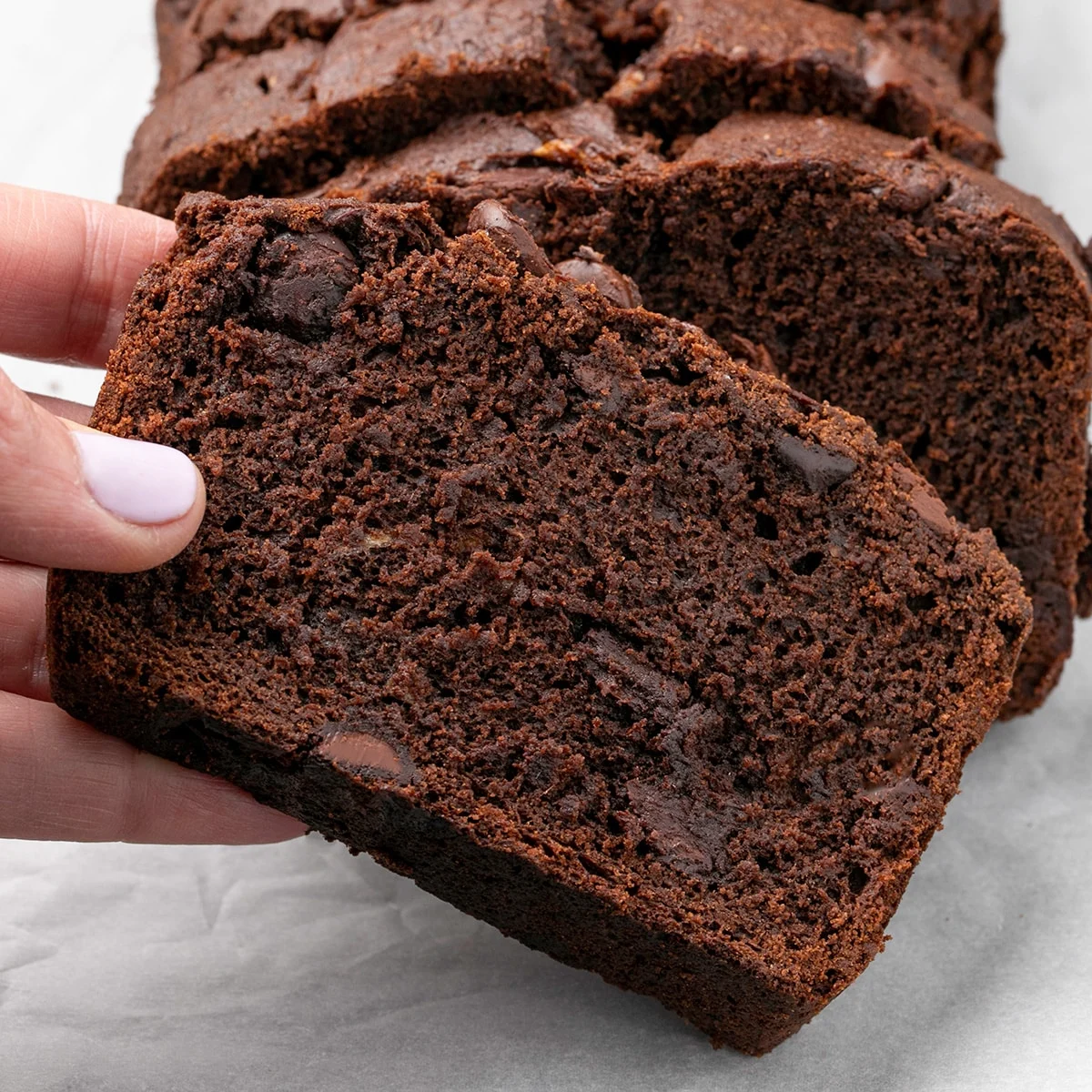
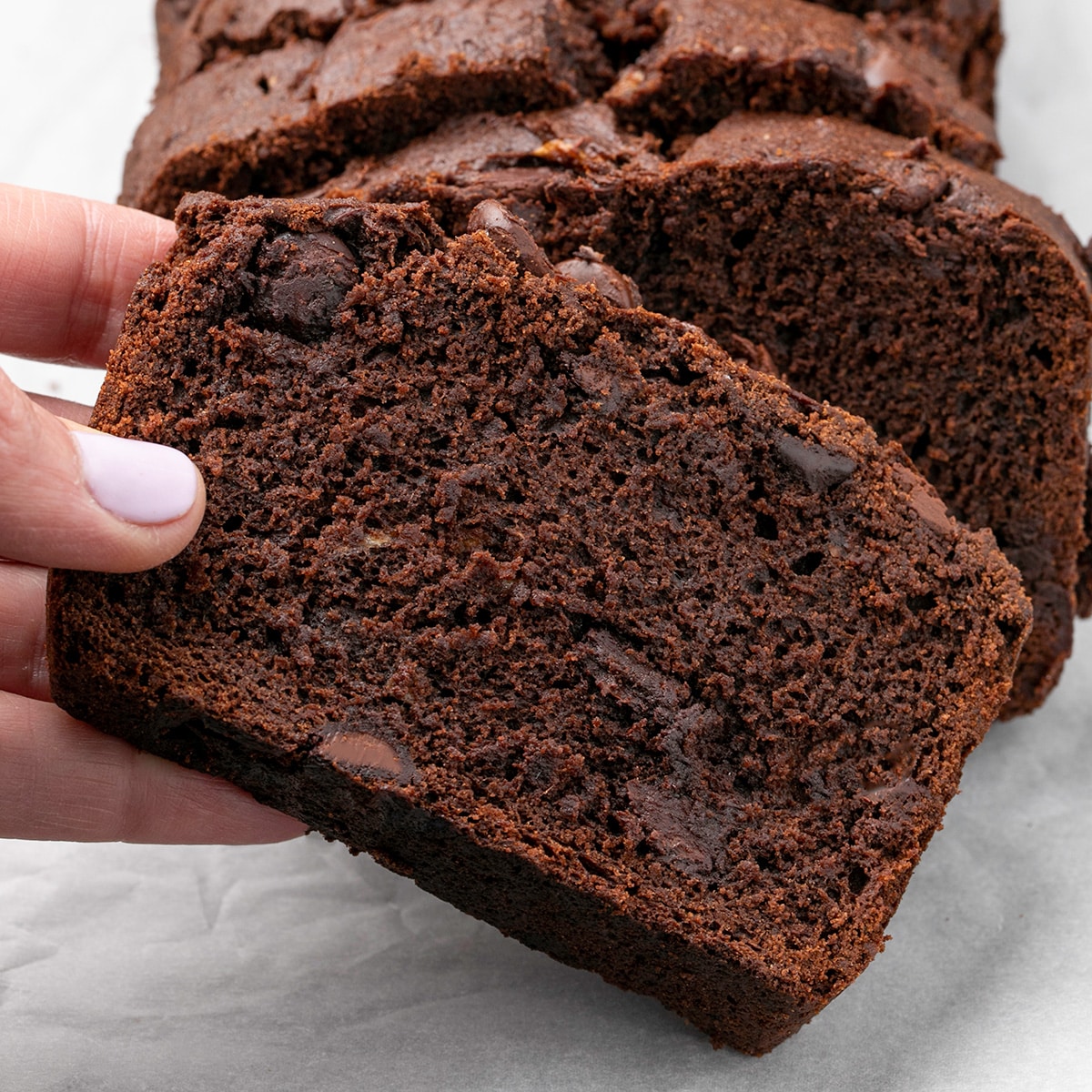
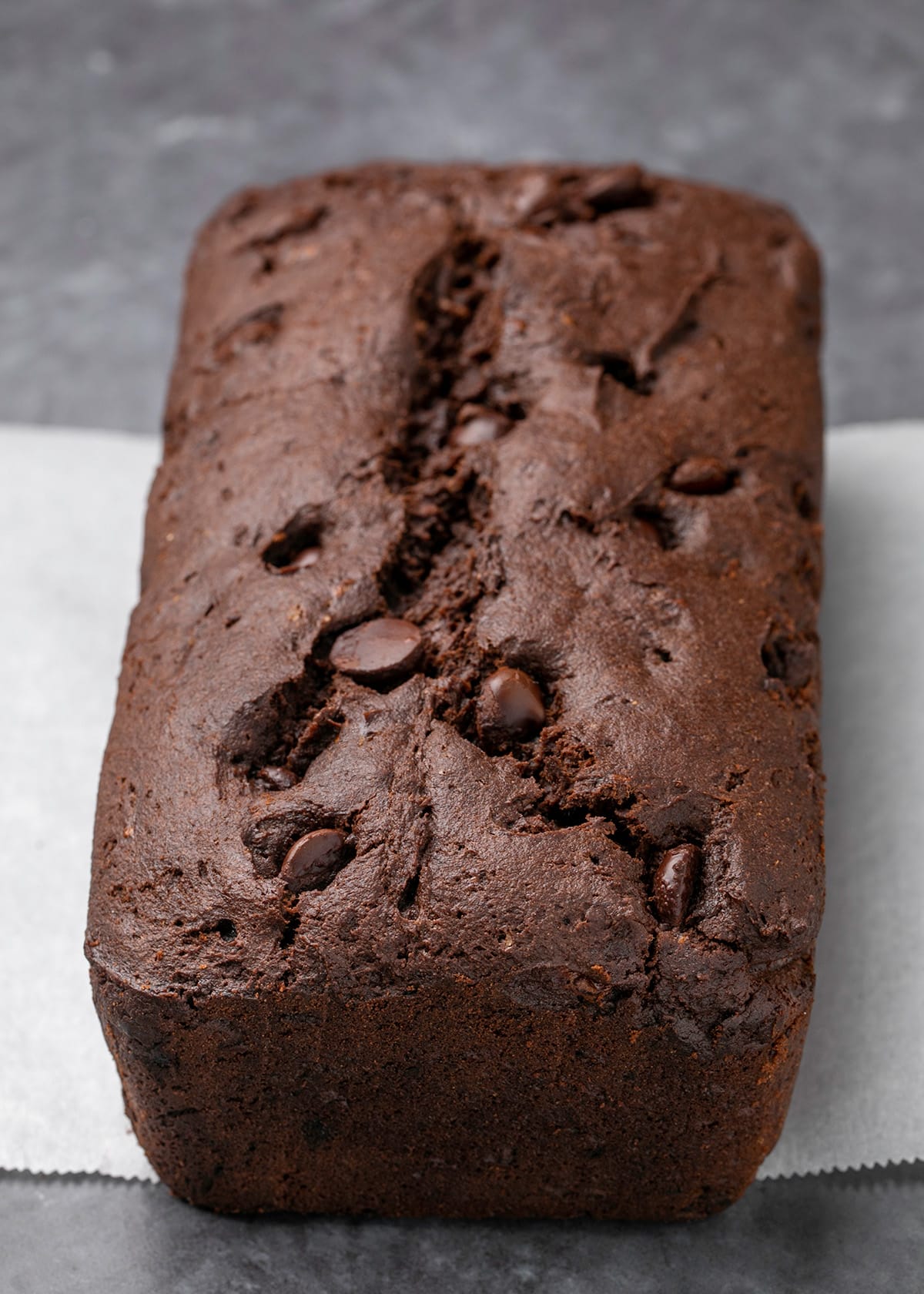
This gluten-free chocolate banana bread offers a decadent chocolate experience with a distinct undertone of ripe banana in every bite. Characterized by its soft, tender, and fudgy texture, the loaf is generously studded with chocolate chips, promising a delightful balance of flavors and textures for those seeking a gluten-free indulgence.
The Science Behind the Flavor: Why This Recipe Excels
Unlike a standard gluten-free banana bread with chocolate chips merely added as an afterthought, this recipe achieves its superior flavor and texture through a more integrated approach. The use of both cocoa powder and melted chocolate contributes to a profound chocolate depth and a richer, slightly denser crumb. This dual chocolate approach ensures that the chocolate notes are not just superficial but are woven into the very fabric of the bread.
The preparation of the mashed bananas is also crucial. By beating them into the wet ingredients, the bananas release ample moisture, which is essential for softening and enriching the otherwise thick chocolate batter. This careful balance of moisture from the bananas counteracts the potential dryness that can sometimes plague gluten-free baked goods.
Furthermore, the inclusion of small banana chunks alongside chocolate chips towards the end of the mixing process serves a dual purpose. It provides an extra textural element, offering pleasant bursts of soft banana, and crucially, it ensures that the inherent banana flavor remains discernible, preventing it from being completely overshadowed by the intense chocolate. For those who find themselves with an abundance of ripe bananas, this recipe stands as a testament to their versatility, offering an alternative to other popular banana-based baked goods.
Ingredient Spotlight: The Building Blocks of Gluten-Free Perfection
Crafting this exceptional gluten-free chocolate banana bread relies on a thoughtful selection of ingredients, each playing a vital role in the final outcome. While specific quantities are detailed in the recipe card, understanding the function of key components offers insight into the recipe’s success.
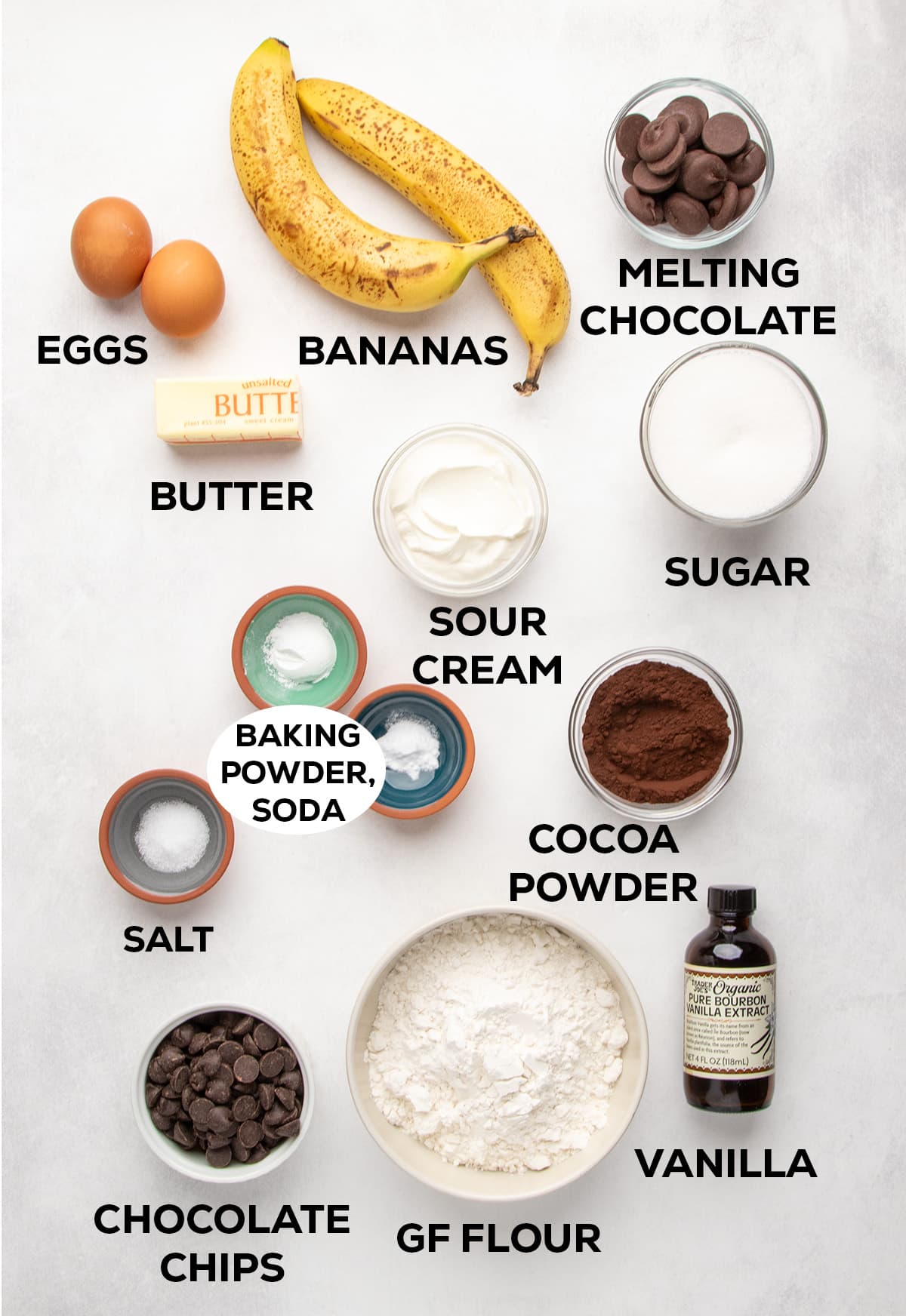
- Gluten-Free Flour Blend: The foundation of any gluten-free baked good, the choice of flour blend is paramount. The recipe recommends blends that contain xanthan gum or advises adding it to ensure proper structure and binding, which is crucial in the absence of gluten. Specific recommendations include Better Batter’s original blend (without added xanthan gum), Nicole’s Best multipurpose blend (with xanthan gum), or Bob’s Red Mill 1-to-1 Gluten Free Baking Flour, with an additional half teaspoon of xanthan gum to prevent a crumbly texture.
- Cocoa Powder and Melted Chocolate: This combination is the secret to the bread’s intense chocolate flavor. Unsweetened or dark cocoa powder provides a deep, earthy chocolate base, while melted chocolate, ideally with a high cacao butter content (around 65%) and formulated for baking, adds richness and contributes to a smooth, emulsified batter.
- Ripe Bananas: The star flavor component, ripe bananas are essential not only for their sweetness but also for their moisture content. The riper the bananas, the more natural sugars they contain and the softer they become, contributing significantly to the bread’s tender crumb and moistness.
- Eggs: Typically, two large eggs are recommended for a taller loaf with improved structure. Eggs provide binding, leavening, and moisture, contributing to a tender and longer-lasting freshness.
- Sour Cream: This ingredient adds a welcome tang and richness, contributing to the bread’s moist and tender texture. Its fat content helps to create a luxurious crumb.
- Butter: Melted butter contributes to the overall richness and contributes to a tender crumb.
- Sugar: Granulated sugar provides sweetness and helps with browning and texture.
- Leavening Agents (Baking Powder and Baking Soda): These work in tandem to provide lift and a desirable texture. Baking soda reacts with acidic ingredients to produce carbon dioxide, while baking powder provides additional lift.
- Vanilla Extract: Enhances the overall flavor profile, complementing both the chocolate and banana notes.
- Salt: Balances the sweetness and enhances the other flavors.
- Chocolate Chips: Folded in at the end, these provide pockets of melted chocolate throughout the loaf, adding an extra layer of indulgence.
The Art of Gluten-Free Baking: A Step-by-Step Guide
The creation of this gluten-free chocolate banana bread is a straightforward process, broken down into clear, manageable steps designed to ensure a successful bake.
Step 1: Melting the Chocolate
Begin by gently melting the chocolate. This is best achieved in a heat-safe bowl placed over a saucepan of simmering water (a double boiler method) or in the microwave on reduced power, stirring at 30-second intervals. This ensures the chocolate melts smoothly and emulsifies effectively into the batter. Using a chocolate designed for melting, with a higher cacao butter content, is recommended for optimal results.
Step 2: Combining Dry Ingredients
In a separate bowl, whisk together the cocoa powder, gluten-free flour blend (with xanthan gum if not already included), baking powder, baking soda, and salt. This step is crucial because cocoa powder can be difficult to incorporate evenly into liquids. By pre-mixing it with the dry ingredients, you ensure a uniform distribution, preventing lumps and facilitating easier integration later in the process.
Step 3: Beating the Wet Ingredients
In a large mixing bowl, combine the mashed bananas, granulated sugar, vanilla extract, sour cream, eggs, and the melted chocolate and butter mixture. Beat these ingredients together until well combined, using either a handheld mixer or a stand mixer fitted with the paddle attachment. Unlike some other banana bread recipes where the goal is to minimize banana moisture, here, the bananas are deliberately beaten to release their moisture, which is vital for the bread’s tenderness.
Step 4: Merging Wet and Dry Components
Gradually add the whisked dry ingredients to the wet ingredients. Beat them together until a relatively smooth batter forms. The batter will likely be quite thick at this stage. Ensure any dry ingredients clinging to the sides of the bowl are incorporated in the subsequent step.
Step 5: Incorporating Mix-Ins
Gently fold in the chocolate chips and approximately 1/4 cup of chopped ripe bananas using a silicone spatula. The aim here is to distribute these additions evenly without mashing the banana pieces. This is also a final opportunity to scrape down the sides of the bowl and ensure all dry ingredients are fully incorporated into the batter.
Step 6: Preparing the Loaf Pan
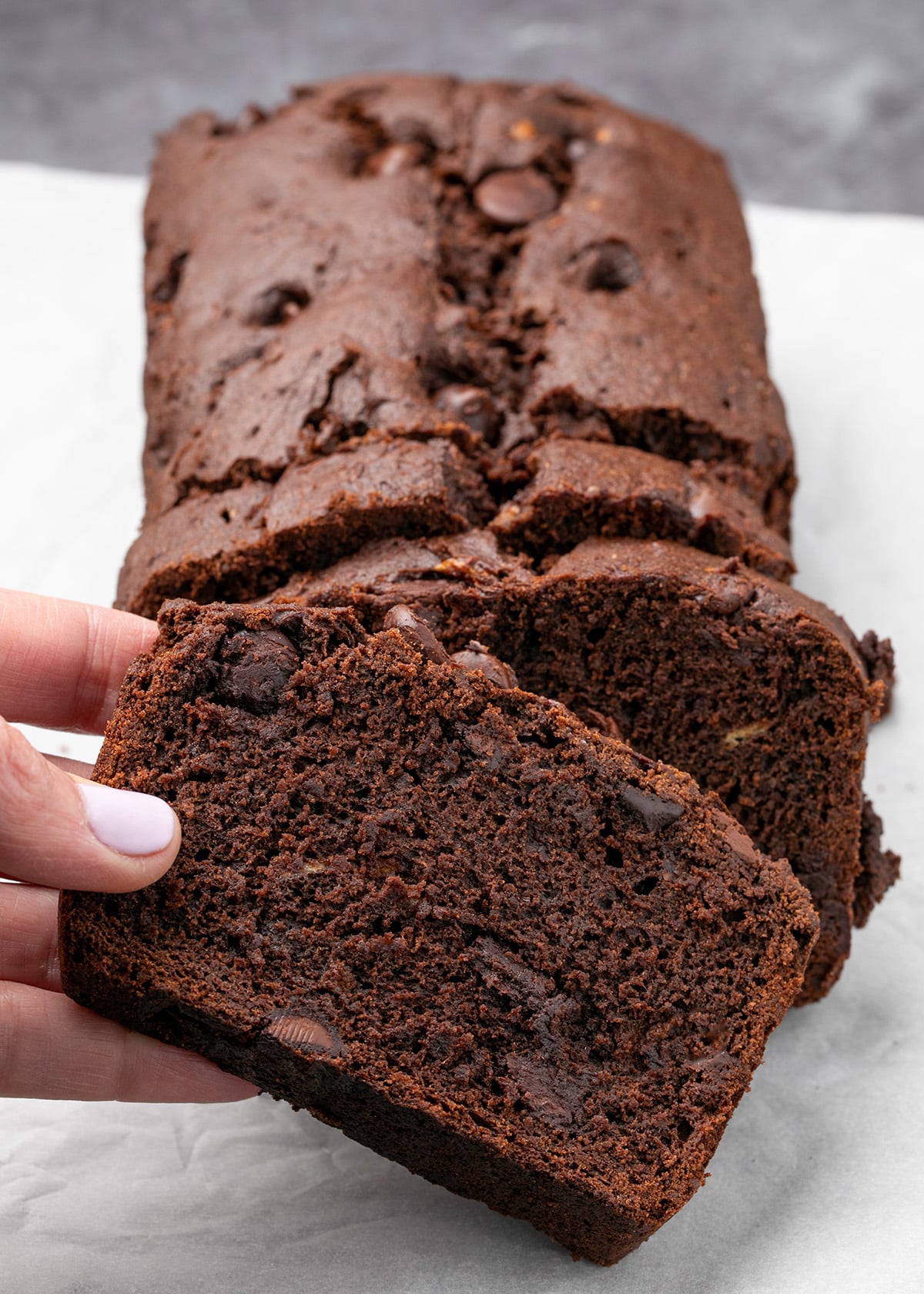
Preheat your oven to 350°F (175°C). Grease and line a standard loaf pan with parchment paper, ensuring the paper extends slightly over the sides to facilitate easy removal of the baked bread. Scrape the thick batter into the prepared pan and use a moistened spatula to spread it into an even layer. To promote controlled steam release during baking and encourage an even rise, score the top of the loaf lengthwise down the center, about 1/4 inch deep.
Step 7: The Baking Process
Place the loaf pan on the center rack of the preheated oven. Bake for an initial 30 minutes, then rotate the pan halfway around to ensure even baking. Continue baking for an additional 25 minutes, or until the bread is firm to the touch and a toothpick inserted into the center comes out clean. Given the dark color of the bread, it can be challenging to judge doneness by appearance alone, so rely on the toothpick test and the firmness of the loaf.
Step 8: Cooling and Slicing
Once baked, allow the bread to cool in the pan for 10 minutes. Then, carefully lift it out using the parchment paper overhang and transfer it to a wire rack to cool completely. It is crucial to remove the parchment paper to allow air to circulate around the entire loaf, promoting even cooling. The cooling process can take approximately 45 minutes due to the bread’s density; slicing too early can result in a crushed loaf.
Expert Insights for Optimal Results
Several key tips can elevate the success of this gluten-free chocolate banana bread from good to exceptional.
The Egg Factor: Enhancing Structure and Moisture
While the recipe can be successfully prepared with one egg, using two eggs is recommended for a noticeably taller loaf with improved structure. The additional egg contributes to a more robust crumb that slices more cleanly and also adds extra moisture, extending the bread’s tender lifespan.
The Loaf Pan Choice: Light is Right
The color of your loaf pan can significantly impact the baking outcome. Light-colored, nonstick pans made from cast aluminum are ideal. Darker pans absorb more heat, potentially leading to the outside of the bread burning before the interior is fully cooked. This is particularly important for dark-colored baked goods like this chocolate banana bread, where visual cues for burning are less apparent.
The Banana Ripeness: Nature’s Sweetener
The sweetness and moisture content of bananas are directly correlated with their ripeness. Naturally ripened bananas, characterized by a speckled or even entirely brown peel, are essential for achieving the best flavor and texture. While methods exist to speed up ripening (like placing bananas in a paper bag with an apple), avoid attempting to ripen them in the oven, as this process blackens the peel without developing the necessary sugars.
Navigating Ingredient Substitutions
For those with dietary restrictions or preferences, several substitutions can be made while maintaining the integrity of the recipe.
Egg-Free Adaptation
To create an egg-free version, a "chia egg" can be used as a substitute for each egg. This involves mixing 1 tablespoon of ground white chia seeds with 2 tablespoons of lukewarm water and allowing it to gel. Alternatively, for a single-egg substitution, a combination of 1 teaspoon of xanthan gum and 2 tablespoons of plain Greek yogurt can be employed.
Dairy-Free Considerations
For a dairy-free loaf, substitute the sour cream with a nondairy sour cream alternative. Similarly, opt for a block-style vegan butter (brands like Melt or Miyoko’s Kitchen are often recommended) rather than tub-style vegan butter, which typically has a higher oil content and may not yield the same results.
Storage and Revitalization
Proper storage is key to preserving the freshness of this gluten-free chocolate banana bread.
Room Temperature and Freezer Storage
Wrapped tightly, the bread can be stored at room temperature for two to three days. Refrigeration is generally not advised as it can lead to dryness. For longer storage, individually wrap slices and freeze them for up to three months.
Revitalizing Frozen Slices
To refresh frozen slices, allow them to defrost gently either in a low-power microwave or at room temperature. For an optimal result, lightly sprinkle the defrosted bread with lukewarm water and warm it through in a 300°F (150°C) toaster oven until heated.
Frequently Asked Questions
Can Sour Cream Be Replaced with Milk?
No, milk is not a suitable substitute for sour cream in this recipe. However, plain Greek-style yogurt is an excellent alternative. If Greek-style yogurt is unavailable, regular plain yogurt can be strained in a fine-mesh sieve until it achieves a consistency similar to sour cream or Greek yogurt.
Why Did My Bread Sink During Cooling?
A sunken loaf typically indicates that it was not fully baked through in the center. The exterior may have cooked too quickly, causing the bread to rise in the oven, but the underbaked interior could not support the structure as it cooled, leading to collapse. Using an oven thermometer to ensure accurate oven temperature is crucial, as many ovens tend to run hotter than indicated.
This gluten-free chocolate banana bread represents a sophisticated approach to a beloved classic, offering a rich, moist, and deeply flavorful experience that stands as a testament to the advancements in gluten-free baking.
