

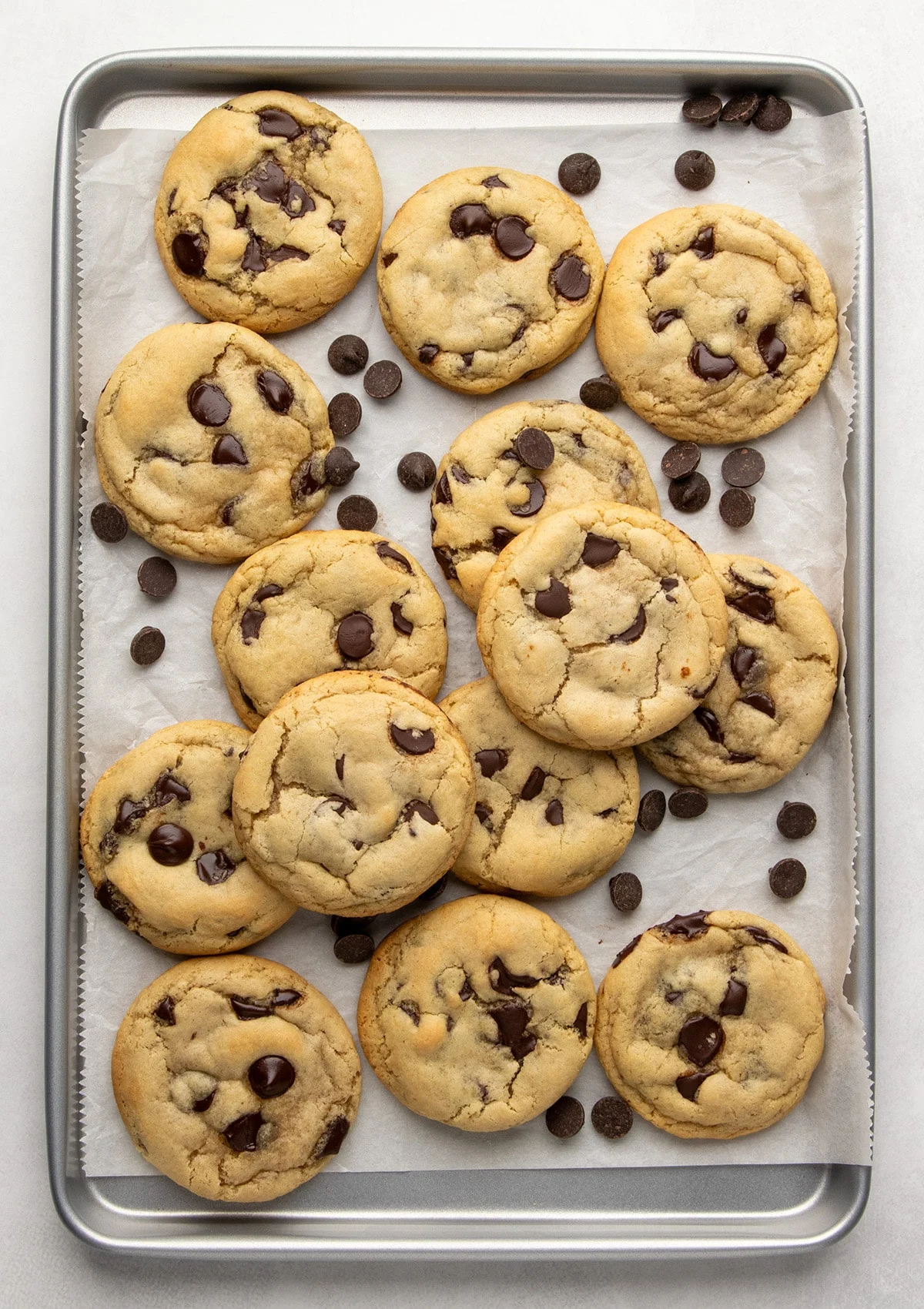
In the ever-evolving landscape of dietary restrictions and culinary innovation, a new benchmark has been set for gluten-free and dairy-free baking. A recently published recipe for gluten-free, dairy-free chocolate chip cookies promises a delightful departure from the often-disappointing results associated with alternative baking. This recipe, developed with meticulous attention to ingredient science and baking techniques, aims to deliver a cookie that is not only compliant with specific dietary needs but also rivals the taste and texture of traditional favorites.
The core of this culinary advancement lies in its intentional design to be free from dairy from the outset, rather than relying on simple substitutions that can compromise the final product. Traditional attempts at dairy-free cookies often result in thin, greasy, and overly spread-out results. This new recipe combats these issues by employing a strategic combination of ingredients and methods.
The Science Behind the Success

At the heart of this recipe’s efficacy is the use of cold, block-style vegan butter. Unlike the softer, tub varieties, block vegan butter offers a firmer consistency, crucial for controlling spread during baking. The recipe advocates for cutting this cold butter into the dry ingredients. This technique, a staple in many traditional pastry recipes, helps to create pockets of fat within the dough. When baked, these pockets melt, contributing to a tender crumb and preventing the dough from becoming a greasy mass. This method bypasses the creaming of butter and sugar, a process that can be problematic with vegan butter due to its lower melting point and delicate emulsion.
Complementing the vegan butter is almond flour. This gluten-free staple is lauded for its ability to impart moisture, promote desirable browning, and contribute a subtle, nutty flavor that enhances the overall buttery profile of the cookie. The recipe also suggests the optional inclusion of a butter bakery emulsion, a flavoring agent that can further amplify the rich, buttery notes, though the cookies are reported to perform admirably even without it.
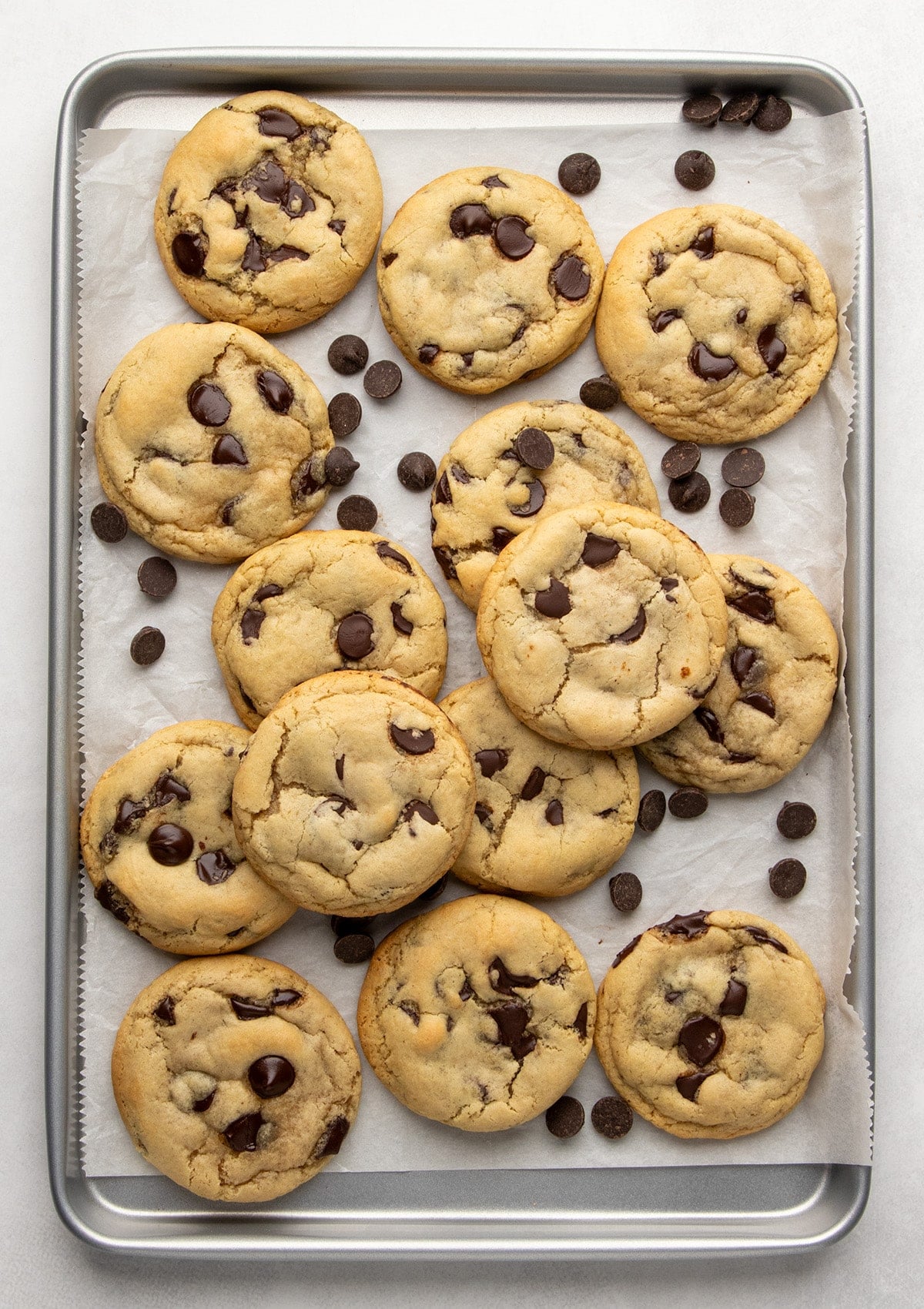
A crucial step highlighted in the recipe’s development is the short chilling period for the cookie dough. This brief chill solidifies the fats within the dough, making it easier to handle and shape. More importantly, it significantly reduces excessive spreading during baking, allowing the cookies to achieve a desirable thick profile with satisfyingly crisp edges and wonderfully soft centers. The recommendation to pull the cookies from the oven when their centers still appear slightly underbaked is key to ensuring continued softness as they cool, a hallmark of a truly exceptional cookie.
A Departure from Compromise
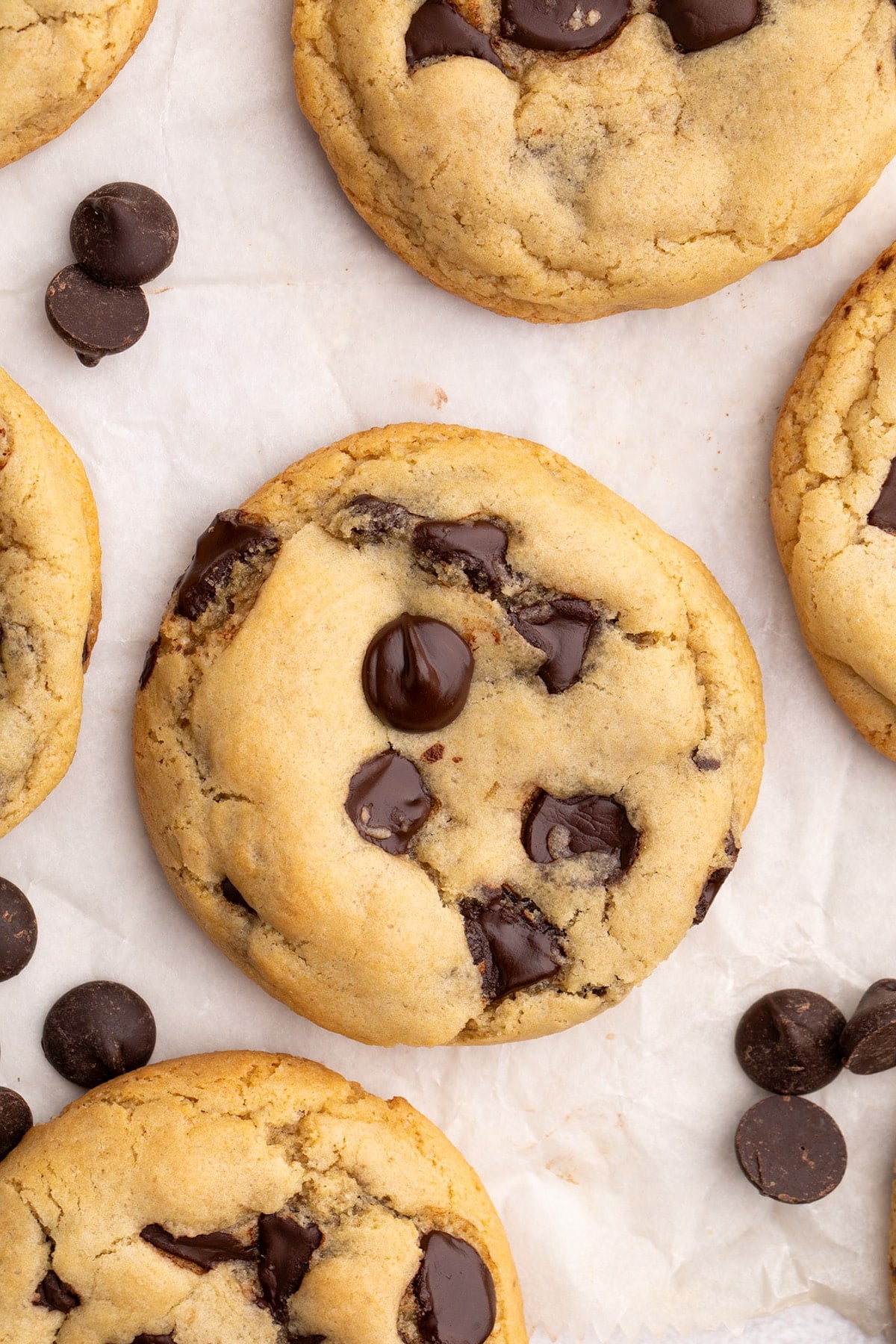
Many existing gluten-free and dairy-free cookie recipes often present themselves as having a "dairy-free option" without fundamental recipe adjustments. This approach frequently leads to subpar results because vegan butter behaves differently from dairy butter in baking. The recipe under discussion directly addresses this by acknowledging that a successful dairy-free cookie requires a reimagined approach. By integrating cold, block-style vegan butter and carefully considering the role of almond flour, the recipe moves beyond mere adaptation to create a truly optimized experience for those seeking dairy-free indulgence.
The development process emphasizes a deep understanding of ingredient interactions. The choice of a well-balanced gluten-free flour blend, specifically one that contains xanthan gum, is also paramount. For those who may not have a preferred blend readily available, the recipe offers guidance on creating homemade alternatives that mimic commercial blends, ensuring accessibility and consistent results. This level of detail underscores a commitment to empowering home bakers.
Timeline of Baking Excellence
The creation of this recipe can be understood as a deliberate journey to overcome common baking challenges. The initial phase likely involved extensive testing of various fat sources and their impact on cookie texture and spread. The decision to use cold, block-style vegan butter signifies a move away from easier, but less effective, alternatives. The subsequent integration of almond flour points to a focus on achieving both flavor and textural balance.
The emphasis on a short chilling period suggests a period of refinement, where bakers likely observed that even with the right ingredients, a brief rest could elevate the cookie’s final appearance and texture. This iterative process, common in culinary research and development, ensures that each component of the recipe serves a specific purpose in achieving the desired outcome. The final stage would involve rigorous testing to confirm consistency across batches and to establish optimal baking times and temperatures.
Broader Implications for Dietary Baking
The success of this gluten-free, dairy-free chocolate chip cookie recipe has broader implications for the wider dietary baking community. It demonstrates that with careful formulation and an understanding of ingredient science, it is possible to create baked goods that are free from common allergens and dietary restrictions without sacrificing quality or taste. This can significantly improve the quality of life for individuals managing conditions like celiac disease, lactose intolerance, or dairy allergies, offering them access to treats that are indistinguishable from their traditional counterparts.
Furthermore, the recipe’s detailed explanations and expert tips demystify the process of alternative baking. By explaining why certain steps are important—such as the rationale behind using cold butter or the benefit of a short chill—the recipe educates bakers and builds confidence, encouraging them to experiment and adapt other recipes. This educational aspect is invaluable in fostering a more inclusive and enjoyable baking environment.
Ingredient Breakdown and Substitutions
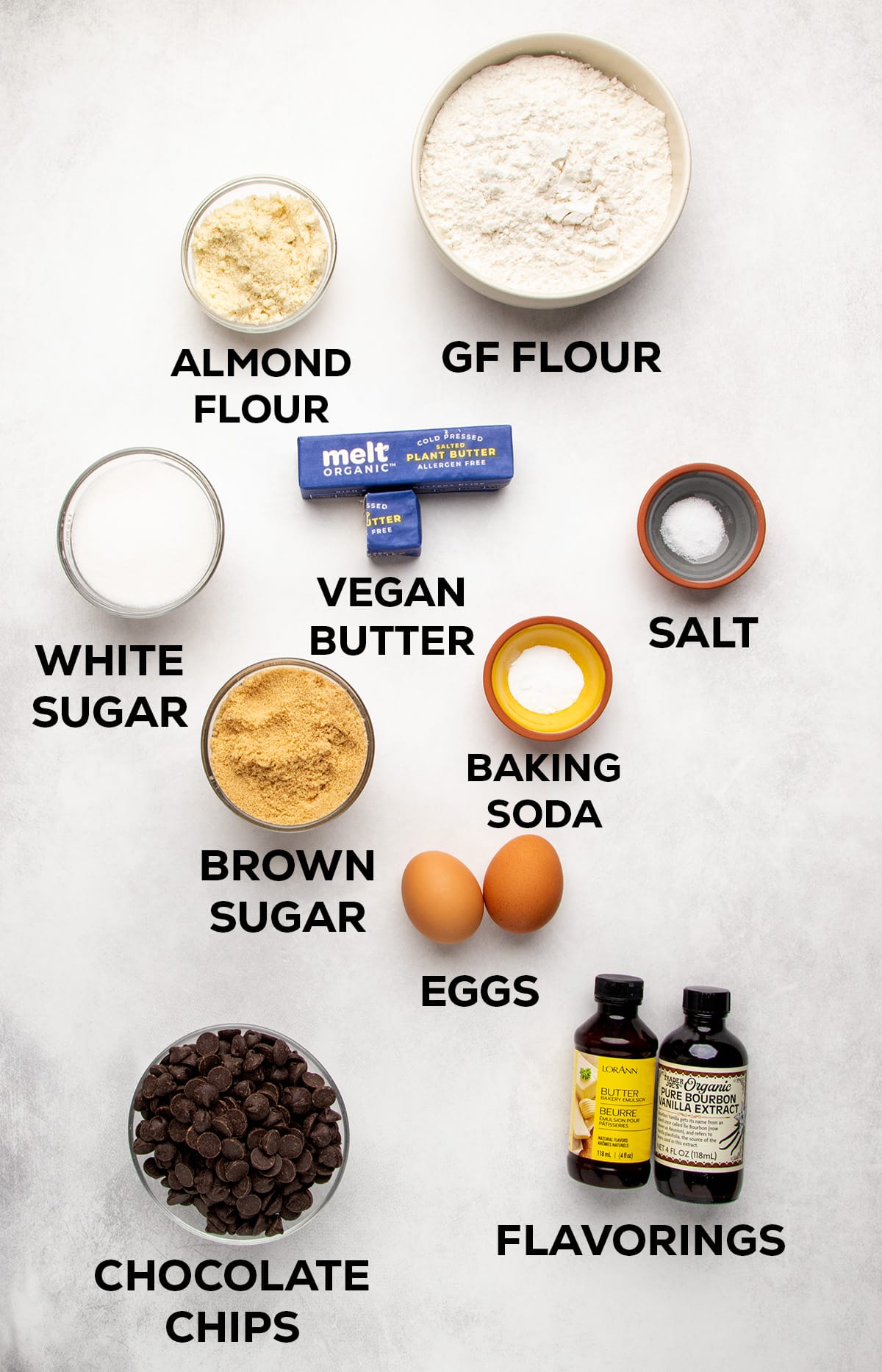
The recipe calls for a specific set of ingredients, each chosen for its role in achieving the desired texture and flavor:
- Gluten-Free Flour Blend: A well-balanced blend is crucial. The recipe specifically recommends Better Batter’s original all-purpose blend or Bob’s Red Mill 1-to-1 baking flour, with a note to add extra xanthan gum if using the latter.
- Almond Flour: Provides moisture, tenderness, and a subtle nutty flavor.
- Cold, Block-Style Vegan Butter: Essential for controlling spread and achieving a tender crumb.
- Eggs: Act as a binder and contribute to richness. For an egg-free option, the recipe suggests chia eggs, Bob’s Red Mill Egg Replacer, or JustEgg liquid egg substitute.
- Granulated Sugar and Light Brown Sugar: Contribute to sweetness, moisture, and browning.
- Baking Soda: The leavening agent that helps the cookies rise.
- Salt: Enhances flavor.
- Vanilla Extract and Butter Bakery Emulsion (Optional): For added flavor depth. If butter emulsion is unavailable, additional vanilla extract or almond extract can be used, or it can be omitted entirely.
- Chocolate Chips: The classic cookie component.
For those with nut allergies, the recipe offers alternatives for almond flour, suggesting finely ground hazelnut flour or oat flour. It also includes a crucial warning about Miyoko’s vegan butter, which is made with cashew milk and should be avoided by those with tree nut allergies.
Storage and Longevity
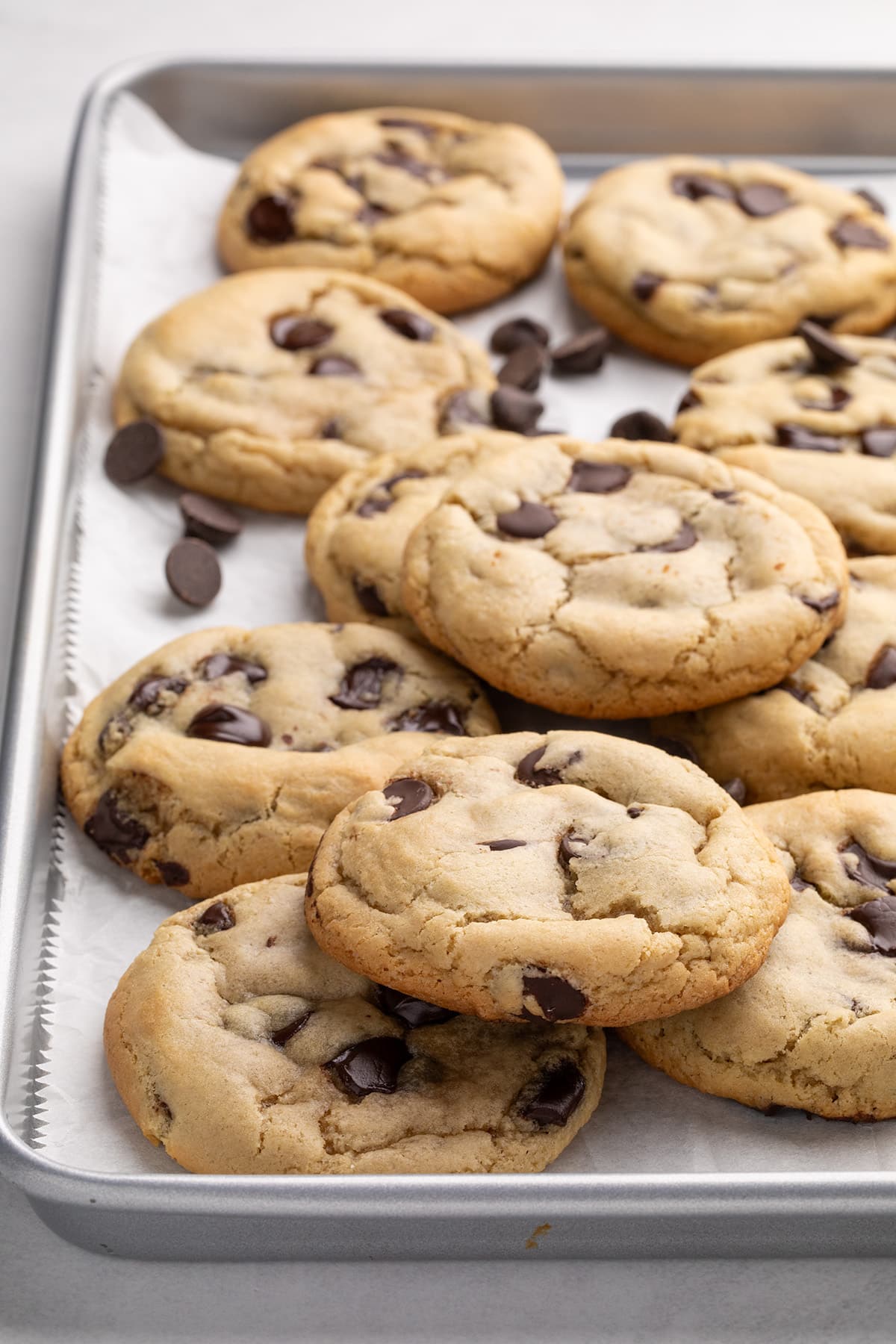
The recipe also provides practical advice on storing both the dough and the baked cookies. Chilled raw dough portions can be kept in the refrigerator for up to a week, allowing for flexible baking schedules. Baked and cooled cookies can be stored in an airtight container at room temperature for up to five days, maintaining their freshness. For longer preservation, the cookies can be frozen for up to three months, retaining their quality and flavor upon thawing.
Conclusion
This gluten-free, dairy-free chocolate chip cookie recipe represents a significant advancement in alternative baking. By prioritizing intentional design over simple substitution and by meticulously explaining the science behind its success, it empowers bakers to create truly exceptional cookies that cater to specific dietary needs without compromise. The detailed instructions, ingredient insights, and expert tips offer a comprehensive guide, making this recipe a valuable resource for anyone seeking delicious, allergy-friendly treats. The resulting cookies, characterized by their thick structure, crisp edges, and soft centers, are a testament to the power of thoughtful culinary innovation.
