

Jodi Ettenberg, the founder of the influential travel and food platform Legal Nomads, has announced a significant transition in both her personal living arrangements and professional focus as she continues to manage a long-term spinal cerebrospinal fluid (CSF) leak. Following a hiatus from long-form blogging that began in April 2021, Ettenberg has provided a comprehensive update regarding her relocation to Gatineau, Quebec, her evolving health diagnosis involving mast cell complications, and a strategic rebranding of her digital presence. This shift marks a definitive departure from her previous career as a global travel storyteller toward a new role as a chronic pain advocate and curator of intellectual curiosity.
Medical Context and the Pathophysiology of Chronic CSF Leaks
The primary driver of Ettenberg’s professional hiatus and lifestyle adjustment remains a persistent spinal CSF leak, a condition characterized by a tear or hole in the dura mater—the outermost layer of the meninges that surrounds the brain and spinal cord. This allows the fluid that cushions the brain to escape, leading to intracranial hypotension. The hallmark symptom is a debilitating positional headache that worsens when upright and improves when lying flat.
According to the Spinal CSF Leak Foundation, these leaks are often misdiagnosed as migraines or tension headaches, leading to significant delays in treatment. For Ettenberg, the condition has necessitated a radical reduction in physical activity and "bandwidth," forcing her to prioritize short-form social media updates over labor-intensive blog content.

In her latest update, Ettenberg revealed that further consultations with specialists have allowed her to "connect the dots" regarding her health. This includes the identification of issues related to mast cells—immune system "sentinels" that reside in tissues throughout the body, including the brain and connective tissues. Mast Cell Activation Syndrome (MCAS) is frequently comorbid with other connective tissue disorders and can exacerbate the symptoms of a CSF leak. The integration of this medical data provides a clearer explanation for the years of chronic pain Ettenberg endured prior to the onset of the leak, suggesting a systemic underlying vulnerability in her immune and connective tissue systems.
Chronology of Recovery and Relocation
The timeline of Ettenberg’s recent transition highlights a move toward "semi-independent" living, a significant milestone after years of high dependency on caregivers.
- 2017: Ettenberg suffers a life-altering spinal CSF leak following a medical procedure, ending her career as a full-time travel blogger.
- 2017–2020: Period of intense disability, multiple medical interventions, and a reliance on a support network for basic daily functions.
- April 2021: Final blog post before a seasonal hiatus to focus on health and infrastructure.
- May 2021: Relocation to Gatineau, Quebec. The move was strategic, placing her across the Ottawa River from family members in Ontario while allowing her to test her ability to live alone.
- Summer 2021: Adaptation period. Ettenberg began modified walking routines and implemented ergonomic changes to her living space to accommodate her physical limitations.
- October/November 2021: Formal announcement of the Legal Nomads rebrand and the launch of new support structures for her community.
The move to Gatineau required significant environmental modifications. Due to the positional nature of her pain, standard household tasks became prohibitive. Ettenberg reported that the initial weeks were "deflating" as she encountered physical barriers, such as a freezer drawer that was too low to open without exacerbating her leak and kitchenware that was too heavy for her weakened state. Through the use of adaptive technology—including a kitchen rolling cart, lightweight dishes, and elevated storage bins—she has managed to reclaim a degree of autonomy.
Strategic Rebranding: From Food Stories to Radical Curiosity
The digital evolution of Legal Nomads reflects Ettenberg’s physical reality. The original slogan, "telling stories through food," has been retired in favor of "curious about everything." This change acknowledges that while her mobility is restricted, her intellectual engagement remains intact.

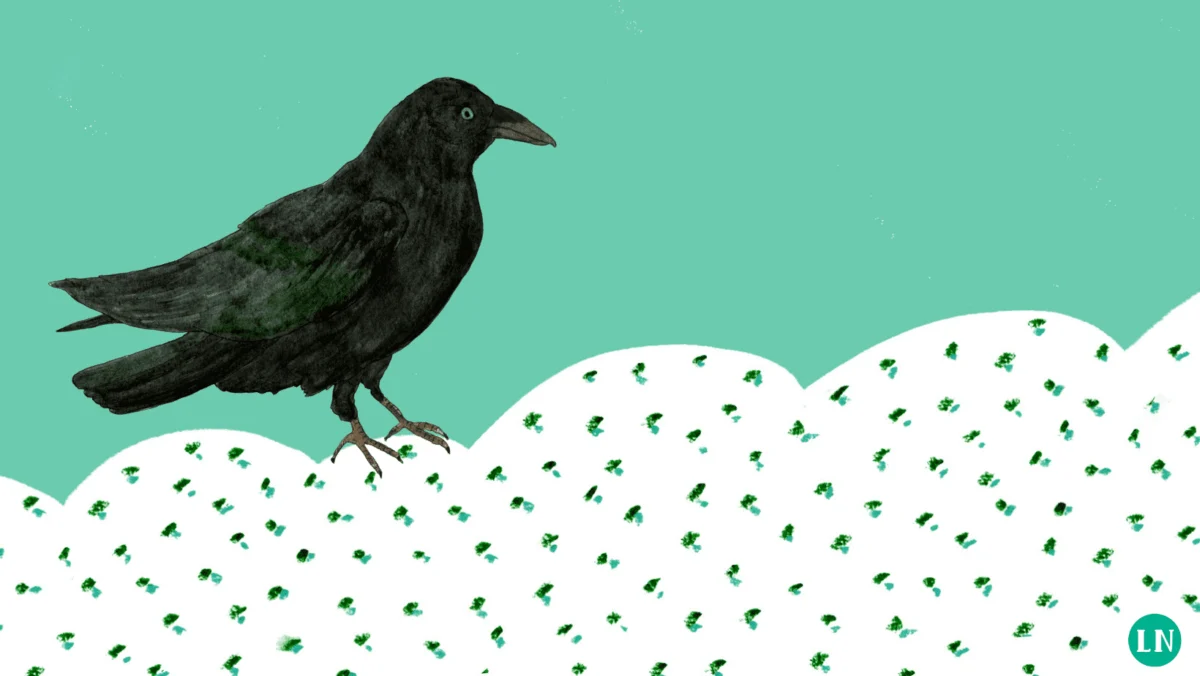
Central to this rebrand is the introduction of "Arthur the Raven" as the site’s mascot. Chosen for the bird’s reputation for intelligence and curiosity, the raven serves as a "throughline" for the site’s new direction. The visual identity was developed by artist Ella F. Sanders, a long-time collaborator, while the technical overhaul was managed by a specialized web development team.
The site’s architecture has also been updated to elevate "Health" and "Chronic Pain" to primary categories on the homepage. This structural change aligns the website with Ettenberg’s current output, which focuses on the intersection of mindset, disability, and the processing of grief associated with the loss of one’s former life.
The Creator Economy and Community Support Models
As Ettenberg’s ability to generate traditional advertising revenue through travel content diminished, she transitioned to a community-supported model. This reflects a broader trend in the creator economy where specialized influencers move away from broad-reach metrics toward deep-engagement models like Patreon.
Ettenberg was recently named a Patreon Ambassador, a distinction held by a small fraction of the platform’s 200,000+ creators. This role involves participating in product focus groups and collaborating with Patreon’s team to refine strategies for creator-audience relationships. Her Patreon has evolved into a repository for resources on chronic pain management, featuring "Ask Me Anything" (AMA) sessions that address the logistics of disability and how supporters can best assist those in pain.

In addition to the subscription-based Patreon model, Ettenberg has implemented several other digital infrastructure updates:
- Newsletter Consolidation: The "Curious About Everything" (CAE) newsletter remains a free resource on Substack, focusing on curated long-form reads and photo essays.
- Email Transition: Following the deprecation of Google’s Feedburner service, Ettenberg migrated her RSS-to-email subscribers to ConvertKit, a move designed to ensure reliable delivery of her infrequent but substantive updates.
- One-Time Support: Responding to reader demand, she introduced a one-time payment option for those who wish to support her work without a recurring commitment.
Broader Implications for Chronic Pain Advocacy
Ettenberg’s transition from a high-profile "digital nomad" to a chronic pain advocate provides a unique case study in the resilience of digital platforms. Her work now serves as a bridge between the healthy and the chronically ill, offering a "translated" perspective on the realities of living with an invisible disability.
The data regarding chronic pain in North America underscores the relevance of this work. The Centers for Disease Control and Prevention (CDC) estimates that approximately 20.4% of U.S. adults live with chronic pain, with 7.4% experiencing "high-impact" chronic pain that limits major life activities. Ettenberg’s documentation of her "uptime"—the limited hours she can remain upright—provides a qualitative look at these statistics.
Furthermore, her analysis of "mast cells" and the "dots" connecting her various symptoms highlights the growing patient-led movement to understand complex, multi-systemic illnesses. By sharing her lab results and specialist findings, she contributes to a body of anecdotal evidence that often precedes formal clinical recognition of complex syndromes.

Conclusion and Future Outlook
While Jodi Ettenberg’s physical world has shrunk from the global stage to a 3.5-kilometer radius in Gatineau, her digital footprint has expanded in depth. The rebranding of Legal Nomads signifies an acceptance of a "new normal" where "utility" is measured not by miles traveled, but by the support provided to a community navigating their own "terrible times."
The upcoming publication of her comprehensive guide on "Mental Mindset" and "How to Get Through Terrible Times" is expected to further cement her role as a key voice in the disability community. Despite the lack of a permanent medical cure for her CSF leak, Ettenberg’s strategic adaptations in her living environment and her professional infrastructure suggest a sustainable path forward. Her journey remains a significant example of how professional identity can be successfully reconstructed in the face of profound personal adversity.
