

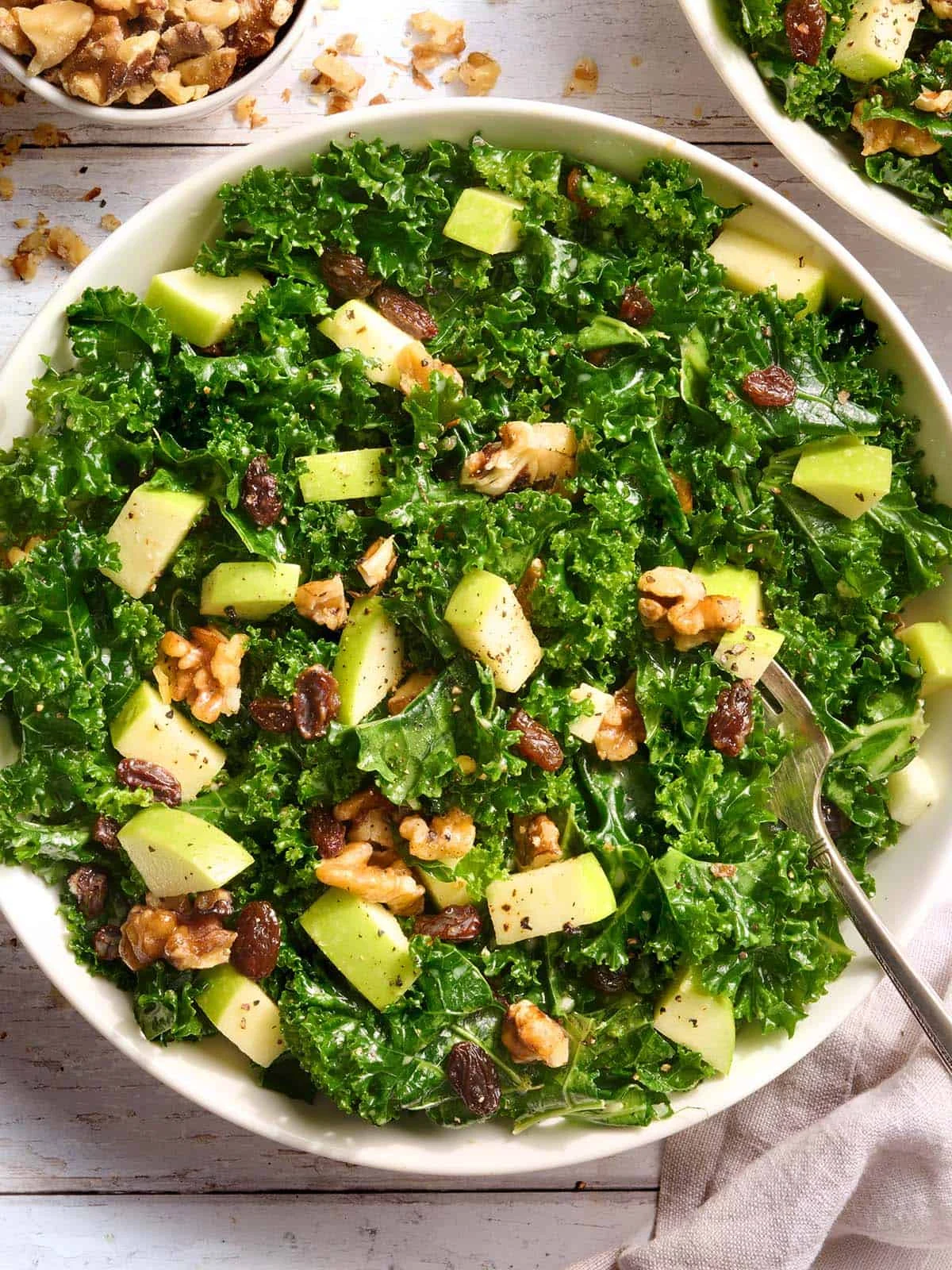
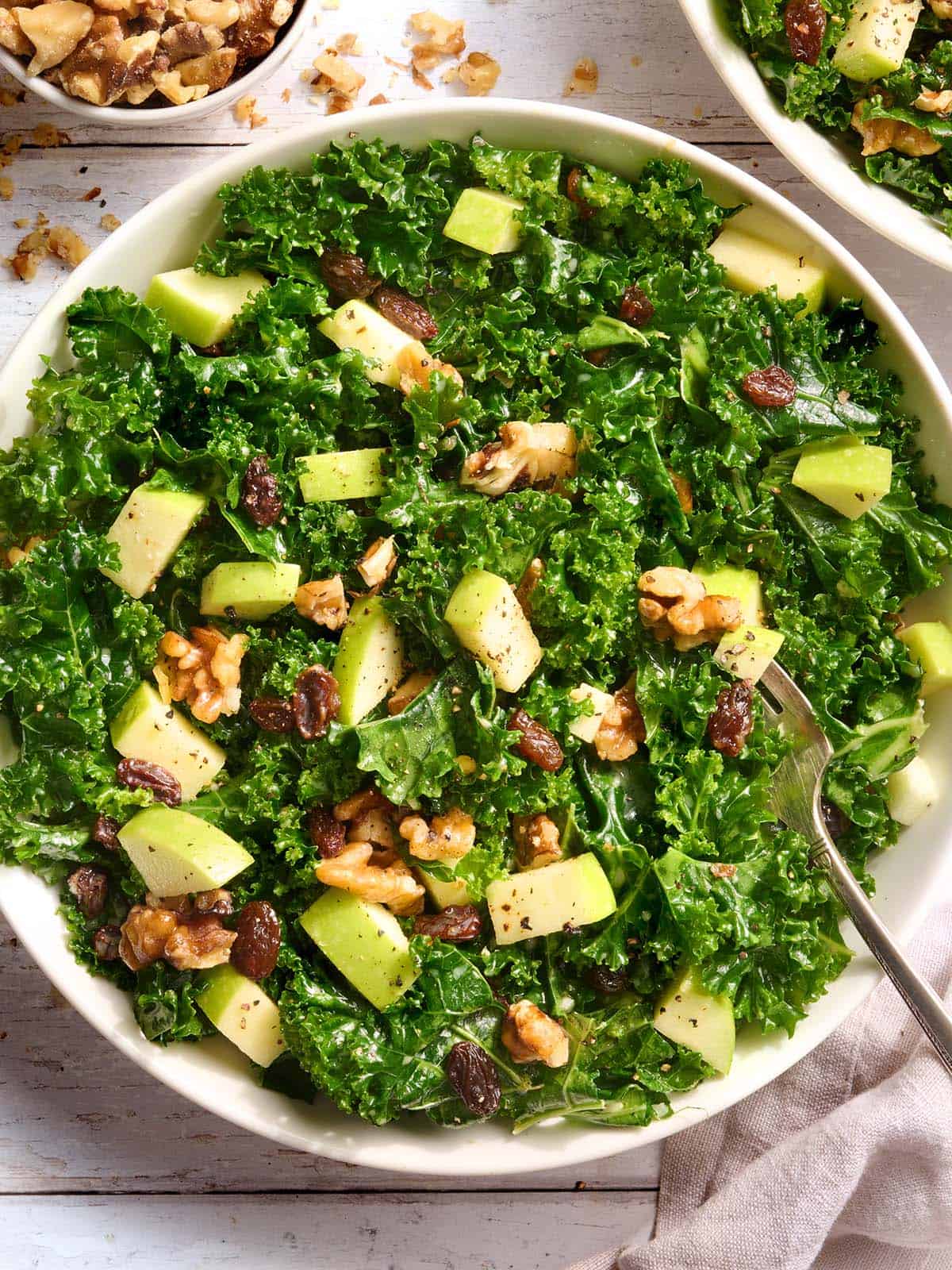
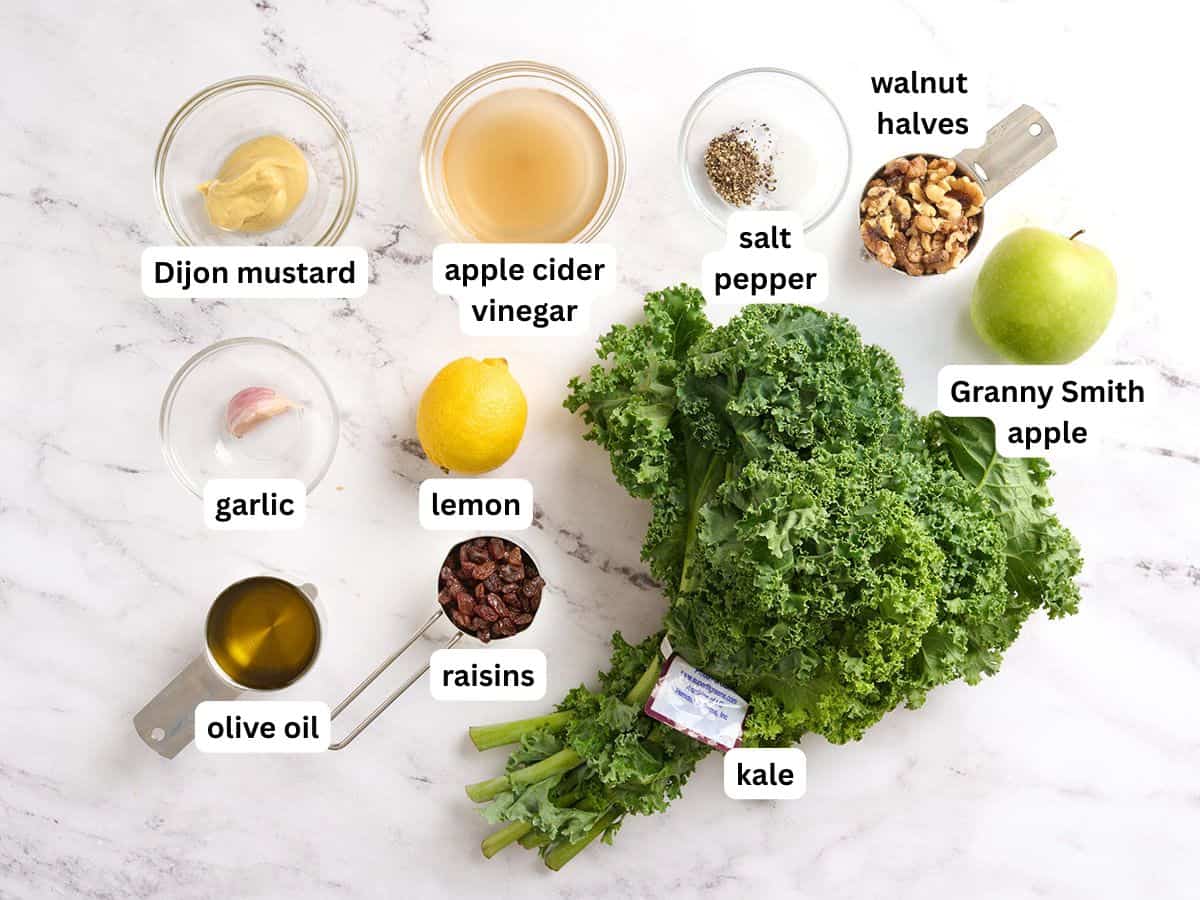
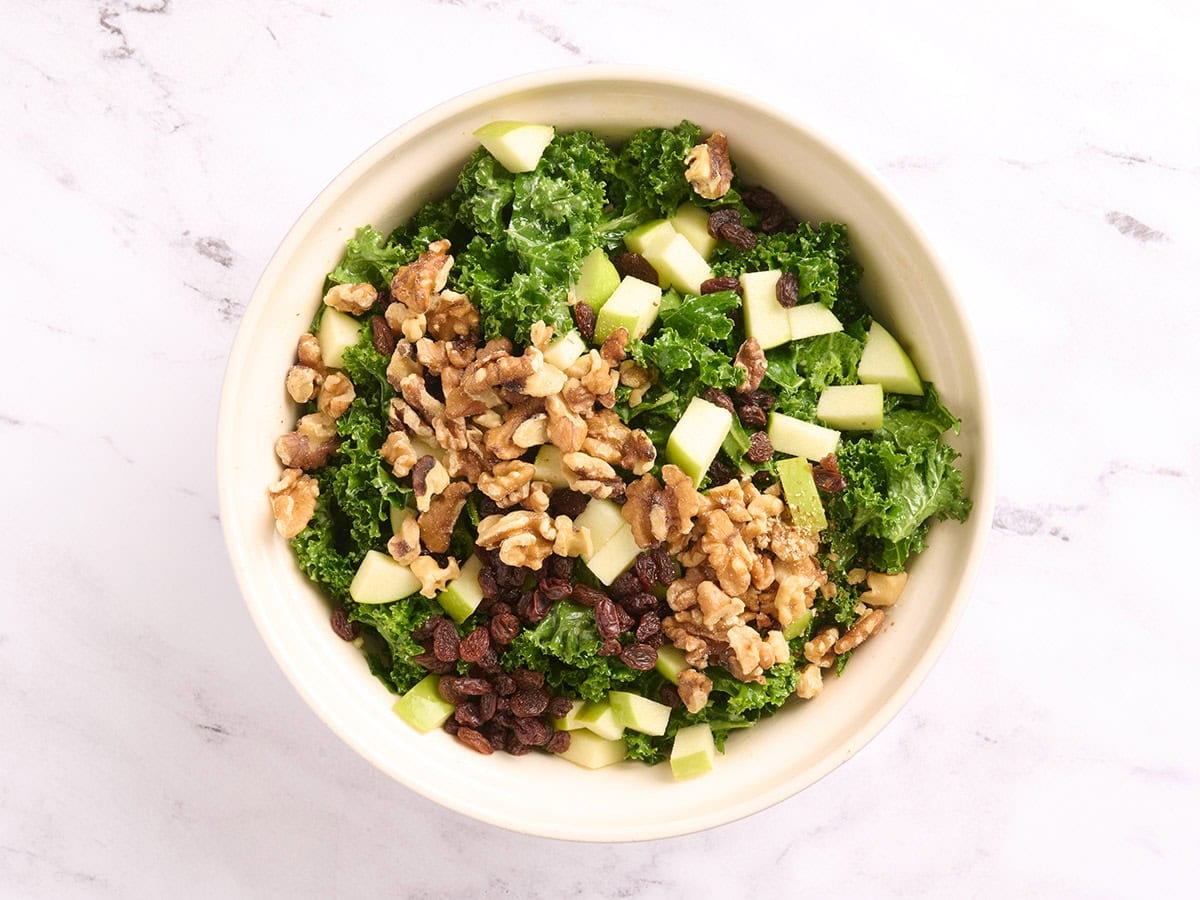
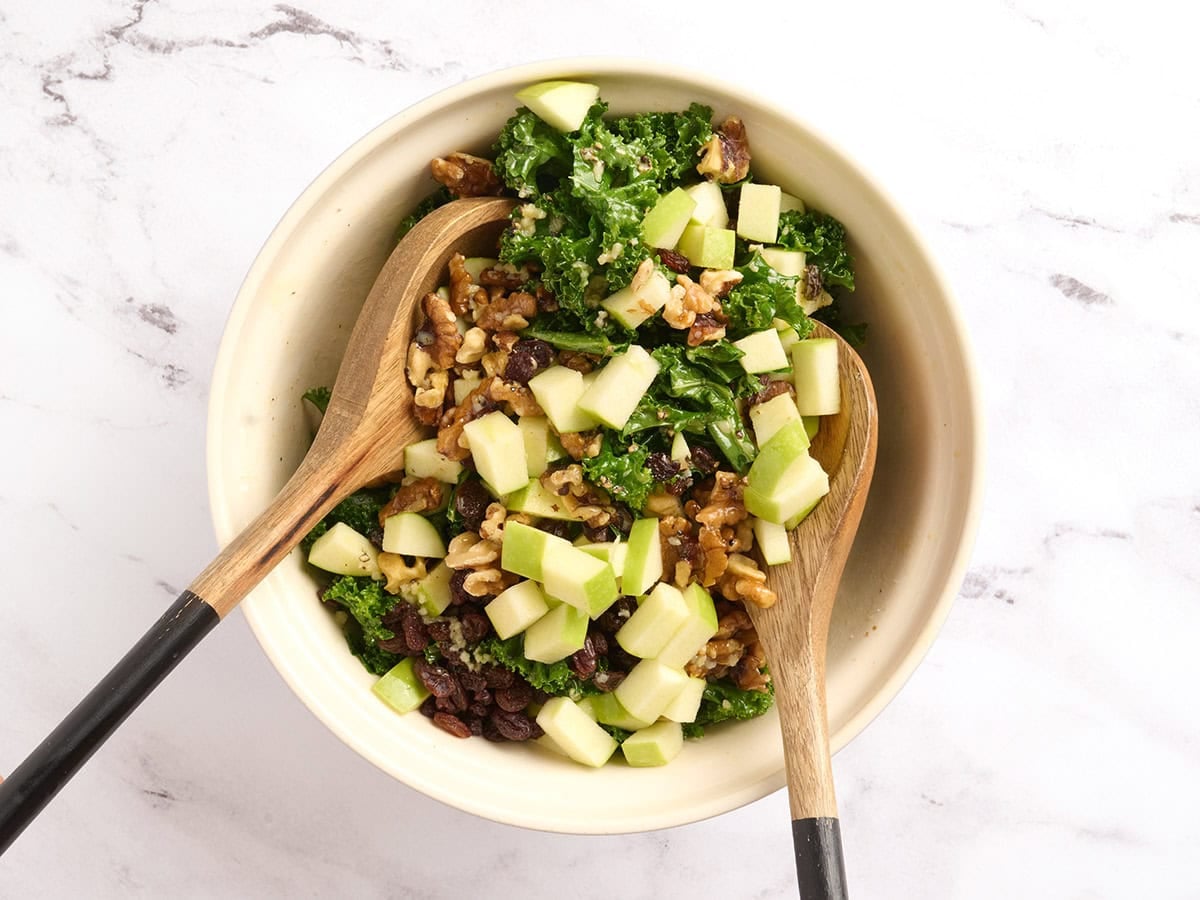
The culinary landscape of the 21st century has been significantly shaped by the rise of nutrient-dense leafy greens, with kale (Brassica oleracea var. sabellica) emerging as a central figure in both professional kitchens and domestic meal planning. Recent developments in culinary methodology, specifically those refined at the Nashville Test Kitchen, have highlighted a specific formulation of the kale salad that prioritizes texture, flavor balance, and economic efficiency. This particular preparation—utilizing curly or Lacinato kale, Granny Smith apples, walnuts, and a Dijon-based vinaigrette—represents a shift toward accessible, budget-friendly health food that addresses common consumer barriers such as produce bitterness and preparation time.
The Science and Methodology of Kale Preparation
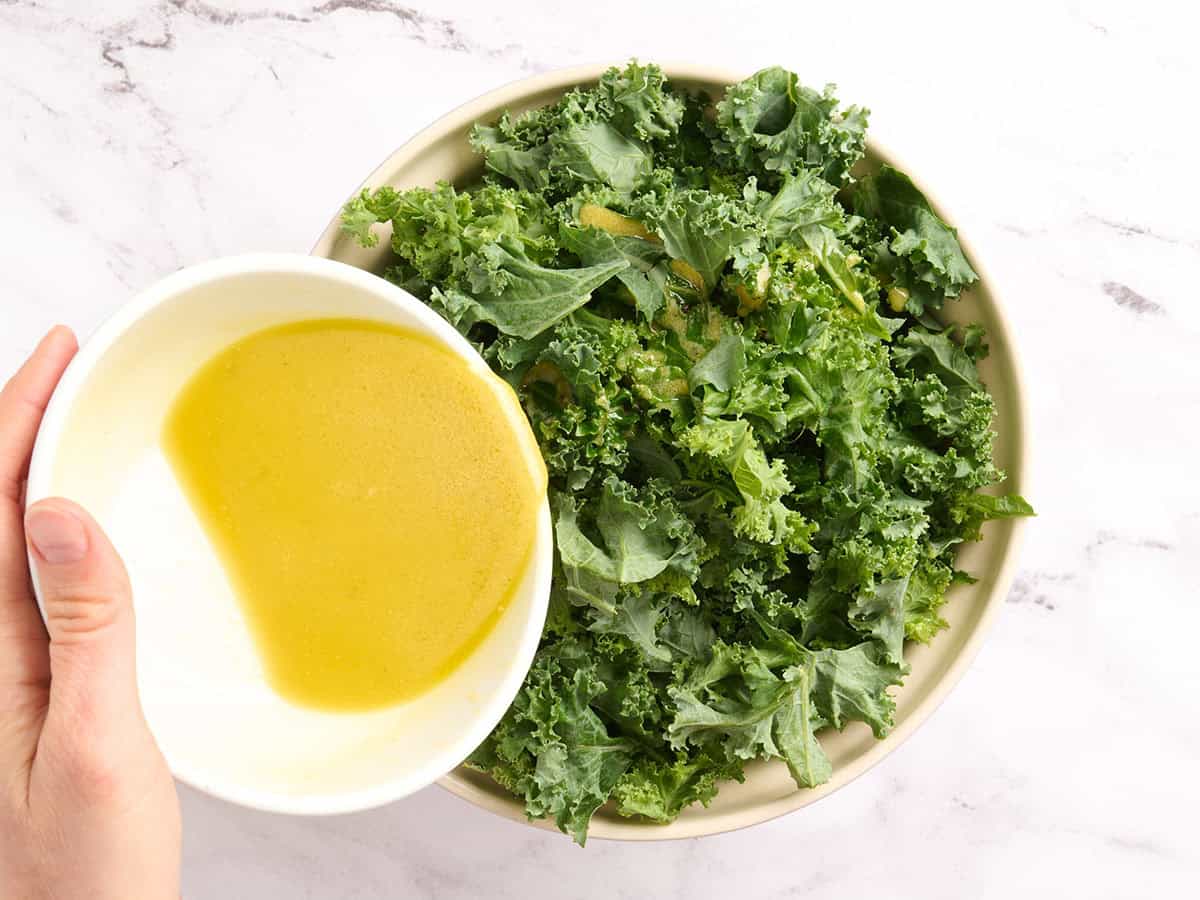
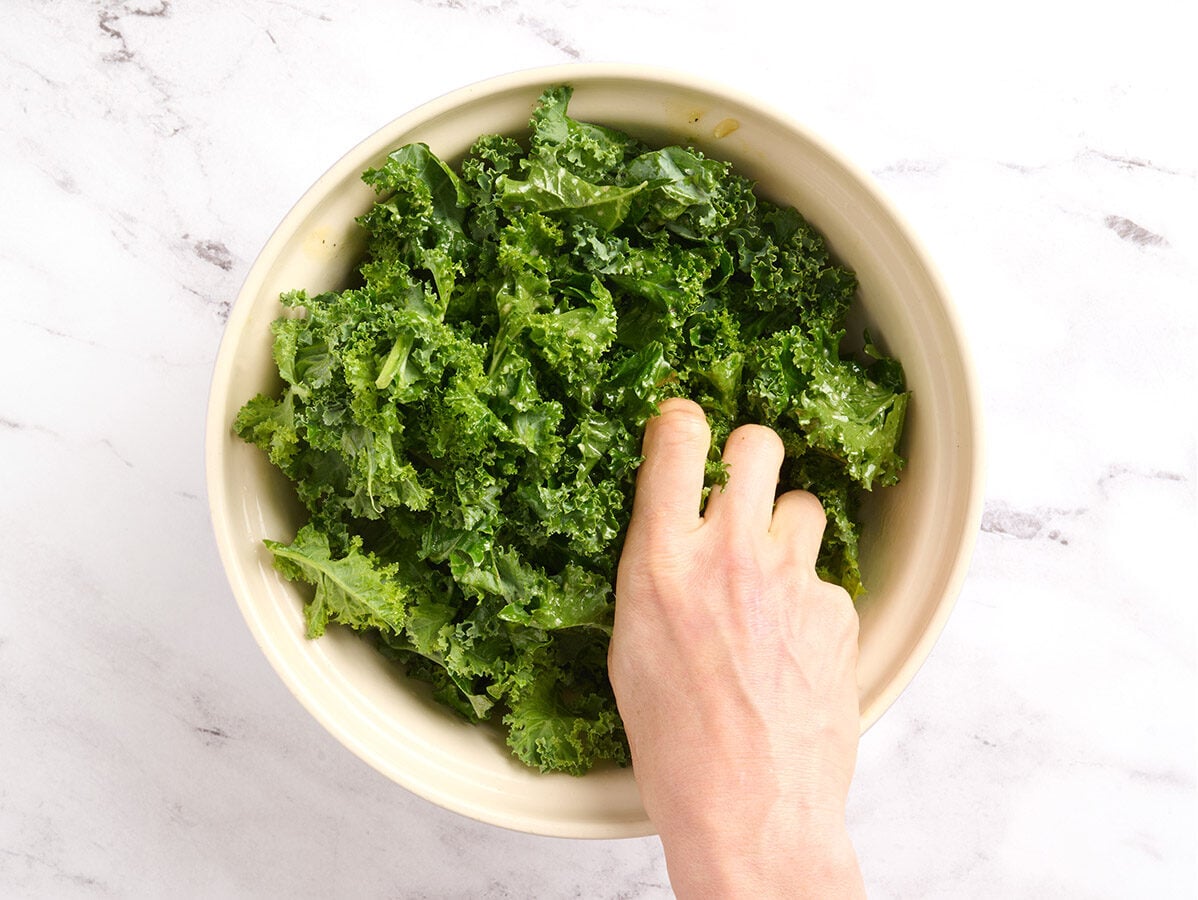
A primary challenge in the consumption of raw kale is its fibrous structure and the presence of glucosinolates, which can impart a bitter flavor and a tough, unpalatable texture. To mitigate these factors, culinary experts have standardized the "massaging" technique. This process involves the physical manipulation of the leaves with a vinaigrette for a duration of one to three minutes.
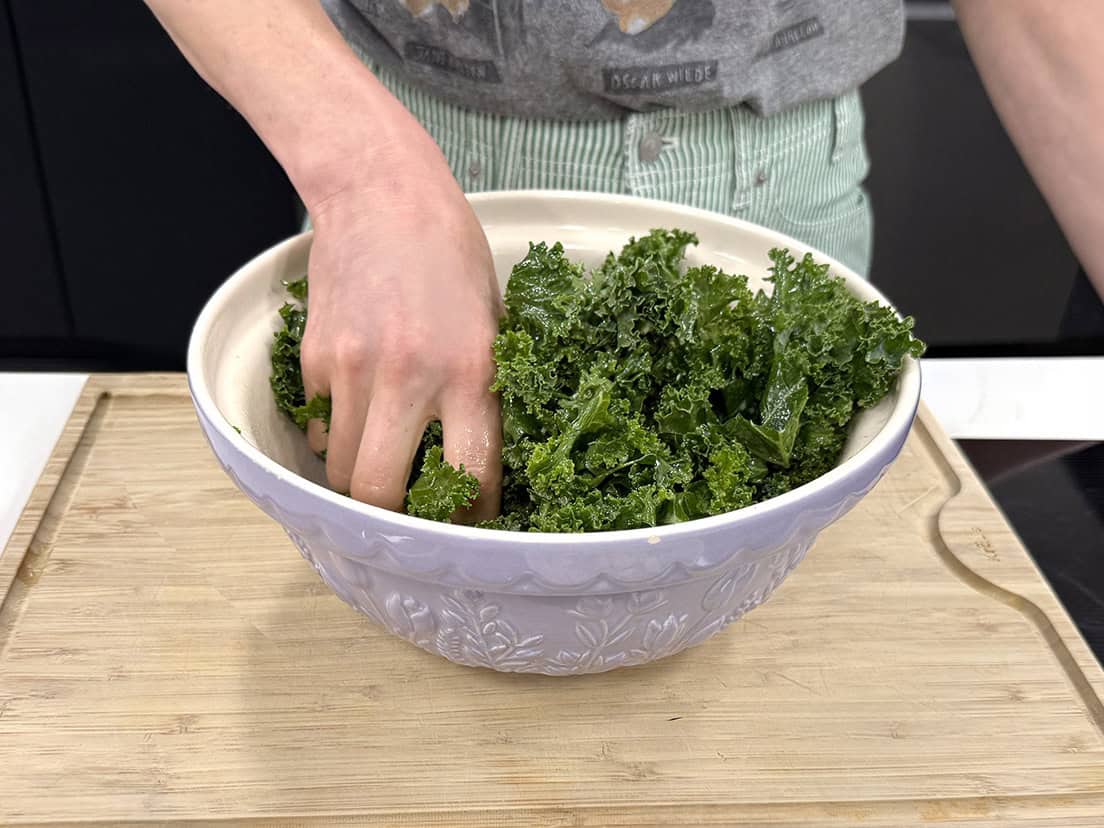
From a biochemical perspective, massaging the kale breaks down the rigid cellulose walls of the leaves. This mechanical action, combined with the acidity of apple cider vinegar and the fats in olive oil, initiates a partial "wilting" process without the application of heat. The results are visible and tactile: the leaves transition to a darker, glossier hue and a softer consistency. This method not only improves the sensory experience but also facilitates the absorption of the dressing, making the nutrients more bioavailable and the flavor profile more integrated.
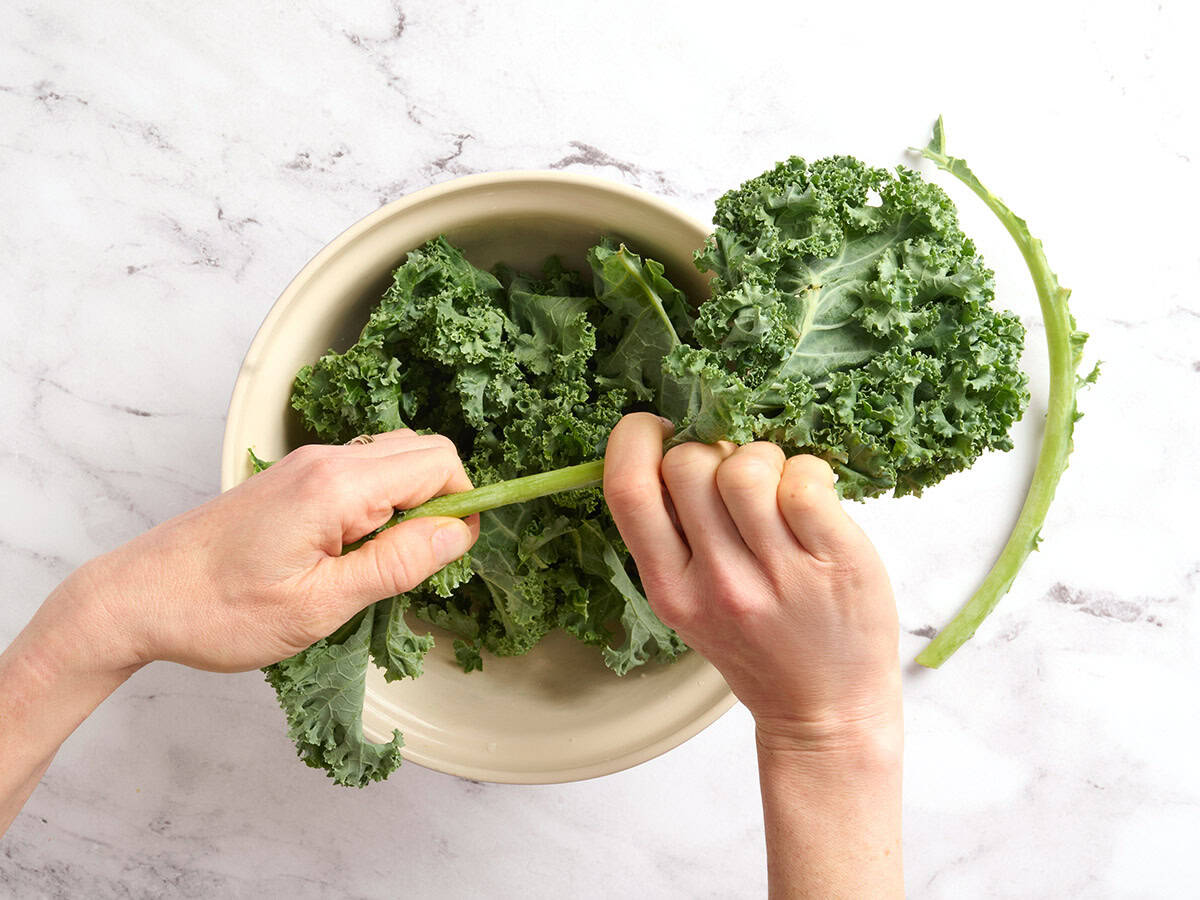
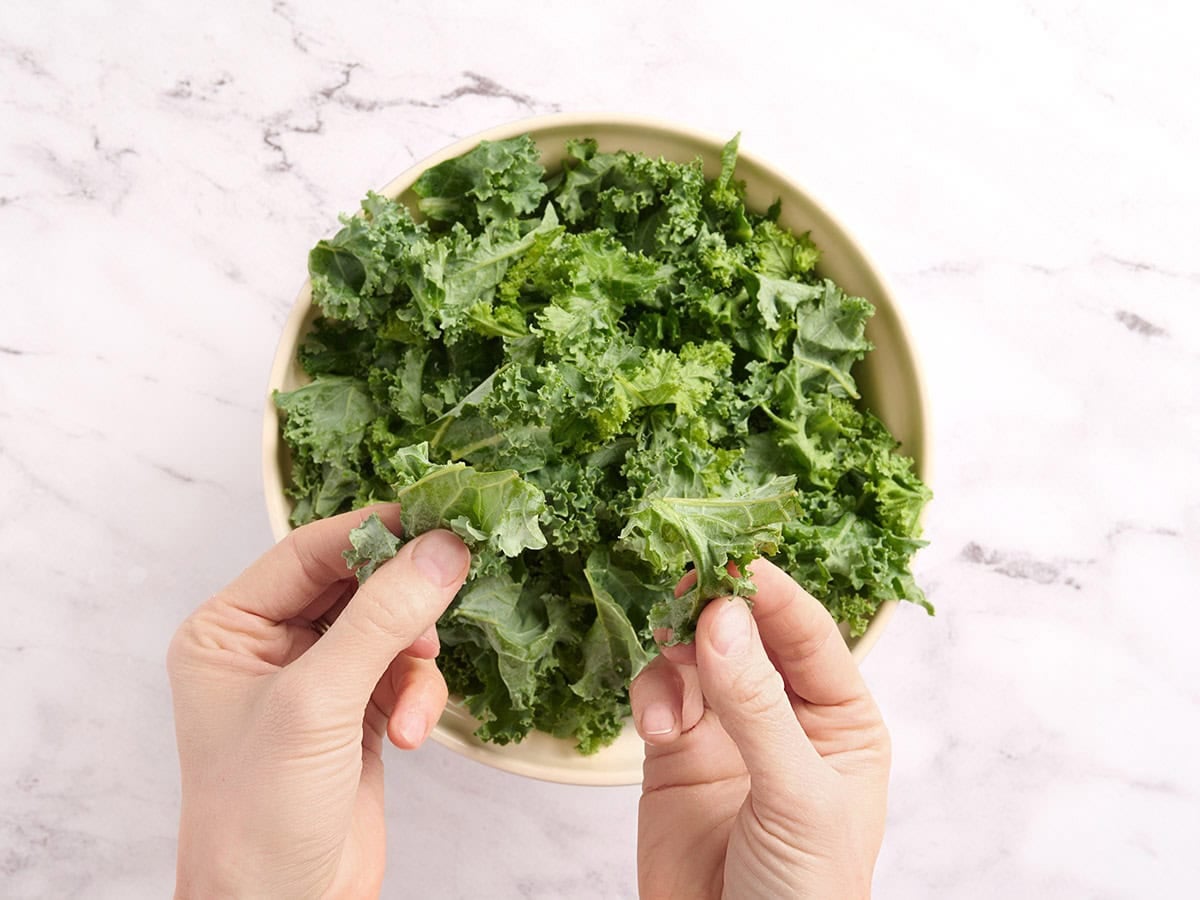
The recipe refined by the Nashville Test Kitchen emphasizes a specific assembly order to maximize freshness. The removal of the thick, woody stems is a critical first step, followed by tearing the leaves into bite-sized fragments. The kitchen’s findings suggest that smaller pieces are optimal for raw consumption, whereas larger pieces are better suited for cooked applications.
Chronology and Development of the Recipe
The development of this specific kale salad formulation follows a timeline that mirrors the broader "kale boom" in American food culture.
- June 2012: The original version of the Easy Kale Salad was first published. At this time, kale was transitioning from a decorative garnish in salad bars to a mainstream superfood.
- 2014–2018: The rise of meal-prepping culture led to increased demand for salads that do not wilt quickly. Research during this period identified kale as a superior base for pre-dressed salads compared to more fragile greens like romaine or butter lettuce.
- July 2024: Following extensive re-testing in the Nashville Test Kitchen, the recipe was overhauled to include precise measurements for the Dijon vinaigrette and the addition of lemon juice as an enzymatic browning inhibitor for the included apples.
This update reflects over a decade of consumer feedback and culinary advancement, ensuring the dish remains relevant in a market increasingly concerned with inflation and time-management.
Economic Analysis and Budgetary Impact
In an era of rising food costs, the economic profile of the Easy Kale Salad is a significant factor in its popularity. The Nashville Test Kitchen provides a detailed cost breakdown based on current market averages.
| Ingredient | Estimated Cost (Total) |
|---|---|
| Kale (1/2 lb) | $1.50 |
| Granny Smith Apple (1 medium) | $0.80 |
| Walnuts (1/2 cup) | $1.25 |
| Raisins (1/4 cup) | $0.50 |
| Vinaigrette Ingredients (Oil, Vinegar, Mustard, Spices) | $1.85 |
| Total Recipe Cost | $5.90 |
| Cost Per Serving (4 servings) | $1.48 |
At $1.48 per serving, this preparation is significantly more affordable than comparable pre-packaged salads or restaurant offerings, which often retail for $12.00 to $15.00. The use of shelf-stable pantry staples—such as Dijon mustard, apple cider vinegar, and dried fruit—further enhances the recipe’s economic viability. The durability of the kale also reduces food waste, as the salad remains edible for up to four days in refrigerated storage, unlike traditional salads that may spoil within 24 hours of dressing application.
Nutritional Composition and Health Implications
The nutritional density of the Easy Kale Salad positions it as a high-value meal option for health-conscious consumers. According to data automatically calculated via standard ingredient databases, a single serving provides a robust profile of macronutrients and micronutrients.
- Caloric Content: 335 kcal per serving.
- Fiber: 5g (21% of Daily Value), essential for digestive health and satiety.
- Healthy Fats: 29g, primarily monounsaturated fats from olive oil and polyunsaturated fats (including Omega-3 fatty acids) from walnuts.
- Protein: 5g, which can be further supplemented with lean proteins like grilled chicken or tofu.
- Sodium: 242mg (11% of Daily Value), a relatively low amount for a flavorful, dressed salad.
The inclusion of Granny Smith apples adds vitamin C and antioxidants, while the lemon juice used to prevent oxidation provides an additional boost of ascorbic acid. The bitterness of the kale is balanced by the natural sugars in the raisins and the tartness of the apple, creating a complex flavor profile without the need for high-sodium or high-sugar processed dressings.
Consumer Reactions and Peer Review
The reception of this culinary preparation among home cooks has been overwhelmingly positive, with many noting the efficacy of the "massaging" technique in converting those who previously disliked raw kale.
A statement from a regular consumer, identified as Elise, highlights the educational value of the recipe’s detailed instructions: "I’m not usually a big fan of raw kale, but the dressing made it one of the best salads I’ve had… thanks for the tip on cutting up kale; I’m not very experienced with food prep, and those kinds of details have made recipes much easier for me."
Professional culinary analysts suggest that the success of such recipes lies in their ability to demystify "superfoods" and provide clear, actionable steps for beginners. The Nashville Test Kitchen’s commitment to rigorous testing ensures that the instructions are reproducible across various skill levels and kitchen environments.
Broader Impact on Meal Prep and Sustainability
The Easy Kale Salad serves as a case study for the growing "no-reheat" meal prep movement. As more employees return to office environments or seek portable lunch options, the demand for stable, cold-consumption meals has surged.
Sustainability is another key implication. Kale is a hardy crop that can be grown in various climates and has a longer shelf life than most leafy greens. By encouraging the use of bulk-buy items like walnuts and raisins, the recipe supports reduced packaging waste and more efficient grocery shopping habits. Furthermore, the versatility of the salad allows for the integration of seasonal variations, such as substituting pecans for walnuts or pears for apples, which encourages the consumption of local produce.
Implementation and Storage Guidelines
For optimal results, the Nashville Test Kitchen recommends the following logistical steps:
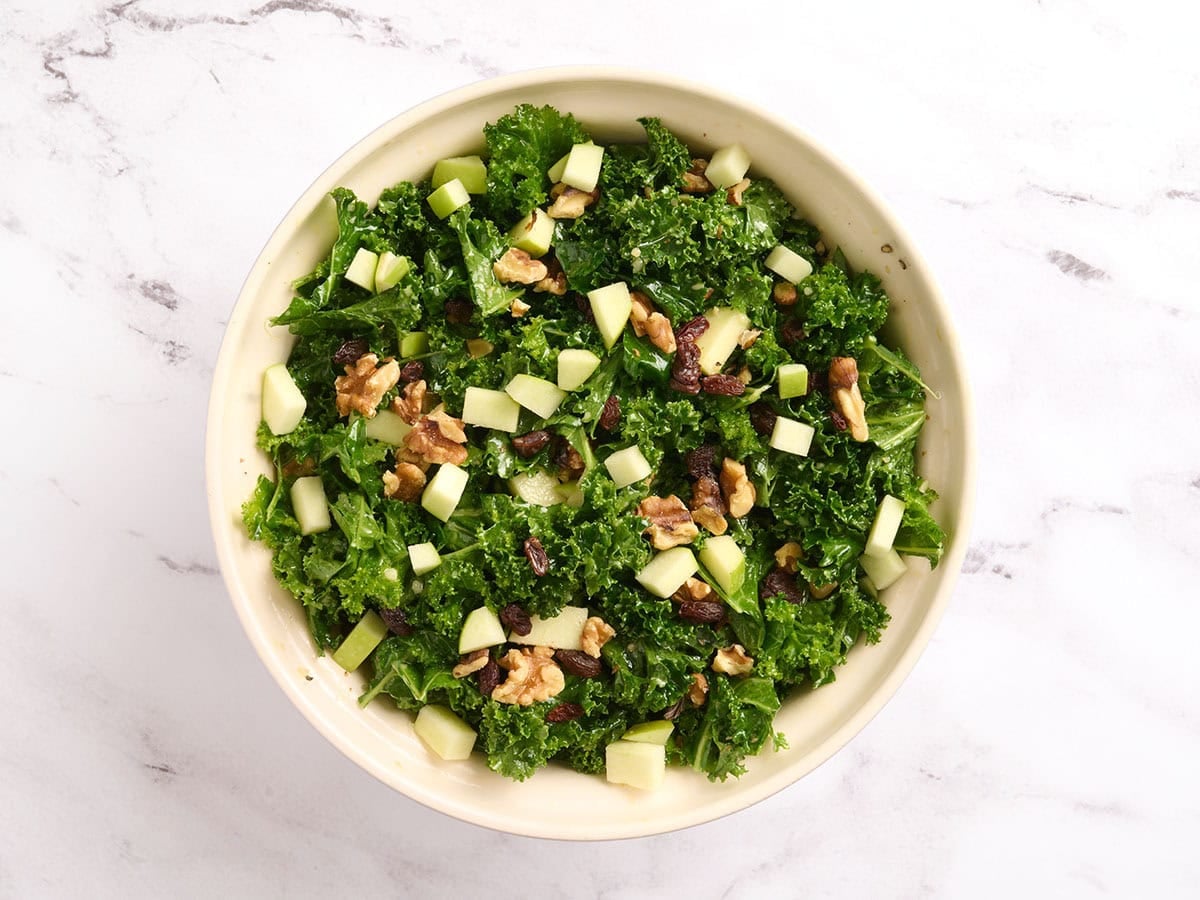
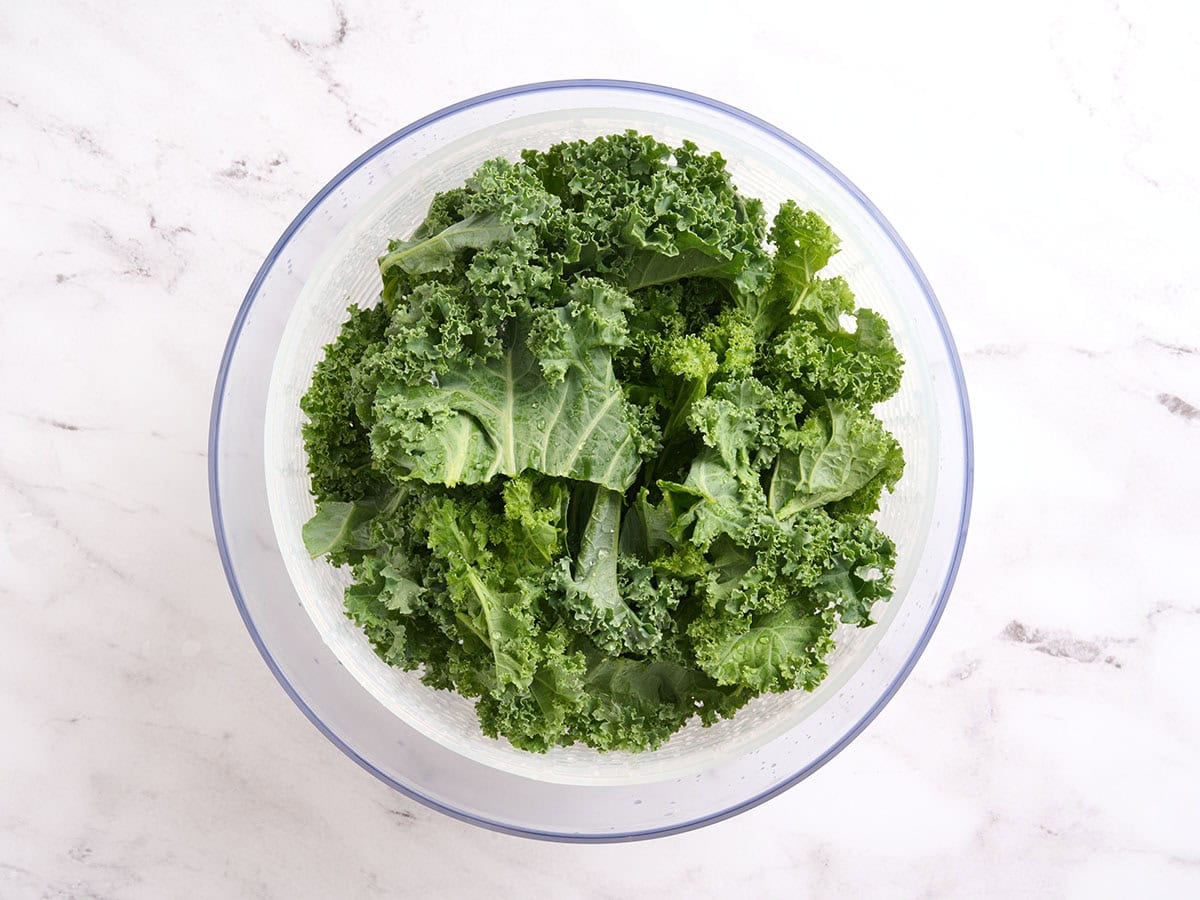
- Moisture Control: Ensuring the kale is completely dry after washing is paramount. Residual water prevents the vinaigrette from adhering to the leaves, leading to a diluted flavor profile.
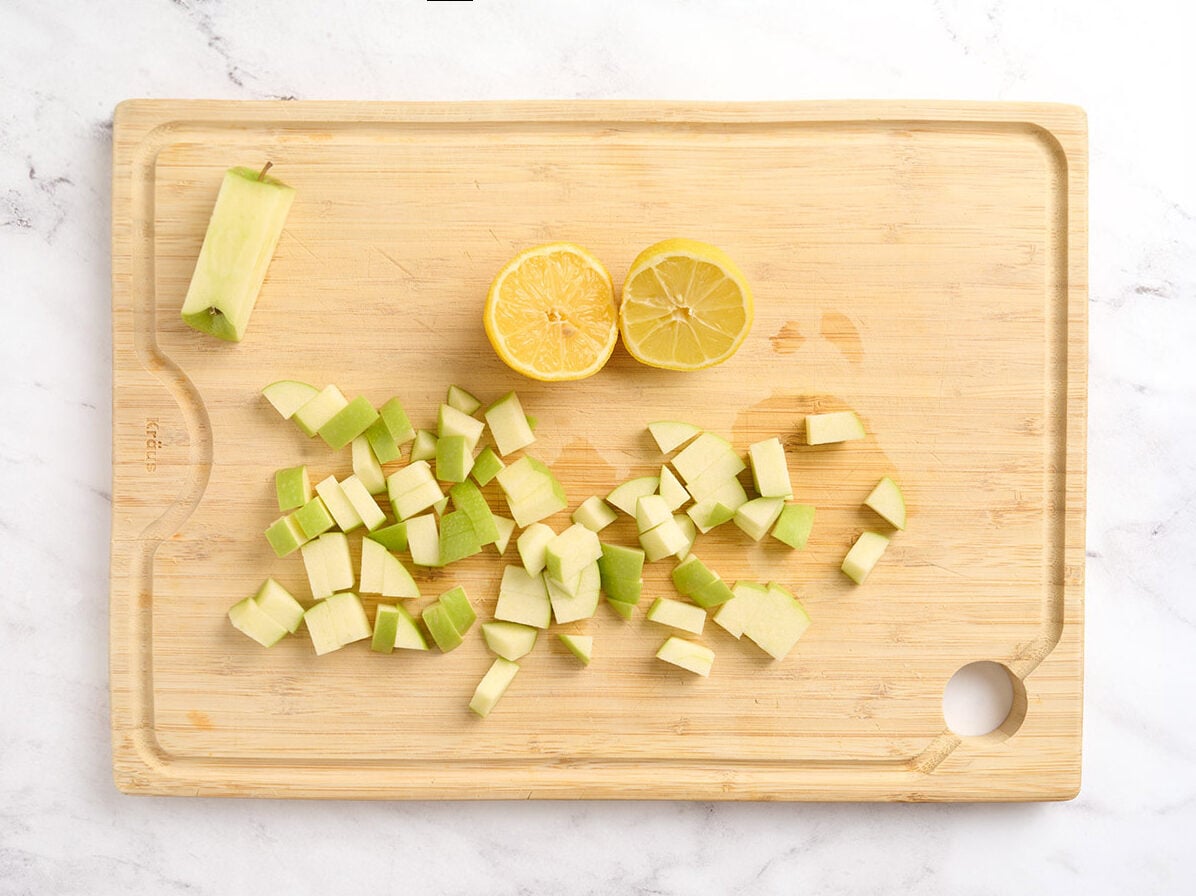
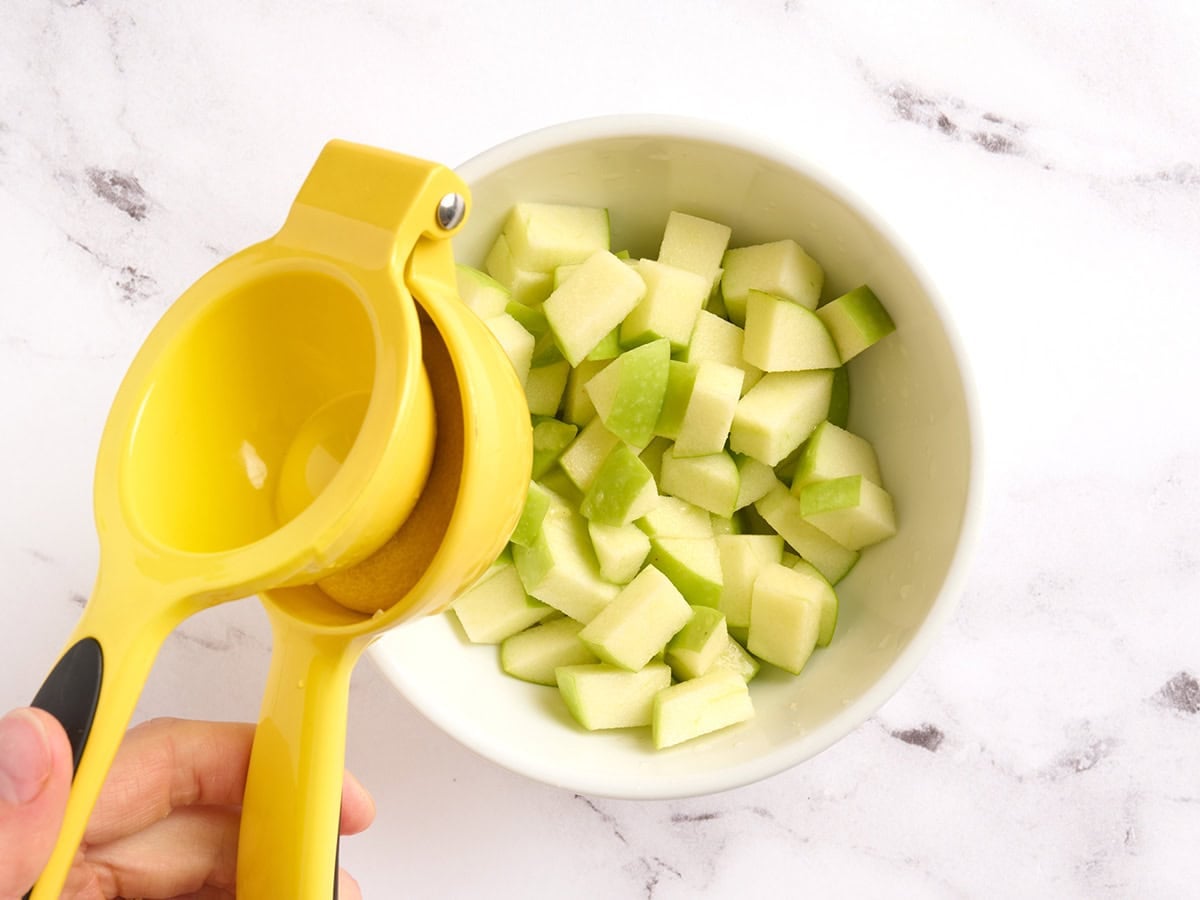
- Enzymatic Browning Prevention: Tossing diced apples in lemon juice is a critical step for meal prep. The citric acid lowers the pH on the surface of the apple, deactivating the polyphenol oxidase enzyme responsible for browning.
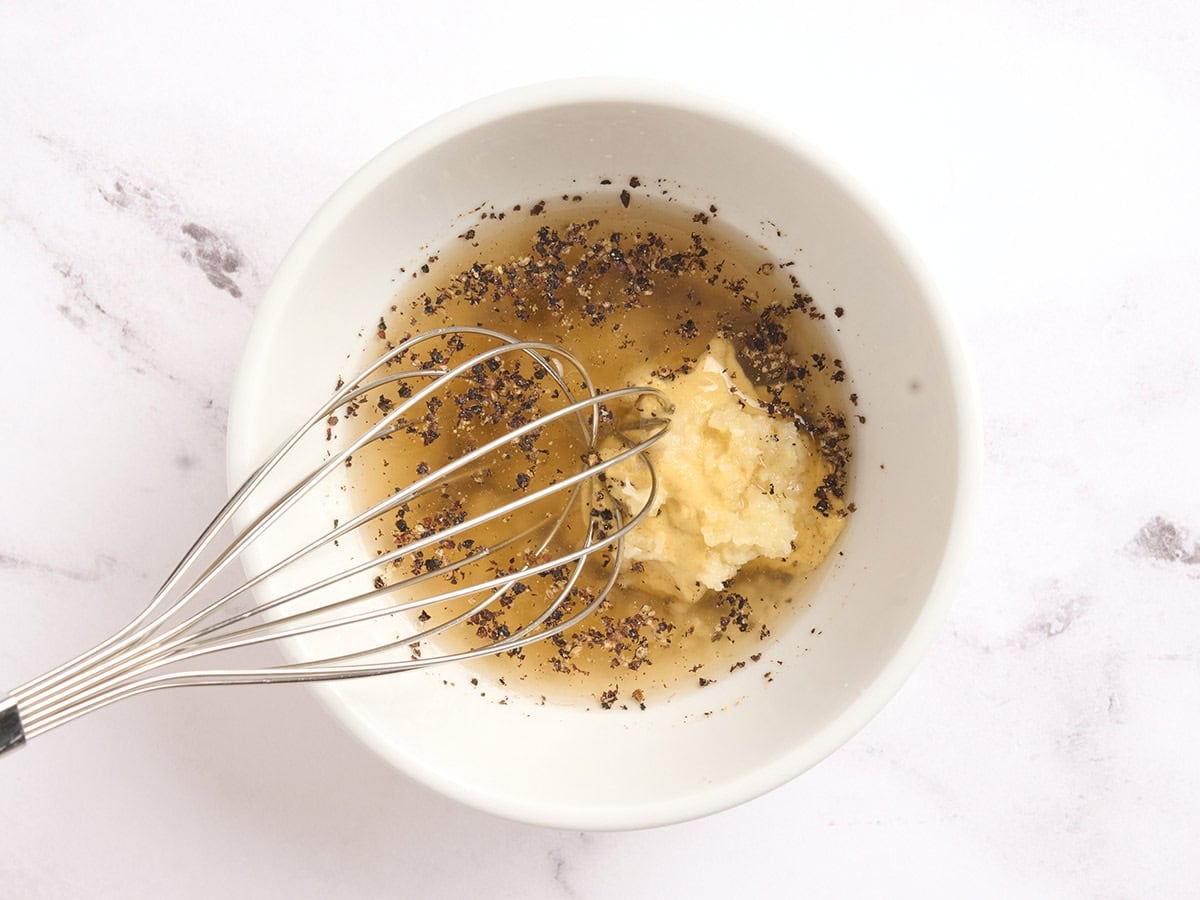
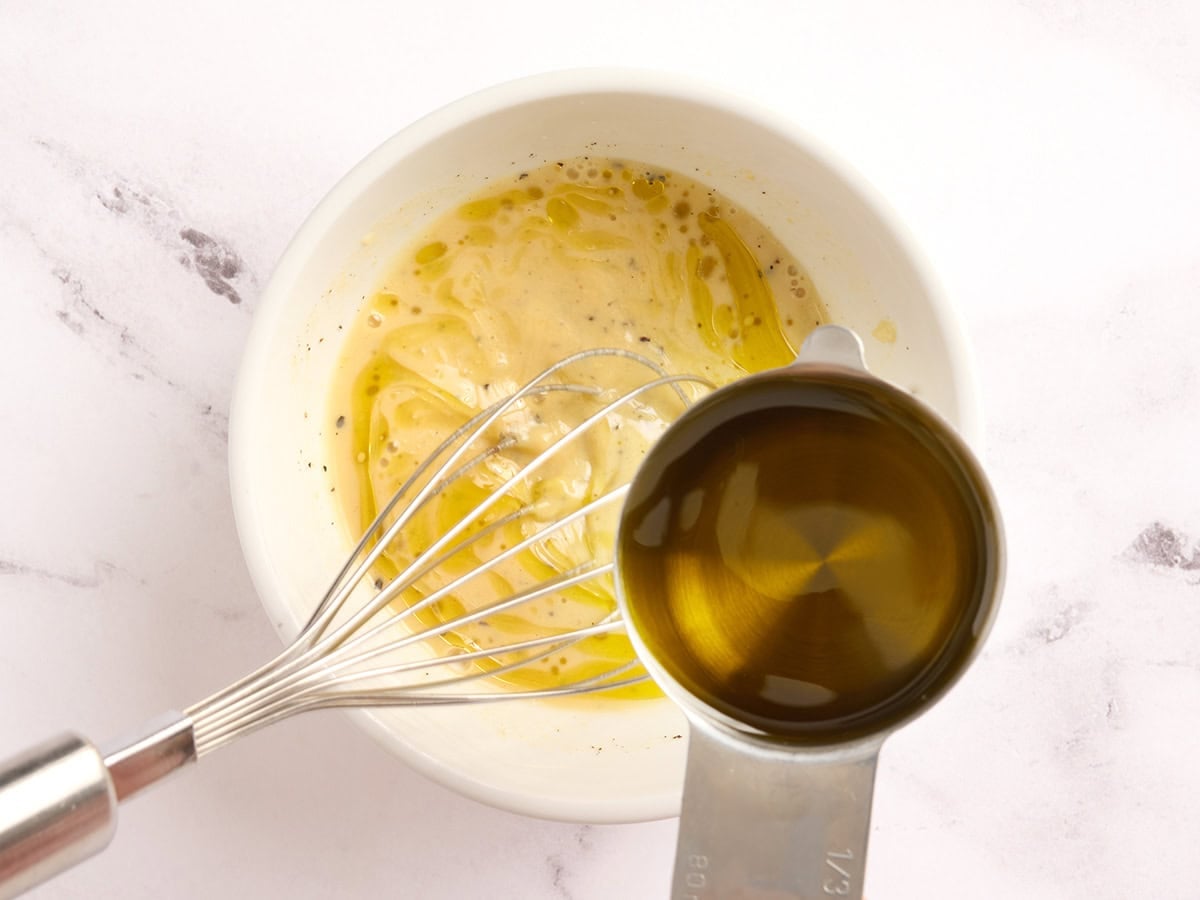
- Emulsification: The Dijon vinaigrette must be whisked or blended until smooth. The mustard acts as an emulsifier, binding the vinegar and oil to prevent separation.
- Refrigeration: The salad should be stored in airtight containers. While the kale remains sturdy, the walnuts may lose some crunch over several days; some users prefer to add the nuts immediately before consumption to maintain texture.
Conclusion
The Easy Kale Salad with Apple Dijon Vinaigrette is more than a simple recipe; it is a refined culinary solution that addresses the intersection of health, economy, and convenience. Through the application of basic scientific principles—such as mechanical breakdown of plant fibers and enzymatic inhibition—the Nashville Test Kitchen has produced a dish that is both nutritionally dense and financially accessible. As global food trends continue to lean toward plant-forward diets and cost-effective home cooking, preparations like this will remain essential components of the modern dietary repertoire. The ongoing evolution of this recipe demonstrates a commitment to continuous improvement in the field of domestic science and nutritional education.
