

The Nashville Test Kitchen Protocol and Development Rationale
The development of the Buffalo Chicken Stuffed Peppers recipe followed a rigorous testing phase at the Nashville Test Kitchen, an institution dedicated to ensuring that home-cooked meals remain accessible, affordable, and reproducible. Melissa Nolan, a chef instructor with a background including experience at the renowned Per Se in New York City, spearheaded the project. The primary challenge was the "appetizer-to-dinner" transition. While buffalo chicken dip has long been a staple of social gatherings, its nutritional profile—often high in fats and low in fiber—precludes it from being a standalone meal in a traditional context.
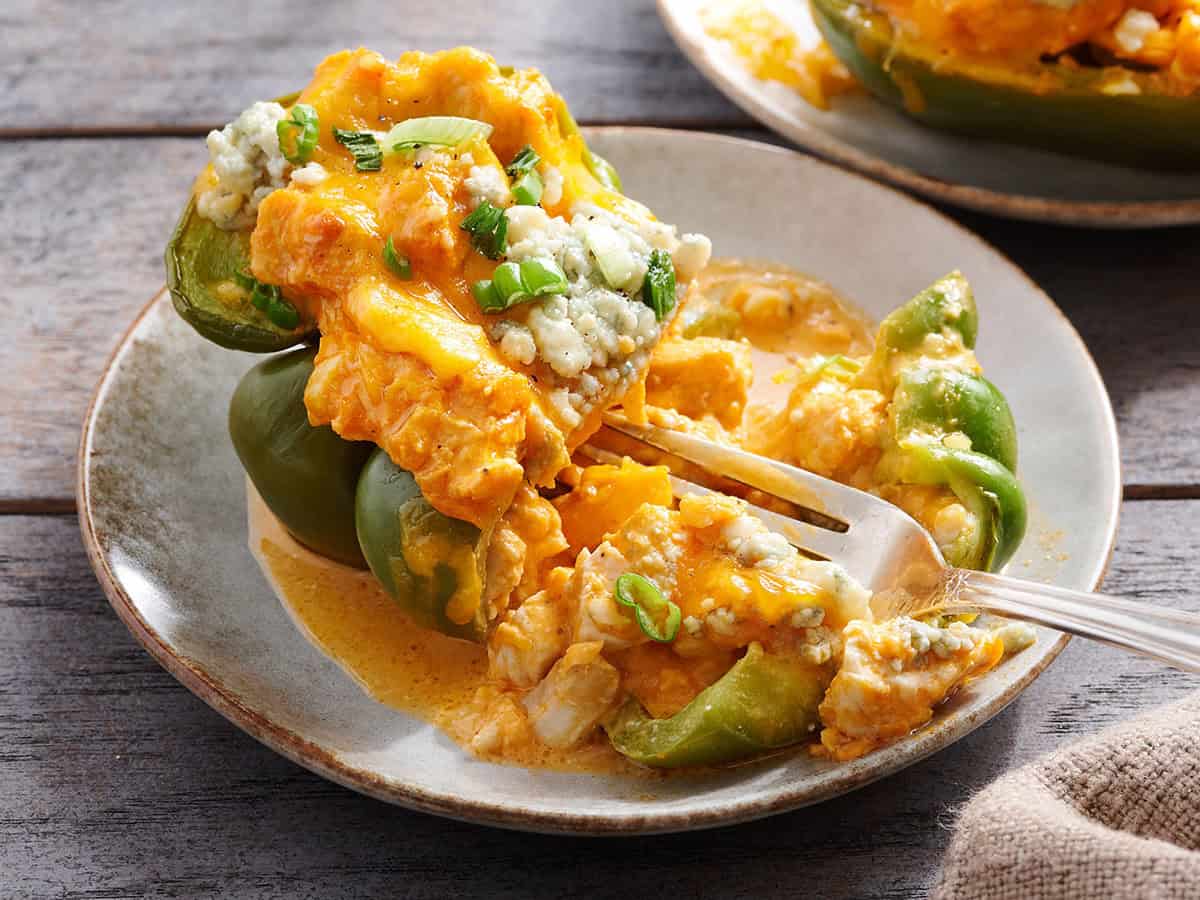
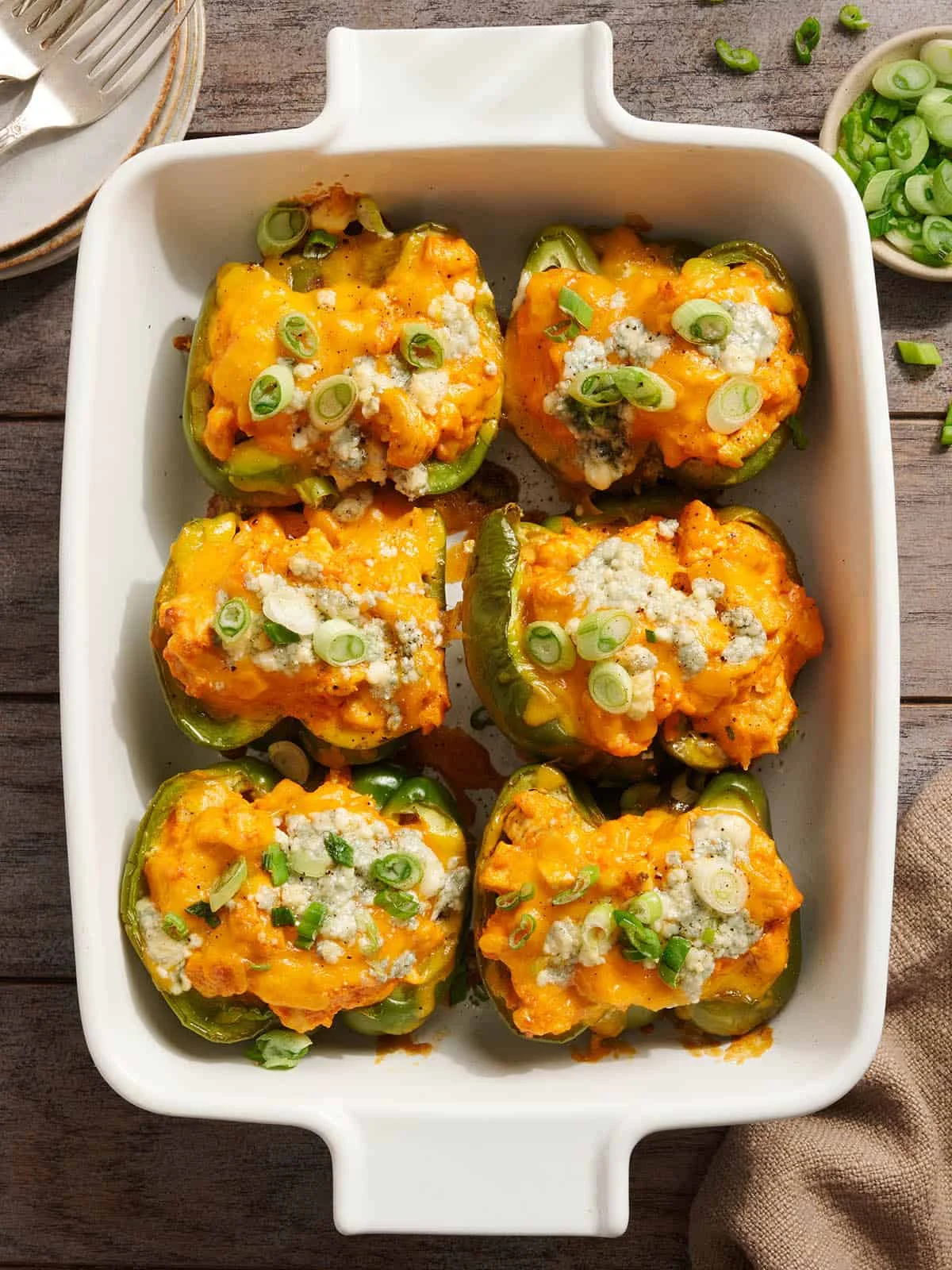
Nolan’s approach involved substituting the traditional chip-based delivery system with halved bell peppers. This change serves two functions: it significantly reduces the glycemic load of the meal and introduces a volume-heavy vegetable component. The decision to use green bell peppers specifically was an economic one, as green varieties are harvested earlier and typically retail at a lower price point than their red, orange, or yellow counterparts. This focus on "budget-friendly" components is a hallmark of the Budget Bytes philosophy, which aims to keep per-serving costs under specific thresholds to assist middle-to-low-income households.
Financial Analysis of Home Cooking Costs
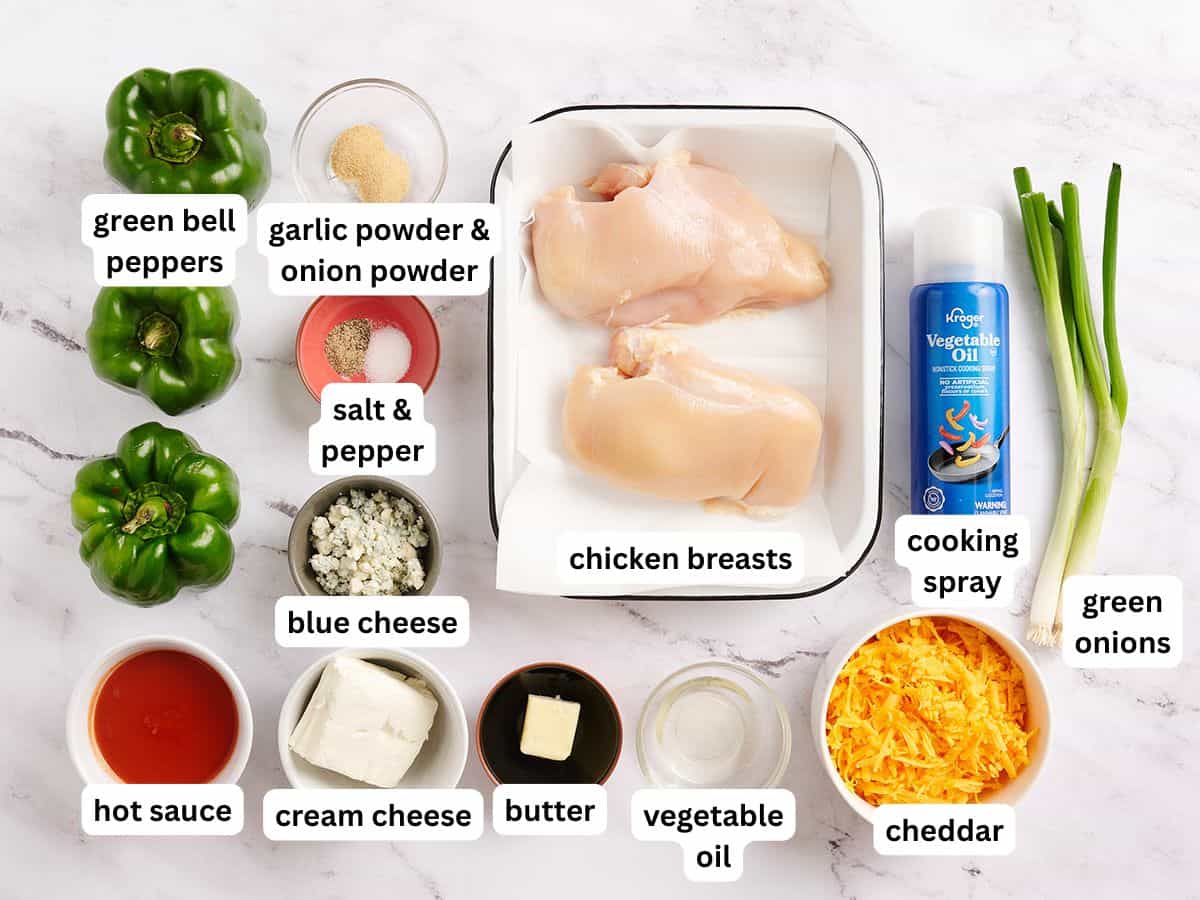
A comprehensive cost analysis conducted during the recipe’s finalization determined that the total cost for the dish is approximately $11.45, resulting in a per-serving cost of $1.91. This pricing is particularly notable when compared to national averages for fast-casual dining, where a single entrée often exceeds $12.00. The $1.91 figure includes the procurement of 1.5 pounds of chicken breast, three large bell peppers, and the necessary dairy and pantry staples.
To maximize cost-efficiency, the recipe developer highlighted the economic benefits of raw poultry processing. "Cooking the chicken yourself is usually the cheapest option," Nolan noted, advising consumers to prioritize raw chicken breasts or thighs over pre-cooked alternatives. However, the analysis also accounted for the "value of time," acknowledging that rotisserie chickens—often sold at a loss by retailers to drive foot traffic—can serve as a viable substitute when consumer labor time is at a premium. The study of store pricing also revealed that "cold" rotisserie chickens, often found in refrigerated sections, are frequently priced lower than their "hot" counterparts, offering another layer of savings for the informed shopper.
Technical Preparation and Culinary Methodology
The preparation of Buffalo Chicken Stuffed Peppers is divided into three distinct phases: protein preparation, sauce emulsification, and the final baking process. This structured approach ensures that the chicken remains tender while the pepper maintains enough structural integrity to be served.
Phase I: Protein Searing
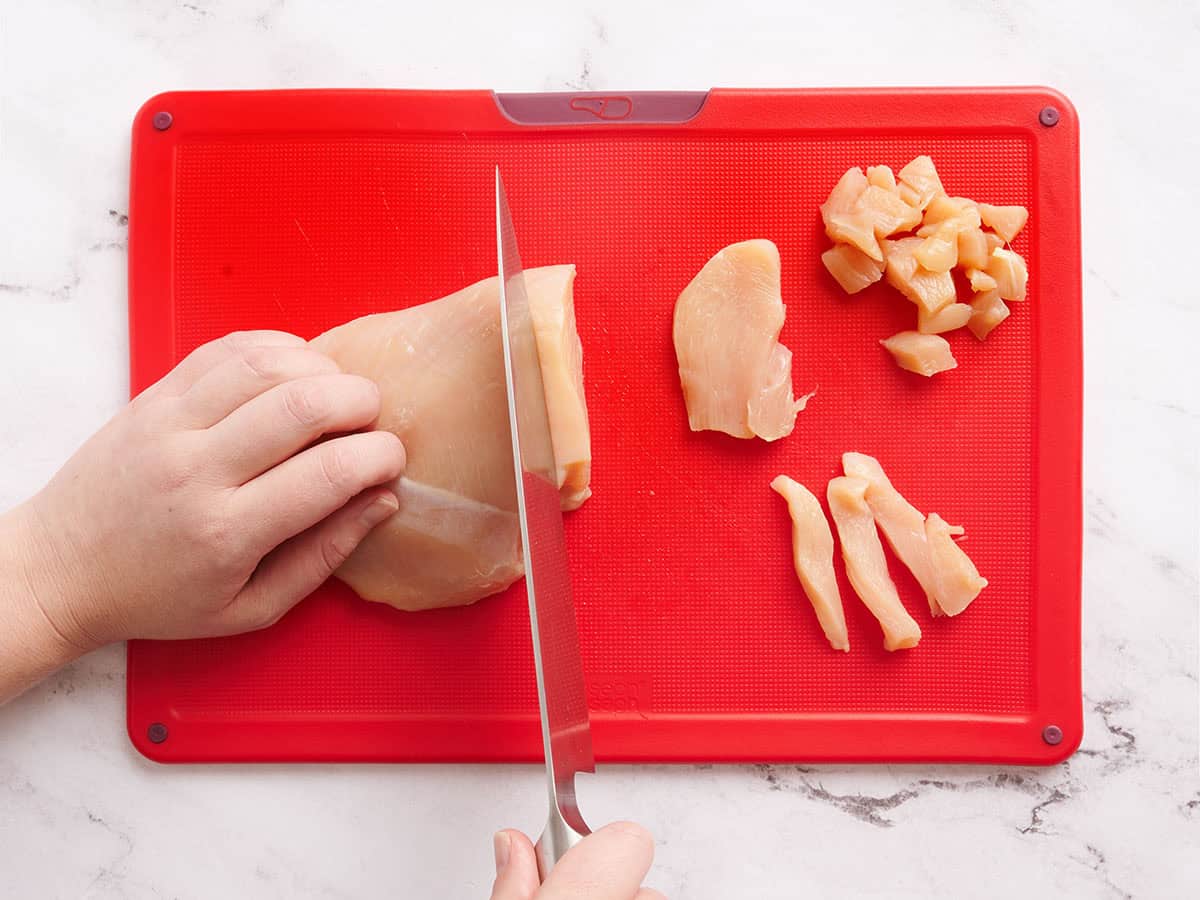
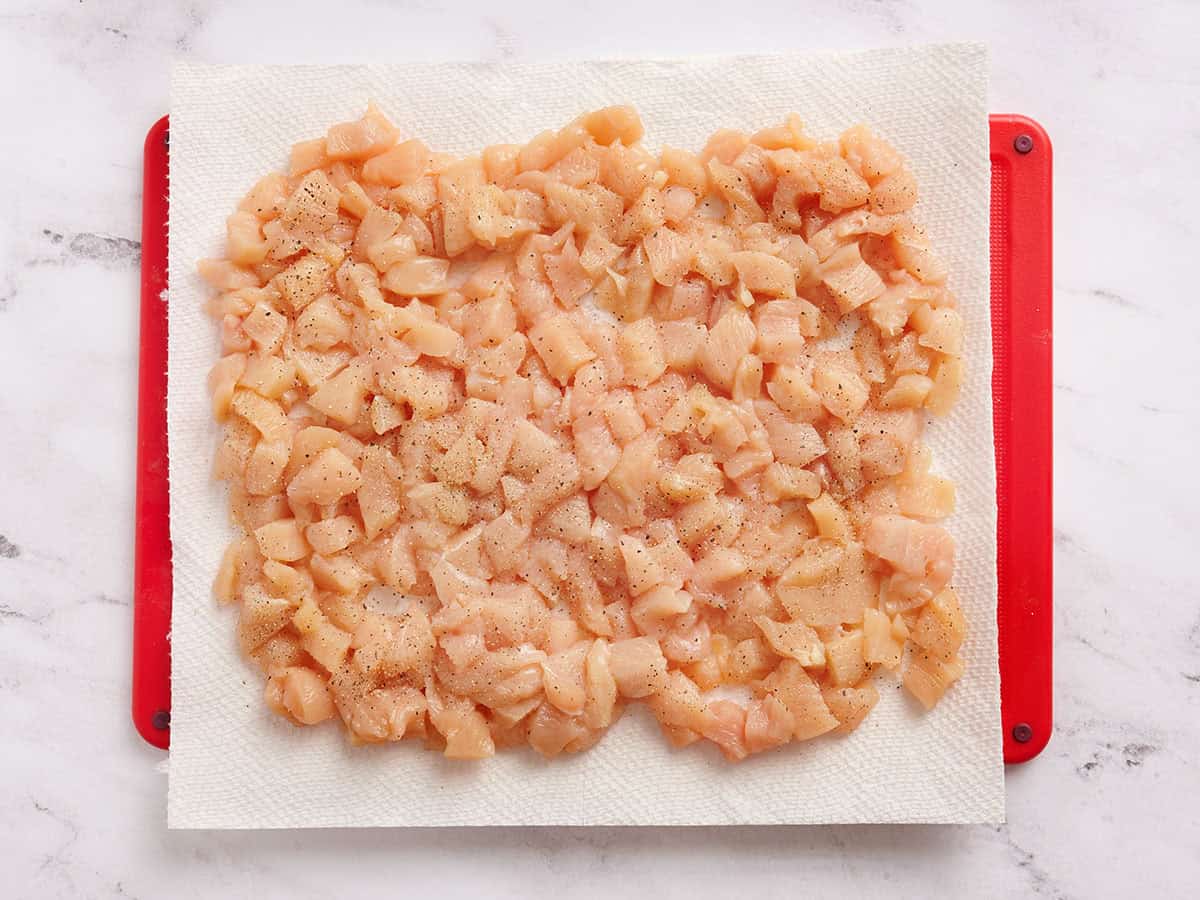
The process begins with dicing 1.5 pounds of chicken breast into uniform pieces. The use of salt and freshly cracked black pepper, combined with a high-heat sear in vegetable oil, creates a Maillard reaction. This browning is essential for depth of flavor, as the chicken will later be folded into a creamy sauce that might otherwise dampen its textural impact. The chicken is subsequently drained on paper towels to remove excess lipids, ensuring the final filling is not overly greasy.
Phase II: Sauce and Filling Integration
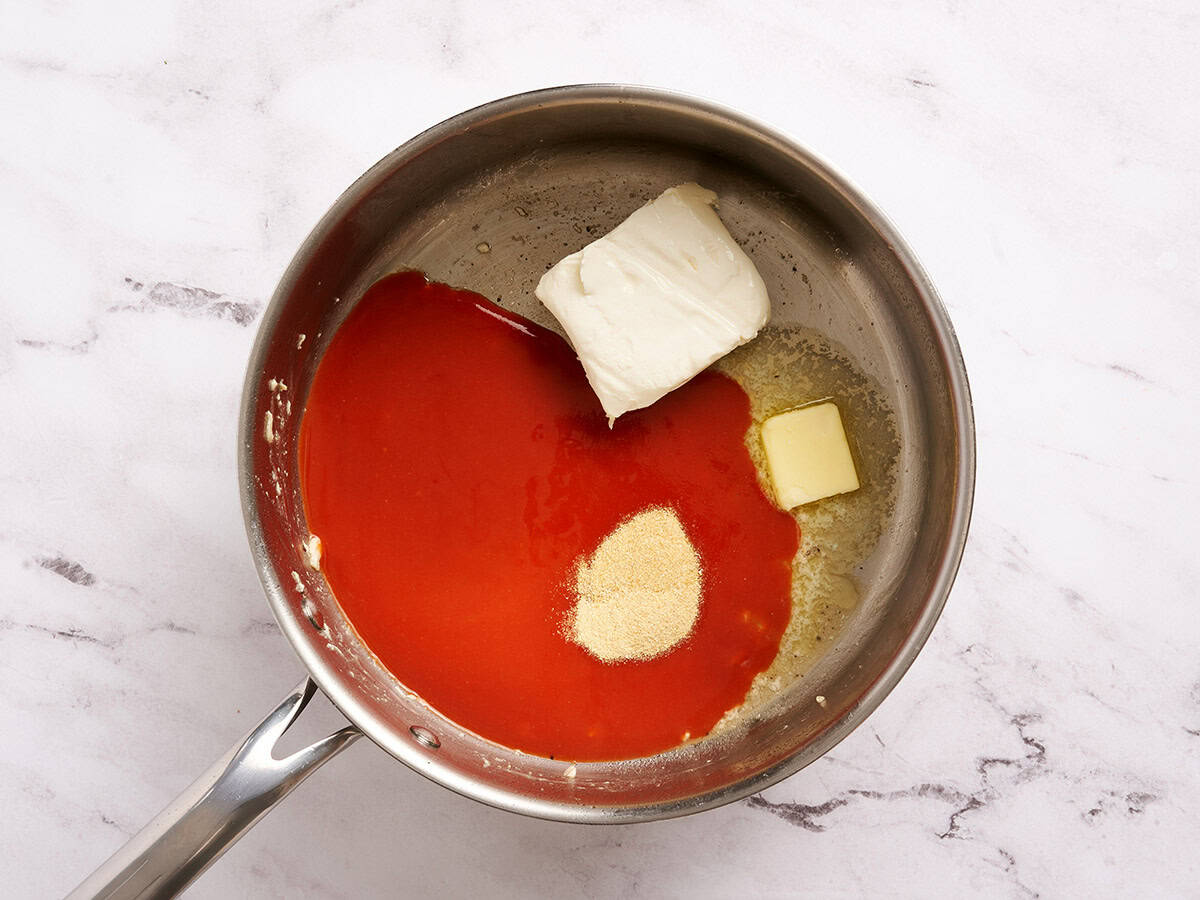
The filling utilizes a base of four ounces of cream cheese, which acts as a stabilizer for the buffalo sauce. By melting butter, hot sauce (specifically Frank’s RedHot Original), garlic powder, and onion powder into the cream cheese over medium heat, the developer creates a homogenous emulsion. One cup of shredded cheddar is then integrated to provide "gooeyness" and a sharp salt profile. This stage is critical for achieving the "classic buffalo flavor" that consumers expect from the profile.
Phase III: Assembly and Thermal Processing
The bell peppers are halved lengthwise and de-seeded, creating six uniform "boats." The stuffing process involves mounding the buffalo chicken mixture into these cavities. The initial 20-minute bake at 350°F allows the peppers to soften. A secondary topping of cheddar and blue cheese crumbles is added for the final 15 minutes of baking. This two-stage baking process prevents the topping cheese from burning while ensuring the internal temperature of the filling reaches a safe and palatable level.
Nutritional Composition and Dietary Implications
From a nutritional standpoint, the dish is characterized by its high protein density. Each serving, defined as one stuffed pepper half, contains 34 grams of protein, representing approximately 68% of the daily value for an average adult. With a caloric count of 389 kcal per serving, the dish aligns with most weight-management and high-protein dietary frameworks.
The carbohydrate count is notably low at seven grams, with two grams of fiber, making the dish a potential candidate for those monitoring their insulin response or following ketogenic diets. However, the sodium content is significant, measuring at 1,084 mg (47% of the daily value). This is largely attributed to the hot sauce and blue cheese components. Nutritionists suggest that individuals on sodium-restricted diets may need to adjust the quantities of these specific ingredients or increase water intake when consuming the meal.
Market Trends and the "Buffalo" Flavor Profile
The release of this recipe coincides with a sustained period of "Buffalo flavor" dominance in the American food market. According to market research, buffalo-style sauces have seen a consistent year-over-year increase in menu mentions and retail sales. The profile, originally popularized in Buffalo, New York, in the 1960s, has moved beyond chicken wings to become a standardized flavor category alongside "BBQ" and "Ranch."
The Buffalo Chicken Stuffed Peppers recipe taps into this cultural familiarity while offering a "socially acceptable" dinner format. Nolan observed that while many consumers enjoy buffalo chicken dip, there is a psychological barrier to consuming it as a primary meal. By placing the dip inside a vegetable, the dish is recontextualized as a "stuffed pepper," a category of food that has been a staple of American dinner tables since the early 20th century.
Meal Prep and Long-term Storage Considerations
In addition to immediate consumption, the dish was evaluated for its utility in the growing meal-prep market, which is currently valued at over $10 billion globally. The Nashville Test Kitchen verified that the buffalo chicken filling could be prepared up to 48 hours in advance, allowing for rapid assembly during high-stress weeknights.

For storage, the peppers can be refrigerated for three to four days. Reheating instructions suggest that while microwaves are efficient, a 350°F oven is preferred to maintain the texture of the bell pepper. The developer also addressed freezing, noting that while the dish is freezer-safe for up to three months, the cellular structure of the bell pepper will degrade upon thawing, leading to a softer texture. This transparency regarding food science and storage allows consumers to make informed decisions about their batch-cooking strategies.
Broader Culinary Impact and Future Implications
The introduction of Buffalo Chicken Stuffed Peppers highlights a broader trend in the culinary world: the democratization of "chef-level" techniques for the budget-conscious home cook. By combining the expertise of a professional chef like Melissa Nolan with the practical constraints of a $2.00-per-serving budget, the recipe serves as a blueprint for modern home dining.
As food inflation continues to impact household budgets, the demand for "creative workarounds"—meals that feel indulgent but remain affordable—is expected to rise. The success of this specific dish suggests that the future of home cooking may lie not in the invention of entirely new flavors, but in the structural reconfiguration of existing favorites to meet new nutritional and economic realities. The Buffalo Chicken Stuffed Pepper is more than a recipe; it is a tactical response to the current state of the American food economy, proving that a "knock-your-socks-off delicious" meal can also be a fiscally responsible one.
