

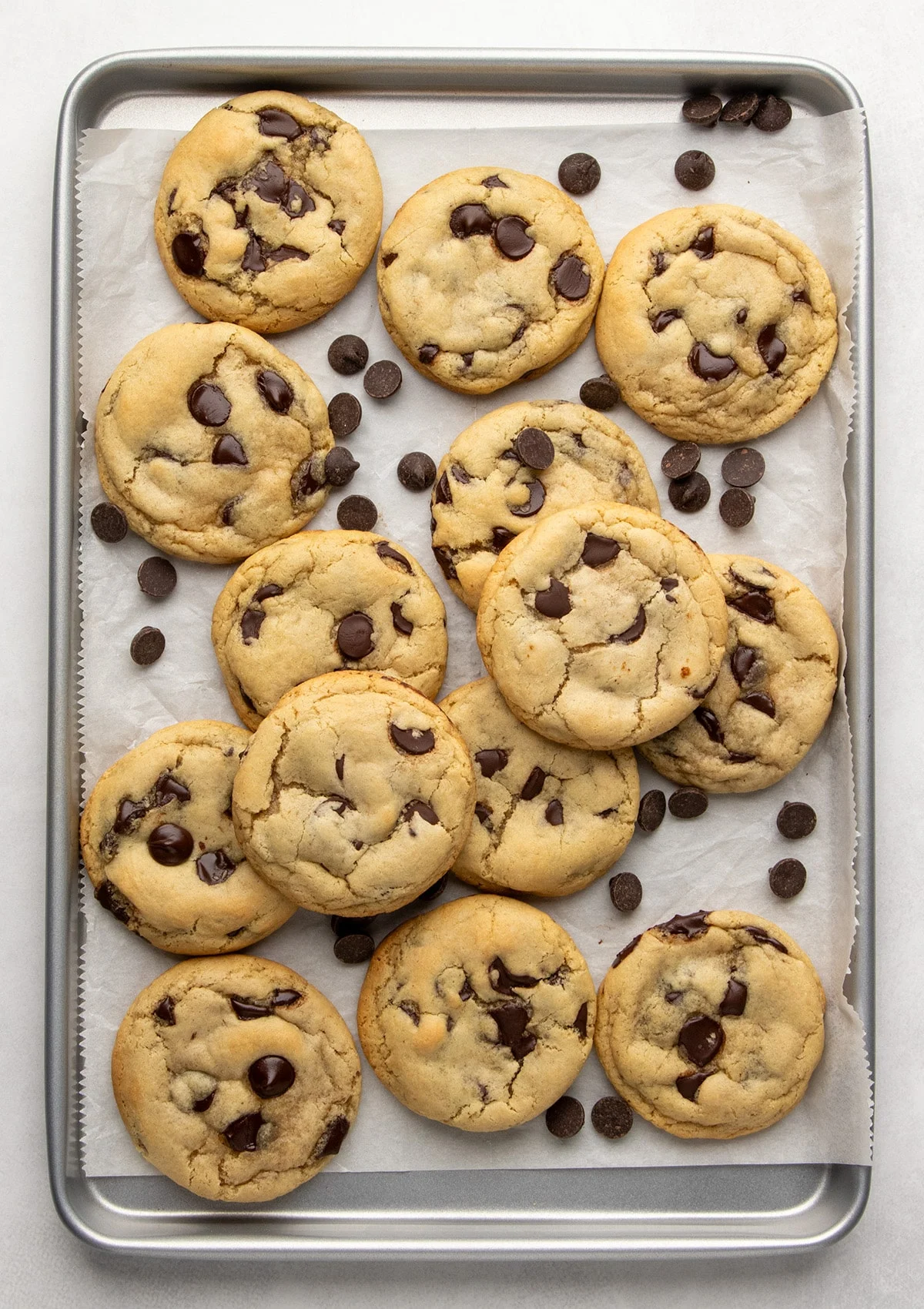
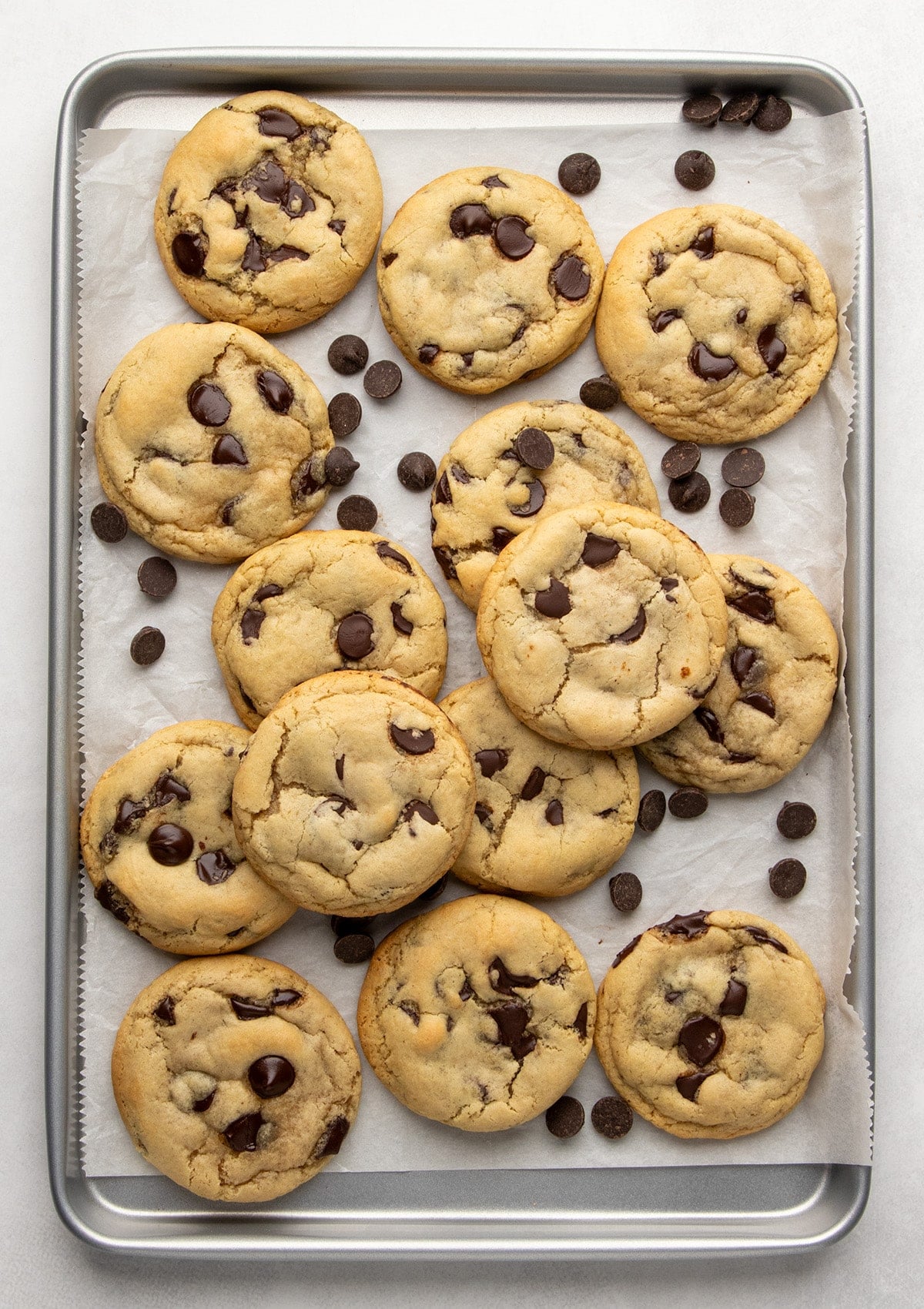
These gluten-free, dairy-free chocolate chip cookies are engineered to deliver the perfect texture: thick with delightfully crisp edges and a satisfyingly soft center. Unlike many dairy-free alternatives that tend to spread thinly and become greasy, this recipe achieves a superior bake by meticulously balancing key ingredients. The formulation specifically addresses the challenges of baking without dairy, utilizing cold, block-style vegan butter and almond flour to ensure optimal moisture, even browning, and a rich, buttery flavor profile.
The development of this recipe stems from a recognition that simply substituting vegan butter for dairy butter in existing recipes often leads to suboptimal results. Traditional cookie recipes rely on the specific properties of dairy butter, including its fat content and melting point, to achieve desired textures. Vegan butter, while a viable alternative, behaves differently. This recipe’s success lies in its deliberate approach to incorporating vegan butter, a method that prevents the common pitfalls of greasiness and excessive spreading.
The Science Behind the Perfect Dairy-Free Bake

At the core of this recipe’s innovation is the strategic use of cold, block-style vegan butter. This type of vegan butter, typically higher in fat and more solid than its tub-style counterparts, is cut into the dry ingredients while still cold. This technique mimics the process used in traditional pastry making, where cold butter is incorporated into flour to create flaky layers. In cookies, this method helps to distribute small pieces of butter throughout the dough. When baked, these pieces melt, creating pockets of steam that contribute to the cookie’s rise and texture, while simultaneously preventing the butter from fully liquifying and causing the dough to spread excessively.
Almond flour plays a crucial role in enhancing the cookies’ characteristics. It contributes to tenderness, adds a subtle nutty flavor that complements the chocolate, and aids in achieving a beautiful golden-brown hue during baking. The natural oils in almond flour also contribute to moisture retention, ensuring the cookies remain soft for an extended period.
The inclusion of a butter bakery emulsion, while optional, further elevates the flavor profile by intensifying the buttery notes without adding dairy. This concentrated flavoring can significantly enhance the overall taste experience, making the cookies even more reminiscent of their dairy-laden counterparts.
A Chronology of Cookie Innovation
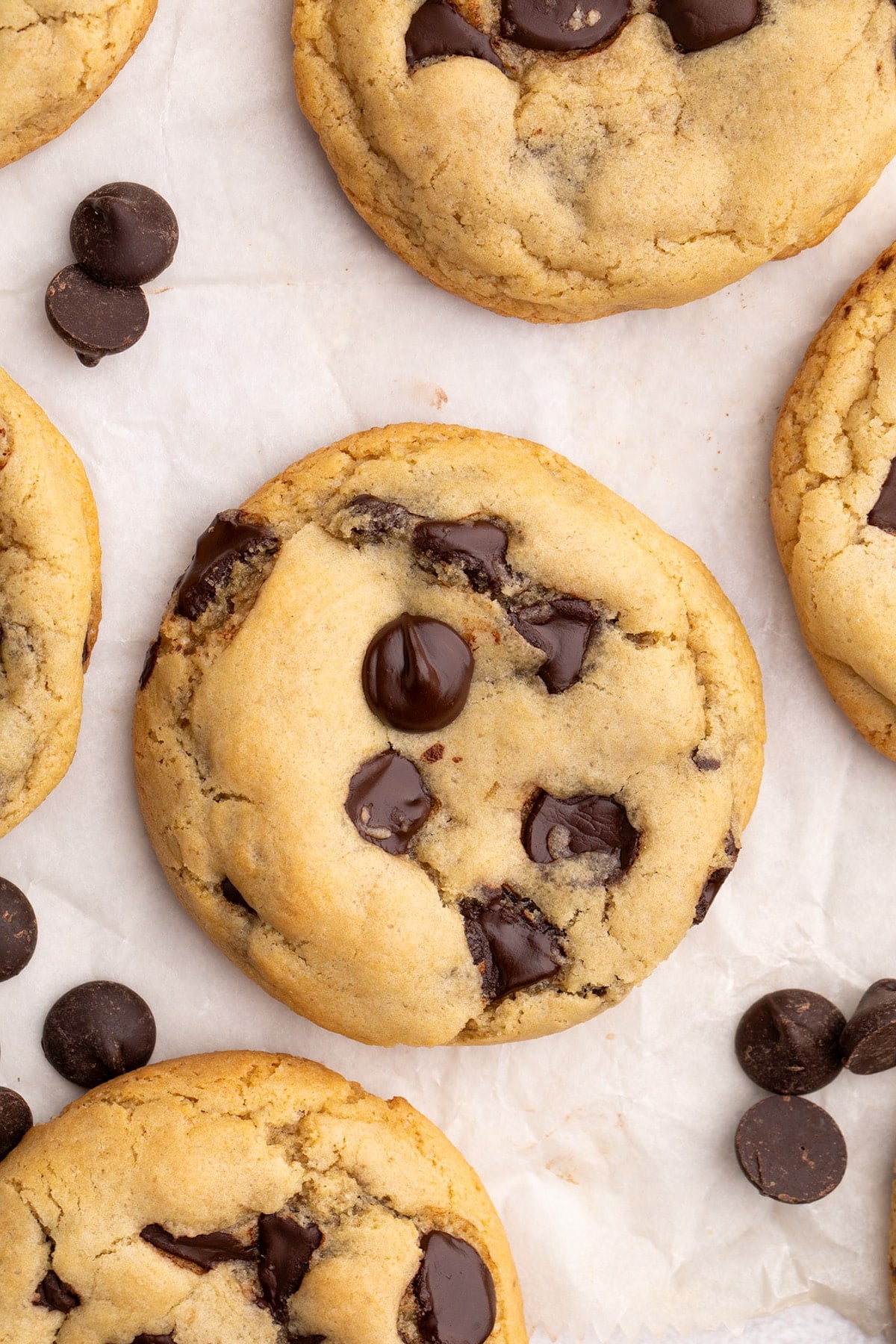
The quest for a truly exceptional gluten-free and dairy-free chocolate chip cookie has been a long-standing challenge for bakers worldwide. Historically, gluten-free baking has often been associated with dry, crumbly, or unpleasantly textured results. The addition of dairy-free requirements further complicated the landscape, as dairy ingredients like butter and milk contribute significantly to flavor, texture, and binding in traditional baked goods.
Early attempts at dairy-free baking often involved direct substitutions, which rarely yielded satisfactory outcomes. Bakers soon realized that a fundamental re-evaluation of ingredient ratios and preparation methods was necessary. This led to a period of experimentation, where various gluten-free flours, alternative fats, and binding agents were tested to replicate the desirable qualities of conventional cookies.
The development of this specific recipe represents a culmination of such efforts, focusing on understanding the specific behaviors of vegan butter and alternative flours in a baking environment. By meticulously controlling the temperature of the vegan butter and incorporating it in a specific manner, the recipe sidesteps common issues. The short chilling period for the dough is another critical step, not just for ease of handling, but also to allow the ingredients to hydrate and the fats to firm up, further preventing excessive spreading. The instruction to remove cookies from the oven while the centers still appear slightly soft is a testament to understanding carryover cooking, ensuring a perfectly soft and chewy interior.
Key Ingredients and Their Roles
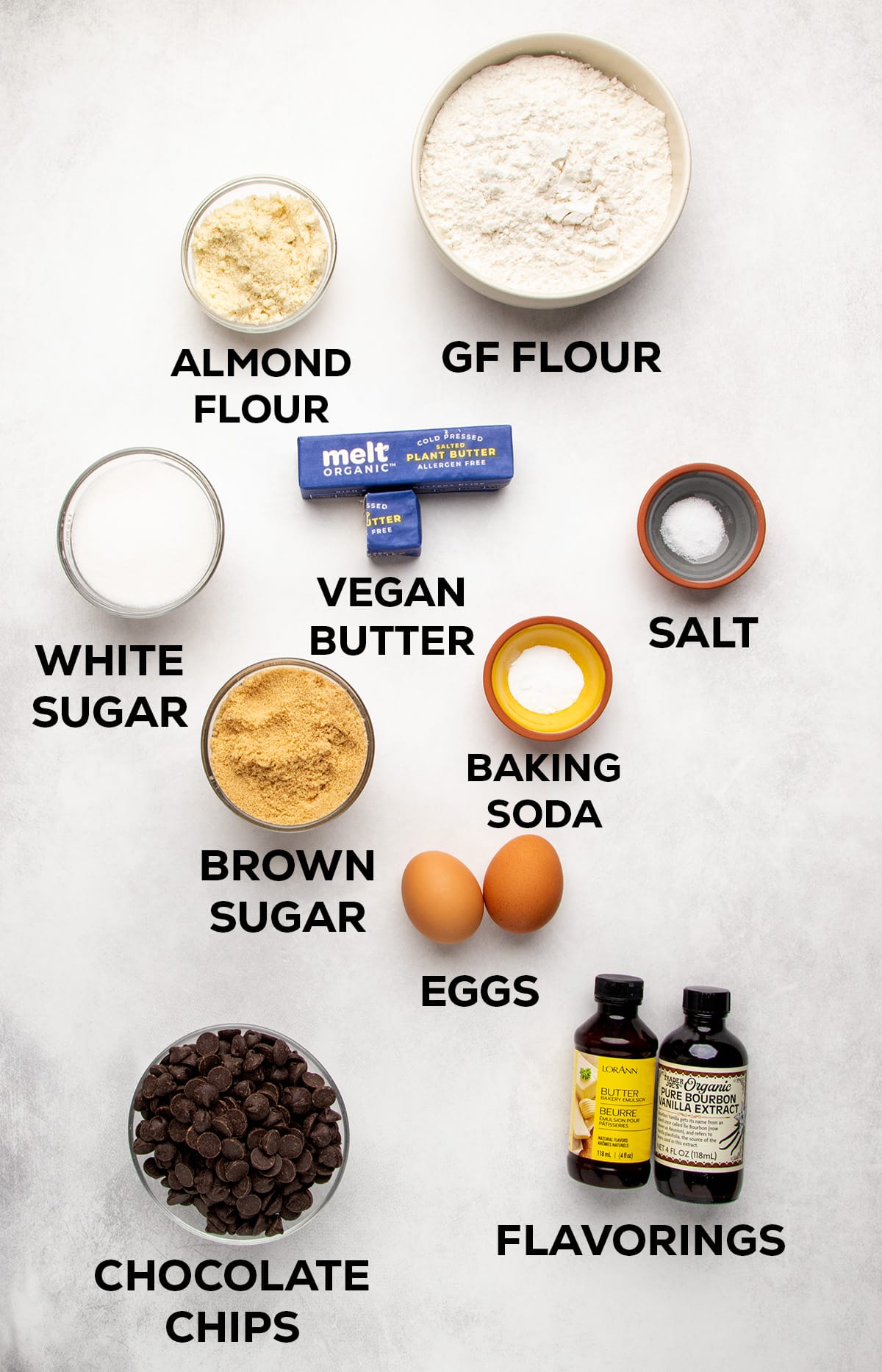
The success of these gluten-free, dairy-free chocolate chip cookies hinges on a thoughtful selection of ingredients:
- Gluten-Free Flour Blend: A high-quality, well-balanced blend is essential. Blends containing a mix of rice flours, starches (like tapioca or potato starch), and often xanthan gum are recommended. The article specifically mentions Better Batter’s original all-purpose blend and Bob’s Red Mill 1-to-1 baking flour, noting the potential need to add extra xanthan gum to the latter. Xanthan gum acts as a binder in gluten-free baking, helping to replicate the elasticity that gluten provides.
- Almond Flour: Finely ground almond flour is crucial for tenderness, moisture, and flavor. It contributes a subtle sweetness and a rich mouthfeel.
- Cold, Block-Style Vegan Butter: This is a non-negotiable ingredient for achieving the desired texture. The solid form and higher fat content are key to preventing greasiness and excessive spreading. Brands like Miyoko’s Kitchen (though with a note about cashew content for those with tree nut allergies) or other plant-based butter sticks are suitable.
- Eggs: Eggs provide binding, leavening, and richness. For egg-free variations, the article suggests using chia eggs, commercial egg replacers, or liquid egg substitutes.
- Sugars (Granulated and Light Brown): The combination of granulated and brown sugar contributes to both the crispness of the edges and the chewiness of the center. Brown sugar, with its molasses content, also adds moisture and a deeper flavor.
- Baking Soda: This leavening agent reacts with the acidic components in the dough to help the cookies rise.
- Salt: Salt enhances all the other flavors in the cookie and balances the sweetness.
- Vanilla Extract and Butter Bakery Emulsion: These flavorings amplify the classic chocolate chip cookie taste.
Expert Tips for Baking Perfection
Achieving consistently perfect gluten-free, dairy-free chocolate chip cookies involves more than just following a recipe. Several expert tips can elevate the baking process:
- Embrace the Cold: The mantra for this recipe is "cold ingredients." Using cold, block-style vegan butter is paramount. Leaving it out to soften at room temperature will lead to a greasy dough and flat cookies.
- The Power of Chilling: While the dough can technically be baked immediately, a brief chill (even just 10 minutes) significantly improves the cookie’s structure. Chilling allows the flours to hydrate and the fats to re-solidify, leading to thicker cookies with more pronounced crackles on top as they bake and settle.
- Temperature Control During Baking: Avoid placing a cold baking sheet directly into a preheated oven. This sudden temperature fluctuation can shock the oven and lead to uneven baking, potentially resulting in dry cookies. Allow the baking sheet to come to room temperature or use a preheated baking stone.
- Mastering the Bake Time: The visual cues for doneness are critical. Cookies should be golden brown around the edges but still appear slightly underbaked in the center. The residual heat will continue to cook them as they cool on the baking sheet, ensuring a soft and chewy interior without drying them out.
Adaptability and Storage
The recipe offers flexibility with several potential ingredient substitutions, catering to various dietary needs and preferences.
- Egg-Free Adaptations: For those avoiding eggs, the suggested alternatives like chia eggs or commercial egg replacers provide viable binding solutions. It’s important to note that egg replacers can vary in their effectiveness, and some experimentation might be needed.
- Nut-Free Options: For individuals with nut allergies, hazelnut flour or finely ground oat flour can be used as alternatives to almond flour. However, caution is advised regarding vegan butter options, as some, like Miyoko’s, are made with cashew milk.
- Flavor Enhancements: The butter bakery emulsion can be swapped for additional vanilla extract, almond extract, or omitted entirely, allowing bakers to customize the flavor profile.
Storage Instructions
The versatility of this recipe extends to its storage capabilities. Chilled raw dough portions can be kept in the refrigerator for up to a week, making it convenient for impromptu baking sessions. Simply re-roll them into smooth balls before baking. Baked and cooled cookies can be stored in an airtight container at room temperature for up to five days. For longer preservation, freezing the cookies for up to three months is an excellent option, with simple thawing at room temperature.
This recipe represents a significant advancement in gluten-free and dairy-free baking, offering a delicious and satisfying chocolate chip cookie experience that rivals traditional recipes. Its success is a testament to meticulous recipe development and a deep understanding of ingredient interactions.
