

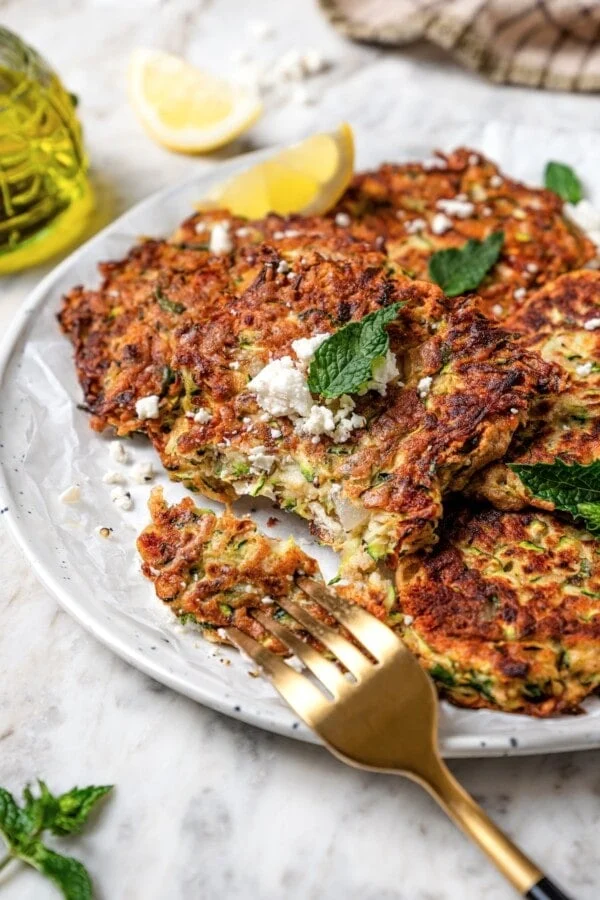
As summer ushers in an abundant harvest of garden vegetables, a particular dish is experiencing a significant resurgence in popularity across culinary circles and home kitchens: zucchini fritters, elevated by the distinctive flavors of salty feta and fresh mint. This seemingly simple preparation, combining readily available seasonal produce with Mediterranean-inspired ingredients, has transitioned from a humble side dish to a celebrated culinary staple, embodying trends in healthy eating, sustainable consumption, and budget-conscious meal planning. Its multifaceted appeal lies in its versatility, nutritional value, and the economic advantages it offers, particularly during peak zucchini season.
Background: The Ubiquity of Zucchini and the Rise of Fritters
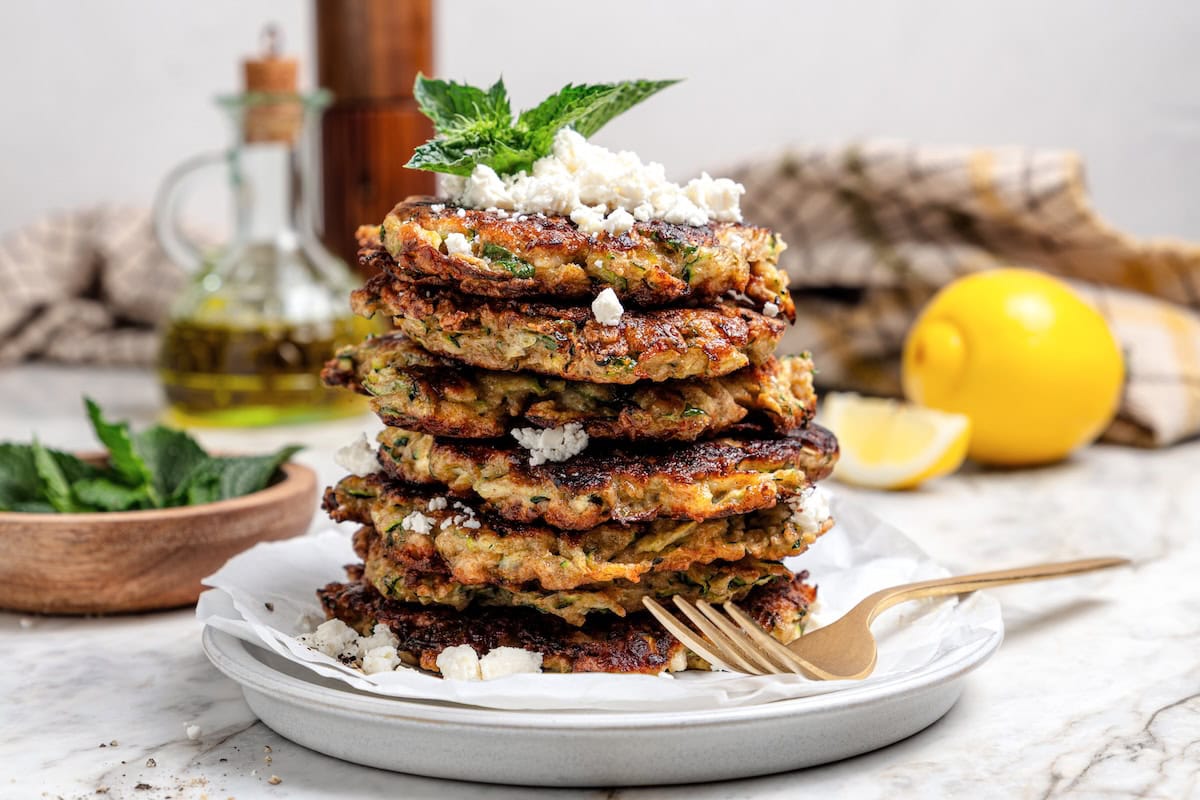
Zucchini, a member of the squash family, is renowned for its prolific growth, often leading to an overwhelming surplus for home gardeners and local farmers during the warmer months. Historically, this abundance has spurred creativity in the kitchen, giving rise to diverse preparations ranging from traditional zucchini bread and stuffed zucchini boats to various stir-fries and gratins. However, the fritter format, essentially a savory pancake or patty, has gained particular traction due to its ease of preparation and capacity to transform large quantities of zucchini into a palatable, crispy delight.
Fritters themselves have a rich culinary history, appearing in countless variations across global cuisines. From the tempura of Japan to the pakoras of India, the latkes of Eastern Europe, and the croquettes of France, the concept of finely chopped or grated ingredients bound together and fried or baked is universally cherished. The Mediterranean iteration, specifically featuring zucchini, often draws inspiration from dishes like Greek kolokithokeftedes, which traditionally incorporates herbs and cheese. This particular rendition with feta and mint taps into a growing appreciation for the vibrant, fresh, and often healthier flavor profiles characteristic of Mediterranean diets.
The Mediterranean Influence: Feta and Mint

The addition of feta cheese and fresh mint is what truly elevates these zucchini fritters beyond a mere vegetable patty. Feta, a brined curd cheese traditionally made in Greece from sheep’s milk, or a mixture of sheep and goat’s milk, imparts a characteristic salty, tangy, and slightly crumbly texture. Its robust flavor stands up well to the mildness of zucchini, providing a crucial savory counterpoint. Nutritionally, feta is a source of protein and calcium, and while it can be high in sodium, its strong flavor means a little goes a long way.
Mint, on the other hand, introduces a refreshing, aromatic, and slightly peppery note. Widely cultivated and historically valued for its medicinal and culinary properties, mint is a cornerstone of Mediterranean and Middle Eastern cuisines. Its inclusion in the fritters not only brightens the overall flavor profile but also contributes a subtle herbaceousness that complements the feta and zucchini beautifully. The specific variety of mint, often spearmint, adds a cool finish, making the dish particularly appealing during hot summer months. The interplay of these two ingredients—the salty, savory depth of feta and the bright, fresh lift of mint—creates a complex flavor profile that is both comforting and invigorating.
Economic Implications and Budget-Friendly Appeal

Beyond its culinary merits, the Zucchini Fritter with Feta and Mint presents a compelling economic case, especially pertinent in times of fluctuating food prices and increased consumer focus on value. Zucchini is typically one of the most affordable vegetables during its peak season from June to August. Its widespread availability means that local markets, community-supported agriculture (CSA) programs, and even backyard gardens are overflowing, driving down prices. For example, reports from agricultural departments indicate that zucchini prices can drop by as much as 30-50% during summer months compared to off-season periods.
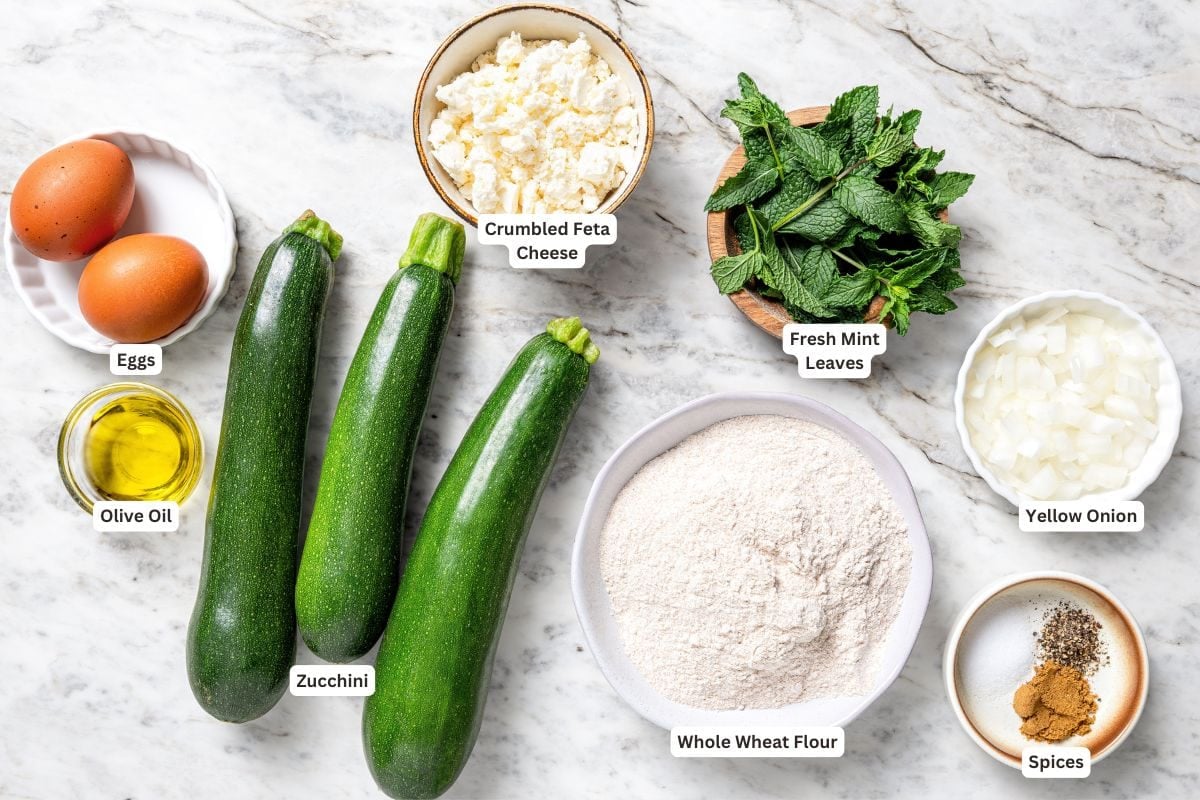
The other primary ingredients—feta, mint, flour (or a gluten-free alternative), eggs, and perhaps a touch of cumin as suggested in some popular recipes—are also relatively inexpensive. A comprehensive analysis of ingredient costs, factoring in bulk purchases or homegrown produce, reveals that a batch of these fritters, yielding eight servings (approximately 16 fritters), can cost as little as $1.66 per serving. This makes it an exceptionally cost-effective option for families and individuals seeking nutritious meals without a significant financial outlay. For those with home gardens, the cost can be even lower, effectively leveraging a garden surplus into delicious meals and minimizing food waste, aligning with broader sustainability goals. This economic accessibility contributes significantly to its widespread adoption and appeal among diverse demographic groups.
Nutritional Profile and Health Benefits

From a nutritional standpoint, these zucchini fritters offer a balanced and healthy option, aligning with the principles of the Mediterranean diet, which is consistently ranked among the healthiest dietary patterns globally. According to the provided nutritional data for a serving of two fritters:
- Calories: 129 kcal
- Carbohydrates: 13 g
- Protein: 5.5 g
- Fat: 6 g
- Saturated Fat: 2 g
- Cholesterol: 55 mg
- Sodium: 195.5 mg
- Fiber: 3 g
- Sugar: 2.5 g
These figures highlight several benefits. Zucchini itself is low in calories, rich in water, and provides a good source of dietary fiber, which aids in digestion and promotes satiety. It also contains vitamins A and C, potassium, and antioxidants. The protein content, primarily from the eggs and feta, contributes to muscle maintenance and repair. The moderate fat content, particularly if cooked with healthy oils like olive oil, can provide essential fatty acids. The fiber content helps regulate blood sugar levels and supports gut health. Nutritionists often laud dishes like these fritters for their ability to incorporate vegetables in an appealing way, making healthy eating more enjoyable and accessible, especially for those who might otherwise struggle to meet their daily vegetable intake recommendations.
Culinary Versatility and Serving Suggestions
The adaptability of zucchini fritters further solidifies their status as a summer favorite. They can be served in a multitude of contexts:
- Appetizer: Their small, handheld format makes them ideal for entertaining, often served with a dipping sauce.
- Side Dish: They pair exceptionally well with grilled meats, poultry, or fish, providing a light yet flavorful accompaniment to summer barbecues.
- Light Meal: For a more substantial offering, a larger portion of fritters served with a fresh salad and a dollop of Greek yogurt or Tzatziki sauce makes for a satisfying lunch or dinner.
The mentioned pairing with homemade Tzatziki sauce is particularly noteworthy. The cool, creamy, and garlicky yogurt-cucumber dip offers a perfect contrast to the warm, crispy fritters, enhancing the Mediterranean flavor profile. Other potential accompaniments include a squeeze of fresh lemon juice, a sprinkle of fresh dill, or even a spicy harissa yogurt for those who prefer a kick. This versatility ensures the dish remains fresh and interesting, allowing home cooks to experiment with different pairings and presentations.
Expert Commentary and Industry Reactions
Culinary experts and food industry observers have noted the increasing prominence of such vegetable-centric dishes. Dr. Elara Vance, a food sociologist at the Institute of Gastronomy Studies, commented, "The rise of dishes like zucchini fritters with feta and mint is indicative of several converging trends: a heightened awareness of seasonal eating, the continued dominance of the Mediterranean diet in health recommendations, and a growing consumer demand for versatile, affordable, and flavorful plant-forward options. It’s a dish that perfectly encapsulates modern culinary sensibilities."
Chefs in farm-to-table restaurants are also increasingly featuring similar preparations. Chef Marcus Thorne, known for his seasonal menus, stated, "We see immense value in showcasing local, seasonal produce. Zucchini fritters allow us to highlight the freshness of summer zucchini in a way that is both familiar and exciting. The feta and mint add that crucial depth and brightness that customers crave."
Moreover, the digital food media landscape has played a significant role in popularizing such recipes. Platforms like Skinnytaste, known for their focus on healthy and accessible recipes, frequently feature dishes that emphasize fresh produce and balanced nutrition. The inclusion of this particular recipe in a prominent cookbook like Lisa Leake’s 100 Days of Real Food on a Budget further solidifies its status as a well-regarded and widely adopted meal solution, particularly for those aiming to reduce processed foods and manage household food expenses.

Storage and Reheating Considerations
Practicality also plays a role in the fritters’ appeal. While best enjoyed fresh and crispy, they can be stored and reheated, providing convenience for meal planning. Cooked fritters can typically be refrigerated in an airtight container for 2-3 days. For optimal crispness upon reheating, methods like pan-frying or baking in a conventional oven or air fryer are recommended over microwaving, which can render them soft. This ability to prepare ahead or enjoy leftovers adds to their convenience, making them suitable for busy individuals and families.
Conclusion: A Symbol of Summer Culinary Innovation
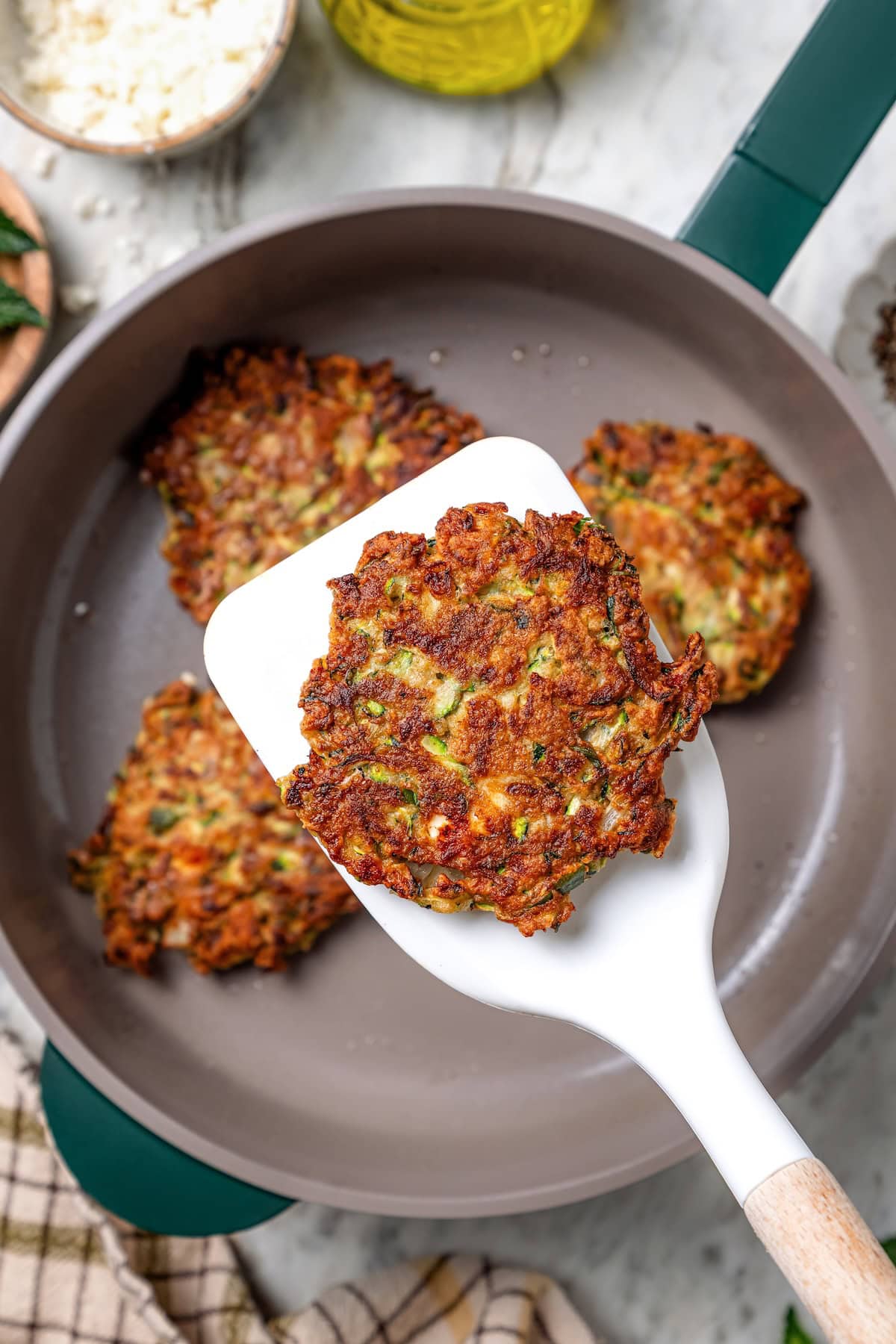
The zucchini fritter with feta and mint stands as more than just a recipe; it is a culinary phenomenon reflecting broader shifts in food culture. Its harmonious blend of seasonal abundance, Mediterranean flavors, economic practicality, and nutritional benefits positions it as a quintessential summer dish. From its humble origins as a solution for surplus zucchini to its current status as a celebrated appetizer, side, or light meal, this dish exemplifies how simple, fresh ingredients, thoughtfully combined, can yield extraordinary results. As consumers continue to seek wholesome, affordable, and delicious meal options, the enduring appeal of the zucchini fritter with feta and mint is set to grace tables for many summers to come, symbolizing a delightful convergence of taste, health, and sustainable living.
