

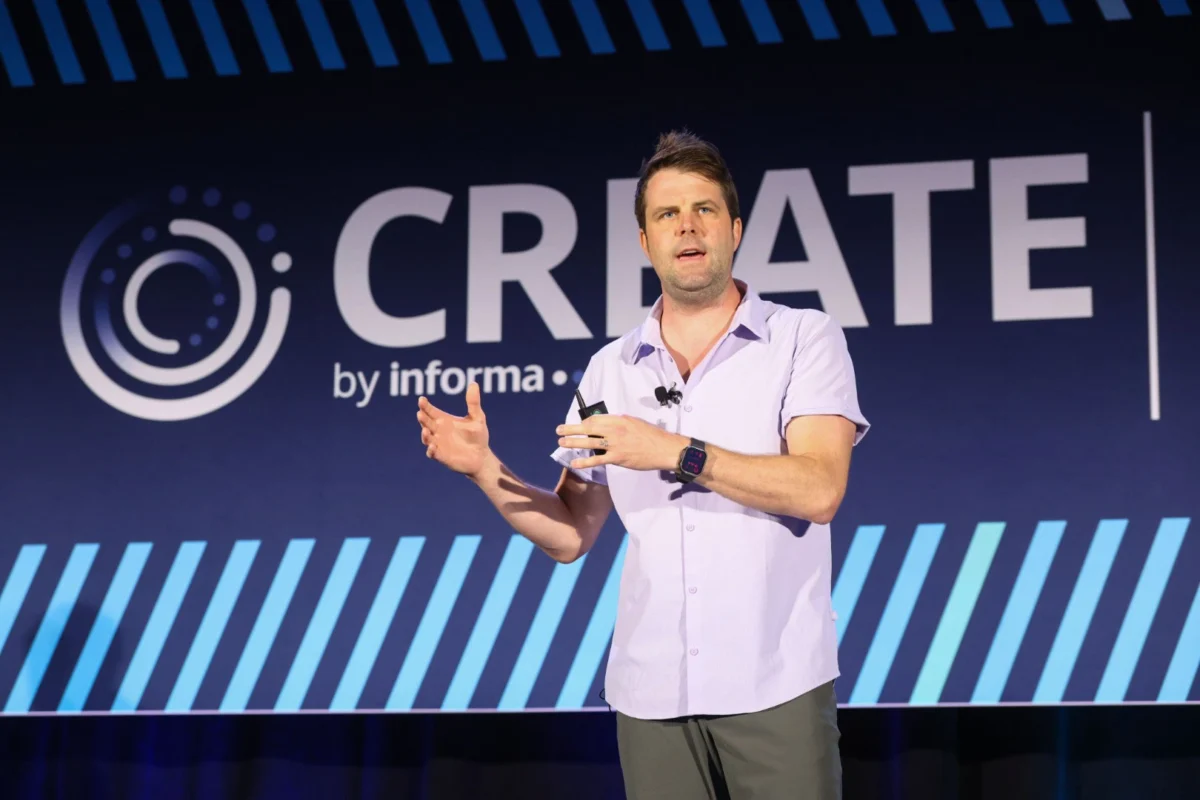
The CREATE conference, a pivotal event for emerging restaurateurs hosted by Informa, recently concluded its insightful sessions on July 19-22 at the picturesque Terranea Resort in Rancho Palos Verdes, California. This gathering, designed to equip the next generation of culinary leaders with essential knowledge and strategic foresight, featured a series of "CreaTED Talks" that delivered potent lessons learned from seasoned industry veterans. Three prominent figures – Chef Brian Duffy, Matt Haller of the International Franchise Association, and Peter Newlin of Gastamo Group – took the stage to share their invaluable experiences, offering a roadmap of triumphs and pitfalls for an audience eager to navigate the complexities of the modern restaurant landscape.
Defining the "Why": Cultivating a Purpose-Driven Restaurant Culture
Chef Brian Duffy, founder of Duffified Experience Group and a respected voice in the culinary consulting world, opened the session with a foundational question that resonated deeply with the assembled operators: "What is the ‘why’ behind everything you do?" Duffy emphasized that in a crowded marketplace, mere differentiation in food, drink, or ambiance is insufficient. True distinction, he argued, stems from a clear, compelling mission that permeates every aspect of the restaurant’s operation and, crucially, is effectively communicated to the entire team.
"A five-minute pre-meal briefing empowers your staff, educates, and excites them," Duffy stated, underscoring the transformative power of daily team huddles. "Daily food tastings and drink pairings empower your team to have knowledge that they can pass on to guests. Servers are not only selling the food, they’re selling the ‘why’ and engaging with guests." This philosophy extends to leveraging every team member as an ambassador for the brand’s core values. Duffy highlighted his success in tasking bartenders with promoting food items, a strategy that not only boosted sales but also instilled a deeper understanding of the menu’s narrative and premium ingredient sourcing.
Duffy’s innovative approach encourages restaurateurs to "charge for the why." This means pricing based on the inherent value of premium, ethically sourced, or locally procured ingredients, rather than simply marking up menu items. This practice not only enhances profitability but also reinforces the restaurant’s commitment to quality and sustainability, a growing priority for today’s discerning consumers. The implication is a shift from transactional selling to value-driven engagement, where the story behind the dish becomes as important as the dish itself.
The Franchise Landscape: Growth, Opportunity, and Local Impact
Matt Haller, President and CEO of the International Franchise Association (IFA), provided a compelling overview of the franchise sector’s vital role in the restaurant industry. Haller revealed that Quick Service Restaurants (QSR) and full-service establishments together constitute approximately 40% of the entire franchise community, making them dominant forces in this economic model.
"I think that’s why we’re starting to see a bit of full-service investment capital come back," Haller observed, pointing to a renewed interest in full-service franchising. He further elaborated on the significant private equity involvement, noting that over 180,000 franchise locations out of a total of 800,000 operate within systems backed by private equity. This trend, Haller predicts, is set to continue, as private equity firms recognize the inherent stability and growth potential of the franchise model.
The franchise sector is demonstrating robust job creation, growing at nearly twice the rate of the broader U.S. economy. This positive economic indicator directly benefits restaurants and the communities they serve. Haller stressed the IFA’s strategic initiative to amplify this narrative and advised franchisees to adopt a similar approach. "Franchising is very local, so tell the story of your brand and get it into the local media," he urged. This localized storytelling not only builds brand awareness but also fosters stronger community ties, a critical element for long-term success in the restaurant business.

In an effort to bolster the franchise ecosystem, the IFA has launched a Research & Insights Center to enhance education around franchising. Additionally, the organization has issued Principles for Successful Franchise Growth, a framework designed to protect franchisees and cultivate a healthy and thriving franchise community. These initiatives reflect a growing awareness of the need for transparency, support, and strategic guidance within the franchise model, particularly as it continues to expand its footprint in the restaurant sector.
Navigating the Pitfalls: Lessons from a Multi-Concept Restaurateur
Peter Newlin, CEO and partner of the Denver-based Gastamo Group, a company with an impressive track record of opening over 30 restaurants, shared a candid and relatable account of his journey, focusing on "Back to the Four Walls: Four Expensive Mistakes I Made So You Don’t Have To." Newlin’s presentation, delivered with raw honesty, struck a chord with the audience, offering practical wisdom gleaned from both successes and failures.
Newlin’s first critical lesson was the paramount importance of understanding the local market. He recounted an early experience with Park Burger in Denver’s RiNo Arts District, which he initially conceived as a sports bar adorned with team jerseys. The local residents, however, did not embrace this theme, leading to a disconnect. "This was not a sports town, and residents said ‘get these bros out of here’," Newlin admitted. This experience taught him a vital lesson: "I was designing for myself rather than the neighborhood I was in." Subsequent ventures saw his restaurants incorporate murals that reflected the local culture, demonstrating a profound shift towards community-centric design and branding.
The second mistake addressed the detrimental impact of ego on business decisions. Newlin confessed, "Acceptance for me mattered more than success for all." He elaborated on how the pursuit of personal validation can overshadow the collective goals of the team and the business. "The biggest cost of the ego-driven life is ‘I’m not going to have success until I achieve my goal, and you forget how to be present in your life.’" This insight emphasizes the need for leaders to prioritize the success of the enterprise and its team over personal accolades, fostering a more grounded and sustainable approach to leadership.
Newlin’s third significant misjudgment involved the timing of growth and capital allocation. He cautioned, "When you’re at your peak of confidence, you make stupid mistakes and it’s essential to build variables into your life." This highlights the danger of overconfidence during periods of success and the critical need for prudent financial planning, risk mitigation, and the incorporation of contingency measures into expansion strategies. The restaurant industry is inherently volatile, and a lack of foresight in capital management can quickly derail even the most promising ventures.
Finally, Newlin underscored the indispensable role of leadership and talent development. He cited the impactful quote from author Marcus Buckingham: "People don’t leave bad companies, they leave bad managers." Newlin firmly believes in fostering an environment where team members’ aspirations are aligned with the business’s objectives, advocating for a leadership style that empowers and elevates employees. "If you build a business worth keeping, selling takes care of itself," he concluded, offering a powerful testament to the enduring value of strong leadership and a thriving organizational culture.
Broader Implications and the Future of Emerging Restaurateurs
The insights shared at the CREATE conference offer a comprehensive toolkit for emerging restaurateurs. Chef Duffy’s emphasis on purpose-driven operations speaks to the growing consumer demand for authentic and values-aligned brands. Matt Haller’s analysis of the franchise landscape reveals significant opportunities for scalable growth and the importance of community engagement. Peter Newlin’s candid reflections on his mistakes provide a vital cautionary tale, urging entrepreneurs to prioritize market understanding, humility, and sound financial practices.
The success of these "CreaTED Talks" underscores the ongoing need for platforms that facilitate knowledge sharing and mentorship within the dynamic restaurant sector. As the industry continues to evolve, driven by changing consumer preferences, technological advancements, and economic fluctuations, the lessons learned from experienced operators like Duffy, Haller, and Newlin become increasingly invaluable. The CREATE conference, by bringing these voices to the forefront, not only empowers individual entrepreneurs but also contributes to the overall resilience and innovation of the emerging restaurant ecosystem. The strategies discussed, from cultivating a strong brand "why" to understanding the nuances of franchising and avoiding common operational pitfalls, provide a solid foundation for those aspiring to build successful and enduring culinary businesses.
