

The second episode of Food Network’s high-stakes live-fire competition, Pitmasters, saw a significant escalation in difficulty as the remaining eight teams transitioned from the initial introductions to the grueling reality of outdoor culinary endurance. Set against the stark, unforgiving landscape of the southern Utah desert, the episode highlighted the physical and mental demands of professional barbecue, requiring contestants to navigate extreme environmental variables while executing complex technical maneuvers. Among the featured competitors, Susie Bulloch of Hey Grill Hey and Christie Vanover of Girls Can Grill faced a multifaceted challenge that tested their ability to synchronize diverse cooking techniques under a strict 10-hour window.
The competition structure of Pitmasters is divided into two primary segments: the Big Burn and the Flash Burn. The Big Burn serves as the foundational challenge, providing teams with a broad objective and an extended timeframe to demonstrate mastery of smoke and fire. Conversely, the Flash Burn is a high-pressure, short-duration task that can be introduced at any moment, forcing teams to pivot from their long-term strategies to produce immediate results for a cash prize. In episode two, the stakes were elevated by a unique judging format and a requirement for manual labor that extended beyond the kitchen, forcing pitmasters to literally dig into the desert earth to facilitate traditional cooking methods.
Environmental Constraints and the Physicality of Desert Competition
The southern Utah desert serves as a secondary antagonist in the series, presenting obstacles that standard kitchen-based culinary competitions rarely encounter. Pitmasters must contend with the "Trifecta of Elements": intense solar radiation during daylight hours, significant wind gusts that can disrupt fire consistency, and a precipitous drop in temperature as night falls. These factors are compounded by the cumulative effect of sleep deprivation, a common occurrence in long-format barbecue competitions where fires must be tended around the clock.

Industry experts note that environmental control is the hallmark of a master pitmaster. In a controlled environment, heat and airflow are predictable; however, in the open desert, the rate of fuel consumption changes based on atmospheric pressure and humidity. The episode illustrated how even seasoned professionals can succumb to "costly errors" when fatigue intersects with volatile weather. The physical requirement of digging a cooking pit for the "underground" portion of the challenge added a layer of athletic exertion, further draining the energy reserves of the contestants before the primary cooking phase even began.
The Big Burn: The Trifecta of Live Fire
Host and lead judge Andrew Zimmern, a veteran of global culinary exploration, framed the week’s Big Burn challenge around the "Trifecta of Live Fire." This required teams to utilize three distinct heat applications: direct flame (grilling), underground (pit cooking), and hanging (suspended radiant heat). The objective was to demonstrate that live-fire cooking is a versatile discipline rather than a singular technique.
Bulloch and Vanover elected to execute an "Italian Summer" theme, a strategic choice that deviated from traditional American barbecue tropes of brisket and ribs. This thematic direction allowed them to showcase a wider range of culinary influences while adhering to the technical requirements of the challenge.
Technical Execution: Underground and Direct Flame
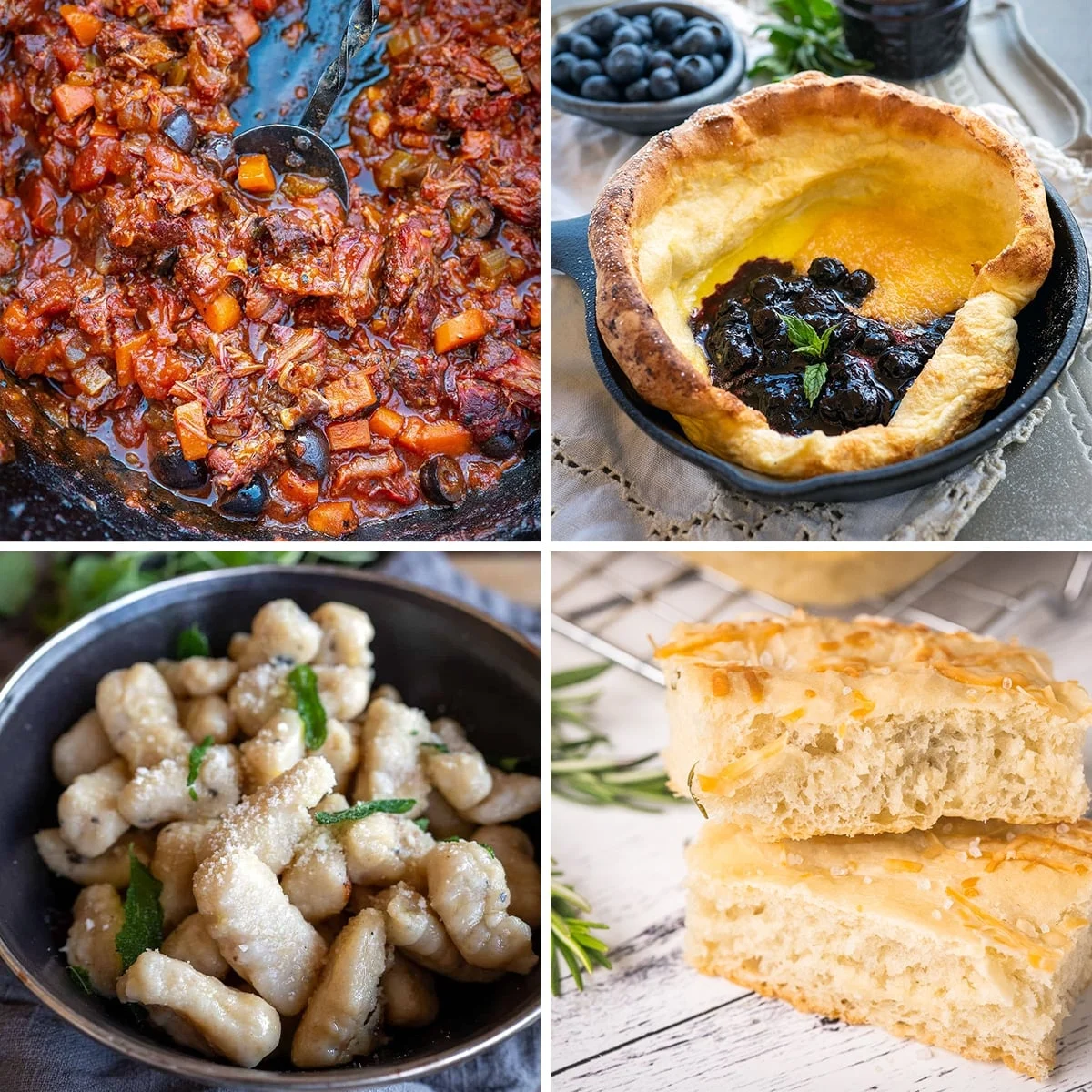
For the underground component, the team utilized a Dutch oven buried in a hand-dug pit. This method, often associated with historical campfire cooking and the "whole hog" traditions of the American South, relies on the thermal mass of the earth to maintain a steady, low-temperature environment. Christie Vanover prepared a smoked Osso Buco, an Italian stew typically made with veal shanks but adapted here using beef chuck roast and oxtail. The use of oxtail provided a high collagen content, which, when rendered slowly in the underground pit, created a rich, gelatinous braising liquid. The dish was seasoned with a specialized brisket rub, bridging the gap between classical Italian braising and modern barbecue flavor profiles.

Simultaneously, the direct flame requirement was met with the preparation of gnocchi. Cooking potato dumplings over an open flame is a high-risk maneuver; without the buoyancy of boiling water, the gnocchi must rely on the Maillard reaction to develop a crust while maintaining a soft interior. This technique requires precise heat management to prevent the exterior from charring before the starch is fully set.
Innovation in Hanging Heat: The Swinging Focaccia
Susie Bulloch addressed the "hanging" requirement with a creative engineering solution. Rather than hanging a protein, which is the standard approach in live-fire circles, she developed a "swinging" rosemary parmesan focaccia. The team rigged a suspended oven environment using baking sheets on a swing mechanism over the open fire. This allowed for the utilization of radiant heat and convection, mimicking the air circulation of a traditional wood-fired oven. To complement the bread, the team prepared grilled artichoke hearts with a lemon garlic aioli, utilizing the hanging station to impart a subtle smokiness to the vegetables without the aggressive sear of direct flame.
The Flash Burn: Strategic Pivoting and the BBQ Breakfast
Midway through the Big Burn, the competition was interrupted by the Flash Burn challenge. In a strategic maneuver by the judges, the contestants were initially presented with pastries, suggesting a moment of respite, before being tasked with creating a "BBQ Breakfast" in 45 minutes. With $2,000 on the line, the challenge tested the teams’ ability to adapt their existing fires for rapid cooking.
The Bulloch-Vanover team split the task into sweet and savory components. Vanover produced "German Pancakes," also known as Dutch Babies. These are high-rise, egg-leavened pancakes that require a significant burst of heat to achieve their characteristic loft. Using a maple blueberry syrup made by simmering fresh fruit until it reached a jammy consistency, the dish provided a high-acid, high-sugar counterpoint to the smoke-heavy environment.

Bulloch focused on a savory jalapeño bacon breakfast sausage, built from scratch using ground pork, minced bacon, and fresh jalapeños. The patties were smoked over cherry wood, a choice of fuel known for its mild, sweet smoke profile that complements pork without overpowering the heat of the peppers. This "composed bite" strategy—linking the sweet pancakes with the savory sausage via a shared maple glaze—demonstrated a level of menu planning often absent in high-pressure "black box" style challenges.
Evolutionary Trends in Judging: The Hilltop Assessment
A notable shift in the show’s production occurred during the judging phase. Moving away from the communal table format seen in episode one, the judges implemented a one-on-one hilltop dining experience. Teams were required to transport their finished dishes up a significant incline to a remote dining station. This "hilltop hike" served as a final test of the contestants’ physical endurance and the structural integrity of their plating.
The private nature of the judging meant that teams were sequestered from one another, preventing them from gauging their performance relative to their peers. This lack of immediate feedback increased the psychological tension of the "Wait for Results" period. Andrew Zimmern and the judging panel focused their critiques on technical execution, thematic consistency, and the successful integration of the three live-fire techniques.
Broader Industry Impact and Analysis
The Pitmasters series reflects a broader trend in the $4.4 billion American barbecue industry: the elevation of open-fire cooking from a backyard hobby to a sophisticated culinary art form. Data from the Hearth, Patio & Barbecue Association (HPBA) indicates that nearly 70% of U.S. adults own a grill or smoker, but there has been a 15% increase in the purchase of "specialty" outdoor cooking equipment, such as Argentinian-style grills and outdoor pizza ovens, over the last three years.

Furthermore, the participation of high-profile female pitmasters like Bulloch and Vanover highlights a demographic shift in a historically male-dominated field. Their success in navigating the physical rigors of the Utah desert while maintaining a high level of technical precision serves as a benchmark for the "new guard" of barbecue professionals who prioritize culinary education and digital brand building alongside traditional pit skills.
The episode concluded without an immediate elimination announcement, maintaining a serialized narrative that emphasizes the cumulative performance of the teams. As the competition progresses, the focus is expected to shift from basic survival and technique to the refinement of "signature styles" under increasingly difficult environmental constraints. For the viewers and the industry at large, Pitmasters Episode 2 stands as a testament to the fact that modern barbecue is as much about logistics, engineering, and endurance as it is about flavor.
