

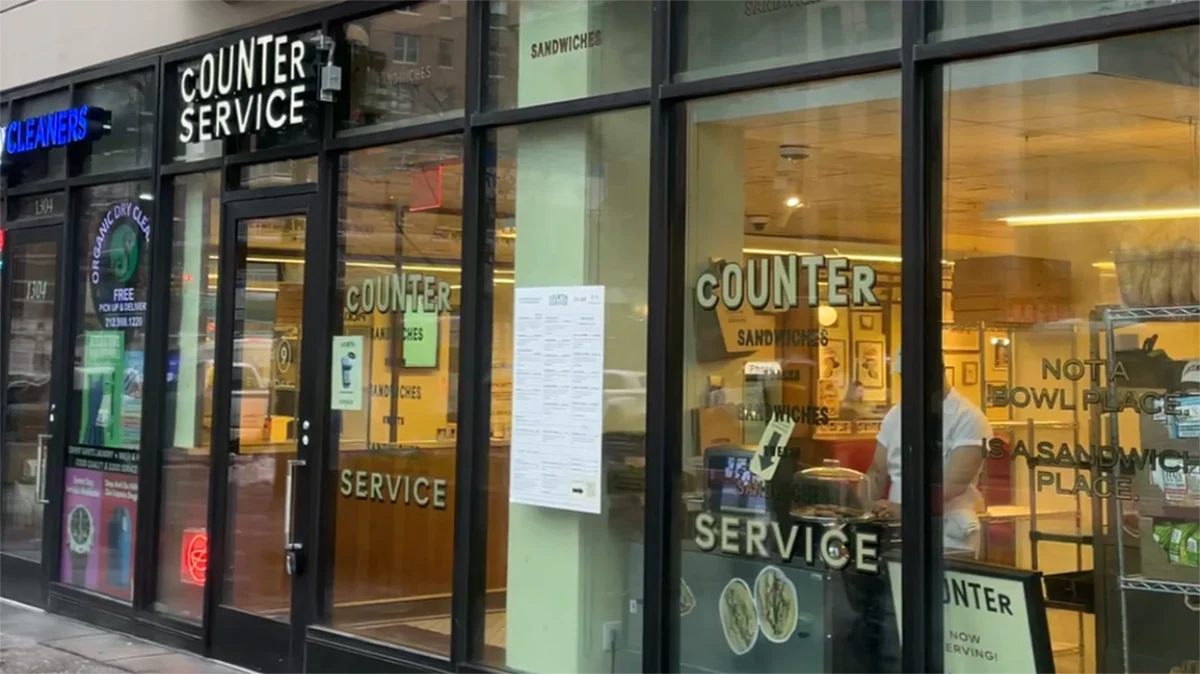
Steve Ells, the visionary behind Chipotle Mexican Grill, is once again setting his sights on disrupting the limited-service restaurant landscape. His new venture, Counter Service, a burgeoning sandwich brand currently operating five units, is poised for its initial foray beyond the New York City metropolitan area, signaling a significant expansion phase for the ambitious concept. This strategic move follows a period of meticulous refinement and development, drawing on Ells’ foundational experiences and lessons learned from his groundbreaking success with Chipotle.
The genesis of Counter Service can be traced back to a moment of introspection and a persistent drive to innovate within the fast-casual dining sector. Ells, who was a mere 26 years old when he launched Chipotle in 1993, recently reflected on the transformative power of pursuing a clear culinary vision during the 2026 CREATE conference held at the Terranea Resort in Rancho Palos Verdes, California. He described a markedly different environment in the early days of Chipotle, characterized by a raw entrepreneurial spirit and an uninhibited approach to food creation. "I just jumped in and started cooking the food I wanted to cook, and I didn’t worry about what other people wanted," Ells recounted to Sam Oches, Editor-in-Chief of Nation’s Restaurant News, during an Operator Spotlight session. "I just did this because I thought it was going to be great, because I liked it. And slowly we built a fan base." This philosophy of authentic passion and customer-driven growth has evidently informed his current endeavor.
Counter Service, initially conceived under the name Kernel, began as an experiment with a vegan and robotics-heavy approach. Ells candidly admitted the initial concept, while personally satisfying, had a limited appeal. "I thought the food was delicious," he deadpanned, "And so did a few of my customers." This period of experimentation, though not yielding immediate widespread success, was crucial in shaping the brand’s current trajectory. It was during this exploratory phase, approximately a year into the project, that Ells connected with Tom Cortese, a key figure in the disruptive business world, known for his co-founding role at Peloton.
Cortese, who now serves as the CEO of Counter Service, while Ells holds the position of COO, initially viewed Ells’ ambitious undertaking with a degree of skepticism. "I thought he was absolutely bonkers," Cortese confessed, recalling his first impressions of Ells’ vision. However, Cortese was quickly captivated by Ells’ unwavering conviction and the underlying potential for reinvention within the fast-food industry. "Whether this idea is the right idea or not, there’s a new opportunity to reinvent the system of fast food," Cortese stated. "We, as Americans, are probably going to keep eating fast food. How can we continue to push the limits and make great food fast?" This shared conviction in the potential for significant industry advancement became the bedrock of their partnership.
Cortese’s initial involvement was envisioned as a supportive role, a "founder’s helper." However, the iterative nature of culinary innovation and business development soon saw him fully immersed. The pivot from the vegan, robotics-focused Kernel to the sandwich-centric Counter Service marked a critical juncture. This evolution was driven by a mutual recognition that the concept needed to be streamlined and more broadly appealing while retaining its core commitment to quality and innovation. Ells articulated his enduring objective for Counter Service: to serve as a platform that unequivocally demonstrates that fast food can be both delicious and superior in quality.
The Evolving Landscape of Fast Casual
The current restaurant market presents a different set of challenges and opportunities compared to the early days of Chipotle. Ells highlighted the increased competition and the pervasive influence of technology as significant factors that make capturing consumer attention more demanding. "It’s harder to get people’s attention," he observed. Nevertheless, Cortese contends that the sandwich segment of the fast-food market is particularly ripe for disruption.
"The vast majority of the dollars spent in sandwiches in the U.S. goes to sandwiches made on manufactured bread with cold cuts, processed cold cuts," Cortese explained. He attributed this dominance to the economic advantages of such ingredients: "And the reason they do that is because those are low input cost items that travel in a supply chain for a long time, because they’re half non-perishable, and that’s what customers are buying." This analysis underscores a significant market gap where high-quality, freshly prepared ingredients are not the norm.
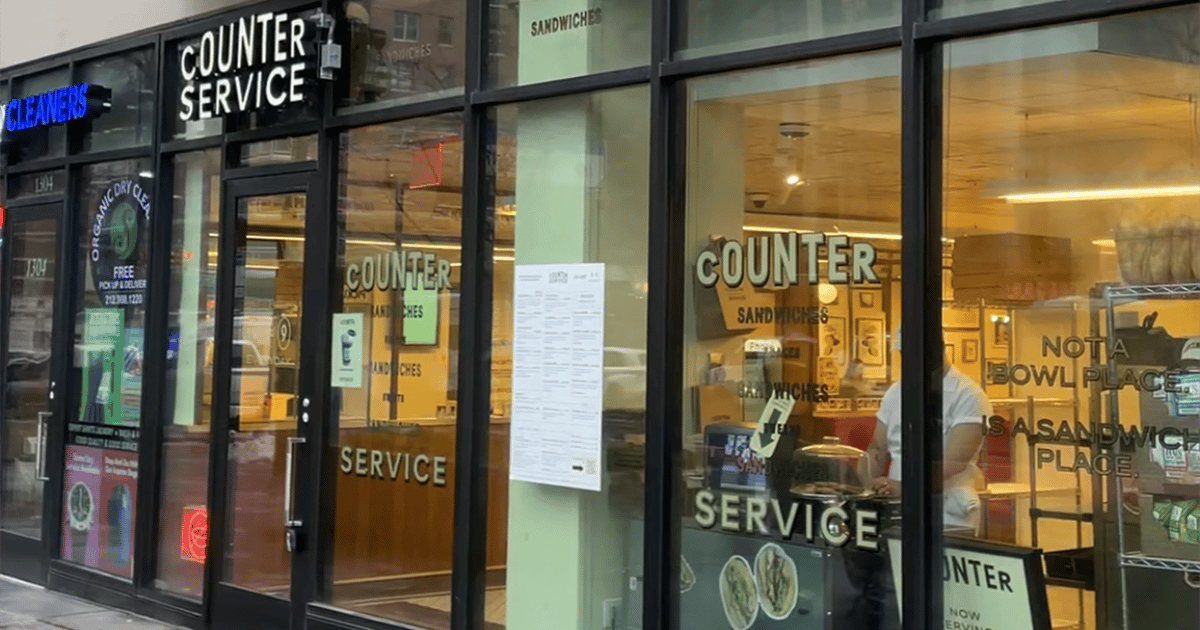
Counter Service aims to directly address this gap by prioritizing premium ingredients and meticulous preparation. The brand’s commitment to quality is exemplified in its bread, which is made with a simple, four-ingredient recipe: flour, water, yeast, and salt. This bread is baked fresh daily, a stark contrast to the mass-produced offerings prevalent in much of the industry. Furthermore, the sandwiches feature "beautiful cuts of meat that are marinated and cooked to perfection, sliced or shredded," as described by Ells. Complementing the high-quality proteins are house-made condiments, garnishes, and pickles, further elevating the dining experience beyond typical fast-food fare.
Operational Innovation Meets Culinary Excellence
The operational complexity inherent in preparing such high-quality ingredients presents a significant hurdle. However, Ells and Cortese are actively leveraging technology to mitigate these challenges, particularly in ways that are not overtly customer-facing. Their goal is to streamline operations, reduce error rates, and enhance the efficiency of their team members, thereby allowing them to focus on providing exceptional guest experiences.
One notable technological advancement is an "ingenious methodology" designed to verify the accuracy of order assembly. Incorrect orders are a significant source of customer dissatisfaction in the fast-food industry, and this system aims to virtually eliminate such errors. By automating this quality control step, Counter Service empowers its team members to dedicate more attention to guest engagement and hospitality, fostering a more welcoming and personalized dining environment. This approach reflects a nuanced understanding of customer service, where operational efficiency directly translates into enhanced customer satisfaction.
Strategic Expansion on the Horizon
The strategic expansion beyond New York City is a critical next step for Counter Service. The company is actively exploring new markets, with a keen eye on locations that can accommodate their growth objectives and offer a receptive consumer base. Ells and Cortese recently embarked on a scouting trip to North Carolina, with Charlotte identified as a strong contender for their next market. Dallas is also being considered for future expansion.
"We want to show up in a few different neighborhoods around the United States, not just in and around Manhattan," Cortese articulated. "And we want to talk to those folks, meet those people in those neighborhoods, and introduce them to what we’re making. And we’re going to learn from them." This outward-looking approach emphasizes a commitment to understanding and adapting to diverse consumer preferences across different regions.
The brand’s expansion strategy is not merely about opening new locations; it’s about fostering a deeper connection with local communities. "We’re going to learn what they love about it, what doesn’t work for them, and that’s going to help us adjust and make it better," Cortese added. This iterative process of market engagement and feedback integration is designed to ensure that Counter Service evolves in alignment with consumer desires, reinforcing its position as a brand that prioritizes both quality and customer satisfaction. Cortese expressed optimism about finding receptive markets nationwide, stating, "And I think we’re going to find pockets all around the country where people love these sandwiches as much as we do."
Analyzing the Broader Implications
The reentry of Steve Ells into the fast-casual arena with Counter Service carries significant implications for the industry. His proven track record with Chipotle, a company that redefined consumer expectations for Mexican fast food, lends considerable weight to his new venture. The sandwich market, as identified by Cortese, represents a vast and largely untapped opportunity for brands that can offer a demonstrably superior product.
The success of Counter Service could catalyze further innovation in the sandwich sector, potentially forcing established players to re-evaluate their ingredient sourcing, preparation methods, and overall value proposition. The emphasis on fresh, high-quality ingredients, coupled with technological integration for operational efficiency, sets a high bar for emerging competitors. Furthermore, the brand’s deliberate expansion strategy, prioritizing market research and community engagement, suggests a long-term vision focused on sustainable growth rather than rapid, potentially unsustainable scaling.
The partnership between Ells, with his deep understanding of culinary innovation and brand building, and Cortese, with his expertise in scaling disruptive businesses, creates a formidable synergy. Their combined experience suggests a calculated approach to overcoming the inherent challenges of the food service industry, from supply chain management to operational execution and customer acquisition.
As Counter Service prepares to make its mark beyond its initial New York City base, the industry will be watching closely. The brand’s ability to replicate its initial success in new markets, while navigating the complexities of a dynamic and competitive fast-casual landscape, will be a key determinant of its long-term impact. Ells’ ambition to once again redefine a significant segment of the quick-service dining experience appears to be well underway, fueled by a commitment to quality, innovation, and a deep understanding of consumer desires. The coming years will undoubtedly reveal whether Counter Service can achieve the same transformative success as its predecessor, Chipotle, thereby setting new standards for what consumers can expect from their fast-food choices.
