

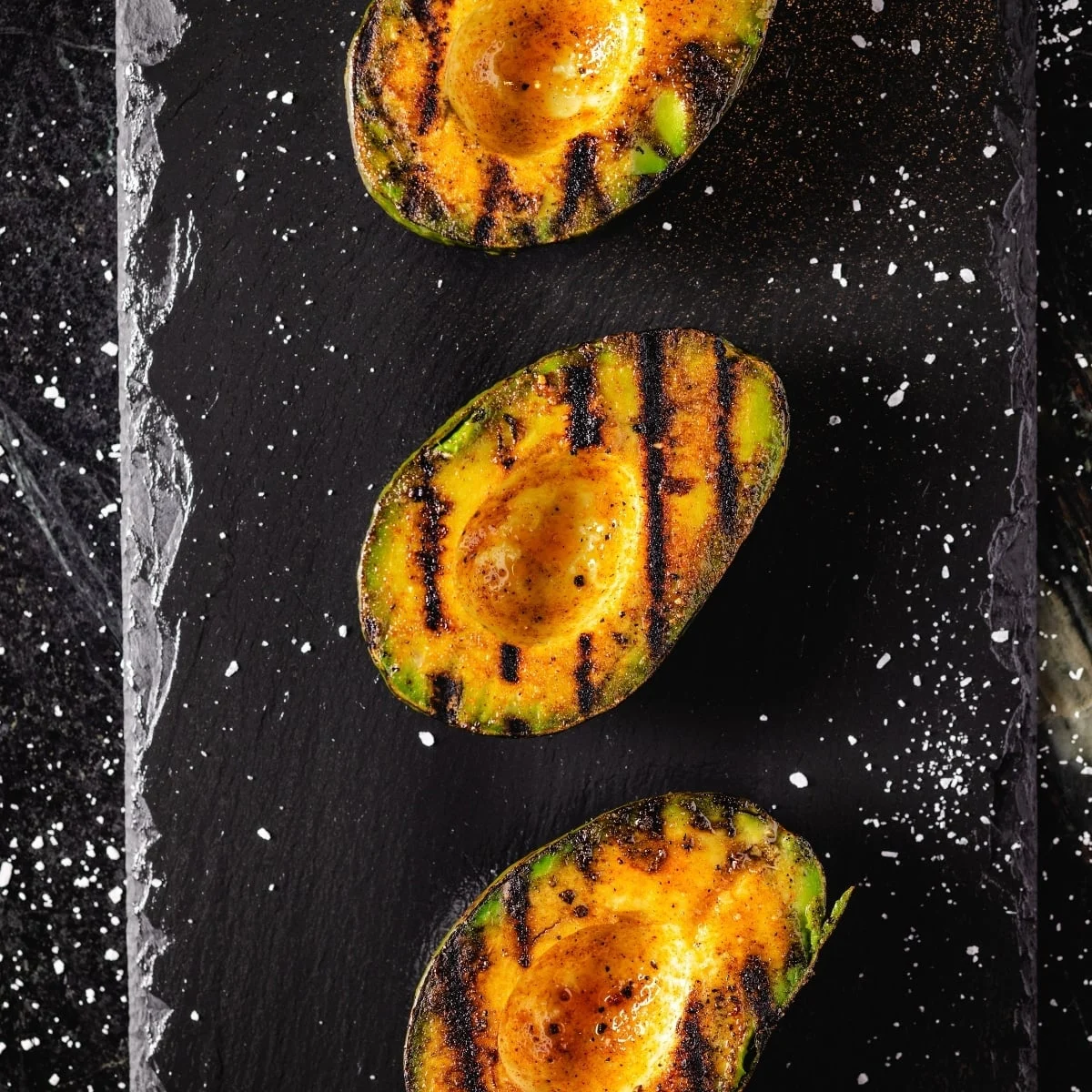
The landscape of contemporary outdoor cooking is undergoing a significant transformation as plant-forward alternatives begin to share the spotlight with traditional proteins. Central to this shift is the emergence of grilled avocado, a dish that leverages the high fat content and unique texture of the fruit to create a smoky, creamy culinary experience. By utilizing a minimalist approach—requiring only five primary ingredients and a high-heat environment—this technique represents a broader trend in gastronomy where simple, high-quality ingredients are elevated through specific thermal applications. Culinary experts, including Susie Bulloch of the prominent BBQ platform Hey Grill Hey, have noted that the application of high heat for a brief duration (approximately five minutes) provides a smoky char to the exterior while maintaining a warm, velvety interior, effectively redefining the avocado’s role from a cold garnish to a hot, structural component of a meal.
The Historical and Economic Context of Avocado Consumption
To understand the current popularity of grilled avocado, one must examine the meteoric rise of the fruit within the global agricultural market. The avocado, scientifically known as Persea americana, has transitioned from a niche regional specialty to a global commodity. According to data from the United States Department of Agriculture (USDA), per capita consumption of avocados in the United States has tripled since the early 2000s, reaching over eight pounds per person annually. This growth is largely attributed to the year-round availability facilitated by trade agreements with major producers such as Mexico, Peru, and Chile, alongside domestic production in California.
As the market matured, culinary innovation became a necessity to maintain consumer engagement. While "avocado toast" dominated the 2010s, the current decade has seen a pivot toward cooked applications. Grilling avocados is not merely a trend but a response to the "plant-based" movement that has permeated the barbecue industry. Market research indicates that the outdoor cooking industry, valued at over $15 billion globally, is increasingly catering to "flexitarian" diets. This demographic seeks the charred, umami flavors associated with grilling without the exclusive reliance on meat products.

The Science of Heat and Lipid Interaction
The technical success of the grilled avocado lies in the chemical interaction between heat and the fruit’s high monounsaturated fat content. Unlike many fruits and vegetables that contain high water content and collapse under high heat, the avocado’s dense lipid structure allows it to withstand temperatures of 400°F to 500°F for short periods. When placed cut-side down on a hot grate, the sugars and proteins on the surface undergo the Maillard reaction, a form of non-enzymatic browning that creates complex flavor compounds and the visually appealing "grill marks" sought by enthusiasts.
Furthermore, the avocado’s oil acts as a natural conductor for smoke. Whether using charcoal, wood pellets, or gas, the porous nature of the fruit’s flesh absorbs volatile organic compounds (VOCs) released during combustion, imparting a distinct wood-fired flavor that cannot be replicated through indoor cooking methods. This process effectively seasons the fruit from the outside in, providing a contrast to its naturally mild, nutty profile.
Technical Execution: A Chronology of the Grilling Process
The methodology for producing a high-quality grilled avocado is precise and relies on a specific sequence of actions to ensure structural integrity and flavor development.
- Preparation and Sourcing: The process begins with selecting fruit that is "ripe but firm." Overripe avocados lack the structural density to withstand the weight of the grill grates, often resulting in a mushy consistency. The fruit is halved longitudinally, and the pit is removed.
- The Barrier Layer: To prevent sticking and to facilitate even heat distribution, the cut surface is brushed with a high-smoke-point oil, such as olive oil or avocado oil. This layer serves as a medium for the adherence of seasonings.
- Seasoning Integration: The application of a "Sweet Rub"—a combination of sugar, salt, and spices—is a critical step. The sugar components in the rub accelerate caramelization, while the salt draws out minute amounts of moisture to create a flavorful crust.
- Thermal Application: The avocados are placed directly over high heat (direct grilling) for a duration of three to five minutes. This timeframe is sufficient to achieve charring without overcooking the fruit to the point of bitterness.
- Finishing: Post-grill, the application of an acid, typically fresh lime juice, is essential. The citric acid provides a bright contrast to the heavy fats and smoky notes, while a final sprinkle of coarse salt enhances the overall flavor profile.
Nutritional Analysis and Health Implications
From a nutritional standpoint, the grilled avocado offers a dense profile of macro and micronutrients. A standard serving (approximately half an avocado) contains roughly 196 calories, 18 grams of healthy fats, and 7 grams of dietary fiber. The heating process does not significantly degrade the monounsaturated fats (primarily oleic acid), which are associated with cardiovascular health.

Detailed nutritional data for a single serving of this recipe includes:
- Total Fat: 18g (3g Saturated, 12g Monounsaturated)
- Carbohydrates: 9g (with a significant 7g of Fiber)
- Protein: 2g
- Micronutrients: 497mg of Potassium (more than a medium banana), 11mg of Vitamin C, and 180 IU of Vitamin A.
Health professionals note that the inclusion of healthy fats in a barbecue setting can aid in the absorption of fat-soluble vitamins (A, D, E, and K) from other grilled vegetables, such as bell peppers or asparagus, making it a functional addition to a balanced meal.
Versatility in Modern Gastronomy
The utility of the grilled avocado extends beyond its role as a standalone side dish. Culinary professionals are increasingly utilizing the grilled fruit as a base for more complex compositions. In commercial kitchen settings, grilled avocados are being repurposed in several ways:
- Deconstructed Guacamole: Instead of mashing raw fruit, chefs are dicing grilled avocados to create a chunky, smoky salsa that pairs with high-end proteins like wagyu beef or blackened shrimp.
- The Edible Bowl: The cavity left by the pit serves as a natural vessel for ceviche, quinoa salads, or pico de gallo, providing a functional and aesthetically pleasing presentation for catering and events.
- Texture Modification in Sandwiches: When sliced and added to burgers or plant-based sandwiches, the grilled avocado provides a creamy mouthfeel that serves as a healthier alternative to mayonnaise or processed cheese.
Industry Reactions and Expert Commentary
Susie Bulloch, the founder of Hey Grill Hey and a recognized authority in the BBQ space, emphasizes that the simplicity of the recipe is its primary strength. Having appeared on major networks such as the Food Network and collaborated with global icons, Bulloch’s endorsement of the grilled avocado highlights a shift in the BBQ community toward inclusivity. "It’s still avocado, just better," she noted, highlighting the transformative power of the grill.

Industry analysts suggest that the rise of such recipes is indicative of a "back-to-basics" movement in home cooking. As consumers face rising meat prices and a growing awareness of environmental sustainability, the ability to produce a "hero" dish from a relatively affordable fruit is highly attractive. Furthermore, the low barrier to entry—requiring no specialized equipment beyond a standard grill—makes it accessible to the "Backyard BBQ Hero" demographic.
Broader Implications for the BBQ Industry
The integration of fruits like the avocado into the traditional BBQ repertoire signals a broadening of the "American Barbecue" definition. Historically centered around slow-smoked meats like brisket and ribs, the modern BBQ scene is becoming more eclectic. This evolution is driven by social media platforms where visual appeal is paramount; the vibrant green of the avocado contrasted with dark, geometric grill marks makes it a highly shareable subject for digital audiences.
Moreover, the environmental footprint of avocado production, while a subject of ongoing discussion regarding water usage, remains significantly lower than that of beef production. As ESG (Environmental, Social, and Governance) concerns continue to influence consumer behavior, the adoption of grilled fruit and vegetable dishes is expected to grow.
Conclusion and Future Outlook
The grilled avocado represents a confluence of culinary science, economic trends, and dietary shifts. By applying traditional BBQ techniques to a modern superfood, cooks are able to bridge the gap between indulgent outdoor cooking and health-conscious eating. As the technique becomes a staple in residential backyards and commercial menus alike, it serves as a testament to the versatility of the grill as a tool for more than just meat. With continued innovation in seasonings and pairings, the grilled avocado is poised to remain a permanent fixture in the evolving landscape of global gastronomy. For those looking to expand their outdoor cooking repertoire, this five-ingredient method offers a high-impact, low-effort solution that satisfies both the palate and the nutritional requirements of the modern diner.
