

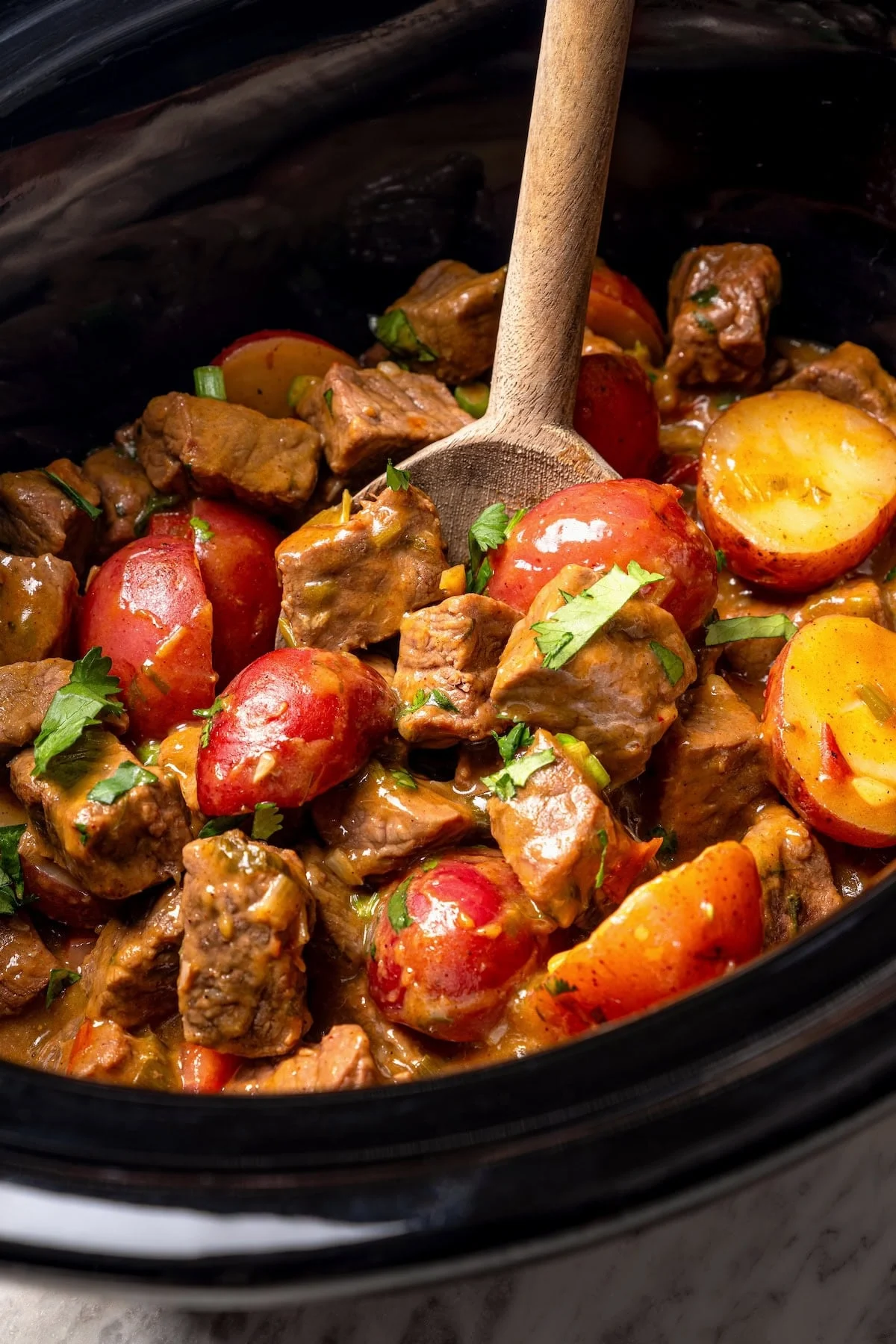
The recent adaptation of traditional Colombian Carne Guisada for the slow cooker, spearheaded by prominent culinary platform Skinnytaste.com, marks a notable evolution in the accessibility of global comfort food. This development caters to a growing demographic of home cooks seeking authentic flavors combined with the convenience offered by modern kitchen appliances. The recipe, transforming a classic stovetop stew into a set-it-and-forget-it crock pot meal, underscores a broader trend in culinary innovation aimed at preserving heritage dishes while aligning with contemporary lifestyle demands.
The Enduring Legacy of Carne Guisada
Carne Guisada, Spanish for "stewed meat," is a foundational dish in Colombian cuisine, deeply rooted in the country’s culinary heritage. More than just a meal, it represents warmth, family, and tradition, often served during gatherings or as a hearty staple in daily life. Historically, the dish is characterized by its tender pieces of beef, slow-simmered in a rich, aromatic sauce alongside vegetables like potatoes, tomatoes, onions, and bell peppers. The robust flavor profile is typically achieved through a medley of seasonings such as cumin, garlic, and achiote, which imparts a subtle earthy note and a characteristic reddish hue.

The preparation of traditional Carne Guisada often involves several hours of simmering on the stovetop, allowing the beef to break down into succulent tenderness and the flavors to meld profoundly. This long cooking process, while yielding exceptional results, can be a deterrent for busy individuals and families in the modern era. The dish’s origins can be traced back to the blending of Indigenous, Spanish, and African culinary influences that shaped much of Latin American gastronomy. Each region within Colombia, and indeed across Latin America, boasts its unique variations, incorporating local ingredients and subtle seasoning differences that contribute to the rich tapestry of the dish. The constant across these variations, however, remains the commitment to slow cooking to achieve a deeply satisfying and flavorful result.
The Rise of Slow Cooking and Culinary Adaptation
The slow cooker, or crock pot, emerged as a revolutionary kitchen appliance in the latter half of the 20th century, promising convenience and efficiency for home cooks. Its ability to gently simmer ingredients over extended periods, often unattended, made it an instant favorite for preparing hearty stews, roasts, and chilis. In recent years, the slow cooker has experienced a resurgence in popularity, driven by renewed interest in home cooking, meal prepping, and the pursuit of comfort food that requires minimal hands-on time. Data from market research firms indicate a steady growth in slow cooker sales, reflecting a consumer desire for cooking solutions that fit demanding schedules without sacrificing taste or nutritional value.
This demand has naturally extended to ethnic cuisines, with home cooks increasingly seeking ways to replicate beloved international dishes using convenient methods. Food bloggers and culinary innovators have responded by adapting complex, multi-step recipes for the slow cooker, effectively democratizing access to diverse global flavors. The adaptation of Carne Guisada is a prime example of this trend, bridging the gap between time-honored cooking traditions and contemporary kitchen needs. The core challenge in such adaptations lies in maintaining the authentic flavor and texture profile of the original dish, which often relies on specific searing techniques or precise timing of ingredient additions.

Skinnytaste’s Approach to the Slow Cooker Carne Guisada
Gina Homolka, the acclaimed founder of Skinnytaste.com, a platform celebrated for its healthy and delicious recipes, identified a clear need for a slow cooker version of this Colombian staple. Homolka, whose own upbringing included her mother’s traditional stovetop Carne Guisada, recognized the potential for a convenient adaptation without compromising on flavor. She stated in her notes accompanying the recipe, "I usually make carne guisada on the stove, but with so many requests for more slow cooker recipes, and some minor adjustments I was able to make it in the crock pot." This statement highlights the responsive nature of modern culinary platforms to their audience’s preferences and underscores the deliberate effort to translate a deeply personal family recipe into a widely accessible format.
The Skinnytaste recipe notably incorporates a crucial initial stovetop step: quickly searing the beef before transferring it to the slow cooker. This technique is critical for developing a rich, complex flavor base and achieving the desirable browned crust that contributes significantly to the stew’s depth. Culinary experts often emphasize the Maillard reaction, a chemical process responsible for the browning of food and the creation of hundreds of flavor compounds, as essential for many slow-cooked dishes. By including this brief stovetop start, Homolka ensures that the slow cooker version captures the essence of the traditional preparation, avoiding the often-bland results associated with simply dumping all ingredients into the crock pot. The subsequent slow cooking then tenderizes the beef and allows the bold seasonings, baby potatoes, and tomatoes to meld into a harmonious, comforting stew. The total preparation time is listed as 10 minutes, with a cooking time of 6 hours and 20 minutes, culminating in a total of 6 hours and 30 minutes, yielding 4 generous servings. This balance of minimal active prep and extensive passive cooking time is a hallmark of successful slow cooker recipes.
Nutritional Profile and Health-Conscious Cooking
In line with Skinnytaste’s ethos, the nutritional profile of the slow cooker Carne Guisada is presented transparently, offering valuable information for health-conscious consumers. Each generous cup serving contains approximately 346 calories, 19.5 grams of carbohydrates, a robust 38 grams of protein, 12.5 grams of fat (with 5 grams saturated fat), 117 milligrams of cholesterol, 340 milligrams of sodium, 4 grams of fiber, and 3 grams of sugar. This data positions the dish as a high-protein, relatively balanced meal option, particularly when compared to other traditional comfort foods which can sometimes be higher in saturated fats or carbohydrates.

The emphasis on lean cuts of beef, combined with a generous portion of vegetables, contributes to the stew’s nutritional density. The protein content is particularly noteworthy, catering to increasing consumer interest in meals that support satiety and muscle maintenance. The moderate carbohydrate count, primarily from the baby potatoes and tomatoes, provides essential energy without excess. Furthermore, the presence of dietary fiber from the vegetables aids in digestive health. This detailed nutritional breakdown not only empowers individuals to make informed dietary choices but also exemplifies a growing trend in recipe development towards transparency and health awareness. The recipe’s ability to deliver rich flavor and cultural authenticity alongside a favorable nutritional profile highlights its appeal in a contemporary food landscape increasingly prioritizing both enjoyment and well-being.
Broader Culinary Implications and Cultural Exchange
The widespread sharing and adaptation of recipes like the Crock Pot Carne Guisada carry significant implications for the broader culinary world. Firstly, they foster cultural exchange and appreciation by introducing diverse flavors to a wider audience. As individuals explore global cuisines from the comfort of their homes, it deepens understanding and connection across cultures. Food blogs and online platforms, acting as digital conduits, play a crucial role in this process, often surpassing traditional cookbooks in their reach and immediacy.
Secondly, these adaptations highlight the dynamic nature of culinary traditions. While some purists may argue for strict adherence to original methods, the evolution of recipes through adaptation is a historical constant. From the introduction of new ingredients via trade routes to the invention of new cooking technologies, cuisine has always adapted to changing circumstances. The slow cooker adaptation of Carne Guisada is a modern manifestation of this continuous evolution, demonstrating how tradition can be preserved and revitalized through innovation. It ensures that beloved dishes remain relevant and accessible to new generations, preventing them from fading into obscurity due to perceived complexity or time commitment.

Thirdly, the trend reinforces the power of the home kitchen as a site of culinary exploration and creativity. With the right tools and accessible recipes, home cooks can confidently venture beyond their familiar culinary boundaries, transforming their weekly meal plans into a global culinary journey. This democratizes cooking expertise, making gourmet and ethnic dishes achievable for anyone with a slow cooker and an internet connection.
Finally, the success of such adaptations has implications for the food industry itself. It signals a strong market demand for convenience-oriented products and appliances that support healthy, flavorful home cooking. It also encourages food brands to develop and market ingredients that facilitate the preparation of diverse ethnic dishes, further enriching the home cooking experience. The mention of Gina’s "High Protein" cookbook, for example, subtly points to the commercial synergy between recipe development, publishing, and the broader wellness industry.
Storage, Reheating, and Maximizing Convenience
An often-overlooked aspect of comfort food recipes, particularly those designed for convenience, is their suitability for meal prepping and efficient storage. The Crock Pot Carne Guisada, by its very nature as a stew, excels in this regard. Stews are renowned for often tasting even better the day after preparation, as the flavors have more time to fully meld and deepen. This characteristic makes it an ideal candidate for batch cooking.
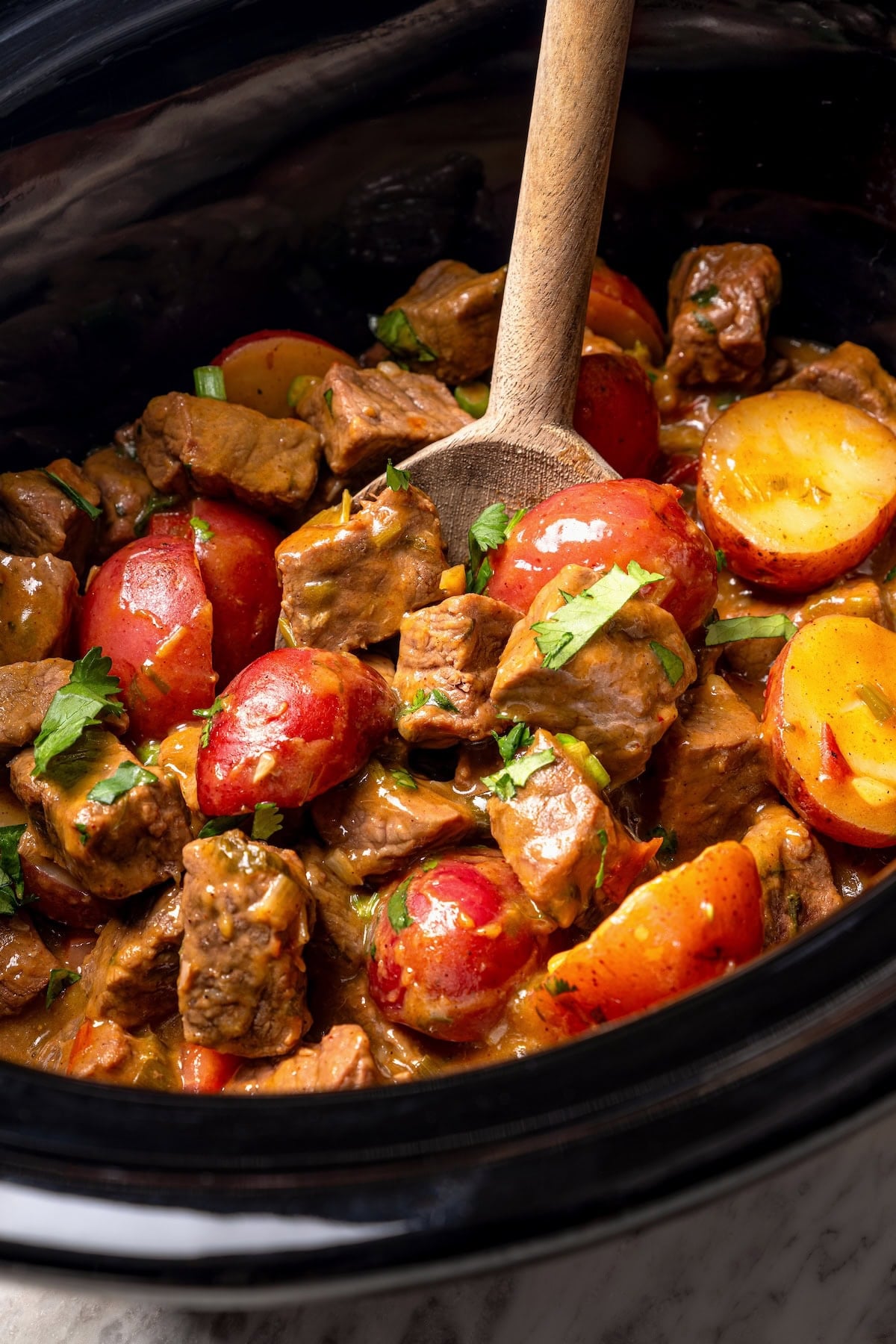
For storage, the cooked Carne Guisada can be cooled completely and then transferred to airtight containers. When refrigerated, it typically remains fresh and delicious for 3 to 4 days. This allows individuals to prepare a large batch over the weekend and enjoy wholesome, homemade meals throughout the busy workweek, further maximizing the convenience offered by the slow cooker method. For longer-term preservation, the stew freezes exceptionally well. Stored in freezer-safe containers or bags, it can maintain its quality for up to 3 months. This freezing capability makes it an excellent option for those looking to stock their freezers with quick, nutritious meal solutions, minimizing reliance on processed foods.
Reheating is straightforward, whether from refrigerated or frozen states. Portions can be gently reheated on the stovetop over medium-low heat, stirring occasionally, until warmed through. Alternatively, for individual servings, the microwave offers a quick and convenient option. When reheating from frozen, it is advisable to allow the stew to thaw in the refrigerator overnight before warming, or to reheat directly from frozen using a lower heat setting on the stovetop or a defrost function in the microwave to ensure even heating without scorching. These practical considerations further solidify the Crock Pot Carne Guisada’s status as a versatile and indispensable addition to the modern home cook’s repertoire, extending its utility beyond a single meal into a multi-day culinary asset.
In conclusion, the emergence of the Crock Pot Carne Guisada recipe from Skinnytaste.com is more than just a new dish; it is a testament to the ongoing dialogue between culinary tradition and modern convenience. It exemplifies how heritage recipes can be successfully adapted to fit contemporary lifestyles, ensuring their continued relevance and broadening their appeal. By embracing innovative cooking methods, while honoring authentic flavors, this adaptation contributes significantly to the enrichment of home cooking, cultural understanding, and the pursuit of delicious, nourishing meals in an increasingly fast-paced world.
