

The global coffee industry continues to evolve at a rapid pace, with significant developments unfolding across education, international trade, market dynamics, and corporate sustainability initiatives. This week’s news highlights a collaborative effort to enhance coffee education in Brazil, a crucial exemption from U.S. tariffs on instant coffee, emerging coffee festivals, fluctuating global coffee prices, and advancements in coffee assessment technologies. Additionally, the industry sees ongoing legal battles, strategic partnerships, substantial investment rounds, and key leadership appointments, alongside innovative approaches to waste reduction and a continued focus on sustainability research.
Enhanced Coffee Education in Brazil Through CQI and BSCA Partnership
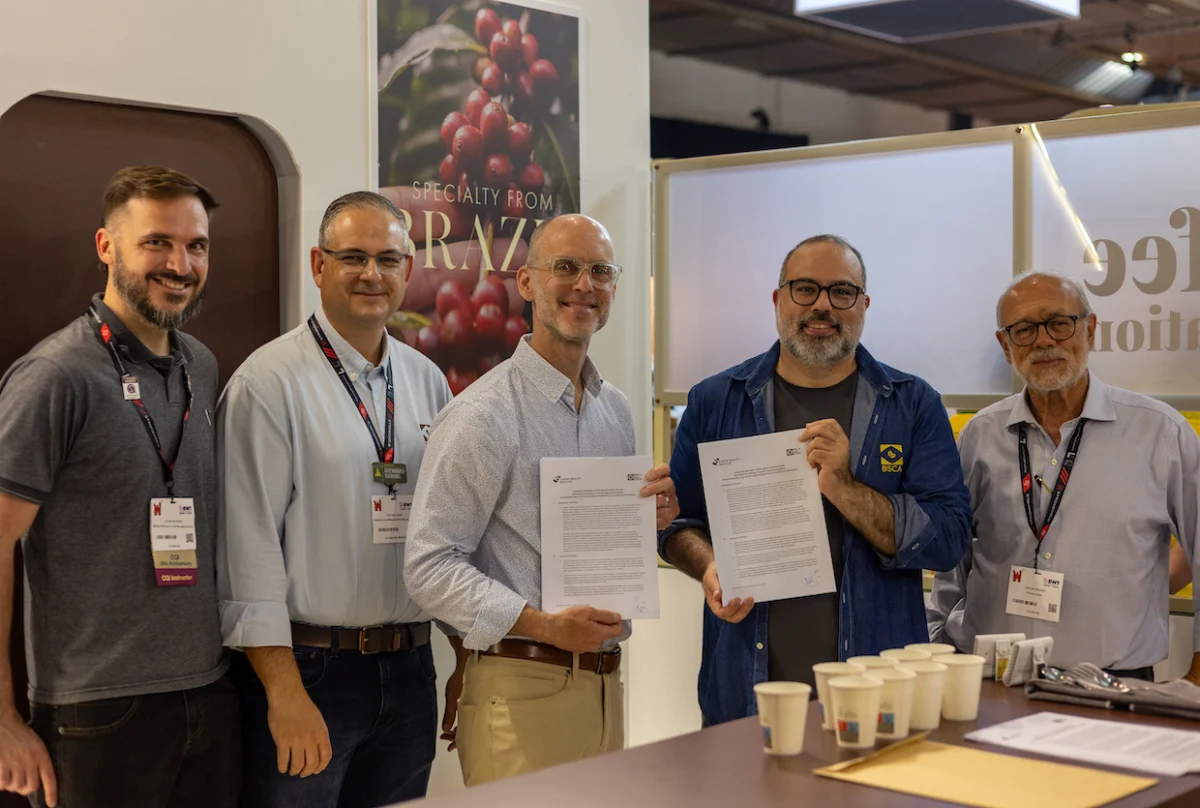
A pivotal agreement has been forged between the Coffee Quality Institute (CQI) and the Brazilian Specialty Coffee Association (BSCA) at the prestigious World of Coffee Brussels event. This landmark collaboration aims to significantly expand the reach and accessibility of CQI’s renowned educational programs within Brazil, a global powerhouse in coffee production. The partnership formalizes the BSCA’s role as a distributor of CQI’s comprehensive educational offerings across the vast Brazilian coffee landscape.
This initiative is particularly significant given Brazil’s dominant position in the global coffee market, accounting for roughly one-third of the world’s coffee supply. By facilitating access to CQI’s rigorous training, which includes programs like the Q Grader certification, the partnership seeks to elevate the skill sets of Brazilian coffee professionals, from producers and cuppers to exporters and quality control specialists. The ultimate goal is to foster a more skilled workforce capable of producing and evaluating higher-quality specialty coffees, thereby strengthening Brazil’s competitive edge and the overall value chain.
A key component of this agreement is the joint pursuit of public and private funding. This strategic effort is designed to substantially reduce the financial burden of educational programs for Brazilian producers, many of whom operate on tight margins. By making these advanced training opportunities more affordable, CQI and BSCA aim to democratize access to quality education, enabling a broader segment of the Brazilian coffee community to benefit from enhanced knowledge and technical expertise. This could lead to improved farm management practices, more consistent processing methods, and a greater capacity for producers to meet the exacting standards of the international specialty coffee market. The long-term implications include a potential surge in the volume and quality of Brazilian specialty coffee exports, further solidifying the nation’s leadership in the sector.
U.S. Trade Representative Exempts Instant Coffee from New Tariffs Tied to Brazil
The National Coffee Association (NCA) has voiced strong approval for the U.S. Trade Representative’s decision to exempt coffee, including unflavored instant coffee, from new Section 301 tariffs that were slated to impact trade with Brazil. This exemption is a critical victory for the coffee industry, preserving existing tariff exemptions for coffee while extending this crucial relief to unflavored instant coffee, a category that had previously been a notable omission.
The NCA had actively lobbied the Trump administration on this matter, highlighting the potential economic repercussions of imposing tariffs on instant coffee. Their recent advocacy efforts, detailed in a previous report, underscored the importance of maintaining competitive pricing for this widely consumed coffee product. The exemption ensures that the cost of importing unflavored instant coffee into the United States will not be artificially inflated by these new tariffs, benefiting both consumers and businesses that rely on this product. This decision reflects a nuanced understanding of the coffee supply chain and the specific market dynamics of instant coffee.
The Section 301 tariffs are typically imposed as a punitive measure in response to perceived unfair trade practices or other economic grievances. In this instance, the tariffs were reportedly linked to broader trade discussions with Brazil. By carving out an exemption for coffee, particularly unflavored instant coffee, U.S. trade officials have acknowledged the essential nature of this commodity and the potential negative consequences of tariff imposition. This move is likely to be welcomed by U.S. importers and retailers, who can continue to source these products without the added cost burden, thereby stabilizing prices for consumers. The NCA’s proactive engagement played a significant role in achieving this favorable outcome.
Singapore Set to Host "Another Coffee Festival"
Singapore is gearing up to host the inaugural "Another Coffee Festival" from September 3rd to 6th, 2026, at the Guoco Tower Urban Park. This non-profit, industry-led event is poised to become a significant platform for showcasing the vibrant and growing specialty coffee scene in Asia. The festival is expected to feature an impressive lineup of 34 specialty coffee roasters, a testament to the region’s burgeoning coffee culture.
Of particular note is the strong representation of local talent, with 19 Singapore-based roasters participating. This highlights the maturity and innovation within Singapore’s own coffee community. Complementing this local showcase, the festival will also welcome 15 international roasters hailing from nine different countries and regions across Asia and Europe. This diverse international presence promises to offer attendees a unique opportunity to explore a wide spectrum of coffee origins, roasting styles, and brewing techniques from around the globe.
The festival’s focus on specialty coffee suggests a commitment to quality, ethical sourcing, and the cultivation of a deeper appreciation for the nuances of coffee. Such events play a crucial role in educating consumers, fostering connections between industry professionals, and driving further growth and innovation within the specialty coffee sector. The presence of both established and emerging roasters indicates a dynamic market, eager to share its passion and expertise with a wider audience. The timing of the festival also positions it as a key event in the Asian coffee calendar, potentially attracting international buyers and media.
International Coffee Organization Reports Decline in June Coffee Prices
The International Coffee Organization (ICO) has released its latest market report, indicating a downward trend in global coffee prices for June. The Composite Indicator Price (CIP) averaged 248.90 U.S. cents per pound during June, marking a 2.8% decrease compared to the preceding month of May. This dip in prices, however, masks some intraday volatility.
The price decline was most pronounced in the early part of June. However, the market saw a notable rebound, with prices surging by 17.4% from a low recorded on June 9th. The ICO attributes this fluctuation and the overall price decrease to a confluence of factors, most notably growing concerns surrounding El Niño weather patterns and the impact of rainfall on coffee harvests.
Specifically, the report points to slowed harvest progress in Brazil’s arabica-growing regions due to adverse weather conditions. El Niño, characterized by warmer ocean temperatures in the Pacific, can lead to unpredictable weather patterns globally, including droughts and excessive rainfall in key coffee-producing areas. Such disruptions can directly affect crop yields, bean quality, and the overall supply of coffee, thereby influencing market prices. The volatility observed in June suggests that the market is closely monitoring these weather-related developments and their potential impact on future supply. For producers, such price fluctuations can create significant challenges in planning and investment, while for consumers, it can lead to price uncertainty in their daily cup.
Specialty Coffee Association’s Coffee Value Assessment Goes Digital
The Specialty Coffee Association (SCA) has announced a significant advancement in the accessibility and usability of its influential Coffee Value Assessment (CVA) framework. The CVA, a standardized system designed to evaluate and communicate the quality and characteristics of coffee, is now available through two new digital platforms: TheBeanGeek and Quantify CVA.
TheBeanGeek offers a user-friendly, web-based CVA tool, providing a convenient online interface for cuppers and quality professionals to conduct and record their assessments. This platform aims to streamline the evaluation process and facilitate easier data management. In parallel, Quantify CVA presents a dedicated mobile application for both iOS and Android devices. This app boasts advanced features, including multi-evaluator syncing, which allows teams to collaborate in real-time on assessments, ensuring consistency and efficiency. It also offers multilingual support, broadening its applicability across diverse international teams, and the capability for PDF form conversion, enabling seamless integration with existing workflows.
The digitalization of the CVA marks a critical step in its adoption and application worldwide. By moving these assessment tools to digital platforms, the SCA is making it easier for coffee professionals to engage with the CVA, regardless of their geographical location or technological resources. This enhanced accessibility is expected to foster greater standardization in coffee evaluation, leading to more consistent quality communication across the supply chain. The implications for trade are substantial, as clearer and more universally understood quality metrics can reduce transaction friction and build greater trust between buyers and sellers. This initiative underscores the SCA’s commitment to advancing coffee quality through standardized methodologies and innovative technological solutions.
Seattle Strong Coffee Relaunches GoFundMe Amid Nestlé Trademark Dispute
Seattle Strong Coffee has reactivated its GoFundMe campaign as its ongoing trademark dispute with Nestlé intensifies. The legal battle centers on the use of the "Seattle" moniker in relation to coffee products. Nestlé, the parent company of Seattle’s Best Coffee, initially challenged Seattle Strong’s federally registered trademark in 2025. The dispute has since escalated, with Nestlé reportedly expanding its legal challenge to encompass Seattle Strong’s logo and broader brand identity.
This trademark dispute highlights a common challenge faced by emerging brands in crowded markets. The Seattle name carries significant brand equity, particularly within the coffee industry, making it a valuable asset for any company operating within or associated with the region. Seattle Strong Coffee, a smaller independent entity, is now facing a formidable legal and financial challenge from a global corporation. The GoFundMe campaign represents an effort to rally community support and secure the necessary resources to defend its brand and its legal rights.
The prolonged nature of trademark disputes can be financially draining and emotionally taxing for smaller businesses. The outcome of this case could have broader implications for other independent coffee brands seeking to establish their identity and protect their intellectual property. Seattle Strong’s ability to continue its operations and defend its trademark will depend heavily on its access to legal counsel and its capacity to navigate the complexities of intellectual property law against a well-resourced opponent. The renewed GoFundMe effort signals the ongoing severity of the situation and the brand’s commitment to fighting for its survival.
RoasTronix Partners to Launch "Best 100 Coffee Shops USA" Recognition Program
RoasTronix, a company based in Missouri City, Texas, has joined forces with The World’s 100 Best Coffee Shops to introduce a new recognition program: Best 100 Coffee Shops USA. This initiative aims to identify and celebrate outstanding coffee establishments across the United States, focusing on a holistic evaluation of their offerings and operations.
According to RoasTronix, the Best 100 Coffee Shops USA program will assess cafes based on a comprehensive set of criteria. These include the quality of their coffee, the caliber of their hospitality, their commitment to innovation within the coffee space, the overall customer experience they provide, and their dedication to sustainable practices. This multi-faceted approach seeks to acknowledge cafes that excel not only in the coffee itself but also in their business operations and their positive impact on their communities and the environment.
The creation of such a program is indicative of the growing maturity and diversification of the U.S. coffee market. As consumer expectations evolve and the specialty coffee sector expands, there is an increasing demand for curated guides and recognition for businesses that consistently deliver exceptional experiences. By focusing on these key pillars—quality, hospitality, innovation, customer experience, and sustainability—the Best 100 Coffee Shops USA program aims to set a benchmark for excellence and provide valuable insights for both consumers seeking top-tier coffee destinations and industry professionals looking to learn from the best. The partnership between RoasTronix and The World’s 100 Best Coffee Shops leverages their respective expertise to bring this ambitious program to fruition.
Every Half Coffee Roasters Secures $8 Million in Series A Funding
Ho Chi Minh City-based Every Half Coffee Roasters has successfully raised US$8 million in a Series A financing round, led by its existing investors, Openspace Capital and DSG Consumer Partners. This significant investment underscores the growing potential and investor confidence in Vietnam’s burgeoning specialty coffee market.
The company has outlined a clear strategy for deploying these new funds. The capital injection will be instrumental in supporting Every Half Coffee Roasters’ ambitious expansion plans, which include opening new stores across Vietnam. This physical expansion is crucial for increasing brand visibility and accessibility in a rapidly growing domestic market. Beyond brick-and-mortar growth, the funding will also fuel advancements in e-commerce operations, aiming to broaden the company’s reach through online sales channels. Furthermore, Every Half intends to explore new sales avenues and strengthen its commitment to coffee processing research.
A key strategic priority for the company is to foster long-term partnerships with local farmers. This focus on direct relationships with coffee producers aligns with global trends towards more sustainable and ethical sourcing practices. By investing in these partnerships, Every Half Coffee Roasters aims to ensure a consistent supply of high-quality beans while supporting the livelihoods of the agricultural communities that are the backbone of Vietnam’s coffee industry. This funding round positions Every Half Coffee Roasters for significant growth and solidifies its ambition to become a leading player in the regional coffee landscape.
Kauai Coffee Appoints Mark Bogner as General Manager
Kauai Coffee Co. has announced the appointment of Mark Bogner as its new general manager. This leadership transition occurs in the wake of the company securing a long-term lease agreement with landowner Brue Baukol Capital Partners, a development that brought a period of considerable uncertainty to the 3,100-acre farm to a close.
Bogner brings a wealth of experience to his new role. He previously served as a consultant to Kauai Coffee, providing him with intimate knowledge of the farm’s operations and its unique challenges and opportunities. His appointment signals a commitment to continuity and strategic growth for the historic coffee estate. Bogner succeeds Brian Kubicki, who had been serving as acting general manager during the critical period of lease negotiations. Kubicki’s interim leadership was instrumental in navigating the company through a time of significant operational and strategic flux.
The securing of a long-term lease was a crucial step in ensuring the future viability of Kauai Coffee. The uncertainty surrounding the lease had raised questions about the long-term cultivation and operations on the expansive farm. Bogner’s appointment, coupled with the stable lease agreement, provides a clear path forward for the company. As a veteran agricultural leader, Bogner is expected to leverage his expertise to enhance operational efficiency, explore new market opportunities, and further solidify Kauai Coffee’s position as a significant producer of Hawaiian coffee. This leadership change and renewed lease agreement mark a positive turning point for the renowned coffee farm.
Carnival Corporation Reuses Coffee Grounds for Sustainability at Celebration Key
Carnival Corporation is implementing an innovative sustainability initiative at its Celebration Key destination in Grand Bahama, transforming spent coffee grounds into a valuable resource. Each week, approximately 2,800 pounds of used coffee grounds from the Carnival Cruise Line’s Mardi Gras ship are being delivered to the destination.
Upon arrival at Celebration Key, these coffee grounds are being meticulously composted on-site. This organic material is then repurposed as a nutrient-rich fertilizer for the destination’s landscaping. This eco-friendly approach is being used to nurture a variety of plant life, including native palm trees and other ornamental flora, contributing to the aesthetic beauty and ecological health of the property.
This initiative exemplifies a circular economy approach, where waste products are diverted from landfills and transformed into beneficial resources. By composting and reusing coffee grounds, Carnival is reducing its environmental footprint, minimizing waste disposal costs, and enhancing the sustainability of its operations. The use of composted grounds as fertilizer also supports the growth of native vegetation, contributing to local biodiversity and the overall ecological balance of Grand Bahama. This program at Celebration Key demonstrates a commitment to responsible tourism and highlights how even seemingly small waste streams can be leveraged for significant environmental benefit within the hospitality and cruise industry. The collaboration with Carnival Cruise Line ensures a consistent supply of the material, making the composting process efficient and impactful.
Industry Insights: Coffee Barometer, Innovation Summits, and Labor Challenges
Recent industry analysis continues to shed light on critical trends shaping the coffee world. The 2026 Coffee Barometer, in its second part, delves into the often-unspoken realities of corporate sustainability claims, revealing a potential disconnect between stated intentions and tangible changes in the commercial terms that govern the global coffee trade. This suggests a need for greater transparency and accountability in sustainability reporting, moving beyond rhetoric to demonstrable impact on farmer livelihoods and the broader value chain.
Looking ahead, the World Coffee Innovation Summit is set to return to London in October, scheduled for the 21st and 22nd at the QEII Centre. This summit serves as a crucial gathering point for industry leaders, researchers, and innovators to discuss emerging trends, technological advancements, and future challenges. Such events are vital for fostering collaboration and driving progress within the dynamic coffee sector.
A more somber but critical issue highlighted is the looming labor shortage in the cultivation of major tropical crops, including coffee, palm oil, and cocoa. Reports indicate that large tropical plantations are increasingly struggling to attract and retain workers, a situation that has remained largely unchanged since colonial eras. This points to a systemic challenge in making agricultural labor attractive and sustainable, with potential long-term consequences for global supply chains if not adequately addressed.
Investment and Market Dynamics: Functional Coffee and Cholesterol Research
The functional beverage market continues to attract significant investment. Reformed, a UK-based company specializing in "functional coffee" and matcha, has successfully closed a US$22 million Series A funding round. Led by Iris Ventures, this investment signals strong investor appetite for products that offer added health benefits beyond traditional consumption. The company has ambitious plans for a U.S. launch, indicating a belief in the global potential of this market segment.
Concurrently, intriguing research is emerging regarding the potential health benefits of coffee byproducts. An industry-backed clinical trial conducted in Thailand suggests that a beverage derived from arabica coffee pulp—the fruit material typically discarded or composted during processing—may offer modest improvements in cholesterol markers for adults experiencing obesity. This finding opens up new avenues for utilizing the entire coffee plant, potentially creating additional revenue streams for producers and offering novel health-promoting products for consumers. Such research underscores the ongoing scientific exploration into the multifaceted properties of coffee and its associated materials.
Looking Ahead: Industry Events and Sustainability Research
The coffee industry remains a hotbed of activity, with ongoing events and research shaping its future. The upcoming World Coffee Innovation Summit in London promises to be a key forum for discussing the industry’s trajectory. Meanwhile, the continued exploration of coffee sustainability, as highlighted by recent reviews indicating fragmented but growing research, underscores the complexity of the challenges and the ongoing need for coordinated efforts. The development of innovative uses for coffee byproducts, such as coffee pulp extract, further demonstrates the industry’s commitment to resourcefulness and exploring the full potential of the coffee plant.
