


The culinary landscape of the American household is undergoing a significant transformation as home cooks increasingly seek to bridge the gap between indulgent appetizers and nutritionally balanced main courses. A prominent example of this trend is the Buffalo Chicken Stuffed Pepper, a dish that effectively repurposes the flavor profile of traditional creamy buffalo chicken dip into a structured, vegetable-forward dinner. Developed and rigorously tested within the Nashville Test Kitchen, this recipe addresses the dual modern demands for economic efficiency and high-protein content, providing a comprehensive meal that challenges the traditional boundaries of comfort food.

The Cultural and Culinary Origins of Buffalo Flavor Profiles
The distinct flavor profile utilized in this dish—characterized by the emulsification of cayenne pepper-based hot sauce and a fat source—finds its origins in the mid-20th century. Historical records attribute the creation of the original "Buffalo" sauce to Teressa Bellissimo at the Anchor Bar in Buffalo, New York, in 1964. What began as a resourceful way to utilize leftover chicken wings has evolved into a global culinary phenomenon. In the decades since, the flavor has migrated from the poultry itself into dips, sandwiches, and now, stuffed vegetables.
The transition from a dip to a stuffed pepper represents a tactical shift in meal planning. While buffalo chicken dip is traditionally categorized as a high-calorie snack intended for communal consumption, its integration into a bell pepper casing introduces a fiber-rich component that recalibrates the dish’s glycemic index and caloric density. This "deconstructed appetizer" approach allows consumers to enjoy the sensory hallmarks of a party food—the heat of the sauce, the creaminess of the cheese, and the saltiness of the protein—within the framework of a socially acceptable and nutritionally viable evening meal.

Economic Analysis and Ingredient Procurement
In the current economic climate, the cost of home dining is a primary concern for the average consumer. According to recent data from the Bureau of Labor Statistics, while food-at-home prices have seen periods of volatility, poultry remains a relatively stable protein source compared to beef or pork. The Buffalo Chicken Stuffed Pepper recipe is positioned as a "budget-friendly" option, with a calculated cost of approximately $11.45 for the entire recipe, or $1.91 per serving.
The selection of green bell peppers as the primary vessel is a deliberate economic choice. In most North American supermarkets, green bell peppers are harvested earlier than their red, yellow, or orange counterparts, leading to lower production costs and, consequently, a lower retail price. While the sweeter, fully ripened peppers offer a different flavor profile, the slightly bitter, earthy notes of the green pepper provide a necessary structural and flavor contrast to the rich, spicy filling.
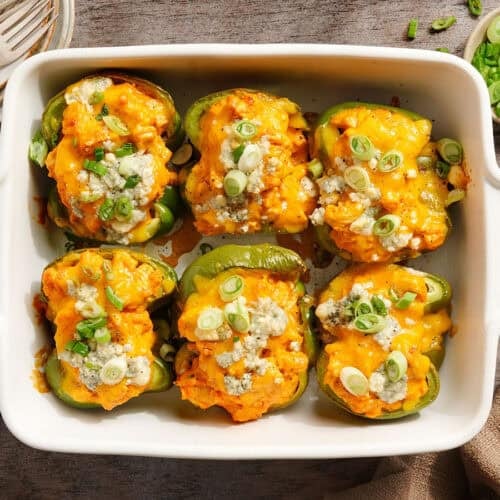
Furthermore, the recipe offers a strategic choice between raw chicken breast and pre-cooked rotisserie chicken. Market analysis suggests that "cold" rotisserie chickens, often sold at a discount in the refrigerated section of grocery stores, represent one of the highest value-per-pound protein options available to the modern consumer. For those prioritizing time over raw ingredient costs, utilizing 3 cups of shredded rotisserie chicken can reduce the total preparation time by approximately 15 minutes without significantly impacting the final nutritional profile.
Technical Methodology and Chronology of Preparation
The preparation of the Buffalo Chicken Stuffed Pepper follows a precise chronological sequence designed to maximize flavor development through Maillard reaction and emulsification.
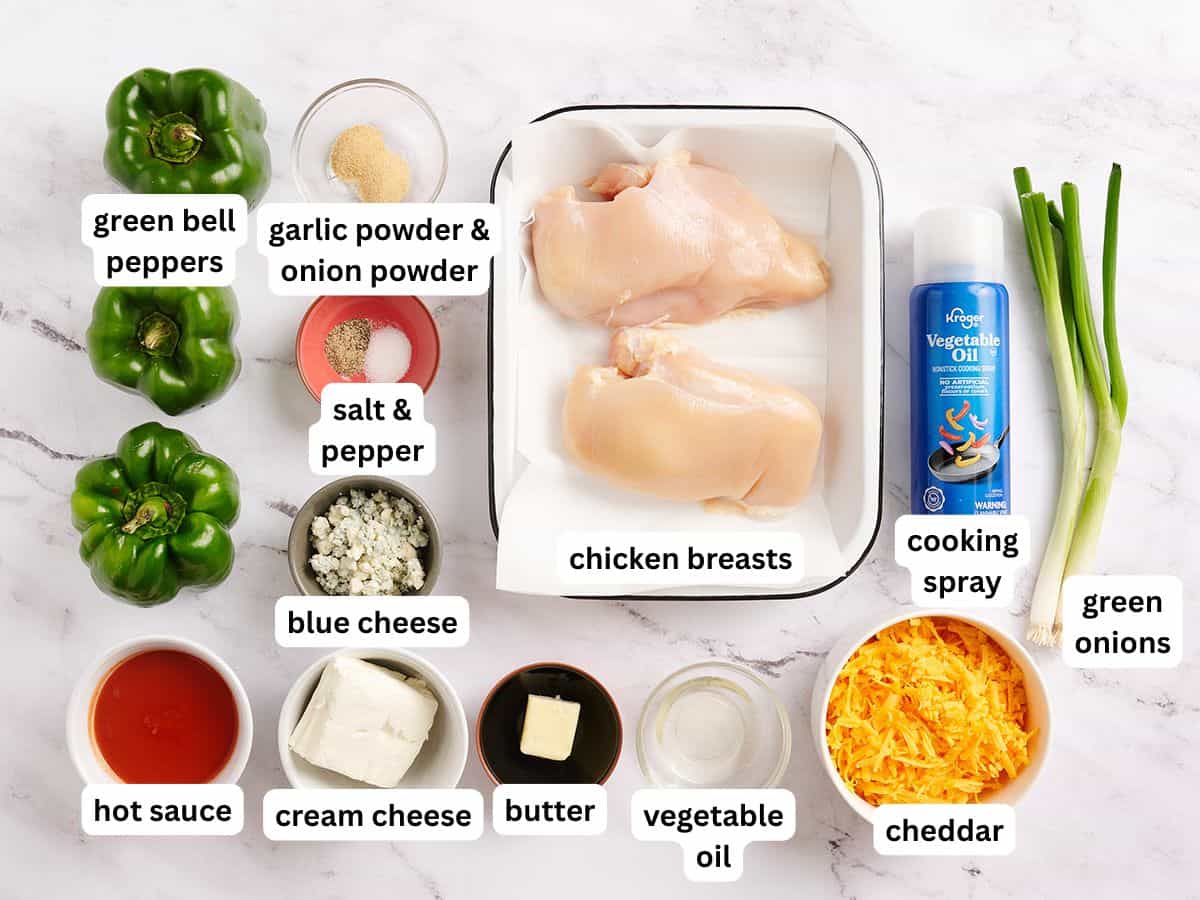
Phase I: Protein Preparation and Searing
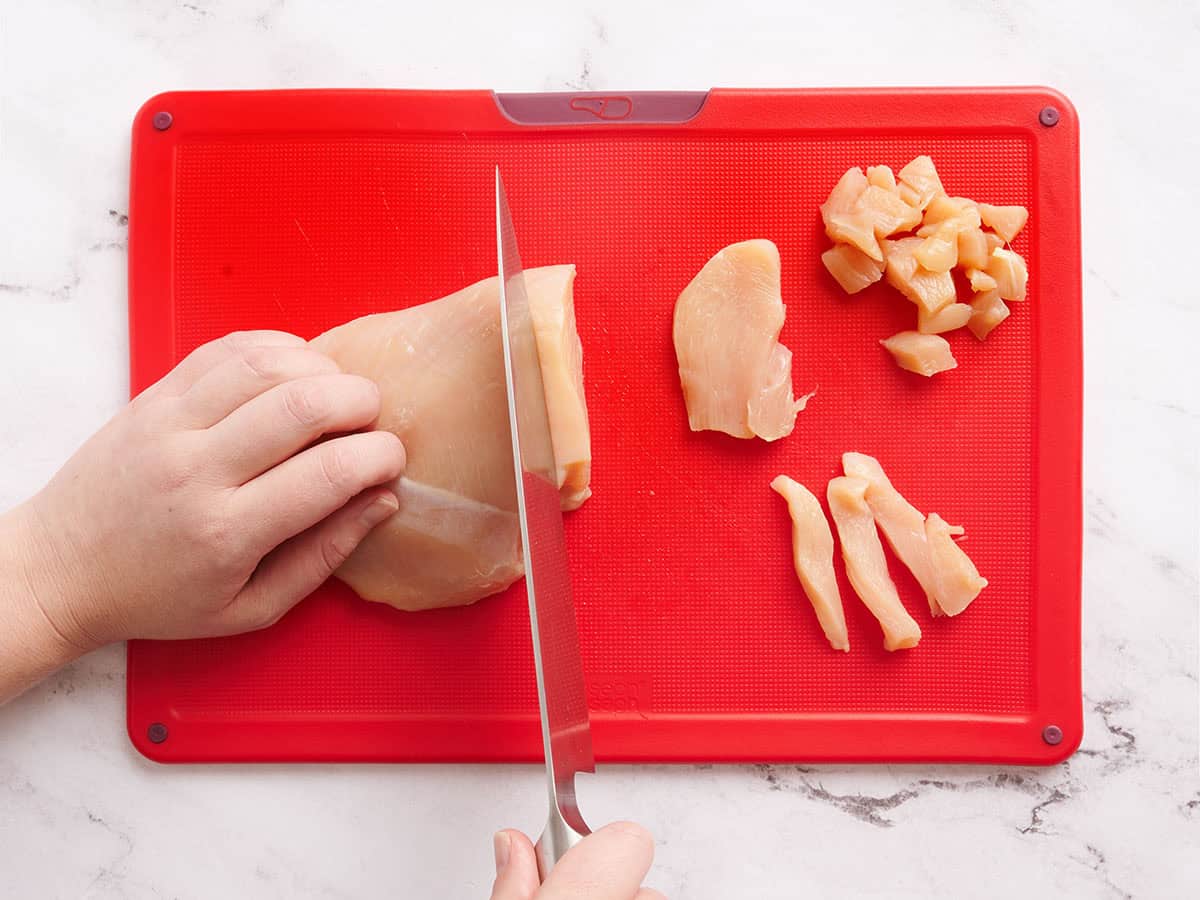
The process begins with the dicing of 1.5 pounds of boneless, skinless chicken breast. Professional culinary standards dictate that the meat be patted dry with paper towels prior to seasoning. This step is critical; surface moisture creates steam, which inhibits the browning process. By searing the chicken in a high-smoke-point vegetable oil over medium-high heat, the cook achieves a golden-brown crust that adds depth to the final dish. This stage typically requires six minutes of active cooking time.
Phase II: Emulsification of the Buffalo Matrix
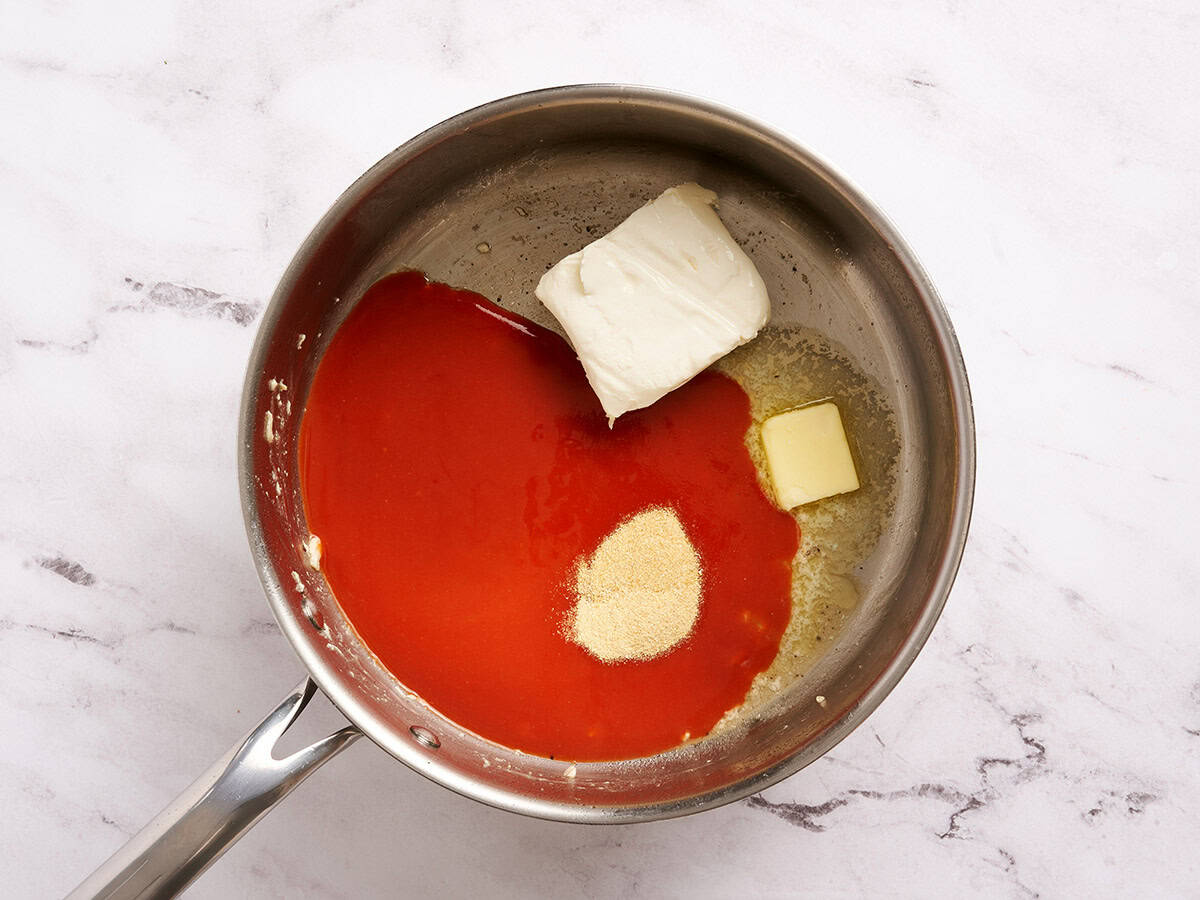
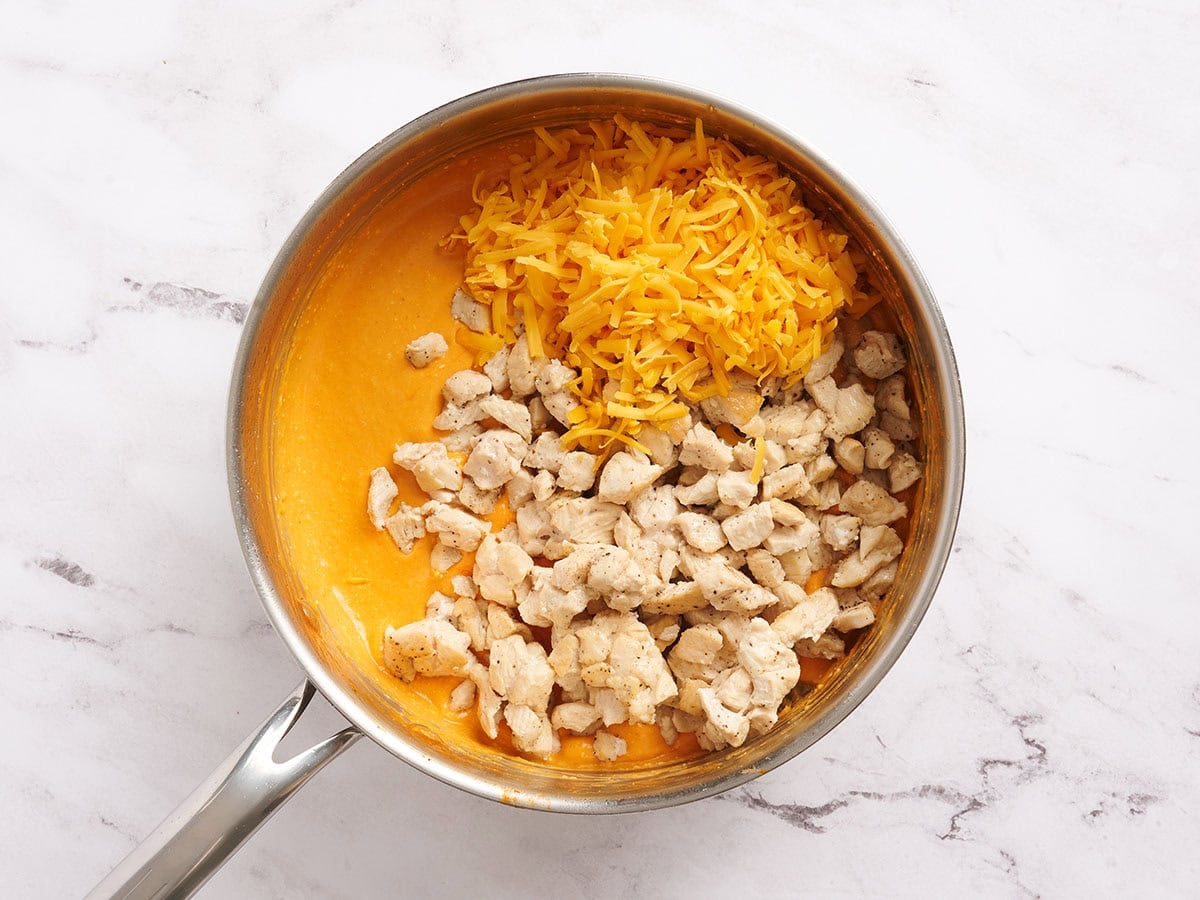
Once the chicken is removed, the heat is reduced to facilitate the creation of the sauce. The combination of butter, hot sauce (specifically Frank’s Red Hot Original), garlic powder, onion powder, and cream cheese creates a stable emulsion. The cream cheese acts as a stabilizer, preventing the butter from separating from the acidic hot sauce. This creates a cohesive "matrix" that binds the chicken and prevents the filling from becoming oily during the baking process.
Phase III: Assembly and Initial Baking
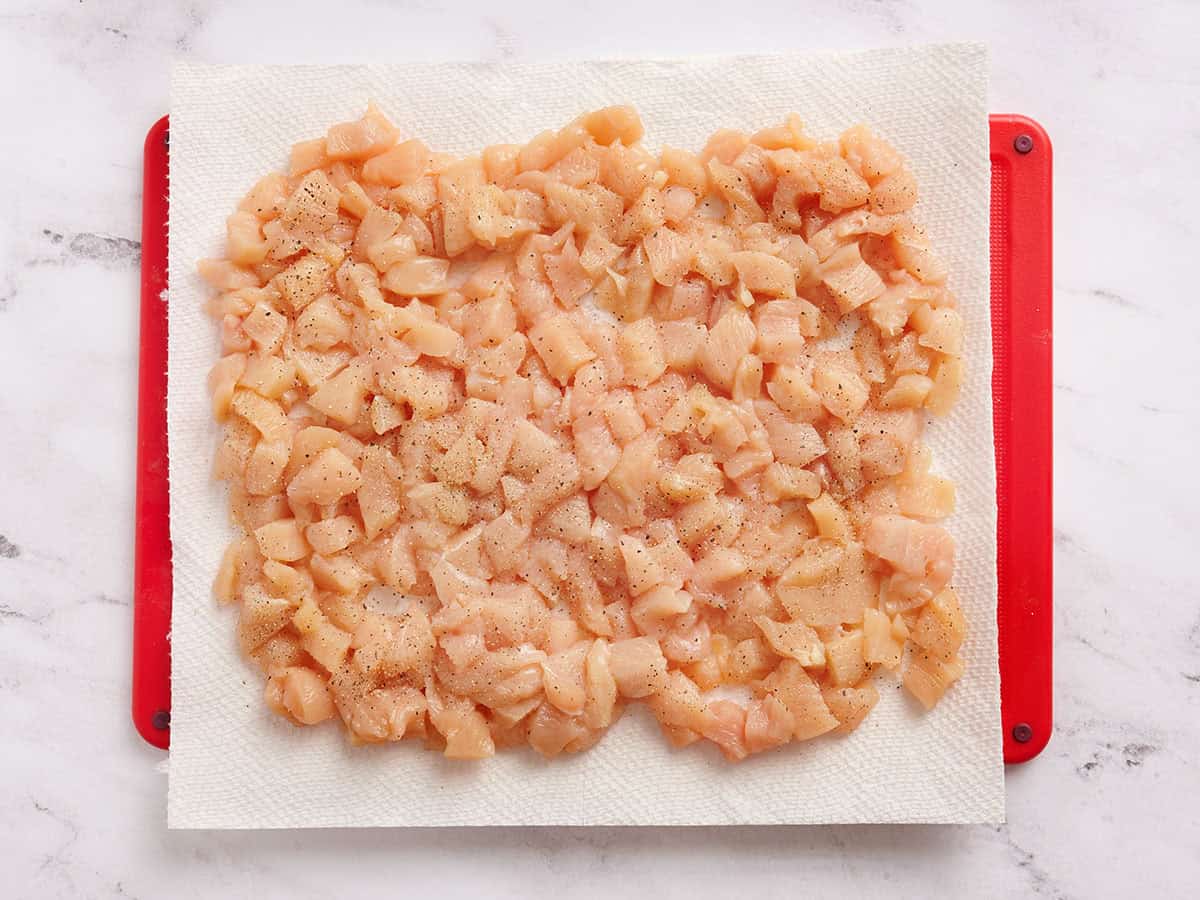
The bell peppers are halved lengthwise and deseeded, providing six uniform "boats." The Nashville Test Kitchen recommends nestling the peppers closely within an 8×10-inch casserole dish to provide mutual structural support. The peppers are then stuffed with the chicken-cheese mixture and baked uncovered at 350°F (177°C) for an initial 20 minutes. This period allows the pepper walls to soften slightly while the internal temperature of the filling reaches a safe and palatable level.
Phase IV: Finishing and Garnishing
The final stage involves the addition of "top-layer" cheeses—shredded cheddar and blue cheese crumbles—followed by an additional 15 minutes of baking. This two-stage baking process ensures that the peppers are tender without the cheese becoming overly browned or tough. The dish is finished with fresh green onions, providing a necessary aromatic lift and a visual contrast to the orange-hued filling.
Nutritional Profile and Dietary Implications
From a nutritional standpoint, the Buffalo Chicken Stuffed Pepper is a high-protein, low-carbohydrate option that aligns with several contemporary dietary trends, including the ketogenic and gluten-free movements. A single serving—defined as one pepper half with filling—contains approximately 389 calories.
The protein content is notably high at 34 grams per serving, representing approximately 68% of the recommended daily value for the average adult. This high protein density contributes to satiety, making the dish effective for weight management. However, consumers should be mindful of the sodium content, which stands at 1084mg per serving (47% of the daily value), largely due to the preserved nature of hot sauce and processed cheeses.

The inclusion of the bell pepper adds two grams of fiber and essential vitamins, such as Vitamin C and Vitamin A, which are often lacking in traditional "buffalo-style" dishes. For individuals seeking to further reduce fat content, substitutions such as Neufchâtel cheese for cream cheese or Greek yogurt for a portion of the dairy components are viable, though they may alter the final viscosity of the filling.
Expert Commentary and Market Reception
Culinary developers, including Melissa Nolan, emphasize the importance of "socially acceptable" meal structures. Nolan notes that while the desire for "dip for dinner" is a common sentiment among consumers, the transition to a stuffed pepper format provides the psychological and physiological satisfaction of a "complete meal." This reflects a broader shift in food media toward recipes that prioritize "attainable indulgence"—meals that feel like a treat but function as fuel.
Market reception for such recipes has been overwhelmingly positive, particularly within the "meal prep" community. The structural integrity of the bell pepper allows the dish to be stored and reheated without the loss of texture that often plagues pasta-based or bread-based buffalo chicken variants. The recipe’s flexibility—allowing for the use of chicken thighs, poblano peppers, or various cheese blends—makes it a "template recipe," a category of cooking that empowers the home cook to adapt based on current inventory.
Broader Impact on Home Cooking Trends
The rise of the Buffalo Chicken Stuffed Pepper is indicative of a larger movement toward "functional fusion." This involves taking the flavor profiles of American bar food and fusing them with the structural formats of traditional European or Mediterranean stuffed vegetables (such as the Turkish Dolma or the French Poivrons Farcis).
As grocery prices continue to influence kitchen behavior, the ability to turn a handful of affordable staples—chicken, peppers, and hot sauce—into a gourmet-adjacent experience is a vital skill. This dish proves that high-impact flavor does not require expensive cuts of meat or exotic ingredients. Instead, it relies on the intelligent application of heat, the balance of acidity and fat, and the resourceful use of seasonal produce.
In conclusion, the Buffalo Chicken Stuffed Pepper stands as a testament to the ingenuity of modern recipe development. It addresses the practical needs of the weeknight cook—speed, affordability, and nutrition—while satisfying the perennial human craving for bold, spicy, and comforting flavors. As the Nashville Test Kitchen continues to refine such "workaround" recipes, the boundary between what we eat at a party and what we eat at the dinner table will likely continue to blur, resulting in a more diverse and flavorful domestic culinary experience.
