

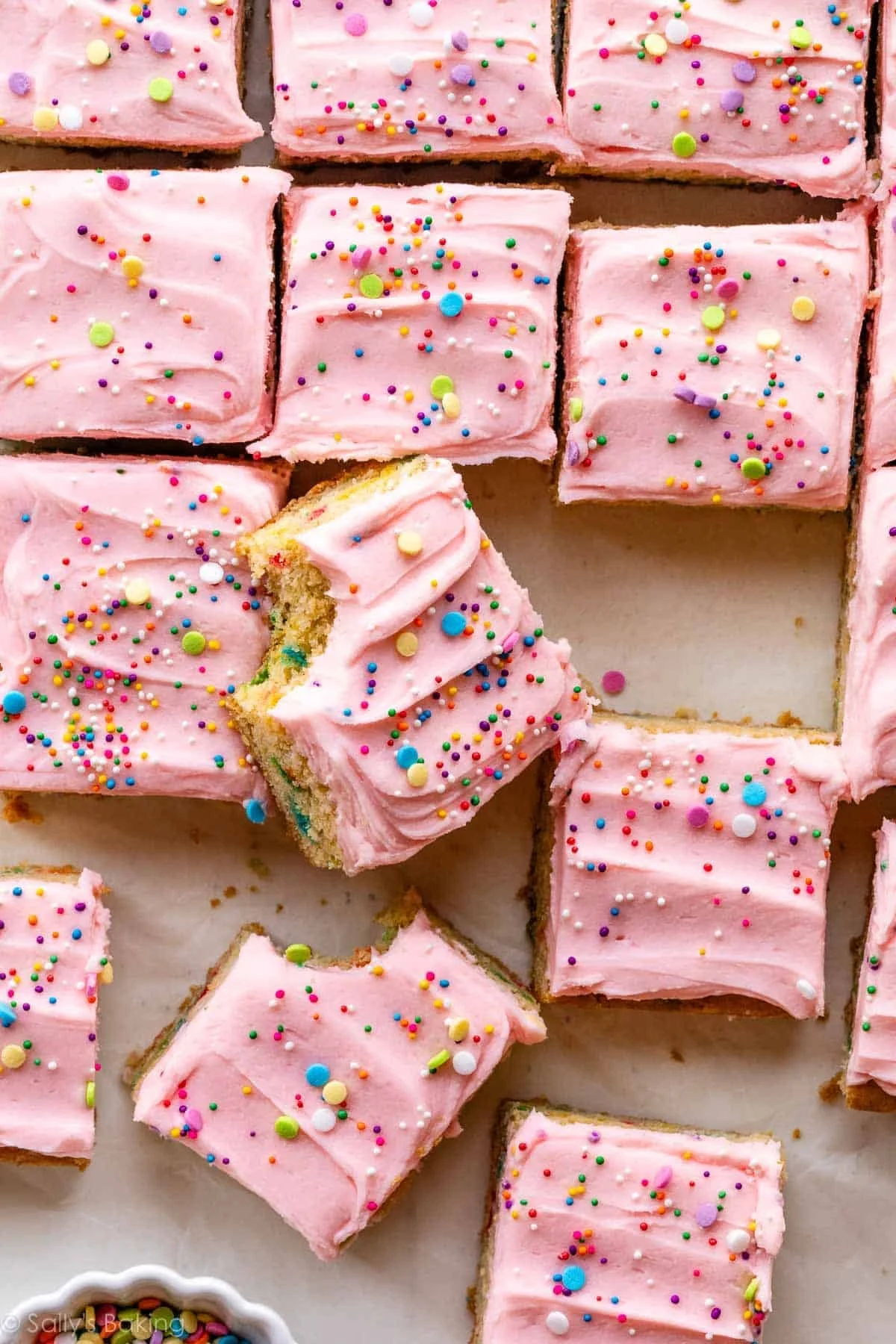
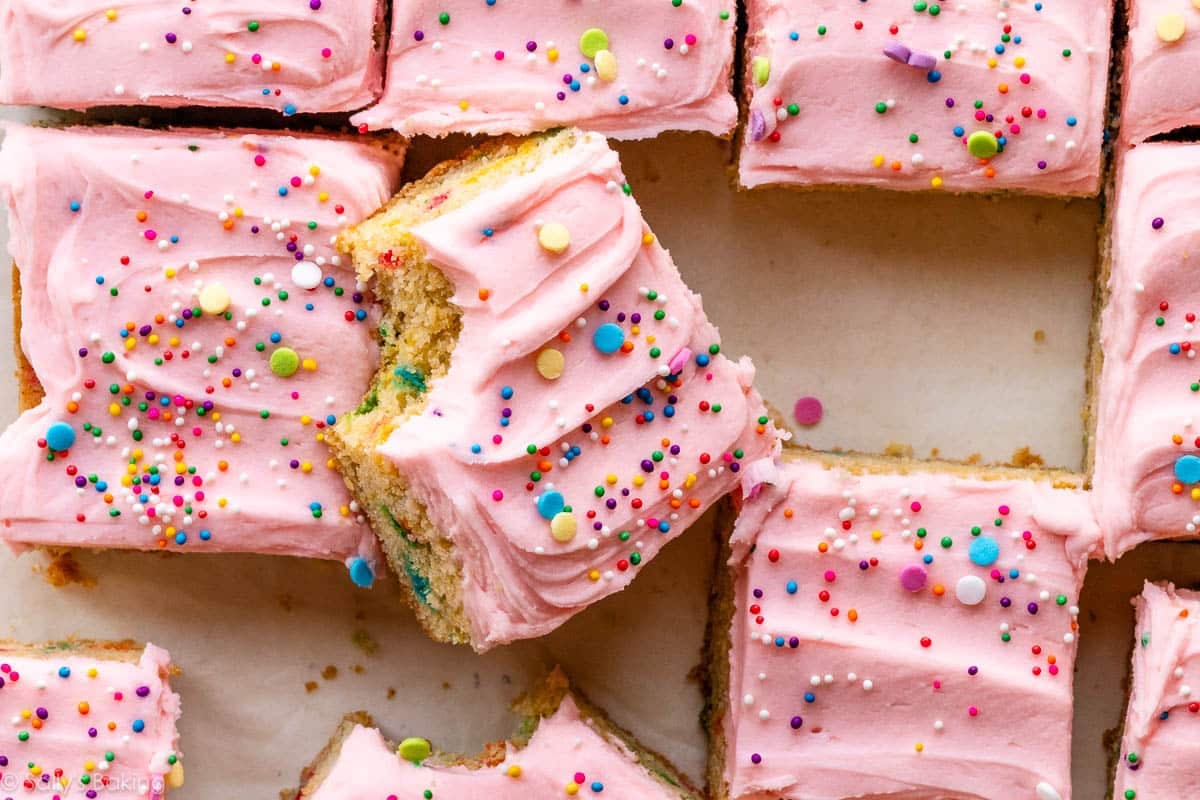
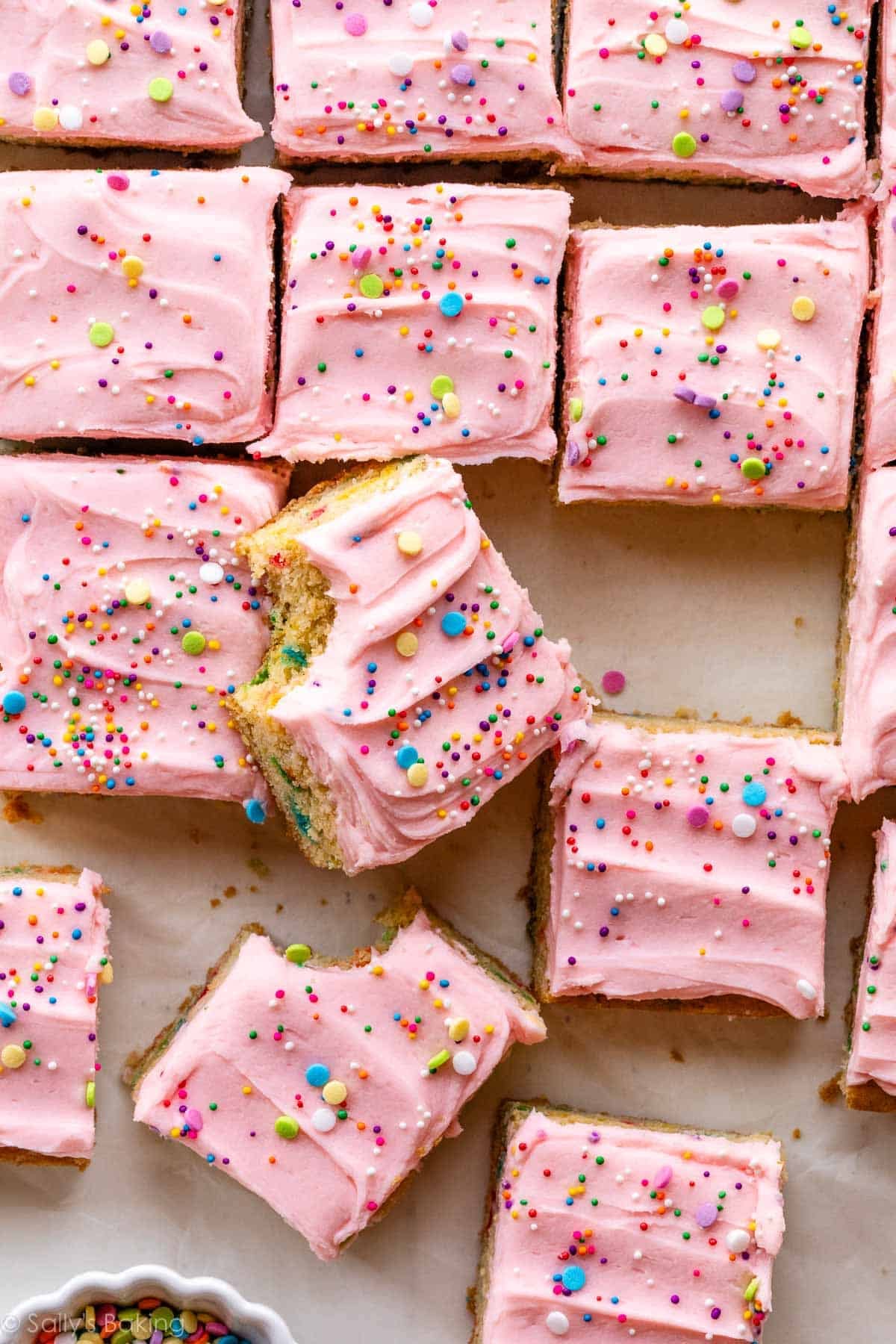
The realm of home baking has witnessed a significant evolution in recent years, driven by a consumer demand for both traditional flavors and modern convenience. Among the innovations gaining substantial traction are frosted sugar cookie bars, a dessert offering the beloved characteristics of classic soft-frosted sugar cookies without the time-consuming processes of rolling, cutting, and individual decoration. These bars are celebrated for their buttery, exceptionally soft, and wonderfully chewy texture, generously crowned with a thick layer of creamy vanilla buttercream and vibrant sprinkles. Their particular appeal lies in the elimination of traditional cookie dough chilling, positioning them as a swift and accessible dessert solution for a myriad of occasions, from casual celebrations to significant holidays throughout the year.
The Genesis of a Sweet Solution: A Brief History of Sugar Cookies and Their Evolution
The origins of the sugar cookie can be traced back to the mid-18th century, with German Protestant settlers in Nazareth, Pennsylvania, often credited with creating the Nazareth Sugar Cookie. This early form, made with butter, sugar, flour, and eggs, laid the groundwork for what would become a ubiquitous American dessert. Over centuries, sugar cookies evolved from simple, unadorned treats to elaborate confections, particularly gaining popularity in the late 19th and early 20th centuries as a canvas for decorative icing and festive shapes. The traditional preparation, however, remained largely unchanged: requiring precise ingredient measurement, meticulous dough chilling to prevent spreading, careful rolling to an even thickness, cutting into shapes, baking, and finally, the intricate art of decorating each individual cookie. This multi-step process, while yielding beautiful results, often proved prohibitive for busy individuals or those seeking a quicker path to dessert satisfaction.
The concept of "bar" desserts, or tray bakes, began to emerge prominently in American baking culture in the mid-20th century. These formats offered a practical alternative to individual cookies or cakes, allowing for large batches to be baked in a single pan and then cut into portions. This shift reflected a broader societal move towards convenience foods and more efficient kitchen practices. The adaptation of classic cookie recipes into bar form was a natural progression. The specific popularization and refinement of sugar cookie bars, designed to replicate the texture and flavor of their traditional counterparts with enhanced ease, marks a notable benchmark in modern home baking. Recipes such as the one originally published in 2014, and subsequently updated with improved visuals and detailed tutorials, exemplify this trend, demonstrating how digital platforms and culinary innovators are continually enhancing accessibility for home bakers.
Deconstructing the Appeal: Why Sugar Cookie Bars Resonate with Contemporary Bakers
The widespread appeal of frosted sugar cookie bars can be attributed to several key factors that align with current consumer preferences and lifestyle demands:
- Efficiency and Time-Saving: Perhaps the most significant advantage is the elimination of dough chilling, rolling pins, and cookie cutters. In an era where time is a premium, recipes that deliver high-quality results with reduced effort are invaluable. The ability to prepare, bake, and frost a large batch of cookies in a single pan dramatically cuts down on preparation and cleanup time, making homemade treats feasible even on tight schedules.
- Simplicity of Execution: This recipe is frequently lauded as beginner-friendly. The process involves standard mixing techniques – whisking dry ingredients, creaming butter and sugar – and minimal specialized equipment. This lowers the barrier to entry for novice bakers and provides a confidence-boosting experience, encouraging continued engagement with home baking.
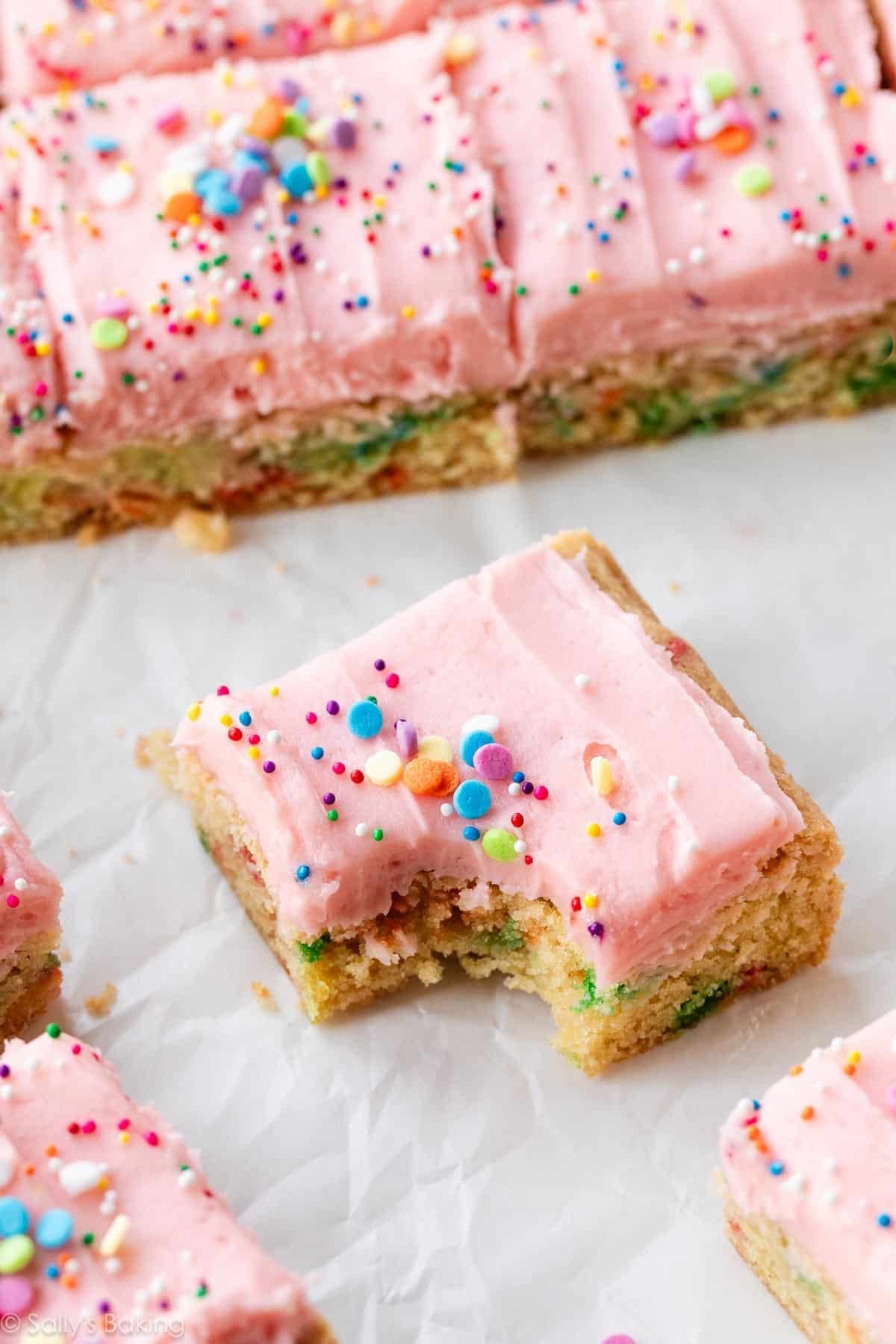
- Superior Texture and Flavor Profile: Far from being a mere shortcut, these bars are specifically formulated to achieve a distinct and desirable texture. The description "buttery, extra soft, wonderfully chewy" is a testament to careful ingredient selection. Ingredients like cornstarch, for instance, play a critical role in tenderizing the crumb, contributing to a melt-in-your-mouth quality that distinguishes them from denser, traditional bar cookies. The combination of vanilla and almond extracts provides a classic bakery-style flavor, a nuance often appreciated by discerning palates.
- Versatility for Various Occasions: The inherent adaptability of sugar cookie bars makes them suitable for virtually any celebration. They can be adorned with rainbow sprinkles for birthdays, themed colors for holidays (e.g., red and green for Christmas, pastels for Easter), or customized for baby showers and graduation parties. This versatility minimizes the need for multiple recipes, streamlining event preparation.
- Community Endorsement and Nostalgic Connection: The strong positive feedback from consumers underscores the emotional connection these desserts evoke. A reader, identified as S, commented, "After years of making cupcakes, pies, cookies etc. for my friends, this is unanimously the favorite recipe of anything I’ve made. Each bite transports me back to being a child and having those youthful first experiences of sweets and birthday parties." This testimonial highlights the powerful role of food in evoking nostalgia and creating cherished memories, reinforcing the idea that convenience does not necessarily compromise sentiment or quality.
The Science of Softness: Key Ingredients and Their Roles
The success of these sugar cookie bars in achieving their signature soft, chewy, and tender texture is not accidental but rather the result of a carefully balanced ingredient profile, distinguishing them from simply baking regular sugar cookie dough in a pan.
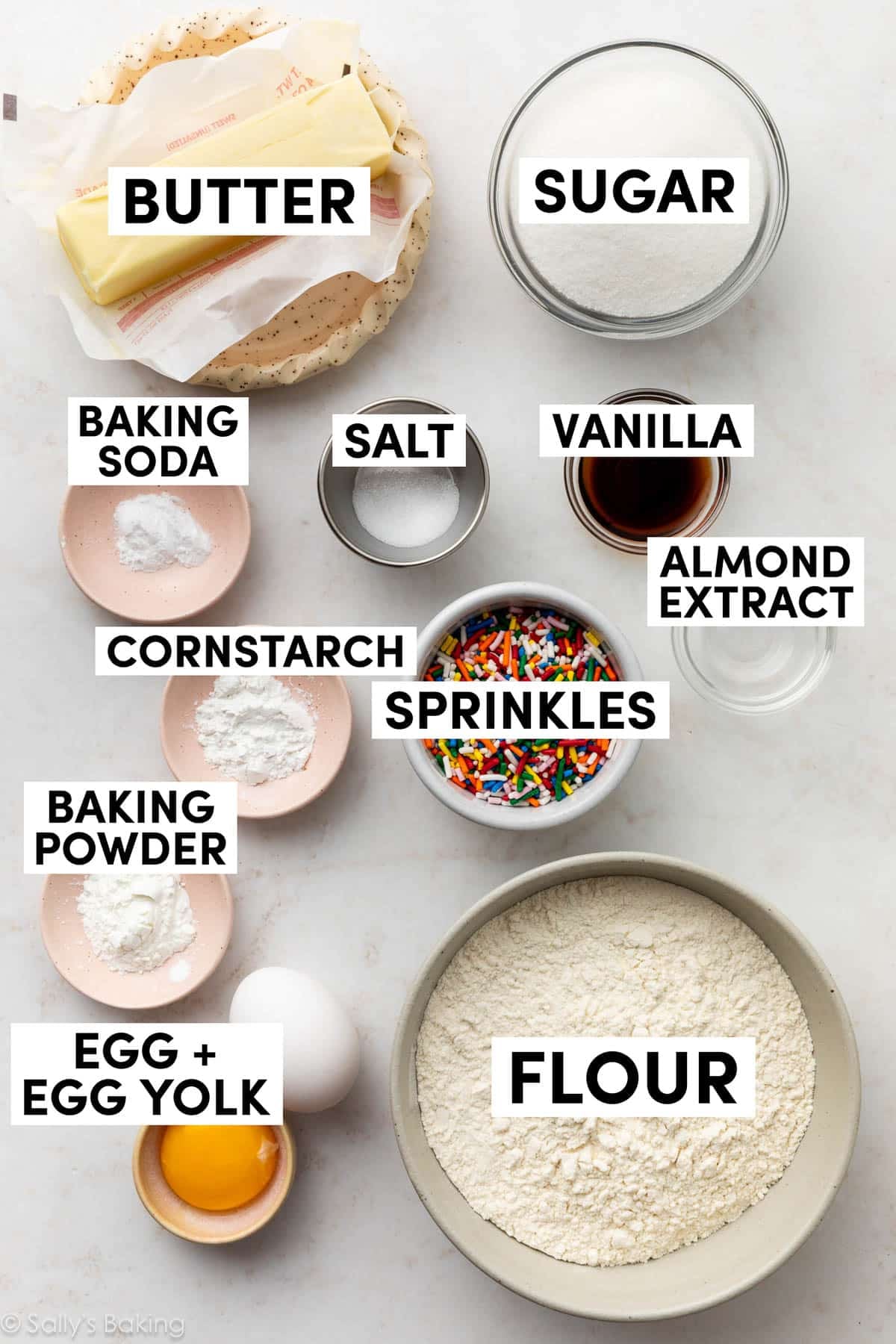
- Flour and Leavening Agents: All-purpose flour provides the primary structure. The combination of baking powder and baking soda acts as a dual leavening system, contributing to the bars’ soft, slightly cakey interior without making them overly dense. Baking soda reacts with acidic components (if present, often in brown sugar or buttermilk, though not explicitly listed here, it can react with cocoa if it were a chocolate bar) while baking powder provides consistent lift.
- Fats and Sugars: Butter is crucial for both flavor and texture. Its fat content tenderizes the dough, preventing a tough crumb, and imparts a rich, creamy taste. Granulated sugar not only provides sweetness but also helps retain moisture, contributing to the cookie’s softness and chewiness. Creaming butter and sugar together incorporates air, which expands during baking to create a lighter texture.
- Cornstarch: The Secret to Tenderness: A standout ingredient, cornstarch, is key to the exceptional softness and tender crumb of these bars. It interferes with gluten development in the flour, resulting in a less chewy, more delicate texture. This is a common technique used in many "soft" cookie recipes to achieve that desirable melt-in-your-mouth quality.
- Eggs and Extracts: Eggs serve multiple functions: they bind the ingredients together, add moisture, and contribute to the richness of the dough. The inclusion of vanilla extract is standard for enhancing sweetness and depth of flavor. The addition of almond extract, while optional, is often cited as the ingredient that gives sugar cookies that distinct, "bakery-style" taste, adding a subtle complexity that elevates the overall profile.
- Rainbow Sprinkles: Beyond their decorative appeal, sprinkles add a playful visual element and a slight textural contrast, contributing to the overall sensory experience.
Mastering the Method: A Simplified Baking Process
The preparation of sugar cookie bars is designed for straightforwardness, making it an ideal entry point for beginner bakers while still satisfying experienced ones. The general process adheres to standard baking practices but with critical simplifications:
- Initial Mixing: The recipe typically begins with whisking dry ingredients (flour, leavening agents, cornstarch, salt) in one bowl. Simultaneously, the wet ingredients commence with the creaming of softened butter and granulated sugar using an electric mixer. This process incorporates air, essential for a light, tender crumb.
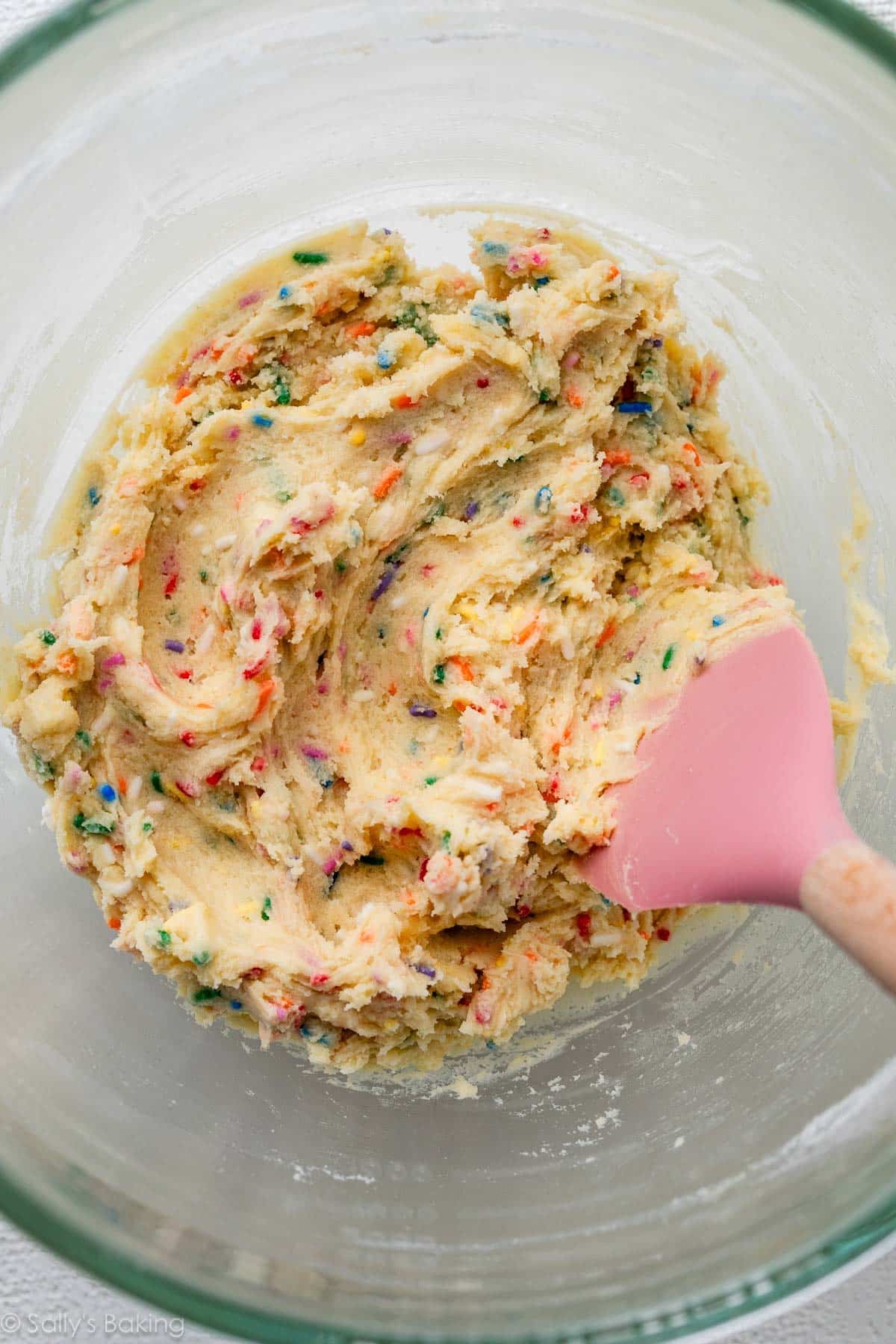
- Dough Handling: After incorporating eggs and extracts into the creamed mixture, the dry ingredients are gradually added. The resulting dough is notably thick and sticky, a characteristic that might initially concern novice bakers. However, this stickiness is a design feature, indicating a high moisture content crucial for the bars’ softness.
- No-Chill Advantage: A significant departure from traditional cut-out sugar cookies is the absence of a chilling period for the dough. This eliminates hours of waiting, allowing for immediate progression to baking. The sticky dough is pressed directly into a parchment-lined baking pan. A practical "success tip" often shared is to flour one’s hands lightly to prevent sticking while spreading the dough evenly across the pan.
- Crucial Baking Techniques: The baking phase is critical. To achieve the desired soft and chewy texture, it is imperative not to overbake the bars. Bakers are advised to remove the pan from the oven when the edges appear lightly golden but the center still looks slightly underdone. The residual heat within the pan will continue to cook the bars as they cool, ensuring they set without becoming dry or crumbly. This attention to visual cues rather than strict timing is a hallmark of successful baking.
- Cooling Process: Adequate cooling is essential before frosting. The bars need to fully set and cool to room temperature to prevent the buttercream from melting and sliding off.
The Crowning Glory: Vanilla Buttercream Frosting
No sugar cookie bar is complete without its signature frosting. For this recipe, a slightly scaled-down version of a classic vanilla buttercream is recommended. This frosting is renowned for its sweet, fluffy, and incredibly creamy texture, providing a perfect counterpoint to the soft cookie base.
- Composition and Texture: Traditional buttercream typically consists of softened butter, powdered sugar, vanilla extract, and a splash of milk or cream. The whipping process incorporates air, resulting in a light and airy consistency that spreads effortlessly.
- Generous Application: The recipe explicitly encourages a heavy hand with the frosting, noting that the frosting layer can be as thick as, or even thicker than, the cookie layer itself. This generous application is a key element of the dessert’s indulgence and visual appeal.
- Customization and Presentation: The frosting can be left white or tinted with a few drops of gel food coloring to match any theme – a light pink for a celebratory touch, or other colors for specific holidays. The final flourish comes from a liberal scattering of rainbow sprinkles, which can also be customized to reflect seasonal or event-specific color palettes. This ease of customization adds to the bars’ appeal for party planners and home entertainers.
Optimizing the Baking Experience: Expert Tips and Frequently Asked Questions
To ensure consistent success, several key considerations and frequently asked questions have been addressed by culinary experts and the baking community:
- Accurate Ingredient Measurement: The most common cause of dry cookie bars is too much flour. It is crucial to measure flour by weight using a kitchen scale or by using the "spoon and level" method (spooning flour into a measuring cup and leveling off the top, rather than scooping directly from the bag).
- Avoiding Overbaking: As previously emphasized, pulling the bars from the oven when the center still appears slightly moist is critical for maintaining tenderness. The baking time, typically around 25 minutes, is a guideline, and ovens can vary.
- Ingredient Substitutions: While almond extract contributes to the distinct "bakery-style" flavor, it can be omitted if unavailable or undesired, without compromising the core deliciousness of the bars.
- Scaling the Recipe: The recipe is easily doubled. For a larger crowd, simply double all ingredient amounts and bake in a standard 9×13-inch pan, adjusting baking time slightly if necessary.
- Advance Preparation and Storage: These bars are excellent for making ahead. Unfrosted cookie bars remain soft at room temperature for up to a full day. Once frosted, they can be refrigerated for up to five days. For longer storage, unfrosted bars can be frozen for up to three months, and individual frosted bars can also be frozen, providing convenient, ready-to-eat treats. Proper airtight packaging is essential for preserving freshness.
Broader Implications and Market Trends
The widespread embrace of recipes like frosted sugar cookie bars signifies several broader trends within the culinary landscape and consumer behavior.
- The "Convenience Culture" in Food: Modern lifestyles often leave limited time for elaborate meal preparation or baking. Recipes that offer significant time savings without sacrificing quality or flavor are highly valued. This trend is not limited to desserts but extends across all food categories, reflecting a societal shift towards efficiency.
- Impact on Home Baking: Such accessible recipes play a vital role in keeping the tradition of home baking alive. They democratize baking, making it less intimidating for beginners and more sustainable for busy individuals. This fosters a sense of accomplishment and encourages more people to engage with cooking from scratch, even if in a simplified format.
- Food Blogging and Digital Recipe Platforms: The internet, and specifically food blogs and video tutorials, has been instrumental in the dissemination and popularization of these streamlined recipes. The ability to share detailed instructions, high-quality images, and step-by-step videos (as noted with the updated recipe and video tutorial) enhances understanding and confidence for home cooks globally. These platforms also create communities where bakers can share experiences, tips, and adaptations.
- Potential for Commercial Adaptation: The principles of efficiency and appealing texture inherent in sugar cookie bars are also relevant to the commercial baking industry. Bakeries can adopt similar concepts to produce large quantities of attractive, crowd-pleasing desserts with reduced labor and increased output, catering to events, cafes, and wholesale markets.
- Future of Dessert Trends: The ongoing evolution of dessert trends will likely continue to balance traditional indulgence with modern practicality. Consumers will seek innovative ways to enjoy classic flavors with less fuss, ensuring that "fuss-free" yet delicious options remain at the forefront of culinary development.
In conclusion, frosted sugar cookie bars represent a harmonious blend of nostalgic flavor, modern convenience, and versatile appeal. By eliminating the traditional challenges associated with sugar cookie preparation—no dough chilling, no rolling, no individual cutting, and no specialized decorating skills required—they offer an accessible pathway to a universally loved dessert. Their enduring popularity, evidenced by enthusiastic consumer feedback and continuous recipe refinement, solidifies their position as a quintessential treat for any occasion, embodying the evolving dynamics of home baking in the 21st century.
