

The arrival of summer routinely ushers in a period of remarkable agricultural bounty, and few vegetables embody this seasonal abundance quite like zucchini. From sprawling home gardens to bustling farmers’ markets and well-stocked grocery aisles, the ubiquitous green squash becomes a cornerstone of summer diets, prompting a wave of culinary creativity among home cooks and professional chefs alike. Far from being a mere side dish, zucchini’s exceptional versatility and nutritional profile have elevated its status, positioning it as a "Most Valuable Vegetable" capable of transforming dishes across every meal and occasion.

Zucchini, botanically classified as a summer squash, traces its origins back to the Americas, where various squash species have been cultivated for thousands of years. The specific cultivar we recognize today, Cucurbita pepo, gained prominence in Italy, hence its Italian name, before spreading globally. Its rapid growth and prolific yield during the warmer months are well-known characteristics, often leading to a "zucchini glut" that challenges even the most enthusiastic gardeners to find new applications for their harvest. This annual phenomenon, typically peaking from late spring through early autumn, has historically driven a necessity for inventive recipes, transforming a potential surplus into a celebration of culinary possibility.

Beyond its prolific growth, zucchini boasts an impressive nutritional profile that contributes significantly to a healthy diet. Comprising over 95% water, it is exceptionally low in calories, making it an ideal ingredient for those mindful of caloric intake. A single medium zucchini provides a good source of Vitamin C, a powerful antioxidant crucial for immune function and skin health, and Vitamin B6, vital for brain development and nerve function. It also contains notable amounts of Vitamin K, manganese, and potassium, all contributing to bone health, metabolic processes, and electrolyte balance, respectively. Its high fiber content aids digestion and promotes satiety, further enhancing its appeal as a dietary staple. This combination of hydration, low caloric density, and essential nutrients underscores why dietitians frequently recommend incorporating zucchini into daily meals, particularly during its peak season.
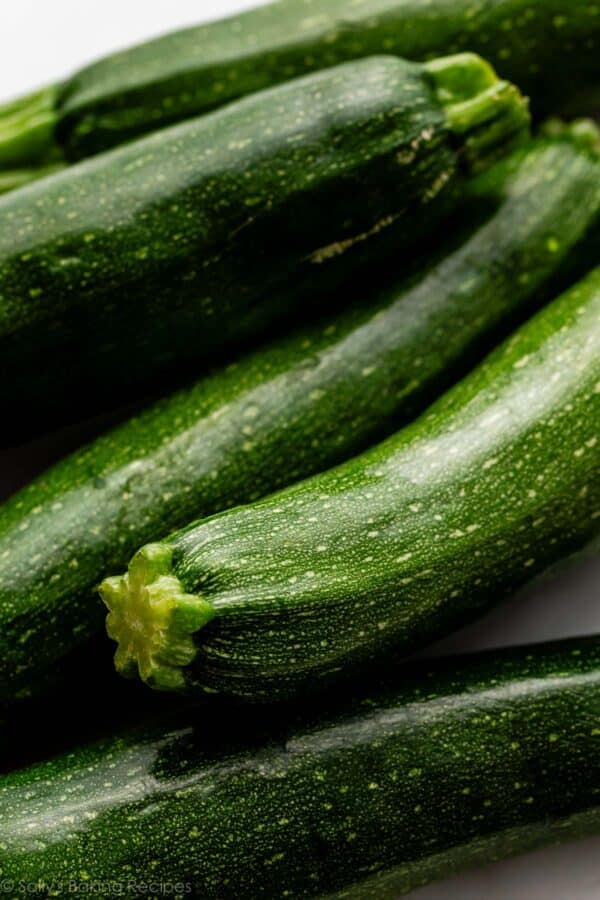
The "zucchini glut" presents both a logistical challenge and a creative opportunity for the food industry and individual households. Agricultural data from regional farming collectives often reports a significant increase in zucchini production during summer months, sometimes leading to market saturation. For instance, data from the National Gardeners Association indicates that approximately 70% of home gardeners growing zucchini report a surplus each season, prompting a communal sharing of produce and an increased demand for innovative recipes. This dynamic fuels a vibrant exchange of culinary ideas, from traditional family recipes passed down through generations to modern gastronomic experiments.
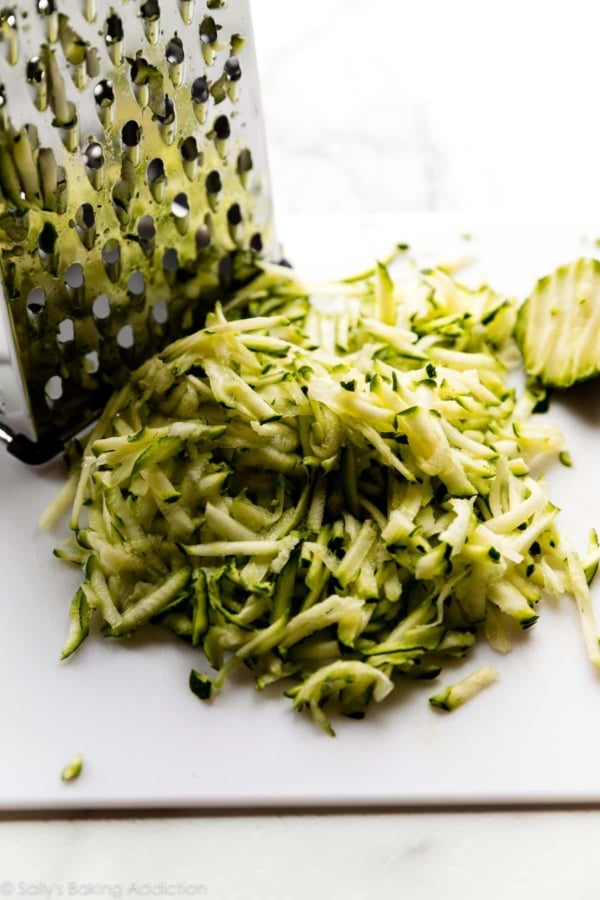
One of zucchini’s most remarkable attributes is its chameleon-like ability to seamlessly integrate into both sweet and savory preparations, often without its distinctive flavor being detectable. This characteristic makes it an invaluable ingredient for adding moisture, texture, and nutritional value, particularly in baked goods. Similar to how carrots enhance the moistness of carrot cake, shredded zucchini contributes an unparalleled tenderness to a variety of sweet treats. Culinary experts often highlight this "stealth vegetable" quality, noting its capacity to enrich desserts while remaining largely incognito to the palate. For example, recipes such as chocolate zucchini bread, peanut butter chocolate chip zucchini bread, and even chocolate zucchini cake leverage the squash’s high water content to create exceptionally moist and decadent textures. A widely-cited survey conducted by a national food magazine found that 62% of tasters of a classic chocolate zucchini cake could not identify zucchini as an ingredient, underscoring its impressive ability to blend into complex flavor profiles. This attribute is particularly beneficial for introducing vegetables into the diets of children or those who might otherwise be reluctant to consume green vegetables. The popularity of zucchini muffins and zucchini bread as freezer-friendly breakfast or snack options further illustrates this point, providing convenient and nutritious choices for busy individuals.
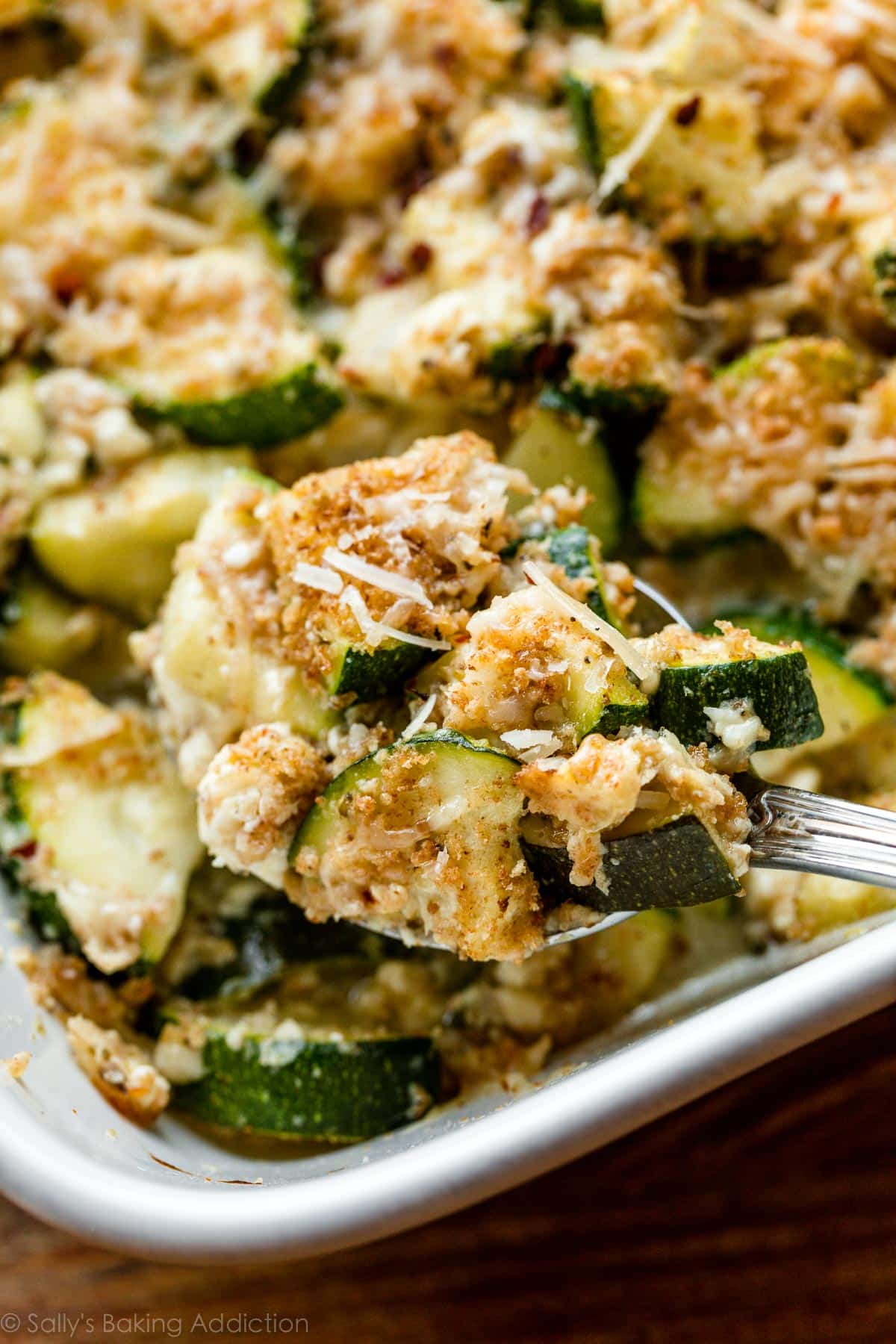
On the savory front, zucchini’s adaptability is equally impressive, offering an expansive canvas for diverse culinary explorations. Its mild taste allows it to readily absorb the flavors of accompanying ingredients, making it a versatile component in a vast array of dishes. A common modern application involves spiralizing zucchini into "zoodles," which serve as a healthy, low-carbohydrate alternative to traditional pasta in dishes like chicken meatballs or bruschetta chicken. This innovation aligns with contemporary dietary trends emphasizing reduced carbohydrate intake and increased vegetable consumption. Beyond pasta substitutes, zucchini can be sliced and baked into a cheesy casserole, shredded and pan-fried into crispy fritters, or incorporated into savory biscuits. The utility of a simple box grater for many of these preparations highlights the accessibility of integrating zucchini into everyday cooking.

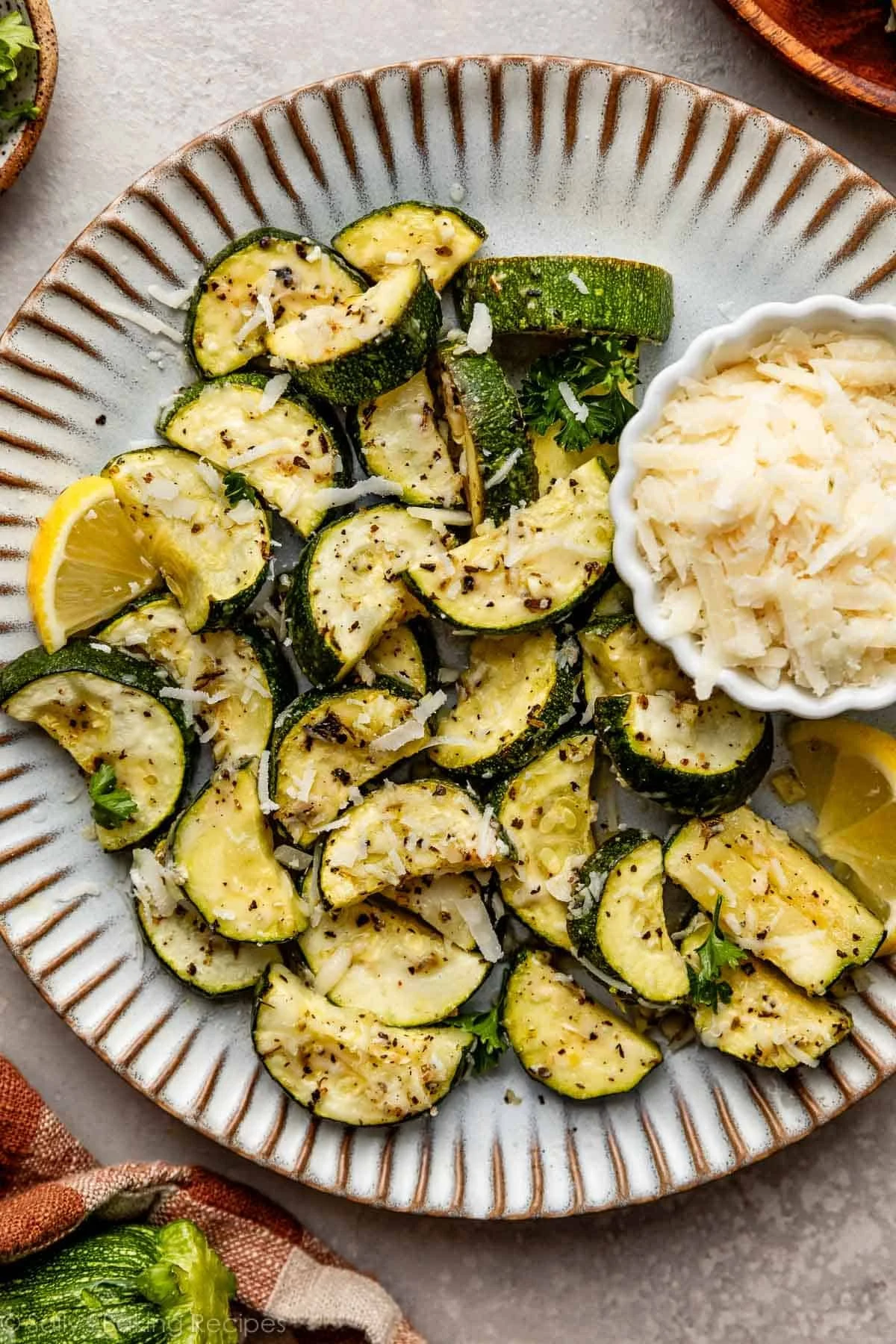
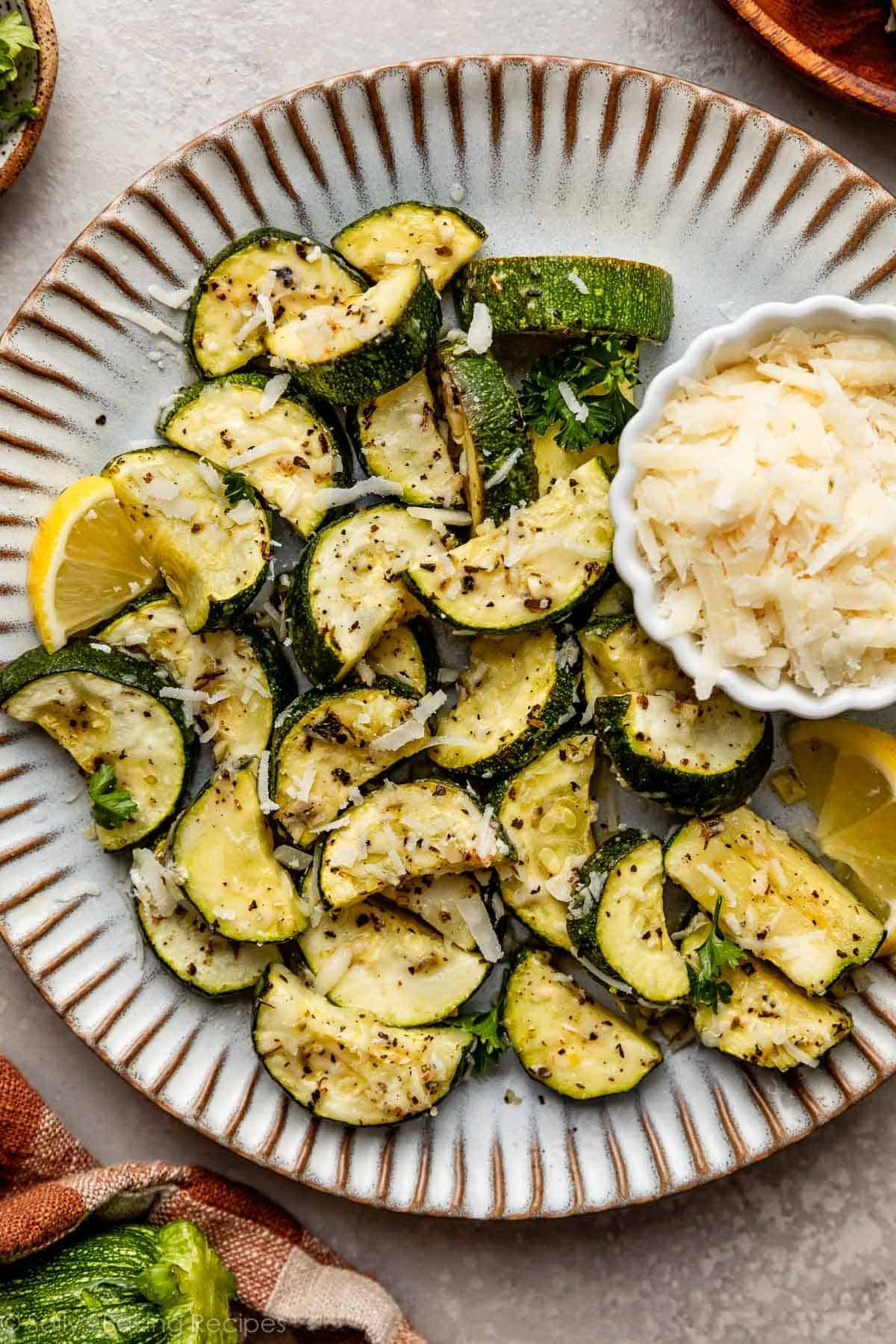
The ease of preparation for many zucchini dishes is a significant factor in its widespread appeal. For instance, a quick and flavorful side dish involves roasting zucchini with lemon, garlic, and oregano, finishing with a sprinkle of freshly grated Parmesan cheese. This method, taking approximately 20 minutes from prep to plate, transforms firm zucchini slices into tender, aromatic pieces that complement a variety of main courses. The simplicity and speed of such recipes cater to the demands of modern lifestyles, where time efficiency in meal preparation is highly valued.

Food preservation techniques play a crucial role in managing the seasonal influx of zucchini. Freezing shredded zucchini is a widely recommended practice, allowing home cooks to extend the enjoyment of their harvest well beyond the summer months. The process involves shredding the zucchini, thoroughly squeezing out excess moisture using paper towels or a clean kitchen towel, and then storing it in zipped-top bags. Flattening the bags before freezing facilitates quicker thawing and more efficient storage. Frozen zucchini can typically be stored for 3-4 months and, once thawed and blotted dry, can be incorporated into any recipe calling for shredded zucchini, ensuring that its nutritional and culinary benefits are available year-round. This practice not only minimizes food waste but also provides a convenient ingredient for future meal planning.

Statements from various food industry professionals underscore zucchini’s multifaceted value. Chef Julianna Vance, known for her farm-to-table philosophy, remarks, "Zucchini is a chef’s dream. Its subtle flavor allows it to take on the character of whatever cuisine you’re exploring, from a vibrant Mediterranean flatbread with herbed ricotta to a rich, earthy minestrone soup. It’s a testament to its flexibility that it can be the star or a quiet, supportive player in a dish." Similarly, Dr. Anya Sharma, a public health nutritionist, emphasizes, "Encouraging the diverse consumption of vegetables like zucchini is critical for public health. Its high water content supports hydration, and its fiber aids digestive health, making it an excellent component of a balanced diet. The creative recipes emerging from its seasonal abundance are fantastic ways to make healthy eating enjoyable and accessible."
The broader implications of zucchini’s prominence extend to sustainability and local economic support. By encouraging the full utilization of seasonal produce, especially during periods of high yield, culinary innovation directly contributes to reducing food waste at both the producer and consumer levels. This aligns with global efforts to foster more sustainable food systems. Furthermore, the robust demand for zucchini, driven by its versatility and health benefits, provides a reliable income stream for local farmers and supports agricultural communities during the summer harvest season. Farmers’ markets, in particular, serve as vital hubs for connecting consumers directly with fresh, locally grown zucchini, reinforcing community ties and promoting regional food economies.

In conclusion, zucchini stands as a testament to the potential of a seemingly simple vegetable to inspire profound culinary exploration and deliver significant nutritional benefits. Its journey from a garden staple to a versatile ingredient in both sweet and savory dishes, from an easy frittata for breakfast to zucchini & herbed ricotta flatbread for lunch or dinner, and even zucchini oatmeal chocolate chip cookies for dessert, showcases its adaptability. The annual summer surge in its availability, often referred to as the "zucchini glut," has transformed into a cherished culinary event, fostering innovation, reducing food waste through preservation techniques, and providing a foundation for healthier eating across countless households. As the summer months unfold, the humble zucchini truly earns its designation as the Most Valuable Vegetable, continuing to challenge and delight palates with its endless possibilities.
