

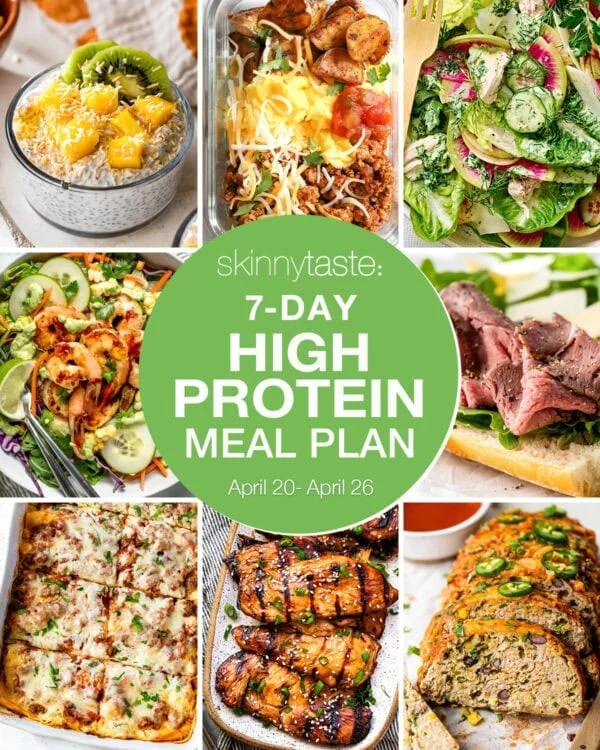
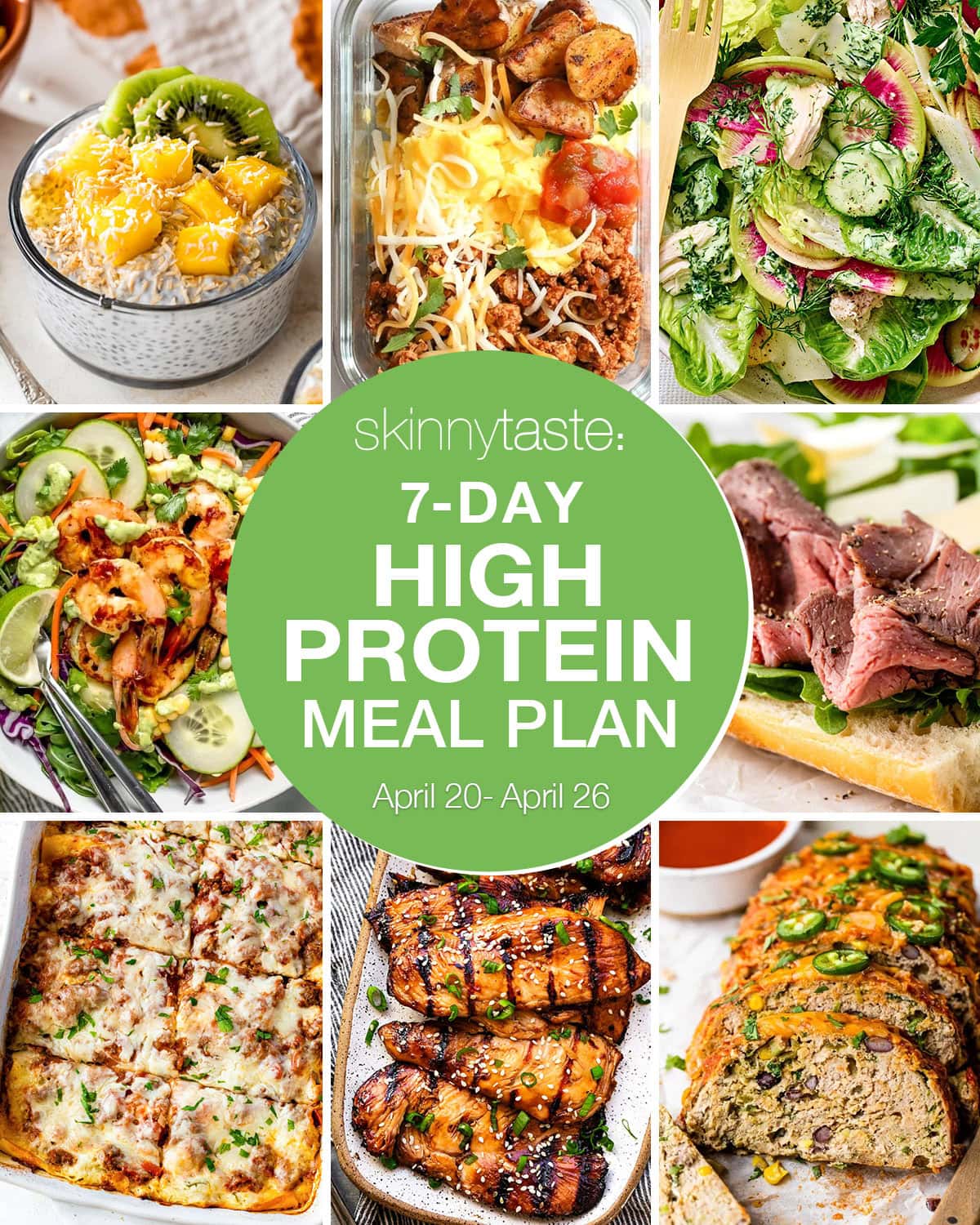
Skinnytaste, a prominent online culinary platform, has released a complimentary 7-day high-protein meal plan, offering a structured approach to nutrition for individuals and families. The comprehensive plan includes breakfast, lunch, and dinner ideas, accompanied by a detailed shopping list. Each recipe within the plan is meticulously detailed with macronutrient breakdowns and Weight Watchers (WW) points, catering to a broad audience focused on health-conscious eating and weight management. The launch underscores a growing public interest in high-protein diets, driven by their documented benefits for muscle development, satiety, and overall metabolic health.
The Strategic Release and Seasonal Focus
The meal plan, identified as "Week 537," suggests a continuous commitment by Skinnytaste to provide regular, updated dietary guidance. Its timing, coinciding with the spring season, strategically incorporates fresh, seasonal ingredients such as strawberries and spinach. This seasonal integration not only enhances flavor profiles but also aligns with dietary recommendations to consume a diverse range of fruits and vegetables. A featured recipe, "Grilled Chicken Salad with Strawberries and Spinach," exemplifies this approach, aiming to provide a flavorful, colorful, and protein-rich meal. This emphasis on seasonal produce highlights the platform’s commitment to both nutritional value and culinary appeal, making healthy eating more accessible and enjoyable.
Understanding the High-Protein Imperative
The driving force behind this new meal plan is the increasing recognition of protein’s critical role in human health. Protein is essential for building and repairing tissues, producing enzymes and hormones, and supporting immune function. Beyond these fundamental roles, high-protein diets have gained significant traction for their efficacy in muscle gain, weight management, and enhancing satiety. The creator behind Skinnytaste, whose personal journey with a high-protein diet has been a "total game changer" for muscle gain and sustained satisfaction, emphasizes how this dietary approach helps prevent cravings for less nutritious snacks between meals.
Scientific literature consistently supports these claims. Studies published in journals like the American Journal of Clinical Nutrition have demonstrated that higher protein intake can lead to increased thermogenesis, greater satiety, and better preservation of lean muscle mass during weight loss. For individuals aiming for muscle hypertrophy, protein provides the necessary amino acids for muscle protein synthesis. Nutrition experts typically recommend a daily protein intake of 0.8 grams per kilogram of body weight for sedentary adults, but this recommendation can increase significantly to 1.6-2.2 grams per kilogram for active individuals, athletes, or those seeking muscle gain, as highlighted by organizations such as the International Society of Sports Nutrition. The Skinnytaste plan, aiming for protein targets of 120 grams per day, broken down into 30 grams per meal plus snacks, aligns with these higher recommendations for active individuals or those prioritizing muscle development.
Integration with Weight Watchers Program Updates
A notable aspect of the Skinnytaste meal plan is its meticulous inclusion of Weight Watchers (WW) points, a feature highly valued by a dedicated segment of its audience. The article addresses recent updates to the WW points plan, specifically the addition of new 0-point foods like oatmeal. While acknowledging the time-consuming process of updating thousands of recipes to reflect these changes, the platform assures its WW community that all recipes from 2018 to 2025 have been updated. Furthermore, a practical solution is provided: every recipe on the Skinnytaste website is linked to the WW recipe builder, allowing users to automatically calculate the most current points directly from their phones. This commitment to maintaining relevance and utility for WW members demonstrates a responsive approach to evolving dietary programs and user needs. The WW program, with its long history of promoting healthy eating habits through a points-based system, represents a significant demographic for wellness-focused content creators.
How the Meal Plan Operates: Structure and Flexibility

The Skinnytaste meal plan is designed as a flexible guide rather than a rigid regimen, offering considerable "wiggle room" for personalization. The daily structure typically allocates individual servings for breakfast and lunch from Monday to Friday, while dinners and all weekend meals (Saturday and Sunday) are portioned to serve a family of four. This approach thoughtfully balances individual dietary goals with family meal preparation, often incorporating leftovers to streamline cooking efforts for subsequent meals. For instance, a "Tofu Poke Bowl" recipe might be prepared for two servings on Monday, providing a ready-made option for Tuesday’s lunch. Similarly, "Lasagna" prepared on Wednesday could yield leftovers for Thursday’s dinner.
Users are encouraged to supplement the plan with additional foods such as coffee, beverages, fruits, snacks, and desserts to meet their individual caloric and nutritional needs. The platform explicitly states that depending on personal goals, an intake of at least 1500 calories per day is generally recommended for women, while acknowledging that specific requirements vary based on age, weight, activity level, and individual objectives. A helpful calorie calculator from MyPlate.gov is referenced to assist users in estimating their personal caloric needs, further empowering them to tailor the plan.
A Glimpse into the Weekly Menu
The 7-day plan showcases a diverse and appealing menu designed to maintain high protein intake while offering variety.
- Monday (April 20): Kicks off with a "Whipped Cottage Cheese Bowl" for breakfast, a "Greek Goddess Caesar Salad with Chicken" for lunch (paired with baguette), and "Tofu Poke Bowls" for dinner.
- Tuesday (April 21): Repeats the cottage cheese bowl and Caesar salad, followed by "Enchilada Turkey Meatloaf" with "Instant Pot Black Beans" and "Garlic Mashed Potatoes" for dinner.
- Wednesday (April 22): Introduces a "Strawberry Banana Smoothie" with Greek yogurt for breakfast, utilizes leftover turkey meatloaf for lunch, and features "Lasagna" with "Arugula Salad" for dinner.
- Thursday (April 23): Continues with the strawberry banana smoothie, a "Tuna White Bean Salad" for lunch, and leftover lasagna with arugula salad for dinner.
- Friday (April 24): Maintains the smoothie and tuna salad, culminating in "Chili Lime Air Fryer Salmon" with "Avocado Mango Salsa" and "Cilantro Lime Rice" for dinner.
- Saturday (April 25): Features a "Tropical Chia Pudding" for breakfast, "Spicy Thai Shrimp Salad" for lunch, and designates "DINNER OUT," allowing for social flexibility.
- Sunday (April 26): Concludes with a "Breakfast Taco Scramble," a "Roast Beef Sandwich with Arugula and Shaved Parmesan" with strawberries for lunch, and "Asian Grilled Chicken" with "Edamame Fried Rice" and "Grilled Asparagus" for dinner.
This detailed breakdown reveals a thoughtful balance of lean proteins, whole grains, fruits, and vegetables, demonstrating how a high-protein diet can be both varied and delicious. The inclusion of meal prep strategies, such as planning for leftovers, further enhances the plan’s practicality for busy individuals and families.
Crucial Health Disclaimers and Professional Guidance
While promoting the benefits of a high-protein diet, Skinnytaste responsibly includes essential health disclaimers. The article explicitly advises individuals with specific health conditions—such as kidney or liver disease, gout, certain metabolic disorders, or older adults with reduced kidney function—to exercise caution. For these groups, significantly increasing protein intake without professional medical oversight could lead to complications. The platform strongly recommends consulting a healthcare provider or registered dietitian before making substantial dietary changes, particularly when increasing protein intake, to ensure alignment with individual health needs and prevent adverse effects. This responsible approach underscores the importance of personalized medical advice in dietary planning.
Community Engagement and Resource Accessibility
Beyond the meal plan itself, Skinnytaste cultivates a robust community and offers additional resources to support its users. The invitation to join the "Skinnytaste Facebook Community" allows members to share recipes, exchange ideas, and find inspiration, fostering a sense of collective support and motivation. An email subscription option ensures that followers receive timely updates, including new meal plans, directly in their inbox.
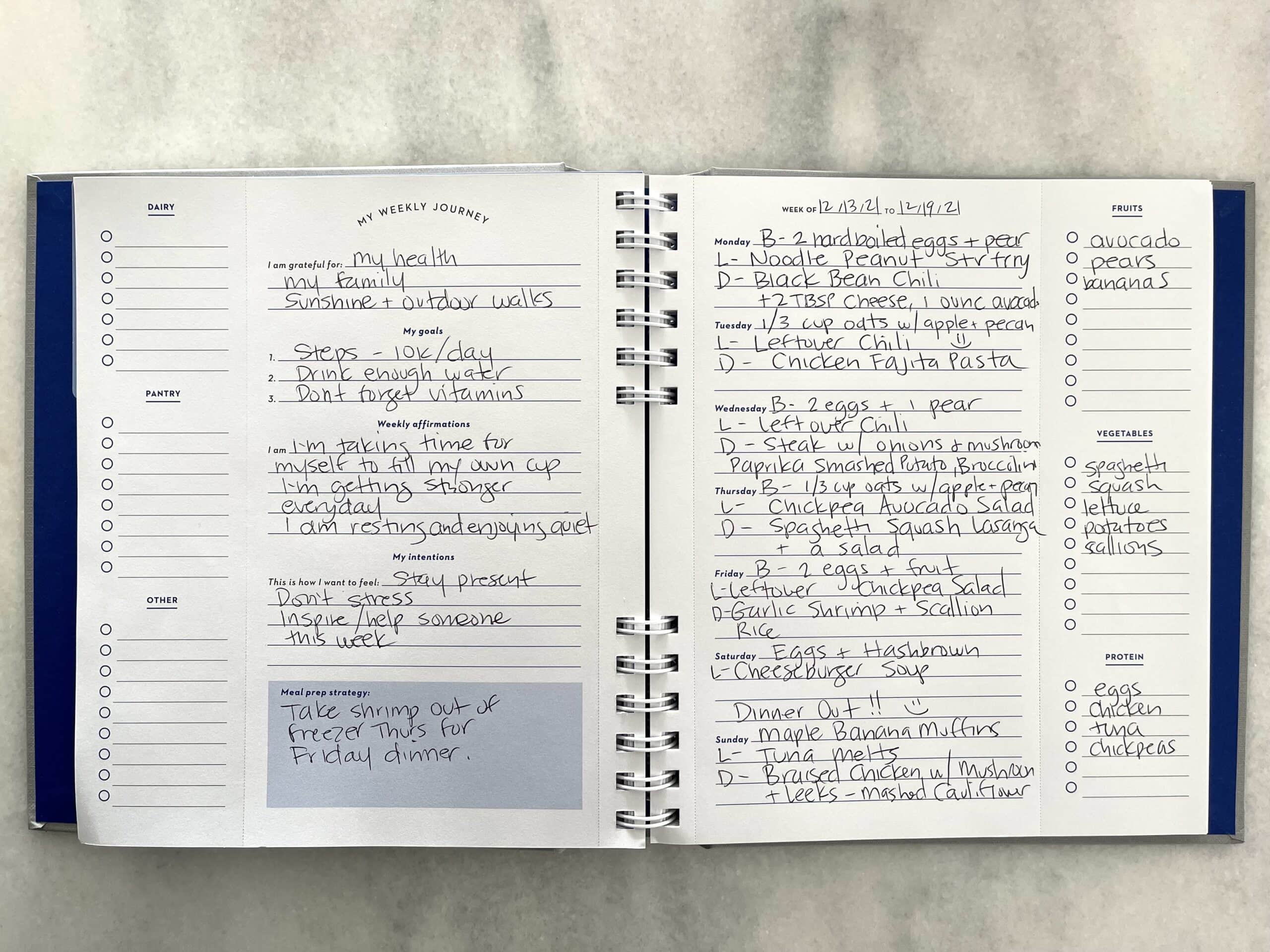
Furthermore, the platform promotes its "Ultimate Skinnytaste Meal Planner," a 52-week spiral-bound planner designed to facilitate organized meal preparation. This planner includes weekly meal planning grids, a 12-week meal plan, 30 recipes (15 of which are new), and tear-out grocery lists. It also incorporates spaces for gratitude, affirmations, and intentions, integrating a holistic wellness approach into the practical aspects of meal planning. Such resources highlight Skinnytaste’s comprehensive strategy to empower its audience not just with recipes, but with tools and a community to sustain healthy eating habits long-term.
Broader Implications in the Wellness Landscape
The release of this free, detailed high-protein meal plan by Skinnytaste reflects several broader trends in the contemporary wellness and nutrition landscape. Firstly, it underscores the increasing demand for accessible, expert-guided dietary solutions. In an era saturated with conflicting nutritional information, platforms that offer clear, structured, and scientifically informed plans gain significant traction. The "free" aspect significantly lowers the barrier to entry, making healthy eating more attainable for a wider demographic.
Secondly, the emphasis on macronutrient tracking (macros) and integration with popular weight management programs like Weight Watchers illustrates the sophisticated needs of today’s health-conscious consumer. Users are not just looking for "healthy" recipes; they demand detailed nutritional information that allows them to fine-tune their intake according to specific goals, whether it’s muscle building, weight loss, or managing chronic conditions.
Finally, the blend of practical meal solutions with community support and organizational tools positions Skinnytaste as more than just a recipe blog. It functions as a comprehensive wellness hub, providing not only "what to eat" but also "how to plan" and "where to find support." This holistic approach is crucial for fostering sustainable dietary changes and reflects a mature understanding of consumer behavior in the digital health sphere. The continuous provision of such content solidifies the platform’s role as a leading authority in accessible, healthy eating.
