

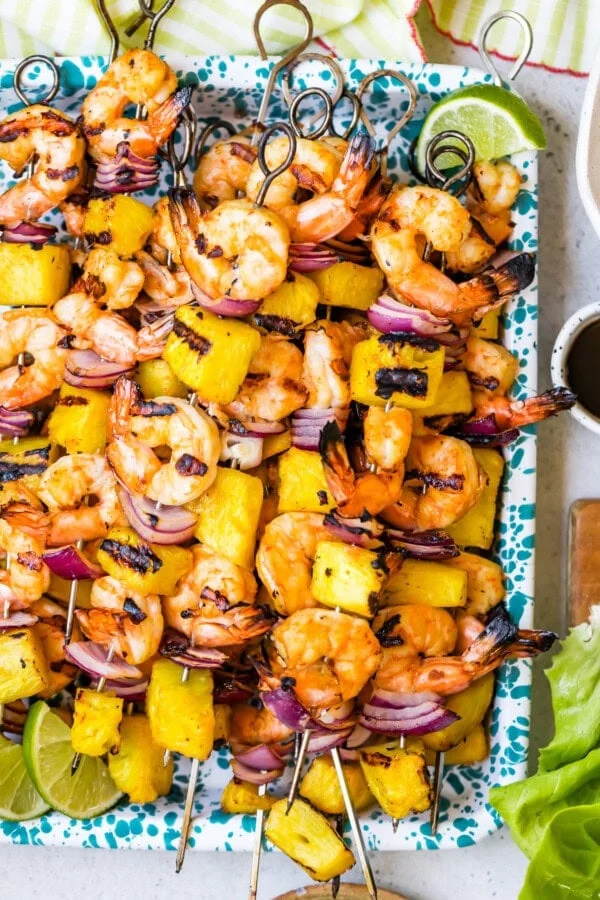
The Enduring Appeal of Skewered Cuisine
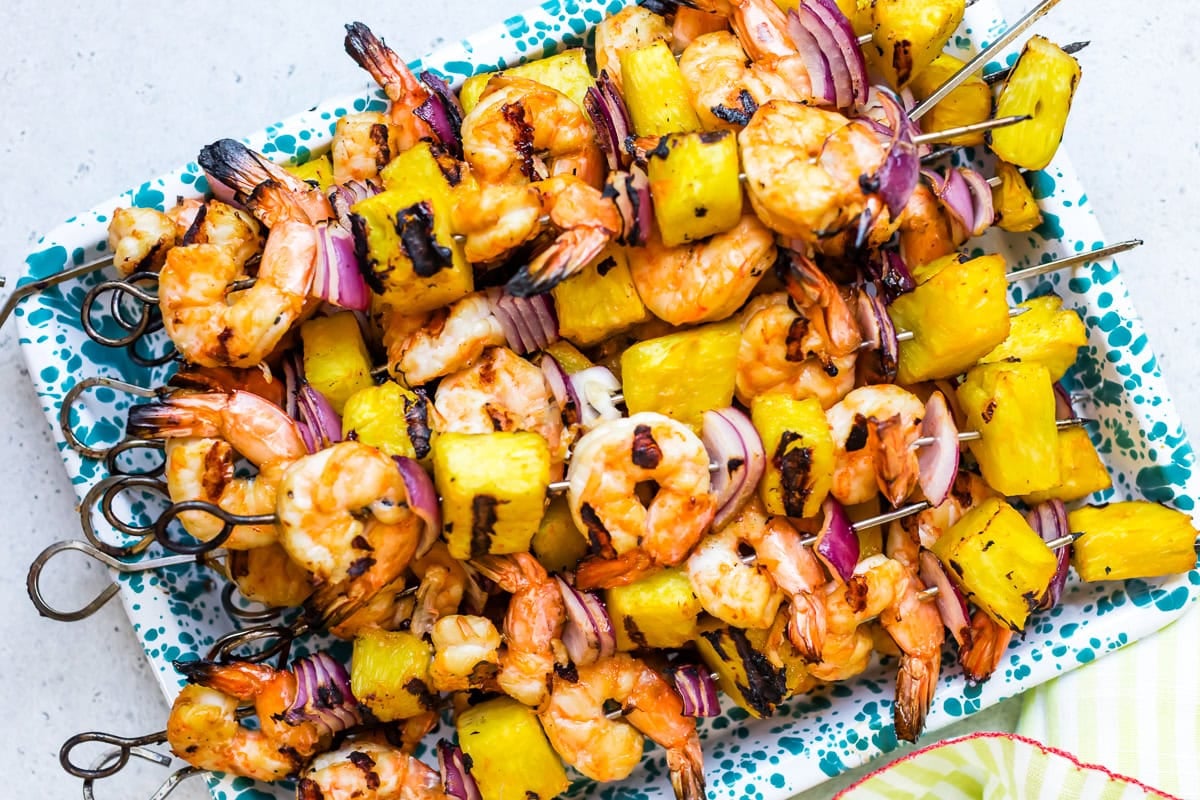
The concept of skewered food, often referred to as kabobs or kebabs, traces its origins back millennia, with archaeological evidence suggesting its presence in various ancient cultures from the Middle East to the Mediterranean. Historically, skewering meat and vegetables over an open flame was a practical cooking method, allowing for even heat distribution and portability. Over time, this technique evolved from a survival necessity to a celebrated culinary art form, transcending geographical boundaries and cultural palates. Today, kabobs symbolize communal dining and outdoor cooking, particularly in Western cultures where grilling has become synonymous with summer. The modern interpretation, as seen in shrimp and pineapple skewers, retains the fundamental principles of convenience and direct heat cooking while incorporating global flavor influences, such as the soy-based glaze, which adds an East Asian dimension to this universally appealing format. The inherent design of skewers promotes portion control and ease of serving, making them ideal for social gatherings where guests can easily partake without extensive plating.
A Deep Dive into Key Ingredients: Nutritional Profile and Market Dynamics
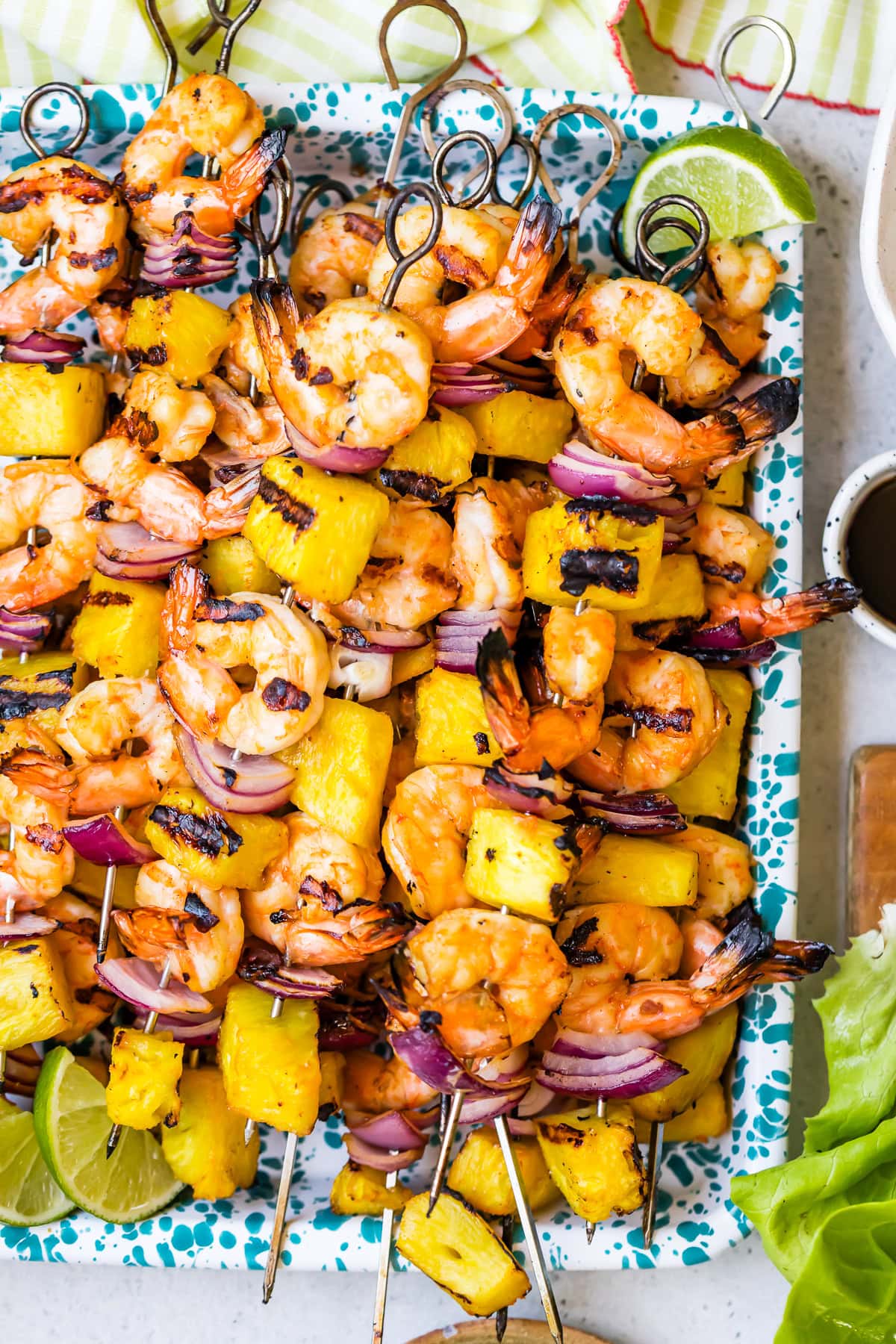
The core components of these skewers—shrimp and pineapple—are not merely chosen for their complementary flavors but also for their significant nutritional benefits and their roles in the global food economy.
Shrimp: A Lean Protein Powerhouse
Shrimp (Penaeus vannamei, Litopenaeus vannamei, etc.) stands as one of the most consumed seafood items globally, prized for its delicate texture and mild flavor. Nutritionally, shrimp offers a highly desirable profile: it is an excellent source of lean protein, providing approximately 24 grams per 3-ounce serving, with minimal fat content (around 0.3 grams of saturated fat). It is also rich in essential vitamins and minerals, including selenium (a potent antioxidant), vitamin B12, phosphorus, and iodine. Despite historical concerns regarding cholesterol, dietary cholesterol from shrimp has been largely decoupled from blood cholesterol levels in healthy individuals by contemporary nutritional science, emphasizing the importance of saturated and trans fats as primary drivers of elevated LDL cholesterol.

From a market perspective, the global shrimp industry is a multi-billion dollar enterprise, driven by both wild-caught fisheries and increasingly, aquaculture. In 2022, the global shrimp market size was valued at over USD 60 billion, with projections for continued growth. Major producers include China, India, Indonesia, Vietnam, and Ecuador. Sustainability is a growing concern, with consumers and environmental organizations advocating for responsible sourcing. Certifications from bodies like the Aquaculture Stewardship Council (ASC) or the Marine Stewardship Council (MSC) play a crucial role in guiding consumer choices towards environmentally sound practices, addressing issues such as habitat destruction, antibiotic use, and labor practices within the supply chain. The quick cooking time of shrimp, typically just a few minutes, further enhances its appeal for rapid meal preparation, aligning with the demands of modern, fast-paced lifestyles.
Pineapple: Tropical Sweetness with Digestive Benefits
Pineapple (Ananas comosus) contributes a vibrant, sweet, and tangy counterpoint to the savory shrimp. This tropical fruit is a powerhouse of vitamin C, an essential antioxidant that supports immune function and skin health. It also provides significant amounts of manganese, a mineral vital for bone health and metabolism, and dietary fiber, aiding in digestive health. Perhaps its most notable characteristic is the presence of bromelain, a complex mixture of protein-digesting enzymes. Bromelain is known for its anti-inflammatory properties and its potential role in aiding digestion, which explains the cautionary note in many recipes regarding marinating shrimp or other proteins with fresh pineapple for extended periods, as it can break down the protein structure and result in a mushy texture.

Major pineapple-producing countries include Costa Rica, Brazil, the Philippines, and Thailand. The fruit’s global trade value exceeds USD 2 billion annually, reflecting its widespread popularity in fresh consumption, juices, and processed forms. The consistent availability of fresh pineapple year-round, facilitated by global logistics, makes it a reliable ingredient for a variety of culinary applications, including grilling, where its natural sugars caramelize beautifully, enhancing its flavor profile.
The Sweet-Spicy Soy Glaze: A Fusion of Flavors
The simple yet impactful glaze of soy sauce, garlic, and sambal oelek is central to the dish’s appeal. Soy sauce provides a rich umami depth, enhancing the overall savoriness. It is a fermented product, typically made from soybeans, wheat, salt, and water, offering complex flavor notes. However, its sodium content warrants consideration for those monitoring salt intake, with low-sodium varieties widely available. Garlic, a foundational ingredient in countless cuisines, adds pungent, aromatic notes and boasts numerous health benefits, including antimicrobial and anti-inflammatory properties, attributed to compounds like allicin. Sambal oelek, an Indonesian chili paste, introduces a controlled heat, adding a dynamic dimension without overwhelming the primary flavors. The capsaicin in chili peppers is known to have thermogenic properties and can enhance metabolism, contributing to the perceived "spicy-sweet" balance that many palates find highly satisfying. This combination of sweet, savory, and spicy elements creates a complex and balanced flavor profile that elevates the simple pairing of shrimp and pineapple.
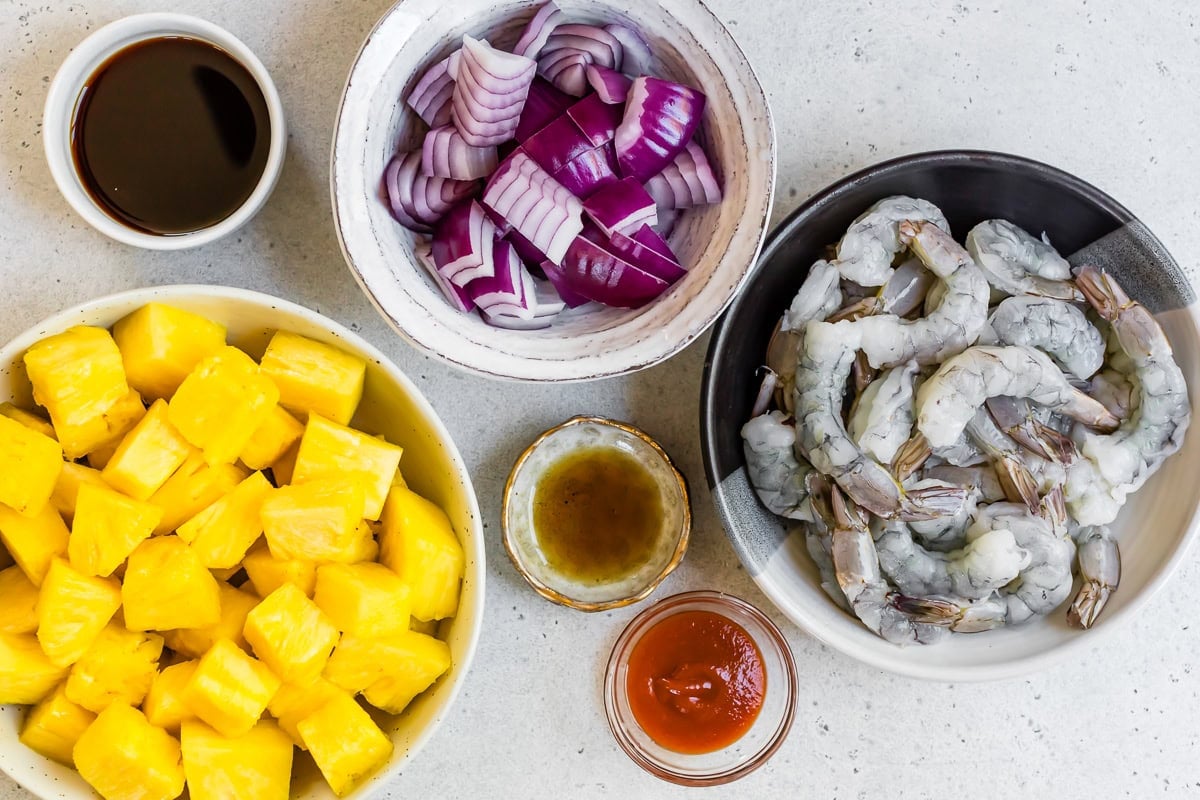
Chronology of Preparation: Efficiency Meets Culinary Craft
The preparation of grilled shrimp and pineapple skewers is designed for maximum efficiency, a characteristic highly valued in contemporary home cooking. The process typically unfolds in several logical stages:
-
Pre-preparation (Day Ahead or Hours Before):
- Skewer Soaking: If using wooden skewers, soaking them in water for at least 30 minutes (or preferably several hours) prior to grilling is crucial. This prevents them from charring or igniting on the hot grill, ensuring structural integrity and food safety.
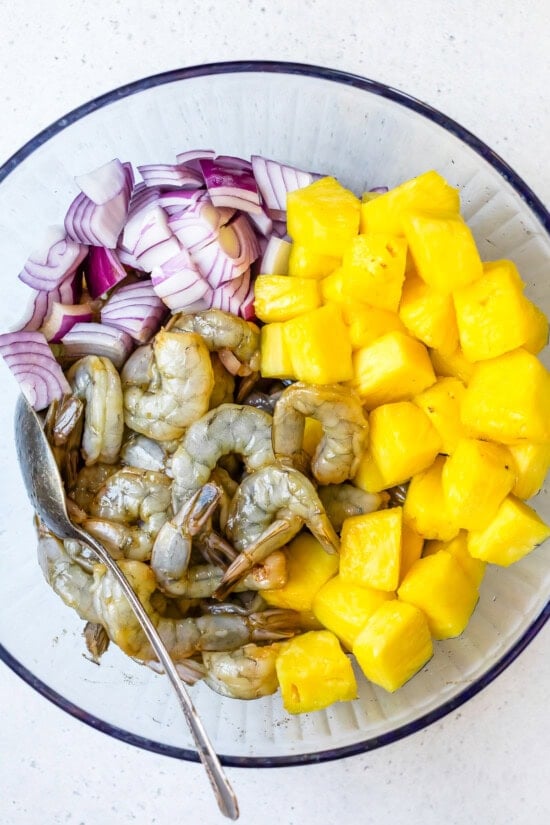
- Ingredient Dicing: Pineapple and onion (if used) can be pre-cut into appropriate skewer-friendly chunks.
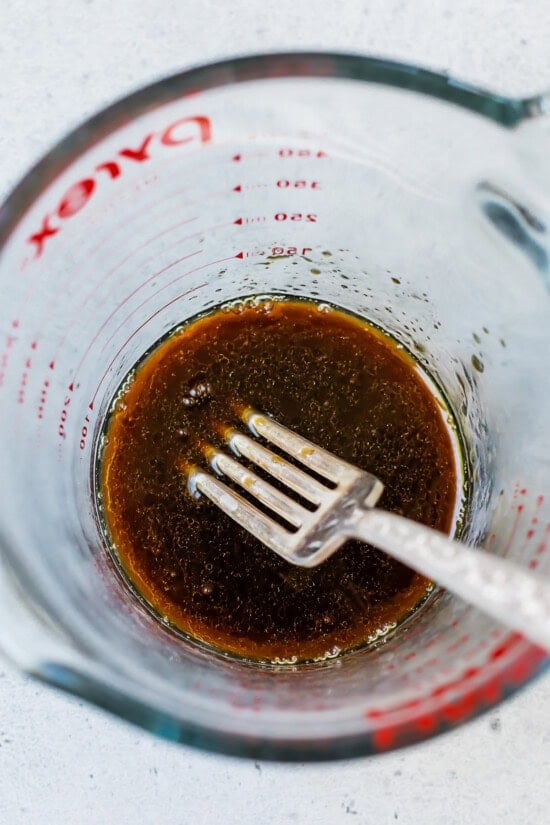
- Glaze Assembly: The soy-garlic-sambal oelek glaze can be mixed in advance and stored, allowing flavors to meld.
- Shrimp Preparation: Shrimp can be peeled and deveined ahead of time, then kept chilled. It’s vital to note that shrimp should not be marinated with fresh pineapple for extended periods due to bromelain’s enzymatic action, which can quickly tenderize the shrimp to an undesirable mushy consistency. Marination, if desired, should be brief (15-30 minutes) or involve only the soy glaze.
-
Assembly (Just Before Cooking):
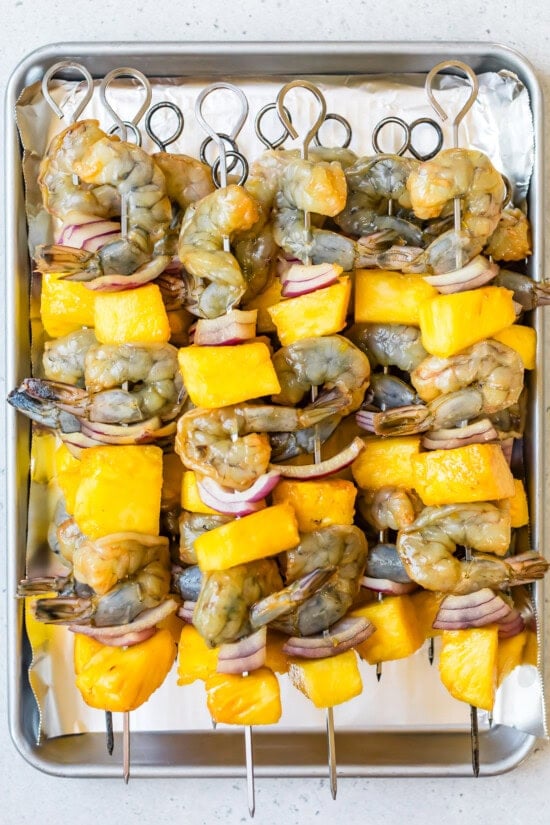
- The prepped shrimp and pineapple chunks are alternately threaded onto the soaked skewers. This stage requires minimal time and can often be a collaborative activity for family members. Uniform sizing of ingredients ensures even cooking.
-
Cooking (Rapid Execution):
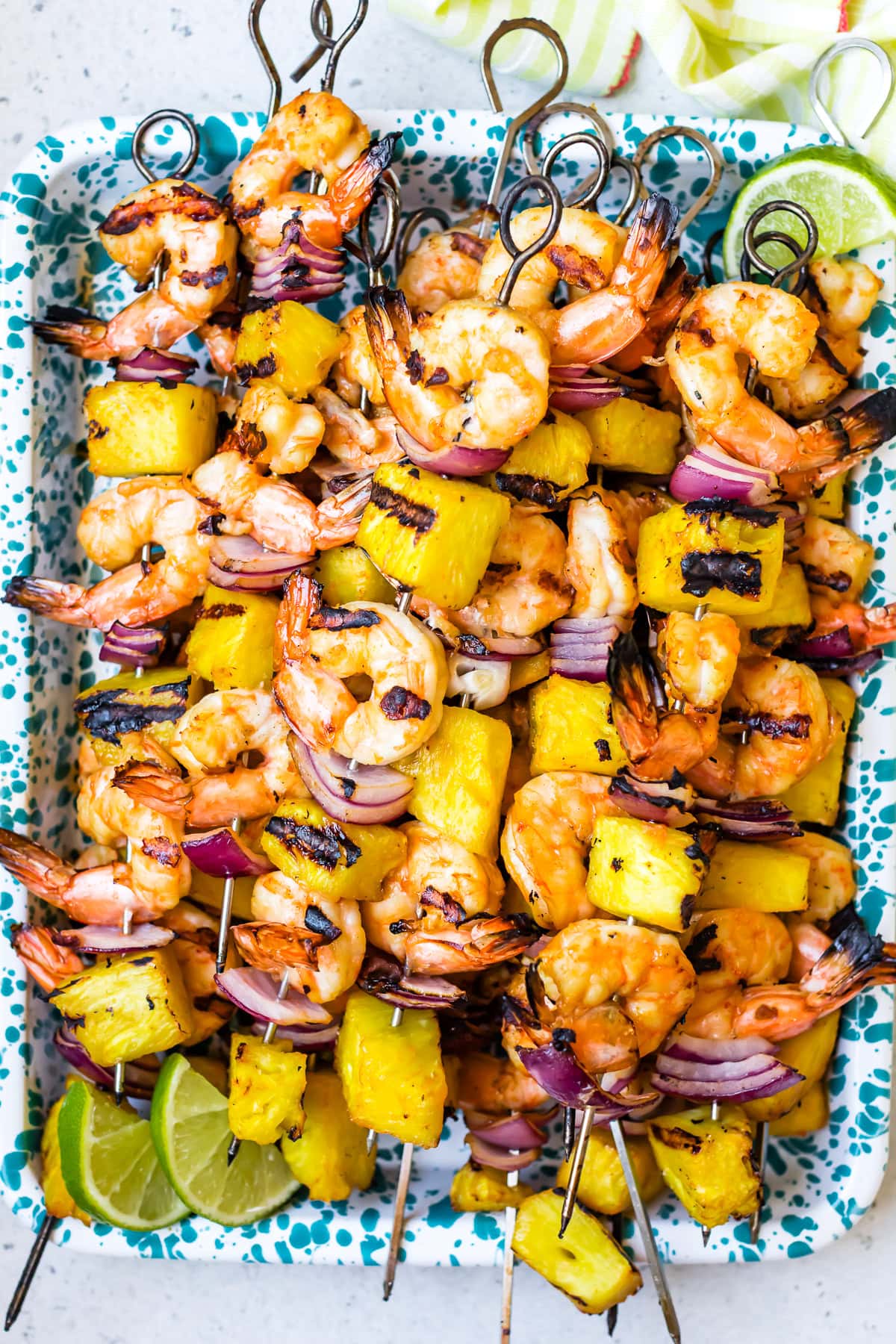
- Grilling: The primary method, requiring a preheated grill to medium-high heat. The skewers are brushed with the glaze and cooked for approximately 2-3 minutes per side, until the shrimp turn opaque pink and the pineapple shows light caramelization marks. The high heat ensures a quick cook, preventing the shrimp from becoming tough.
- Alternative Methods: The versatility of this dish extends to indoor cooking, catering to varying equipment availability or weather conditions.
- Grill Pan/Cast-Iron Skillet: On a stovetop over medium-high heat, these provide similar charring and cooking efficiency, mimicking the outdoor grill experience. The cooking time remains comparable.
- Oven Roasting: Baking at 350°F (175°C) for 10-15 minutes offers a hands-off approach, suitable for larger batches. While it may lack the distinct smoky char of grilling, the flavors remain intact.
- Air Frying: A rapidly growing trend, air frying at 400°F (200°C) for 5-6 minutes delivers crispy edges and thorough cooking with minimal oil, aligning with healthful cooking preferences.
This detailed chronology underscores the dish’s adaptability and convenience, making it accessible to a wide range of home cooks regardless of their kitchen setup or time constraints.
Broader Impact and Implications: Health, Trends, and Culinary Innovation
The popularity of dishes like grilled shrimp and pineapple skewers is not an isolated phenomenon but rather indicative of several broader culinary and societal trends:
-
The Health-Conscious Consumer: With rising awareness about diet and wellness, consumers are actively seeking lighter, fresher, and nutritionally dense meal options. These skewers fit perfectly, offering lean protein, fresh fruit, and relatively low calorie counts (approximately 150 kcal per skewer, with 17g protein and 3g fat). This aligns with dietary recommendations emphasizing whole foods and reduced intake of processed items. Nutritionists and public health organizations consistently advocate for increased consumption of seafood and fruits as part of a balanced diet, and recipes like this make such recommendations palatable and achievable.
-
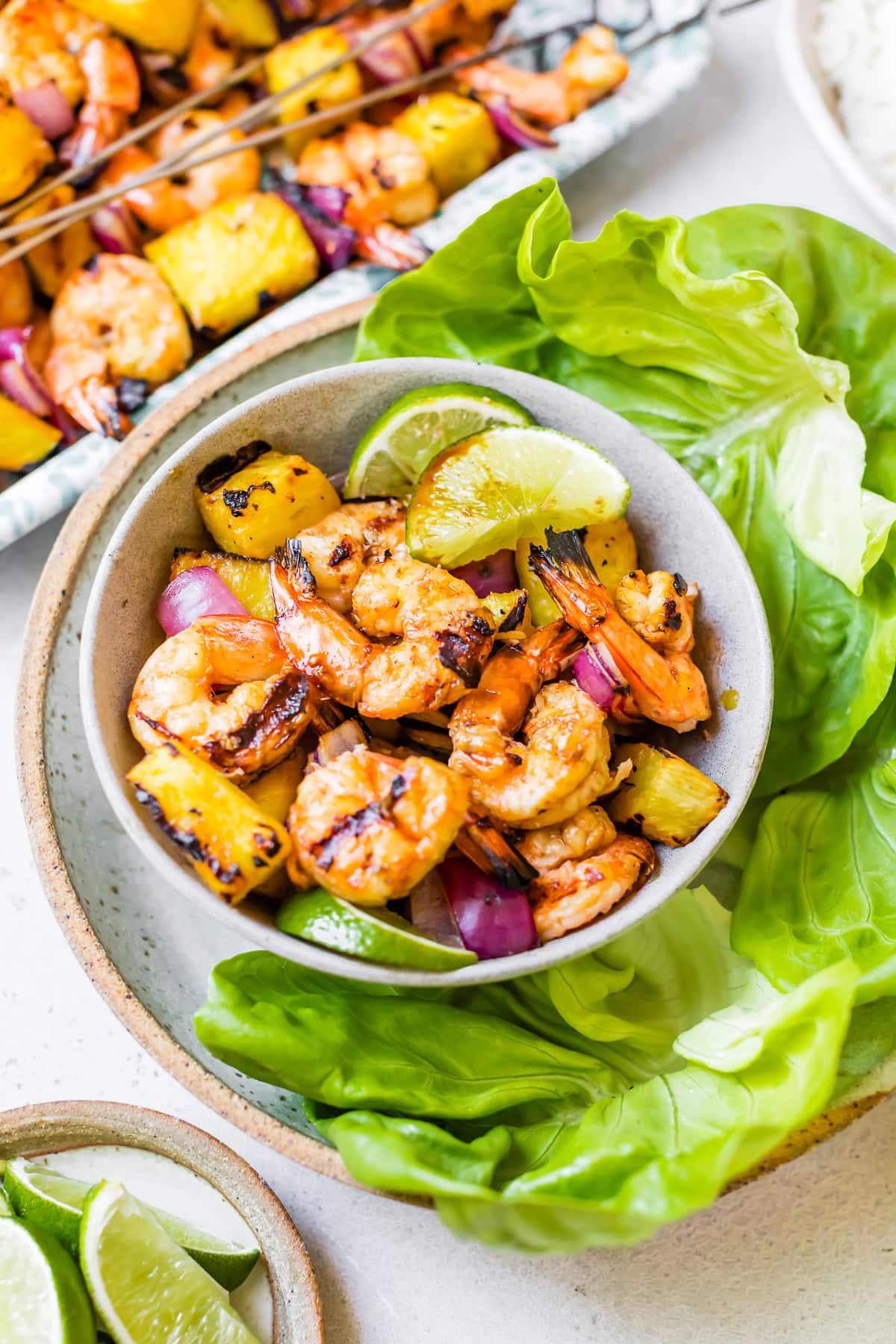
Convenience and Speed: Modern lifestyles often leave little time for elaborate meal preparation. Recipes that can be prepped in 20 minutes and cooked in 6 minutes, as these skewers promise, resonate strongly with busy individuals and families. The ability to prepare components in advance further streamlines the cooking process, making healthy eating more feasible on hectic weeknights.
-
Global Flavor Fusion: The use of soy sauce and sambal oelek in combination with shrimp and pineapple exemplifies the ongoing trend of global flavor fusion. Consumers are increasingly adventurous, seeking diverse culinary experiences that blend traditional ingredients and techniques from various cultures. This particular combination marries the tropical sweetness of pineapple with the umami and spice of East Asian condiments, creating a universally appealing profile. Culinary experts often highlight how such fusions keep menus exciting and cater to evolving palates.
-
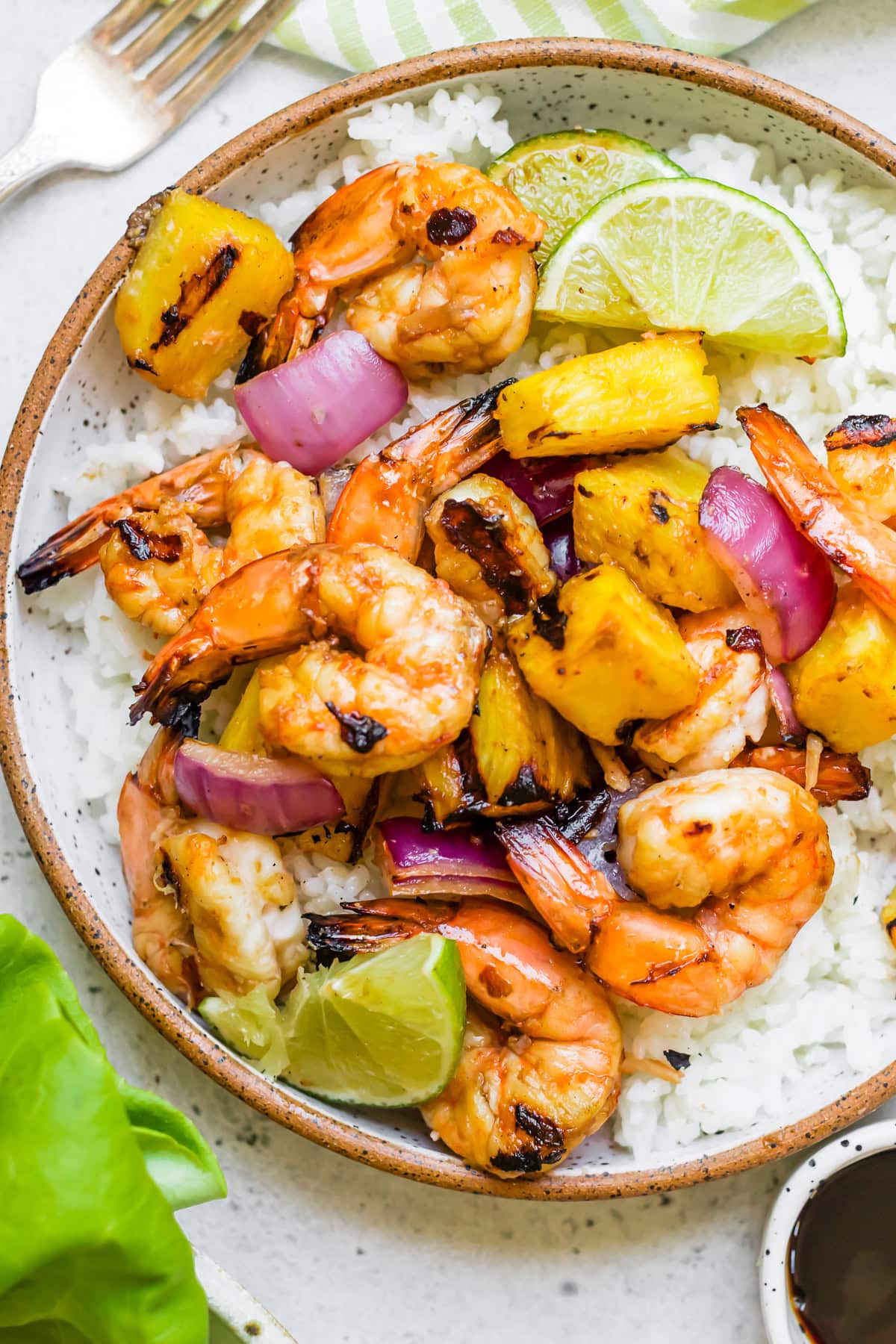
Outdoor Living and Entertaining: Grilling remains a cornerstone of summer entertaining. These skewers are aesthetically pleasing, easy to handle for guests, and cook quickly, minimizing the host’s time away from social interactions. They contribute to the festive atmosphere of backyard barbecues and outdoor parties, enhancing the overall dining experience. Industry reports consistently show a peak in grill sales and related accessories during spring and summer, reinforcing the cultural significance of outdoor cooking.
-
Adaptability and Customization: The basic recipe serves as a versatile template. Variations, such as adding bell peppers, zucchini, or cherry tomatoes, allow for seasonal adjustments and personalized preferences. Different glazes or marinades can dramatically alter the flavor profile, from a smoky BBQ glaze to a zesty lime-cilantro marinade, catering to a wide array of tastes. This adaptability contributes to the longevity and repeated appeal of such dishes in home kitchens.
In conclusion, grilled shrimp and pineapple skewers represent more than just a simple recipe; they embody a convergence of historical culinary practices, contemporary health trends, and evolving consumer demands for flavor, convenience, and versatility. Their continued popularity underscores a broader appreciation for dishes that are not only delicious but also align with a mindful approach to eating and entertaining in the modern world.
