

Historical Roots and Cultural Significance of Fattoush
Fattoush is a cornerstone of Levantine cuisine, a region encompassing countries such as Lebanon, Syria, Jordan, and Palestine. Its origins are deeply embedded in the culinary traditions of the Eastern Mediterranean, where resourcefulness and the celebration of fresh, seasonal produce are paramount. Historically, Fattoush served as a practical and delicious way to utilize day-old pita bread, preventing waste by toasting or frying it and incorporating it into a refreshing salad. This practice speaks to a long-standing ethos of sustainable eating, predating modern food waste initiatives.
The salad’s name itself, "Fattoush," is derived from the Arabic word "fatt" (فتّ), meaning to crumble or tear, referring to the characteristic pieces of bread. While its precise invention date is difficult to pinpoint, Fattoush has been a staple for centuries, evolving within the context of agricultural cycles and regional ingredient availability. It is more than just a dish; it is a symbol of hospitality and community, frequently appearing on tables during family gatherings, religious festivals like Ramadan, and everyday meals. The combination of fresh greens, crisp vegetables, and a tangy dressing provides a refreshing counterpoint to richer main courses, particularly in the warm Mediterranean climate.
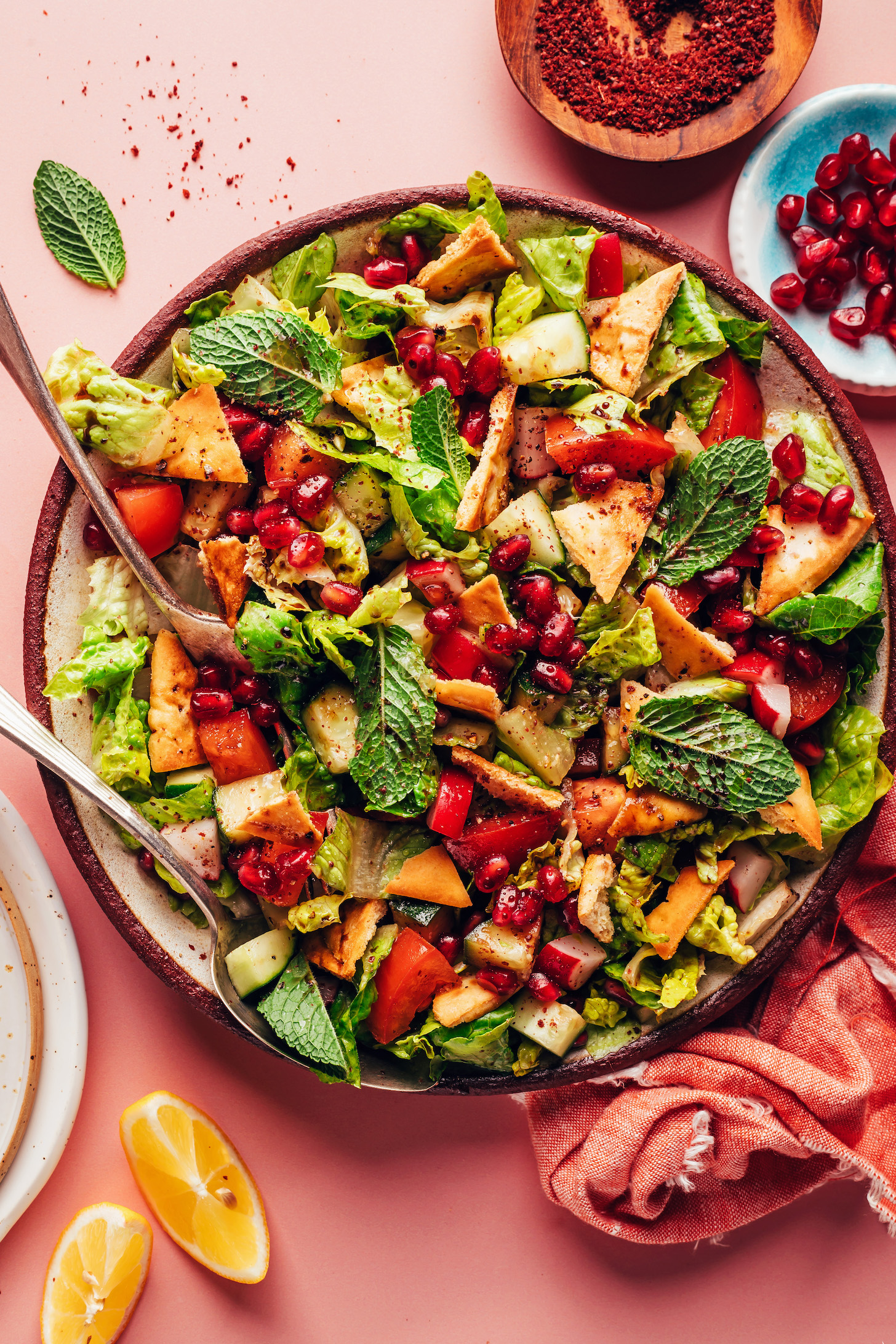
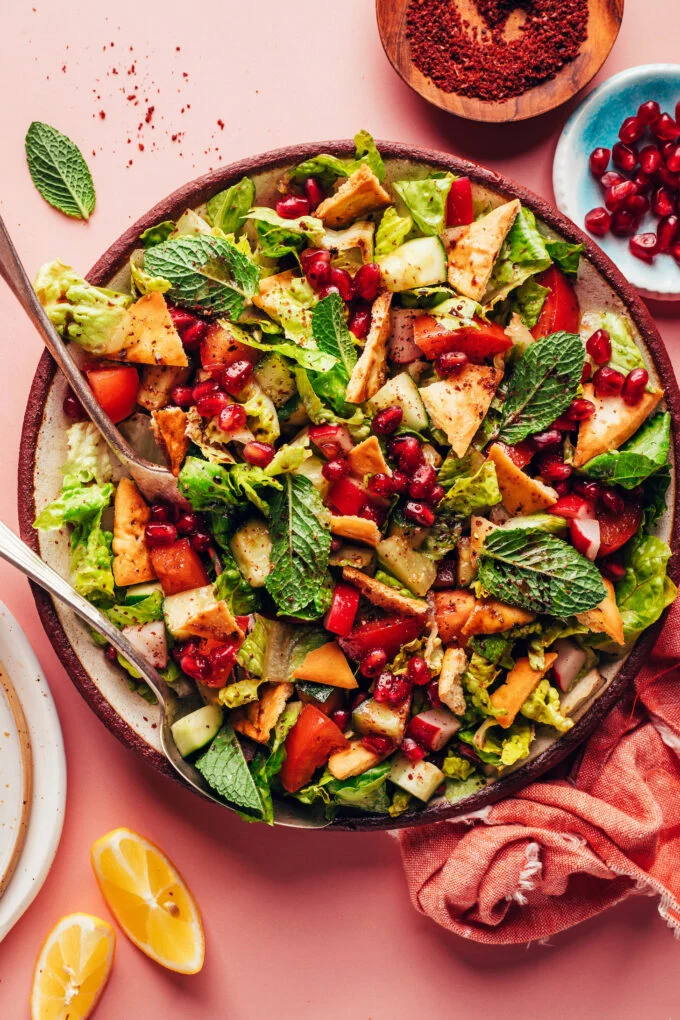
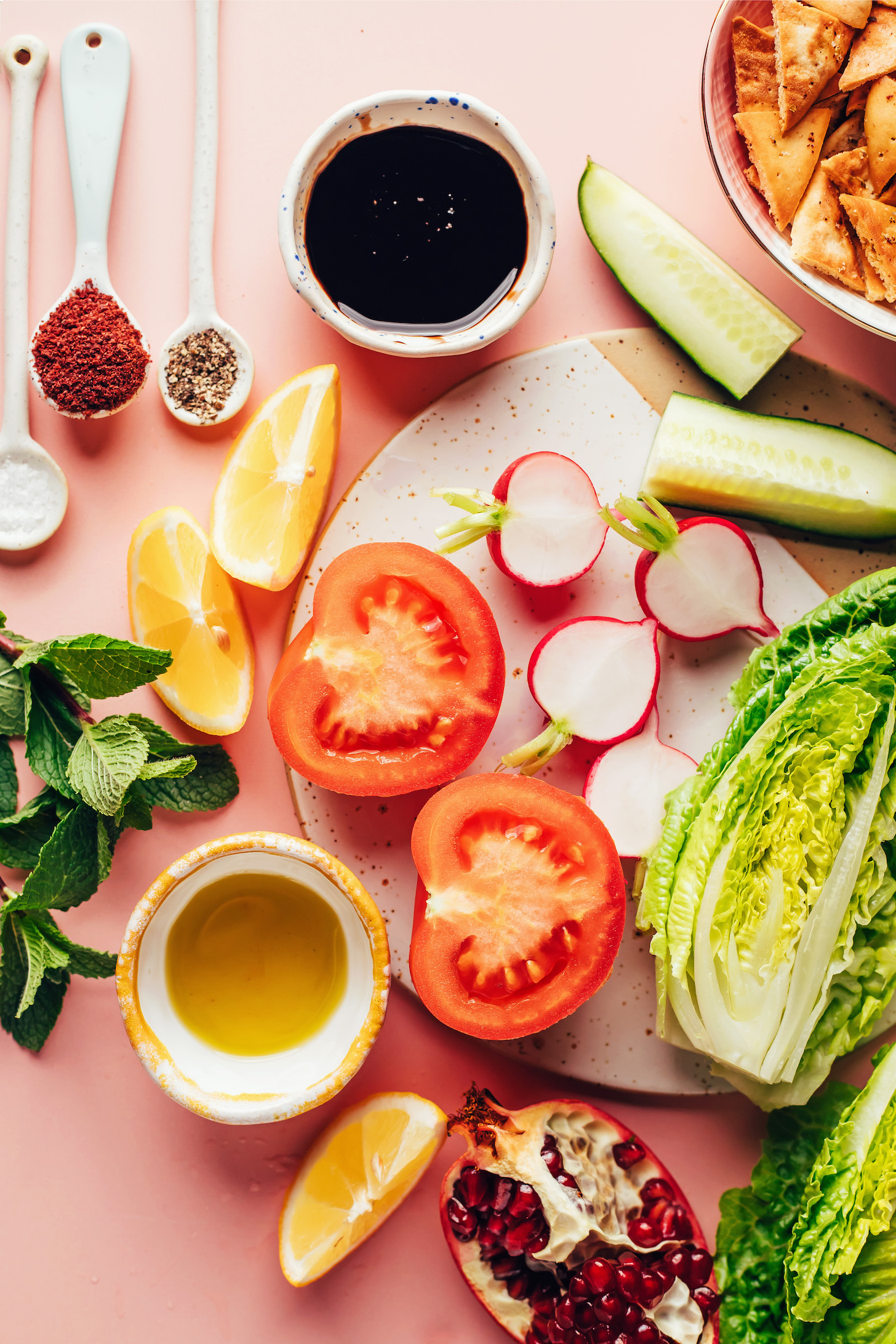
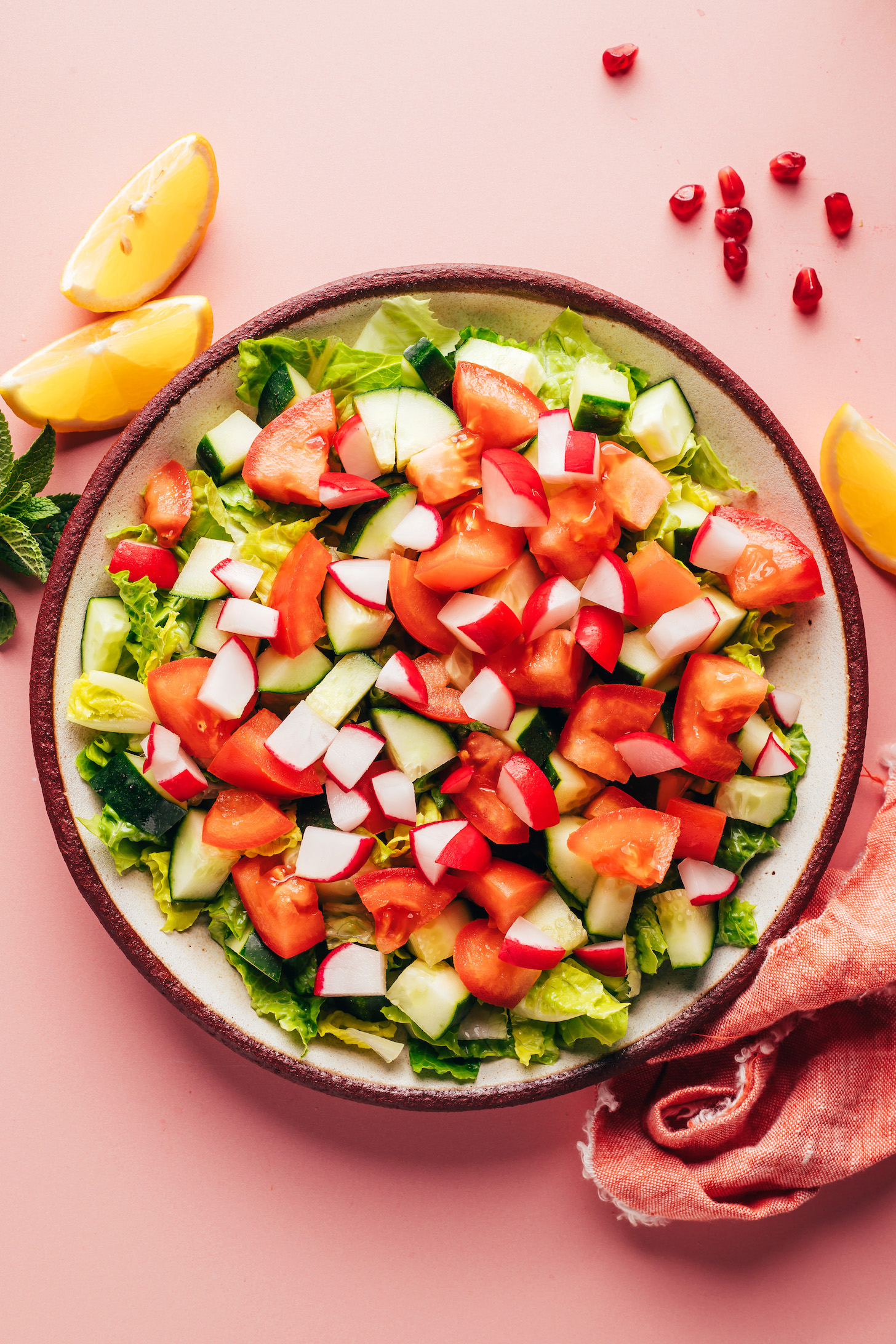
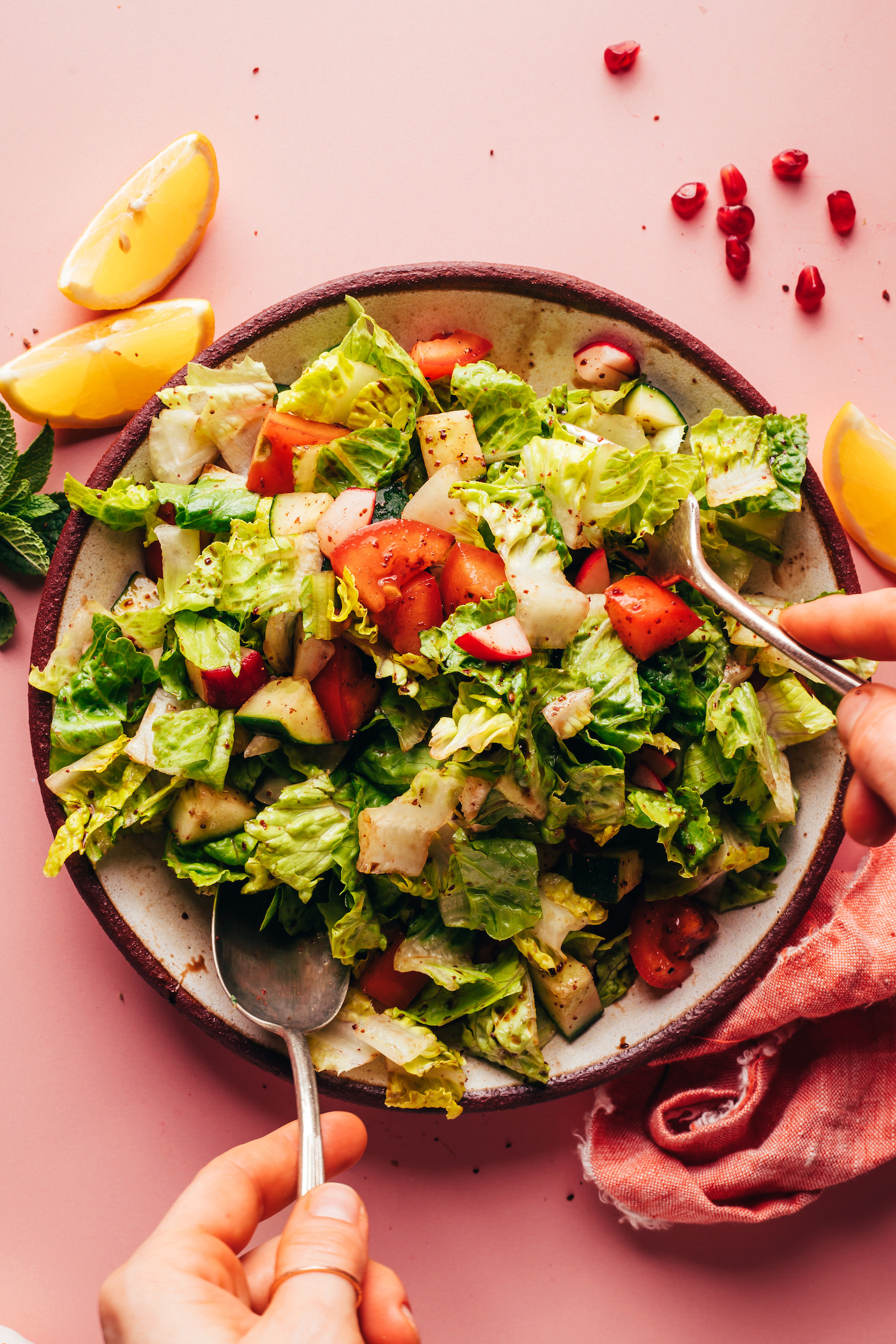
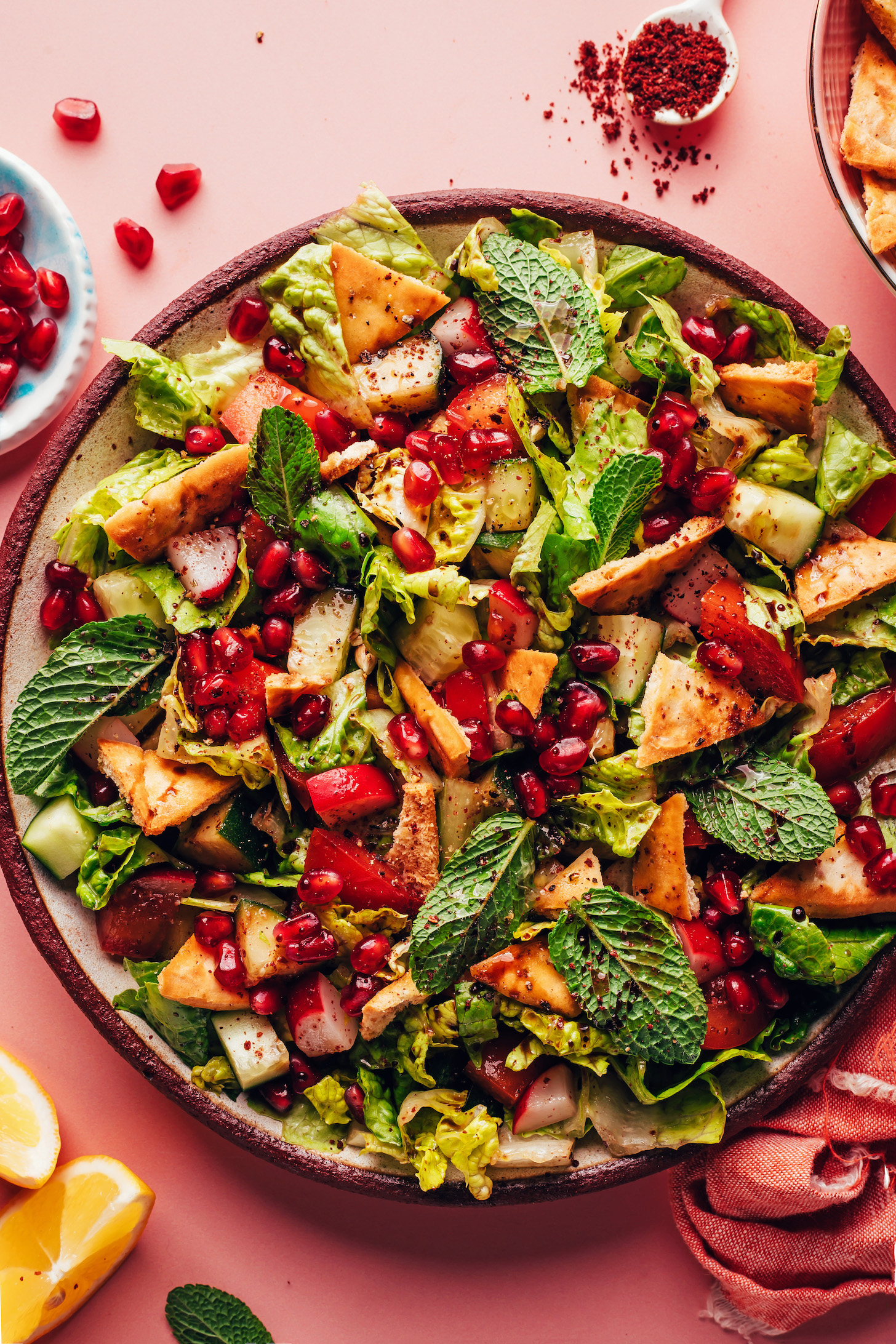
Traditional Fattoush typically features a medley of chopped vegetables such as romaine lettuce, tomatoes, cucumbers, radishes, bell peppers, and often purslane. Fresh herbs like mint and parsley are essential, contributing to its aromatic profile. The dressing is usually a simple yet potent mix of olive oil, lemon juice, and sumac – a deep red, tangy spice derived from dried berries, which imparts a distinctive tartness. Pomegranate molasses, a concentrated syrup made from pomegranate juice, is also a common addition, offering a sweet-tart complexity that elevates the salad’s flavor. The toasted or fried pita pieces are added just before serving to maintain their crunch, providing a textural contrast that is central to the dish’s appeal.
The Rise of Convenience Cuisine and the "Minimalist Baker" Influence
The "1-bowl, 20-minute" Fattoush recipe from Minimalist Baker is a prime example of how traditional dishes are being adapted to meet the demands of modern lifestyles. This approach aligns with a significant global trend towards "convenience cuisine," where consumers seek quick, easy-to-prepare meals without compromising on flavor or nutritional value. Research indicates that a growing percentage of households prioritize meal preparation speed, with many allocating less than 30 minutes to cook dinner on weeknights. This demographic often comprises busy professionals, parents, and individuals seeking to balance healthy eating with time constraints.
Food blogs and online recipe platforms, such as Minimalist Baker, have played a pivotal role in popularizing and disseminating these simplified culinary approaches. These platforms often focus on streamlined ingredient lists, minimal equipment, and clear, concise instructions, making once-intimidating dishes accessible to a wider audience. The emphasis on a "1-bowl" preparation not only reduces cleanup time, a major pain point for many home cooks, but also suggests an inherently simple, no-fuss process. The 20-minute timeframe positions the recipe as competitive with takeout or pre-packaged meals, offering a fresh, homemade alternative.
This trend is not isolated to Fattoush but is observable across various cuisines. From simplified stir-fries to one-pan pasta dishes, the culinary landscape is continually evolving to cater to a demand for efficiency. Food industry analysts suggest that this shift reflects broader societal changes, including increased urbanization, dual-income households, and a heightened awareness of the benefits of home cooking over processed foods. The "easy" designation, coupled with the promise of speed, serves as a powerful marketing tool for contemporary recipe developers.
Key Ingredients and Enhanced Nutritional Profile
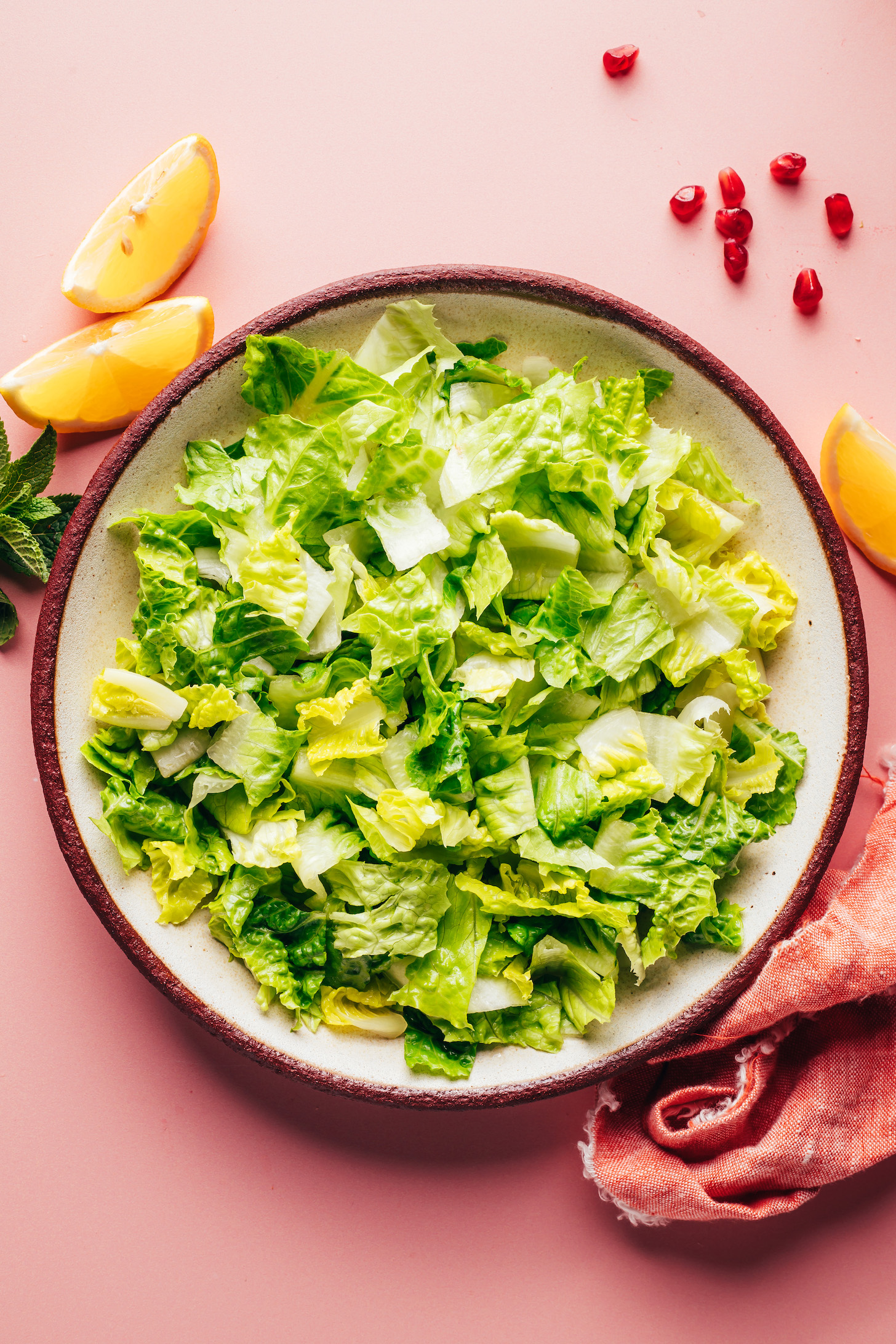
The core components of this simplified Fattoush salad—romaine lettuce, cucumber, tomato, radish, mint, and pomegranate—offer a robust nutritional profile. Romaine lettuce provides a crunchy base and is a good source of vitamins K and A, as well as folate. Cucumbers contribute hydration and essential electrolytes. Tomatoes are rich in lycopene, a powerful antioxidant, and vitamin C. Radishes add a peppery bite and are packed with vitamin C and dietary fiber. Fresh mint, beyond its aromatic qualities, contains antioxidants and can aid digestion. Pomegranate arils are a standout, offering a burst of tart-sweet flavor along with potent antioxidants, fiber, and vitamins C and K.
The dressing, featuring lemon juice, pomegranate molasses, sumac, olive oil, salt, and pepper, is not merely a flavor enhancer but also a contributor to the salad’s health benefits. Lemon juice is a well-known source of vitamin C and adds crucial acidity. Pomegranate molasses, while concentrated in sugars, also retains some of the fruit’s antioxidants and provides a unique depth of flavor. Sumac, a less commonly used spice in Western diets, is rich in antioxidants and has been traditionally used for its potential anti-inflammatory properties. Olive oil, a staple of Mediterranean cuisine, is a monounsaturated fat known for its heart-healthy benefits.
The recipe’s suggestion of using store-bought pita chips for ease, or providing instructions for homemade baked pita chips, highlights a conscious choice for healthier preparation. Traditional Fattoush often involves frying pita bread, which increases fat content. Baking or toasting pita significantly reduces this, aligning with contemporary dietary recommendations for lower intake of saturated and unhealthy fats. The option for gluten-free pita chips further broadens the recipe’s appeal, catering to individuals with gluten sensitivities or celiac disease, a growing segment of the population. Nutritional estimates for a side serving, such as 127 calories, 21.6g carbohydrates, 2.8g protein, and 4.1g fat, demonstrate its suitability as a light, health-conscious dish. The inclusion of 4g fiber and relatively low sodium (138mg) further underscores its nutritional value.
Economic and Social Implications of Quick-Prep Meals
The proliferation of quick-prep recipes like this Fattoush salad carries significant economic and social implications. Economically, the demand for accessible ingredients, often fresh produce, can support local agriculture and supply chains. The emphasis on using readily available components, such as romaine, cucumbers, and tomatoes, which are widely cultivated, ensures that the dish remains cost-effective for most households. Furthermore, the inclusion of ingredients like sumac and pomegranate molasses, which might have once been considered specialty items, indicates their increasing availability in mainstream grocery stores, reflecting a diversification of consumer palates and a globalized food market.
Socially, simplified recipes empower individuals to engage in home cooking, which has been linked to healthier eating habits and stronger family bonds. In an era where many lament the decline of cooking skills, these recipes offer an approachable entry point, reducing perceived barriers such as complexity and time commitment. The ability to prepare a globally inspired dish like Fattoush quickly can foster culinary confidence and encourage exploration of diverse food cultures.
Moreover, the option to add chickpeas to the salad transforms it into a light, plant-based meal, aligning with the growing trend of vegetarian and vegan diets. This flexibility makes the dish adaptable to various dietary preferences and needs, promoting inclusivity at the dinner table. The explicit mention of pairing it with other Mediterranean- and Middle Eastern-inspired recipes, such as Vegan Lentil Fesenjān and Kale Falafel Hummus Wraps, showcases its versatility as part of a larger, culturally diverse meal plan.
Culinary Adaptations and Global Reach
The "inspired take" on Fattoush, as presented, embodies the dynamic nature of global cuisine. While respecting the foundational elements of the traditional salad, it introduces subtle adaptations for broader appeal and ease of preparation. For instance, the specific proportions of dressing ingredients or the choice of pita chips over freshly fried bread are modern adjustments. Culinary experts often debate the balance between maintaining authenticity and embracing innovation. In this context, the simplified Fattoush serves as a bridge, introducing the flavors of the Levant to new audiences while offering a practical solution for busy cooks.
The growing popularity of Fattoush beyond its traditional geographic boundaries is a testament to the power of culinary exchange. As global migration and interconnectedness increase, so does exposure to diverse food cultures. Dishes that are fresh, flavorful, and relatively healthy, like Fattoush, often find enthusiastic reception in new markets. This global reach is further amplified by social media and food media, where visually appealing and easy-to-follow recipes can go viral, fostering widespread adoption.
However, challenges exist in this adaptation process. Ensuring that essential flavors and textures are not lost in simplification is critical. For instance, the quality of sumac or the balance of sweetness and tartness in pomegranate molasses can significantly impact the final dish. Recipe developers must carefully consider these nuances to deliver an experience that is both authentic in spirit and approachable in execution.
Expert Perspectives and Future Implications
Culinary historians and food anthropologists note that the evolution of dishes like Fattoush reflects a continuous dialogue between tradition and modernity. "While traditional recipes hold immense cultural value, the creation of simplified versions is a natural progression in response to contemporary societal demands," states Dr. Anya Sharma, a specialist in food history. "It allows cultural dishes to thrive and reach new generations and diverse populations who might otherwise not engage with them due to time constraints or unfamiliarity."
Nutritionists emphasize the positive health implications of such recipes. "Encouraging home cooking with fresh, whole ingredients, even in a simplified format, is crucial for public health," comments Sarah Chen, a registered dietitian. "Recipes like this Fattoush salad, rich in fiber, vitamins, and antioxidants, offer a far superior alternative to many ultra-processed convenience foods, contributing to better dietary patterns." The emphasis on fresh produce and healthier cooking methods for the pita chips supports this assessment.
Looking forward, food trend analysts predict that the demand for quick, healthy, and culturally diverse meals will only continue to grow. The "1-bowl, 20-minute" model is likely to become a standard in recipe development, particularly for dishes that can easily integrate into a busy weeknight schedule. This trend also signifies a move towards greater transparency in ingredient sourcing and preparation, as consumers increasingly seek to understand what goes into their food.
The broader implications extend to the food industry itself. Manufacturers of ingredients like sumac and pomegranate molasses are likely to see increased demand, potentially leading to greater availability and competitive pricing. The market for convenience-oriented kitchen tools and pre-prepped ingredients (like pre-chopped vegetables or ready-to-eat pomegranate arils) may also expand.
In conclusion, the introduction of an "Easy Fattoush Salad (1 Bowl!)" is more than just a new recipe; it is a microcosm of prevailing trends in modern gastronomy. It bridges historical culinary traditions with contemporary demands for speed and simplicity, while simultaneously promoting health-conscious eating and cultural exploration. By making a beloved Levantine staple accessible to the weeknight dinner table, it underscores the enduring power of food to connect cultures and adapt to evolving lifestyles.
