

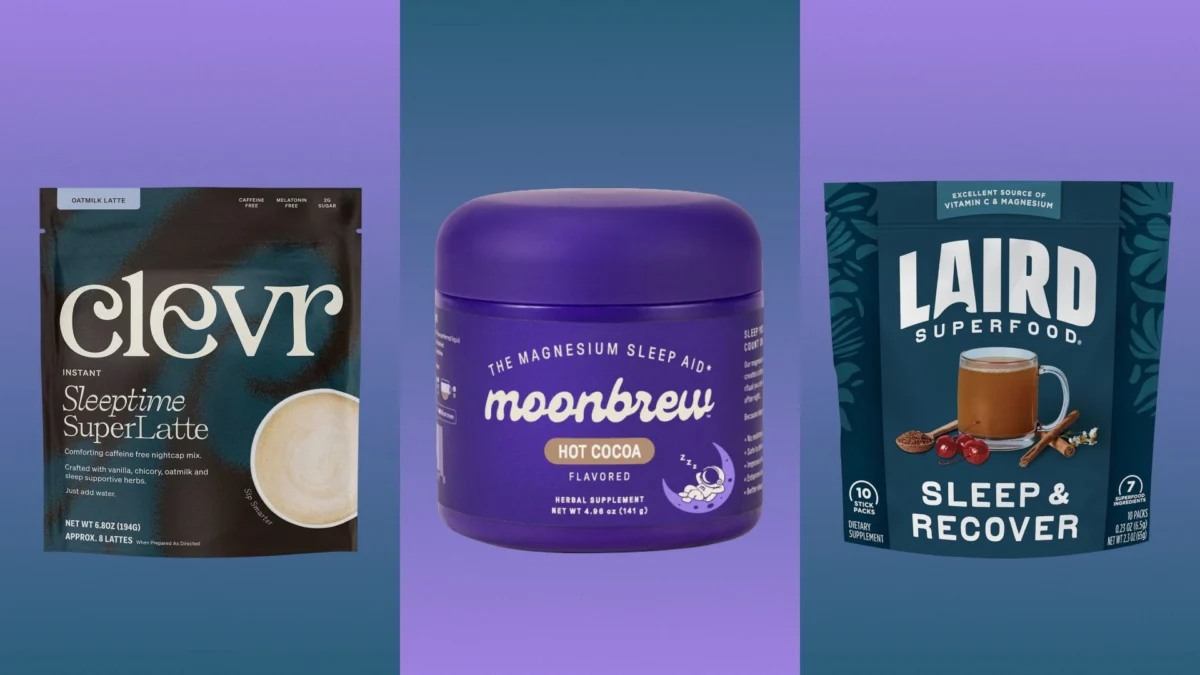
In an age where restful sleep often feels like a luxury rather than a given, a burgeoning trend in wellness is captivating those who find themselves staring at the ceiling at 1:00 a.m.: sleepy time mocktails. These innovative beverages, ranging from powdered "SuperLattes" and magnesium-infused cocoas to tart cherry tonics, promise a more palatable and potentially effective alternative to traditional sleep aids like melatonin gummies or a spoonful of ZzzQuil. As consumers increasingly seek natural and ritualistic approaches to health, these drinks offer an appealing blend of taste and therapeutic intent, aiming to usher individuals into dreamland faster and more serenely.
The Modern Sleep Crisis and the Search for Solutions
The pervasive struggle with sleep in contemporary society forms the backdrop for the rise of these specialized bedtime drinks. Chronic sleep deprivation affects an estimated 35% of adults in the United States, according to the Centers for Disease Control and Prevention (CDC), leading to a host of health issues including increased risk of heart disease, diabetes, obesity, and impaired cognitive function. The pressures of modern life—constant digital stimulation, demanding work schedules, and escalating stress levels—have created an environment where quality sleep is often sacrificed. This widespread "sleep crisis" has fueled a multi-billion dollar sleep industry, encompassing everything from advanced mattresses and wearable trackers to pharmaceutical interventions and, increasingly, natural supplements and functional foods.
Within this landscape, the appeal of a soothing, flavorful beverage as a sleep aid is clear. It taps into a desire for comfort and ritual, offering a pleasant end to the day that contrasts sharply with the often clinical experience of taking a pill. However, the efficacy of these "sleepy time mocktails" is not uniform, prompting a closer look at their ingredients and the science behind them.

Understanding the Science of Sleep Aids: Expert Insights
According to Maddie Pasquariello, MS, RDN, a registered dietitian whose expertise often guides consumer choices in the wellness space, the true potential of these bedtime drinks hinges entirely on their ingredient profile. While some components, such as magnesium and melatonin, boast a substantial body of evidence suggesting their roles in promoting relaxation and initiating sleep, Pasquariello cautions against viewing them as "silver bullets." Their effects are often nuanced, and even when a substance helps an individual doze off, it doesn’t automatically translate to improved sleep quality or sustained rest.
"Oftentimes, simply staying more hydrated and creating a calming evening ritual can help with overall stress and nighttime anxiety unrelated to any other ingredients the drink contains," Pasquariello emphasizes. This highlights a crucial distinction: the benefit derived might be as much from the act of preparing and consuming a warm, comforting drink as it is from the specific active ingredients. The psychological component of a consistent, winding-down routine plays a significant, often underestimated, role in preparing the body and mind for sleep.
Key Ingredients: A Deeper Dive into Efficacy and Evidence
The effectiveness of popular sleep-supporting ingredients varies, with some backed by more robust scientific consensus than others. Understanding these differences is key for consumers making informed choices.

-
Magnesium: This essential mineral is a cornerstone of many sleep-enhancing beverages, and for good reason. Magnesium plays a critical role in over 300 enzymatic reactions in the body, including those involved in nerve function, muscle relaxation, and the regulation of neurotransmitters like GABA (gamma-aminobutyric acid), which promotes calmness. Research indicates that magnesium deficiency can contribute to sleep disturbances. Studies, such as one published in the Journal of Research in Medical Sciences, have linked magnesium supplementation to improved subjective measures of insomnia severity, sleep time, and sleep efficiency, particularly in individuals with documented deficiencies. Pasquariello notes that magnesium has been linked to better sleep quality, especially if dietary intake is insufficient. Forms like magnesium glycinate are often favored in sleep formulations due to their high bioavailability and reduced laxative effects compared to other forms. Excellent dietary sources of magnesium include black beans, edamame, leafy green vegetables, nuts, seeds, and whole grains.
-
Melatonin: Naturally produced by the pineal gland, melatonin is a hormone that regulates the body’s sleep-wake cycle (circadian rhythm). As a supplement, it’s widely used to help people fall asleep, especially for issues like jet lag or shift work. However, its effectiveness for chronic insomnia is more debated. While melatonin can reduce the time it takes to fall asleep, it may not significantly improve sleep quality or duration, meaning it might not keep you asleep throughout the night. Pasquariello advises that if melatonin is used, consumers should opt for the "lowest dose possible." This is crucial because higher doses don’t necessarily lead to better sleep and can sometimes result in daytime grogginess or disruptions to the body’s natural melatonin production over time. For this reason, it is generally not recommended for nightly, long-term use without professional guidance.
-
L-Theanine: An amino acid found primarily in green tea, L-theanine is known for its ability to cross the blood-brain barrier and induce a state of relaxed alertness. It does this by increasing alpha brain waves, which are associated with a calm, focused state, and by boosting levels of GABA, serotonin, and dopamine. Unlike sedatives, L-theanine doesn’t cause drowsiness but rather promotes a sense of tranquility, making it easier to drift off to sleep. While popular among wellness influencers for its gentle soothing benefits, Pasquariello points out that research on its direct impact on sleep per se is still emerging, though its anti-anxiety effects are more established. A 2019 review in Pharmacological Research suggested L-theanine could improve sleep quality in certain populations by reducing anxiety and promoting relaxation.
-
Tart Cherry Juice: This vibrant fruit juice has gained popularity as a natural sleep aid due to its natural melatonin content and anti-inflammatory properties. Montmorency tart cherries, in particular, are rich in anthocyanins, powerful antioxidants that may also contribute to relaxation. Some studies have shown that consuming tart cherry juice can slightly increase melatonin levels and improve sleep duration and quality, particularly in older adults or those with mild sleep disturbances. However, Pasquariello remains cautious, stating that "scientifically, the jury is still out on tart cherry juice being an effective sleep aid." She advises prioritizing pure juice over overly sweetened versions and, ideally, consuming the whole fruit to benefit from its fiber and avoid excess sugar. "A splash of juice in your nighttime mocktail is fine, but I wouldn’t chug tart cherry juice before bed expecting major benefits," she cautions.
-
Adaptogens and Herbs: A range of botanicals often feature in these formulations, drawing on traditional medicine practices.

- Valerian Root: A well-known herbal sedative, valerian root has been used for centuries to treat insomnia and anxiety. Its active compounds are believed to interact with GABA receptors in the brain, producing a calming effect.
- Hops: Often paired with valerian, hops (the same plant used in beer brewing) also possess sedative properties and are thought to act on GABA receptors.
- Ashwagandha: An adaptogenic herb from Ayurvedic medicine, ashwagandha is primarily known for its stress-reducing properties. By helping the body manage stress, it can indirectly support better sleep.
- Reishi Mushroom: Another adaptogen, reishi is valued in traditional Chinese medicine for its calming effects and ability to promote overall well-being, which can contribute to improved sleep.
- Chamomile: Widely consumed as a tea, chamomile is renowned for its mild sedative and anxiolytic (anxiety-reducing) effects, largely attributed to the flavonoid apigenin, which binds to benzodiazepine receptors in the brain.
- Lavender: The aromatic scent of lavender has long been associated with relaxation. Studies suggest that inhaling lavender essential oil can reduce anxiety and improve sleep quality, acting on the nervous system to promote a calming effect.
-
Zinc Glycinate: While not a primary sleep aid, zinc is an essential mineral involved in numerous physiological processes, including immune function and neurotransmitter activity. Research indicates a link between zinc levels and sleep regulation. A systematic review published in BMC Complementary Medicine and Therapies suggests that zinc supplementation, especially when combined with other sleep-supporting nutrients like magnesium or melatonin, may contribute to better sleep duration and quality. Zinc glycinate is a chelated form known for its good absorption.
Navigating the Supplement Market: What Consumers Need to Know
The enthusiasm for natural sleep remedies must be tempered with a healthy dose of consumer skepticism and due diligence. Pasquariello strongly advises consumers to "make sure you’re comfortable with all of the ingredients and that they’re actually something you can benefit from." This means understanding individual needs and potential interactions.
As with any supplement, quality and transparency are paramount. Consumers should actively seek out products that clearly list dosages of individual ingredients, rather than relying on vague "proprietary blends" that obscure the actual amounts. Furthermore, products that undergo third-party testing offer an added layer of assurance regarding purity, potency, and the absence of contaminants. Be wary of any drink that promises to "fix" your sleep or "cure insomnia," as such claims are often red flags for exaggerated efficacy. Pasquariello candidly notes that "very few of these products have long-term positive effects on sleep or health," underscoring that they are aids, not cures.
An often-overlooked practical consideration is the volume of liquid consumed. A large, liquid-heavy mocktail right before bed can inadvertently disrupt sleep by triggering nocturnal awakenings for bathroom breaks. Timing and portion control are therefore important aspects of incorporating these beverages into a bedtime routine.

Beyond the Bottle: The Power of Ritual and Holistic Sleep Hygiene
The core message, reiterated by Pasquariello, is that no single drink or supplement can replace fundamental sleep hygiene practices. "The TL:DR: Everyone’s different and some ingredients work better at supporting sleep than others," she summarizes. Most of the beneficial nutrients found in these drinks can also be obtained from whole foods. Prioritizing a diet rich in magnesium (from black beans, edamame, almonds, spinach), tryptophan (from turkey, chicken, eggs), and other sleep-supportive nutrients should be the first line of defense before resorting to supplementation.
Ultimately, the "ritual involved in crafting a soothing beverage before going to bed is often enough to help you wind down," Pasquariello concludes. This emphasis on ritual speaks to the profound connection between behavior, psychology, and physiological readiness for sleep. A consistent bedtime routine—which might include dimming lights, disconnecting from screens, reading a book, taking a warm bath, and then enjoying a comforting drink—signals to the body that it’s time to transition from wakefulness to rest. Proper hydration throughout the day, maintaining a cool and dark bedroom, and regular physical activity (though not too close to bedtime) are all indispensable components of a robust sleep hygiene strategy.
Spotlight on Promising Sleep Beverages
For those seeking to incorporate a thoughtfully formulated sleep beverage into their evening ritual, several products stand out, each leveraging a unique combination of the discussed ingredients.

-
Clevr Sleeptime SuperLatte ($29): This creamy powdered latte is lauded for its efficacy, with senior editor Noah Kaufman even calling it "better than melatonin." Its blend features well-researched ingredients like magnesium glycinate and L-theanine, alongside traditional sleep-supporting herbs such as valerian root and hops, and adaptogens like ashwagandha and reishi. The convenience of its formulation—powdered oat and coconut milk included—allows for a quick preparation by simply stirring a scoop into warm water. Its vanilla cappuccino-like flavor offers a delicious and comforting experience without any caffeine.
-
Beam Dream Sleep Powder ($55): For those open to melatonin, Beam’s sleep powder offers a carefully calibrated approach. It combines magnesium, L-theanine, and a modest 3 milligrams of melatonin, adhering to Pasquariello’s recommendation for the "lowest dose possible." Additionally, it includes reishi and apigenin (from chamomile) to enhance relaxation. The product is vegan, dairy-free, gluten-free, and contains no added sugar, yet it comes in enticing, dessert-like flavors such as Brownie Batter, Chocolate Peanut Butter, Cinnamon Cocoa, and Sea Salt Caramel, making the bedtime routine a treat.
-
365 by Whole Foods Market Organic Tart Cherry Juice ($7): Reflecting Pasquariello’s advice for pure, unsweetened options, this organic tart cherry juice is a straightforward choice for those curious about its potential benefits. While commercial tart cherry drinks sometimes overpromise, opting for a pure juice allows for controlled consumption and avoids unnecessary added sugars. It can be enjoyed on its own or as a splash in a custom nighttime mocktail, aligning with the dietitian’s preference for whole fruit consumption where possible.
-
Moonbrew Hot Cocoa ($48): This hot chocolate offers a decadent path to dreamland, featuring a comprehensive array of sleep-supporting ingredients. It includes popular actives like L-theanine, magnesium glycinate, and chamomile, along with zinc glycinate, known for its role in sleep regulation, particularly in synergy with magnesium or melatonin. For those who prefer alternatives to chocolate, Moonbrew also offers vanilla latte and nighttime berry smoothie options, catering to diverse taste preferences.
-
Blume Blue Lavender Superfood Latte ($25): Harnessing the classic duo of chamomile and lavender, this superfood latte promotes rest and relaxation through its traditional herbal components. Combined with coconut milk, butterfly pea, and spirulina, it offers a visually appealing and scrumptious drink that can be enjoyed hot or iced. Notably, it is caffeine-free and contains no melatonin, making it suitable for mid-day stress relief or general R&R without concerns of drowsiness or circadian rhythm disruption.

-
Laird Superfood Sleep & Recover ($22): For individuals who prefer a less sweet, more tea-like profile, Laird’s Sleep & Recover powder is an excellent option. Its primary sleep aids include tart cherry juice and chamomile, complemented by a botanical blend of baobab, rooibos tea, and reishi. Designed to be mixed with hot water, this beverage provides a soothing, earthy experience, perfect for winding down an hour before bedtime and slipping into a restful slumber.
Conclusion
The movement towards sleepy time mocktails represents a convergence of consumer demand for natural solutions, the pleasure of culinary ritual, and the scientific exploration of botanical and mineral aids. While these beverages offer a delicious and comforting alternative to traditional sleep supplements, it is imperative for consumers to approach them with an informed perspective. The efficacy is highly dependent on the quality and dosage of ingredients, as well as individual physiological responses.
Ultimately, while a well-formulated sleepy time drink can be a valuable component of an evening routine, it functions best as an aid within a broader framework of holistic sleep hygiene. Prioritizing nutrient-rich whole foods, maintaining consistent sleep schedules, creating a conducive sleep environment, and cultivating a calming bedtime ritual remain the cornerstones of truly restorative sleep. Consulting with healthcare professionals or registered dietitians like Maddie Pasquariello can provide personalized guidance, ensuring that any chosen sleep aid aligns with individual health needs and contributes genuinely to a healthier, more rested life.
