

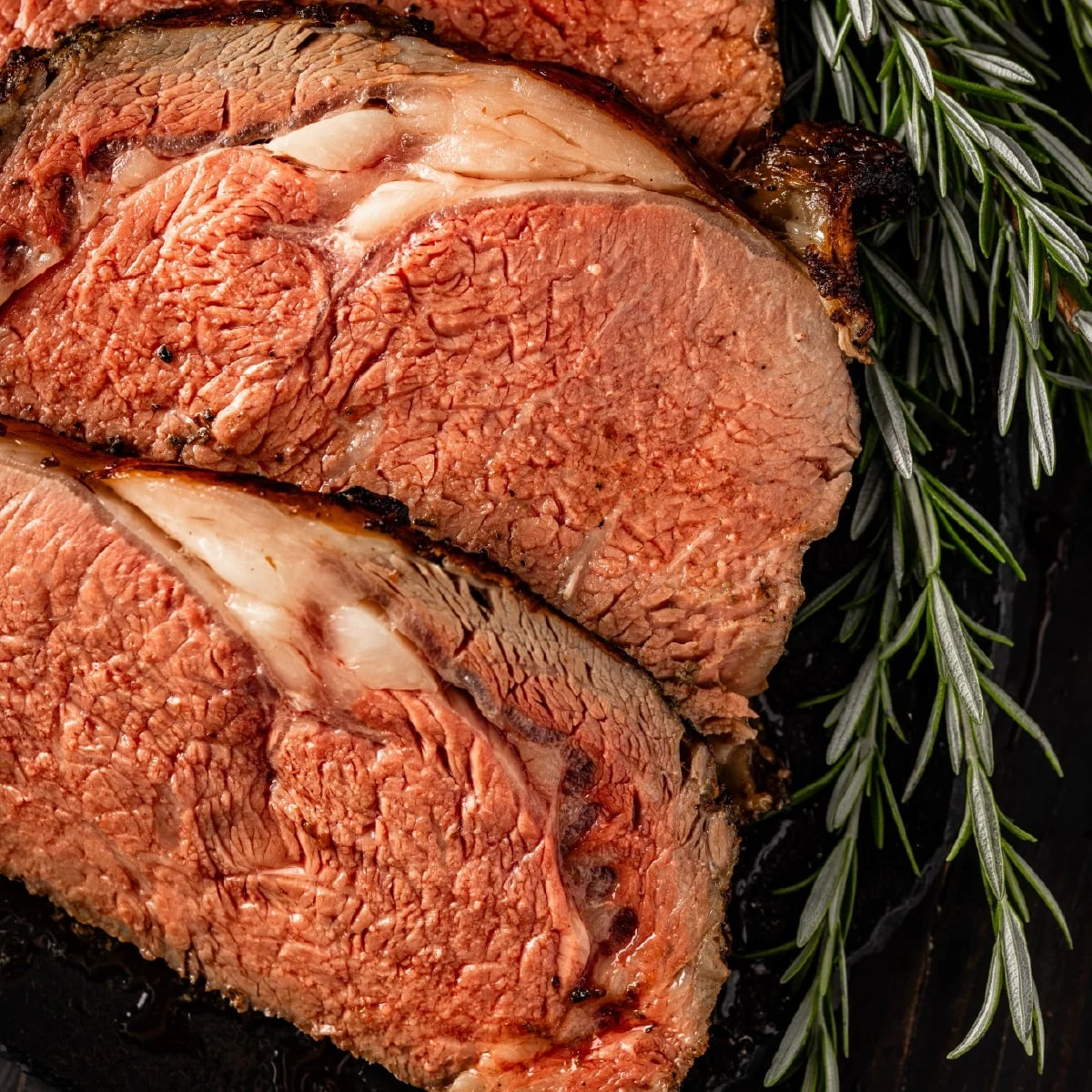
The culinary landscape has witnessed a significant shift toward precision-based cooking, with the sous vide method emerging as a premier technique for preparing high-value proteins such as the prime rib roast. Traditionally reserved for high-end steakhouses and professional kitchens, the "under vacuum" method—sous vide—allows for a level of consistency and edge-to-edge doneness that traditional roasting methods struggle to replicate. By maintaining a constant, low-temperature water bath, the prime rib is brought to a precise internal temperature, followed by a high-heat sear to develop the Maillard reaction, commonly referred to as the "bark." This dual-phase process ensures that the expensive cut of beef remains succulent while achieving the textural contrast expected of a holiday centerpiece.
Historically, prime rib has been a challenging cut for home cooks due to its size and the variability of oven temperatures. A standard oven roast often results in a "gray band" of overcooked meat near the exterior, with only the very center reaching the desired medium-rare state. The sous vide approach eliminates this gradient, ensuring that the entire cross-section of the roast maintains a uniform temperature. According to culinary data, a prime rib roast cooked at 129 degrees Fahrenheit (54 degrees Celsius) for an extended duration achieves a perfect medium-rare consistency that is physically impossible to overcook as long as the water temperature remains stable.
The Science and Mechanics of Sous Vide Cooking
The term "sous vide" originates from the French language, meaning "under vacuum." In practice, the process involves vacuum-sealing a seasoned cut of meat in a food-grade plastic bag and submerging it in a water bath regulated by a thermal immersion circulator. This device serves two primary functions: it heats the water to a specific degree and circulates it to prevent hot or cold spots within the vessel.

For a large cut like a six-pound prime rib, the thermal conductivity of the beef requires a prolonged exposure to the heat source. While a single-portion ribeye steak may reach its target temperature in two to three hours, a full roast requires approximately eight hours of immersion. During this time, several biochemical processes occur. Enzymes within the meat, such as cathepsins, remain active at lower temperatures, slowly breaking down connective tissues and enhancing the natural tenderness of the beef. Unlike high-heat roasting, which can cause muscle fibers to contract and expel moisture, the gentle heat of the sous vide bath preserves the cellular structure of the meat, resulting in a higher yield and a juicier final product.
Ingredient Composition and Flavor Development
The preparation of a sous vide prime rib begins with the selection of the meat and the application of a specialized dry rub. Professional recipes often emphasize a "Prime Rib Rub" designed to complement the rich, fatty profile of the beef. This blend typically includes kosher salt, coarse black pepper, garlic powder, onion powder, and dried herbs such as rosemary and thyme.
The application of the rub before vacuum sealing is critical. Under vacuum pressure, the seasoning is pressed firmly against the meat’s surface, allowing for deeper flavor penetration during the long cook time. Culinary experts suggest that while fresh herbs can be used, dried herbs often perform better in the humid environment of the vacuum bag, as they are less likely to develop "off" flavors during an eight-hour cook. For those seeking a more robust profile, a beef-specific rub containing smoked paprika or a hint of mustard powder can provide additional depth.
Equipment Requirements and Alternatives
The proliferation of precision cooking technology has made sous vide equipment more accessible to the general public. A standard professional setup includes:

- Vacuum Sealer: An automated machine that removes air from specialized bags, ensuring maximum contact between the water and the meat while preventing the bag from floating.
- Immersion Circulator: A device that clamps onto a pot or container, heating and moving the water to maintain a temperature within a fraction of a degree.
- Sous Vide Container: Often made of polycarbonate, these vessels are designed to hold large volumes of water and can be fitted with lids to prevent evaporation during long cooking cycles.
For individuals without dedicated equipment, a "low-tech" version can be achieved using the water displacement method. By placing the meat in a heavy-duty, zip-top freezer bag and slowly submerging it in water, the air is forced out through the top before the bag is sealed. Temperature control in this scenario requires a deep, heavy-bottomed pot and frequent monitoring with a high-quality instant-read thermometer to ensure the water remains at the 129-degree Fahrenheit threshold.
Chronology of Preparation: From Bath to Table
The timeline for a successful sous vide prime rib is structured to accommodate the slow-cook phase followed by a rapid-finishing phase.
Phase 1: Seasoning and Sealing
The roast is heavily coated in the dry rub, ensuring all surfaces are covered. It is then placed in a vacuum bag, often accompanied by fresh sprigs of rosemary for aromatic infusion. Once sealed, the meat is ready for immersion.
Phase 2: The Thermal Bath
The immersion circulator is set to 129 degrees Fahrenheit. For a six-pound roast, the meat remains in the bath for eight hours. This duration allows the heat to penetrate to the core and provides enough time for the enzymatic tenderization of the muscle fibers.

Phase 3: The Searing Process
Upon removal from the water bath, the meat appears pale and lacks the traditional crust. This is corrected through a high-heat sear. The roast is patted dry with paper towels—a crucial step, as moisture prevents the Maillard reaction—and placed on a hot grill, in a cast-iron skillet, or under an oven broiler. This stage lasts only a few minutes, just long enough to develop a dark, flavorful "bark" without raising the internal temperature of the meat.
Nutritional Data and Dietary Implications
A standard serving of prime rib is calorically dense and rich in essential nutrients. Based on nutritional analysis for a recipe of this scale, a single serving (approximately one-sixth of a six-pound roast) contains the following:
- Calories: 1362 kcal
- Protein: 62g
- Total Fat: 121g
- Saturated Fat: 50g
- Cholesterol: 274mg
- Sodium: 203mg
- Potassium: 1022mg
- Iron: 8mg
While the fat content is high, prime rib provides a significant source of high-quality protein, iron, and potassium. The sous vide method does not significantly alter the nutritional profile compared to traditional roasting, but it does ensure that the fat is rendered more effectively, improving the overall mouthfeel and digestibility of the cut.
Storage, Safety, and Reheating Protocols
One of the logistical advantages of the sous vide method is the ease of storage and reheating. Because the meat has already been pasteurized by the long exposure to 129 degrees Fahrenheit, it can be safely stored in the refrigerator for three to four days if kept in an airtight container. For long-term storage, vacuum-sealing leftover slices and freezing them can preserve the quality for up to three months.

Reheating prime rib has traditionally been a challenge, as microwave or oven reheating often results in overcooked, rubbery meat. However, the sous vide method is widely considered the optimal way to reheat leftovers. By placing a cold slice of prime rib back into a 129-degree water bath for approximately 90 minutes, the meat returns to its original serving temperature without losing any of its medium-rare qualities. This "twice-cooked" approach is a favorite among culinary professionals for maintaining the integrity of expensive beef.
Broader Impact on the Culinary Industry
The rise of sous vide prime rib reflects a broader trend toward the "democratization of technique." What was once a guarded secret of Michelin-starred chefs is now a staple of backyard grillers and holiday hosts. The shift toward precision cooking has also spurred growth in the kitchen appliance market. Industry reports indicate a steady compound annual growth rate (CAGR) for immersion circulators, driven by consumers’ desire for restaurant-quality results at home.
Furthermore, the reliability of the sous vide method reduces food waste. Given the high market price of prime rib—often exceeding $15 to $20 per pound for high-grade cuts—the risk of ruining a roast in a conventional oven is a significant financial concern. Sous vide provides a "safety net" for the home cook, ensuring that the investment in a premium cut of meat results in a successful meal.
Conclusion and Future Outlook
The adoption of sous vide for prime rib represents the intersection of traditional holiday values and modern technological advancement. By prioritizing thermal stability and scientific precision, cooks can guarantee a result that is both aesthetically pleasing and culinarily superior. As technology continues to evolve, with smart-home integration allowing for remote monitoring of water baths and more compact immersion circulators entering the market, the sous vide method is poised to remain a cornerstone of high-end home cooking. Whether for a festive holiday gathering or a specialized culinary project, the sous vide prime rib stands as a testament to the benefits of slow, controlled, and precise food preparation.
