

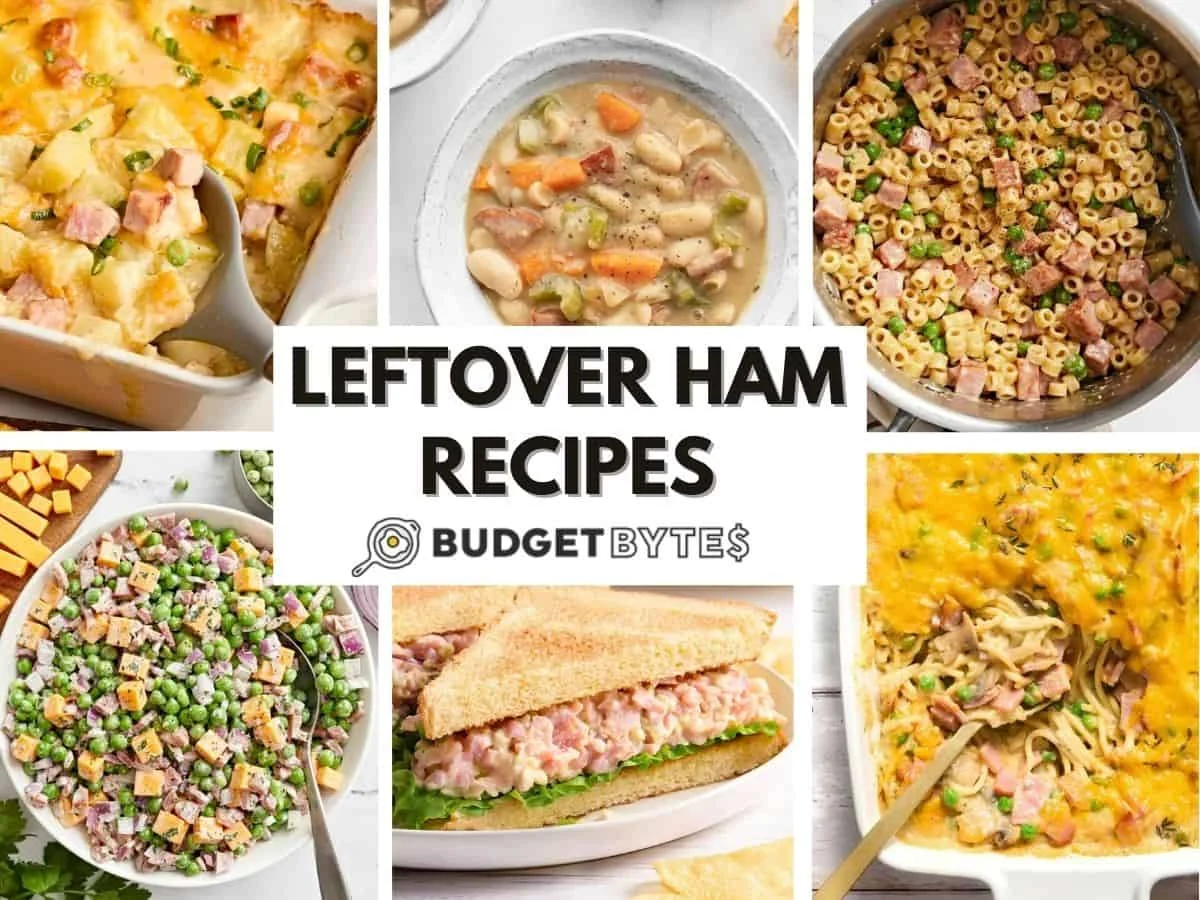
The management of post-holiday food surpluses has emerged as a critical focal point for American households facing fluctuating grocery costs and heightened awareness of environmental sustainability. As major holidays such as Easter, Thanksgiving, and Christmas often center around large-format proteins like spiral-cut or smoked hams, the resulting leftovers present both a logistical challenge and an economic opportunity. Culinary experts from the Nashville Test Kitchen have identified 14 specific recipes designed to transform these surpluses into diverse, high-value meals, effectively reducing the average cost per serving to as low as $0.72. This strategic approach to meal planning aligns with broader consumer trends toward "upcycling" ingredients to mitigate the impact of food inflation.
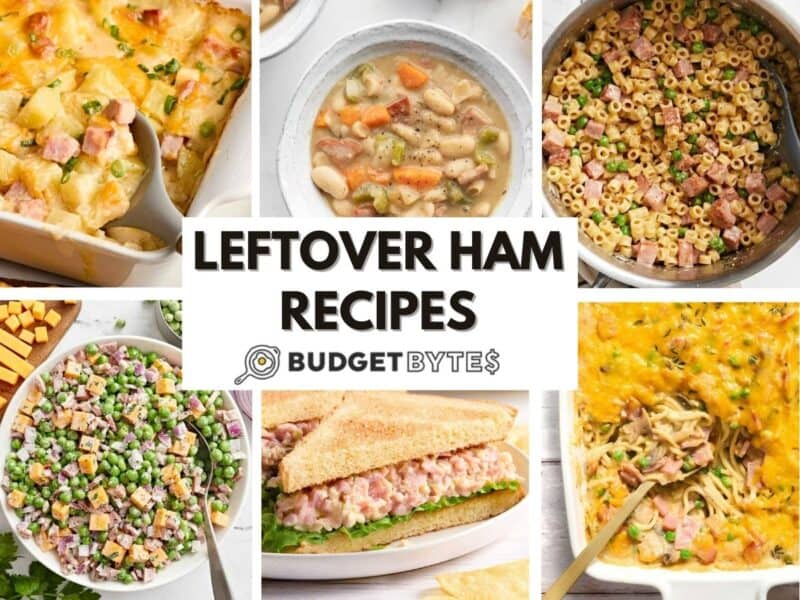
The Economic and Environmental Context of Food Surplus
According to data from the United States Department of Agriculture (USDA), the average American household wastes approximately 30% to 40% of its food supply, with a significant portion of this loss occurring in the days following major holidays. For a standard 10-pound holiday ham, which can retail for anywhere between $30 and $60 depending on the preparation and source, failing to utilize the remaining three to five pounds of meat represents a direct financial loss of $15 to $30.
The 14-recipe framework developed by the Nashville Test Kitchen addresses this by prioritizing recipes with low "entry costs." By utilizing pantry staples such as dried beans, potatoes, and pasta, the "cost per serving" for these repurposed meals remains significantly below the national average for a standard dinner. For instance, the Ham Tetrazzini and the Ham and Potato Frittata offer nutritional density at a fraction of the cost of a fresh protein purchase. This methodology is particularly relevant as the Bureau of Labor Statistics continues to monitor volatile meat prices, prompting consumers to seek higher "utility" from every pound of protein purchased.
Culinary Methodology: The Nashville Test Kitchen Standards
The recipes curated for this initiative underwent rigorous evaluation by culinary professionals, including Jess Rice, a former Chef Professor at Niagara College and a veteran of the Nashville restaurant scene. The testing process focused on three primary pillars: ease of preparation, affordability, and flavor profile longevity. Rice, whose background includes serving as a private chef for high-profile clients and founding the innovative restaurant AVO, emphasizes that the goal is not merely to "eat leftovers," but to create entirely new culinary experiences that prevent "palate fatigue."
Each recipe was designed to ensure that the ham—already a potent source of sodium and smoke—is balanced by fresh vegetables, starches, or acidic components. This professional oversight ensures that the dishes remain viable for home cooks of varying skill levels while maintaining a standard of quality found in commercial kitchens.
Categorized Strategies for Ham Utilization
Hearty Soups and Legume-Based Stews
Soups represent the most traditional and efficient method for ham utilization, as they allow for the extraction of flavor from both the meat and the bone.
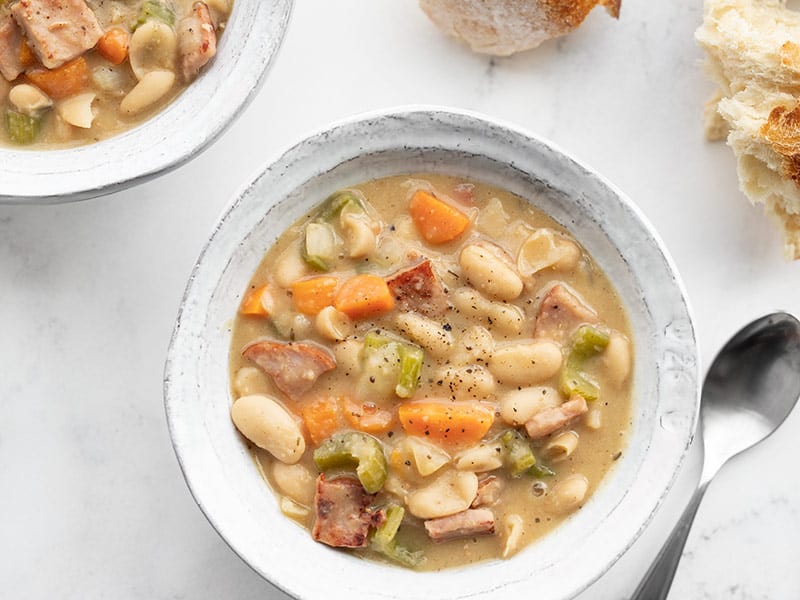
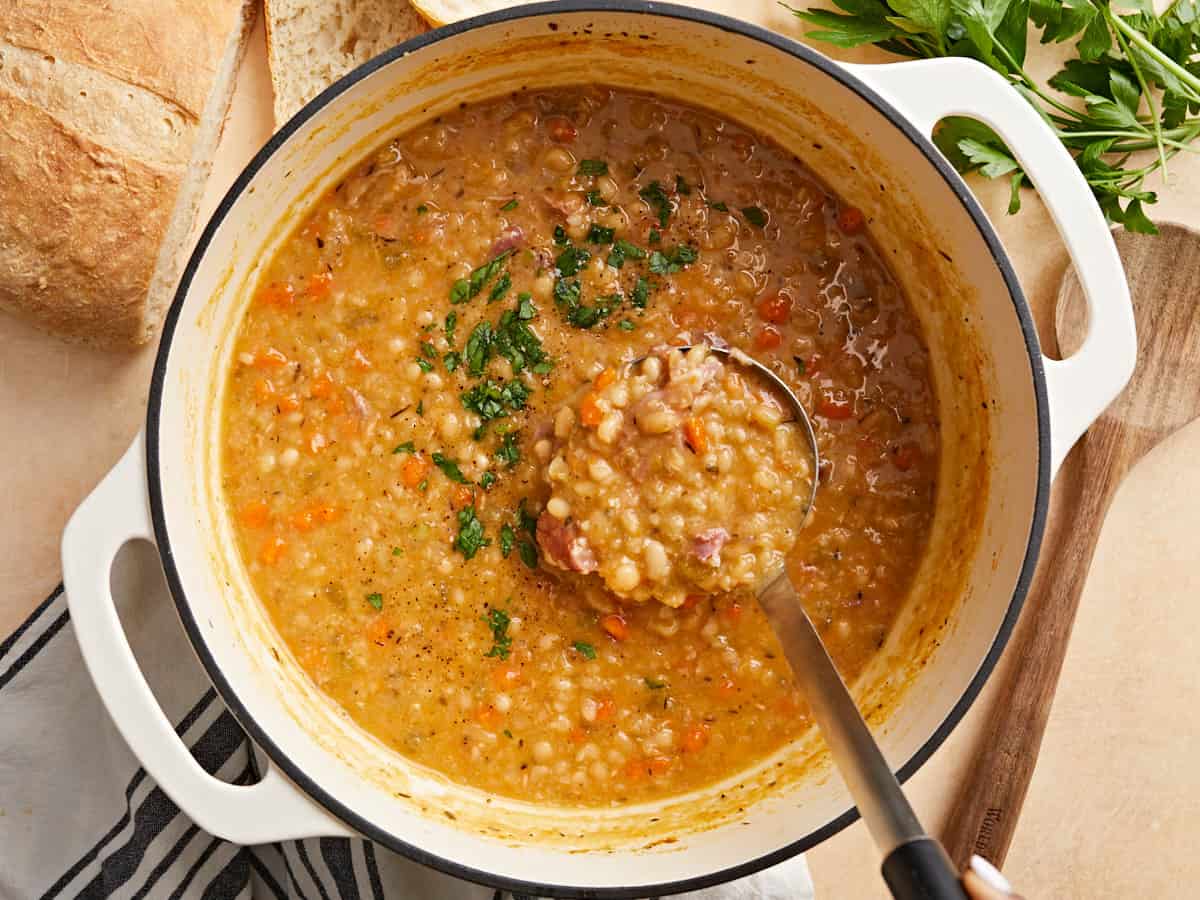
- Chunky Ham and Bean Soup: This dish utilizes a technique where one can of white beans is pureed to thicken the broth, eliminating the need for expensive heavy creams or roux. At approximately $1.68 per serving, it serves as a high-fiber, high-protein meal.
- Navy Bean Soup: Often paired with a ham hock, this recipe is adaptable for any smoked ham surplus. It relies on slow-simmering to tenderize the legumes and integrate the salty notes of the pork.
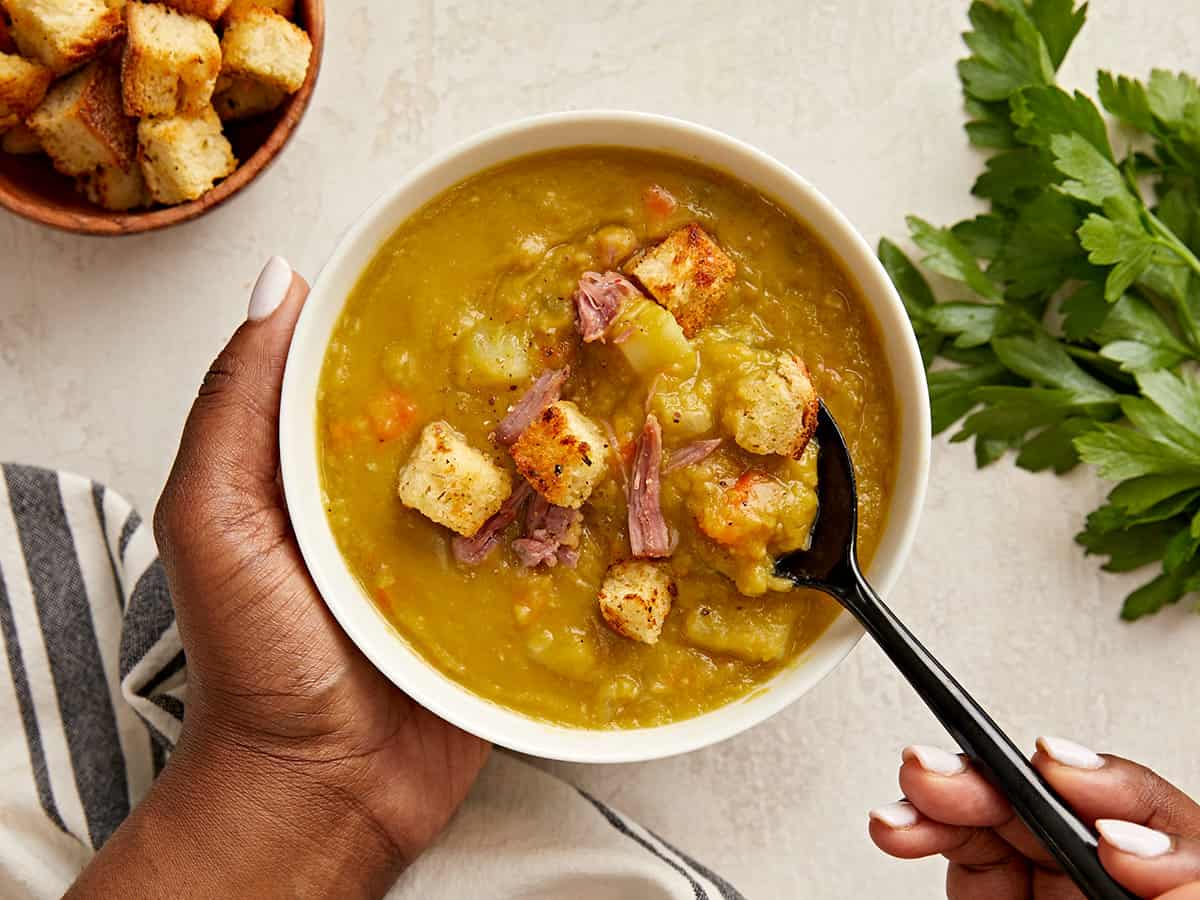
- Split Pea Soup: A classic in post-holiday recovery, this recipe yields six servings at $1.58 each. It is specifically highlighted for its "freezability," allowing households to extend the timeline of their holiday surplus by weeks.
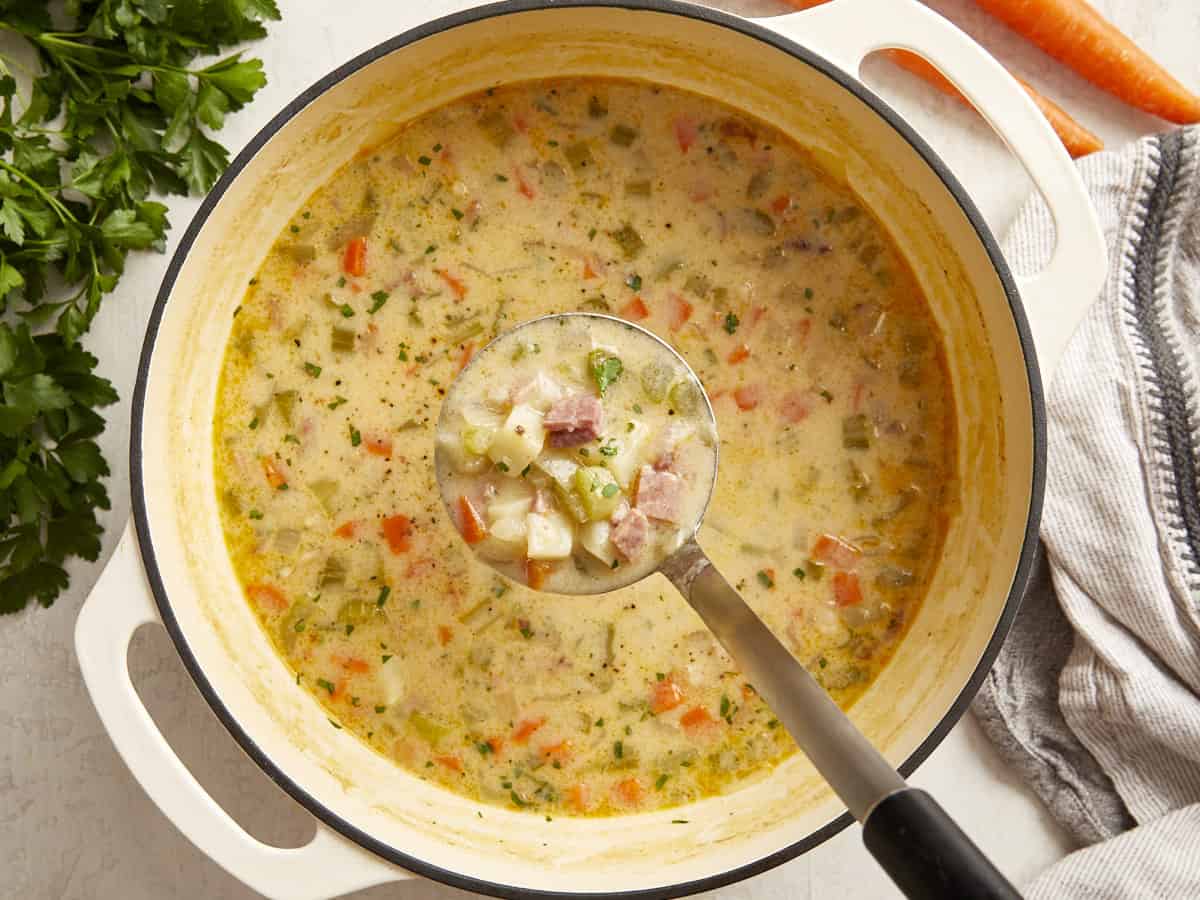
- Ham and Potato Soup: By pairing the saltiness of the ham with the neutral, velvety texture of potatoes, this soup provides a comforting "transitional" meal as seasons change.
Creamy Casseroles and Comfort Entrees
Casseroles provide a high yield, making them ideal for families or for those practicing "batch cooking" for the work week.
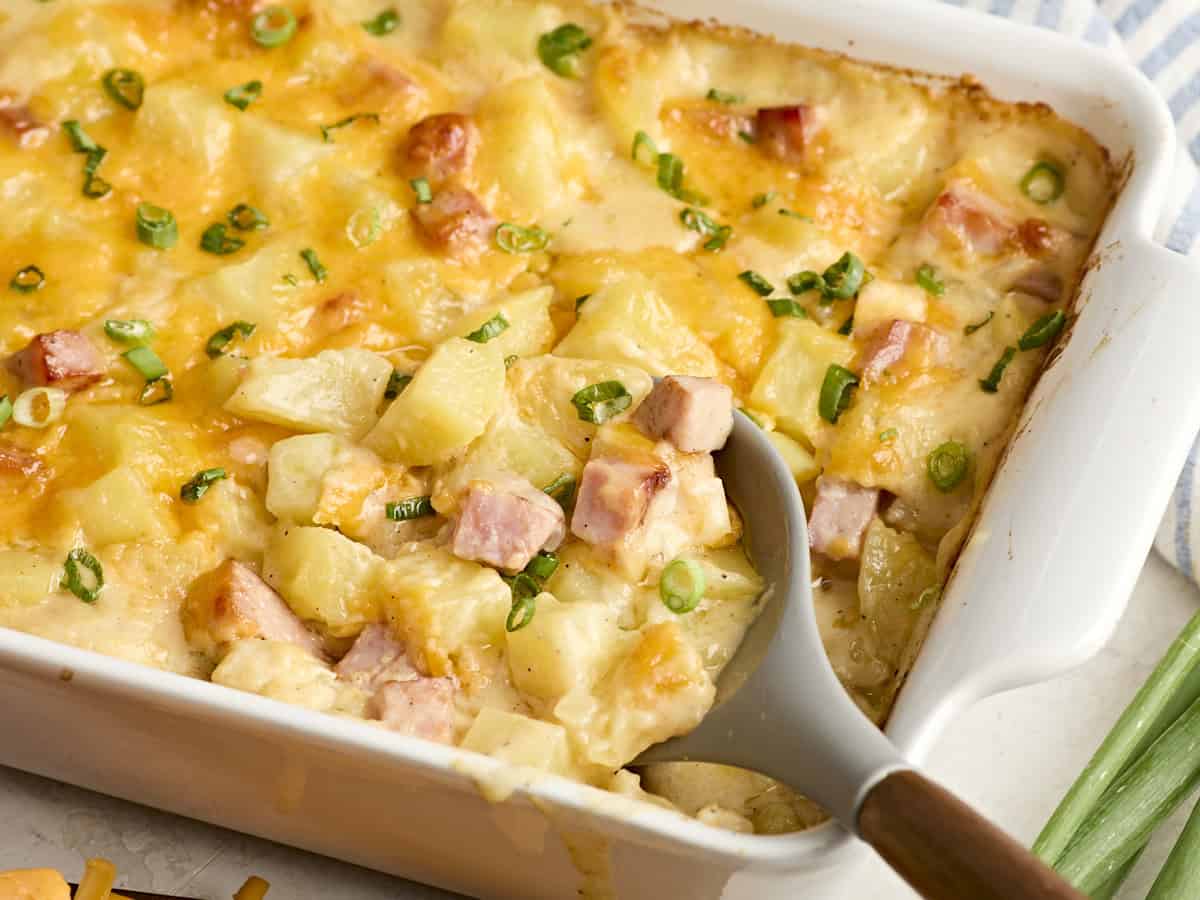
- Ham and Potato Casserole: Utilizing Yukon Gold potatoes and a homemade cheddar sauce, this dish creates a premium texture that mimics high-end brunch fare.
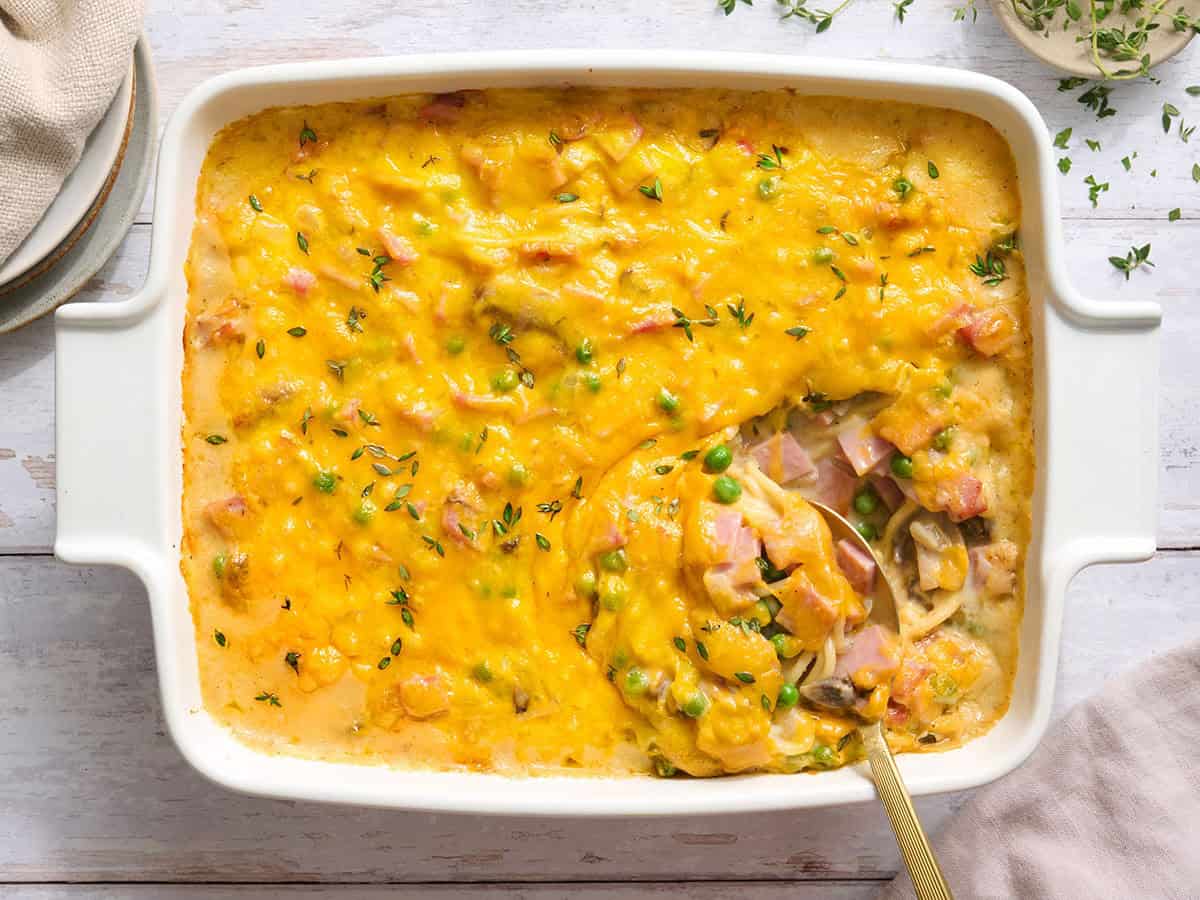
- Ham Tetrazzini: This is the most budget-conscious entry in the collection, costing only $1.28 per serving. By combining spaghetti, mushrooms, peas, and a from-scratch cream sauce, it transforms a small amount of ham into a substantial dinner.
Nutrient-Dense Pairings with Greens
To combat the heavy nature of holiday meats, integrating ham into vegetable-forward dishes is a recommended strategy for nutritional balance.
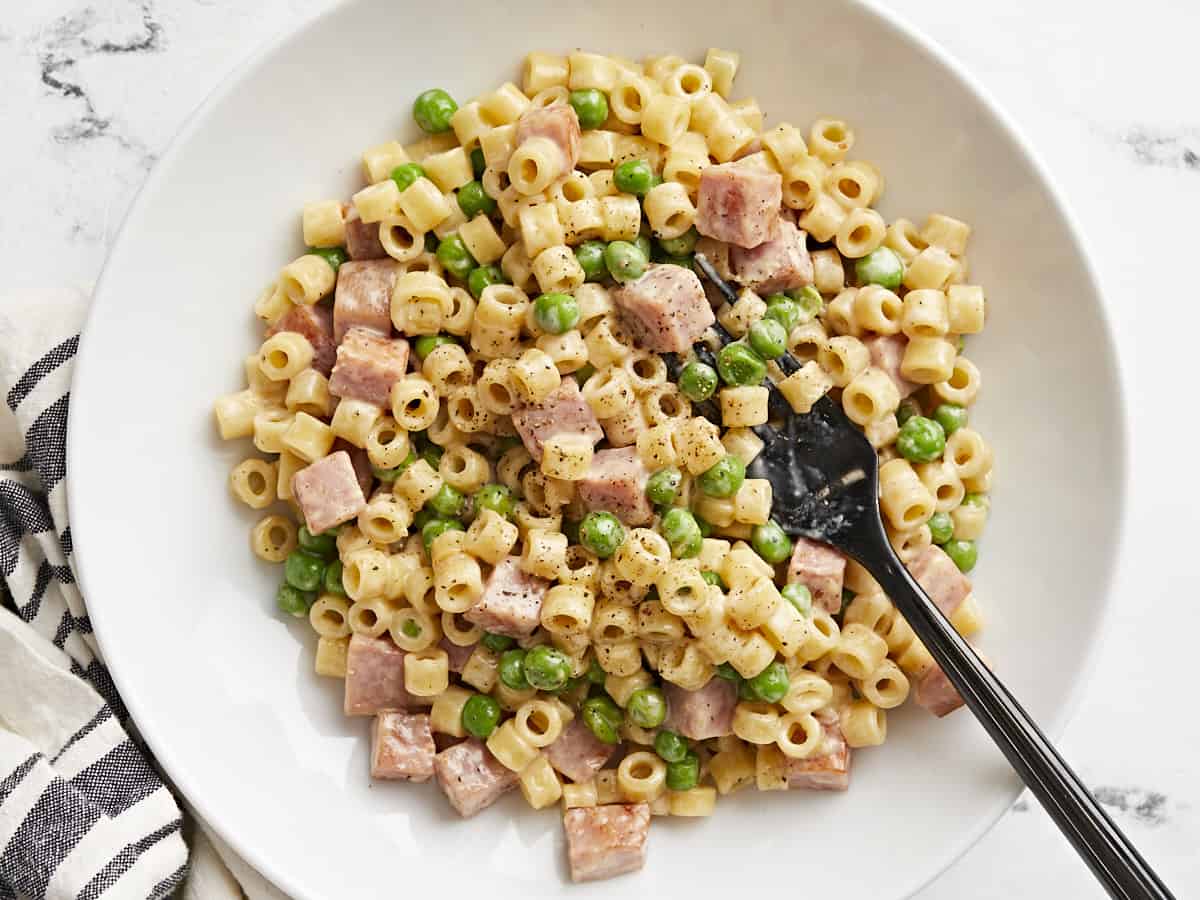
- Pasta with Peas and Ham: A one-pot solution that is ready in 25 minutes, making it a viable option for post-holiday weeknights when time is at a premium.
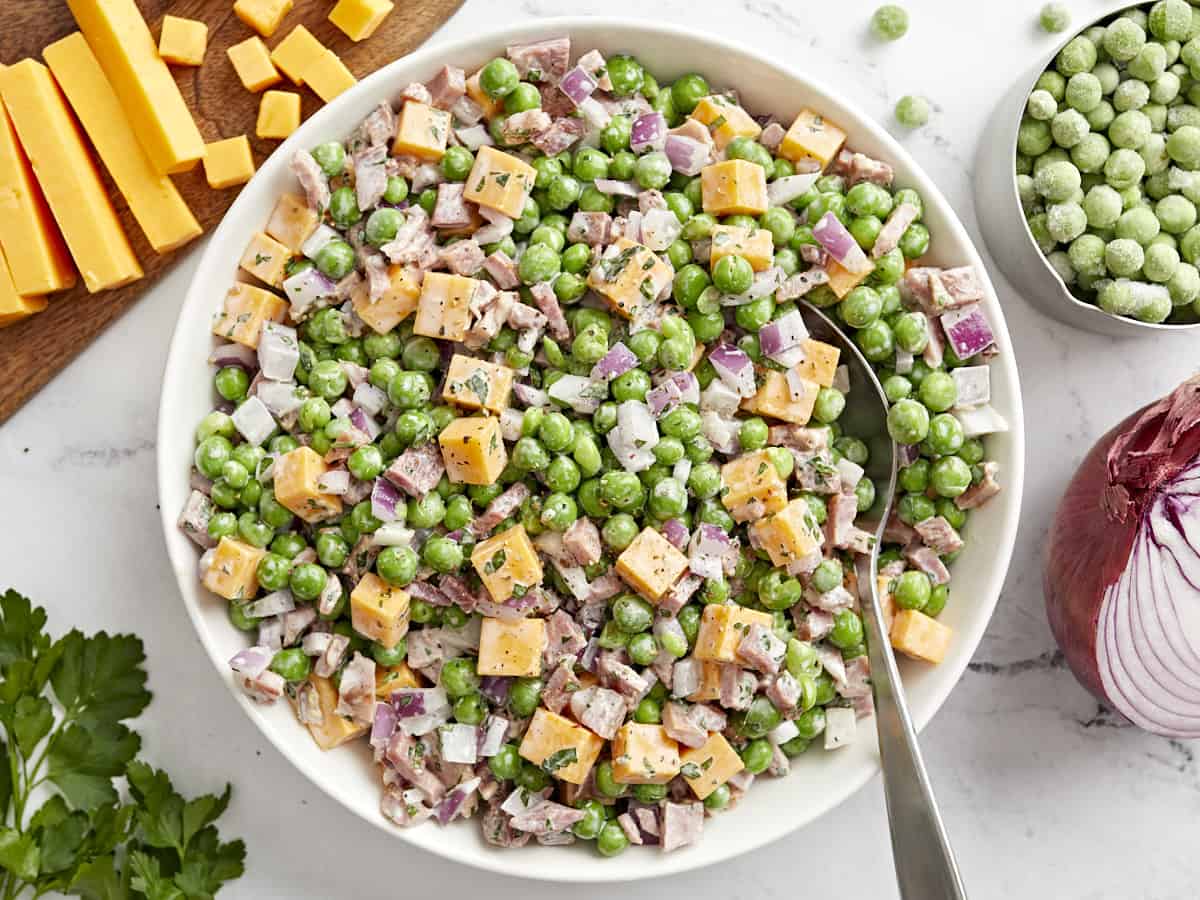
- Pea Salad with Ham: A cold preparation that avoids the need for additional cooking, utilizing cheddar and a creamy dressing to create a side dish or light lunch.
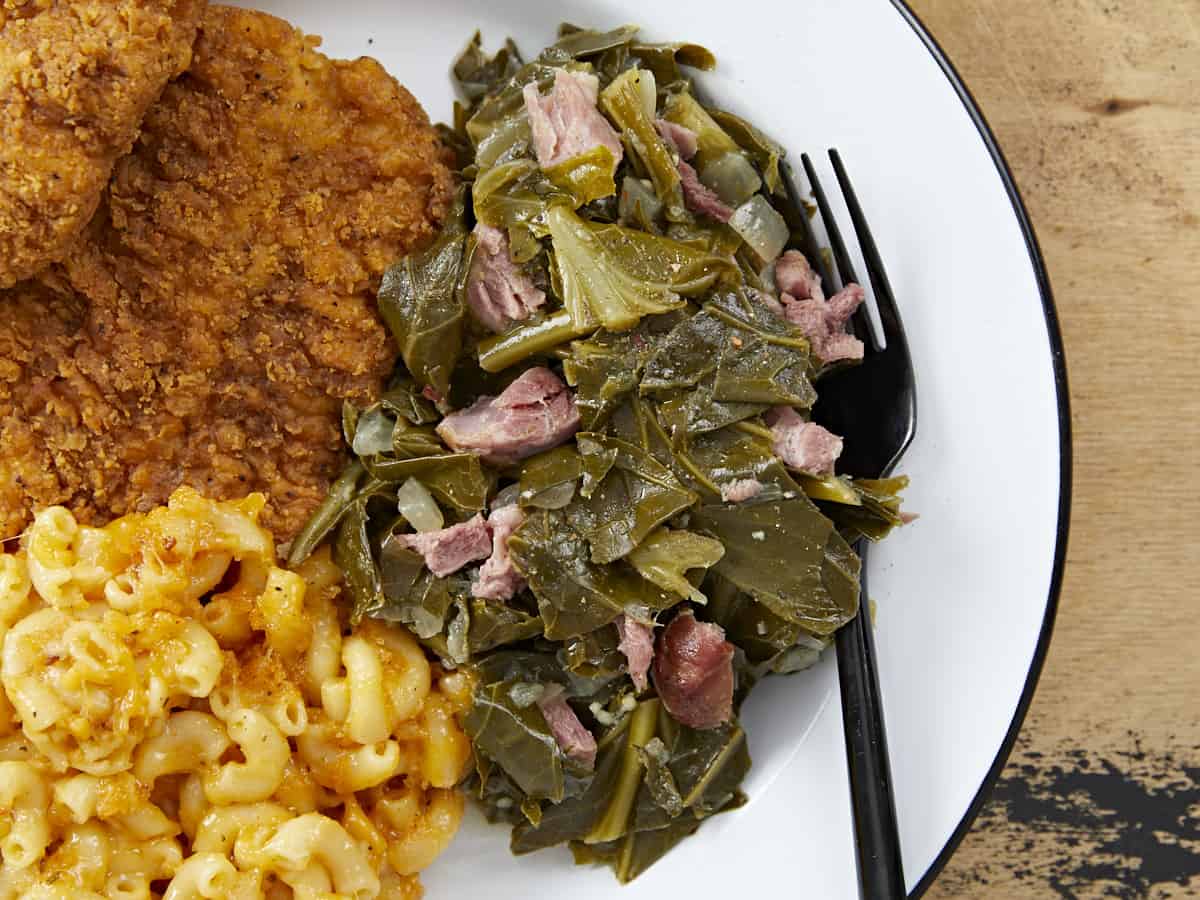
- Collard Greens: In this Southern-style preparation, the ham acts as a seasoning agent, simmering low and slow to infuse the greens with a rich, savory depth.
Breakfast and Portable Meal Prep
Repurposing ham for the morning meal allows for the creation of "grab-and-go" options that can be stored in the freezer.
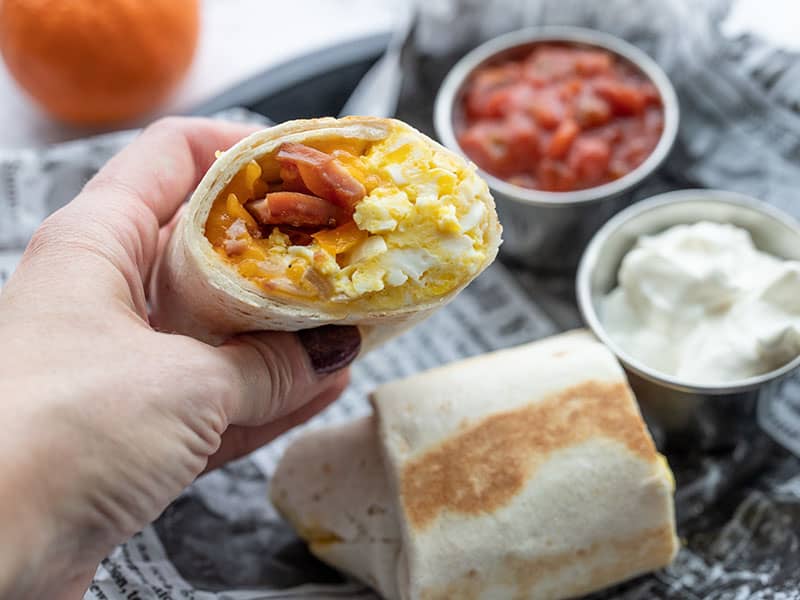
- Freezer-Friendly Breakfast Burritos: These provide a portable protein source for busy mornings, with a cost of $1.41 per unit.
- Hawaiian Ham Quesadillas: This recipe addresses the "sweet and salty" flavor profile by introducing pineapple and cream cheese, offering a diversion from traditional savory applications.
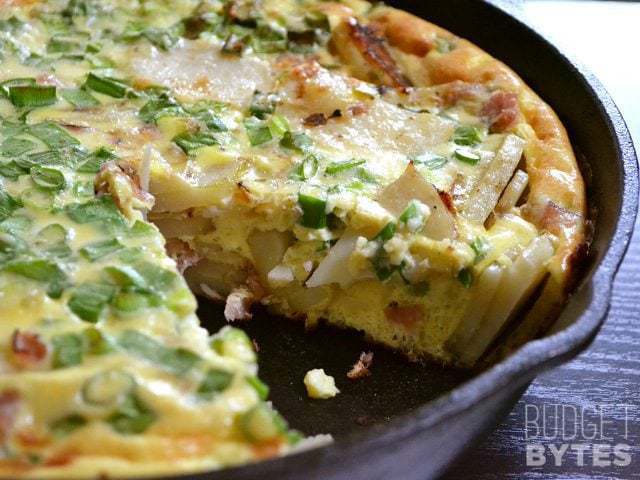
- Ham and Potato Frittata: A versatile dish that functions equally well for breakfast or a "breakfast-for-dinner" scenario, costing only $0.72 per serving.
Specialized Appetizers and Holiday Fusion
- Ham and Cheese Sliders: Using sweet Hawaiian rolls and a seasoned butter topping, these are optimized for social gatherings or "game day" snacks.
- Leftover Stuffing Muffins: A unique "fusion" recipe that utilizes two holiday surpluses—ham and stuffing—simultaneously. This represents the pinnacle of food waste reduction by clearing multiple containers from the refrigerator in one preparation.
Chronology of Consumption and Food Safety
The USDA recommends that cooked ham be consumed within three to four days if stored in a refrigerator at 40°F or below. The chronology of the 14-recipe list follows a logical progression:
- Days 1-2: Fresh applications such as Sliders, Pea Salad, and Quesadillas.
- Days 3-4: High-heat or long-simmer preparations such as Casseroles, Tetrazzini, and Collard Greens.
- Beyond Day 4: Freezable options like Split Pea Soup and Breakfast Burritos.
By following this timeline, households can ensure food safety while systematically reducing their surplus.
Broader Impact and Implications for the Modern Consumer
The shift toward structured leftover management is more than a culinary trend; it is a response to the intersection of economic pressure and environmental responsibility. The food industry has noted that consumers are increasingly looking for "cross-utilization" of ingredients. The Nashville Test Kitchen’s findings suggest that when a consumer buys a holiday ham, they are not just buying one meal, but the foundation for up to 14 different culinary iterations.

Furthermore, the environmental impact of meat production is significant. By ensuring that every ounce of a ham is consumed rather than discarded, households indirectly reduce the demand for over-production and minimize the methane emissions associated with organic waste in landfills.
In conclusion, the 14-recipe guide serves as a technical manual for modern domestic economy. By applying professional kitchen techniques—such as using bean purees for thickness or creating from-scratch sauces to avoid the "canned soup" taste—home cooks can elevate their grocery budgets. As Jess Rice and the Nashville team demonstrate, the transition from a holiday feast to a week of affordable, high-quality meals is a matter of strategic planning and culinary versatility. This approach not only saves money but also honors the resources required to bring holiday proteins to the table, making the "best leftovers" those that truly simplify the lives of the consumers.
