

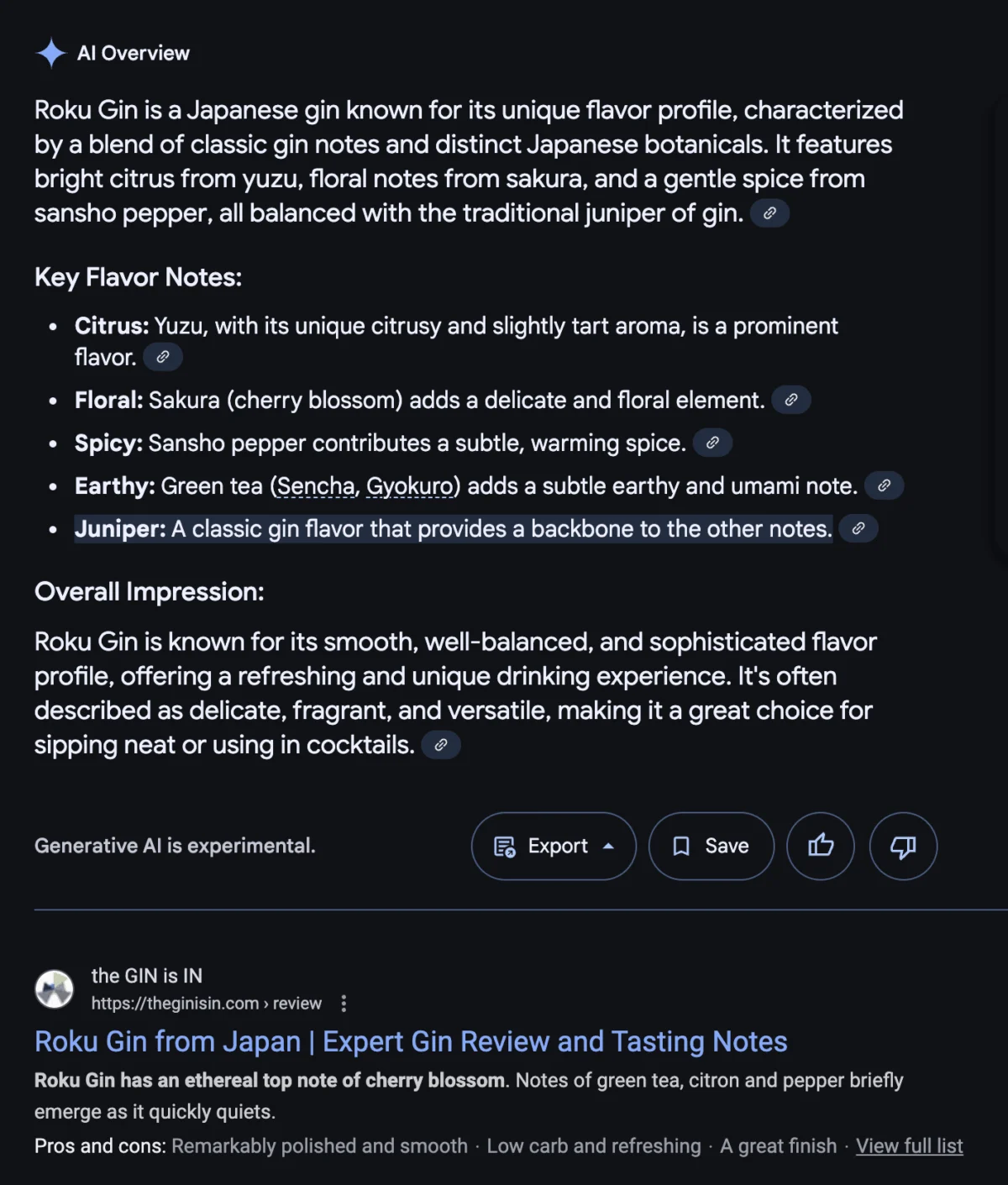
The digital landscape for independent consumer journalism is facing a transformative crisis as generative artificial intelligence (AI) and search engine algorithm shifts fundamentally alter how audiences access specialized information. Aaron Knoll, the founder of the long-standing spirits review website The GIN is IN, recently issued a public appeal for financial support, citing a dramatic decline in traffic and revenue directly linked to the rise of AI-generated summaries from platforms like Google and ChatGPT. This development marks a significant turning point for niche publishers who have provided expert analysis for nearly two decades, only to find their proprietary content being synthesized and delivered to users without a corresponding visit to the original source.
The Erosion of the Independent Review Model
For sixteen years, The GIN is IN has operated as a cornerstone of the spirits industry, maintaining a strict policy of independence that includes refusing payment from distillers for reviews and rejecting promotional content or guest posts from brands. This model was designed to ensure objectivity in a market often saturated with paid endorsements. However, the very transparency and public accessibility that defined the site’s mission have now become its primary vulnerability.
According to Knoll, the integration of AI summaries into search results has created a "zero-click" environment. When a consumer searches for a specific product review—such as "Roku Gin Review"—search engines now frequently provide an exhaustive summary derived from the site’s content directly on the search results page. While these AI tools have recently begun to include attributions, the immediate availability of the "answer" removes the incentive for the user to click through to the website. This shift has led to what Knoll describes as "plummeting" traffic, despite the site maintaining high rankings in terms of search impressions.
A Chronology of Digital Adaptation and Disruption
The trajectory of The GIN is IN mirrors the broader evolution of the independent web over the last two decades. The site’s history can be categorized into four distinct eras:
- The Foundation (2008–2015): Established during the early "Gin-aissance," the site built a reputation for rigorous, independent sensory analysis. During this period, organic search traffic was the primary driver of growth, as enthusiasts sought out expert opinions to navigate an exploding market of craft gins.
- The Traffic Peak and Infrastructure Strain (2016–2020): As the site’s authority grew, it reached a milestone of nearly one million visitors. This success, however, brought significant financial pressure in the form of hosting costs, which Knoll initially funded out of pocket.
- The Advertising Pivot (2021–2023): To defray rising technical costs, the site implemented Google Ads. While this provided a temporary financial lifeline, it created a tension between revenue generation and user experience, as programmatic advertising often cluttered the interface and detracted from the core editorial content.
- The AI Disruption (May 2024–Present): The rollout of Google’s AI Overviews and the widespread adoption of ChatGPT as a search alternative began to cannibalize referral traffic. By early 2025, the cumulative effect of these technologies forced a reconsideration of the site’s entire business model.
Supporting Data and the "Zero-Click" Phenomenon
The crisis facing The GIN is IN is supported by broader industry data regarding the health of the open web. Research from SEO analytics firms such as SparkToro has consistently shown that over 50% of Google searches now end without a click to a third-party website. With the introduction of Generative Search Experiences (SGE), this percentage is expected to rise, particularly for "informational" queries which include product reviews and tasting notes.
The technical paradox facing niche publishers is that AI models require high-quality, human-generated content to train their algorithms and generate accurate summaries. However, by providing those summaries, the AI effectively starves the content creator of the traffic needed to fund the creation of future content. In the case of The GIN is IN, the site’s exact phrasing has been observed in AI responses, representing a transfer of intellectual value from the creator to the platform without equitable compensation.
Industry Reactions and the Shift to Direct Support
The plight of independent spirits journalism has resonated across the broader media landscape, where many creators are facing similar existential threats. While some large-scale publishers have entered into licensing agreements with AI companies—such as News Corp and The Atlantic—smaller, independent entities lack the legal or financial leverage to negotiate such deals.
Industry analysts suggest that the "death of the ad-supported niche site" is leading to a massive migration toward "walled gardens" and subscription-based models. However, Knoll has expressed reluctance to move his content behind a paywall. The rationale is two-fold: first, it limits the visibility of the distillers whose products are being reviewed, and second, it contradicts the site’s mission to serve as a public resource for the general consumer.

In response to the current climate, The GIN is IN has pivoted to a voluntary contribution model, utilizing platforms such as Patreon, Venmo, and Ko-Fi. This "public radio" style of funding relies on the loyalty of a core audience rather than the volume of casual search traffic.
Fact-Based Analysis of Broader Implications
The potential collapse of sites like The GIN is IN carries significant implications for both the spirits industry and the quality of information available on the internet.
1. The Loss of Sensory Expertise
AI is incapable of tasting or smelling. It functions by aggregating existing text. If independent reviewers who physically sample and analyze products are driven out of business, the "data" that AI uses to generate reviews will become stagnant or increasingly reliant on brand-provided marketing copy, which lacks objective critical analysis.
2. Market Impact on Craft Distillers
Independent review sites provide a platform for small-scale craft distillers who do not have the marketing budgets of global conglomerates. If these sites disappear, the barrier to entry for new spirits brands will rise, as they will lose a primary channel for gaining third-party credibility.
3. The Homogenization of Content
As publishers optimize for AI-friendly snippets or move to subscription models, the diversity of voices on the open web is likely to diminish. This creates an information vacuum that may be filled by AI-generated "slop"—content produced by bots to game search engines, which lacks the nuance and accuracy of human expertise.
Official Responses and Strategic Outlook
While Google has maintained that its AI Overviews are designed to "highlight" sources and drive traffic to a diverse range of websites, many publishers argue that the data suggests the opposite. In various forums, Google representatives have stated that AI summaries provide "more opportunities for users to discover content," yet they have not provided specific metrics to counter the reported traffic losses by independent sites.
For The GIN is IN, the path forward is a test of the "1,000 True Fans" theory—the idea that a creator can survive without mass-market traffic if they can secure the direct support of a dedicated community. Knoll’s appeal emphasizes that while it is a "privilege" to write about the industry, the technical reality of the 2025 internet has made the traditional model unsustainable.
The outcome of this transition will likely serve as a bellwether for the future of independent journalism. If the audience responds by funding these platforms directly, a new era of "community-supported media" may emerge. If not, the "Gin-aissance" and other niche cultural movements may lose the very chroniclers who helped document and drive their growth over the past two decades.
As of late April 2025, The GIN is IN remains operational and committed to its public-access model, though its long-term viability remains contingent on the success of its new diversified funding strategy. The site continues to publish reviews and maintain its comprehensive database, standing as one of the few remaining independent bastions in an increasingly automated digital ecosystem.
