

Easter, a cornerstone of spring celebrations, has solidified its position on the culinary calendar, largely due to the widespread embrace of brunch as its signature midday meal. This tradition, blending the hearty satisfaction of breakfast with the refined elegance of lunch, offers a unique opportunity for festive gathering, culinary exploration, and the enjoyment of seasonal flavors. Far from a mere meal, Easter brunch represents a cultural phenomenon, reflecting evolving societal trends, consumer preferences, and a deep-seated appreciation for communal dining.
The Evolution of a Holiday Tradition
The concept of "brunch" itself emerged in late 19th-century England, gaining popularity in America during the 1930s as a leisurely Sunday repast, particularly after morning church services. For Easter, this timing proved ideal, allowing families to combine religious observance with a relaxed, celebratory meal. Historically, Easter marked the end of Lent, a period of fasting and abstinence, making the feast particularly significant. Early Easter meals often featured lamb, symbolizing Christ, and a bounty of spring produce. As societal norms shifted, the formal Easter dinner gradually gave way to the more flexible and convivial brunch format, which perfectly accommodated varying schedules and preferences for both sweet and savory dishes.
Culinary historians, such as Dr. Eleanor Vance from the Institute of Food Studies, note that "the adoption of brunch for Easter speaks to a broader cultural shift towards more informal yet still special family gatherings. It allows for a relaxed pace, encourages a diverse menu, and accommodates guests arriving at different times, making it inherently more inclusive than a rigid dinner schedule." This adaptability has been key to its enduring popularity, transforming it from a simple meal into a cherished annual event.
Culinary Cornerstones: Sweet and Savory Staples
A quintessential Easter brunch menu is a carefully curated balance of traditional favorites and innovative creations. The emphasis is on both comfort and freshness, reflecting the renewal associated with spring.

Traditional Sweet Offerings
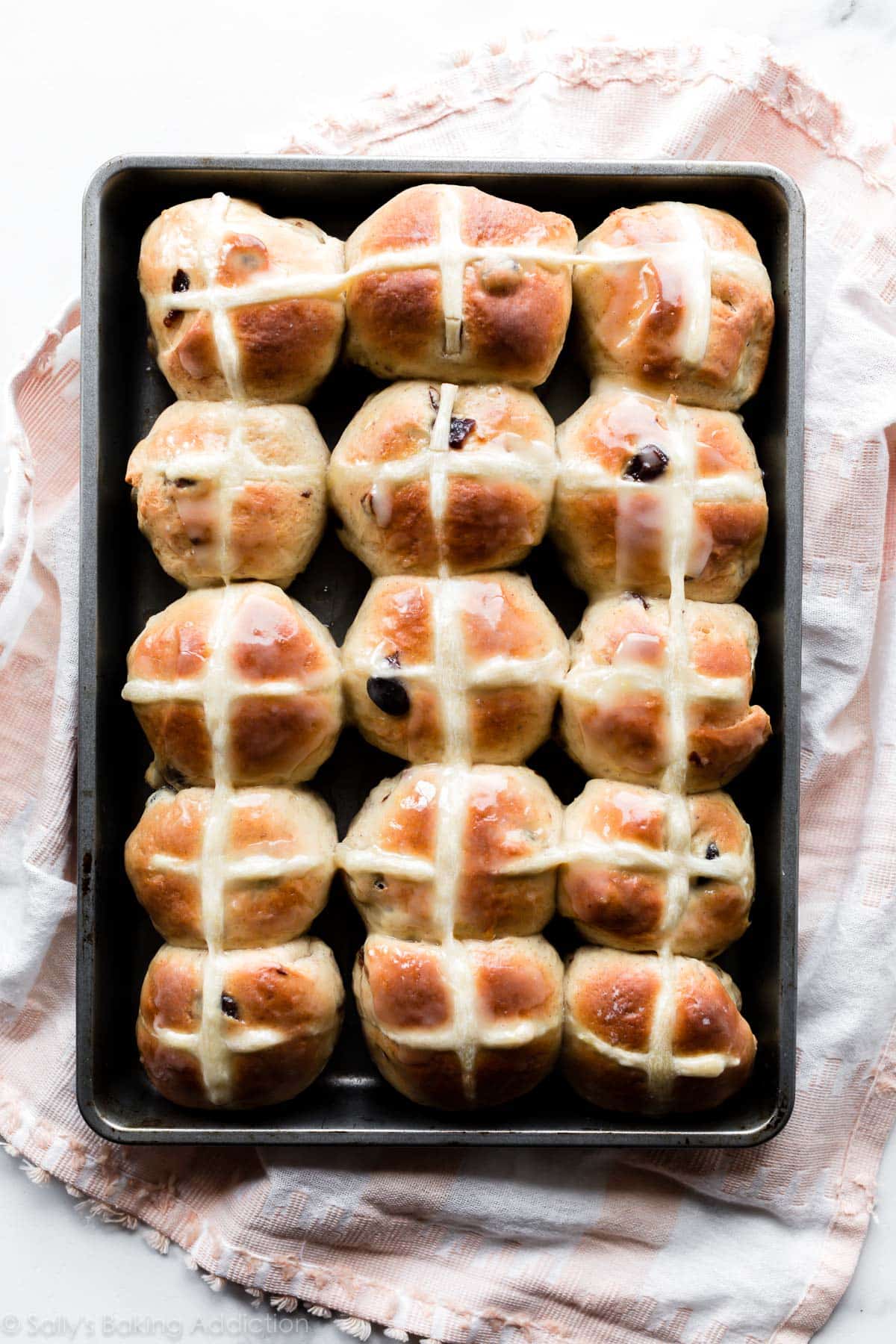
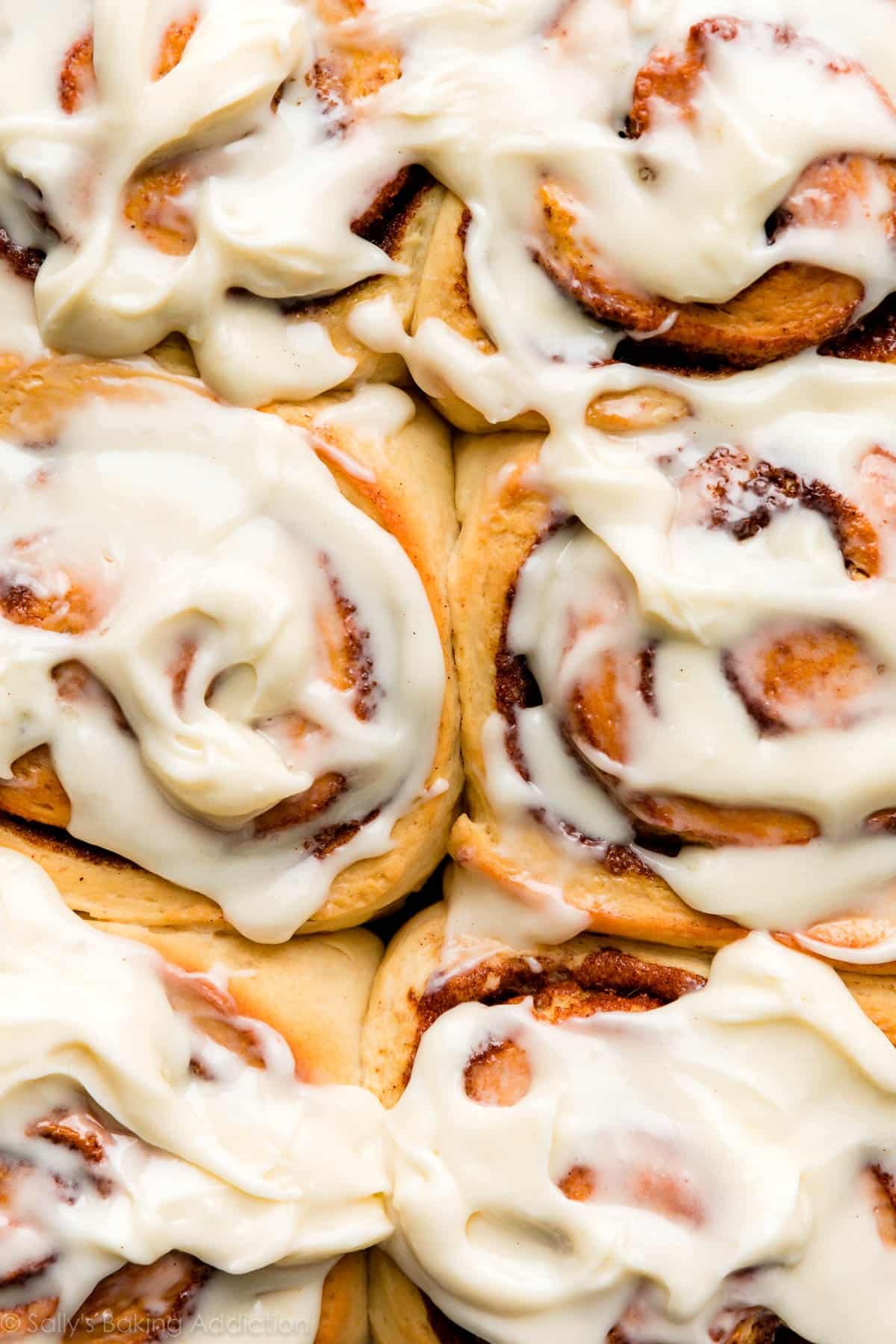
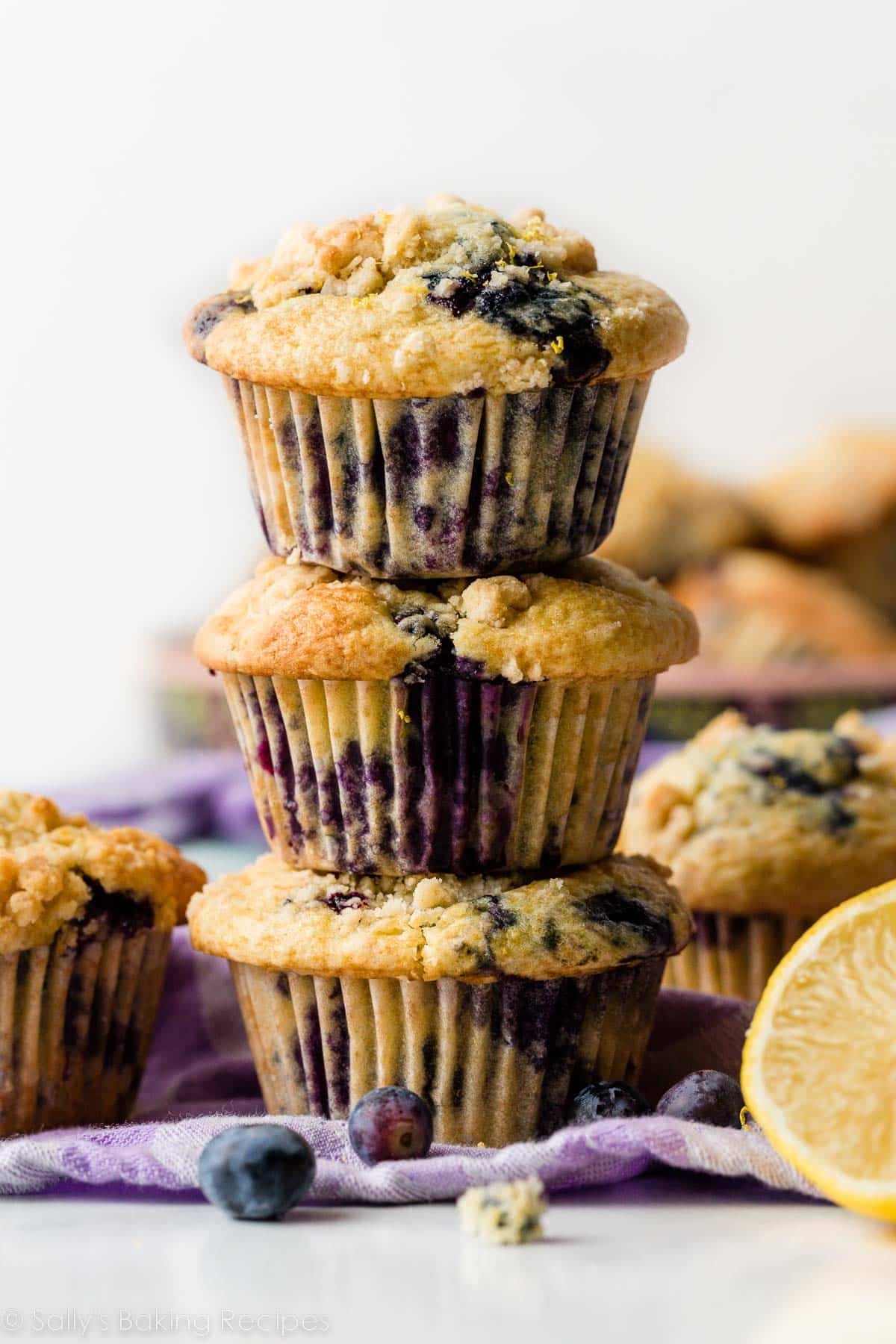
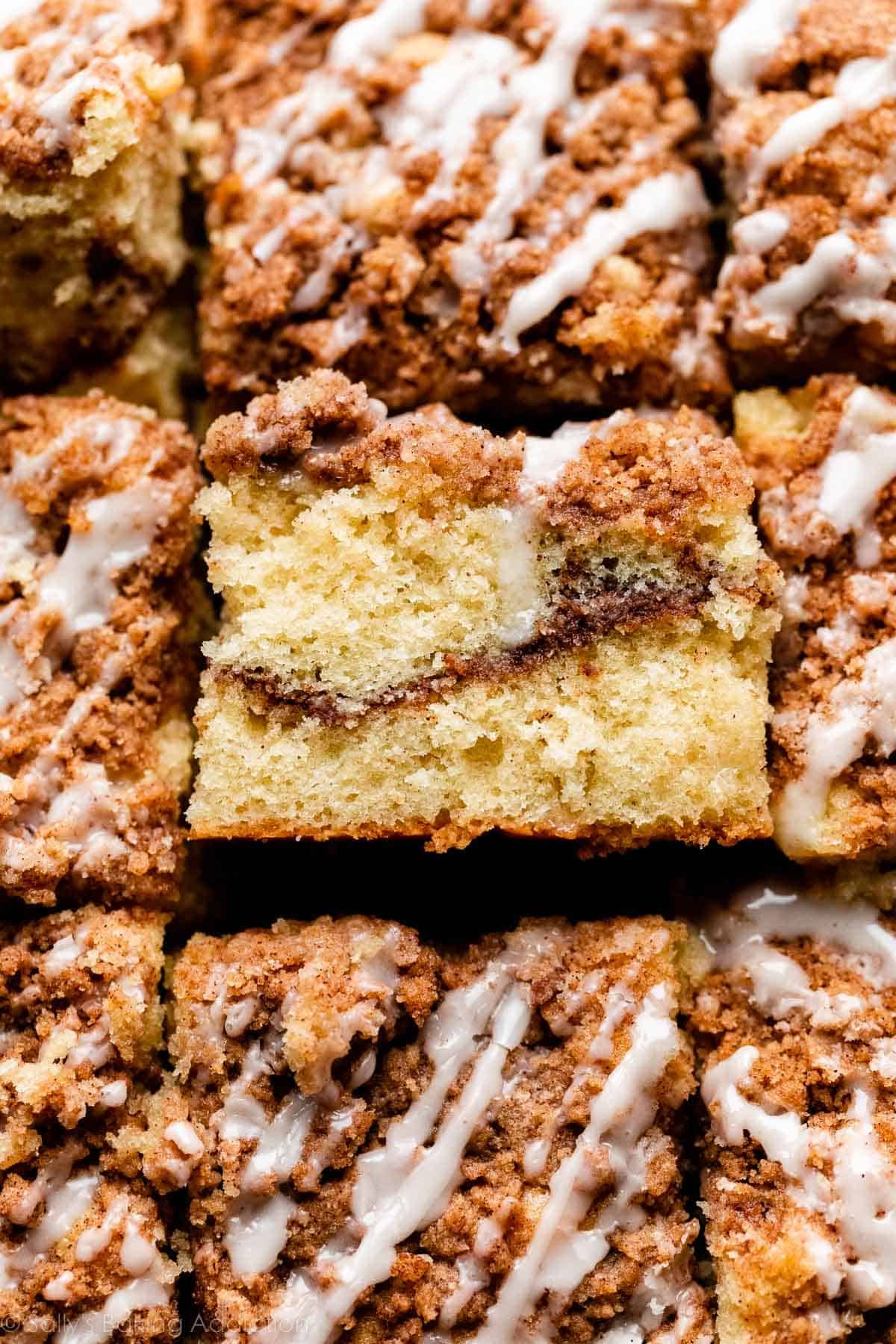
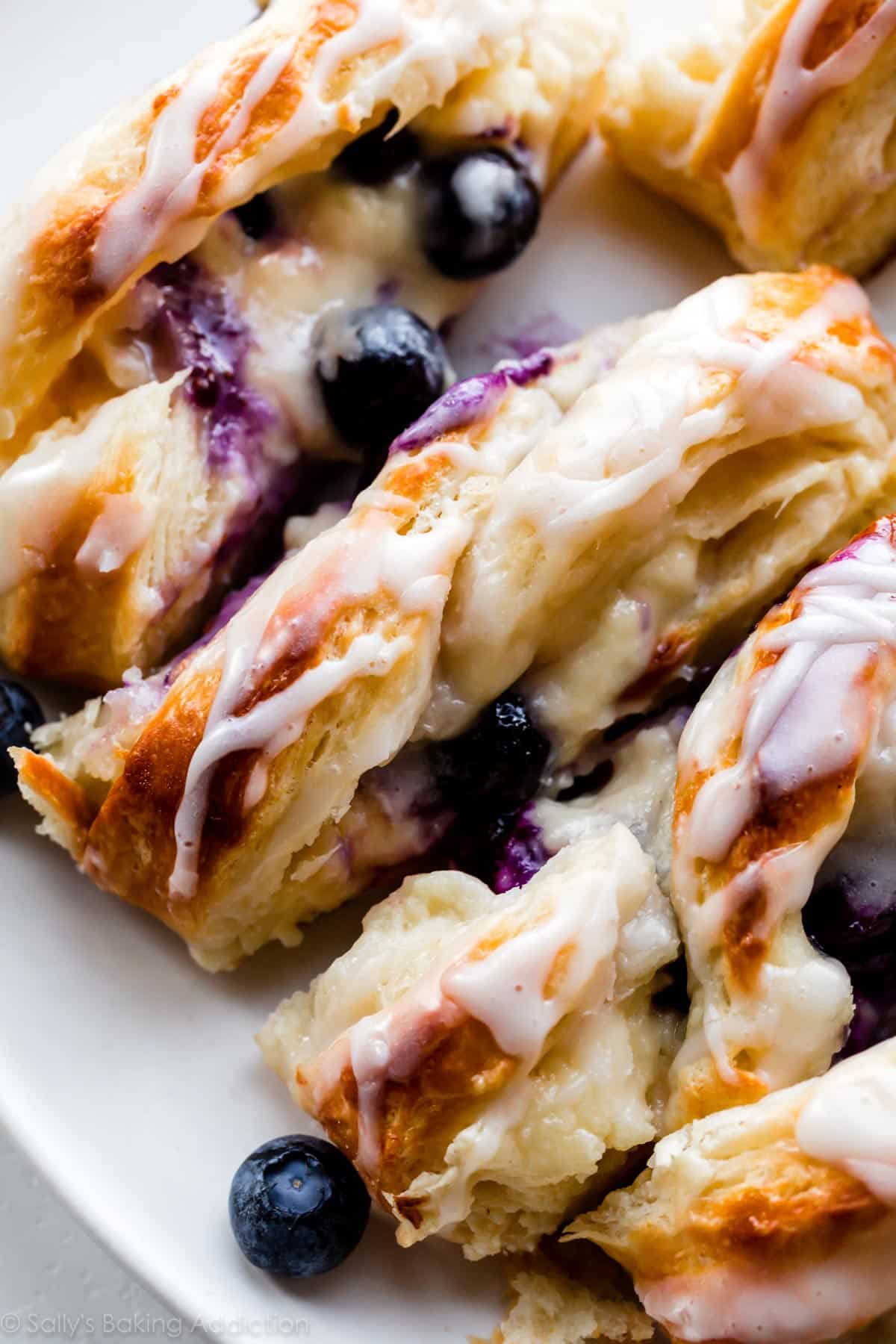
Sweet breads and pastries are paramount. Hot Cross Buns, with their distinct spiced dough and iconic cross, are perhaps the most historically significant. Originating in medieval England, these buns were traditionally eaten on Good Friday, their cross symbolizing the crucifixion. Over centuries, they became synonymous with Easter, with bakeries nationwide reporting a surge in demand in the weeks leading up to the holiday. Similarly, Homemade Overnight Cinnamon Rolls remain a beloved choice, their gooey, spiced sweetness and make-ahead convenience making them a host’s favorite. Their preparation often begins the night before, minimizing morning stress and allowing for freshly baked treats without an early start. Other popular sweet additions include Sour Cream Coffee Cake with Crumb Topping, known for its moist texture and rich streusel, and various fruit-studded muffins and scones, such as Lemon Blueberry Muffins and Glazed Lemon Blueberry Scones, which introduce bright, seasonal flavors.
Hearty Savory Selections
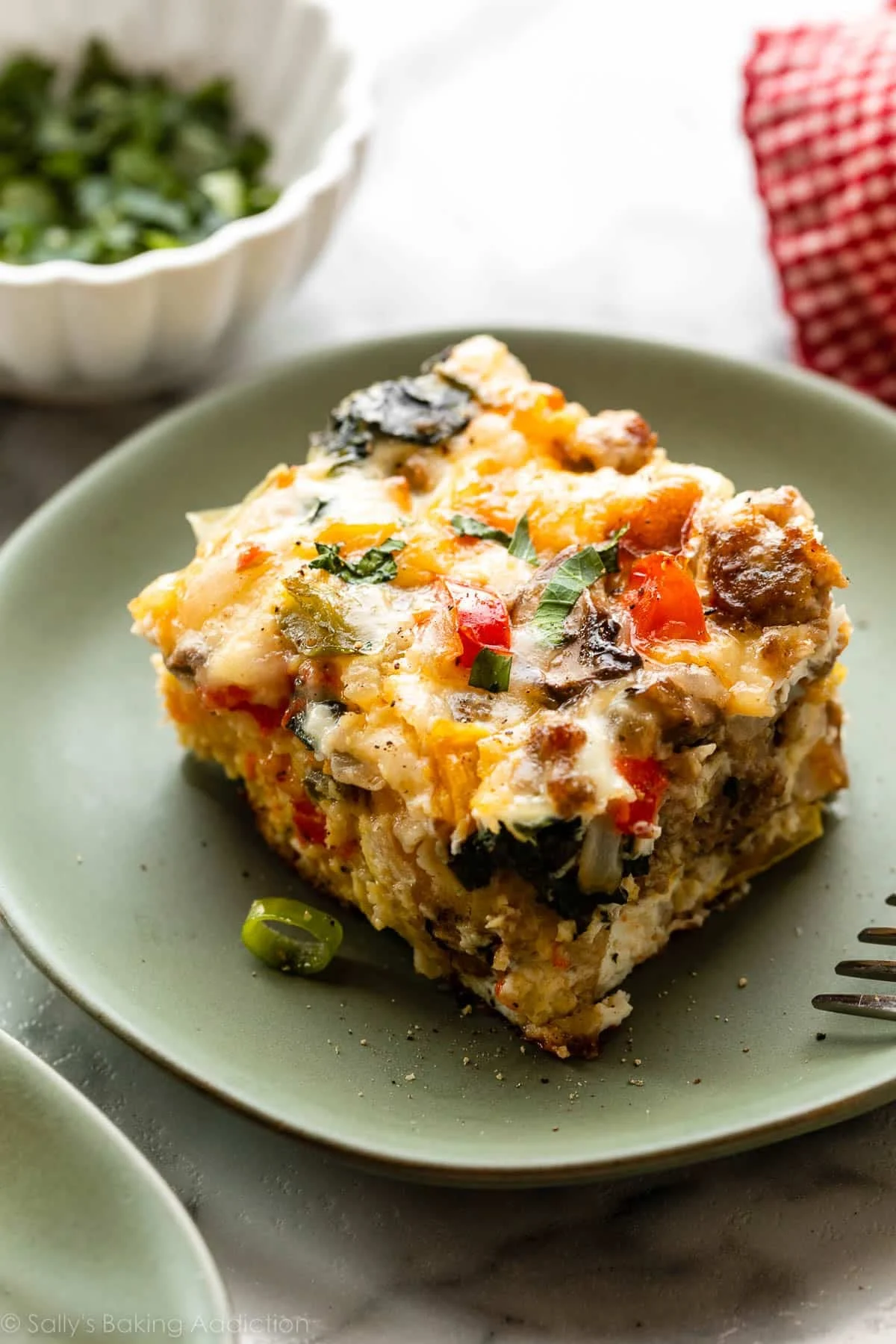
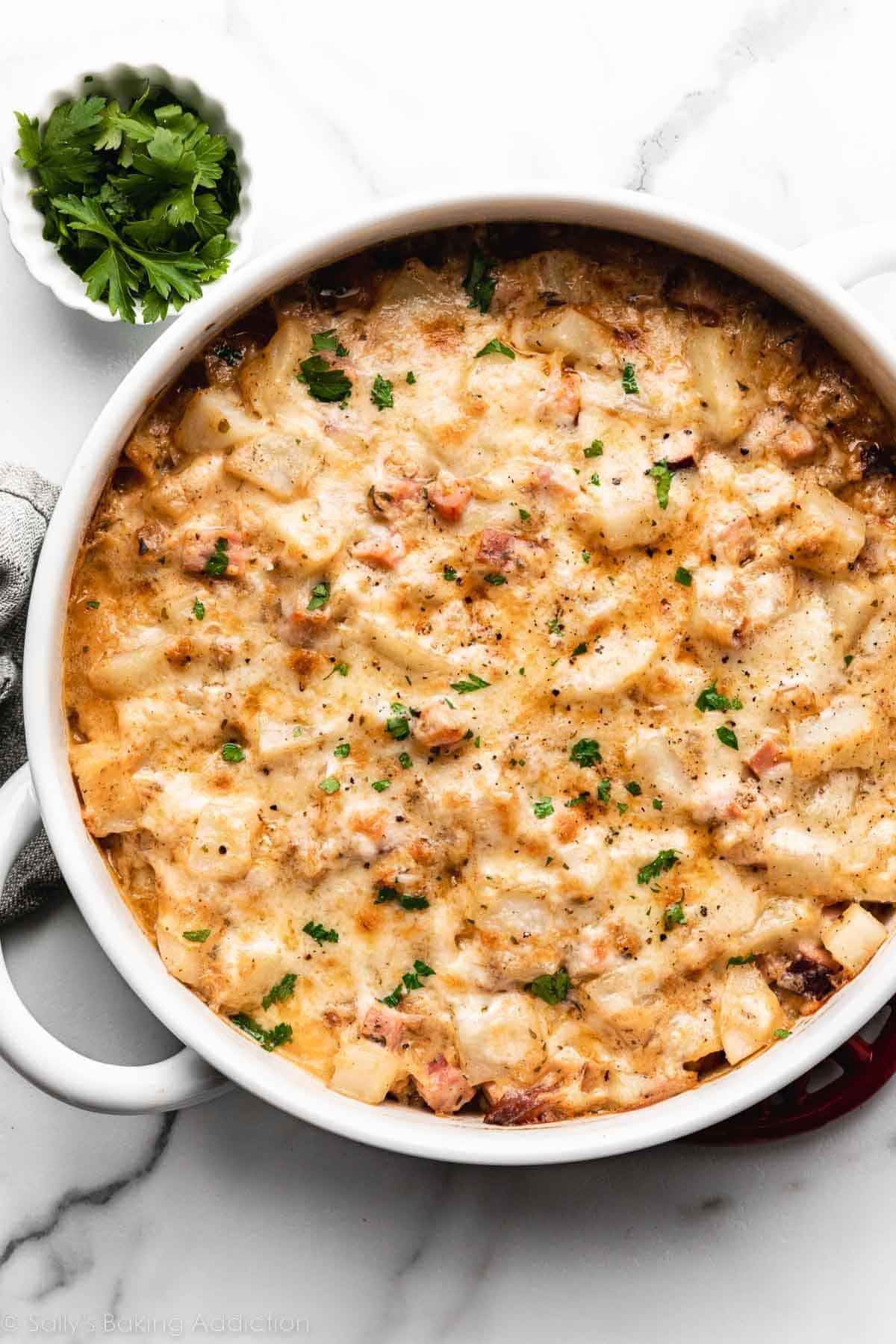
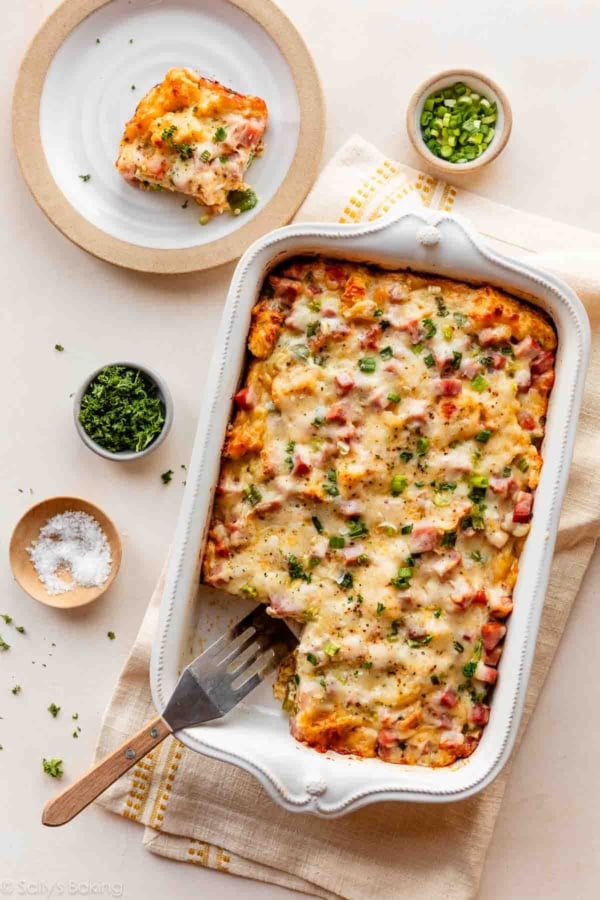
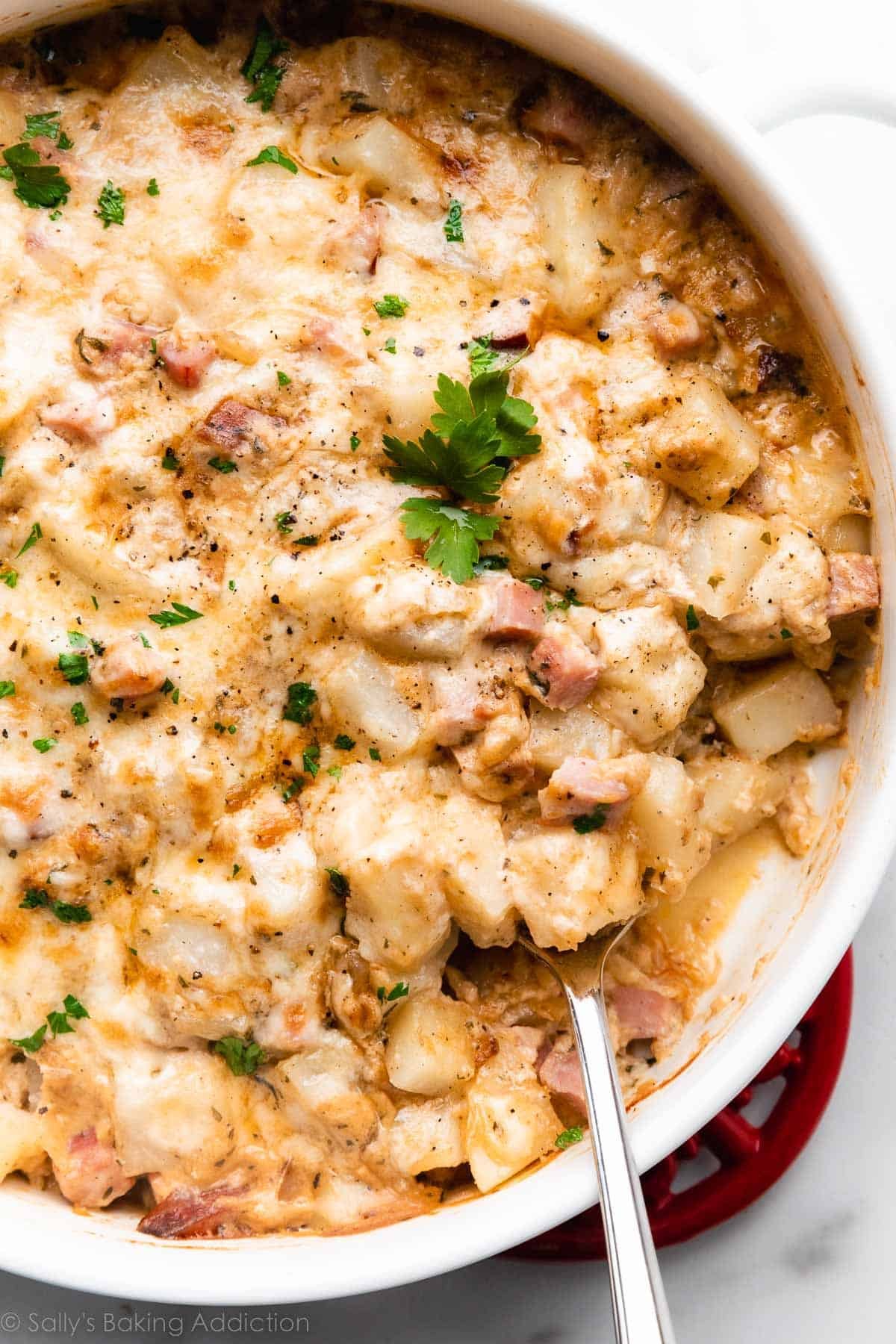
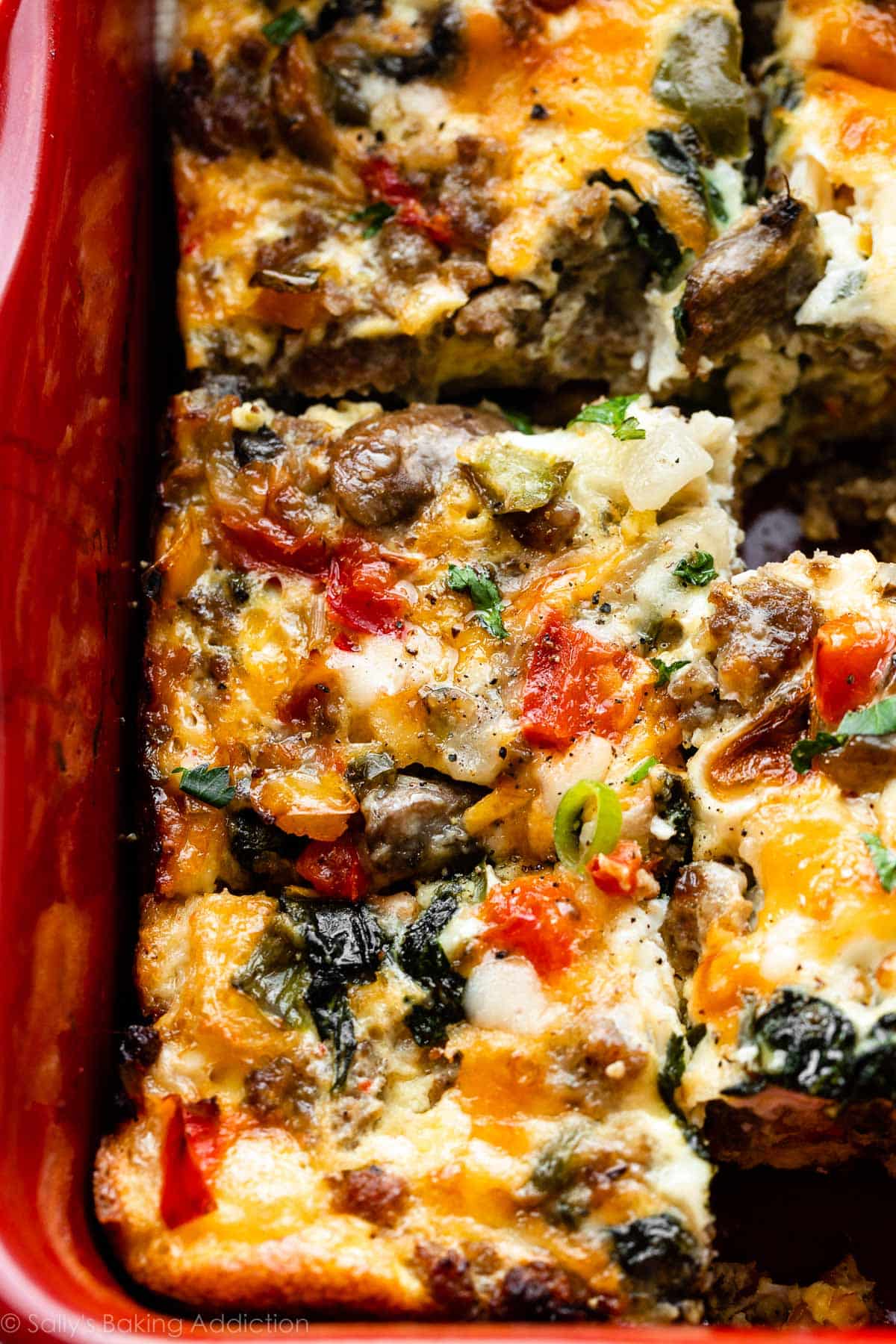
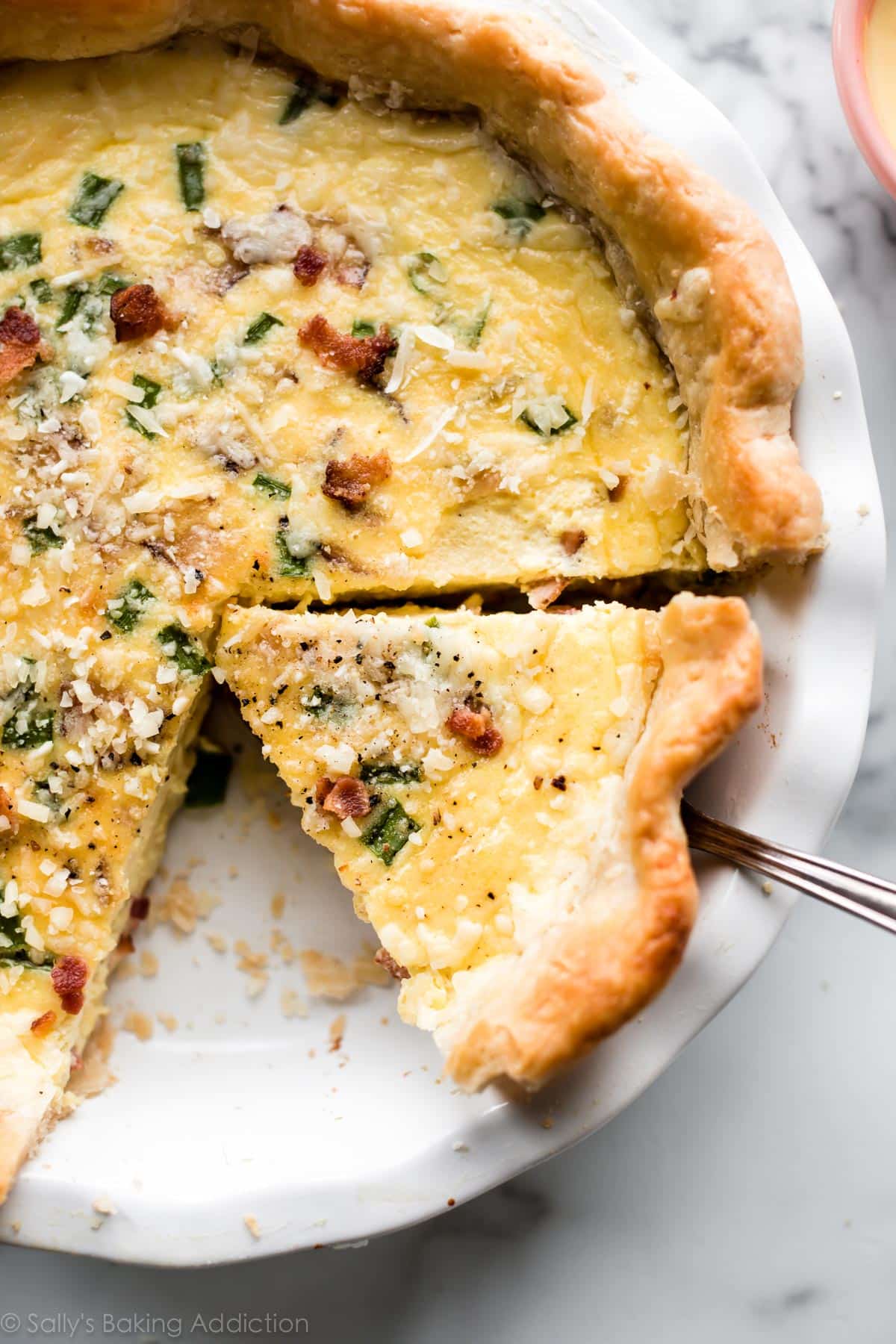
To balance the sweetness, savory dishes provide substance and variety. The Easy Make-Ahead Breakfast Casserole frequently earns the title of "Most Valuable Player" for its versatility and practicality. These casseroles, often built with eggs, cheese, vegetables, and breakfast meats like sausage or bacon, can be assembled hours in advance and simply baked on Easter morning. This adaptability extends to dietary needs, with options to make them vegetarian or include diverse ingredients. The Perfect Quiche, a classic French tart, offers an elegant alternative, allowing for endless variations with different fillings—from spinach and feta to ham and Swiss. For those seeking egg-free savory options, Ham & Potato Casserole provides a hearty and flavorful dish, often leveraging leftover holiday ham, underscoring the resourcefulness inherent in traditional cooking. The Ham & Swiss Strata, another excellent make-ahead egg-and-bread casserole, uses day-old crusty bread to achieve a desirable chewy texture, further simplifying morning preparations.
The Centerpiece: Glazed Ham
While brunch typically features a lighter fare, a succulent glazed ham often serves as a traditional main protein, especially when the brunch leans towards a later midday meal. Recipes like a citrus spice glazed ham offer a vibrant, aromatic option, providing not only a delicious centerpiece but also versatile leftovers for subsequent meals, a practical consideration for many hosts.
Planning the Perfect Spread: Logistical Considerations and Modern Trends
Hosting an Easter brunch involves strategic menu planning to cater to diverse tastes and minimize last-minute kitchen chaos. The emphasis on "make-ahead" recipes is a testament to hosts seeking to enjoy the celebration alongside their guests rather than being confined to the kitchen. Dishes like overnight cinnamon rolls, breakfast casseroles, and strata are specifically designed for this purpose, allowing flavors to meld and preparations to be completed in advance.
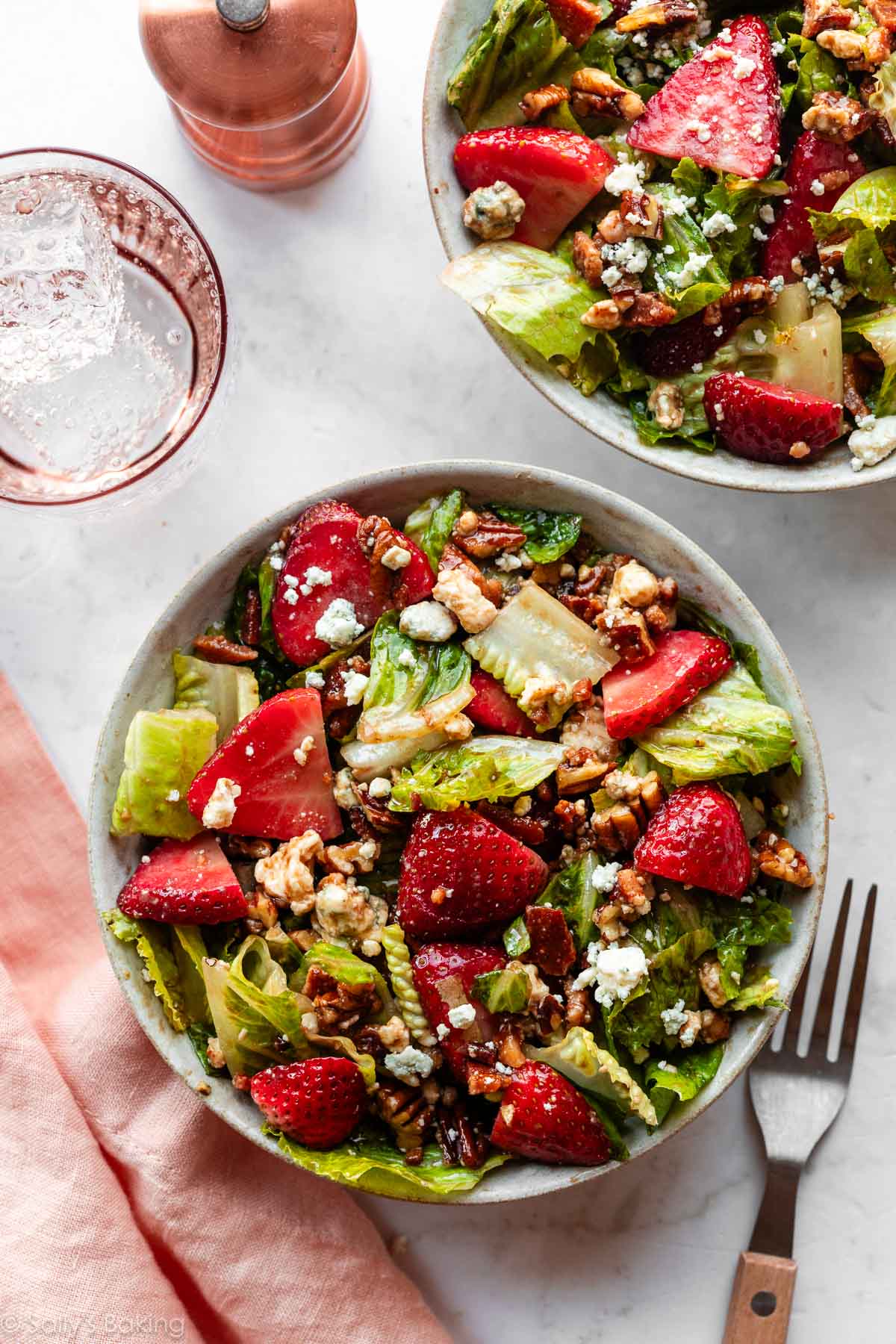
Modern Easter brunch menus also reflect growing trends in dietary inclusivity. The demand for vegetarian, gluten-free, and even egg-free options has led to creative adaptations. The inclusion of a Greek Yogurt Fruit Tart (GF), for instance, offers a refreshing, nutritious, and naturally gluten-free alternative, catering to health-conscious guests or those with specific dietary requirements. Lighter fare, such as a Favorite Strawberry Bacon Salad with honey balsamic dressing, provides a fresh, vibrant contrast to heavier dishes and can be quickly assembled.
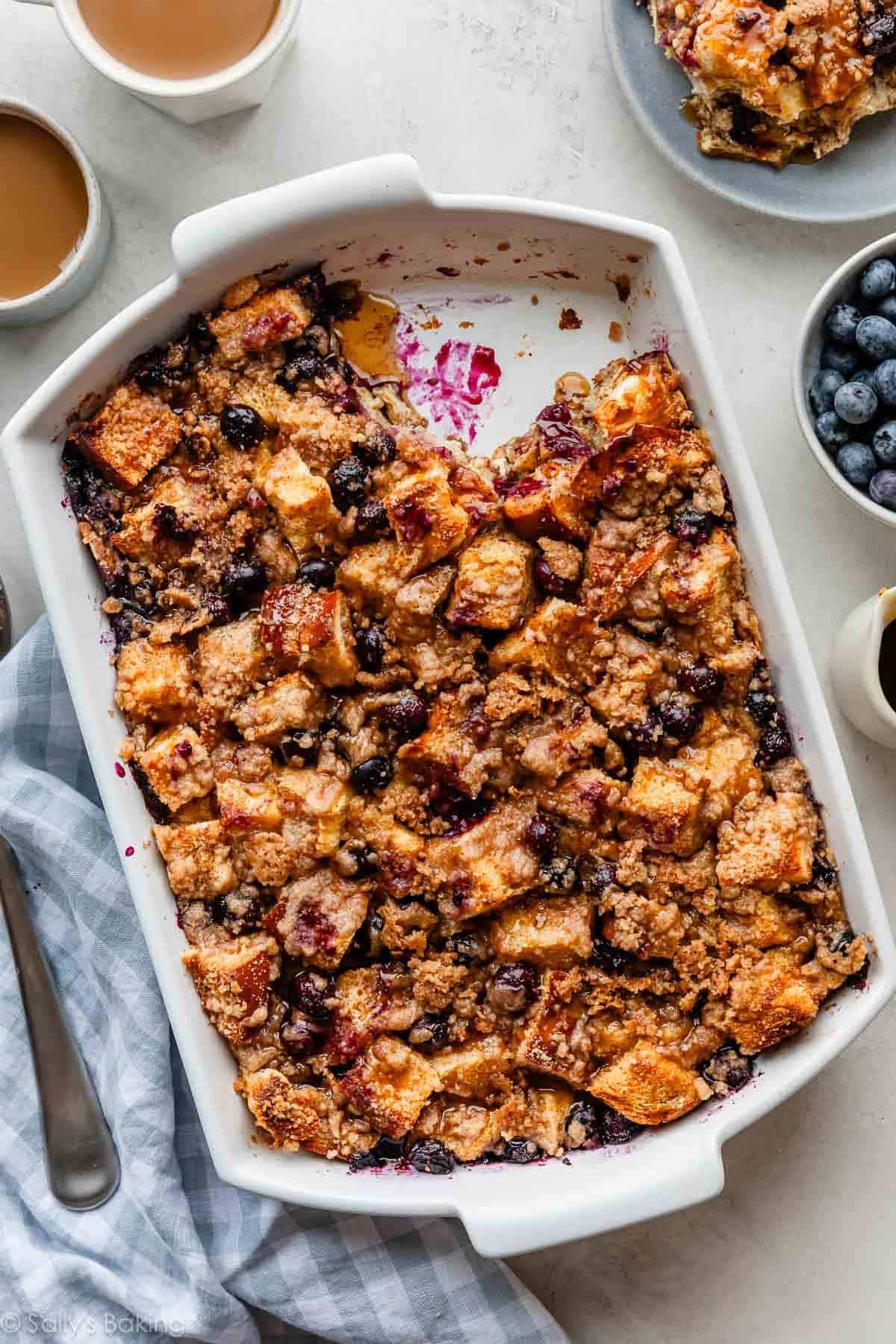
Kid-friendly favorites are also a crucial consideration for family-focused celebrations. Dishes like Homemade Monkey Bread (aka Cinnamon Roll Bites), with its pull-apart fun, and Blueberry French Toast Casserole, featuring custard-soaked bread and juicy berries, appeal to younger palates while still delighting adults.
Economic Impact and Consumer Behavior
The Easter holiday significantly impacts the food and retail sectors. Consumer spending on groceries, particularly for holiday meals, sees a substantial increase. According to recent retail analytics, grocery sales typically surge by 15-20% in the week leading up to Easter, with specific spikes in ingredients like eggs, ham, flour, and fresh produce. The National Retail Federation reported that Easter food spending in the U.S. often exceeds several billion dollars annually, underscoring the economic footprint of this holiday meal.
"Easter brunch is a major driver for spring produce and bakery sales," states Maria Rodriguez, a food industry analyst. "Consumers are looking for both traditional items and fresh, seasonal ingredients. There’s also a noticeable trend towards premiumization, with more families opting for higher-quality meats, artisanal cheeses, and specialty ingredients to make their holiday meal extra special." Restaurants also experience a boom, with many establishments offering special Easter brunch menus, often requiring reservations weeks in advance, indicating a preference among some consumers for dining out rather than hosting at home.
Expert Insights and Future Outlook
Culinary experts and trend forecasters observe a dynamic evolution in Easter brunch. While traditional dishes maintain their stronghold, there’s an increasing appetite for global influences and innovative preparations. Chefs are experimenting with new flavor profiles, incorporating elements from Mediterranean, Asian, or Latin American cuisines into classic brunch formats. For instance, a traditional quiche might feature chorizo and smoked paprika, or hot cross buns could be infused with unexpected spices.
Sustainability and ethical sourcing are also growing concerns influencing menu choices. Consumers are increasingly seeking locally sourced ingredients, free-range eggs, and humanely raised meats. This trend is pushing producers and retailers to offer more transparent sourcing information and sustainable options.

Social media platforms play a significant role in shaping contemporary Easter brunch. Visual platforms like Instagram and Pinterest inspire hosts with elaborate table settings, creative plating ideas, and innovative recipes. The aesthetic appeal of the meal is becoming as important as its taste, driving trends in food styling and presentation. "The ‘shareability’ of a beautiful brunch spread on social media has definitely elevated expectations for presentation," observes chef and food stylist, David Chen. "It encourages home cooks to be more creative and adventurous in their holiday preparations."

Beyond the Brunch Table: Desserts and Leftovers
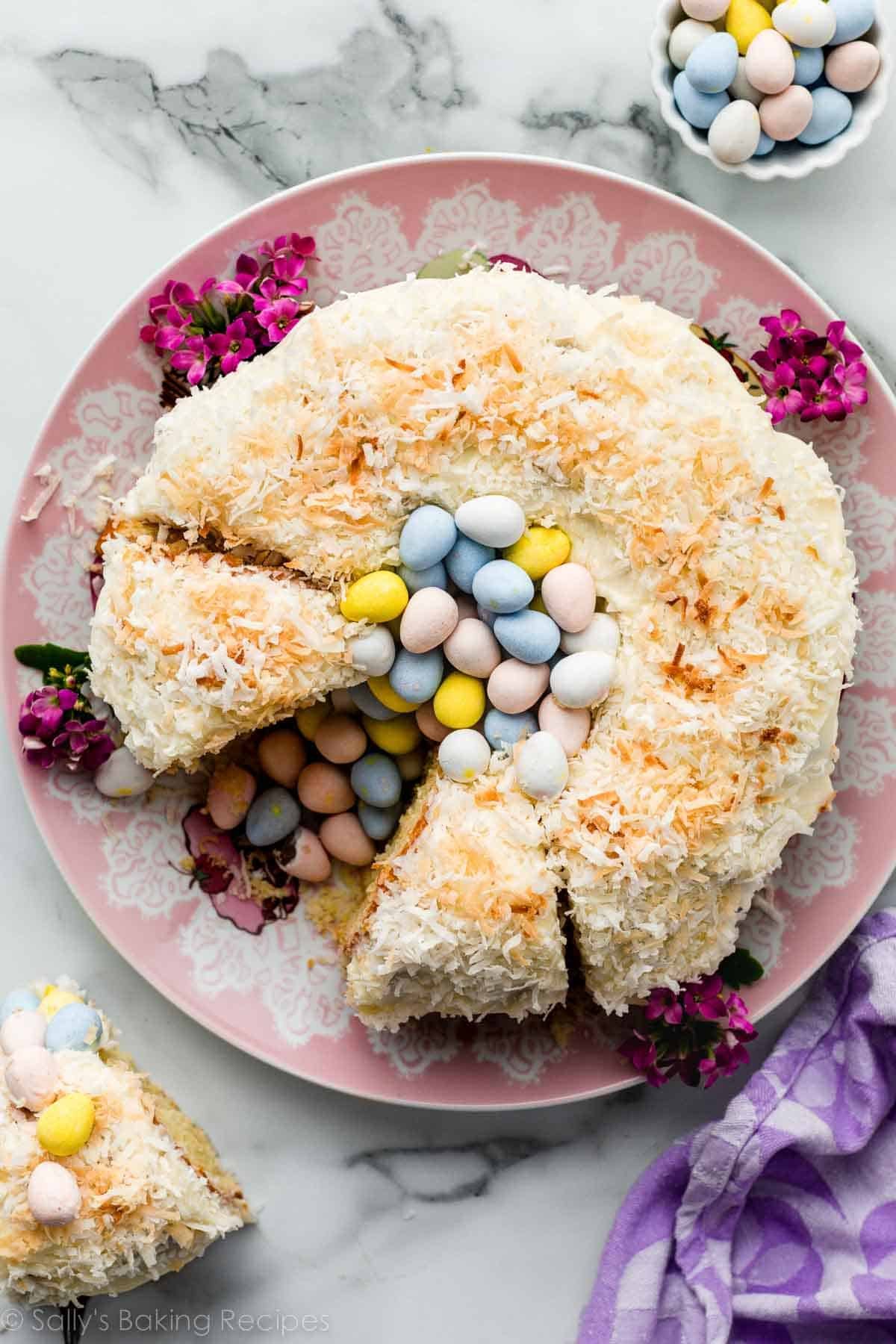
No Easter celebration is complete without a festive dessert. Beyond the brunch itself, the holiday provides an opportunity for indulgent and symbolic sweet endings. A Coconut Easter Cake, often decorated to resemble a nest with lemon cream cheese frosting and candy eggs, serves as a whimsical and delicious focal point. Other popular spring desserts include the tangy Lemon Meringue Pie and the ethereal Angel Food Cake, both offering light, refreshing conclusions to a substantial meal.
The strategic planning of Easter brunch also extends to maximizing leftovers. Leftover glazed ham, for example, is highly versatile, forming the base for sandwiches, quesadillas, or additions to further casseroles or soups in the days following the holiday. Similarly, any remaining sweet rolls or muffins can be repurposed for quick breakfasts or snacks. This emphasis on utilizing every part of the meal speaks to a broader value of efficiency and minimizing food waste, particularly relevant in today’s conscious culinary landscape.

In conclusion, Easter brunch stands as a vibrant testament to the enduring power of food in marking cultural and familial celebrations. It is a meal that skillfully marries tradition with modern tastes, offering a diverse array of sweet and savory dishes, while adapting to contemporary dietary needs and logistical demands. As culinary trends continue to evolve, the Easter brunch will undoubtedly remain a cherished fixture, perpetually reinventing itself while holding fast to its core values of togetherness, renewal, and bountiful feasting.
