

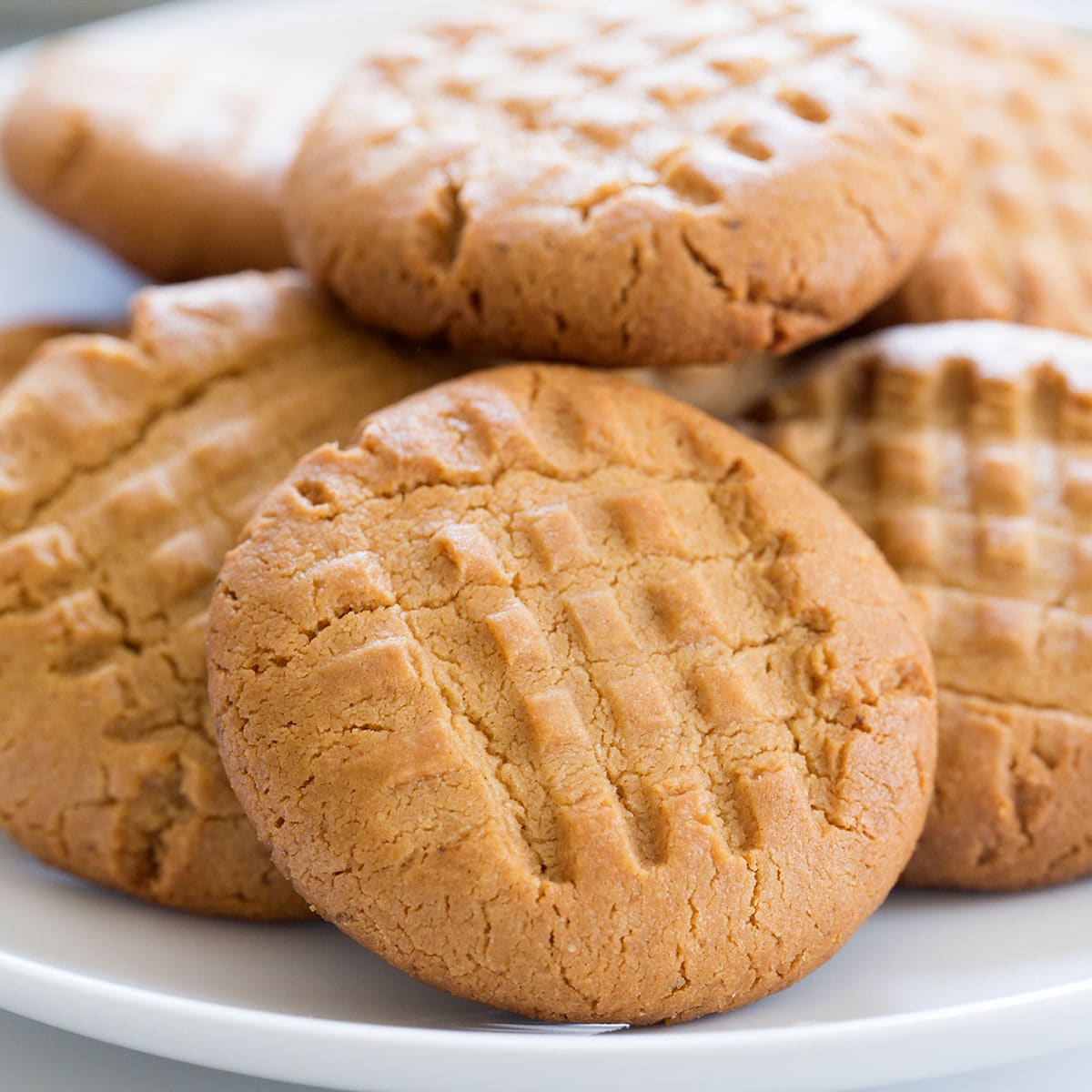
This easy gluten-free peanut butter cookies recipe, made crispy and crunchy and in the classic crosshatch style, is rich with tons of peanut butter flavor. For peanut butter lovers only!
A beloved classic, the peanut butter cookie, has been meticulously recreated for those adhering to a gluten-free diet, offering an uncompromised taste and texture. This recipe emphasizes a rich, deeply satisfying peanut butter flavor, ensuring that every bite delivers the expected crunch and crispness. The hallmark crosshatch pattern, a familiar visual cue for this cookie, is not merely aesthetic but historically functional, aiding in even baking throughout the dense dough. For aficionados of peanut butter, this rendition promises to be a definitive addition to their baking repertoire.
The Science Behind the Perfect Gluten-Free Peanut Butter Cookie
The success of this gluten-free peanut butter cookie recipe lies in its precise formulation, which prioritizes the intense flavor and desirable texture that peanut butter cookie enthusiasts crave. Each batch of approximately 24 cookies boasts a remarkable ratio: nearly a full pound of smooth peanut butter to a significantly lesser amount of flour, with peanut butter comprising over 80% more volume than the flour. This high peanut butter content is the cornerstone of its rich flavor profile and contributes directly to the cookie’s signature crispness.
The traditional crosshatch pattern, a seemingly simple design pressed into the top of the cookie, serves a crucial culinary purpose. Originating from a time before precise temperature controls and convection ovens, this indentation was designed to allow heat to penetrate the cookie’s center more effectively, ensuring uniform baking. Without this, the thicker dough might result in an undercooked interior and an overly browned exterior. To further enhance structural integrity and prevent splintering along the edges, a preparatory step of pressing the dough balls into disks before imprinting the crosshatch is recommended. This ensures a consistent, round shape that holds its form throughout the baking process.

Essential Ingredients for Unparalleled Flavor and Texture
Crafting these exceptional gluten-free peanut butter cookies requires a careful selection of ingredients, each playing a vital role in achieving the desired outcome.
- Peanut Butter: The star ingredient, providing the dominant flavor and contributing to the cookie’s rich, slightly oily texture which, when baked correctly, translates to crispness. It is crucial to use a "no-stir" variety of peanut butter, as natural peanut butter with separated oil can lead to a greasy and crumbly dough that does not bake as intended. The stabilized fats in no-stir varieties are essential for the cookie’s structure.
- Butter: Unsalted butter is typically used to provide richness and contribute to the cookie’s crisp texture. When melted with the peanut butter, it aids in creating a smooth dough base.
- Gluten-Free Flour Blend: A high-quality gluten-free all-purpose flour blend is essential. The article specifically recommends blends that contain xanthan gum, such as Better Batter’s Original blend or Nicole’s Best multipurpose flour. If using a blend like Bob’s Red Mill 1-to-1, an additional ¼ teaspoon of xanthan gum might be beneficial, as these blends can sometimes be lower in gum content. Xanthan gum is critical in gluten-free baking to mimic the binding and structural properties of gluten.
- Sugars (Granulated and Brown): Granulated sugar contributes to crispness and sweetness, while brown sugar adds moisture, chewiness (though this recipe aims for crispness), and a deeper flavor profile due to its molasses content. Breaking up clumps of brown sugar is key to ensuring even distribution.
- Eggs: Eggs act as binders, provide moisture, and contribute to the overall structure of the cookie. For this recipe, the eggs are beaten and added to the softened dough to create a smoother consistency.
- Vanilla Extract: Enhances the overall flavor profile and complements the nutty notes of the peanut butter.
- Baking Soda: A leavening agent that helps the cookies spread and brown, contributing to their crisp texture.
- Salt: Balances the sweetness and enhances the flavors of the other ingredients, particularly the peanut butter.
A Step-by-Step Guide to Crafting Perfect Peanut Butter Cookies
The creation of these gluten-free peanut butter cookies involves a straightforward process, designed for both novice and experienced bakers. Each step is meticulously detailed to ensure optimal results.

Step 1: Preparing the Peanut Butter and Butter Base
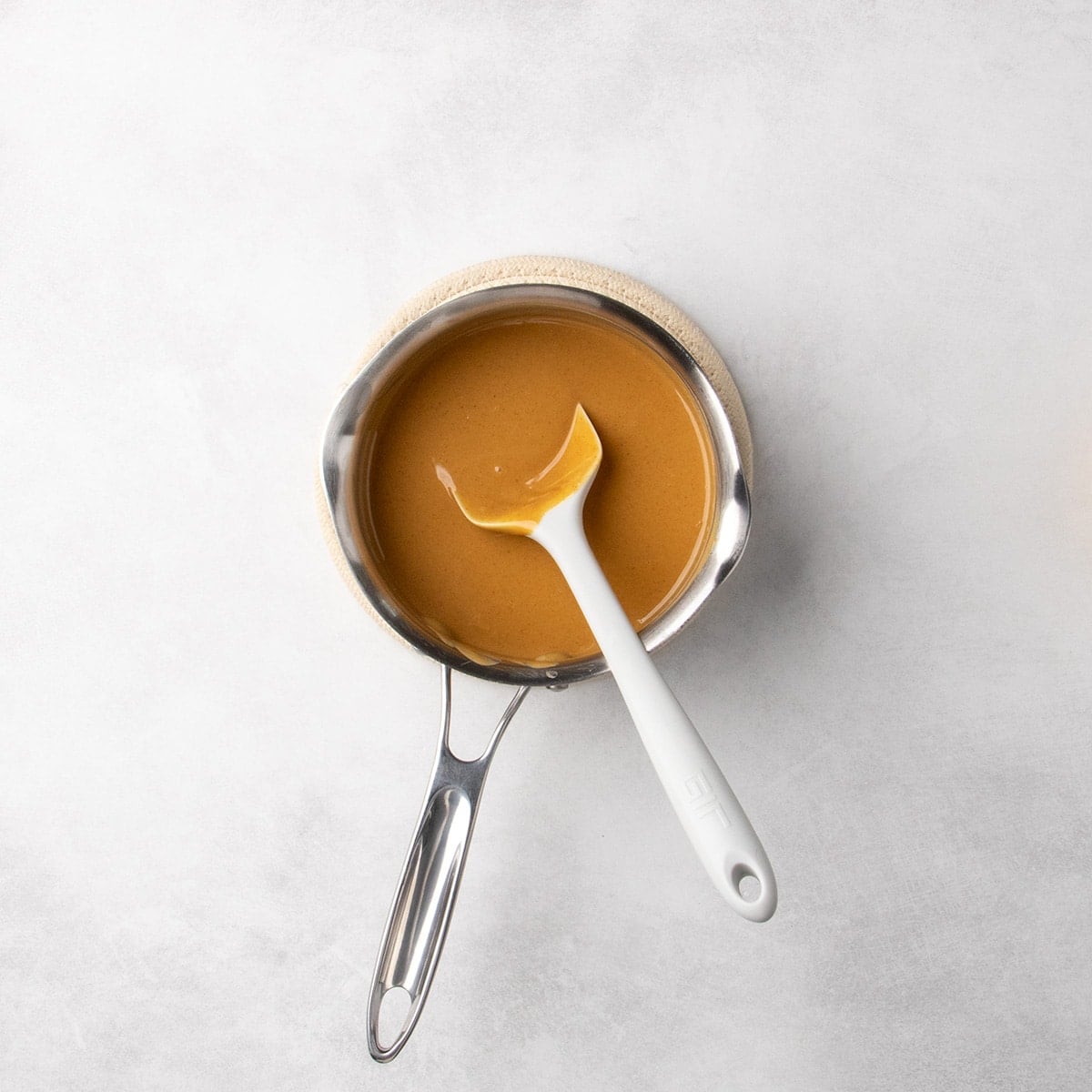
The initial step involves melting the butter and peanut butter together. This is typically done in a small saucepan over low heat until a smooth, homogenous mixture is achieved. This process not only ensures that the fats are well incorporated but also contributes to the final cookie’s crispness. It is imperative to allow this mixture to cool slightly before proceeding. Adding hot fat to eggs would cause them to scramble, compromising the dough’s texture.
Step 2: Combining the Dry Ingredients
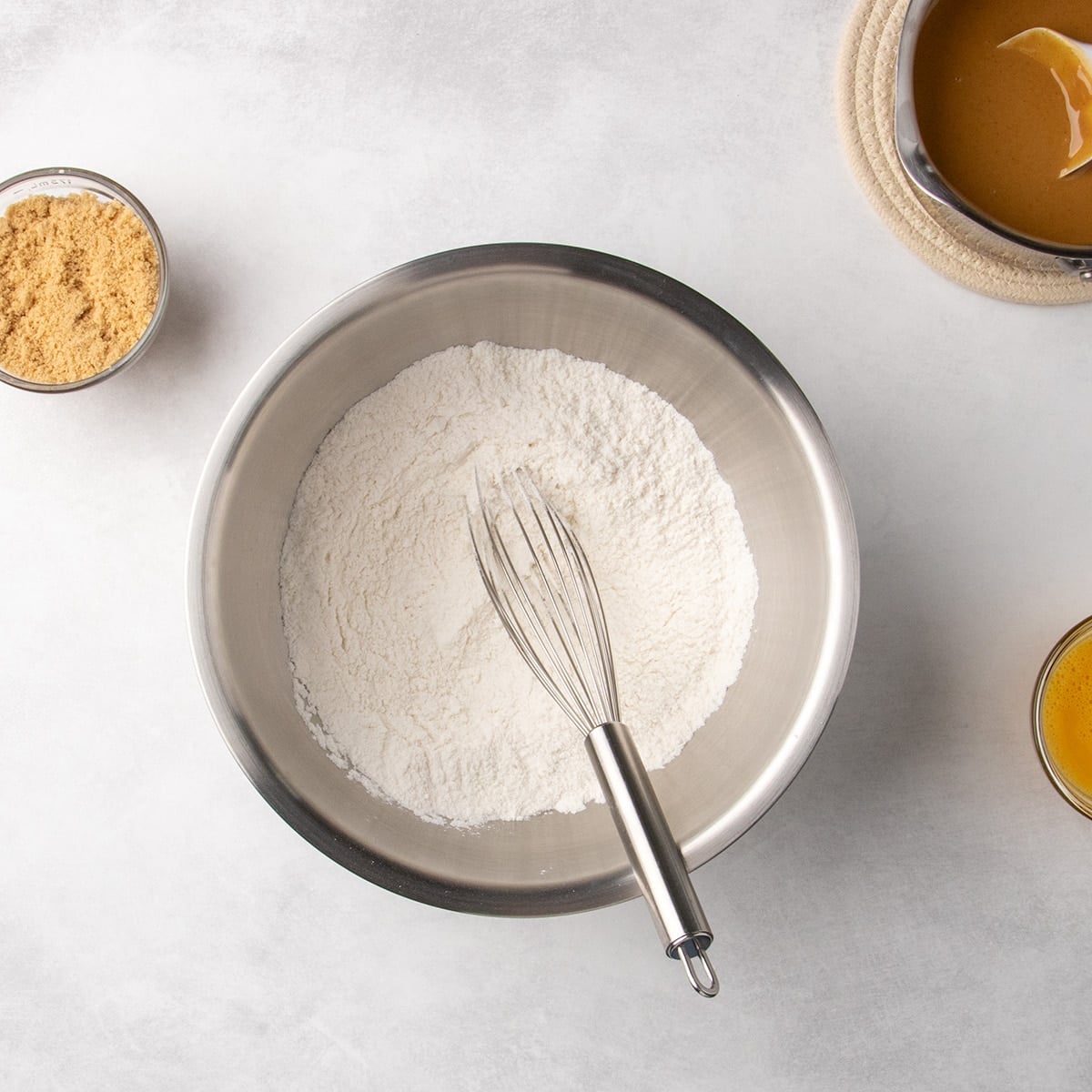
In a large mixing bowl, the dry ingredients are carefully combined. This includes the gluten-free flour blend, baking soda, salt, and granulated sugar. Whisking these components together ensures an even distribution of leavening agents and salt, which is crucial for consistent baking. Following this, the brown sugar is incorporated. It is important to break up any clumps of brown sugar, often by pressing them against the side of the bowl with the back of a spoon, to prevent pockets of unmixed sugar in the final cookie.

Step 3: Integrating the Peanut Butter Mixture
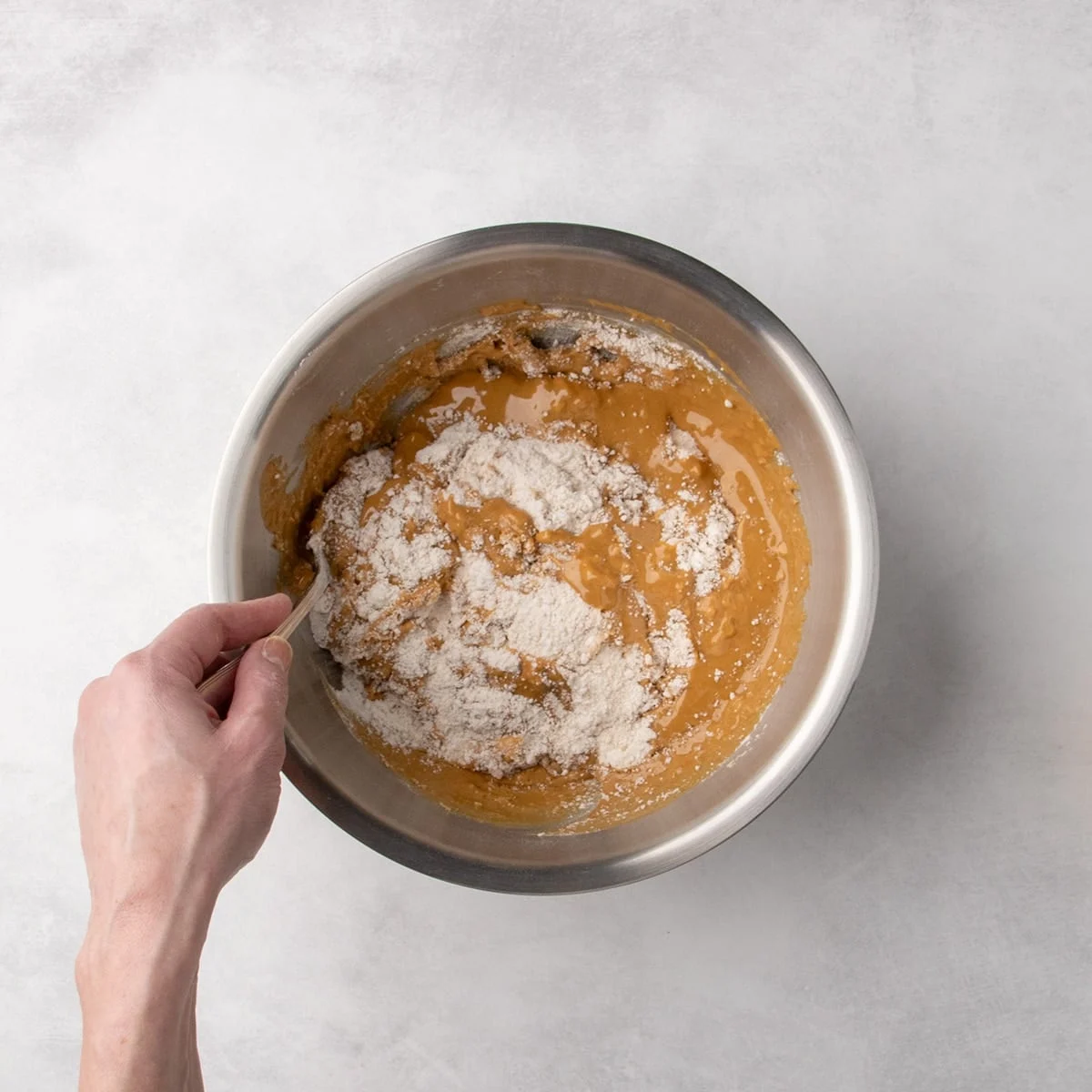
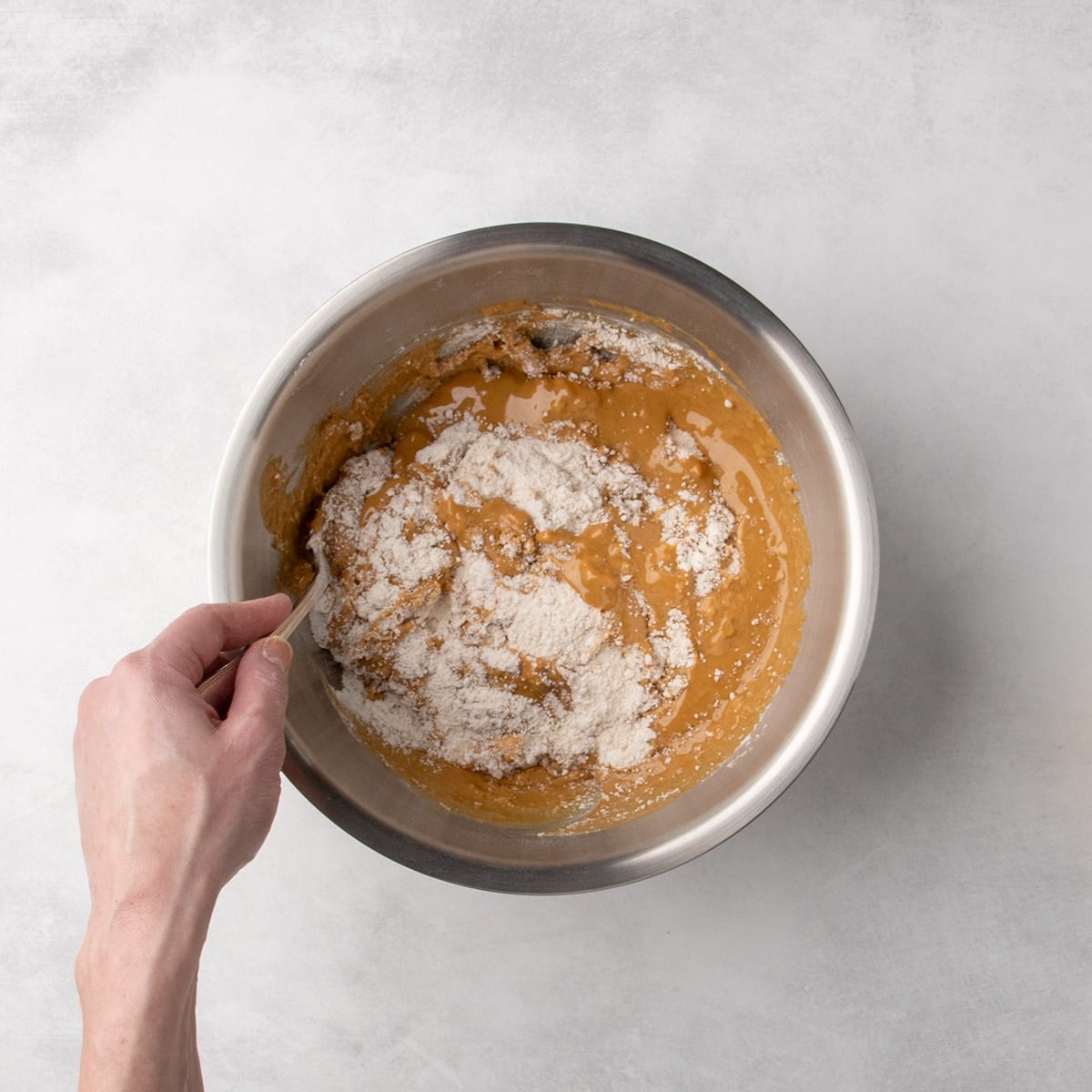
A well is created in the center of the dry ingredients. The slightly cooled peanut butter and butter mixture is then poured into this well. At this stage, the dough will be quite thick and may appear somewhat lumpy, which is characteristic of this type of cookie dough.
Step 4: Bringing the Dough Together
Using a sturdy spoon or spatula, the wet and dry ingredients are mixed until just combined. The dough will be notably thick.
Step 5: Incorporating Eggs and Vanilla
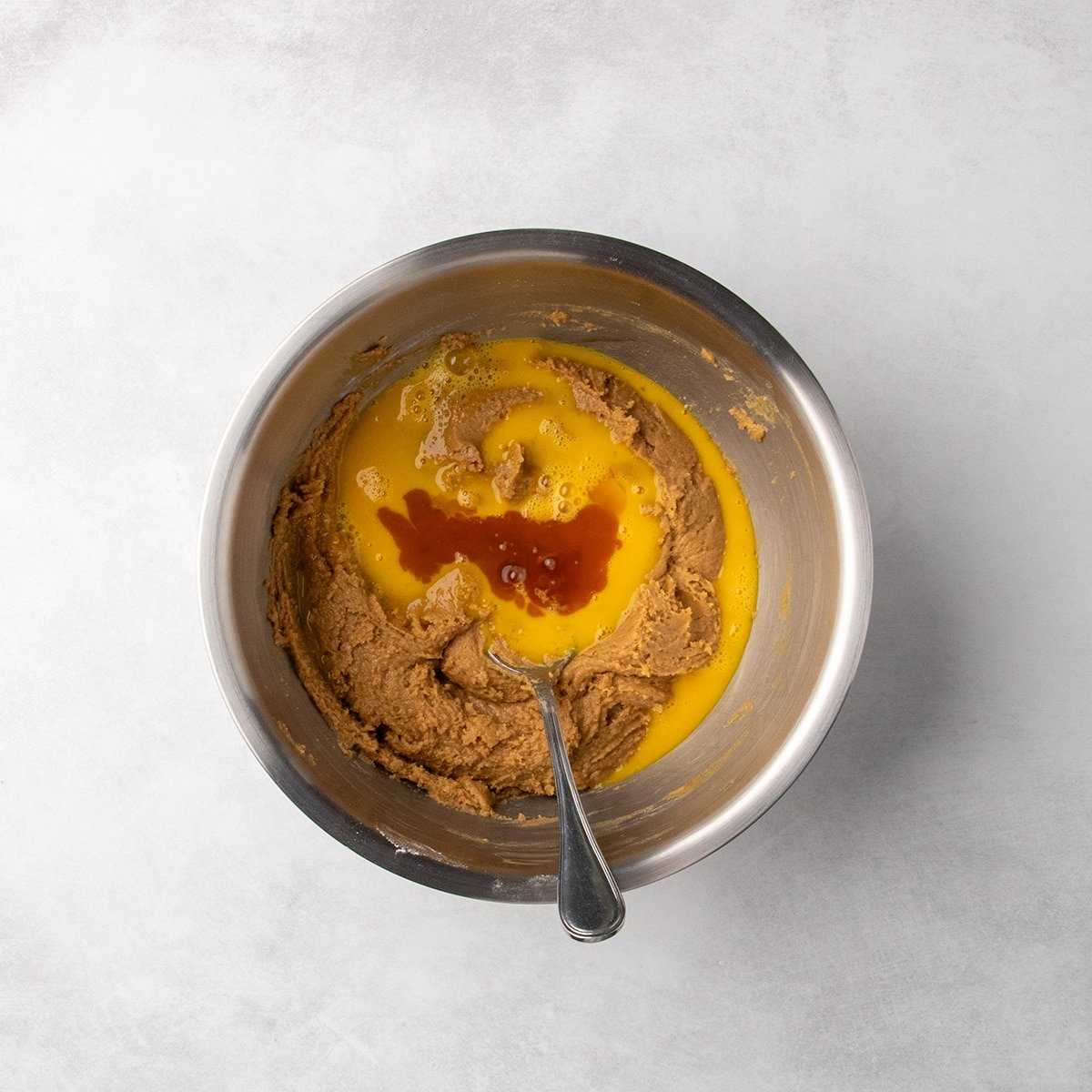
The beaten eggs and vanilla extract are added to the dough. These wet ingredients help to emulsify the mixture, smoothing out the dough and bringing it to a more cohesive, albeit still thick and sticky, consistency. It is important that the dough is not oily; if it feels greasy, a brief chilling period of about 10 minutes can help the flour absorb excess fat without making the dough too stiff.
Step 6: Shaping the Cookie Dough
Dough portions, approximately two tablespoons in size (about one ounce), are rolled into balls between the palms of your hands. To achieve the classic round shape and prevent cracking, it’s recommended to gently cup the dough ball in one hand and use the fingers of the other to press it into a flat disk. This method helps maintain the cookie’s integrity. The dough does not spread significantly during baking, so this shaping step is critical in defining the final cookie’s appearance.
Step 7: Creating the Iconic Crosshatch Pattern
For the signature crosshatch, the tines of a small fork are lightly dampened. Dipping the fork in sugar before pressing it into the dough ball adds a subtle sparkle and aids in the imprint. The fork is pressed firmly into the center of each disk, creating one set of parallel lines. The fork is then rotated 90 degrees and pressed again, creating the characteristic crisscross pattern. This not only provides an iconic aesthetic but also aids in even baking.
Step 8: Baking to Golden Perfection
The shaped cookies are arranged on a parchment-lined baking sheet, spaced adequately apart to allow for slight expansion. They are baked at 350°F (175°C) for approximately 15 minutes, or until they achieve a pale golden hue all over. To prevent the bottoms from browning too quickly before the tops are done, reducing the oven temperature to around 325°F (160°C) for the final few minutes of baking is a useful technique. The cookies will continue to crisp as they cool, so judging doneness by color rather than texture is essential.

Expert Insights for Superior Baking
To ensure the most successful outcome, several expert tips can elevate your gluten-free peanut butter cookie baking experience.
Avoiding "Natural" Peanut Butter
The distinction between "natural" and "no-stir" peanut butter is paramount for this recipe. Truly natural peanut butter, composed solely of peanuts and salt, often requires stirring due to oil separation. This separated oil can render the cookie dough excessively greasy and crumbly, leading to poor baking results. No-stir peanut butter, typically blended with stabilizers like shortening, maintains a creamy, consistent texture that is crucial for the dough’s structure and bake.

The Art of Dough Shaping
The high fat content, primarily from the substantial amount of peanut butter, makes the dough susceptible to cracking during shaping and baking. A gentle approach is key. Cupping the dough ball in one hand and using the fingers of the other to press it into a disk helps maintain its roundness and minimizes the risk of the edges splintering. This careful shaping ensures that the cookies maintain their desired form.
Dairy-Free and Egg-Free Adaptations
For individuals with specific dietary restrictions, successful substitutions are available.
- Dairy-Free: Block-style vegan butters, such as Miyoko’s, Melt, or Trader Joe’s brand, can effectively replace traditional butter.
- Egg-Free: Options for egg replacement include using two "chia eggs" (chia seeds mixed with water), a commercial egg replacer like Bob’s Red Mill, or a liquid egg substitute such as JustEgg. While flax eggs can also be used, they may impart an earthy flavor that competes with the peanut butter.
- Peanut Butter-Free: For those avoiding peanuts, a creamy, no-stir almond butter, such as Barney Butter, is a viable alternative that yields excellent results.
Storage and Longevity
Proper storage is vital for maintaining the crisp texture of these peanut butter cookies.
- Room Temperature: Stored in an airtight glass container, these cookies can retain their crispness for at least five days. Glass is preferred for its non-porous nature, which prevents moisture from entering and softening the cookies.
- Freezing: For extended storage, place the cookies in a freezer-safe container, ensuring minimal air exposure to prevent freezer burn. They can be frozen for up to three months and should be defrosted at room temperature.
- Freezing Dough: Unbaked cookie dough can also be frozen, provided it is shaped into individual cookies before freezing. Defrost the dough at room temperature before baking as usual.
Frequently Asked Questions
Addressing common queries can further assist bakers in achieving optimal results.
Why Aren’t My Cookies Crunchy?
A lack of crunch often indicates that the cookies were underbaked. Ensure they are baked until golden brown all around, paying close attention to the edges.
How Do These Differ from Flourless Peanut Butter Cookies?
This recipe utilizes gluten-free flour, providing a classic cookie texture. Flourless peanut butter cookies, by contrast, omit all flour, resulting in a chewier interior and a crisper exterior, a distinct textural experience from the uniformly crispy nature of this recipe.

Why is My Cookie Dough Oily?
An oily dough typically results from adding the melted peanut butter and butter mixture before it has cooled sufficiently. This can cause the eggs to cook prematurely. Allowing the mixture to cool and chilling the dough briefly can help the flour absorb excess fat.
Why is My Cookie Dough Crumbly?
Over-chilling the dough can lead to a crumbly texture. If the dough becomes too firm, allowing it to warm slightly at room temperature should restore its shapeability.

These gluten-free peanut butter cookies represent a triumph in adapting a beloved classic to meet dietary needs without sacrificing flavor or texture. Their crisp, crunchy character and intense peanut butter essence make them a universally appealing treat.
