

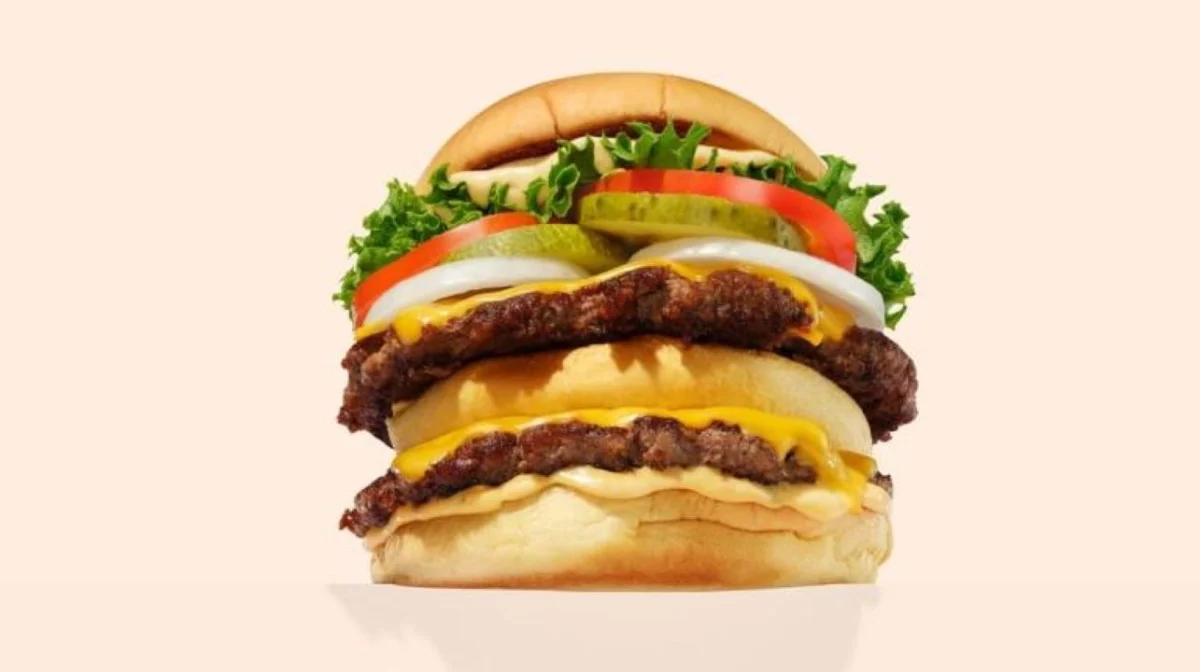
The landscape of the fast-food industry, particularly for burger-centric concepts, is currently being reshaped by a significant and persistent increase in beef costs. This inflationary pressure, a recurring theme over the past several quarters, has seen beef prices surge by over 15% year-over-year, presenting a considerable challenge for operators whose core menu items rely heavily on this commodity. This surge directly impacts the profitability of burger and steak-focused restaurants, forcing them to adopt strategic pricing and operational adjustments to maintain customer traffic and market share.
The Economic Squeeze on Burger Menus
New data from Datassential’s Burger Price Index paints a stark picture of this economic reality. Since January 2023, the average price of a burger on menus has risen by approximately 14%. This figure, while significant, is slightly higher than the overall federal food-away-from-home inflation rate of 13% during the same period. However, the underlying cost of beef production has experienced a far more dramatic escalation, jumping by roughly 32% in the same timeframe. This disparity highlights a deliberate strategy by restaurant operators. Despite the substantial increase in their input costs, many are absorbing a portion of the hike, opting to keep burger prices relatively competitive. This approach is driven by the enduring perception of burgers as a high-value item and their critical role as traffic drivers for many establishments.
The trend in burger price increases has shown some moderation in 2025 after a period of more pronounced hikes throughout 2024. Limited-service restaurants, often characterized by higher volume and tighter margins, have historically been more aggressive in passing on costs. Their burger prices have climbed approximately 16% since 2023. In contrast, full-service restaurants have seen a more modest 12% increase in the same period. However, by the close of 2025, the year-over-year price growth across both segments had converged to around 2.5%. This convergence suggests a strategic effort by operators to protect the perceived value of burgers, even as they grapple with considerable volatility in their underlying food costs. This careful balancing act is crucial for maintaining customer loyalty and ensuring consistent sales volumes.
Burgers Take Center Stage in Value-Driven Market
In the current economic climate, characterized by heightened consumer sensitivity to price, burgers have undeniably become a focal point for value propositions. Brands are leveraging their signature burger offerings to attract and retain customers. Red Robin, for instance, experienced such significant success with its $9.99 Big Yummm Burger Deal that it expanded the offering into an entire Big Yummm menu, providing customers with a broader selection of entrée choices at an accessible price point.
Similarly, McDonald’s has strategically centered its Extra Value Meals around its iconic Big Mac and Quarter Pounder. This approach has been instrumental in recapturing the attention of lower-income consumers who are actively seeking affordable meal solutions. The enduring popularity of these classic burgers, bundled into value-oriented meals, reinforces McDonald’s position as a go-to destination for budget-conscious diners.
Chili’s has also attributed a substantial portion of its recent success to its effective messaging around the affordability of its Big Smasher burger. By emphasizing the value proposition of this core menu item, the casual dining chain has resonated with consumers looking for satisfying meals without breaking the bank.
Brands Innovate and Reiterate Burger Prowess
The strategic importance of burgers extends across a wide spectrum of the industry, prompting both innovation and a renewed focus on core offerings. Applebee’s, a direct competitor to Chili’s in the casual dining space, has seen remarkable sales figures from the back-to-back introduction of its Grilled Cheese Cheeseburger and O-M-Cheeseburger. These offerings were part of the restaurant’s popular "2 for $25" deal, a promotion that has consistently delivered strong results by bundling an entrée, appetizer, and dessert at an attractive price.
Wendy’s has also made a deliberate return to promoting its "Biggie Platform," which includes popular items like the Junior Cheeseburger and Junior Bacon Cheeseburger. This strategic shift comes after a period of hiatus in its advertising focus on these value-oriented options in 2025. The brand is also reinvesting in burger innovation, evidenced by the recent launch of its Cheesy Bacon Cheeseburger, signaling a commitment to both established favorites and new flavor profiles.
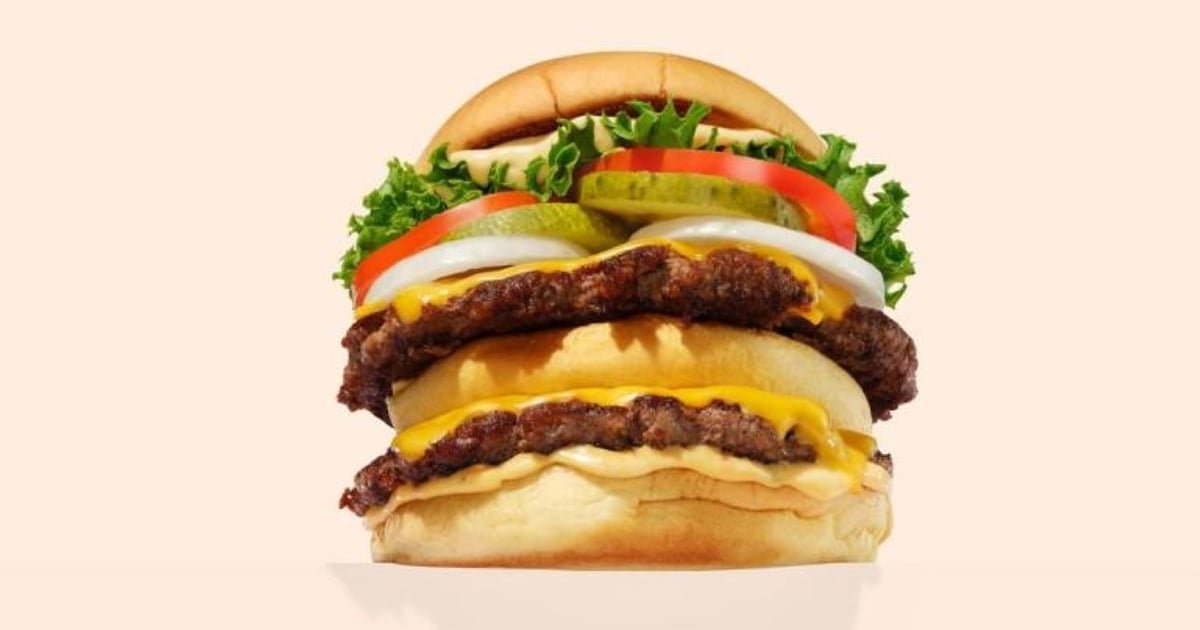
Even as Burger King faces significant inflationary headwinds, including a reported 20% increase in beef costs during its most recent fourth quarter, the brand is doubling down on its burger offerings. This strategic pivot is particularly noteworthy given the prevailing industry trend towards chicken-centric menu items. Burger King’s renewed emphasis on burgers is manifesting in a series of "Whopper by You" introductions, allowing customers to customize their iconic Whopper, and a broader commitment to burger innovation throughout the year. This proactive approach underscores the belief that burgers remain a critical driver of customer engagement and sales, even in challenging economic times.
Navigating Margin Pressures: A Strategic Imperative
The decision to spotlight burgers amidst a historically high beef cost environment undeniably creates significant margin pressures for these restaurant chains. However, this strategy reflects a temporary prioritization of driving customer traffic and capturing market share. As Jim Emling, chief executive officer of Datassential, stated, "Operators can’t simply pass every cost increase directly to the consumer. The data shows just how carefully restaurants are managing pricing on high-visibility items like burgers while balancing costs across the rest of the menu." This indicates a sophisticated approach to pricing, where some menu items may absorb higher costs to support the perceived value of others, particularly those that are strong traffic generators.
The challenge of balancing cost increases with consumer expectations is far from simple. For example, Burger King’s franchisee profitability experienced a notable decline, falling to an estimated $185,000 in 2025 from approximately $205,000 in 2024. Sami Siddiqui, chief financial officer of parent company Restaurant Brands International (RBI), acknowledged these pressures to analysts in February. He expressed optimism that beef price pressures are cyclical and anticipates a normalization in the second half of the current year. In the interim, RBI is focused on driving strong topline results to offset inflationary impacts.
Siddiqui further elaborated on RBI’s strategy, stating, "We continue to work closely with our franchisees to drive improvements in areas that are under our control." He emphasized that being part of a multi-brand conglomerate like RBI, which also owns Popeyes, Tim Hortons, and Firehouse Subs, provides a degree of insulation during inflationary periods. "We’re able to share best practices between all of our partners around the world and ultimately drive franchisee profitability," he added. "There’s a variety of things that we’re working on from our global procurement scale to thinking about digital contracts to thinking about operational efficiencies. We like to share those best practices across our brands." This collaborative approach and leveraging of scale are critical in mitigating the impact of commodity price volatility.
Operational Efficiencies and Supply Chain Resilience
Other major players in the burger segment are also implementing comprehensive strategies to combat margin erosion. Jack in the Box, for instance, is actively pursuing profitability improvements. CEO Lance Tucker highlighted initiatives such as "team restructuring," the implementation of new soft drink dispensers to enhance efficiency, and a "full-court press" on digital programs, including loyalty initiatives. These efforts are designed to streamline operations and reduce costs across various facets of the business.
Shake Shack is similarly adopting a proactive and multi-faceted approach. CEO Rob Lynch indicated during the company’s fourth-quarter earnings call that the brand is approaching current pressures with a "long-term mindset." This involves a sharpened focus on supply chain initiatives, including diversification of suppliers and the strengthening of its logistics network. "We conducted the most comprehensive RFPs (request for proposals) in our history across key categories and onboarded additional suppliers to foster competition, reduce business risk, and augment quality," Lynch stated. "At the same time, we have made significant improvements in our freight and distribution network, reducing the time and distance required to transport goods as our footprint expands."
These strategic adjustments have enabled Shake Shack to mitigate inflationary impacts without resorting to "outsized price increases." Lynch expressed confidence that the operational and supply chain enhancements undertaken by the team will yield significantly improved profitability once beef prices return to normalized levels. This forward-looking perspective underscores the commitment to building a more resilient and efficient business model capable of weathering commodity price fluctuations.
The persistent rise in beef costs presents a significant, ongoing challenge for the restaurant industry, particularly for burger-focused chains. While margin pressures are undeniable, the industry’s response demonstrates a strategic evolution, prioritizing customer traffic and value perception through careful menu pricing and robust operational and supply chain management. The ability of these companies to adapt and innovate in the face of these economic headwinds will be critical in determining their long-term success and their ability to maintain their prominent position in the competitive fast-food market.
