

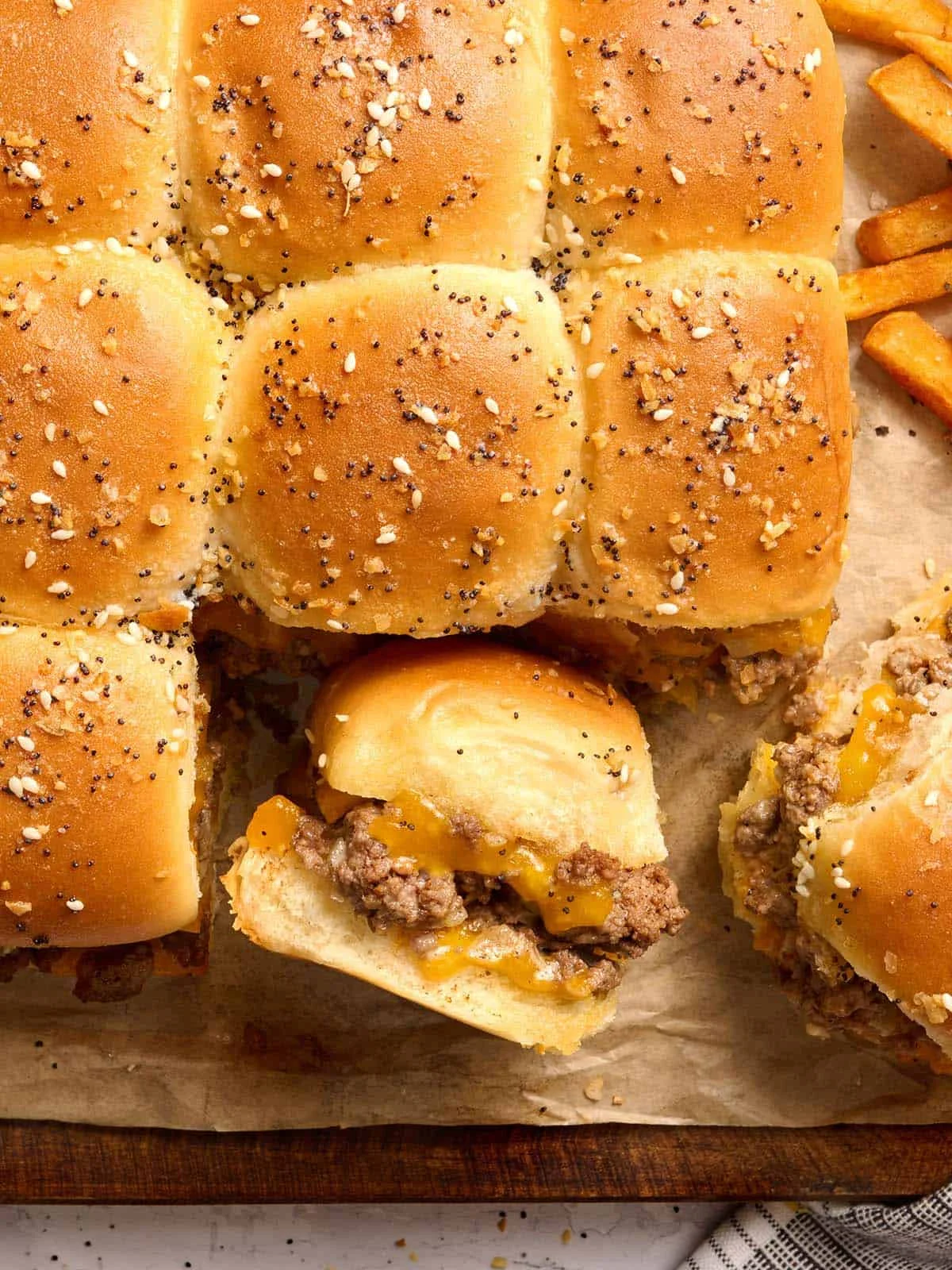
The landscape of American home cooking is undergoing a significant shift as consumers increasingly seek a balance between gourmet flavor profiles and the economic realities of rising grocery costs. Central to this movement is the emergence of the "tear-apart" slider, a culinary innovation that reimagines the traditional individual hamburger patty into a communal, high-efficiency dish. Developed and refined in professional test kitchens, such as the Nashville-based facility at Budget Bytes, this methodology emphasizes speed, cost-effectiveness, and the utilization of high-impact pantry staples to achieve restaurant-quality results at a fraction of the commercial price.
The Evolution of the Slider and the No-Patty Methodology
Historically, the term "slider" was popularized by the White Castle fast-food chain in the early 20th century, referring to small, steam-grilled patties served on square buns. Over the decades, the slider has evolved from a utilitarian fast-food item into a versatile appetizer and main course found in upscale gastropubs. However, the traditional method of forming and searing individual miniature patties remains labor-intensive and prone to uneven cooking when prepared in large batches.
The modern "deconstructed" approach solves these logistical challenges by sautéing ground beef in bulk, effectively creating a seasoned "loose meat" filling that is then layered across a slab of connected rolls. This technique, championed by recipe developers like Melissa Nolan, a graduate of Johnson and Wales University with experience at high-profile establishments such as Per Se, represents a fusion of professional kitchen efficiency and home-style accessibility. By removing the need for individual patty formation, the preparation time is reduced by approximately 40%, while ensuring a consistent distribution of flavor and moisture throughout the dish.

Technical Chronology of Preparation and Assembly
The production of high-quality sliders follows a specific technical sequence designed to maximize the Maillard reaction—the chemical reaction between amino acids and reducing sugars that gives browned food its distinctive flavor—while maintaining the structural integrity of the bread.
- Thermal Pre-conditioning: The process begins with preheating a conventional oven to 350°F (177°C). This temperature is critical; it is high enough to melt the fats and sugars in the topping without burning the delicate crumb of the Hawaiian rolls.
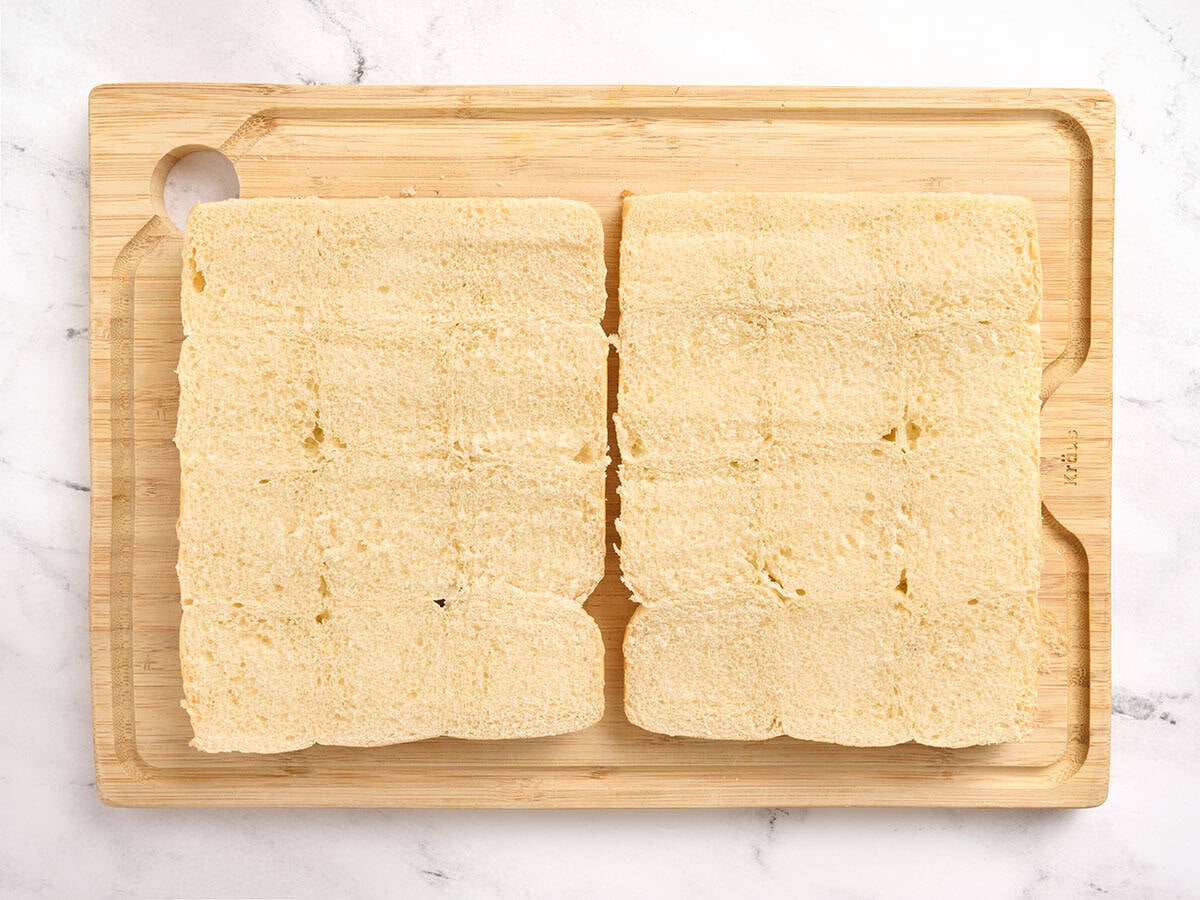
- Bread Substrate Preparation: The use of Hawaiian sweet rolls is a strategic choice. Their high sugar and egg content provide a soft, pillowy texture that contrasts with the savory beef. The rolls are sliced horizontally as a single unit, creating a large surface area for layering.
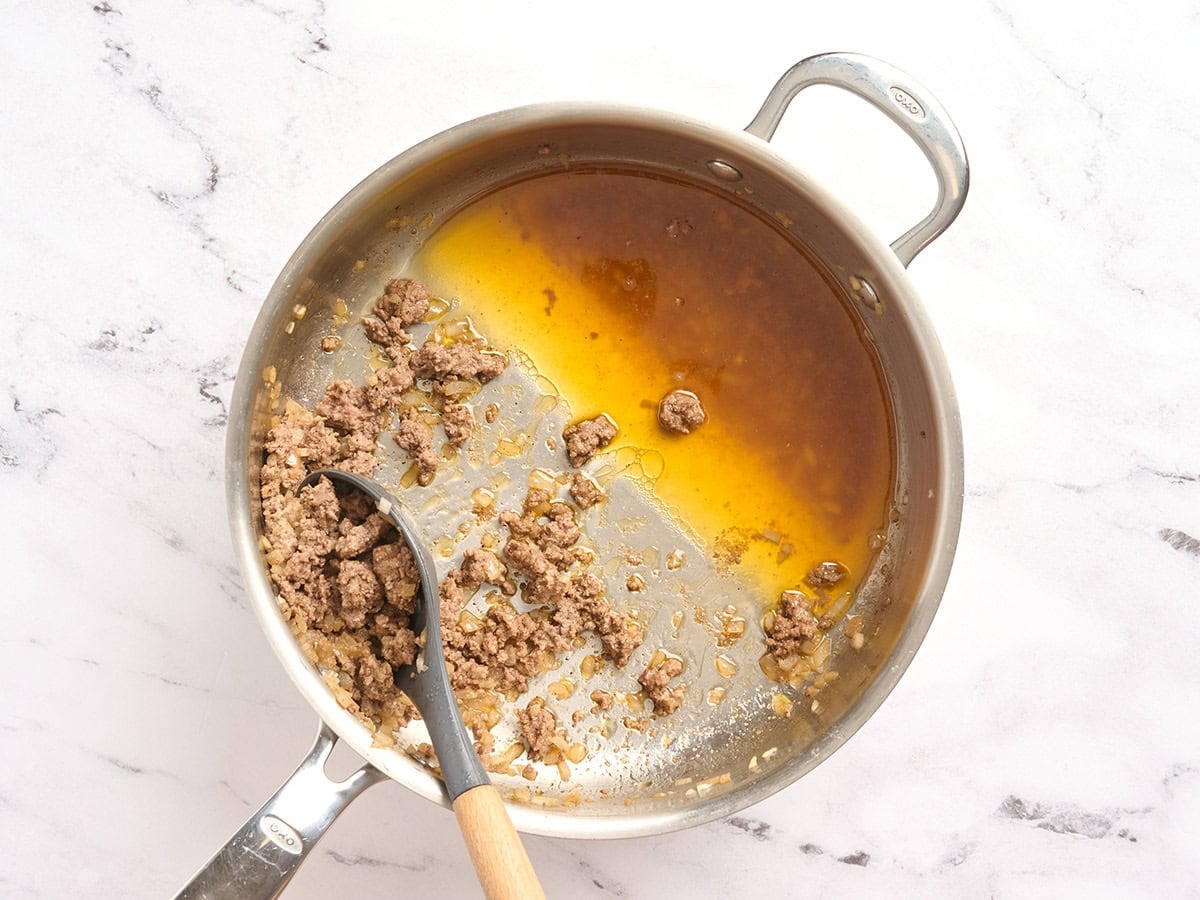
- Protein Sautéing and Flavor Infusion: One pound of ground beef is cooked in vegetable oil alongside minced onions. The inclusion of Worcestershire sauce, garlic powder, and paprika serves to deepen the umami profile. Professional testers emphasize the importance of draining excess grease at this stage to prevent the bottom bun from becoming saturated and structurally compromised.
- Moisture Retention Strategy: A notable innovation in this specific recipe is the addition of a "dollop of mayonnaise" to the cooked beef. In culinary science, this acts as an emulsifier, binding the loose meat and providing a rich mouthfeel that compensates for the moisture lost during the browning process.
- Structural Layering: To protect the bread, a base layer of cheddar cheese is applied to the bottom rolls. This creates a fat-soluble barrier that prevents the beef juices from soaking directly into the dough. The seasoned beef is then spread evenly, followed by a secondary layer of cheese to act as a "glue" for the top rolls.
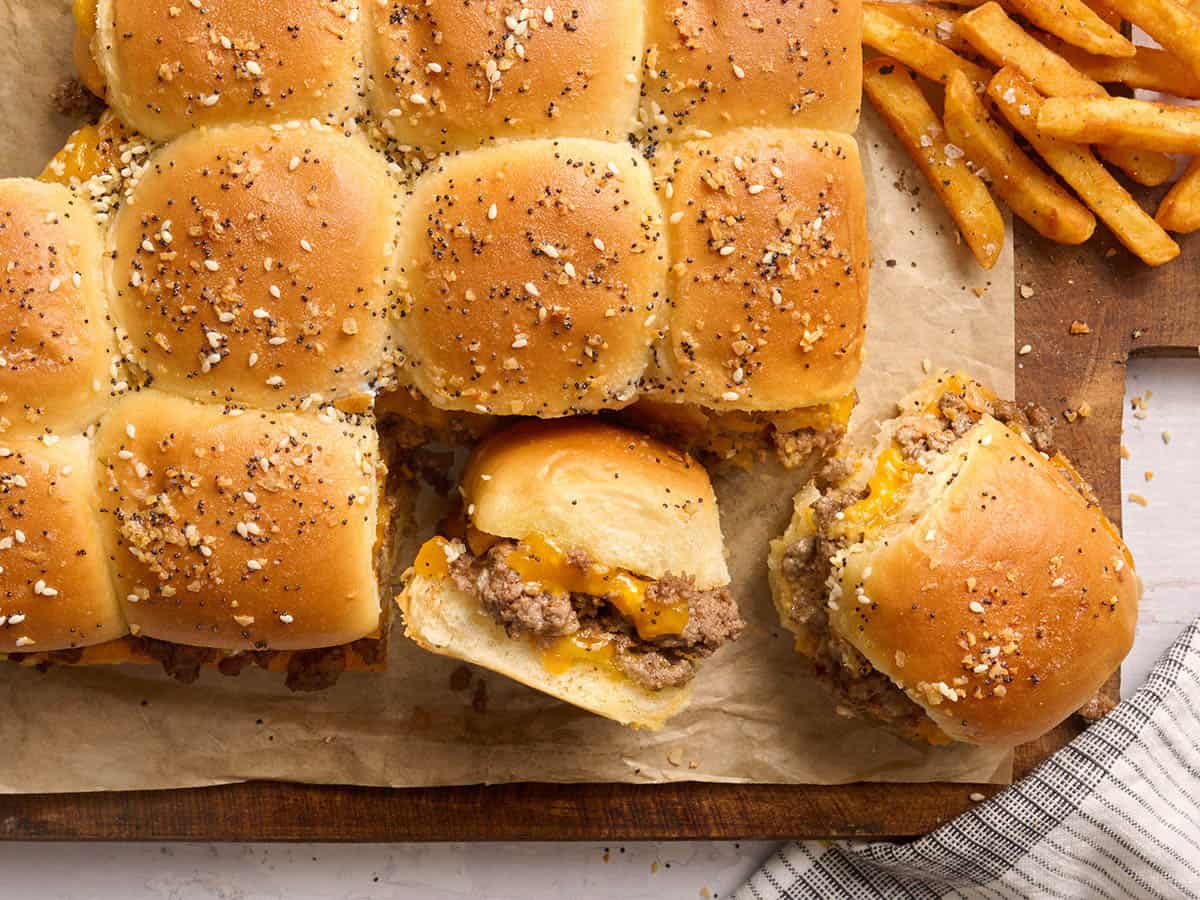
- Glazing and Final Thermal Processing: The assembly is topped with a mixture of melted butter and "everything bagel seasoning"—a blend of sesame seeds, poppy seeds, dried garlic, and onion. The sliders are baked for 12 to 15 minutes, allowing the cheese to reach a molten state and the butter glaze to caramelize the top of the rolls.
Economic Analysis and Consumer Impact
In an era of significant food price volatility, the economic efficiency of the slider recipe is a primary driver of its popularity. According to the Nashville Test Kitchen data, the total cost for a 12-slider yield is approximately $11.44, which translates to roughly $1.91 per serving (calculated at two sliders per person).
To put this in perspective, the Bureau of Labor Statistics (BLS) Consumer Price Index frequently highlights the rising cost of "food away from home." As of 2023-2024, a similar appetizer or meal at a mid-tier American restaurant would typically range from $12.00 to $18.00 per person. By utilizing the bulk-cooking method and affordable staples like ground beef and store-brand cheddar, home cooks can achieve a 70% to 85% cost saving compared to dining out.
The scalability of the dish also makes it a preferred option for "home-gating"—the trend of hosting sports-viewing parties at home rather than at bars or stadiums. The ability to feed a group of six for under $12.00 positions the slider as a vital tool for middle-income households managing tighter entertainment budgets.

Nutritional Profile and Ingredient Substitutions
From a nutritional standpoint, the sliders represent a high-protein, calorie-dense option. Each serving (two rolls) contains approximately 567 calories, 26 grams of protein, and 37 grams of fat. While the sodium content is relatively high at 930mg (40% of the recommended daily value), this is consistent with traditional American comfort foods.
Culinary analysts note that the recipe’s versatility allows for significant dietary adjustments:
- Alternative Proteins: Ground turkey or plant-based meat substitutes can be used to reduce saturated fat or cater to vegetarians.
- Moisture Substitutes: For consumers averse to mayonnaise, Greek yogurt or sour cream offers a similar moisture-binding effect with a tangier flavor profile.
- Cheese Variations: While cheddar is the standard for its melting point and sharp flavor, provolone or mozzarella can be substituted to alter the "cheese pull" and saltiness level.
Market Trends and the "Everything Bagel" Phenomenon
The inclusion of everything bagel seasoning in this slider recipe reflects a broader trend in the American spice market. Originally confined to the bakery sector, the blend of sesame, poppy, garlic, and onion has become a stand-alone condiment with massive growth in the retail sector. Its use in this recipe provides a complex, savory "crunch" that elevates the simple cheeseburger profile into something more sophisticated.
Furthermore, the "tear-apart" bread market, dominated by brands like King’s Hawaiian, has seen steady growth. These products are designed specifically for communal eating, aligning with the post-pandemic resurgence of small-scale social gatherings. The rolls act not just as a vessel for the meat, but as a portion-control mechanism that facilitates easy sharing without the need for utensils.

Broader Implications for the Culinary Industry
The success of streamlined recipes like these sliders indicates a permanent change in how culinary information is consumed and implemented. Professional chefs, once focused solely on complex techniques, are now pivoting toward "high-yield, low-effort" models to meet the demands of the modern workforce.
Melissa Nolan’s transition from high-end NYC dining to recipe development for budget-conscious audiences exemplifies this shift. It suggests that the future of the culinary industry lies in the democratization of gourmet techniques—taking the flavor-building secrets of "Per Se" and applying them to a $1.91 cheeseburger slider.
As we look toward the future of home entertaining, the slider serves as a case study in efficiency. It proves that the constraints of a budget do not necessitate a sacrifice in quality or social experience. By leveraging smart assembly techniques and bold seasoning profiles, the humble Hawaiian roll and a pound of ground beef can be transformed into a centerpiece of modern American hospitality.
Storage, Reheating, and Longevity
While the sliders are optimized for immediate consumption, their storage characteristics have also been evaluated. In an airtight container, the sliders maintain their quality in a refrigerated environment for three to four days. However, the Nashville Test Kitchen advises against freezing, as the high moisture content of the beef and mayo can compromise the texture of the rolls upon thawing.

For reheating, the oven remains the superior method at 325°F, as microwave heating often results in a rubbery texture for the bread’s proteins. This focus on the "lifecycle" of the dish further reinforces its value proposition, as leftovers provide a viable, high-protein lunch option for the following day, further stretching the consumer’s initial investment.
In conclusion, the seasoned ground beef slider is more than a simple appetizer; it is a meticulously engineered solution for the modern host. It addresses the intersecting needs for flavor, economy, and ease of preparation, ensuring its place as a staple of the American kitchen for years to come.
