

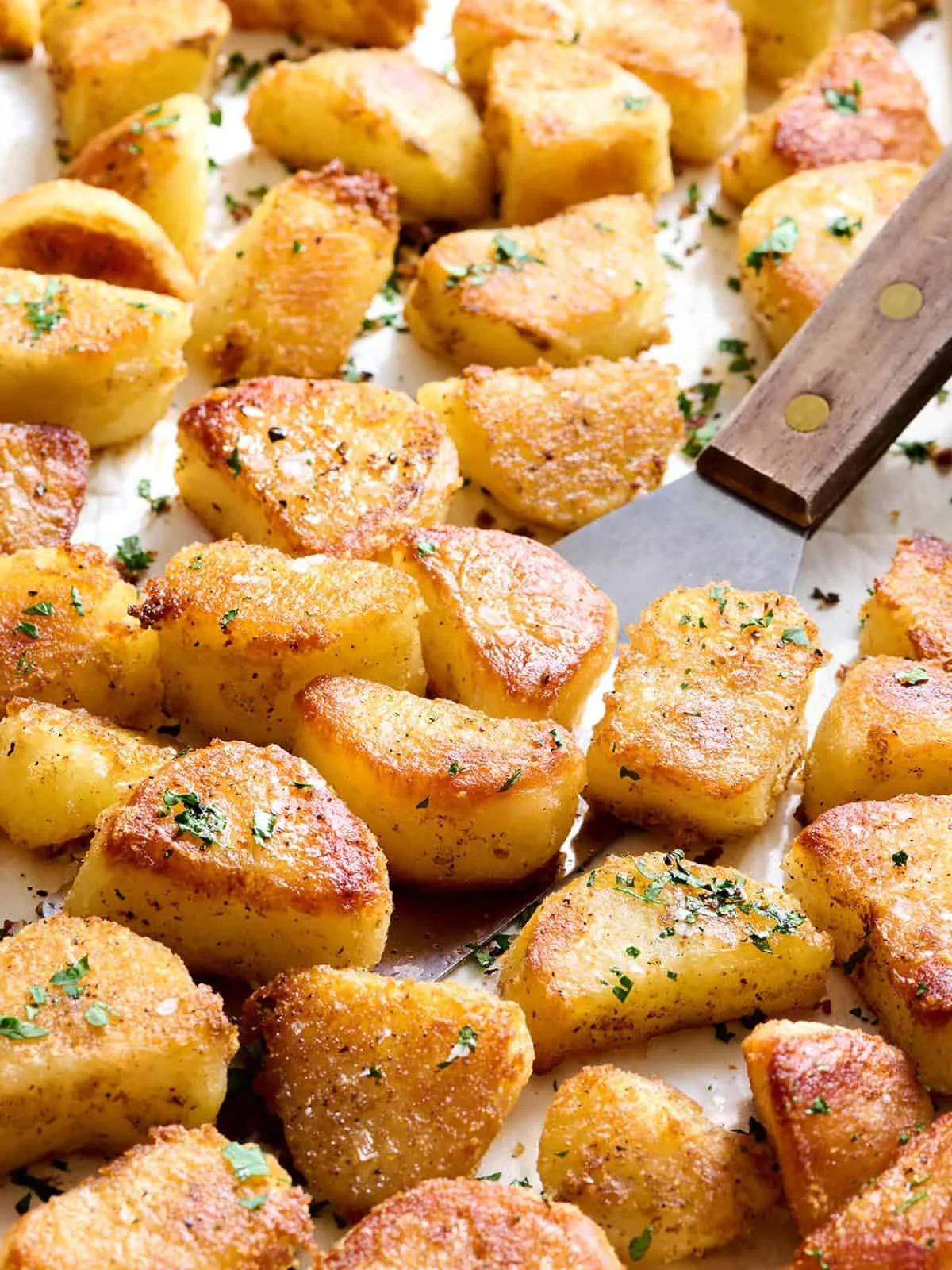
The Nashville Test Kitchen has released a comprehensive protocol for producing high-quality oven-roasted potatoes, emphasizing a specific chemical and thermal process designed to maximize texture while minimizing household expenditure. Led by culinary researcher and former Chef Professor Jess Rice, the findings suggest that the integration of an alkaline par-boiling stage, followed by high-heat roasting, transforms the humble Russet potato into a premium side dish at a cost of approximately $0.43 per serving. This methodology challenges traditional roasting techniques by prioritizing the manipulation of surface starch through pH adjustment, providing a blueprint for home cooks seeking professional-grade results on a restricted budget.
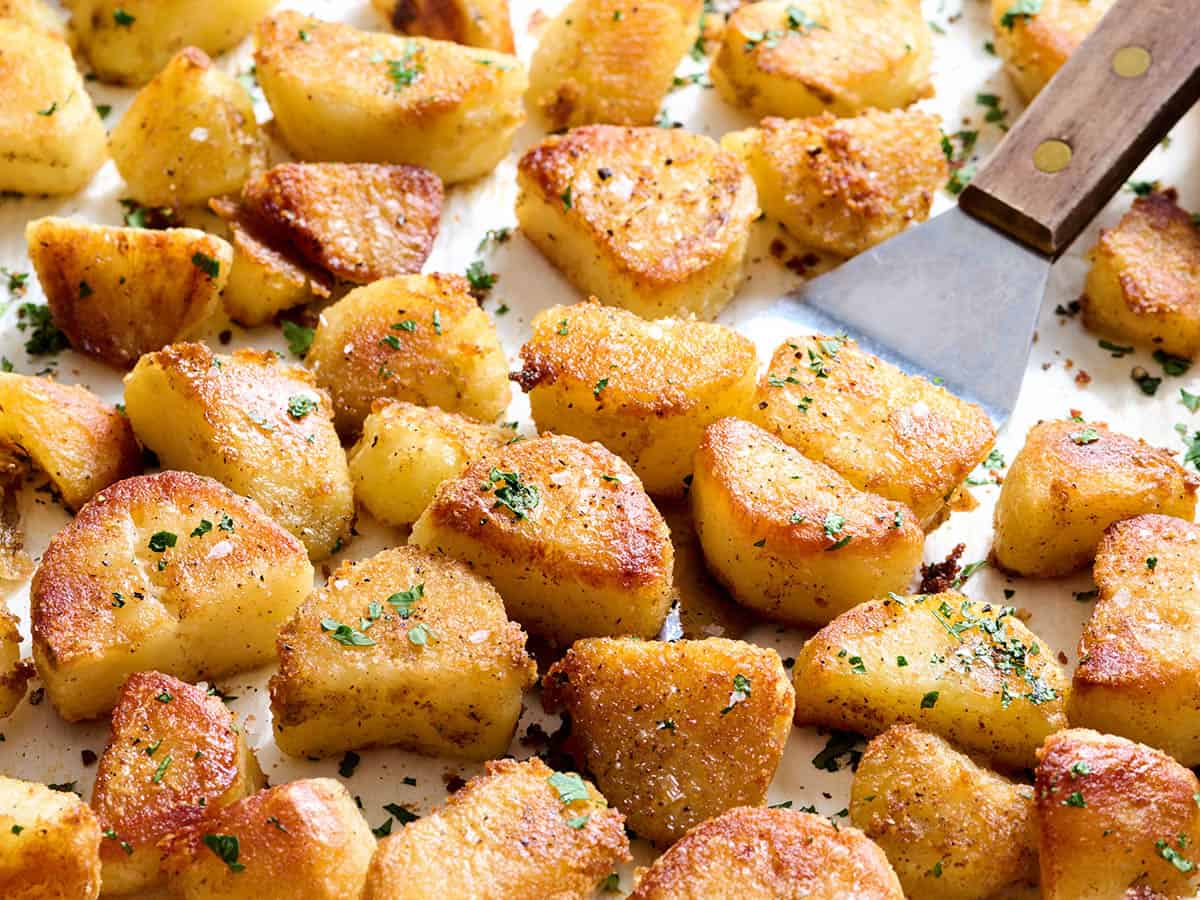
The Procedural Chronology of Optimized Potato Roasting
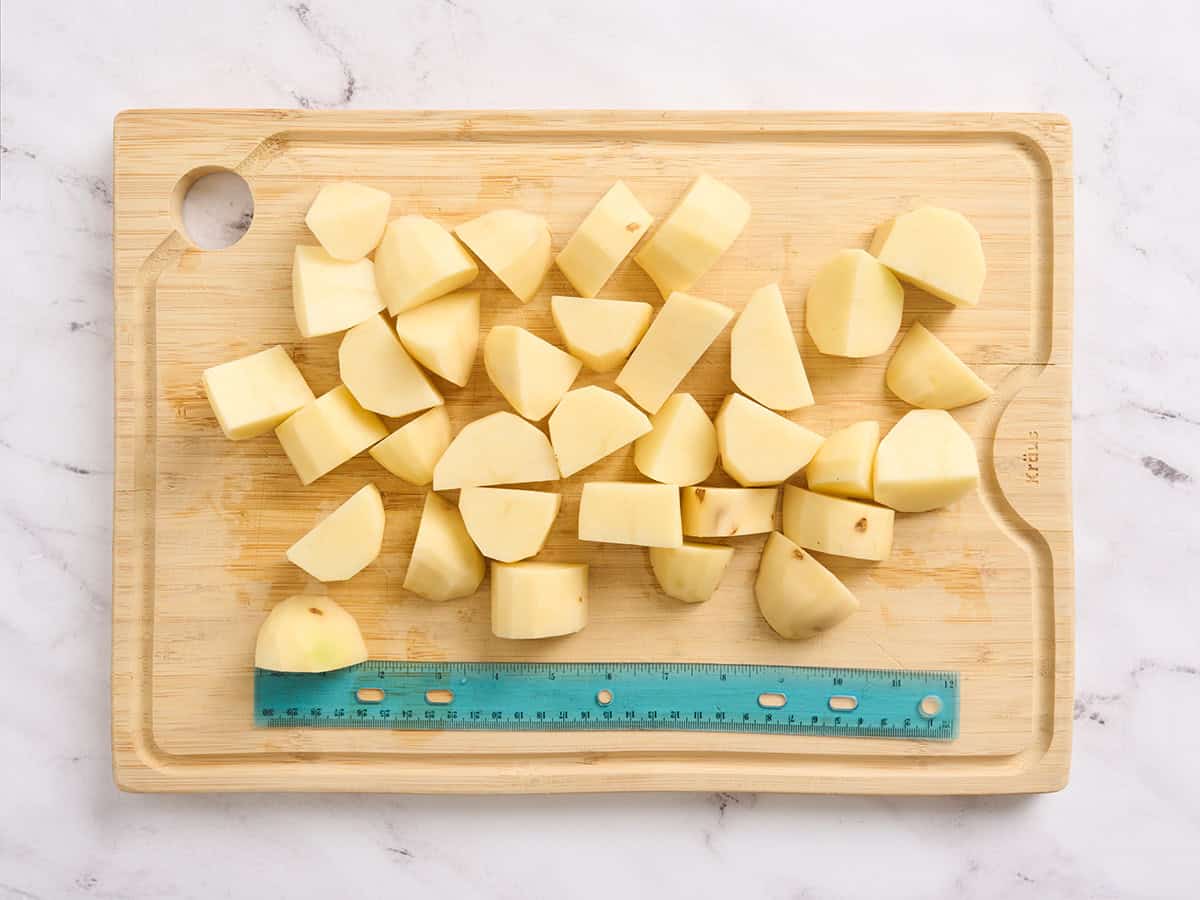
The protocol developed by Rice and the Nashville team follows a strict chronological sequence to ensure consistent results. The process begins with the selection and preparation of the raw material. Two pounds of Russet potatoes are peeled and mechanically partitioned into chunks measuring between one and two inches. This size is critical for maintaining a balance between a high surface-area-to-volume ratio—which facilitates crispness—and a sufficiently dense core to remain fluffy after exposure to intense heat.
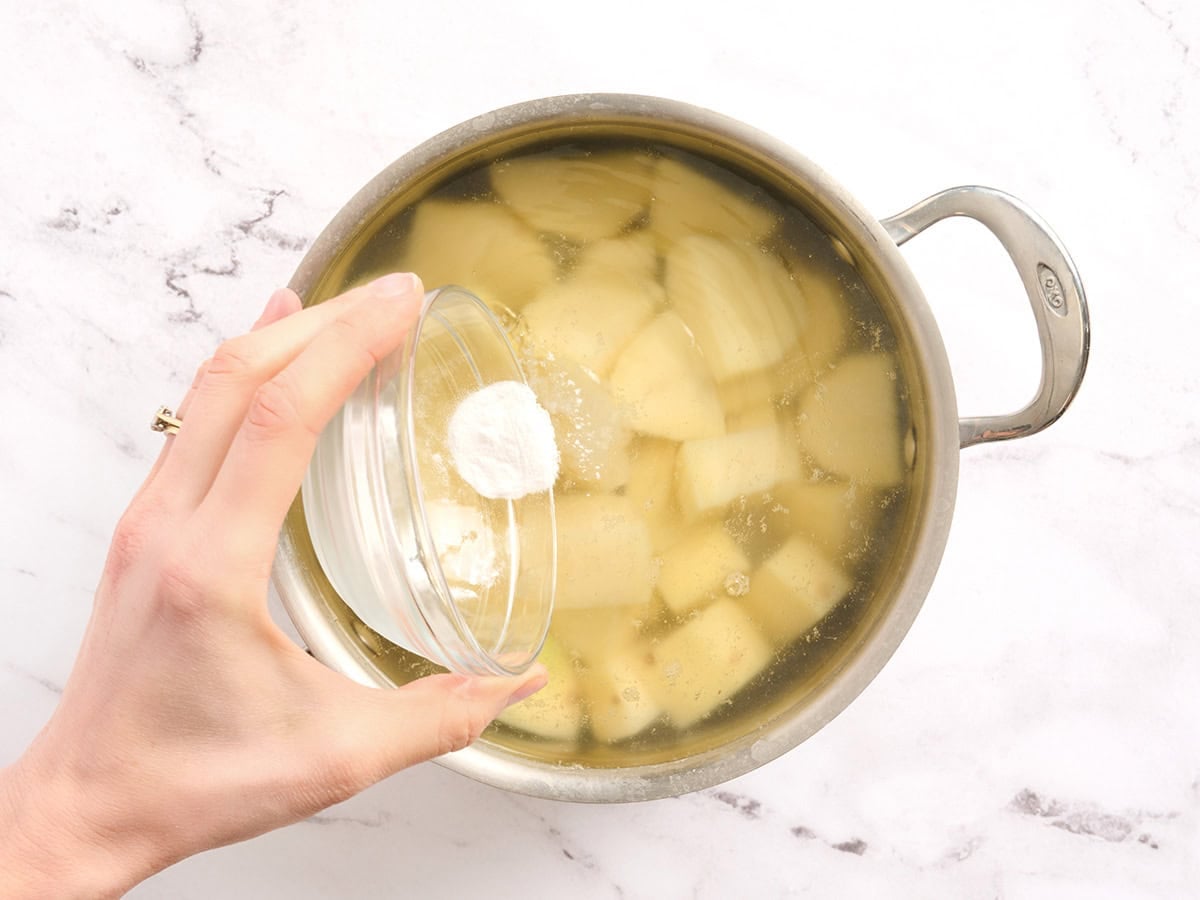
Following the preparation phase, the potatoes undergo a par-boiling process that serves two primary functions: internal hydration and surface degradation. A large vessel containing two quarts of water is seasoned with one tablespoon of salt and brought to a rolling boil. Once the water reaches peak temperature, the potato chunks are introduced alongside half a teaspoon of sodium bicarbonate, commonly known as baking soda.
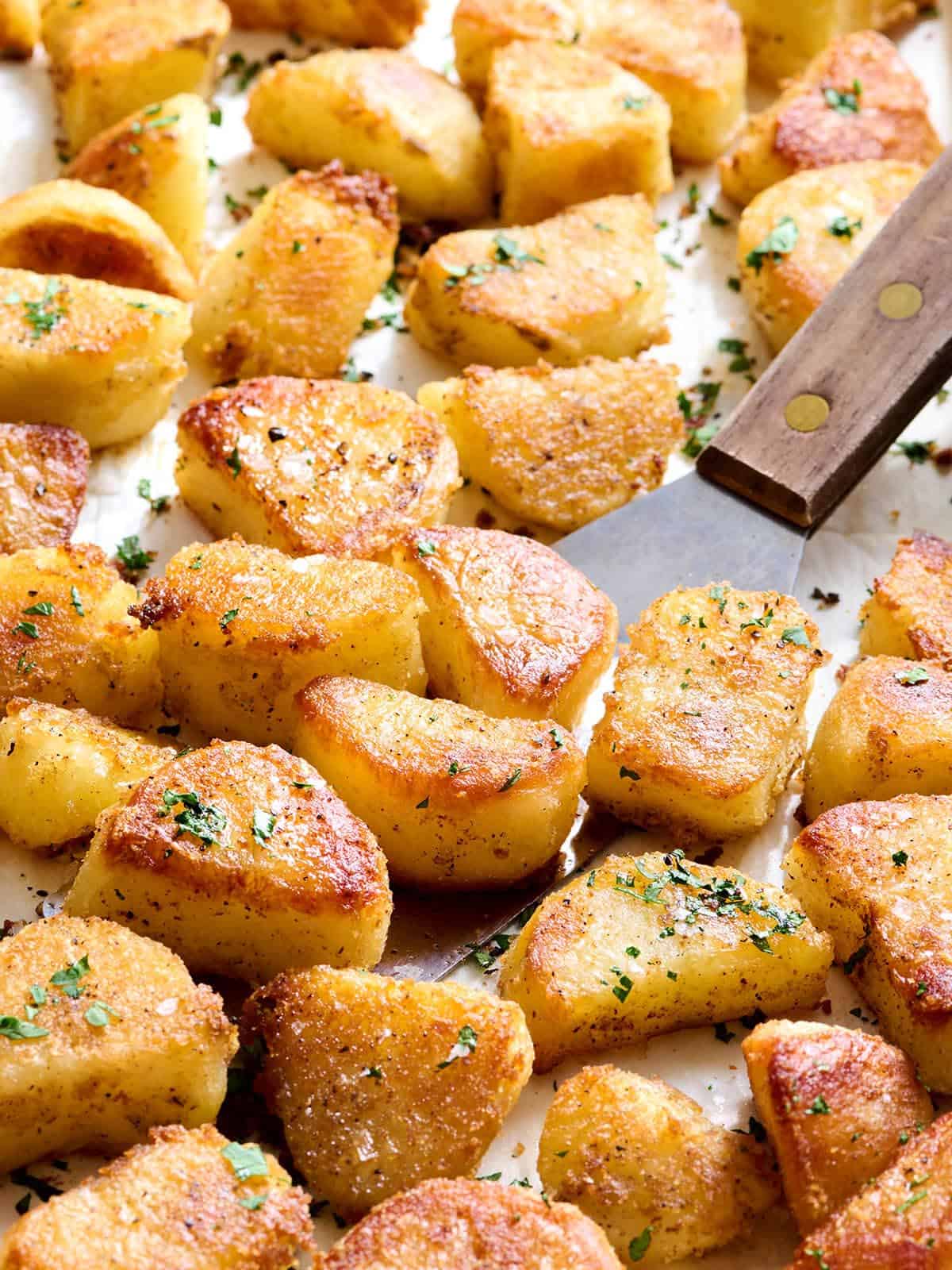
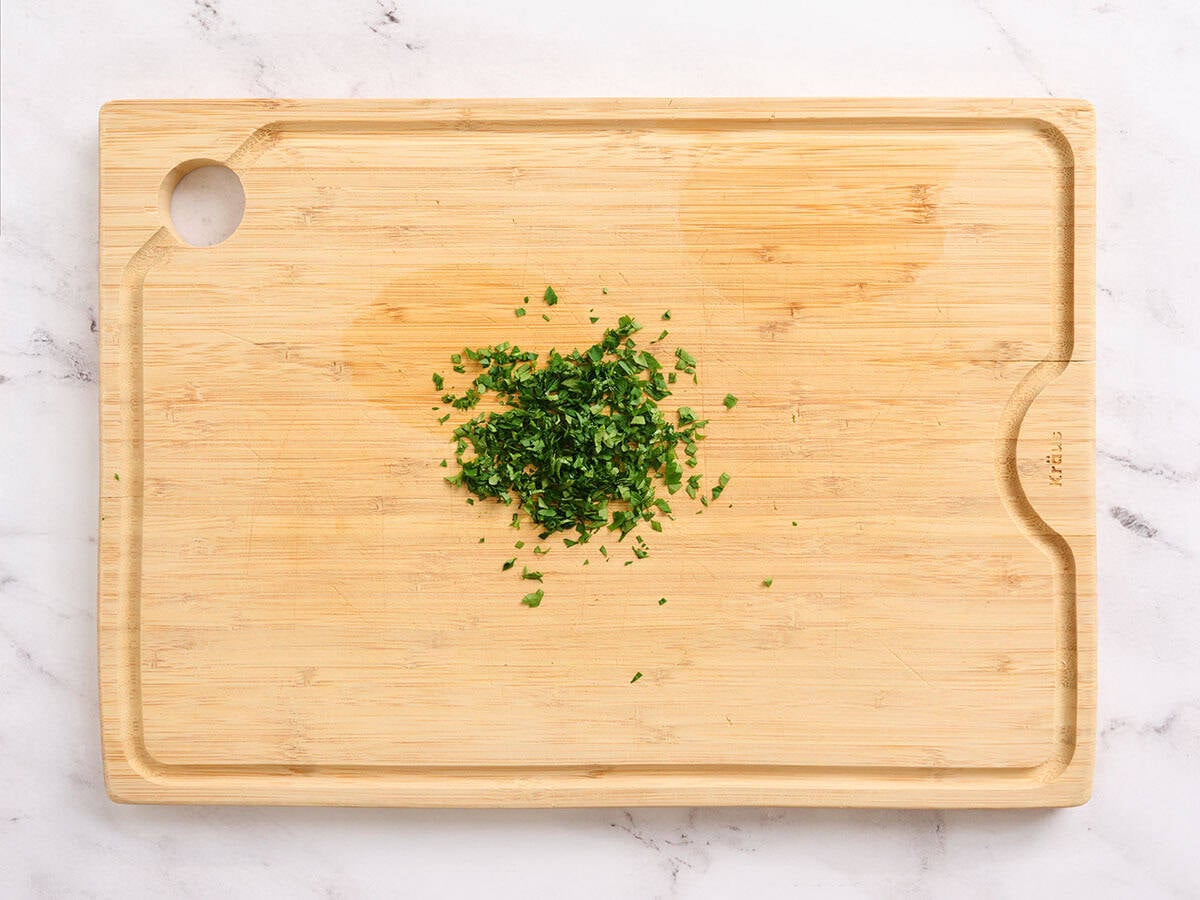
The potatoes are boiled for exactly eight minutes. This specific timeframe ensures the potatoes are "fork-tender"—meaning the internal starch granules have gelatinized—without the structure collapsing entirely. After the eight-minute interval, the potatoes are drained thoroughly in a colander. The final stages involve seasoning the textured surface with a mixture of three tablespoons of olive oil, garlic powder, black pepper, and salt, followed by a two-stage roasting process at 425°F. The potatoes are roasted for 20 minutes, flipped to ensure uniform heat distribution, and roasted for an additional 20 minutes before a final garnish of fresh minced parsley is applied.
The Science of Alkalinity and the Maillard Reaction
The core innovation in the Nashville Test Kitchen’s method is the use of baking soda during the par-boiling phase. From a biochemical perspective, the addition of sodium bicarbonate increases the pH of the boiling water, making it more alkaline. This alkalinity accelerates the breakdown of pectin, the polysaccharide that holds plant cell walls together.
As the pectin dissolves on the exterior of the potato, it creates a starchy, mashed-potato-like slurry on the surface of each chunk. When these "roughed up" potatoes are later tossed in oil and subjected to the dry heat of the oven, this surface slurry dehydrates and undergoes the Maillard reaction—a chemical reaction between amino acids and reducing sugars that gives browned food its distinctive flavor and crisp texture. By increasing the surface area through chemical degradation, the recipe ensures a significantly thicker and crunchier crust than could be achieved through roasting raw potatoes alone.
Economic Analysis of Ingredient Sourcing
A central tenet of the Nashville study is the economic feasibility of the dish. At a total recipe cost of $1.75, the Oven Roasted Potatoes represent a significant value proposition in the current inflationary food market. The choice of the Russet potato is not merely a culinary preference but a strategic economic decision.
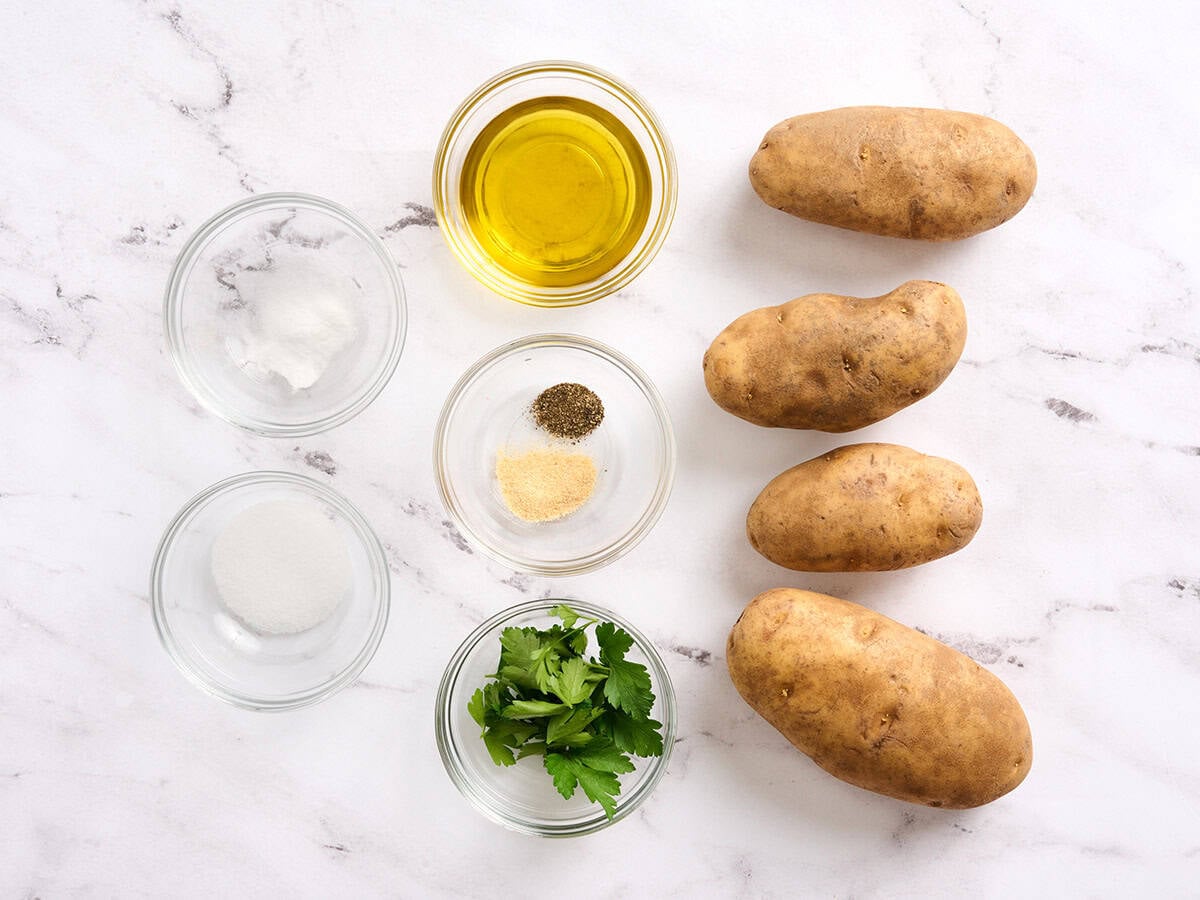
Market data indicates that Russet potatoes, often sold in bulk five- or ten-pound bags, consistently rank as the most affordable potato variety in North America. In contrast, waxy varieties such as Yukon Gold or Red Bliss often command a price premium of 20% to 50% due to different farming yields and market positioning. Furthermore, the Russet’s high starch and low moisture content make it the ideal candidate for this specific roasting method. Waxy potatoes, which contain more moisture and less starch, do not respond as effectively to the alkaline par-boiling process, often resulting in a thinner crust and a denser, less fluffy interior.
The ancillary ingredients—olive oil, salt, baking soda, and dried spices—are considered pantry staples, further lowering the barrier to entry for the consumer. The Nashville Test Kitchen’s cost-per-serving breakdown of $0.43 positions this dish well below the cost of commercially processed frozen potato products, which often include preservatives and higher levels of saturated fats.
Nutritional Data and Dietary Implications
The nutritional profile of the Oven Roasted Potatoes provides a clear view of its impact on a standard diet. Based on a four-serving yield, each serving contains 274 calories. The macronutrient breakdown is dominated by carbohydrates at 41 grams per serving, reflecting the potato’s status as a primary starch. The dish provides five grams of protein and 11 grams of fat, the latter primarily derived from the olive oil used during the roasting phase.
One point of note for health-conscious consumers is the sodium content. The recipe as tested contains 2,498 mg of sodium, which represents 109% of the recommended daily value. However, culinary experts note that a significant portion of this sodium is contained in the par-boiling water and is discarded after draining. The actual sodium retained by the potato tissue is lower, though still substantial due to the final seasoning step. For individuals on sodium-restricted diets, the Nashville team suggests that the salt in the boiling water can be reduced without compromising the structural integrity provided by the baking soda.

Comparative Analysis of Culinary Variations
While the Russet potato is the recommended substrate for this method, the Nashville Test Kitchen acknowledges that the technique can be adapted to other cultivars. However, the results vary based on the physical properties of the tuber:
- Waxy Varieties (Red Potatoes, New Potatoes): These varieties have higher sugar content and lower starch. When par-boiled with baking soda, they do not develop the same level of "fluff," leading to a smoother, less crispy exterior.
- All-Purpose Varieties (Yukon Gold): These provide a middle ground, offering a creamy interior but requiring a longer roasting time to achieve a crunch comparable to the Russet.
- Flavor Profiles: The study suggests that the base recipe acts as a canvas for various flavor profiles. The inclusion of smoked paprika, poultry seasoning, or onion powder can alter the dish’s regional characteristics without affecting the fundamental physics of the crisping process.
Broader Impact on Home Cooking Trends
The release of this refined roasting protocol comes at a time when "budget cooking" and "food science" are intersecting in the public consciousness. Digital platforms have seen a surge in interest regarding the "science of the kitchen," as consumers look for ways to replicate restaurant-quality textures at home.
The Nashville Test Kitchen’s emphasis on "rigorous testing" reflects a shift toward evidence-based home cooking. By explaining the why behind the baking soda and the par-boil, the researchers empower home cooks to apply these principles to other root vegetables, such as carrots or parsnips.
Furthermore, the storage and reheating data provided in the report address modern concerns regarding food waste. The recommendation to reheat leftovers in an air fryer or a 375°F oven to restore crispness acknowledges the reality of meal prepping in busy households. The suggestion to flash-freeze par-boiled potatoes for future use also aligns with the growing trend of "homemade convenience foods," allowing families to enjoy high-quality sides with minimal active labor on weeknights.
Conclusion
The Oven Roasted Potatoes protocol from the Nashville Test Kitchen represents a synthesis of chemistry, economics, and culinary art. By identifying the Russet potato as the most cost-effective and structurally appropriate candidate for roasting, and by utilizing sodium bicarbonate to manipulate the tuber’s surface, the researchers have democratized a high-level culinary technique. As food prices continue to be a primary concern for global households, such data-driven approaches to basic ingredients provide essential tools for maintaining culinary standards without financial strain. The findings confirm that with a fundamental understanding of alkalinity and heat transfer, the most inexpensive ingredients in the pantry can produce results that rival those of high-end commercial kitchens.
