

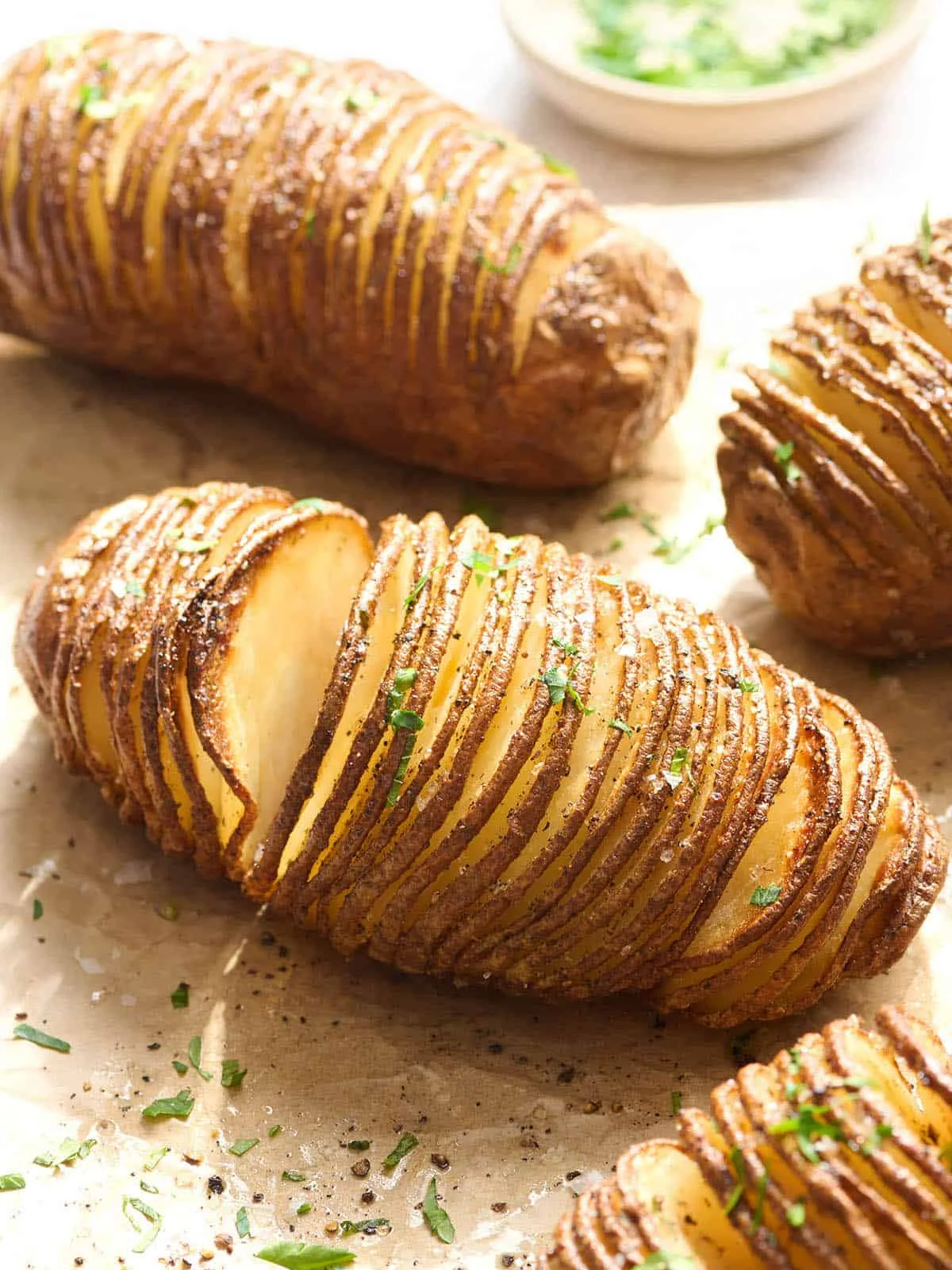
The culinary world has long sought the perfect balance between aesthetic presentation and textural complexity, a challenge frequently met by the Hasselback potato. Recent evaluations conducted by the Nashville Test Kitchen have reaffirmed the Hasselback method as a premier technique for transforming the common russet potato into a high-end side dish without necessitating a significant financial investment. By utilizing a specific slicing pattern that creates a fan-like structure, the potato achieves a dual-texture profile characterized by an ultra-crispy exterior and a dense, tender interior. This report examines the technical execution, historical context, and economic implications of the Hasselback potato in the contemporary gastronomic landscape.
Historical Context and Culinary Origins
The Hasselback potato, known in its native tongue as Hasselbackspotatis, traces its origins to the mid-20th century in Stockholm, Sweden. The dish was first introduced in 1953 at the Hasselbacken restaurant, located on the island of Djurgården. Legend within the Swedish culinary community suggests that the technique was developed by Leif Elisson, a trainee chef working under the direction of restaurant manager Rune Erkgård. The restaurant itself, which opened in the 18th century, became synonymous with this specific preparation, eventually leading to the dish’s adoption as a staple of Swedish festive cuisine.
While the original 1953 recipe typically called for breadcrumbs and butter, modern adaptations have evolved to include a variety of lipids and seasonings. The Nashville Test Kitchen’s recent iteration emphasizes the use of vegetable oil for its high smoke point and cost-effectiveness, though the inclusion of garlic powder and kosher salt remains a nod to the robust flavor profiles favored in professional kitchens. The transition from a localized Swedish specialty to a global culinary phenomenon highlights the technique’s versatility and its ability to adapt to various regional palates.
Technical Execution and the Chopstick Methodology
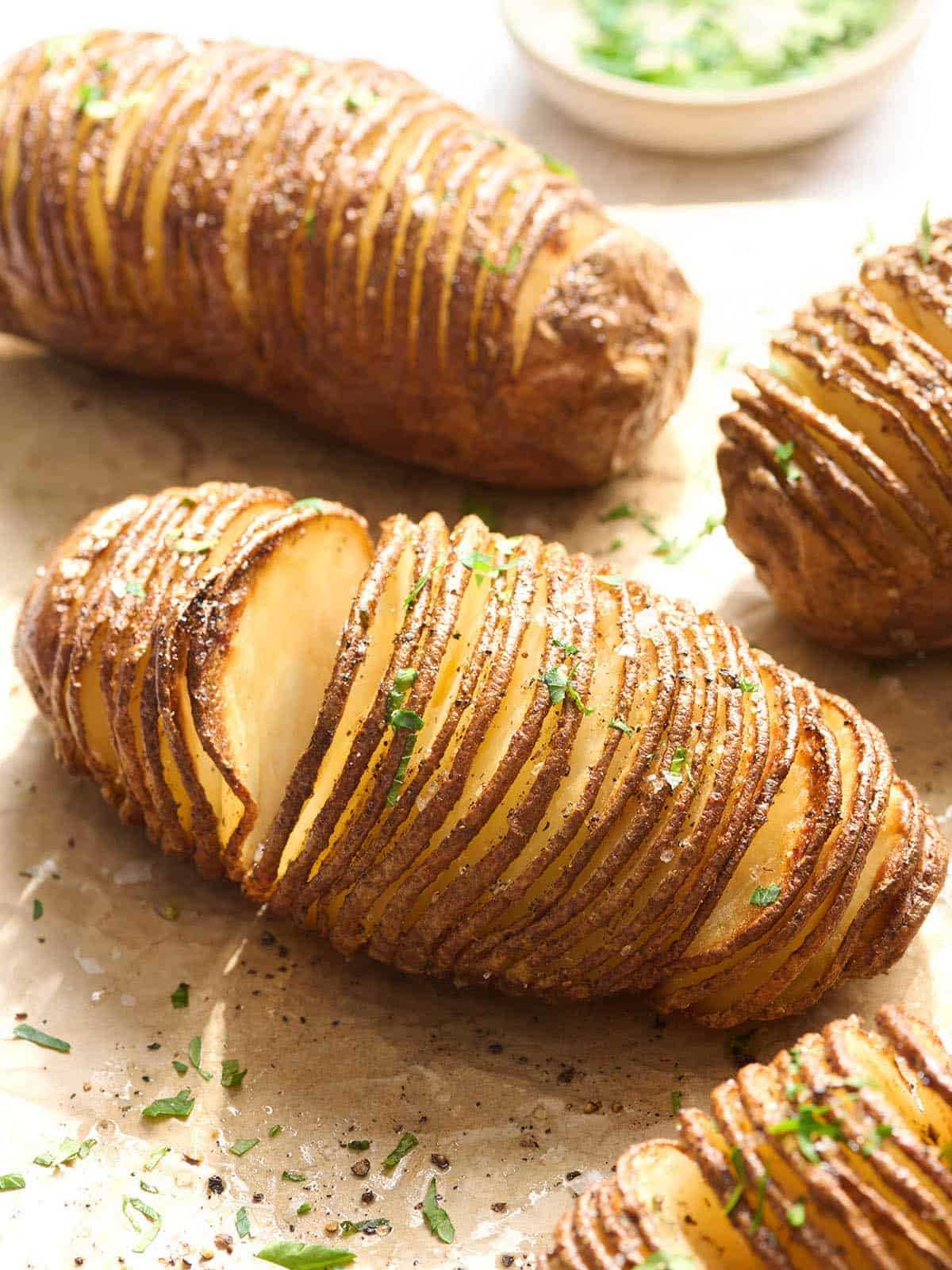
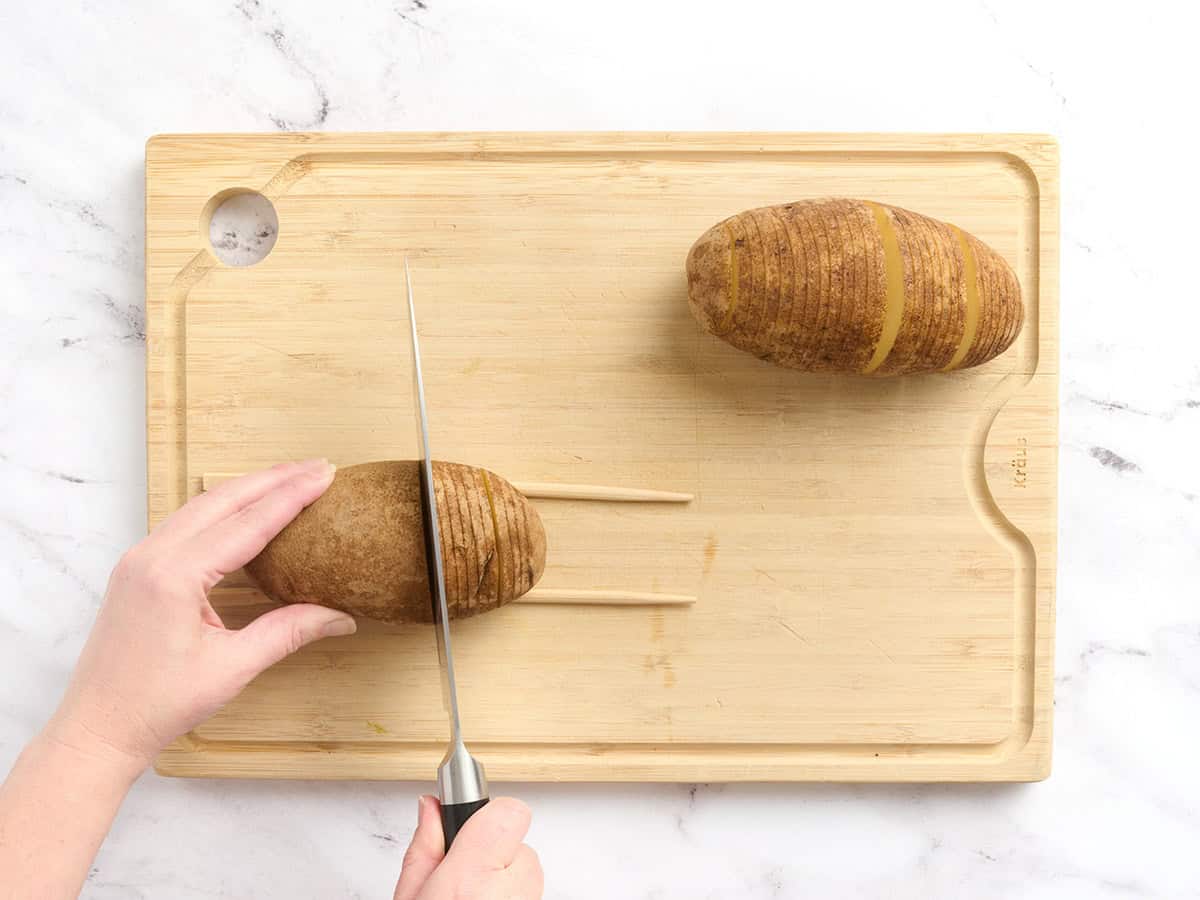
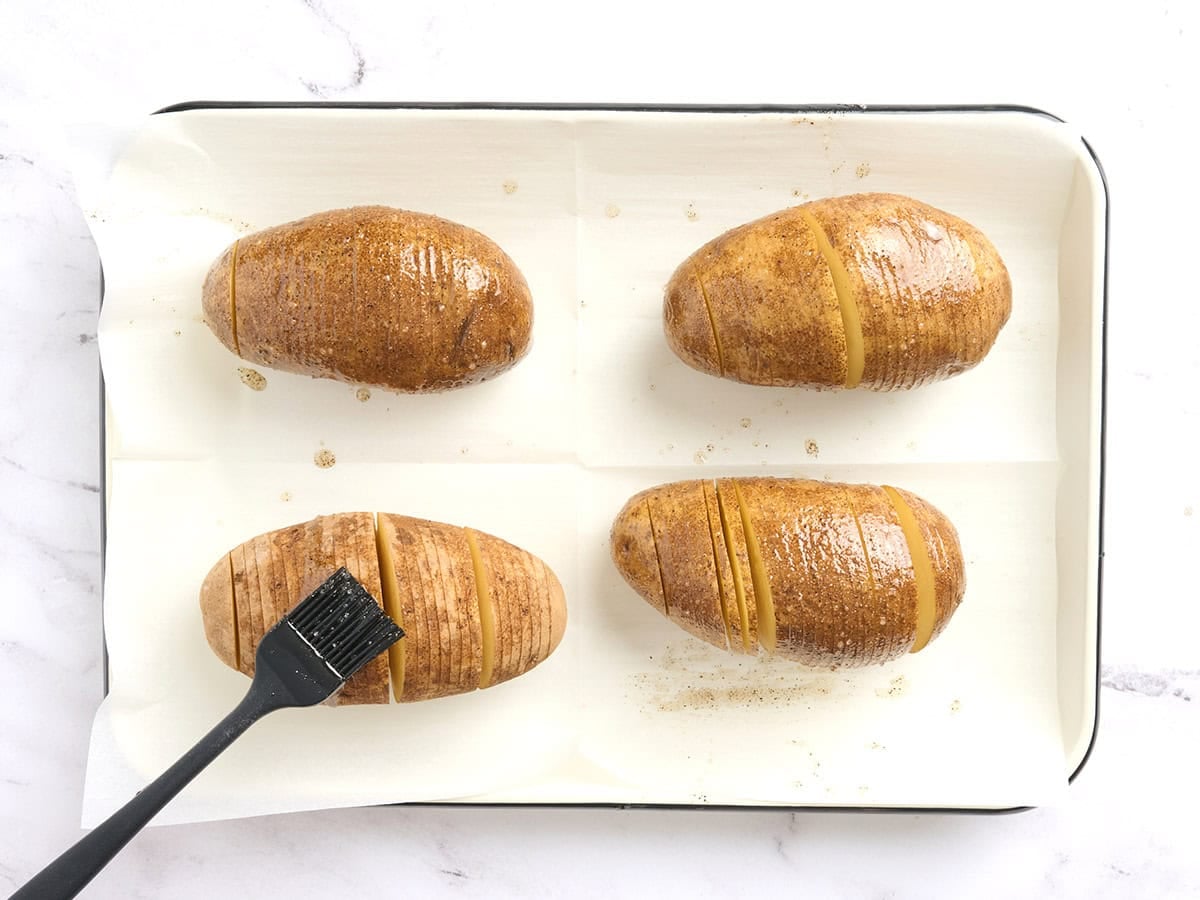
The defining characteristic of the Hasselback potato is the series of thin, vertical incisions made along the length of the tuber. Precision is paramount; the cuts must be spaced approximately 1/8 to 1/4 inch apart. Crucially, the knife must not penetrate the base of the potato, as the integrity of the bottom layer is required to hold the "fan" together.
To mitigate the risk of accidental bisection, culinary experts recommend the "chopstick method." This involves placing two wooden chopsticks or similar leveling tools on either side of the potato during the slicing process. These tools act as a physical stop for the knife blade, ensuring a uniform depth across all slices. This technique is particularly beneficial for home cooks looking to refine their knife skills while maintaining safety and consistency.
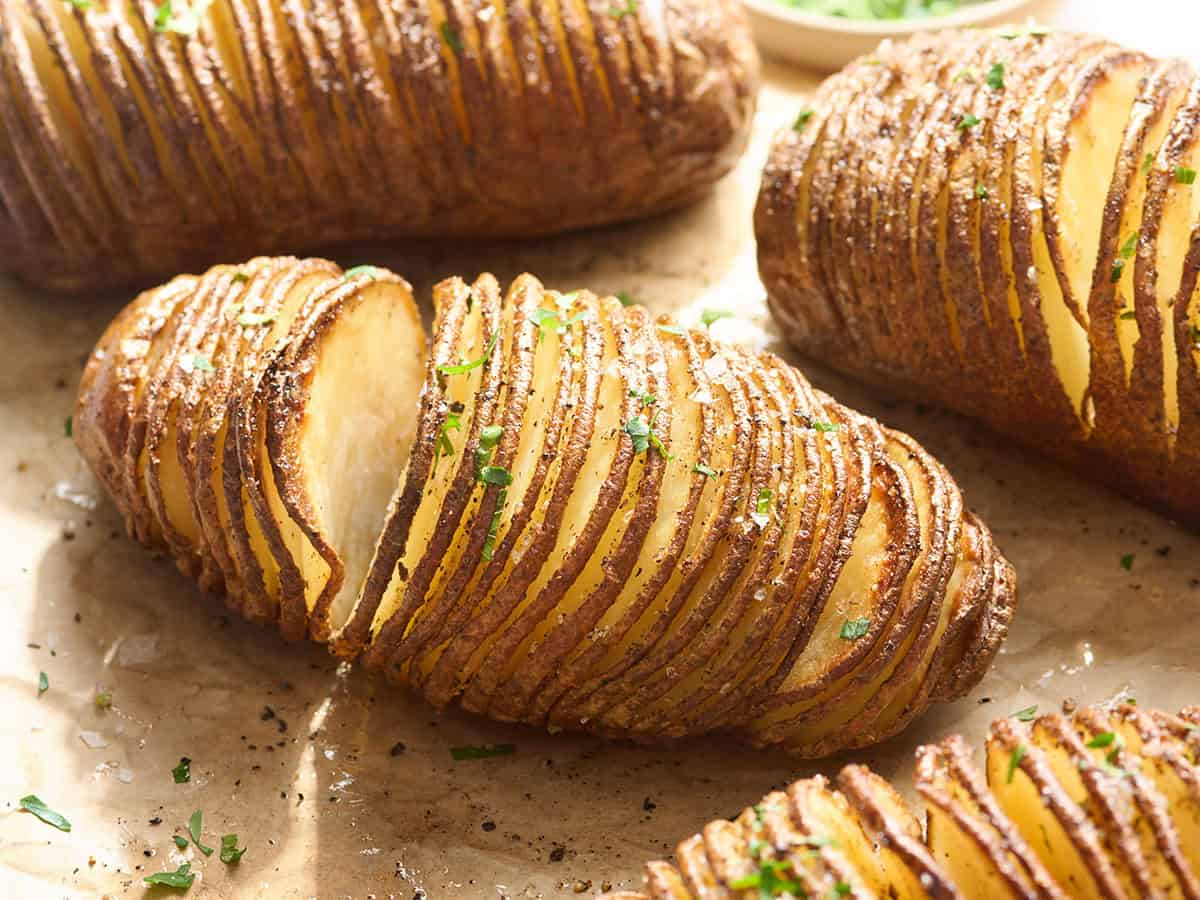
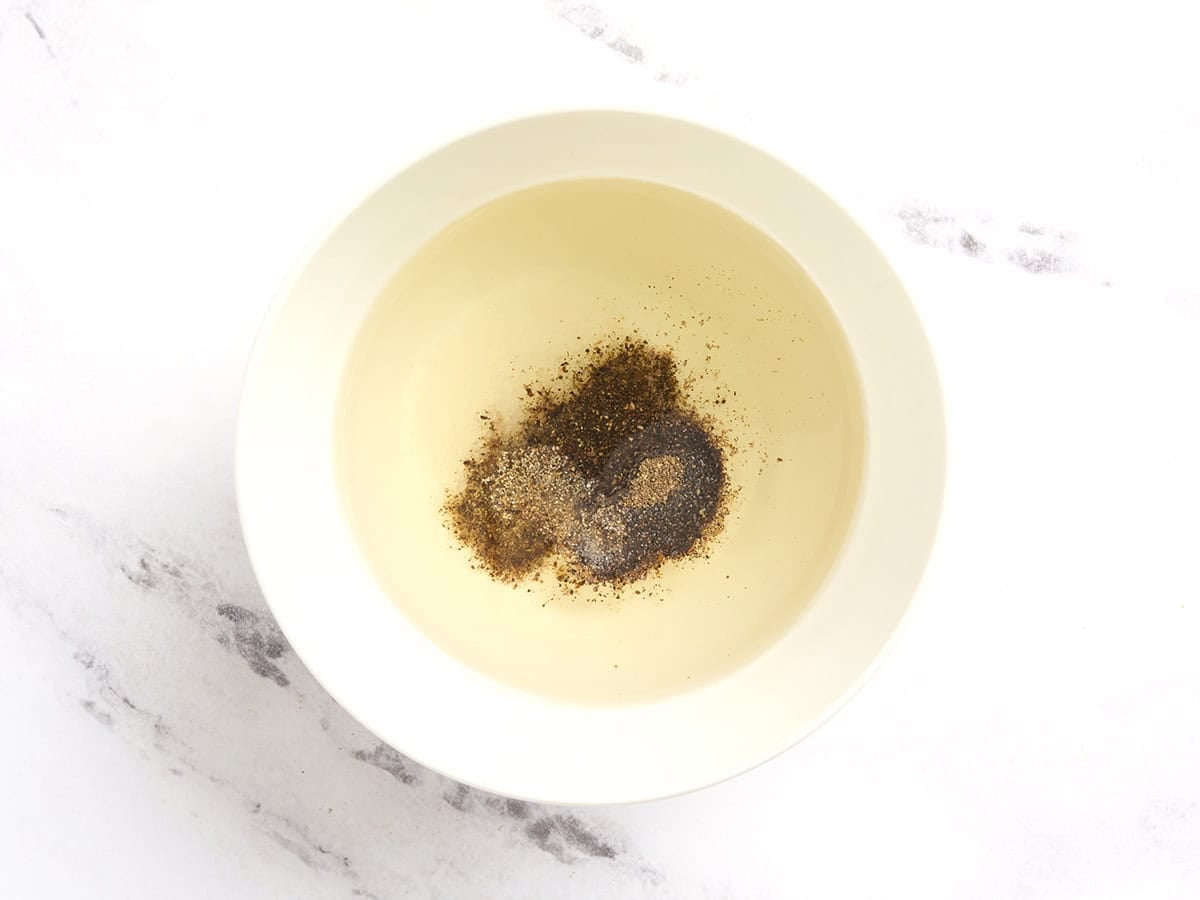
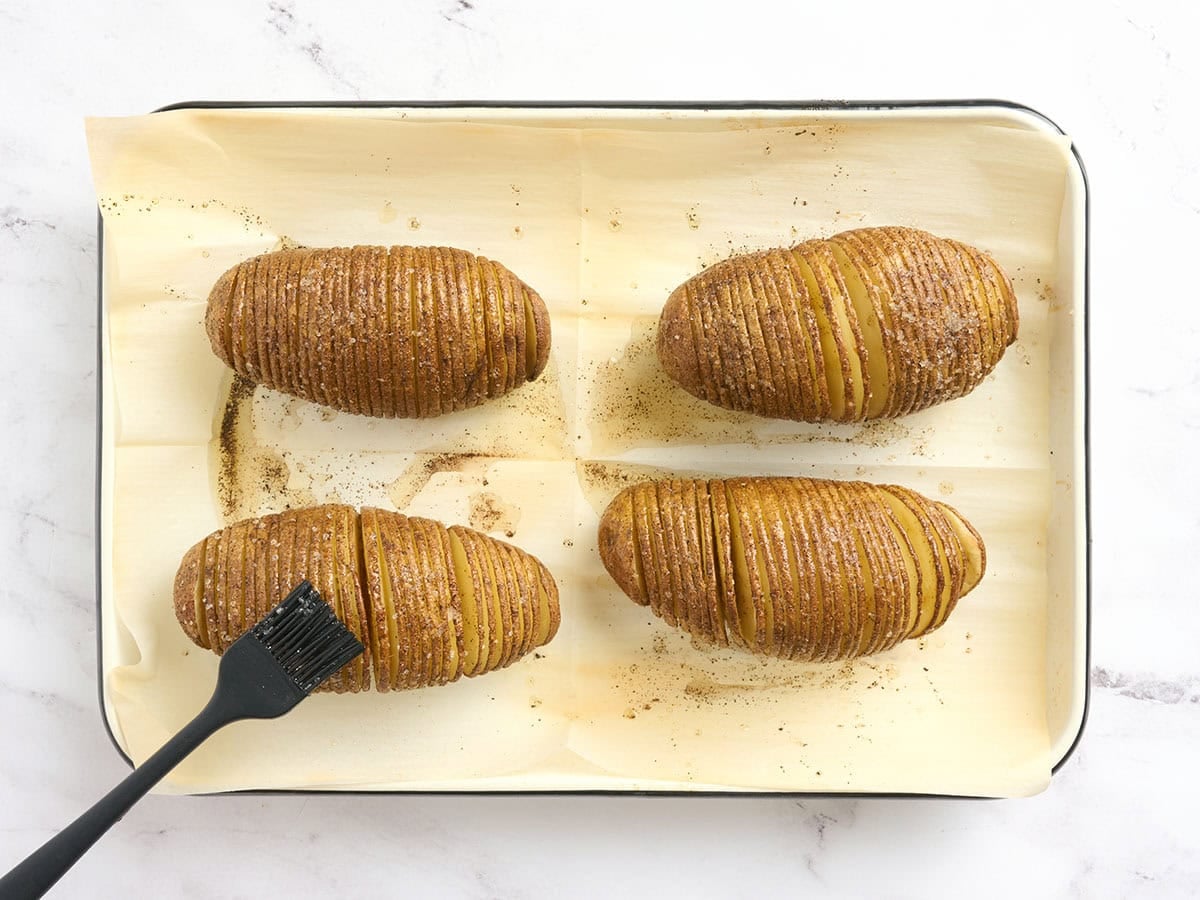
The cooking process involves two distinct stages of roasting at a temperature of 425°F (approximately 218°C). The initial 35-minute roast allows the heat to penetrate the core of the potato, causing the starch to soften and the sliced layers to begin their characteristic expansion, or "fanning." The second stage, following an additional application of seasoned oil, focuses on the Maillard reaction—the chemical reaction between amino acids and reducing sugars that gives browned food its distinctive flavor and crispy texture.
Economic Analysis and Market Accessibility
One of the most compelling aspects of the Hasselback potato is its high perceived value relative to its actual production cost. According to data provided by Budget Bytes, the cost per serving is approximately $0.86, with a total recipe cost of $3.45 for four servings. This makes the dish an outlier in the realm of "elevated" side dishes, which often rely on expensive proteins or imported cheeses.
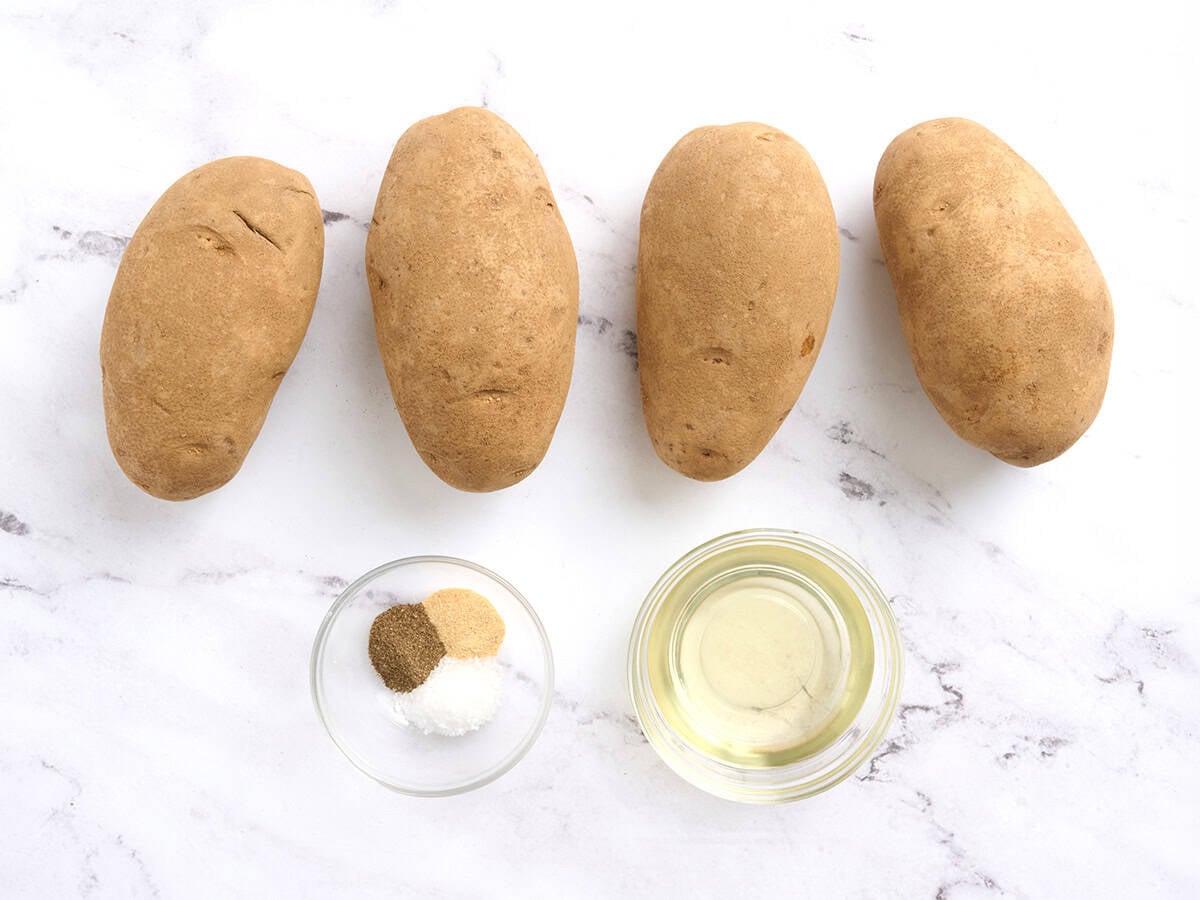
Cost Breakdown per Component
- Russet Potatoes: As a bulk commodity, russet potatoes represent one of the most affordable caloric sources in the North American market.
- Vegetable Oil: Chosen for its price stability and neutral flavor profile, it serves as a cost-effective alternative to clarified butter.
- Seasonings: The use of pantry staples like kosher salt, black pepper, and garlic powder ensures that the incremental cost of flavor is negligible.
In the context of current food inflation trends, the Hasselback potato serves as a strategic option for consumers seeking to maintain a high standard of dining at home. The USDA’s Economic Research Service has noted that while fresh vegetable prices have seen volatility, potatoes remain a relatively stable and accessible staple for the average household.
Nutritional Profile and Dietary Implications
From a nutritional standpoint, the Hasselback potato provides a substantial source of carbohydrates and essential minerals. A single serving, as calculated by Nashville-based researchers, contains approximately 414 calories.
Macronutrient Distribution
- Carbohydrates: 67g (22% of Daily Value), primarily sourced from the potato’s complex starches.
- Protein: 8g (16% of Daily Value), a notable amount for a vegetable-centric dish.
- Fat: 14g (22% of Daily Value), largely derived from the vegetable oil used during the roasting process.
- Fiber: 5g (21% of Daily Value), concentrated in the skin of the russet potato.
The recipe is inherently compatible with several restrictive diets, including vegan, dairy-free, and egg-free protocols. By substituting vegetable oil for butter, the dish avoids animal-derived fats, making it a versatile inclusion for diverse guest lists at holiday gatherings or dinner parties.
Professional Perspectives and Culinary Standards
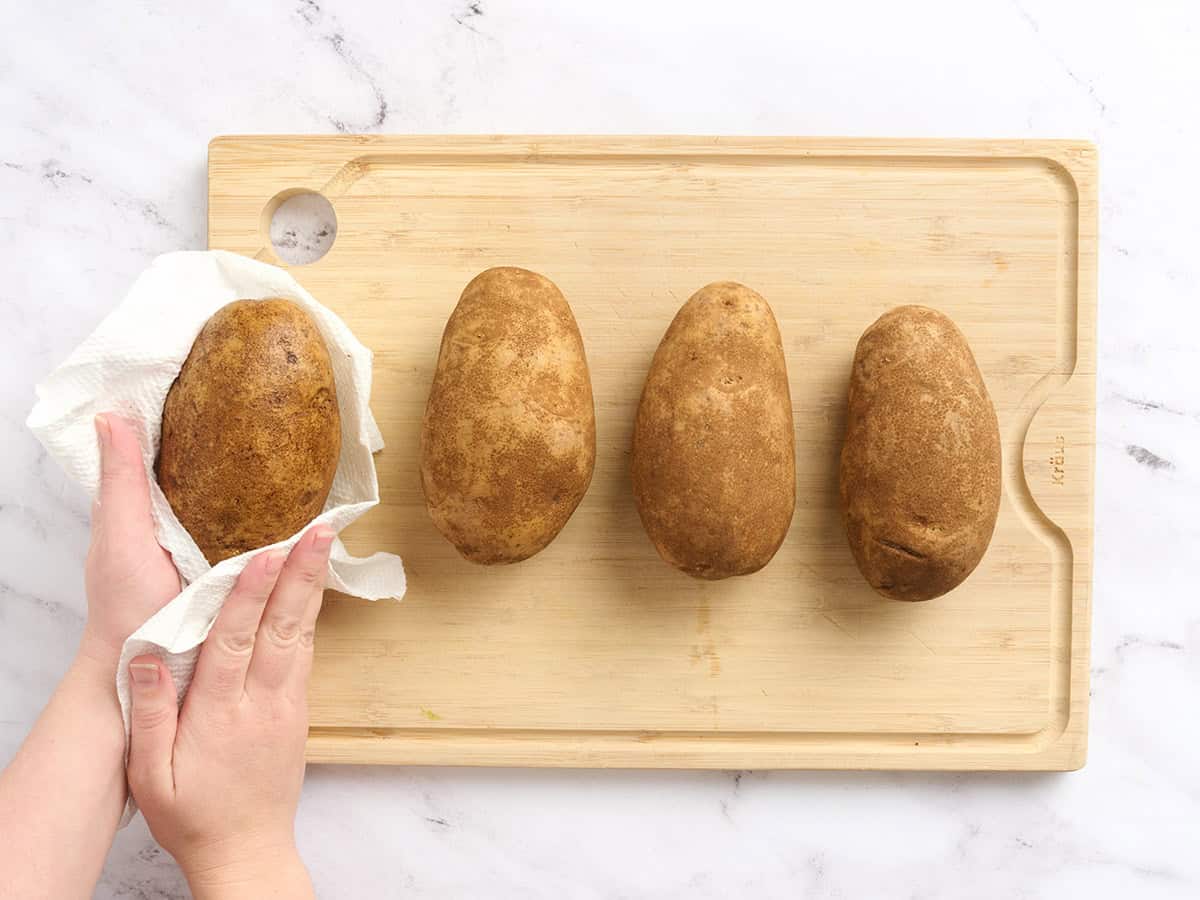
Chef Melissa Nolan, a recipe developer and culinary instructor with experience at Per Se in New York City, emphasizes the importance of ingredient preparation. According to Nolan, the thorough washing and drying of the potatoes are non-negotiable steps. Excess moisture on the skin can lead to steaming rather than roasting, which compromises the desired crispiness of the exterior.
Furthermore, the choice of salt is a subject of professional debate. Nolan advocates for the use of kosher salt over table salt. The larger granules of kosher salt are more visible, allowing for a more even and generous distribution across the surface of the potato. This visual feedback is essential for ensuring that the seasoning penetrates the deep crevices created by the Hasselback cuts.
Industry observers note that the Hasselback technique is increasingly used beyond the potato. "Hasselbacking" has been applied to carrots, beets, and even proteins like chicken breasts and halloumi cheese. This cross-application suggests that the aesthetic and textural benefits of the technique have a broad appeal in modern food styling and menu development.
Storage, Reheating, and Food Waste Mitigation
In line with modern sustainability goals, the Hasselback potato is noted for its favorable storage characteristics. Leftovers can be refrigerated for three to four days in airtight containers. However, the Nashville Test Kitchen advises against freezing the cooked potatoes. The high water content in potatoes often leads to a grainy or watery texture upon thawing, as the cellular structure of the starch is disrupted by ice crystals.
For reheating, the use of a conventional oven or an air fryer at 375°F is recommended over microwave heating. The dry heat of an oven helps to re-crisp the edges, whereas the microwave tends to soften the potato further, negating the textural benefits of the original roasting process.
Broader Impact and Industry Implications
The resurgence of the Hasselback potato in popular culinary media reflects a broader trend toward "affordable luxury." As consumers navigate a landscape of rising costs, there is an increased demand for recipes that utilize basic ingredients in innovative ways. The Hasselback potato satisfies this demand by providing a visual "wow factor" that rivals more expensive dishes.
Furthermore, the dish serves as a bridge between traditional European culinary history and modern, fast-paced home cooking. Its ability to be dressed up with premium toppings—such as truffle oil, high-quality chives, or aged cheddar—allows it to scale from a simple weeknight side to a centerpiece for a Thanksgiving or Christmas feast.
In conclusion, the Hasselback potato remains a testament to the power of technique over expensive ingredients. Its combination of historical pedigree, technical precision, and economic efficiency ensures its continued relevance in both professional kitchens and home environments. As the culinary industry continues to evolve, the Hasselback method stands as a definitive example of how a simple vegetable can be elevated to the status of a culinary icon through thoughtful preparation and scientific application of heat.
