

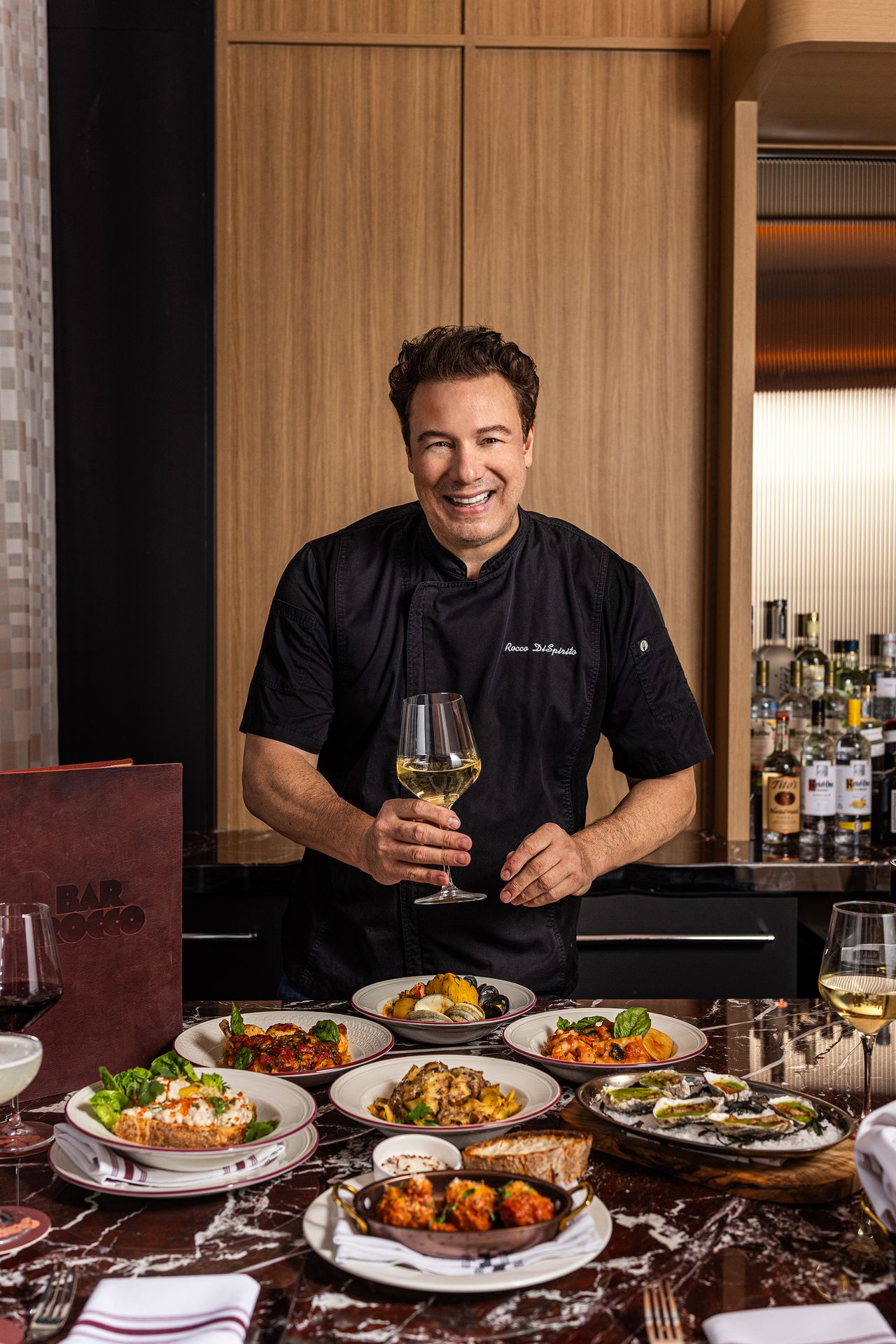
Rocco DiSpirito, a name synonymous with culinary innovation and television presence, has officially returned to the New York City restaurant scene with the opening of Bar Rocco. Nestled adjacent to the iconic Rockefeller Center within the newly established Kimpton Era Midtown New York hotel, this 108-seat Italian-American brasserie marks a significant homecoming for the celebrated chef. The restaurant, which commenced operations earlier this month, represents a cornerstone of Apicii restaurant group’s expansion within the upscale hotel, signaling a renewed focus on DiSpirito’s foundational culinary roots.
The establishment of Bar Rocco is not merely the opening of another dining establishment; it signifies DiSpirito’s intentional re-engagement with the city that he credits with shaping his career. "New York is where I learned how to cook, how to compete, and how to matter," DiSpirito stated in a prepared remark. "I wasn’t interested in coming back just to open another restaurant. I wanted something that felt personal and relevant right now. Bar Rocco is that." This sentiment underscores a deliberate choice to imbue the restaurant with a personal narrative and contemporary resonance, moving beyond transient culinary trends.
Bar Rocco operates seven days a week, offering a comprehensive dining experience that spans breakfast, lunch, and dinner. This all-day service model positions the restaurant as a versatile destination for hotel guests and the wider New York City populace alike. Its integration within the Kimpton Era Midtown New York hotel is part of a larger culinary development orchestrated by Apicii, a group known for its sophisticated hospitality ventures. Beyond Bar Rocco, the hotel will soon feature three additional distinct dining concepts: The Parlor, an existing all-day bar and lounge designed for casual socializing and light fare; Amasa, a Latin steakhouse promising a robust and flavorful dining experience; and Jade Rabbit, a rooftop izakaya concept that aims to offer panoramic city views alongside innovative Japanese small plates. This multi-concept approach within a single hotel property is a growing trend in urban hospitality, designed to cater to diverse palates and occasions, thereby maximizing the hotel’s appeal and revenue streams.
A Culinary Philosophy Rooted in Tradition and Innovation
The menu at Bar Rocco is a testament to DiSpirito’s extensive career, drawing inspiration from his numerous visits to regional markets and his enduring relationships with local farmers and purveyors. He describes the culinary direction as a distillation of his accumulated knowledge, prioritizing high-quality ingredients, bold flavor profiles, and an absence of unnecessary complexity. This philosophy is designed to resonate with contemporary dining preferences, which often seek elevated yet approachable experiences. "It’s designed for how people actually want to eat today – high-quality food, a little indulgence, but still approachable and fun," DiSpirito explained.
This ethos is exemplified in signature dishes such as the colossal shrimp cocktail. Far from a standard offering, Bar Rocco’s version elevates the classic with a smoky cocktail sauce, crisp celery hearts, and a caper rémoulade, providing layers of flavor and texture that transform a familiar dish into something novel. "It’s familiar, but we push it with better sourcing and layered sauces that make it feel new without losing what people love about it," DiSpirito elaborated, highlighting his approach to reimagining beloved dishes.
Another dish that holds particular significance for DiSpirito is "Mama’s Meatballs," which he refers to as the "soul of the menu." These meatballs are presented as deeply personal, rooted in tradition, yet executed with the precision and consistency expected of a modern culinary establishment. This blend of heritage and contemporary technique is a recurring theme throughout the menu. Complementing these comforting classics are dishes like the spicy tuna tartare with quail egg, showcasing the restaurant’s capacity for clean, bold, and unexpectedly craveable creations.
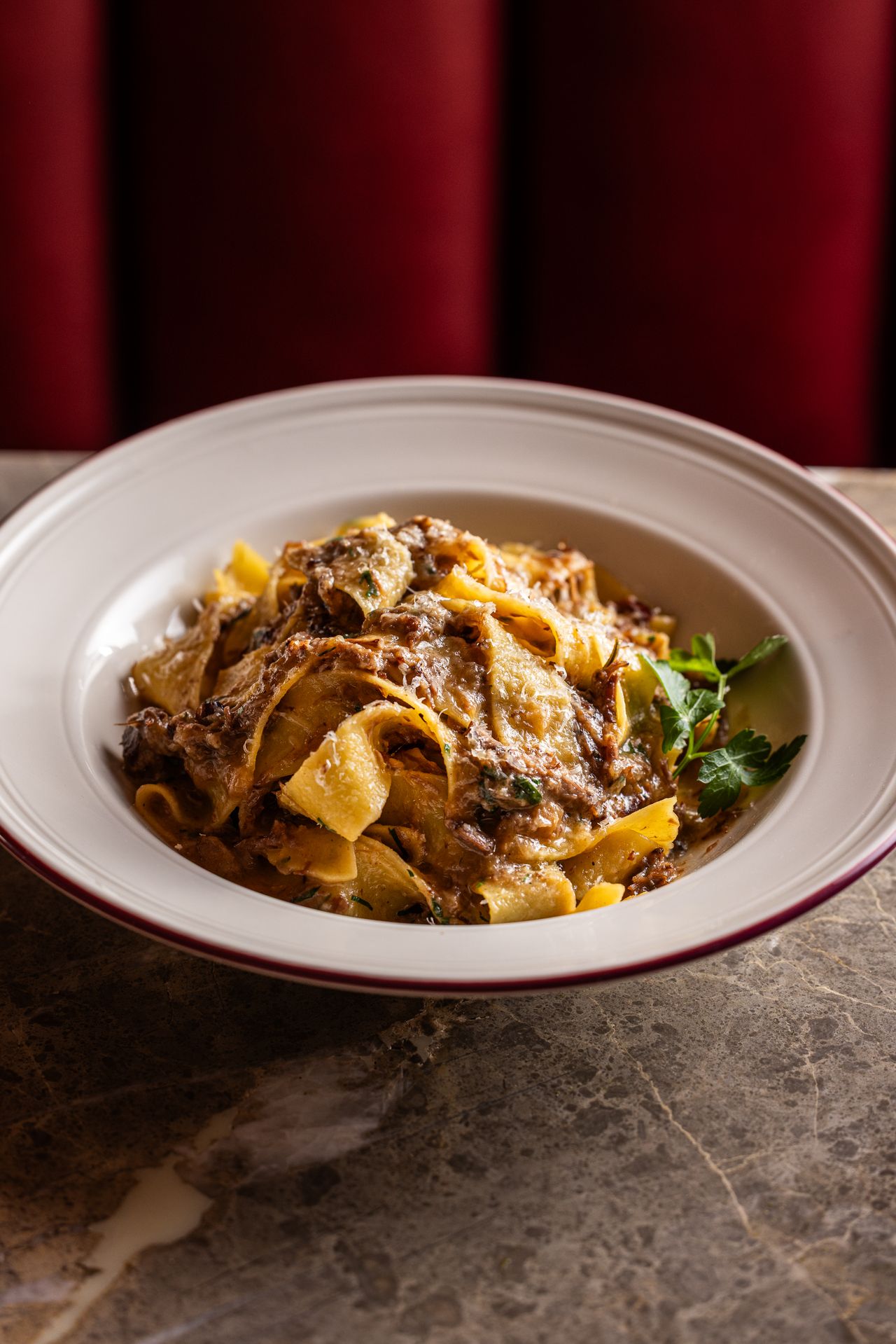
The broader menu offerings at Bar Rocco reflect a commitment to diverse palates and dietary preferences. Patrons can anticipate a selection of meticulously prepared oysters, fresh salads, premium steaks and chops, and classic Italian-American fare. Entrees include chicken puttanesca, a robust dish featuring a spicy tomato sauce, and traditional fish and chips. For pasta enthusiasts, the pappardelle Genovese, featuring 24-hour smoked short rib ragù, stands out as a rich and deeply flavored option. The restaurant also offers a signature burger crafted with aged Wagyu beef, underscoring a dedication to premium ingredients across the board.
For breakfast, Bar Rocco provides a comforting array of choices, from house-baked pastries and expertly prepared eggs to avocado toast and fluffy pancakes, ensuring a satisfying start to the day for hotel guests and early risers.
A Sophisticated Beverage Program and Elegant Ambiance
Complementing the culinary offerings, Bar Rocco features a thoughtfully curated beverage program. The bar serves a selection of local and international beers, an extensive wine list, and classic cocktails such as the Manhattan and Negroni. A particular highlight is the build-your-own Martini program, allowing guests to customize their drinks to their exact specifications. The cocktail menu also includes original creations and inventive interpretations of classic drinks. Notable examples include the Italian Margarita, a fusion of tequila, amaretto, and lime, and the Smoked Old Fashioned, which incorporates bourbon, sherry, fig syrup, and bitters, offering a complex and nuanced drinking experience.
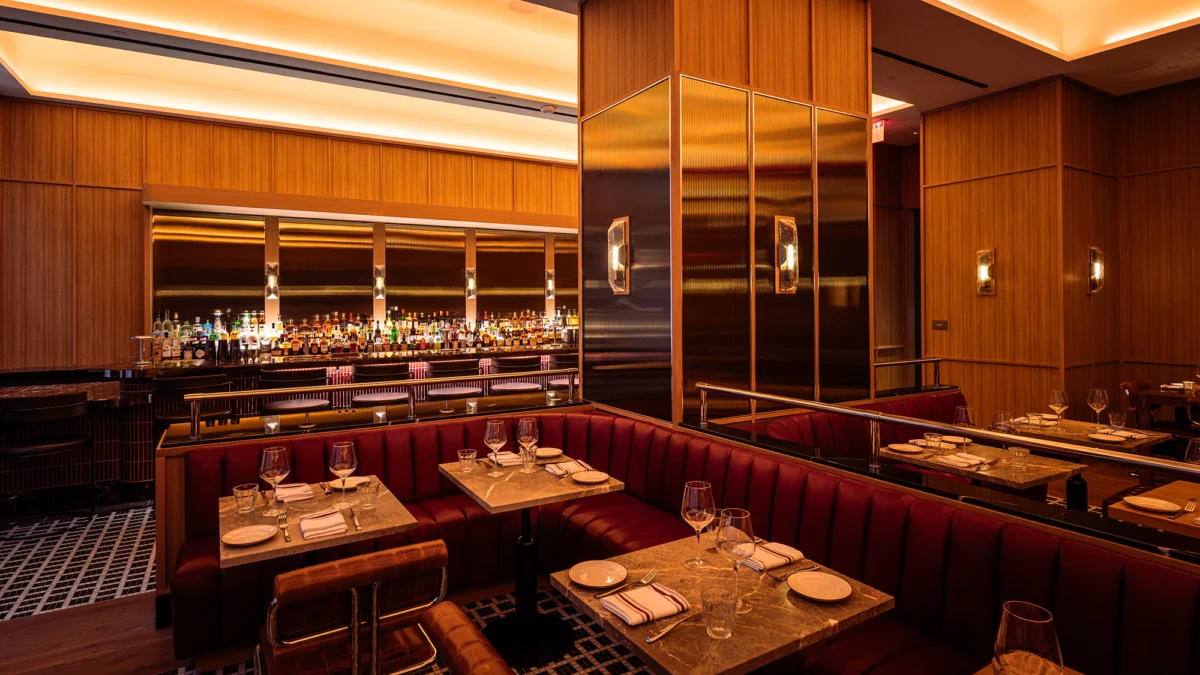
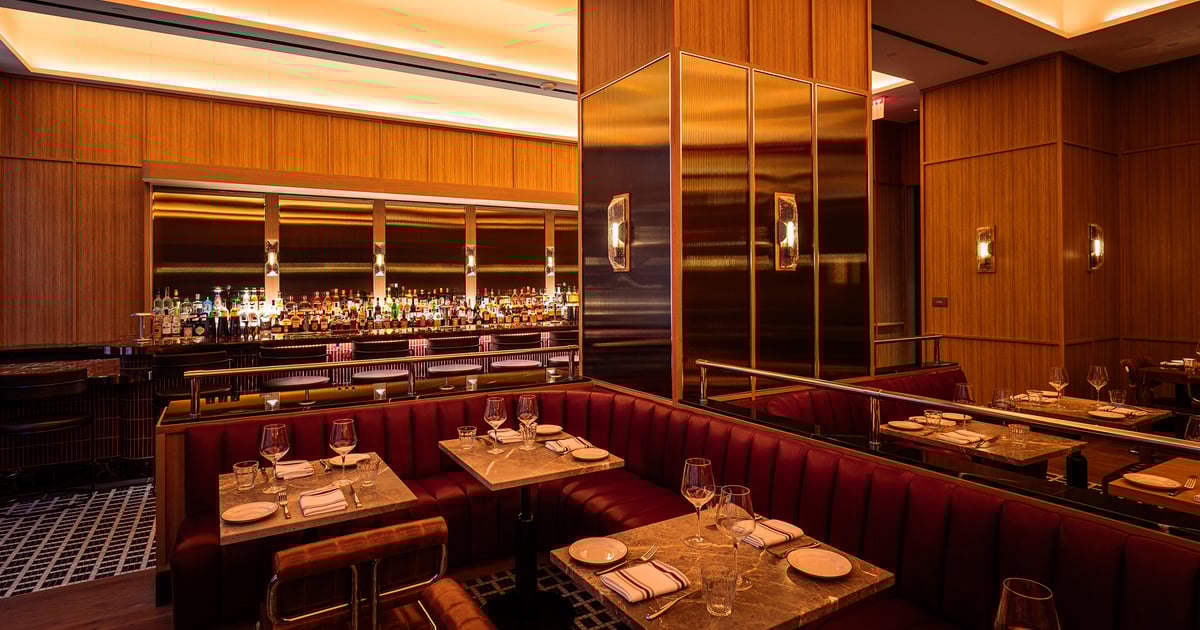
The interior design of Bar Rocco, a collaboration between SLCE Architects and INC Architecture & Design, aims to create a sophisticated yet welcoming atmosphere. The 108-seat space is divided between a 90-seat dining room and an 18-seat bar area, which serves as a prominent focal point. Floor-to-ceiling windows offer direct views of Rockefeller Center, infusing the space with the vibrant energy of Midtown Manhattan. The aesthetic is characterized by luxurious materials and warm detailing, including mosaic floors, plush leather banquettes, elegant marble tabletops, and ambient lighting designed to create an intimate and inviting dining environment.
The Return of a Culinary Icon
Rocco DiSpirito’s career trajectory has been marked by significant achievements and a notable presence in popular culture. He first gained widespread recognition with his restaurant Union Pacific, which earned a coveted three-star review from The New York Times shortly after its opening in 1997. This initial success propelled him into the national spotlight, leading to television appearances, cookbooks, and a series of restaurants. However, in the years leading up to Bar Rocco, DiSpirito had primarily engaged in a series of pop-up events, published books, and continued his television work, maintaining a connection with the culinary world without a permanent brick-and-mortar establishment in New York City.
His return signifies more than just a new restaurant; it represents a strategic decision to re-establish a significant presence in one of the world’s most competitive culinary capitals. The timing of Bar Rocco’s opening, amidst a period of post-pandemic recovery and evolving consumer habits in the restaurant industry, adds another layer of intrigue. Data from the National Restaurant Association has consistently shown a strong consumer demand for dining out, with casual dining and full-service restaurants playing a crucial role in the economic landscape. The success of establishments like Bar Rocco can offer insights into the current preferences for dining experiences that blend comfort, quality, and a touch of sophistication.
The broader implications of Bar Rocco’s opening extend beyond its immediate vicinity. The presence of a well-known chef like DiSpirito can significantly boost the profile of the Kimpton Era Midtown New York hotel and the surrounding Rockefeller Center area, attracting both local patrons and tourists. The success of the four distinct dining concepts within the hotel could also serve as a model for other hotels seeking to enhance their hospitality offerings and create unique guest experiences.
The culinary landscape of New York City is perpetually in flux, with new establishments opening and closing with regularity. However, the return of a chef with DiSpirito’s pedigree and a concept that emphasizes both tradition and modern appeal suggests a strong potential for longevity. The focus on personal relevance and approachable indulgence, as articulated by DiSpirito, aligns with current market trends that favor authenticity and value, even in high-end dining. As Bar Rocco settles into its operations, the culinary world will be watching closely to see how this latest chapter in Rocco DiSpirito’s storied career unfolds, and what new benchmarks it sets for Italian-American brasseries in the heart of Manhattan.
